Artwork
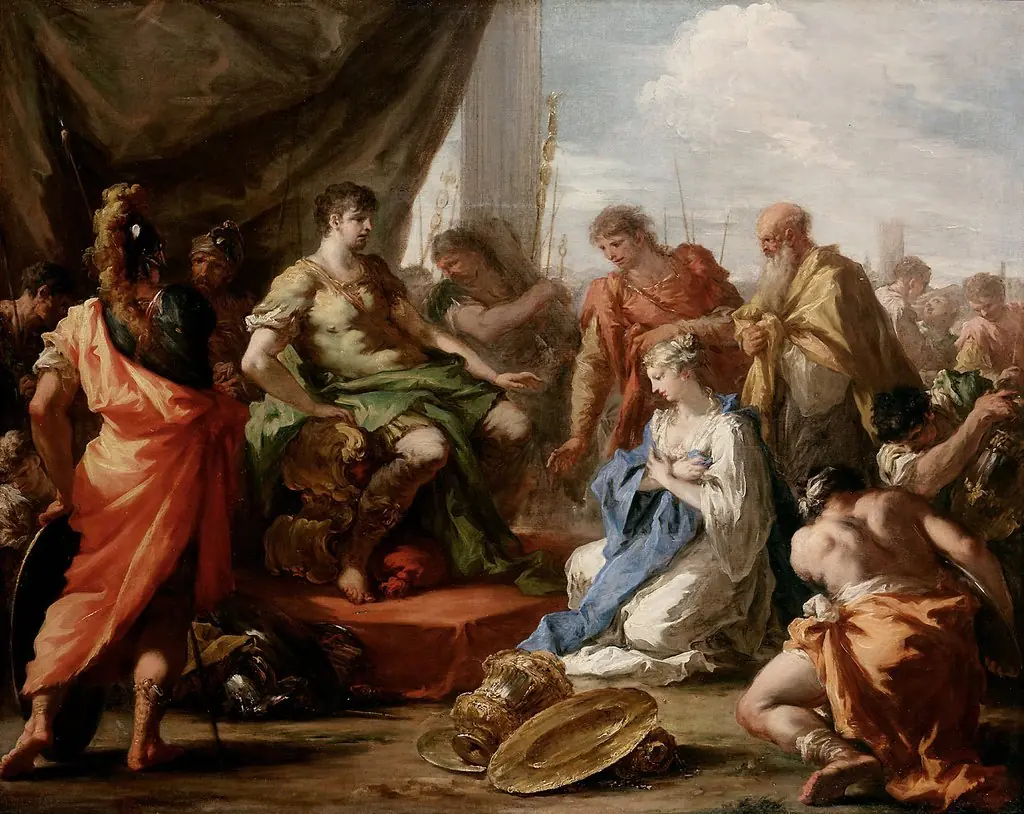
The Women of Darius Invoking the Clemency of Alexander
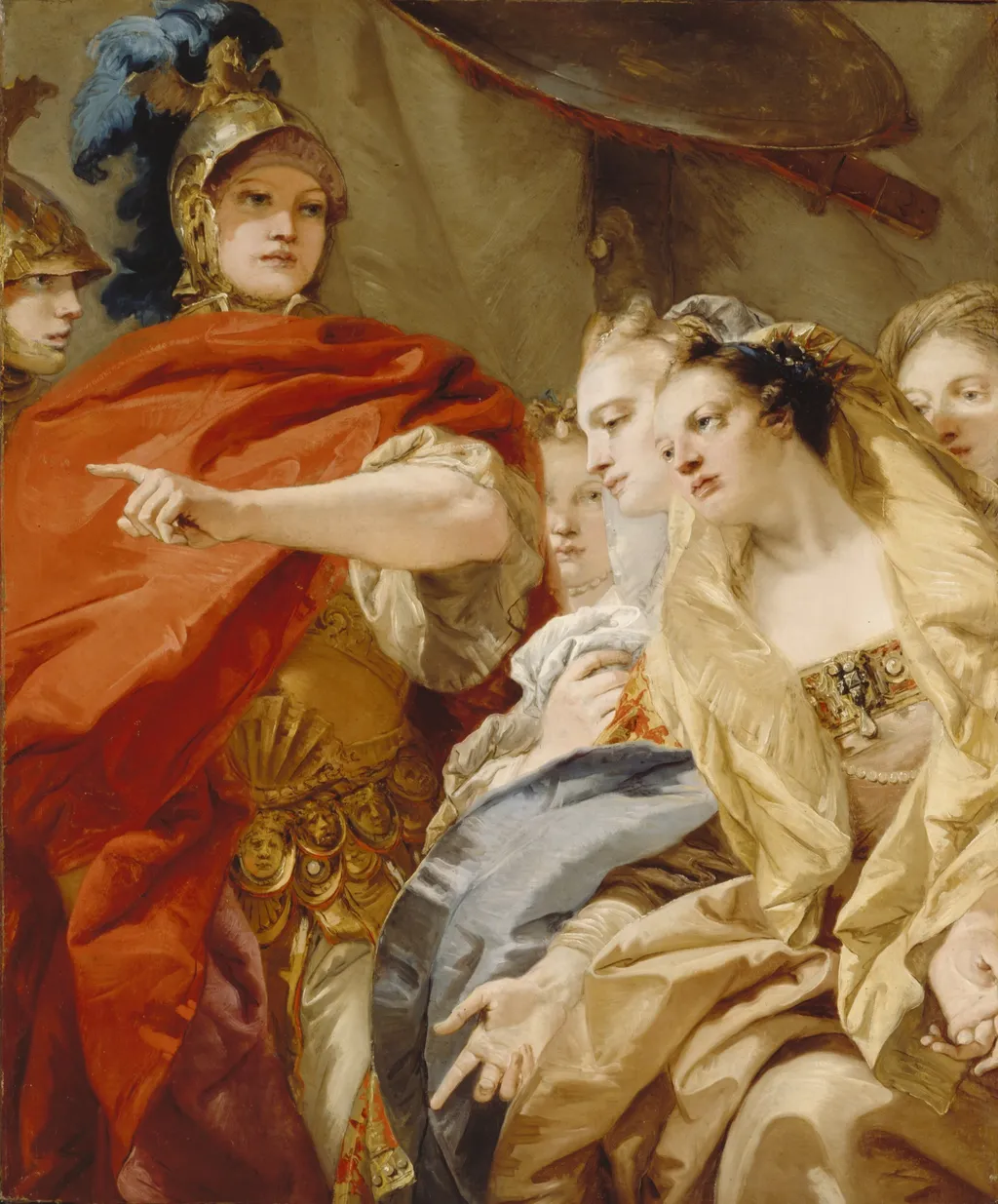
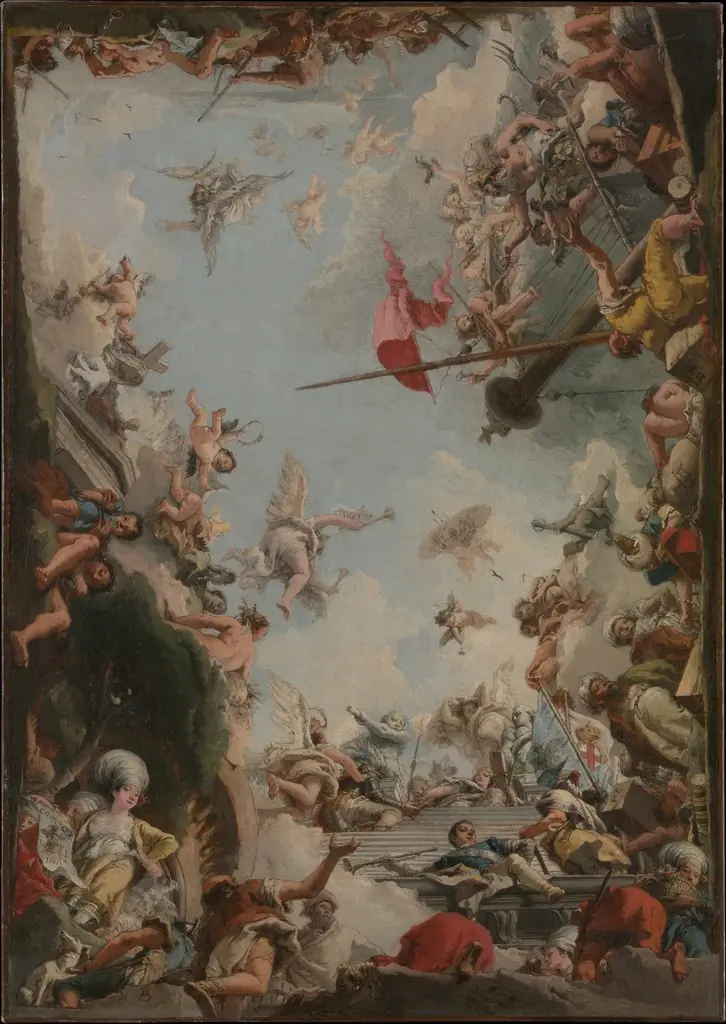
The Women of Darius Invoking the Clemency of Alexander is an oil painting by the Rococo painting artist Giovanni Domenico Tiepolo. It dates from 1750 and is held in the collection of the Detroit Institute of Arts.
About this work
Overview
Giovanni Domenico Tiepolo, a Venetian painter active in the mid‑eighteenth century and the son and apprentice of Giovanni Battista Tiepolo, created the canvas titled *The Women of Darius Invoking the Clemency of Alexander* around 1750. Executed in oil on canvas, the work belongs to the Rococo period and presents a narrative drawn from classical antiquity.
Subject & Meaning
The composition portrays a moment from the aftermath of the Battle of Gaugamela, when the surviving members of the Persian king Darius III’s household approach Alexander the Great to plead for leniency. The scene emphasizes themes of supplication, the contrast between conquered and victor, and the moral appeal for mercy in the context of imperial conquest.
Technique & Style
Tiepolo employs the light, fluid brushwork characteristic of Rococo painting, using a luminous palette to model figures against a softened background. The oil medium allows for delicate gradations of tone, while the arrangement of gestures and drapery conveys a sense of movement and emotional immediacy typical of the period’s decorative sensibility.
History & Provenance
The canvas was produced in the artist’s mature phase, shortly after his return to Venice from a period of work in northern Italy. Although specific ownership records are sparse, the painting entered a private collection in the late eighteenth century and later passed to a public institution, where it remains on display as part of a broader collection of Rococo works.
Own this work as a print
Artist & collection
Artist
Giovanni Domenico Tiepolo (August 30, 1727 – March 3, 1804) was an Italian painter and printmaker in etching. He was the son of artist Giovanni Battista Tiepolo and elder brother of Lorenzo Baldissera Tiepolo.

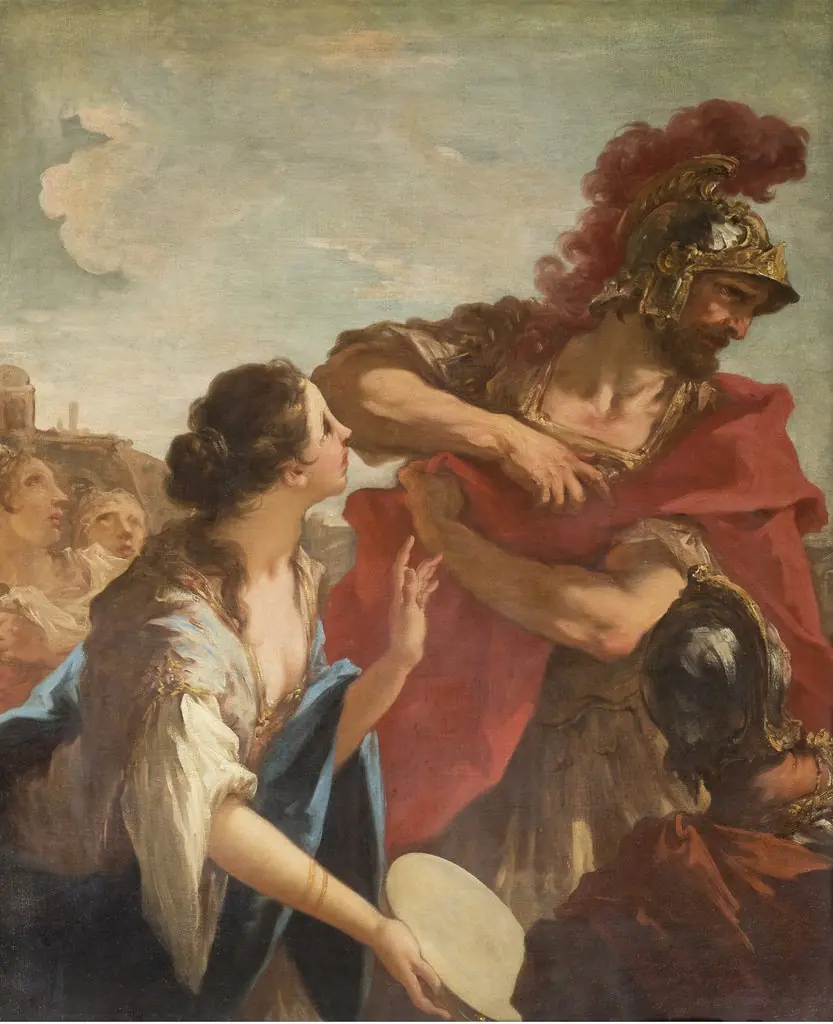 Jephthah returning from Battle is greeted by his Daughter
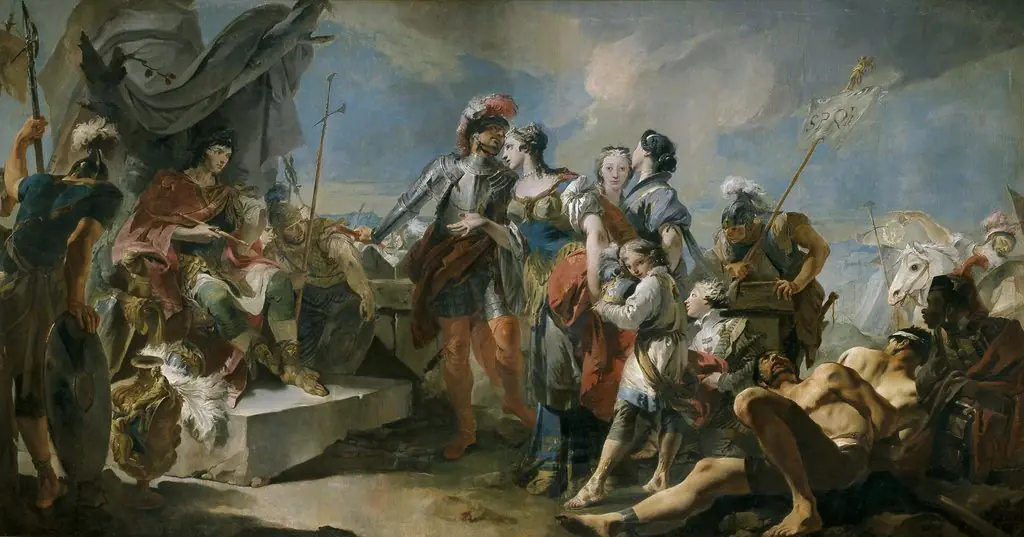 Queen Zenobia before the Emperor Aurelian
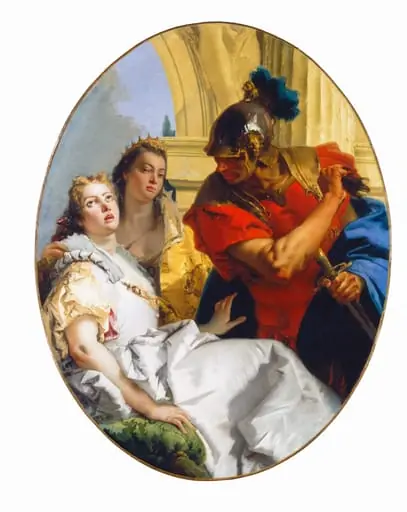 Scene from Ancient History
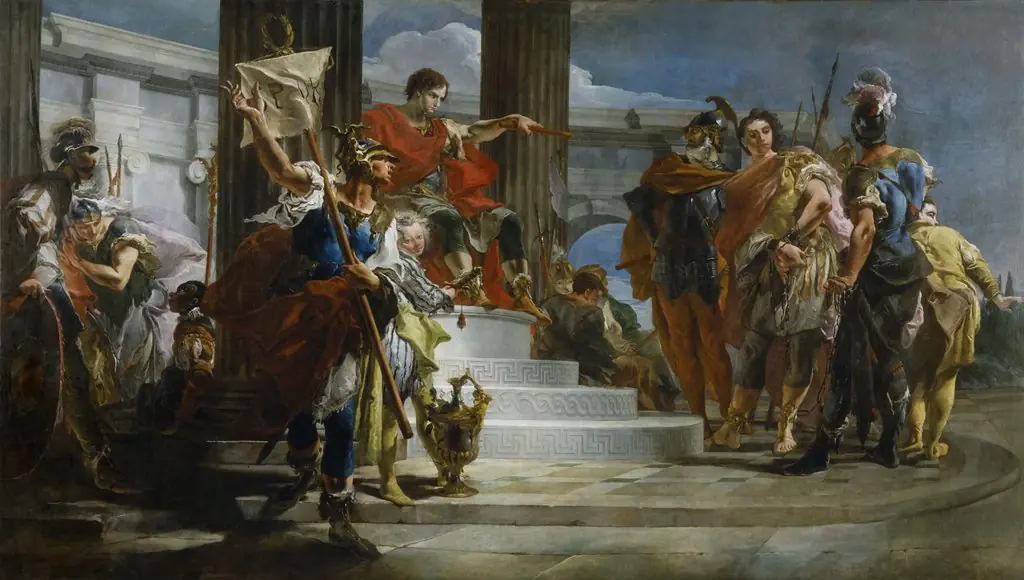 Scipio Africanus Freeing Massiva
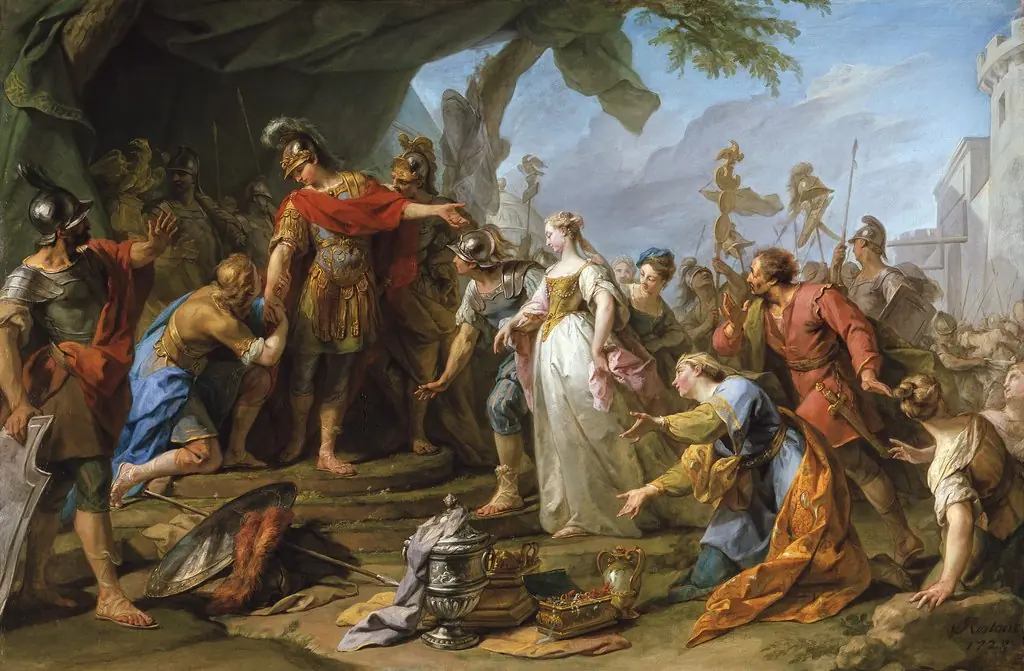 The Generosity of Scipio
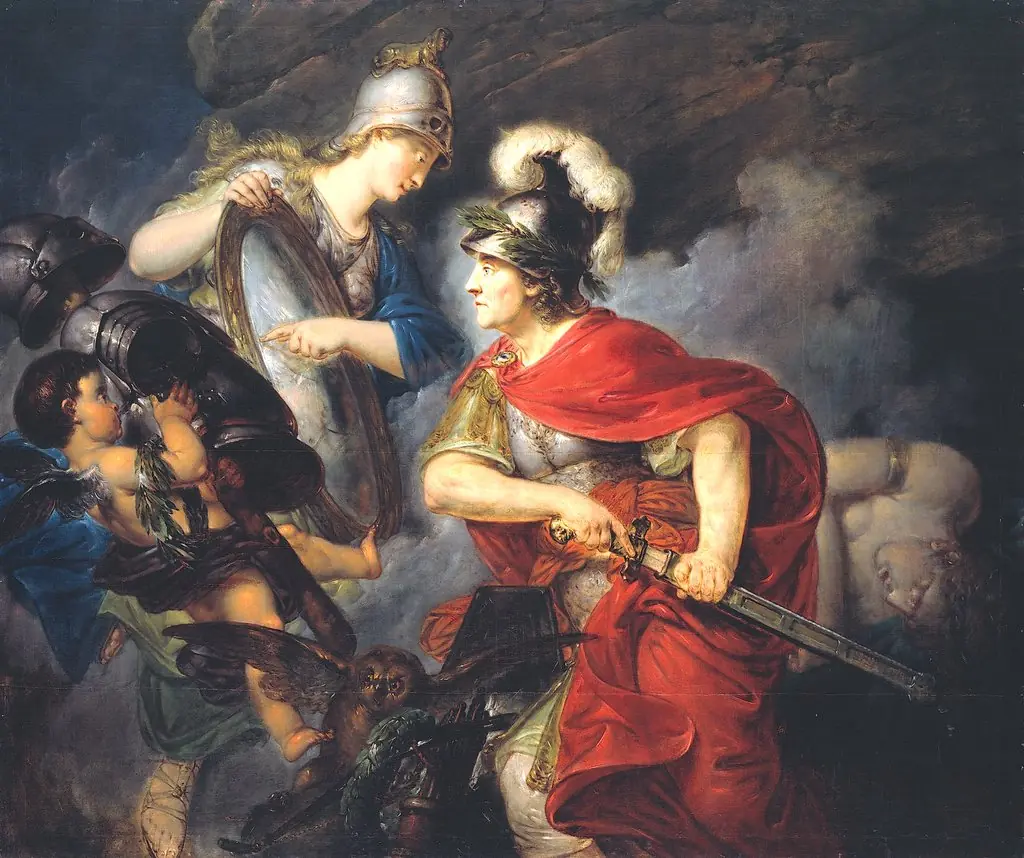 Allegory of Frederick the Great as Perseus
 Alexander the Great Founding Alexandria
 Queen Zenobia Addressing Her Soldiers
 The Continence of Scipio
 The Continence of Scipio
 Enthaltsamkeit des Scipio
 Rape of the Sabines