Artwork
The adoration of the Magi
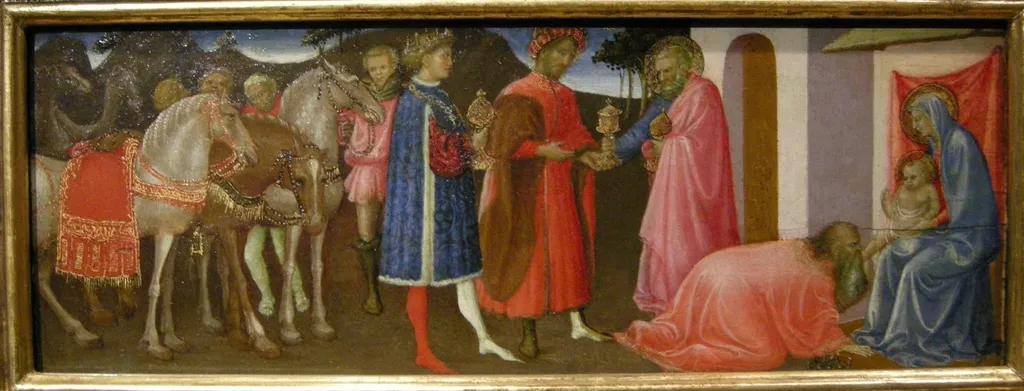
The adoration of the Magi is an unspecified painting by the Early Renaissance artist Giovanni Francesco Toscani. It dates from 1425 and is held in the collection of the National Gallery of Victoria.
About this work
Overview
It is now part of the National Gallery of Victoria’s collection, one of the few surviving works attributed to Toscani, who died in 1430.
Painted around 1425 by Giovanni Francesco Toscani, a Florentine artist trained in the workshop of Giottino, this panel depicts the biblical moment when the Magi offer gifts to the infant Jesus. Executed in tempera and gold leaf, the work reflects the transitional style of early Renaissance Florence, blending lingering Gothic conventions with emerging naturalism. It is now part of the National Gallery of Victoria’s collection, one of the few surviving works attributed to Toscani, who died in 1430.
Subject & Meaning
The scene illustrates the visit of the three Magi to the Christ Child, a traditional subject symbolizing the recognition of Jesus as both divine and royal. The figures of the kings, each dressed in elaborate, culturally distinct robes, represent the wider world’s homage. Mary, seated with the infant, embodies maternal tenderness, while the presence of attendants, horses, and distant architecture suggests a journey’s culmination and the expanding reach of the Christian message.
Technique & Style
Toscani employed tempera on wood with gold leaf accents to highlight halos and fabric details, a technique common in late medieval panel painting. The figures are arranged in a shallow space, with careful attention to textile patterns and facial expressions. Though the background remains stylized—dark tones framing a distant sky and trees—the rendering of clothing and accessories shows a growing interest in observable detail, bridging medieval tradition and Renaissance observation.
History & Provenance
Little is documented about the painting’s early ownership, but its style and materials align with Florentine devotional panels of the early 15th century. Toscani, active in Florence until his death in 1430, was buried in Santa Maria del Fiore, indicating his standing in the city’s artistic community. The work entered the National Gallery of Victoria’s collection in the 20th century, likely through a European acquisition, preserving a rare example of a lesser-known Florentine master.
Context
Created during a period when Florentine artists were beginning to explore perspective and human anatomy, Toscani’s work retains the hierarchical composition and symbolic richness of the International Gothic style. While contemporaries like Masaccio were pioneering spatial depth, Toscani’s focus on ornamental detail and ceremonial presence reflects the enduring appeal of devotional imagery in private and ecclesiastical settings before full Renaissance naturalism took hold.
Legacy
Toscani’s oeuvre is sparse, with few authenticated works surviving, making this painting a significant reference for understanding regional Florentine painting between Giotto’s legacy and the rise of Brunelleschi and Donatello. Though not widely influential in his own time, his attention to texture and ceremonial gesture offers insight into the transitional aesthetics of early 15th-century Italy, preserving a quiet but tangible link between medieval piety and emerging humanism.
Artist & collection
Artist
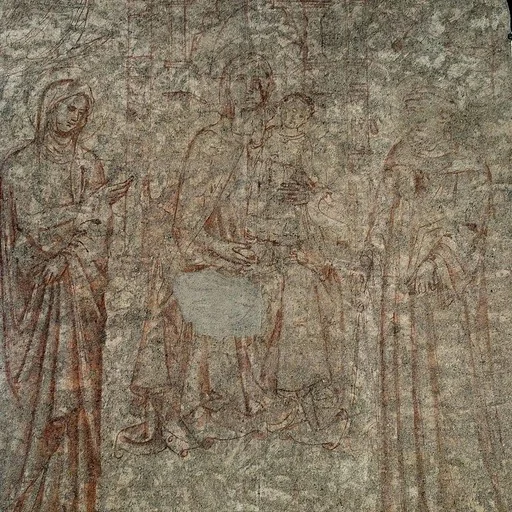
Giovanni di Francesco Toscani (1372 - 2 May 1430) was an Italian painter. Born in Florence, he was the pupil of Giottino, in whose style he painted. His masterpiece is said to have been an Annunciation for a chapel of…

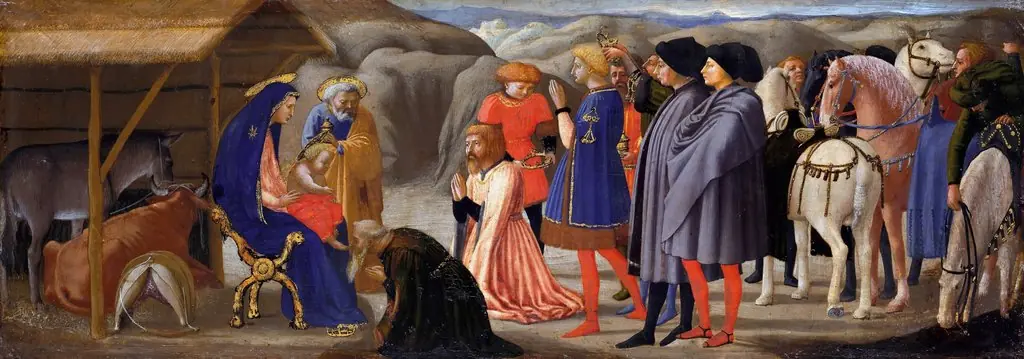 The Adoration of the Magi
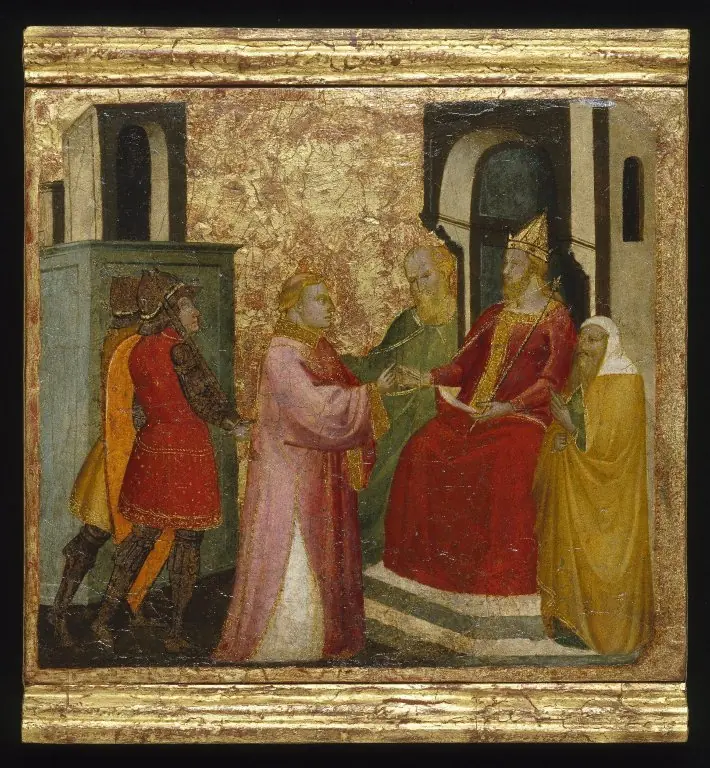 Saint Lawrence Arraigned Before the Prefect Valerianus
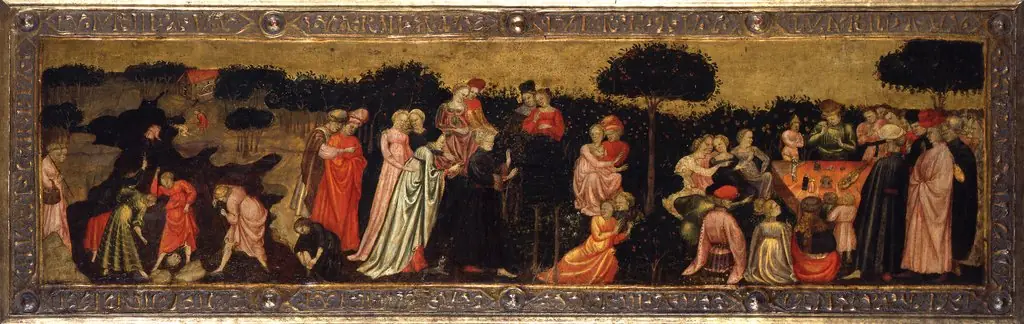
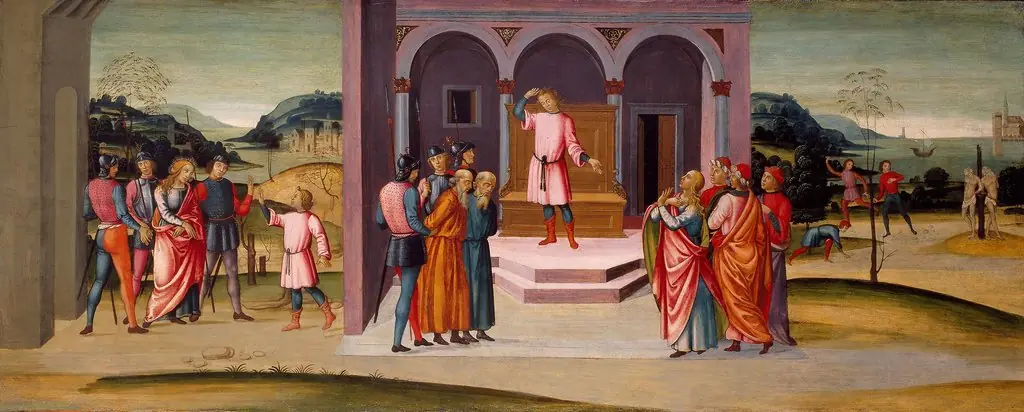 Daniel Saving Susanna, the Judgment of Daniel, and the Execution of the Elders
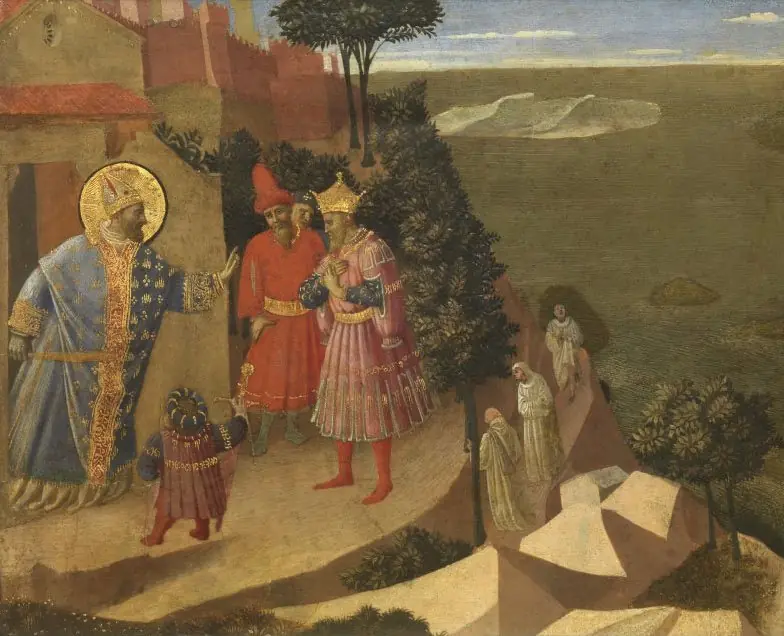 Saint Romuald Forbidding Entry to the Monastery to Emperor Otton III
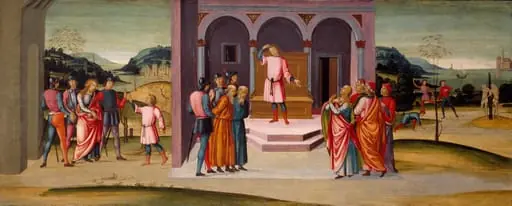 Daniel Saving Susanna, the Judgment of Daniel, and the Execution of the Elders
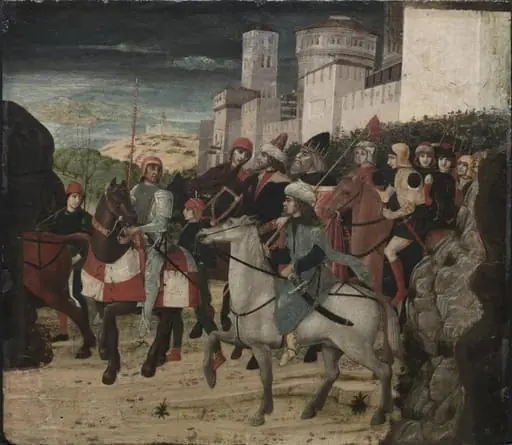 Procession of the Magi
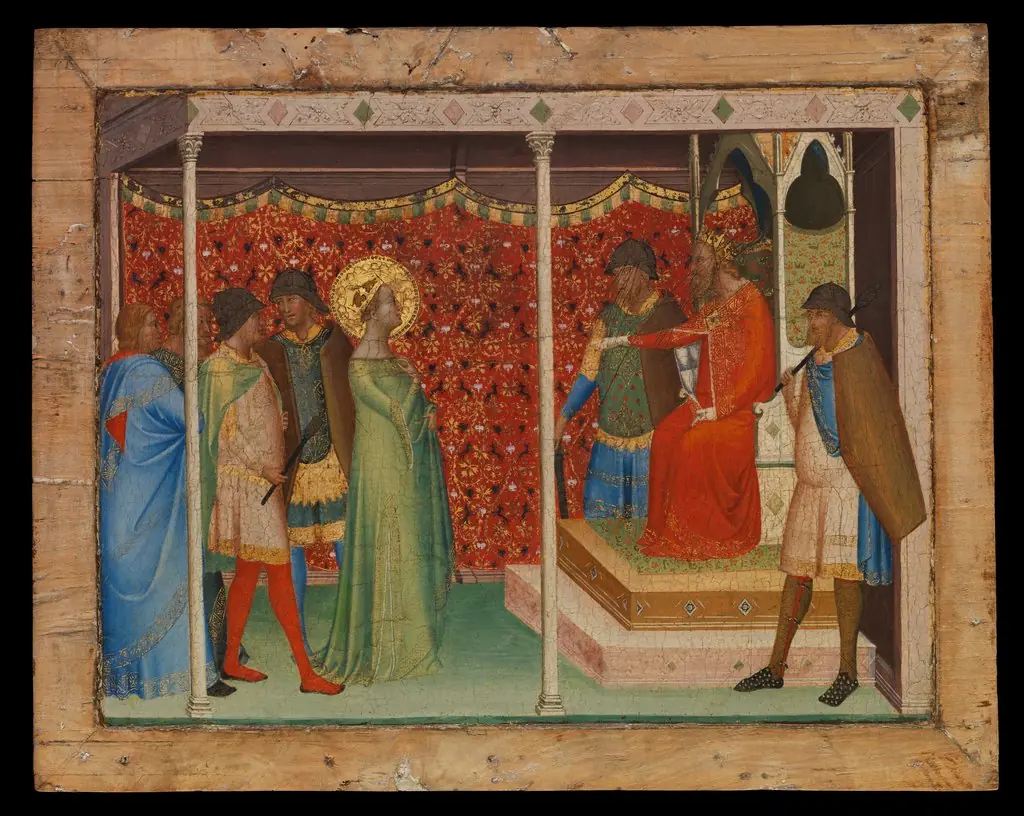 Saint Reparata before the Emperor Decius
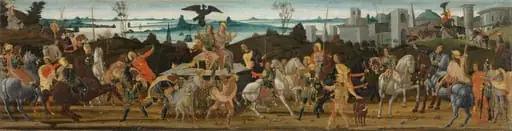 Tarquinius Priscus Entering Rome
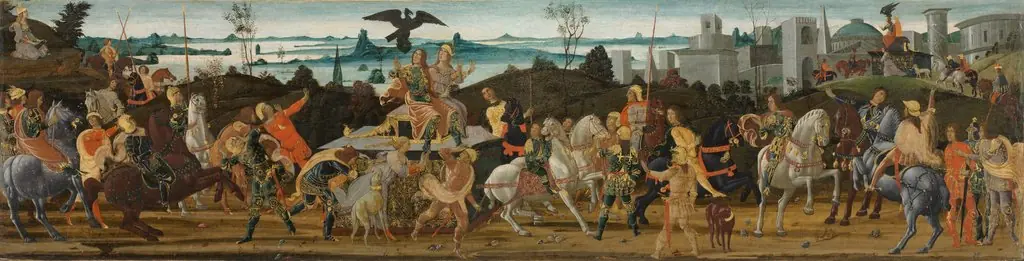 Tarquinius Priscus Entering Rome
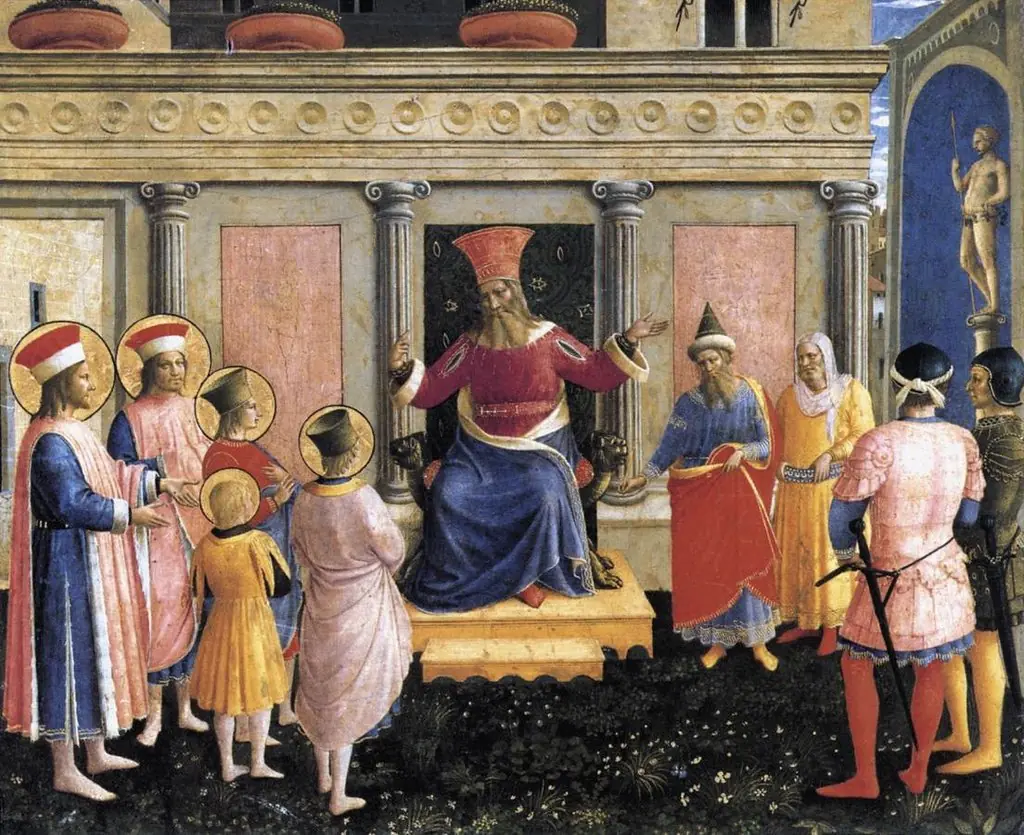 The Saints Cosmas and Damian with their Brothers before the Proconsul Lysias
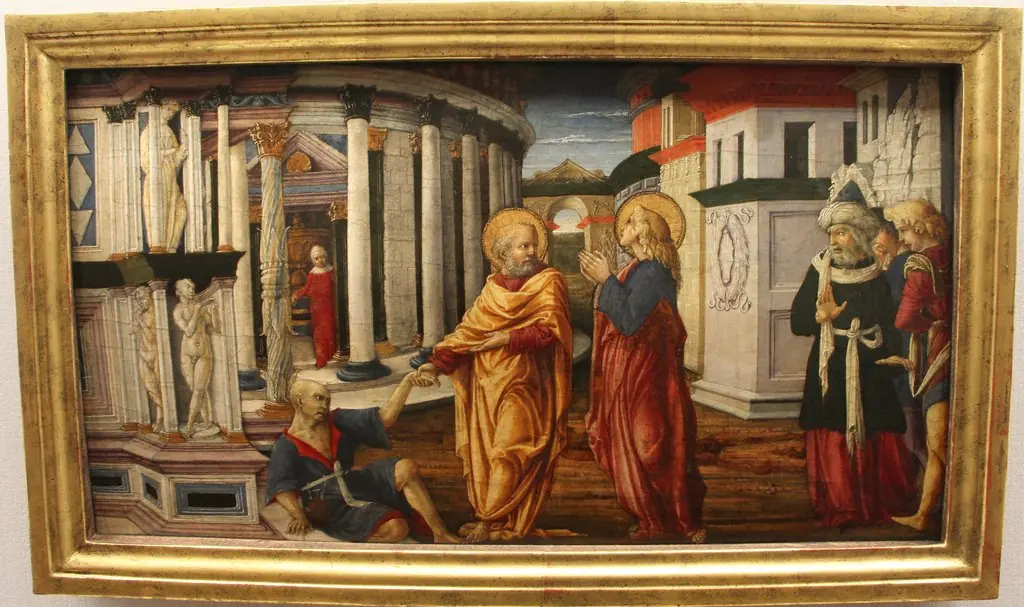 Petrus heilt einen Lahmen
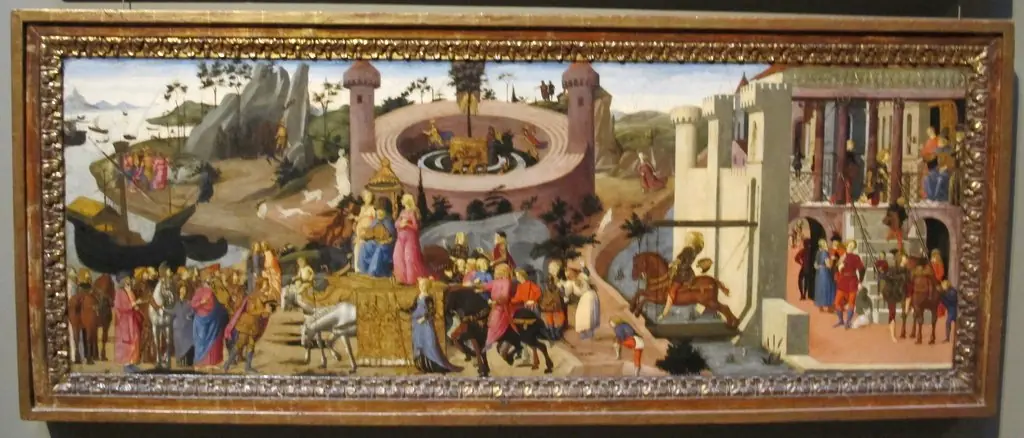 scene con storie degli argonauti