Artwork
Petrus heilt einen Lahmen
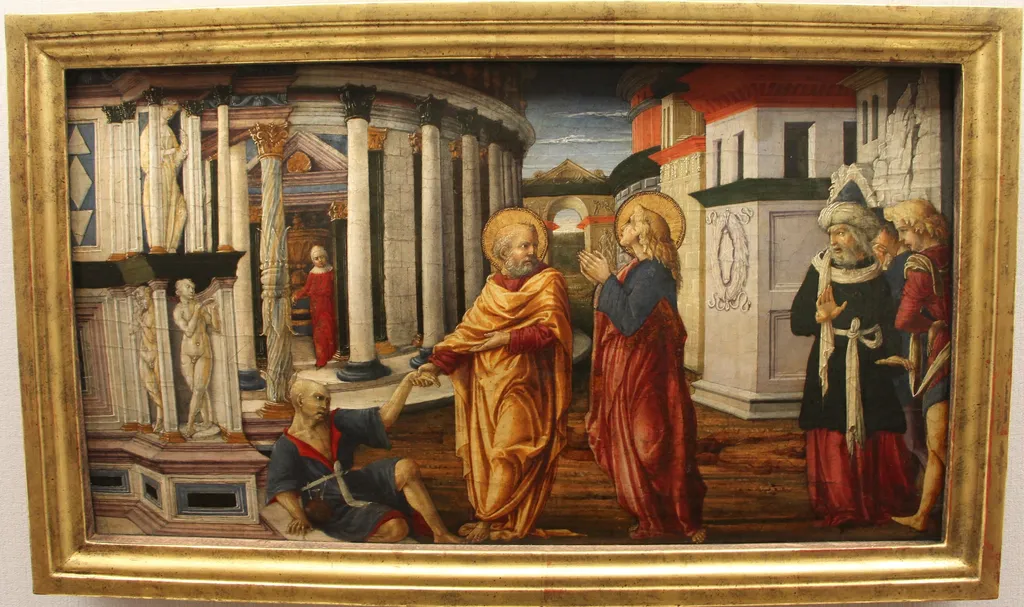
Petrus heilt einen Lahmen is a paint painting by the Early Renaissance artist Liberale da Verona. It dates from 1469 and is held in the collection of the Gemäldegalerie Berlin.
About this work
Overview
The composition centers on a moment of divine intervention, framed by architectural elements and a group of onlookers.
Painted in 1469 by Liberale da Verona, this work depicts the biblical miracle of Peter healing a lame man. Executed in tempera or oil on panel, it is part of the Gemäldegalerie Berlin’s collection. The composition centers on a moment of divine intervention, framed by architectural elements and a group of onlookers. The scene reflects late medieval devotional painting traditions, emphasizing narrative clarity and spiritual gravity.
Subject & Meaning
The painting illustrates Acts 3:1–8, in which the apostle Peter restores mobility to a beggar at the Temple gate. Peter, dressed in luminous robes, extends his hand in blessing, while the crippled man, seated on the ground in a dark garment, reaches toward him. Surrounding figures—clad in varied contemporary attire—observe in quiet awe. The scene underscores faith as a conduit for healing, aligning with devotional practices of the period.
Technique & Style
Liberale da Verona employs subtle modeling and restrained chiaroscuro to define forms and suggest spatial depth. Figures are rendered with delicate linework and muted color harmonies, avoiding dramatic contrasts in favor of quiet realism. Textures in fabric and stone are suggested through layered washes, not heavy impasto. The architectural backdrop, with its classical columns and arched structures, grounds the sacred event in a recognizable, earthly setting.
History & Provenance
The painting was created in Verona during the late 1460s and entered the Berlin collection in the 19th century, likely through acquisitions of Italian Renaissance works by Prussian collectors. Its attribution to Liberale da Verona is supported by stylistic parallels with his documented altarpiece fragments. The panel has undergone conservation but retains its original composition and most of its pigment layers.
Context
Produced during a period of renewed interest in biblical narrative painting in northern Italy, the work reflects the influence of both Venetian colorism and Paduan draftsmanship. Liberale, trained in the workshop of Mantegna’s circle, adapted humanist ideals into religious subjects. This painting would have served a devotional or liturgical function, possibly in a small chapel or private oratory.
Legacy
Though not widely exhibited outside Germany, the painting remains a representative example of mid-15th-century Veneto religious art. It contributes to scholarly understanding of how regional artists interpreted apostolic miracles with local aesthetic sensibilities. Its preservation allows ongoing study of technique and iconography in small-scale devotional panels from the period.
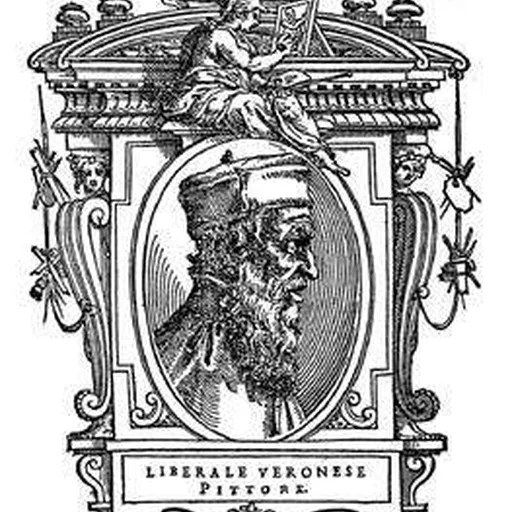
Artist & collection

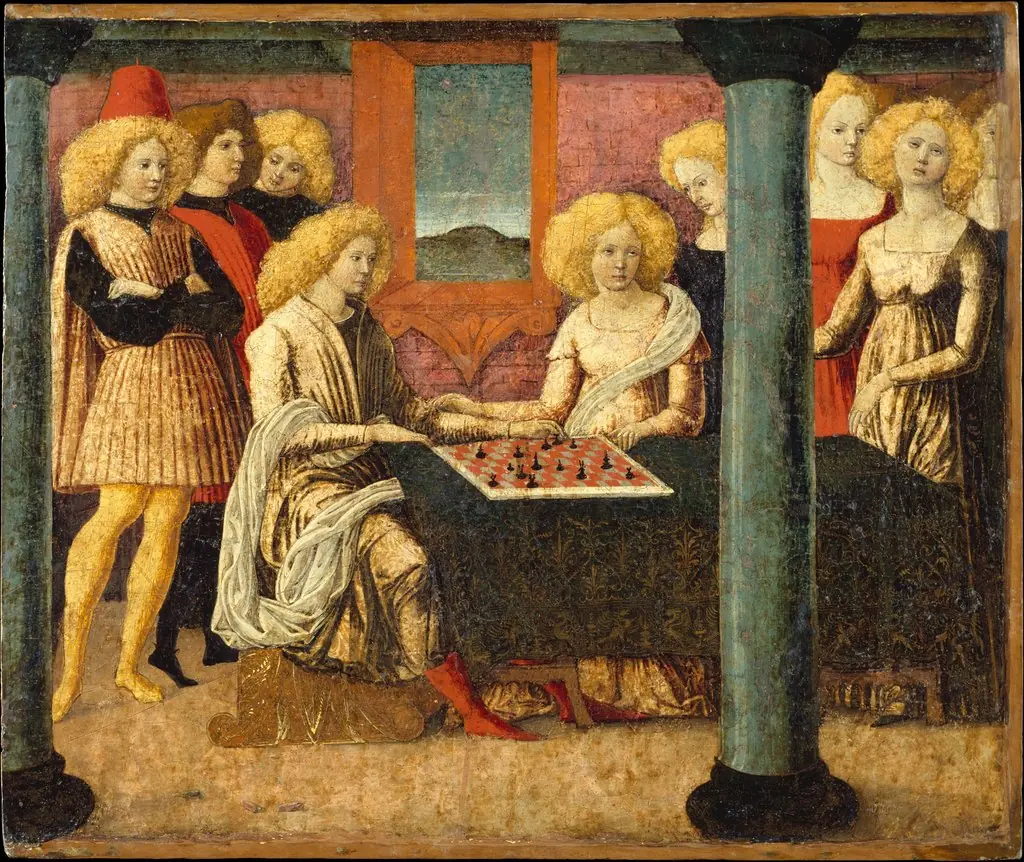 The Chess Players
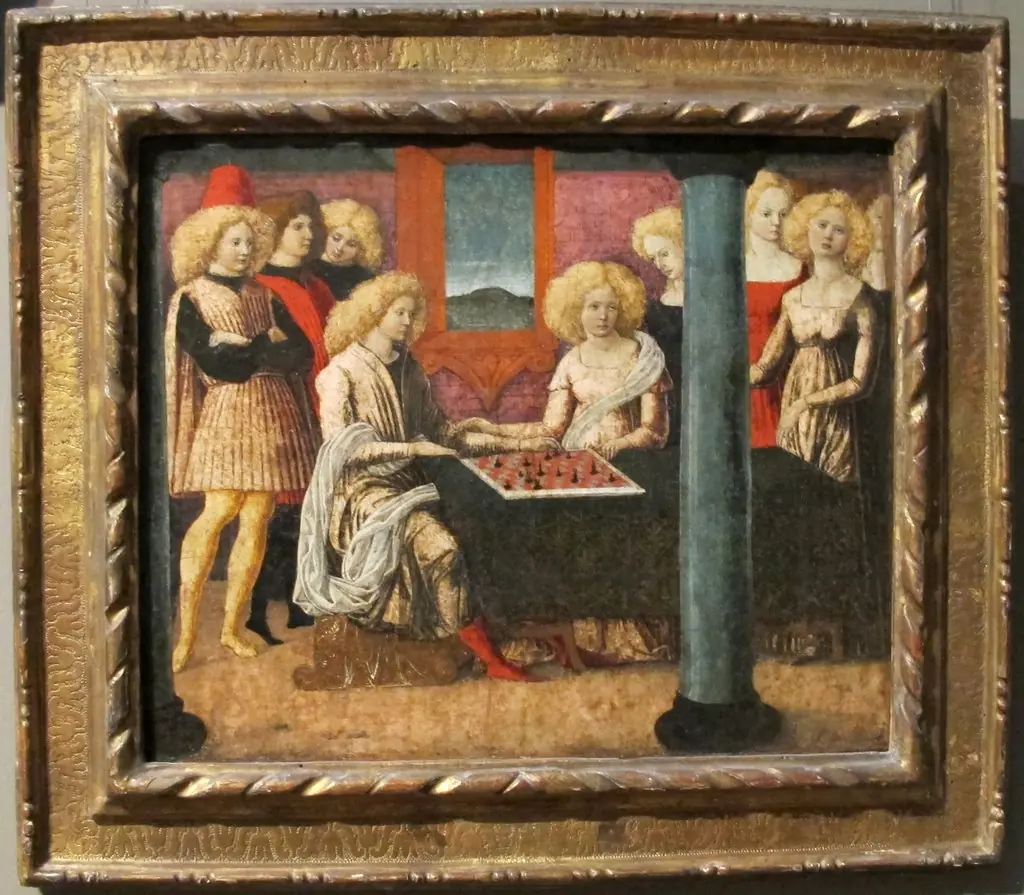 Chess player's novella
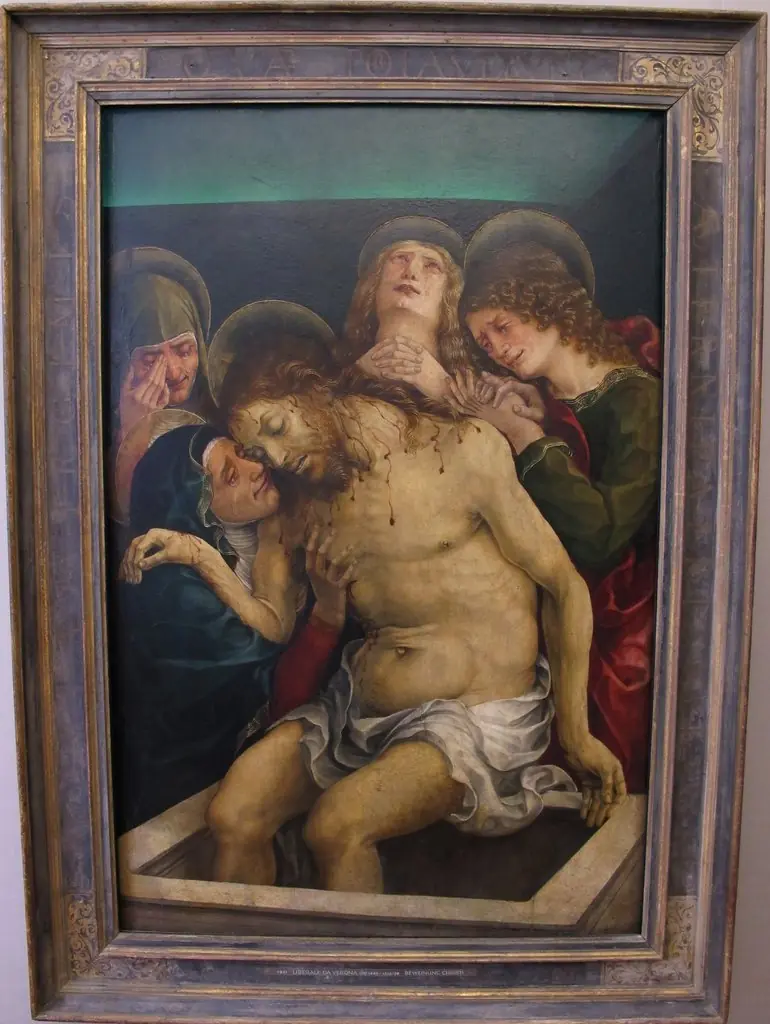 Lamentation of Christ
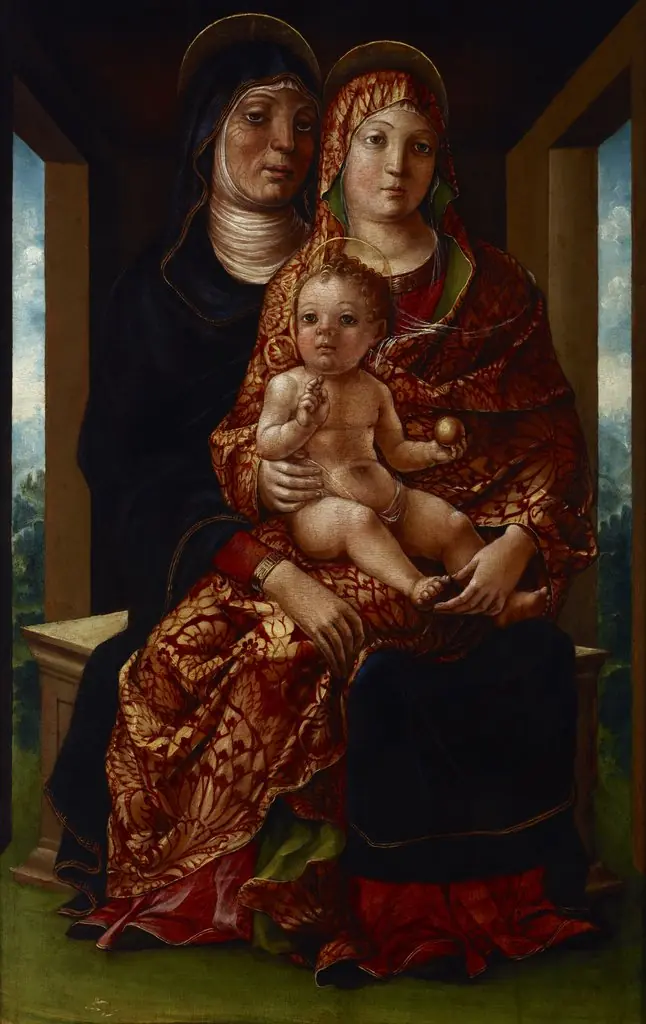 Madonna and Child with Saint Anne
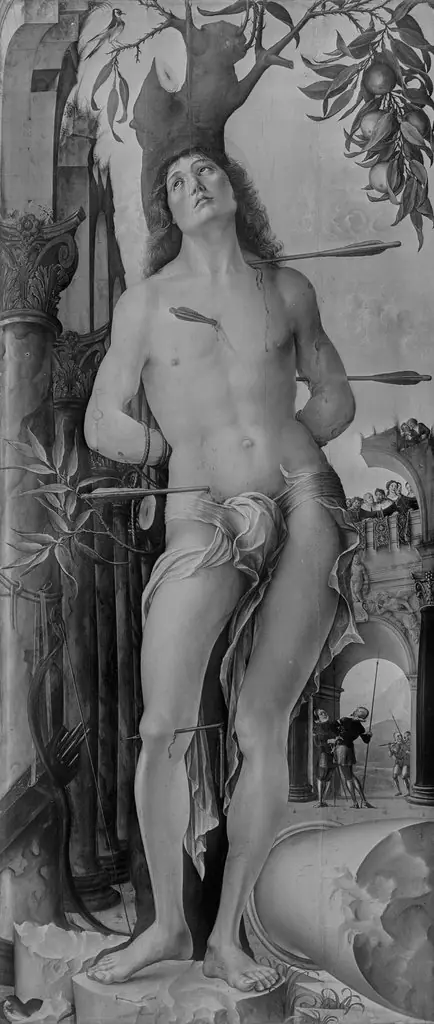 Saint Sebastian
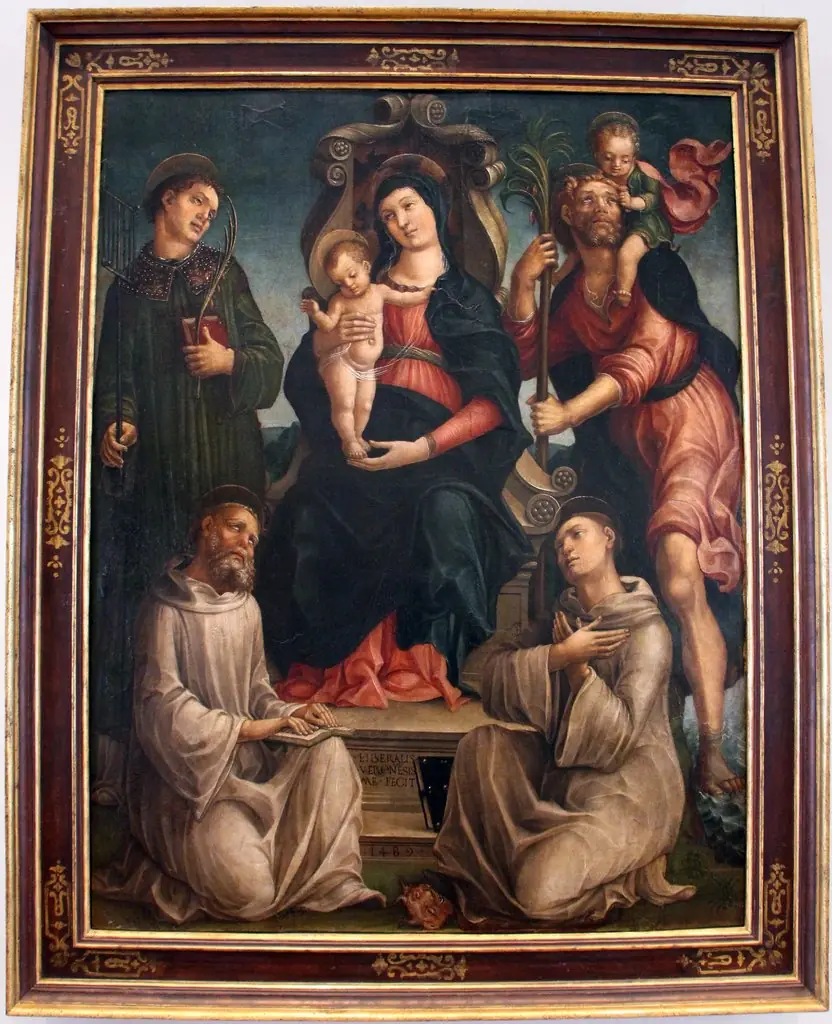 Thronende Maria mit dem segnenden Kind und den Heiligen Benedikt von Nursia, Laurentius und Bernhard von Clairvaux
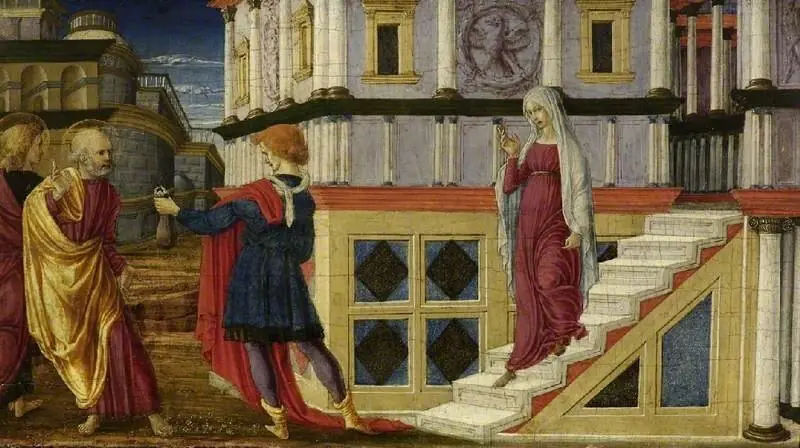 Simon Magus offering St Peter money for the power of conferring The Holy Spirit
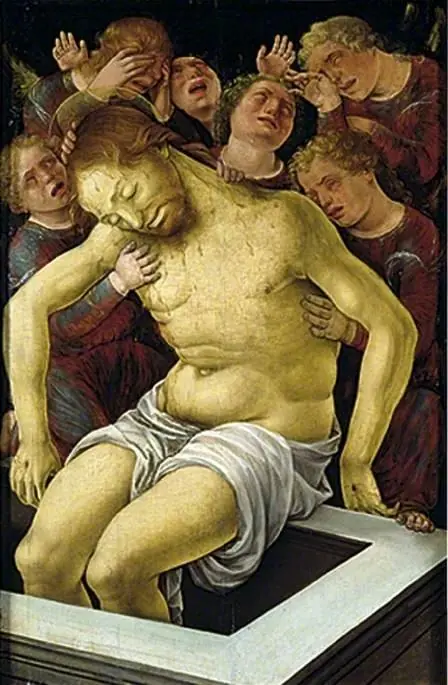 The dead Christ supported by mourning angels
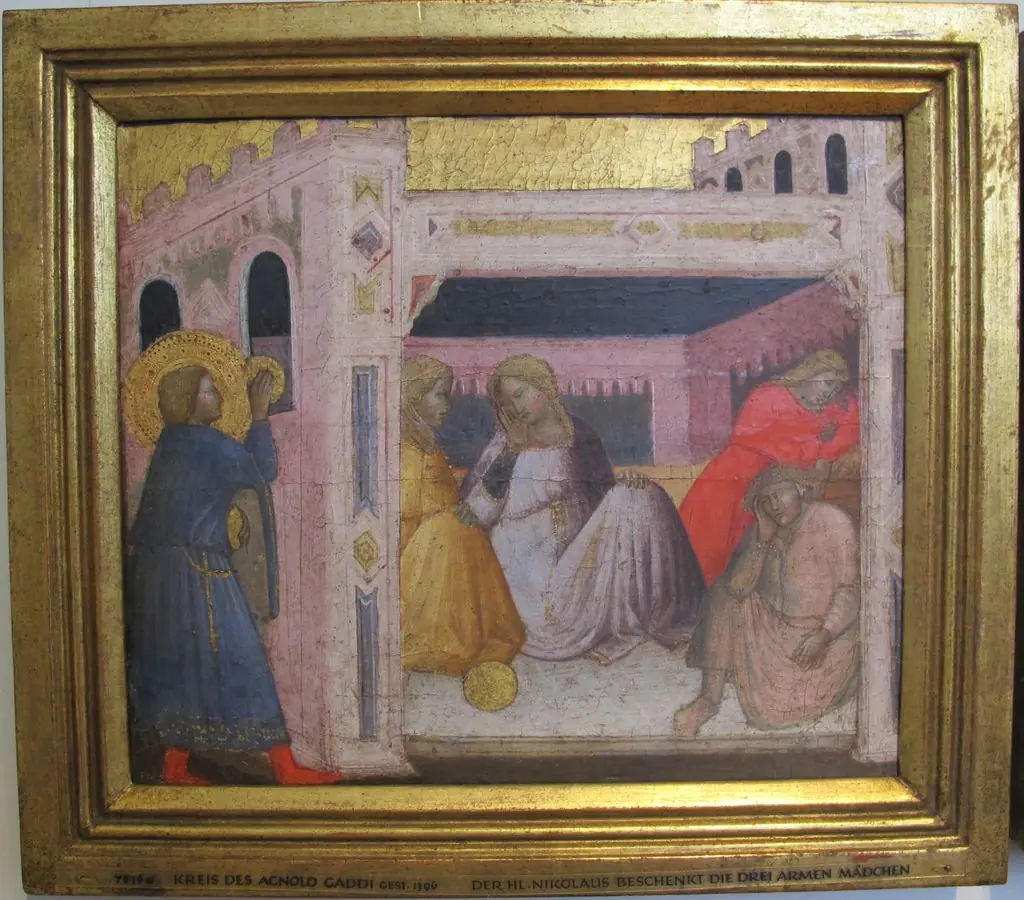 Stories of St. Nicholas. Saint Nicholas presenting Gifts to Three Pool girls
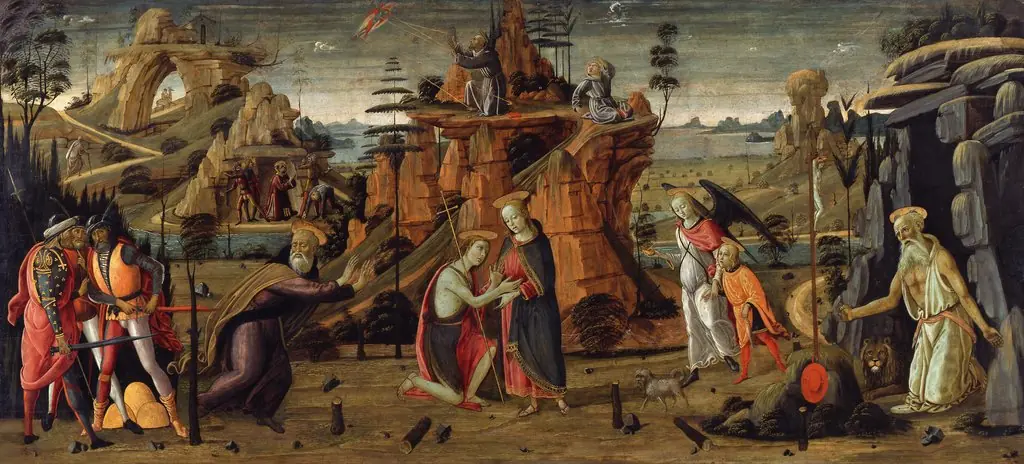 Landscape with biblical scenes and scenes from the legends of saints
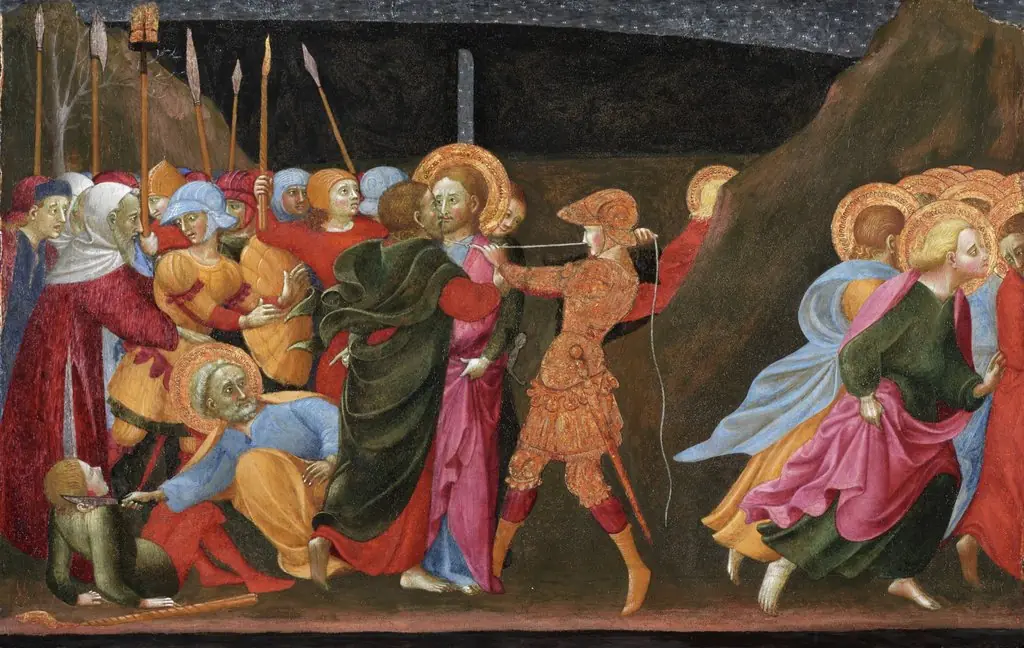 The Betrayal of Christ
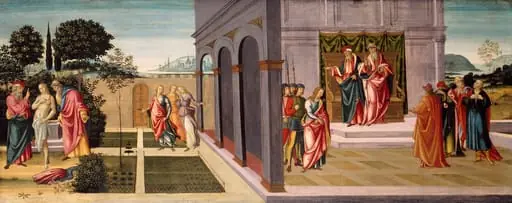 Susanna and the Elders in the Garden, and the Trial of Susanna before the Elders
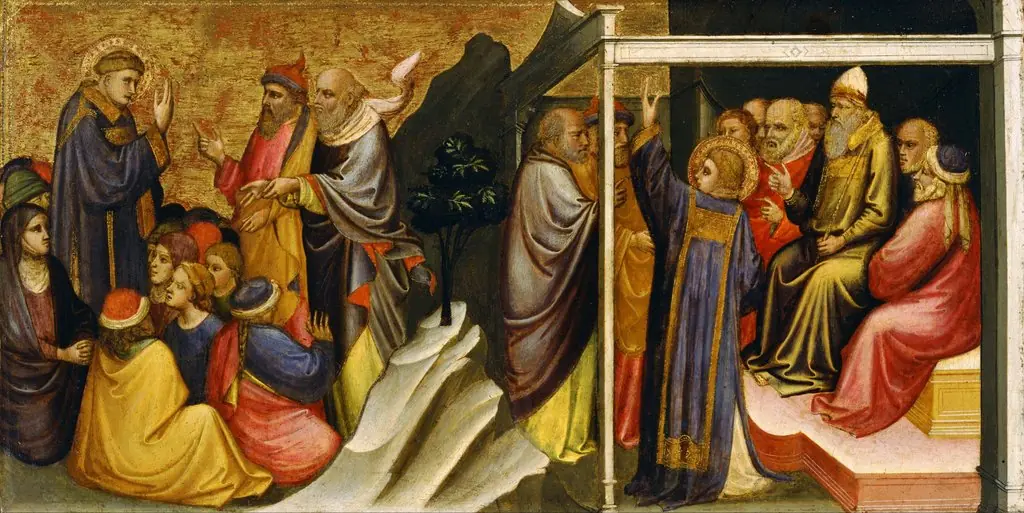 Predella Panel Representing the Legend of St. Stephen: St. Stephen Preaching
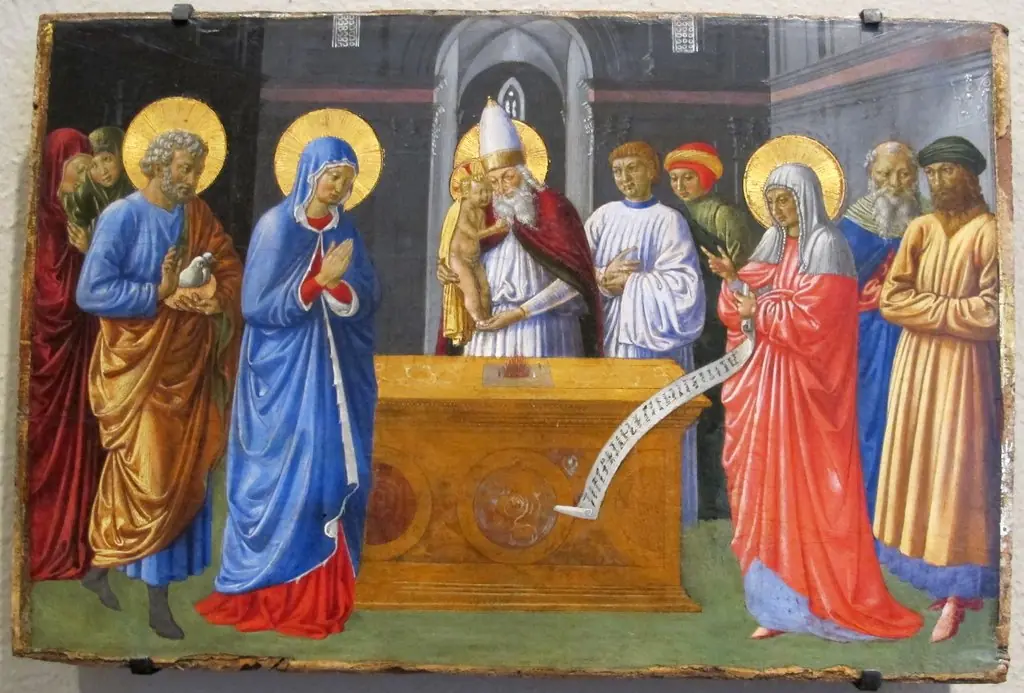 Presentation at the Temple
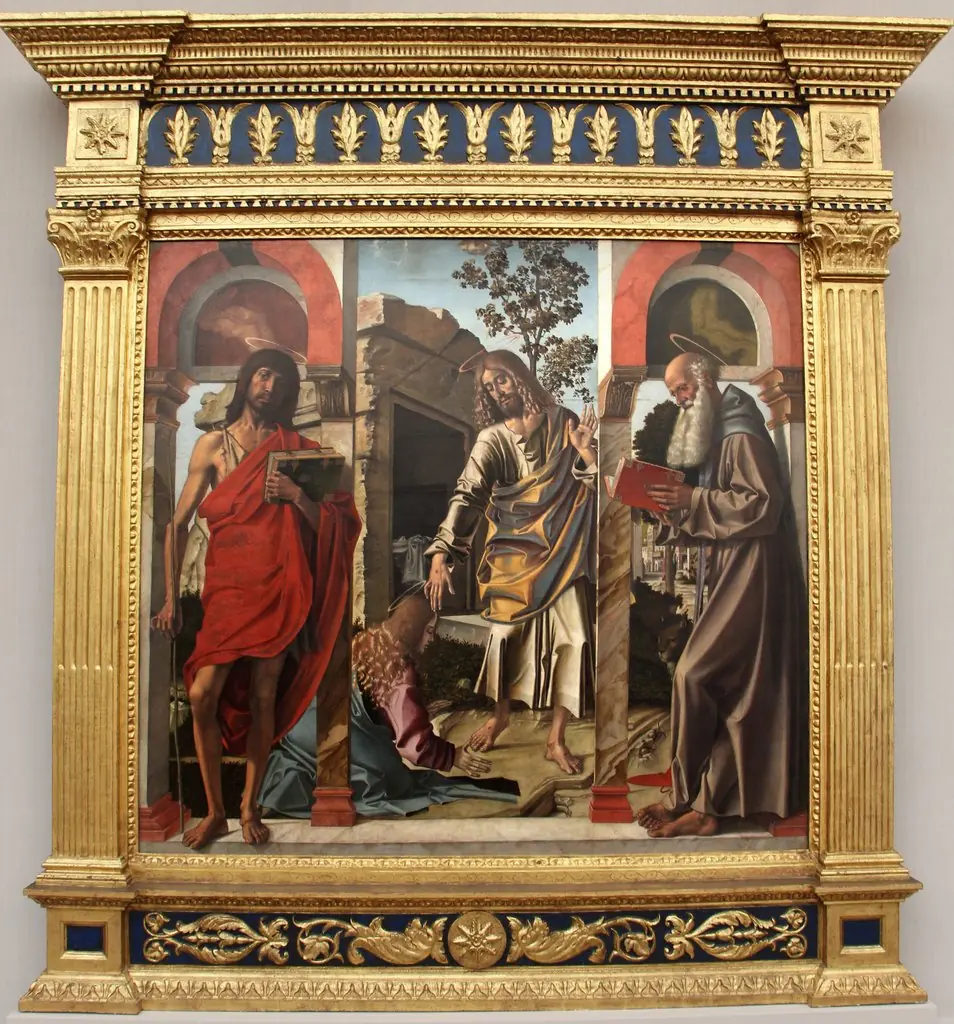 Noli me tangere between Saints John the Baptist and Jeronimo
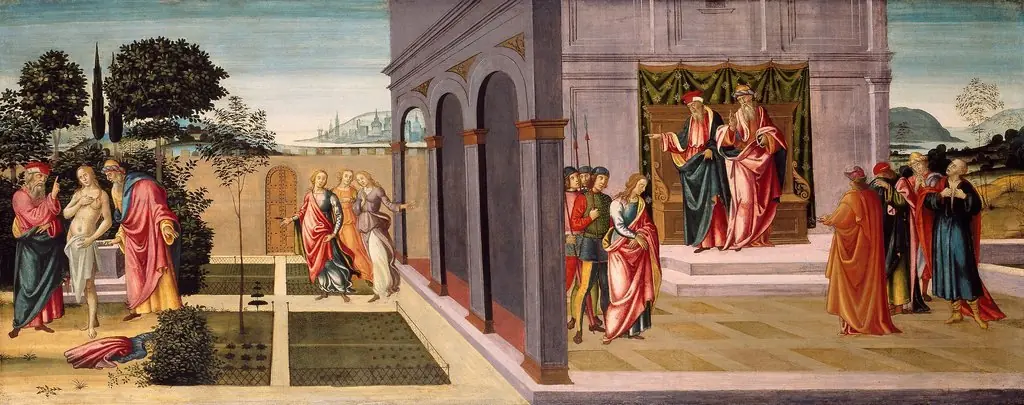 Susanna and the Elders in the Garden, and the Trial of Susanna before the Elders
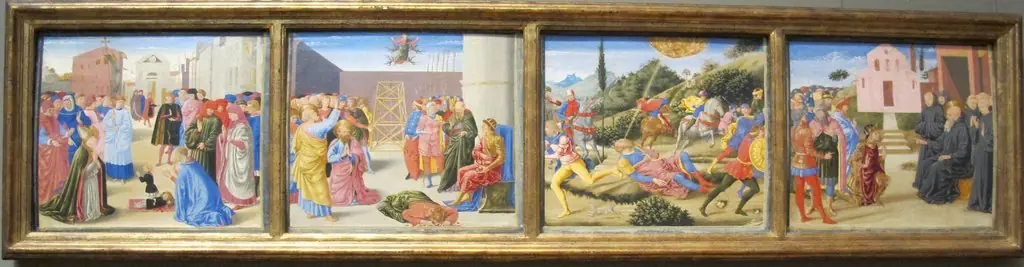 Predella with scenes from the Life of the Saint
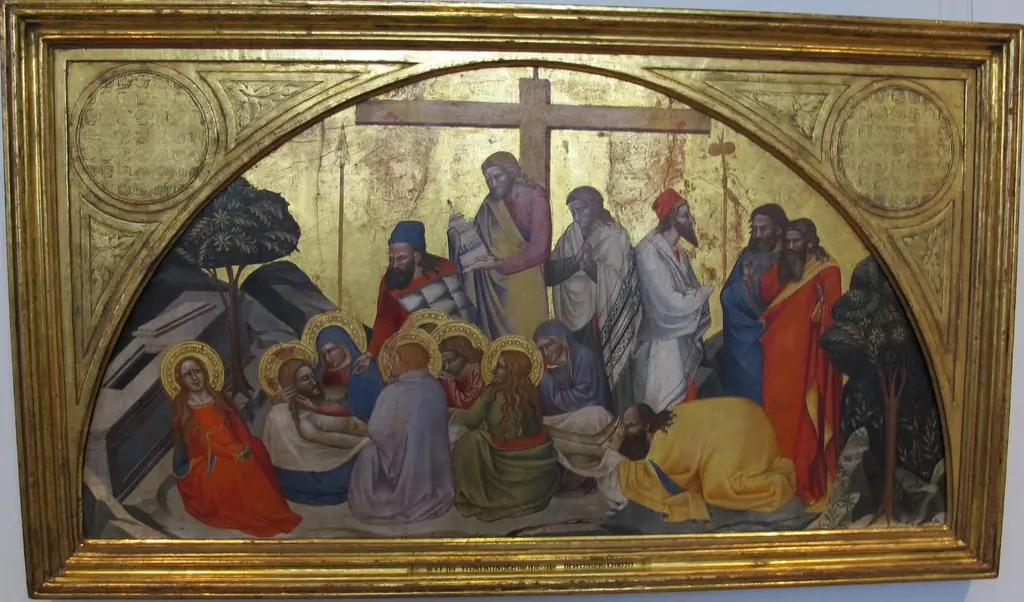 Lamentation
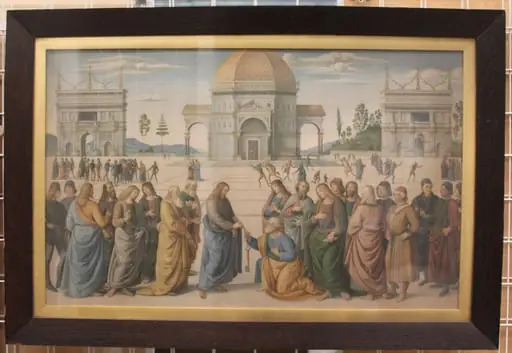 Christ's Charge to St Peter
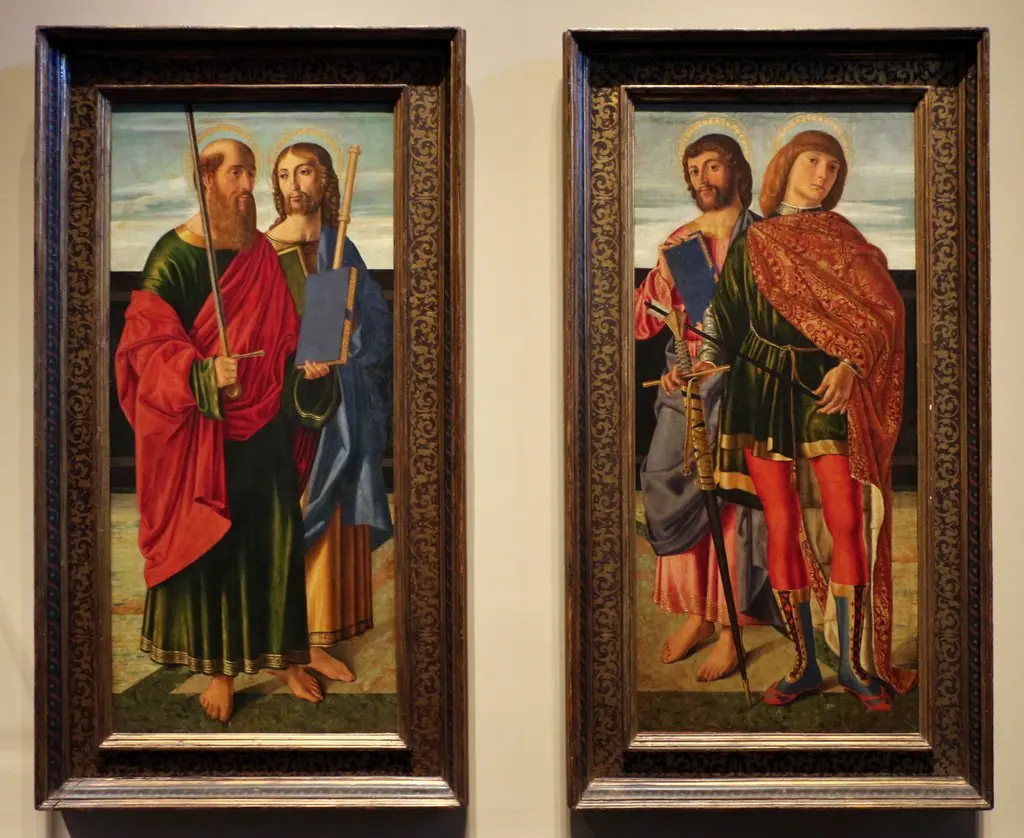 Polittico di Cornalba