Artwork
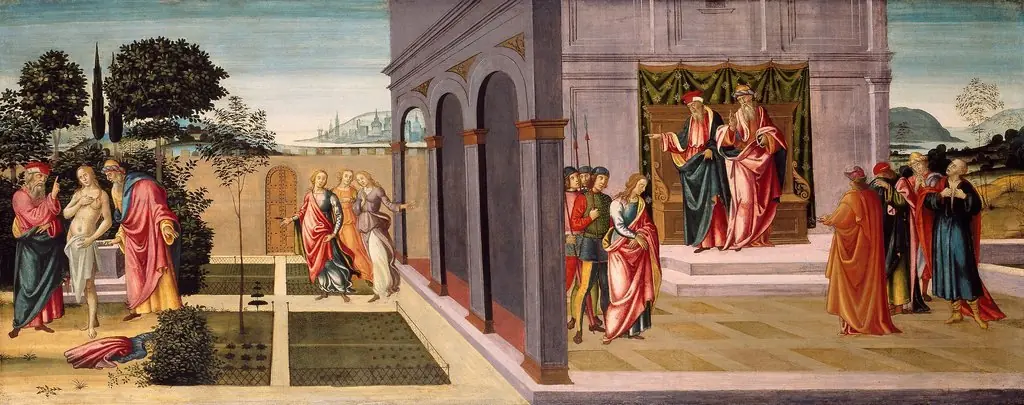
Daniel Saving Susanna, the Judgment of Daniel, and the Execution of the Elders
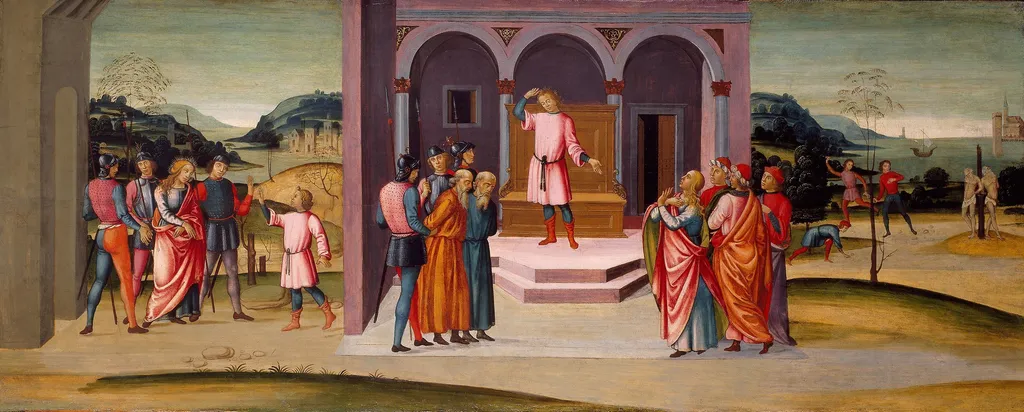
Daniel Saving Susanna, the Judgment of Daniel, and the Execution of the Elders is an unspecified painting by the Northern Renaissance artist Master of the Apollo and Daphne Legend. It dates from 1500 and is held in the collection of the Art Institute of Chicago.
About this work
Overview
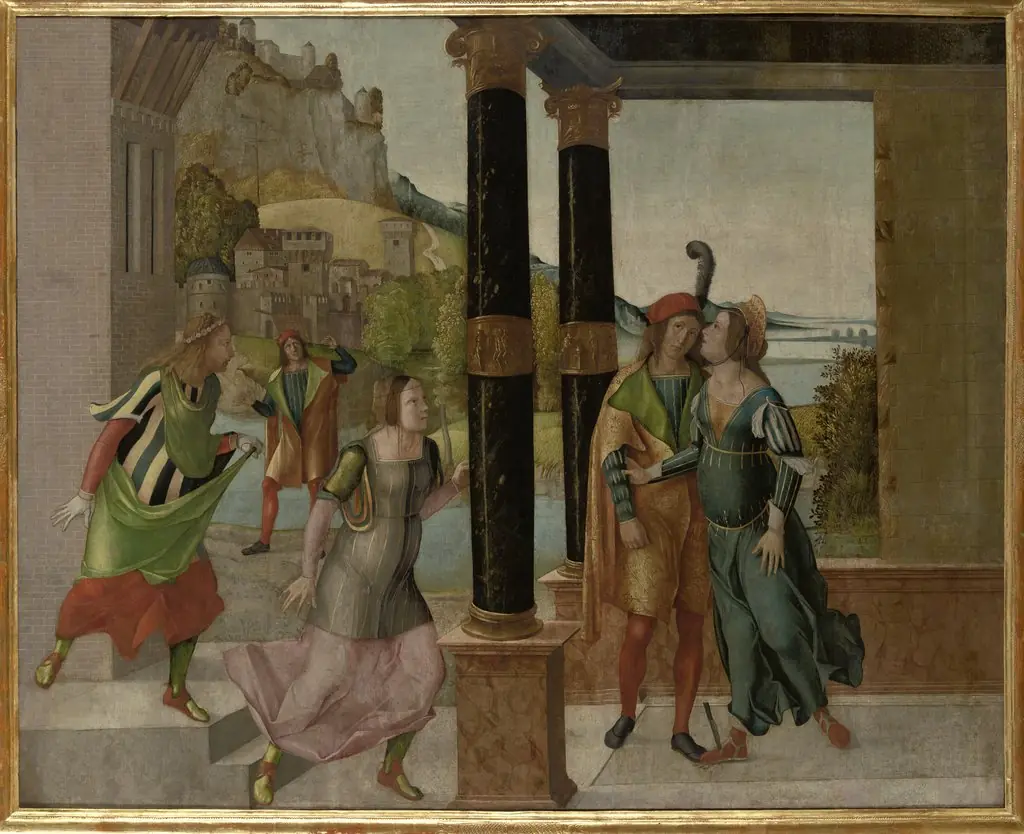
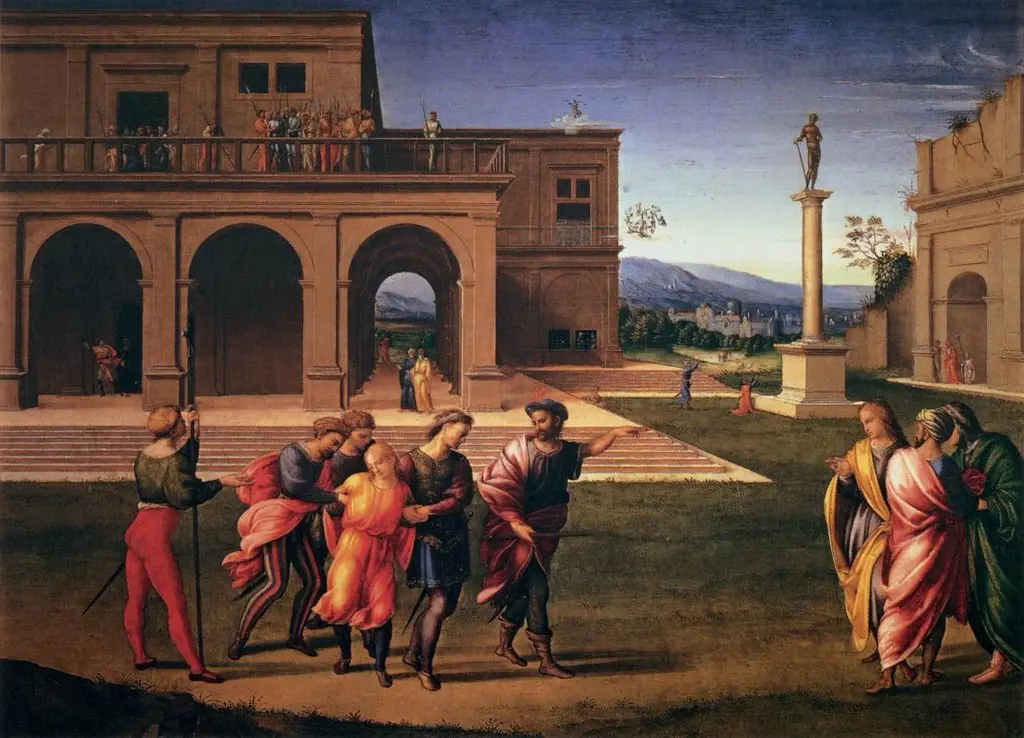
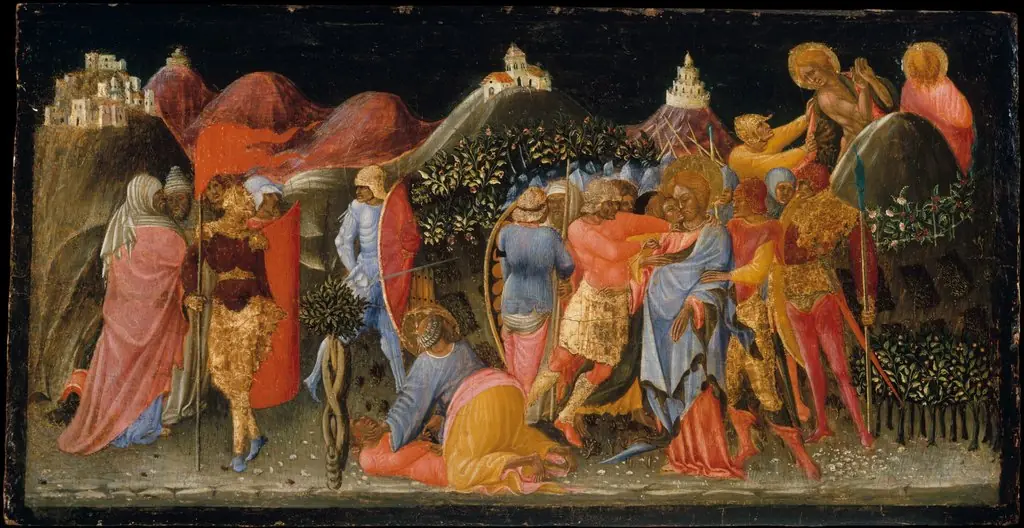
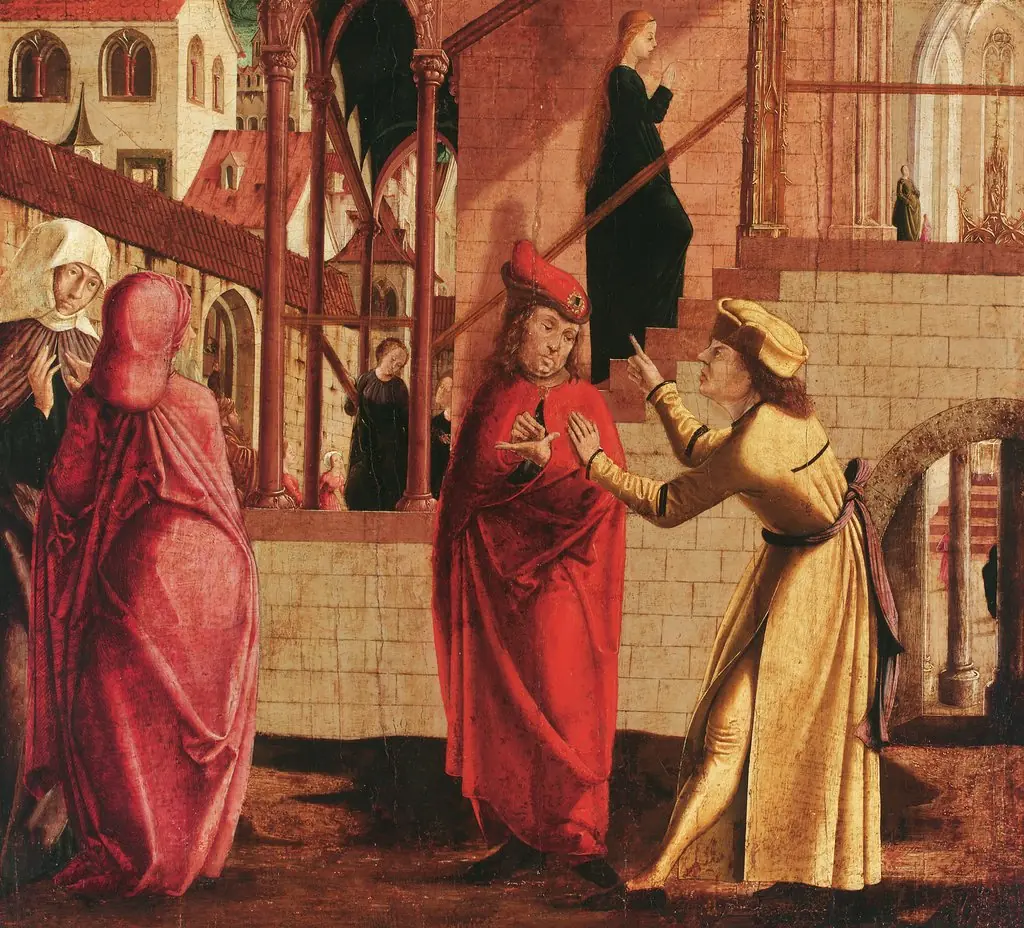
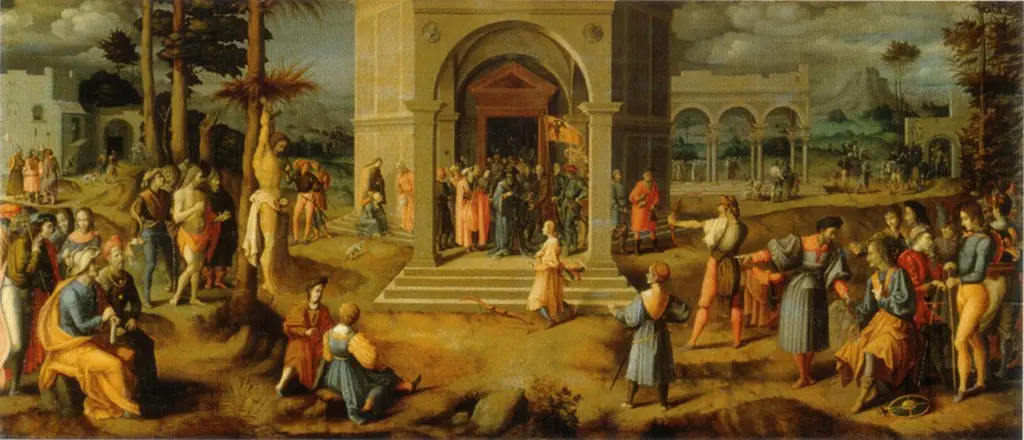
It illustrates a sequence from the Book of Daniel, combining multiple moments of the Susanna narrative into a single composition.
This painting, dated around 1500, is attributed to the anonymous artist known as the Master of the Apollo and Daphne Legend. It illustrates a sequence from the Book of Daniel, combining multiple moments of the Susanna narrative into a single composition. The work is part of the collection at the Art Institute of Chicago, where it remains a rare example of early 16th-century narrative painting from a little-documented regional tradition.
Subject & Meaning
The scene depicts three episodes from the story of Susanna: her confrontation with the elders, Daniel’s intervention as judge, and the subsequent execution of the false accusers. By uniting these moments, the painting emphasizes divine justice and the triumph of truth over deceit. The figures are arranged to guide the viewer through the moral progression of the tale, reinforcing its didactic purpose within a religious context.
Technique & Style
The artist employs vivid, saturated pigments to distinguish key figures and actions, using color to direct visual focus and heighten emotional tension. Figures are rendered with a stylized elegance, their gestures formalized to convey narrative clarity rather than naturalism. The background landscape, though simplified, provides spatial depth and contrasts the human drama with a serene, idealized natural world.
History & Provenance
The painting’s early history is undocumented, and its attribution relies on stylistic comparisons to other works linked to the Master of the Apollo and Daphne Legend, a name coined by modern scholars. It entered the Art Institute of Chicago’s collection in the 20th century, likely through a private European acquisition. Its survival is notable given the fragility of panel paintings from this period.
Context
Created in the early 1500s, the work reflects the persistence of biblical narrative painting in regions influenced by late Gothic traditions, even as Renaissance ideals spread. Its compact, multi-scene format aligns with devotional panels common in Northern Europe, where stories of virtue and justice were favored for their moral clarity and liturgical relevance.
Legacy
Though the artist’s identity remains obscure, this painting contributes to understanding the diversity of early 16th-century religious art beyond major centers like Florence or Antwerp. It stands as an example of how local workshops sustained narrative traditions, blending iconographic precision with expressive color to serve both spiritual and educational functions in private or ecclesiastical settings.
Own this work as a print
Artist & collection
Artist
Master of the Apollo and Daphne Legend
Master of the Apollo and Daphne Legend (1470–1520) was an artist.