Artwork
Venus, Mother of Aeneas, presenting him with Arms forged by Vulcan"
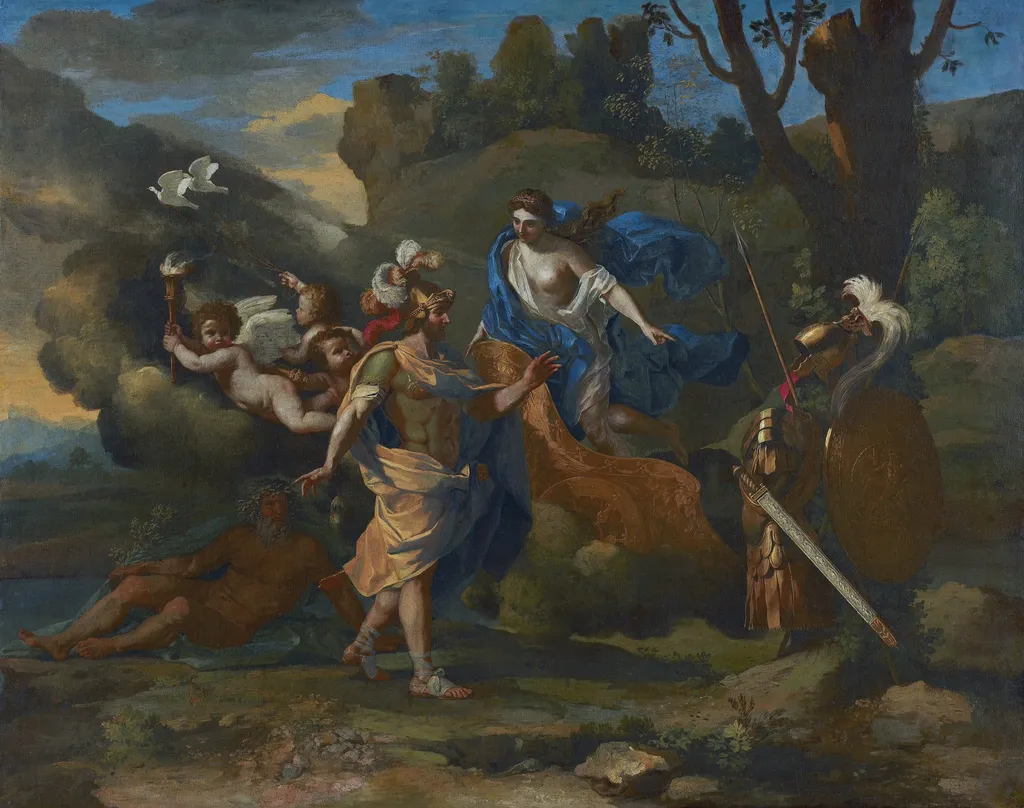
Venus, Mother of Aeneas, presenting him with Arms forged by Vulcan" is an oil painting by the Early Baroque Italian artist Nicolas Poussin. It dates from 1637 and is held in the collection of the Art Gallery of Ontario.
About this work
Overview
The painting resides in the Art Gallery of Ontario, where it stands as a key example of Poussin’s early classical style.
Painted in 1637 by Nicolas Poussin, this oil-on-canvas work depicts a scene from Virgil’s Aeneid in which Venus, goddess of love, presents her son Aeneas with divine armor crafted by Vulcan. The composition centers on a serene yet authoritative gesture of gift-giving, framed by a classical landscape. The painting resides in the Art Gallery of Ontario, where it stands as a key example of Poussin’s early classical style.
Subject & Meaning
The scene illustrates Venus, identified by her blue robe and maternal presence, bestowing weapons forged by Vulcan to aid Aeneas in his destined journey to found Rome. The figures surrounding them—attendants, cherubs, and a poised female figure—reinforce the myth’s gravity. The shield and spear symbolize divine favor and martial destiny, aligning Aeneas’s personal fate with the founding of a great civilization.
Technique & Style
Poussin employs precise draftsmanship and restrained color to achieve clarity and emotional distance. Figures are arranged in a balanced, sculptural group against a harmonious landscape. Textures in fabric and metal are rendered with meticulous detail, while the lighting is even and deliberate, avoiding theatricality. The composition reflects Poussin’s study of antiquity and his commitment to rational order over emotional excess.
History & Provenance
Commissioned by a French patron, the painting entered the collection of the Art Gallery of Ontario in the 20th century after passing through several private European collections. Its attribution to Poussin has been consistently supported by stylistic analysis and documentary records. The work has remained largely intact, with no major restorations altering its original composition.
Context
Created during Poussin’s Roman period, the painting reflects the intellectual climate of 17th-century France, where classical literature and moral philosophy influenced artistic patronage. Mythological subjects were favored by educated collectors seeking to align themselves with antiquity’s virtues. Poussin’s approach diverged from the dynamic Baroque style of his contemporaries, favoring calm narrative clarity instead.
Legacy
The painting exemplifies Poussin’s enduring influence on academic painting and later neoclassical artists. Its structured composition and intellectual depth set a standard for historical painting in Europe. Though less widely known than his larger works, this piece remains a refined statement of his belief in art as a vehicle for moral and mythological contemplation.
Own this work as a print
Artist & collection
Artist
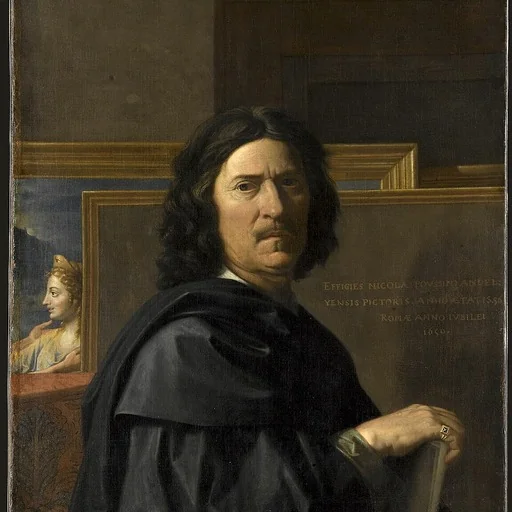
Nicolas Poussin (UK: , US: , French: ; June 1594 – 19 November 1665) was a leading painter of the classical French Baroque style, although he spent most of his working life in Rome.

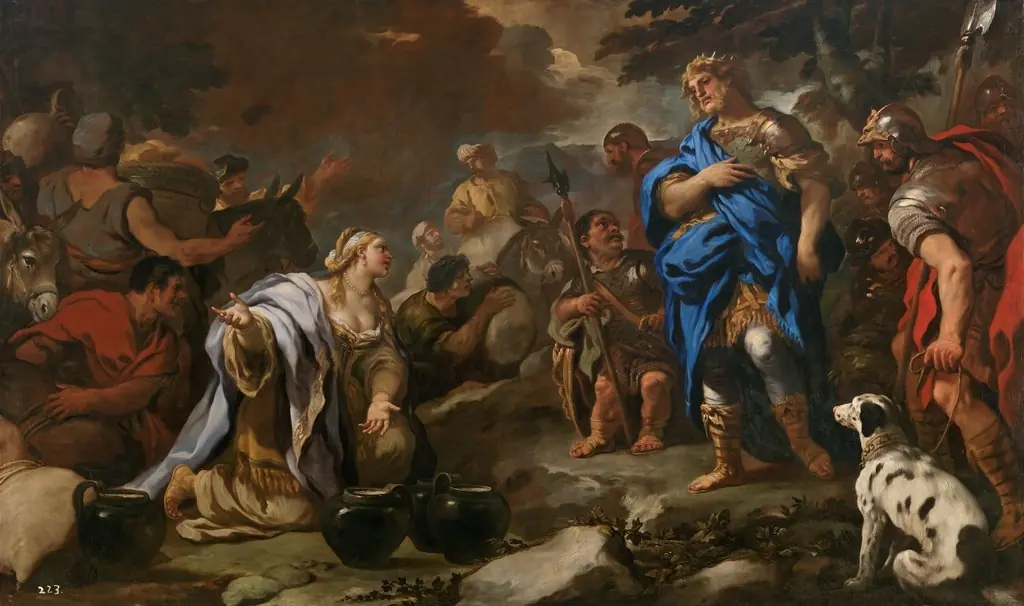 La prudente Abigail
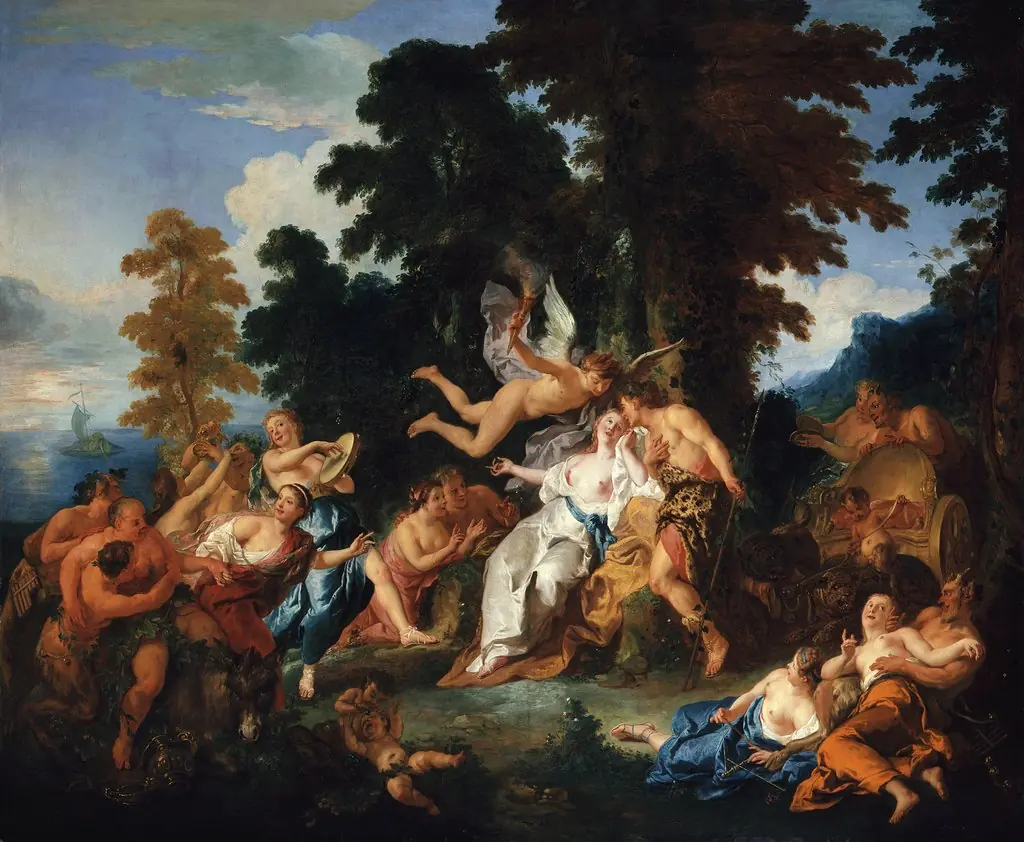 Bacchus and Ariadne
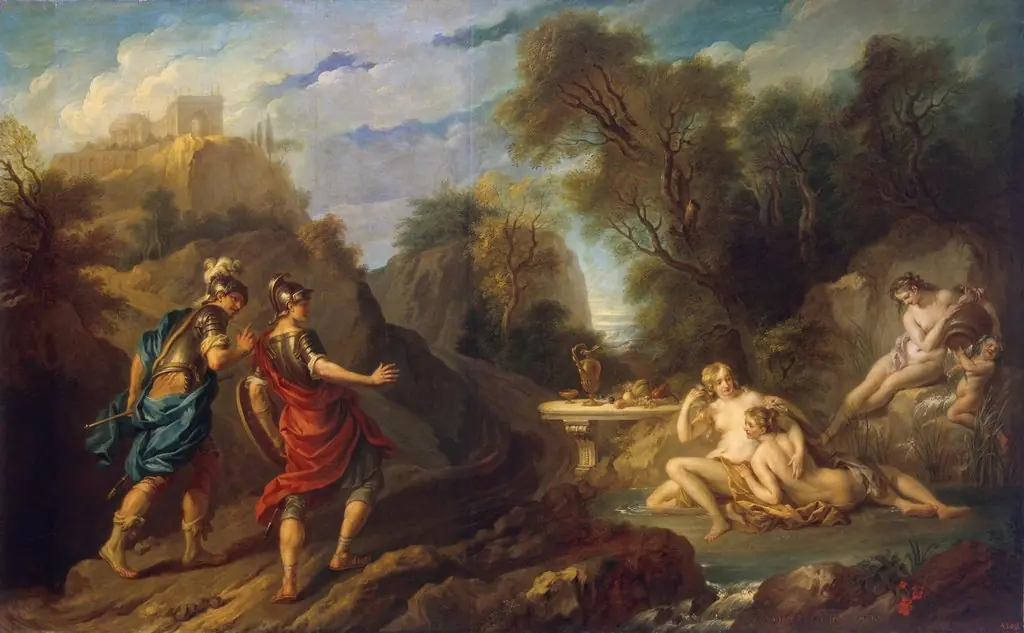 Messengers of Godfrey of Bouillon in Gardens of Armida
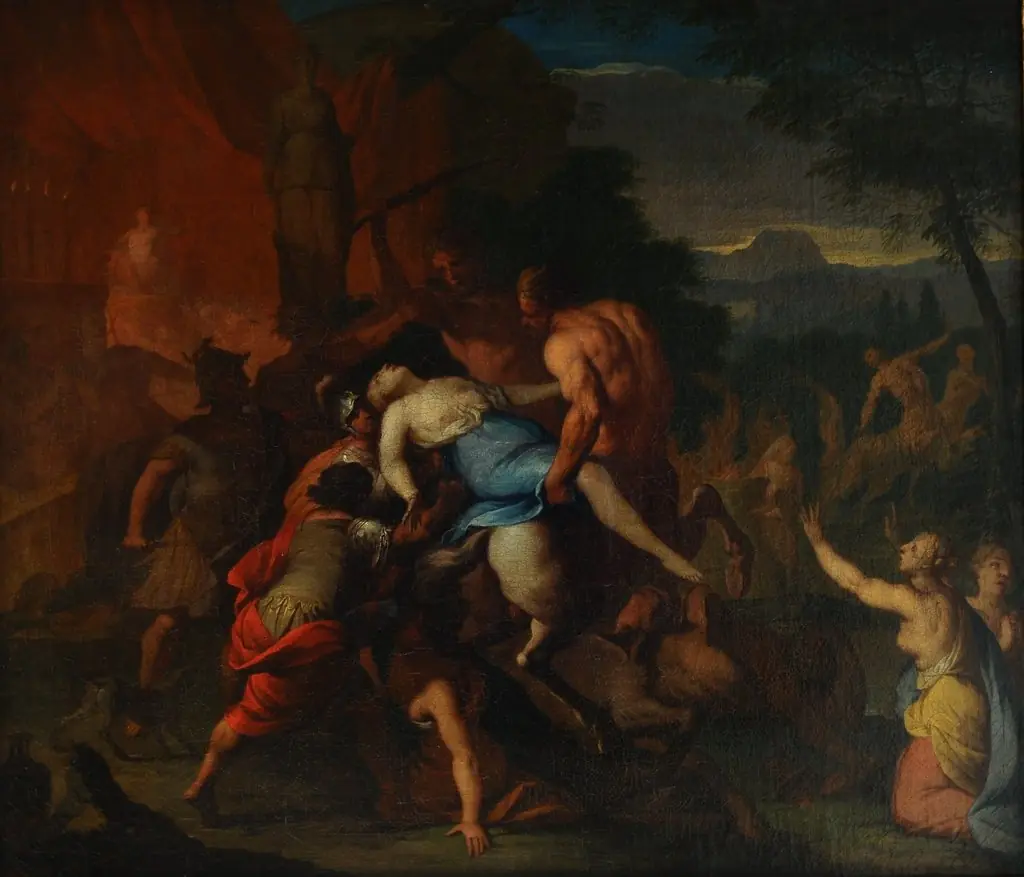 Combate de centauros y lapitas. (Tit. Ant.: Centauros e ilotas)
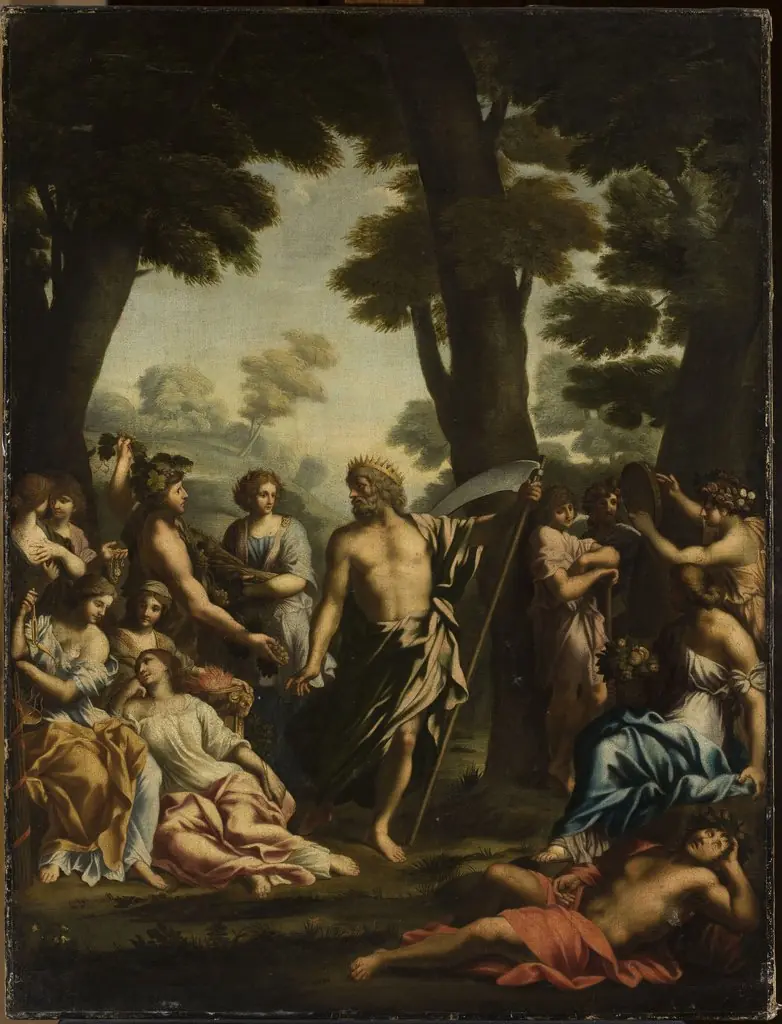 Saturn and muses
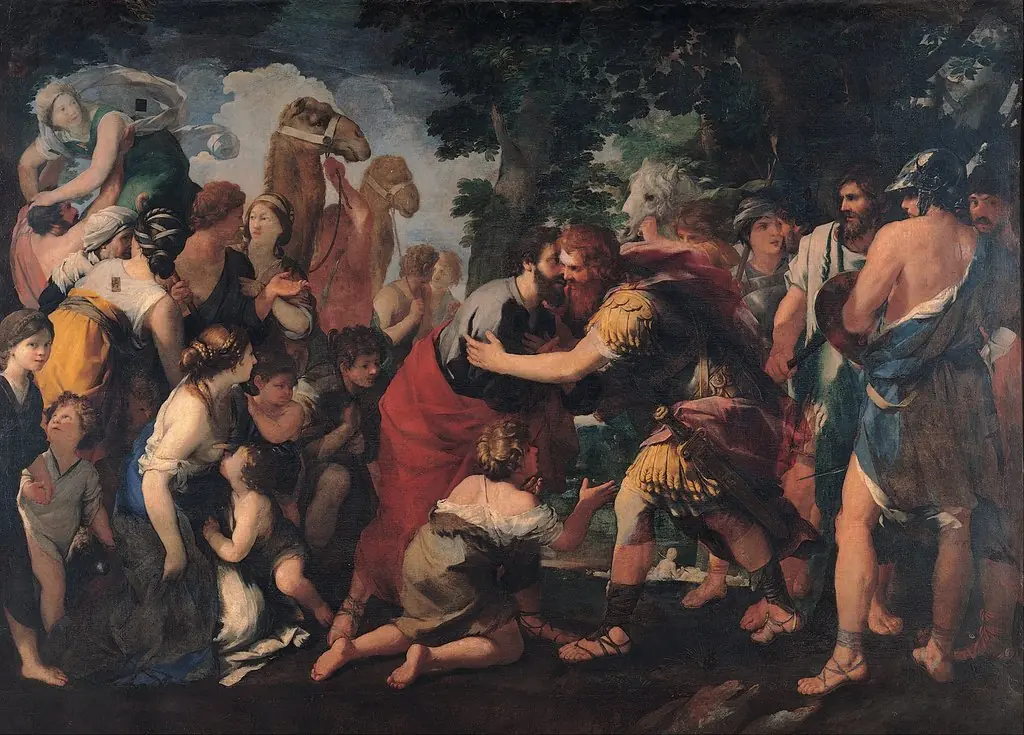 Meeting between Esau and Jacob
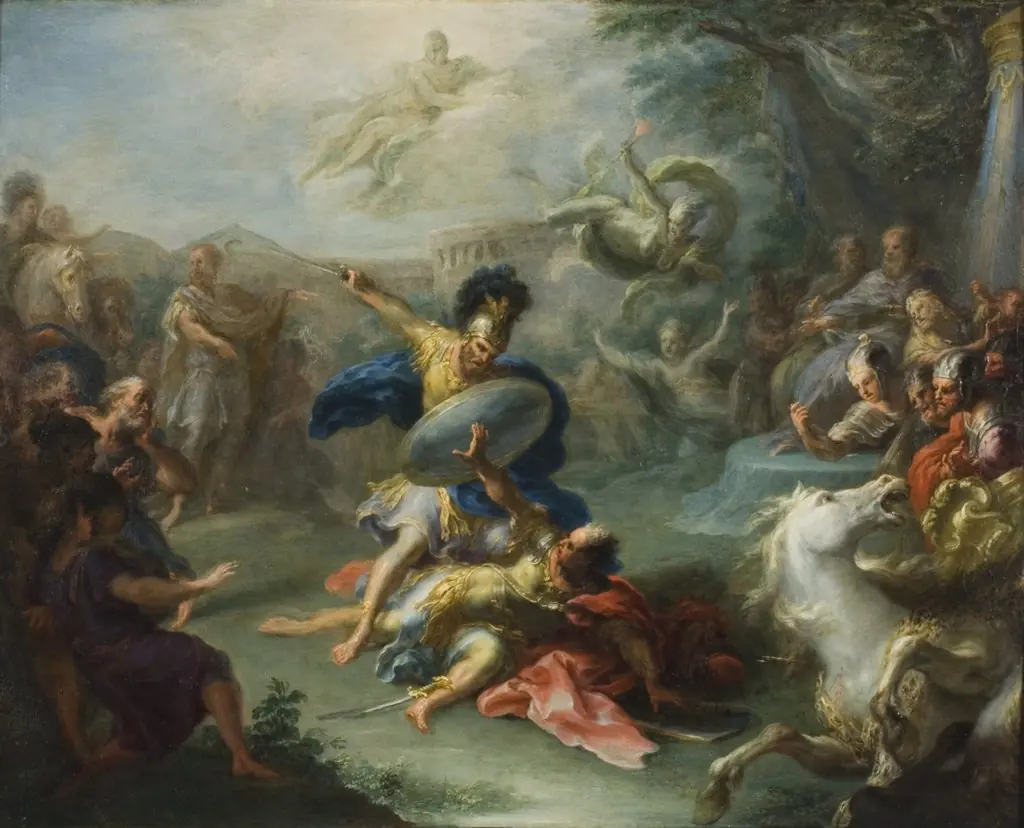 The Fight between Aeneas and King Turnus, from Virgil’s Aeneid
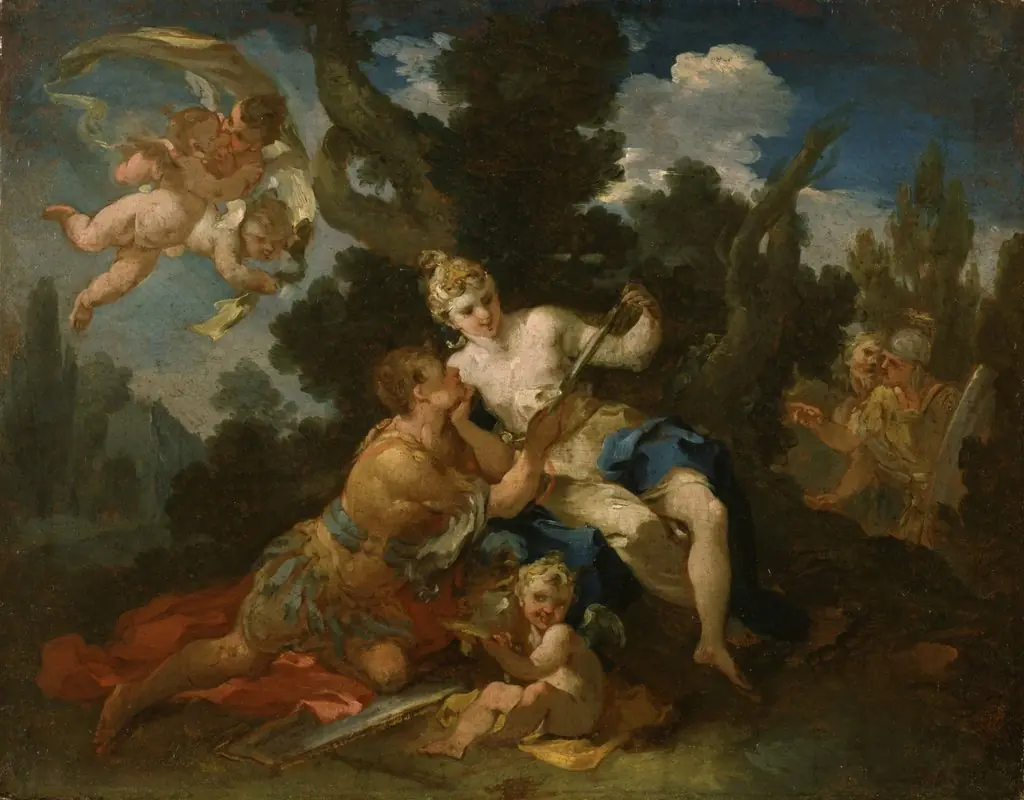 Rinaldo and Armida
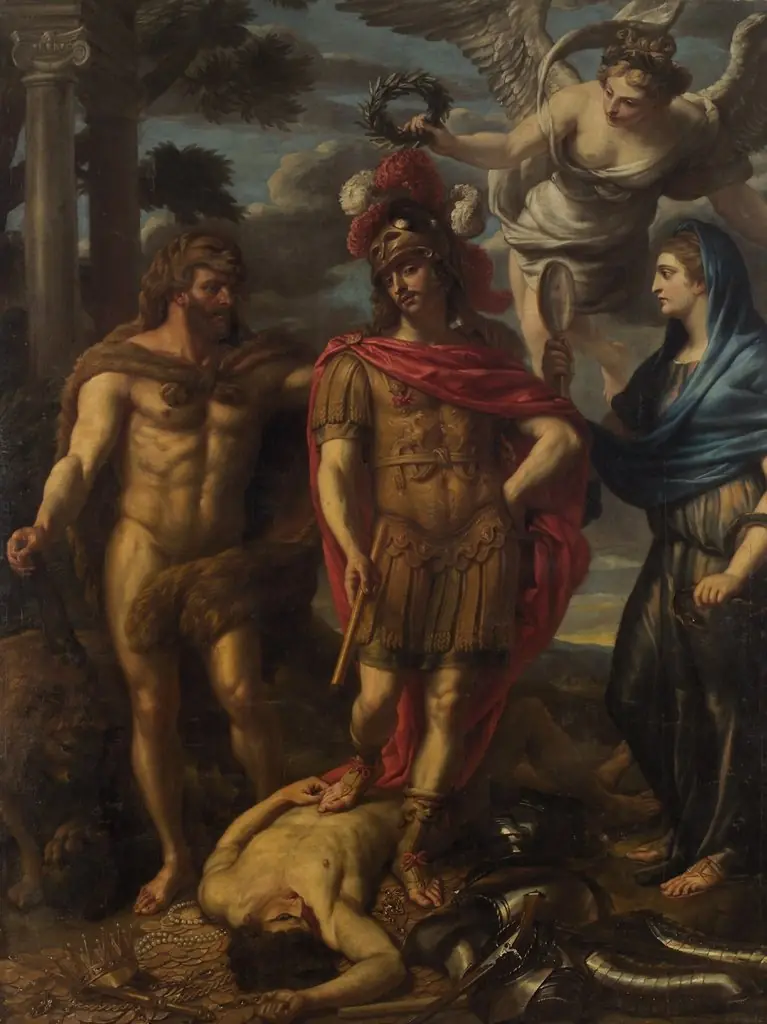 Virtue Overcoming Avarice
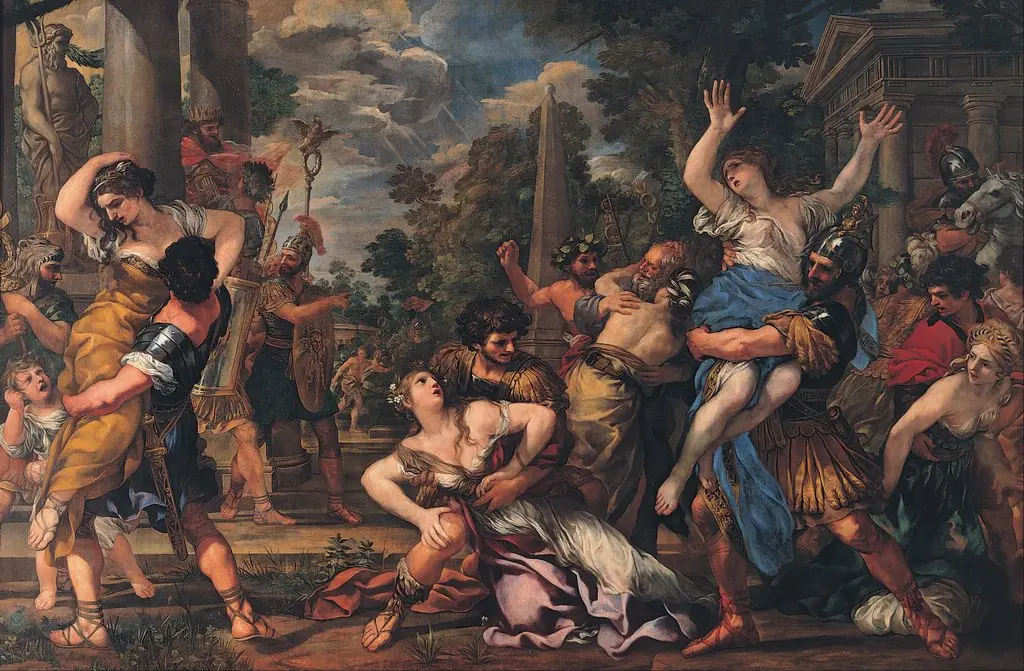 Rape of the Sabines
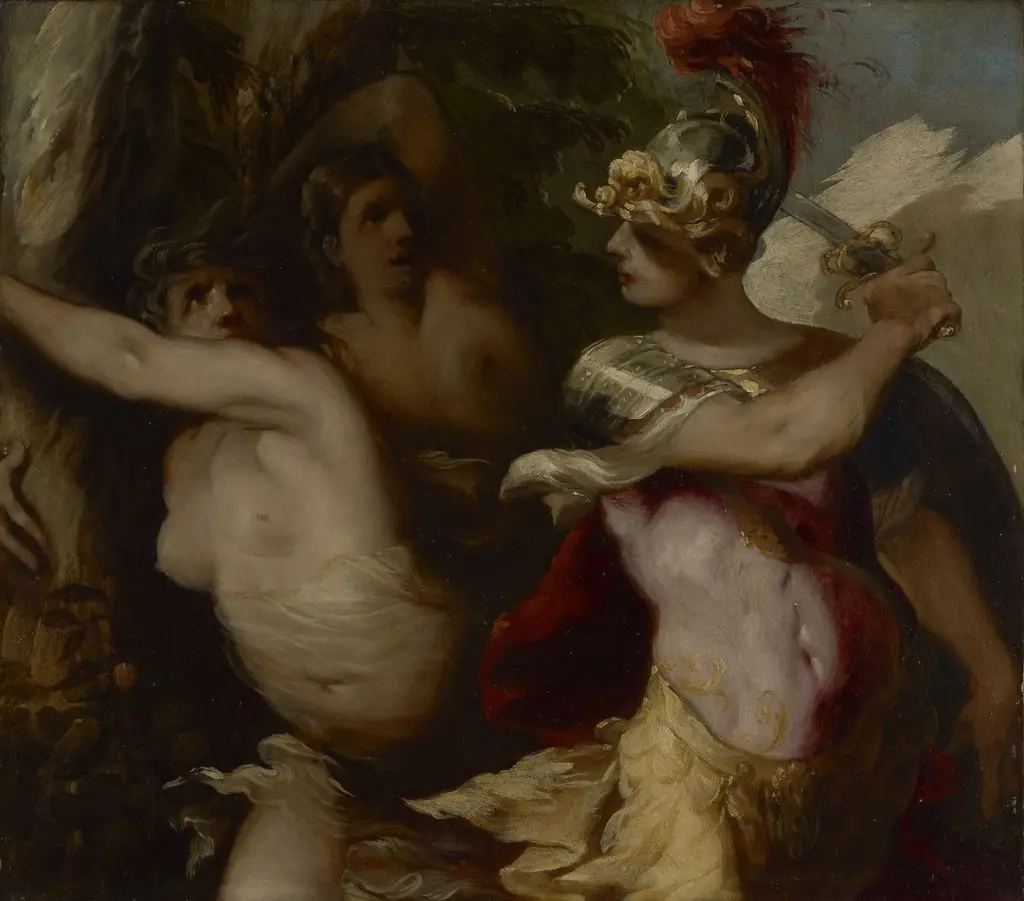 Rinaldo's Conquest of the Enchanted Forest
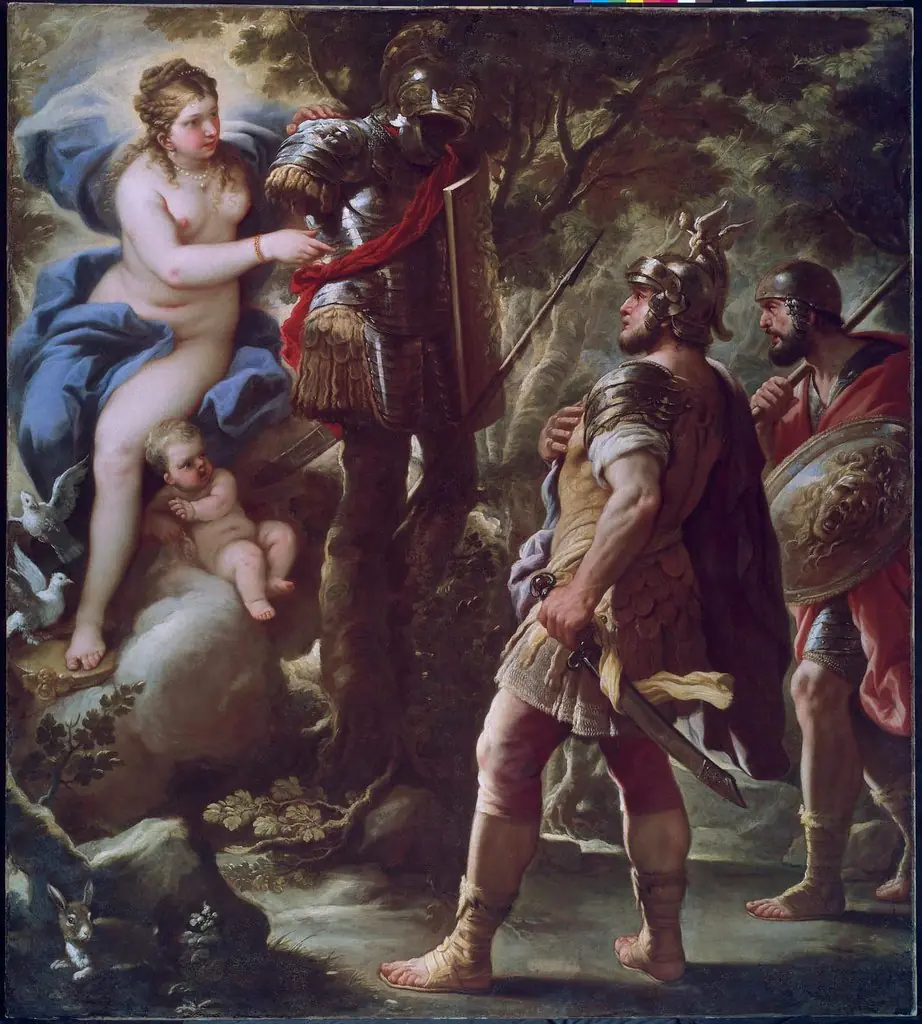 Venus Giving Arms to Aeneas