Artwork
Christ casting the Money Changers out of the Temple
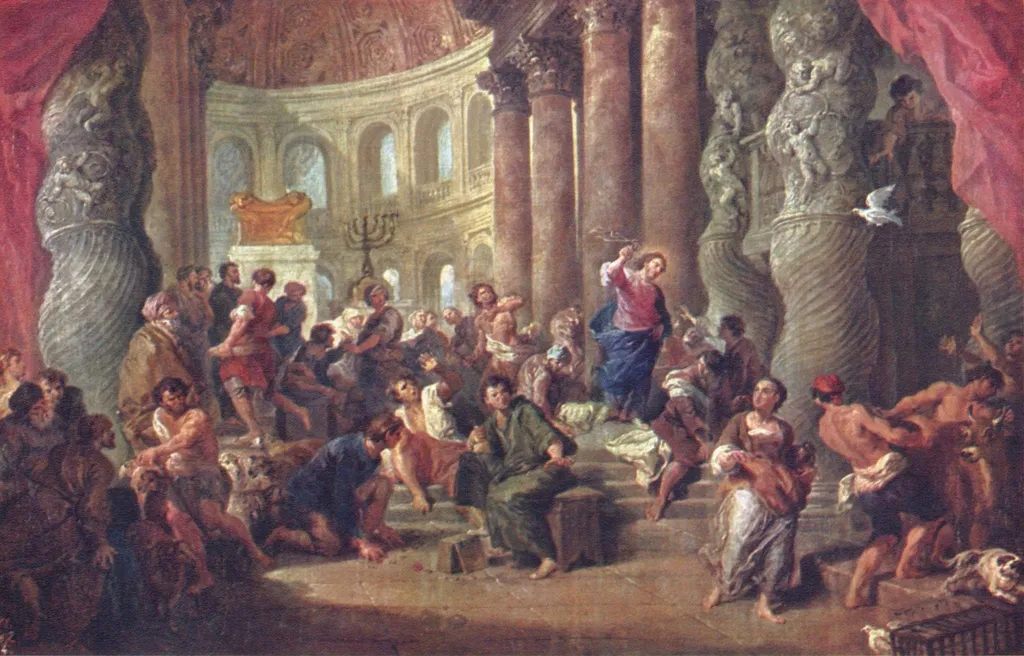
Christ casting the Money Changers out of the Temple is an oil painting by the Rococo painting artist Giovanni Paolo Panini. It dates from 1725 and is held in the collection of the Museo del Prado.
About this work
Overview
Giovanni Paolo Panini completed this oil painting in 1725, portraying the biblical episode in which Jesus drives the merchants from the Temple. Executed in a Rococo manner, the work combines religious narrative with Panini’s skill in rendering architectural space, and it now belongs to the Museo del Prado’s collection.
Subject & Meaning
The composition captures the moment of Christ confronting the money changers, his figure dominant on a raised platform as he brandishes a whip. Around him, a tumult of figures reacts—some kneel in supplication, others flee, while the overturned tables and spilled coins symbolize the disruption of commercial activity within a sacred setting.
Technique & Style
Panini employs a dramatic chiaroscuro, using deep shadows contrasted with bright highlights to model the figures against richly colored walls of red and gold. The marble columns and vaulted architecture are rendered with precise linear perspective, while the lively brushwork conveys movement among the crowd.
History & Provenance
Created during Panini’s mature period in Rome, the painting reflects his transition from vedute to narrative subjects. After its completion it entered private collections before being acquired by the Museo del Prado, where it has been on display as part of the museum’s European Baroque holdings.
Context
Although Panini is best known for his panoramic views of ancient Roman ruins, this work demonstrates his ability to integrate architectural expertise into a biblical scene. The choice of a Temple interior aligns with the 18th‑century interest in dramatizing scriptural events within grand, classical settings.
Legacy
The painting illustrates the intersection of Rococo elegance and Baroque drama, influencing later artists who sought to combine meticulous architectural rendering with emotive religious storytelling. Its presence in a major national museum underscores Panini’s broader contribution to the visual language of 18th‑century Italian art.
Own this work as a print
Artist & collection
Artist
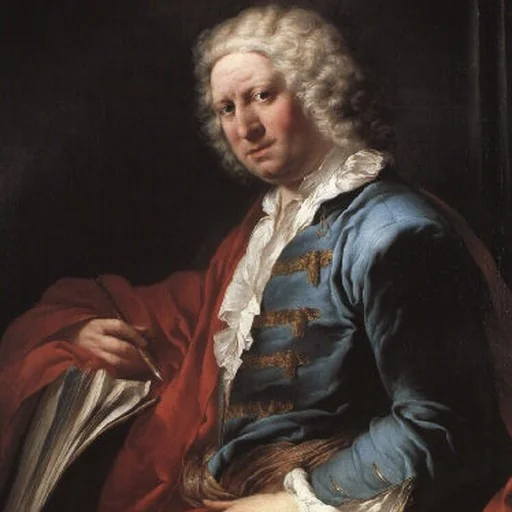
Giovanni Paolo, also known as Gian Paolo Panini or Pannini (17 June 1691 – 21 October 1765), was an Italian Baroque painter and architect who worked in Rome and is primarily known as one of the vedutisti ("view painters").

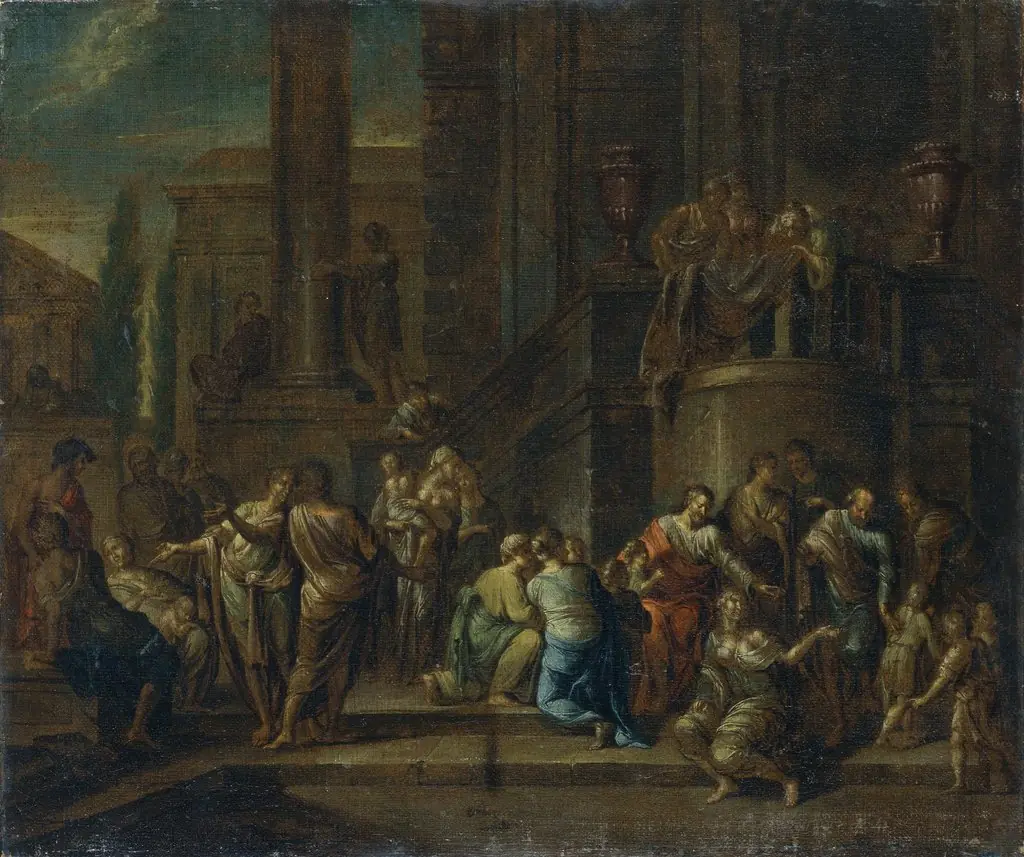 Christ Blessing the Children ('Suffer little children to come unto me, and forbid them not...')
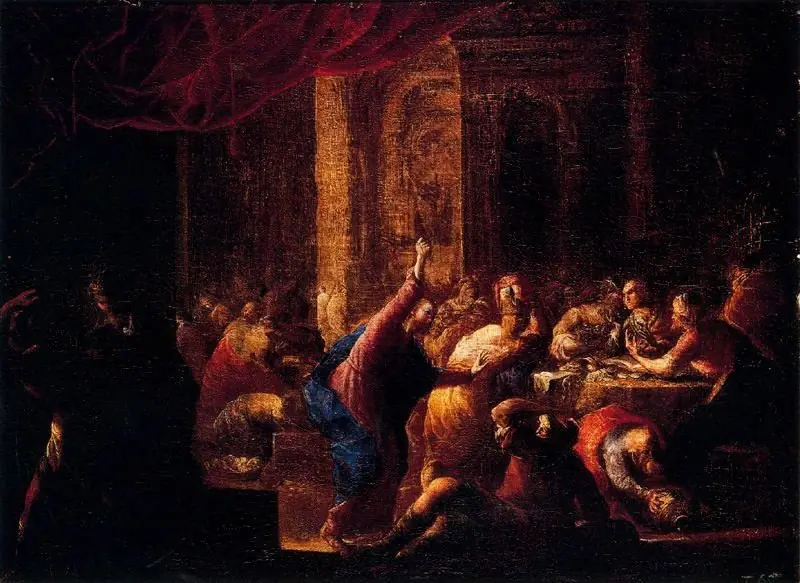 Expulsión de los mercaderes del templo
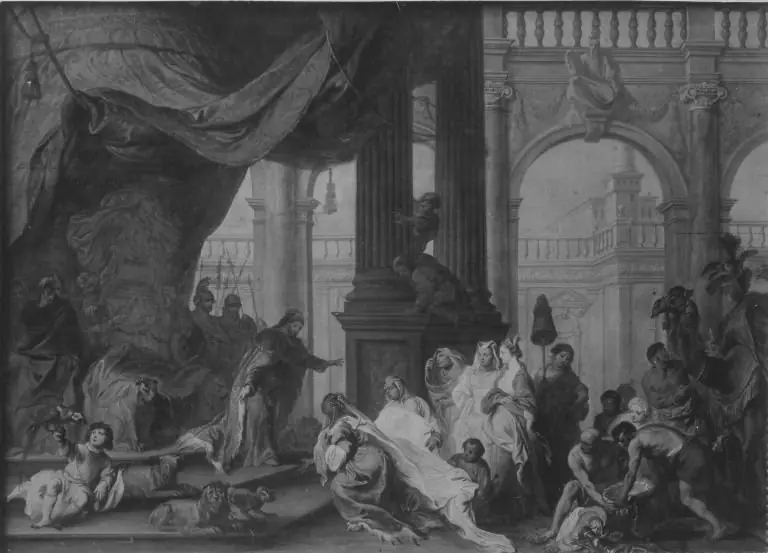 Salomon receives the Queen of Sheba
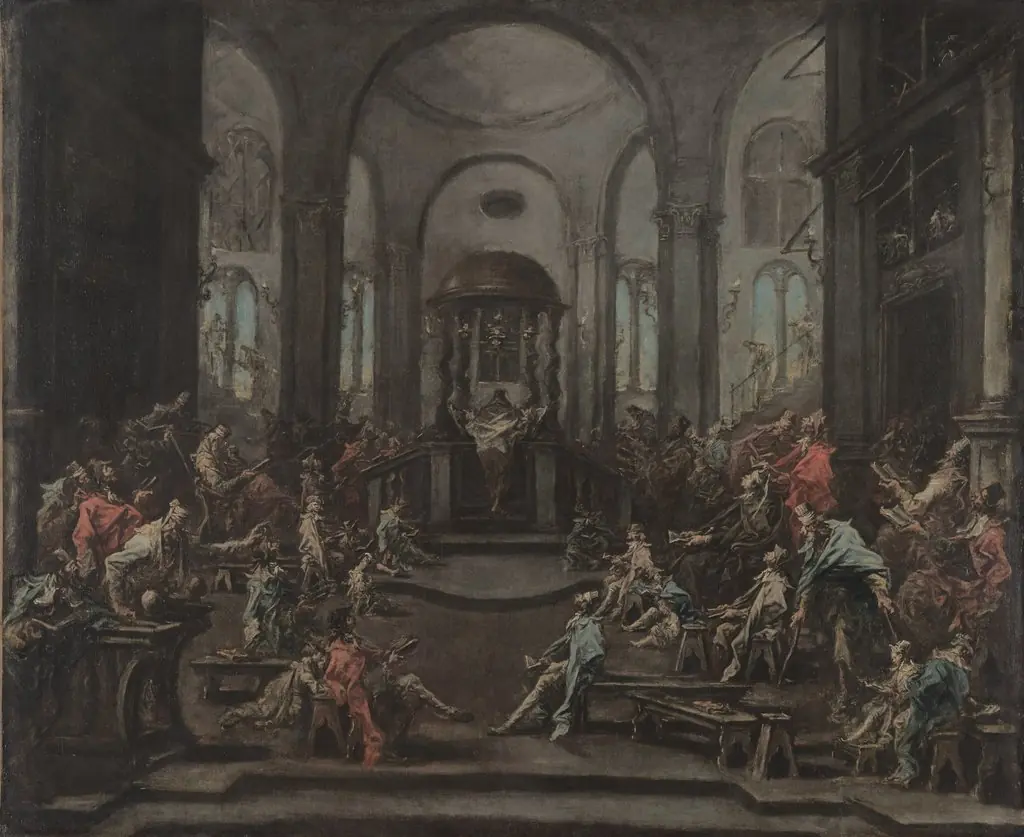 Interior of a Synagogue
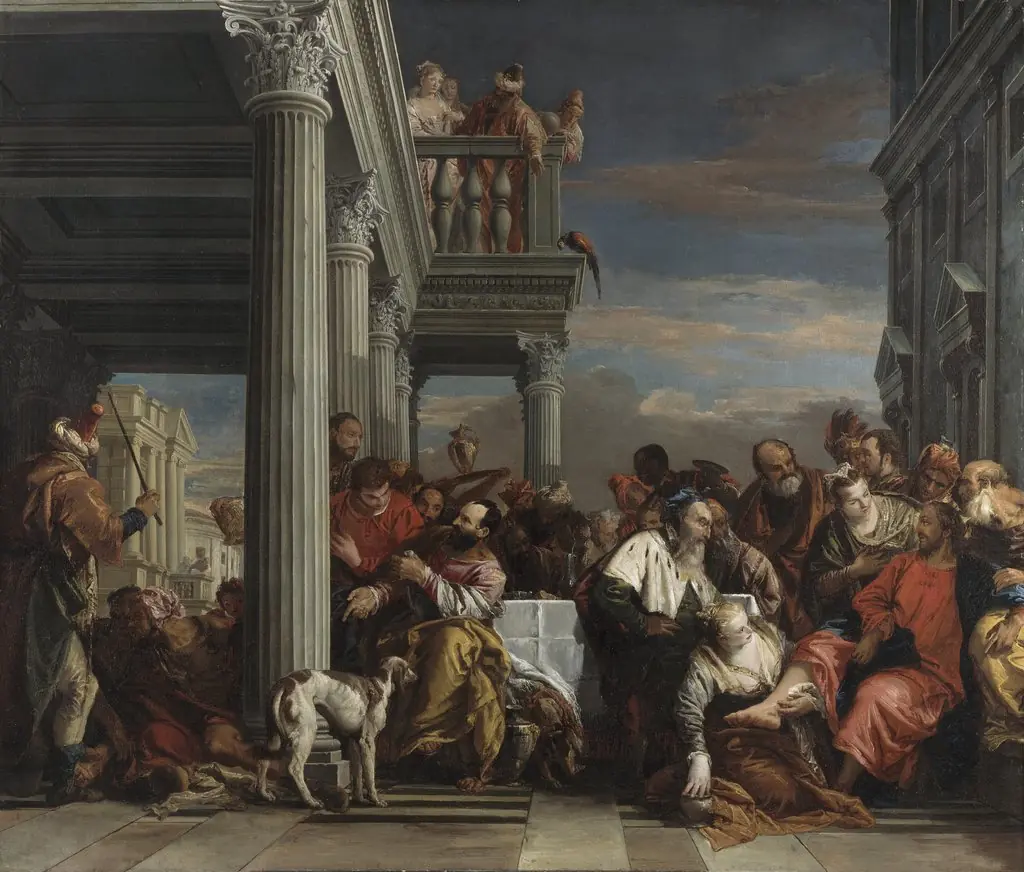 Christ in the House of Simon the Pharisee
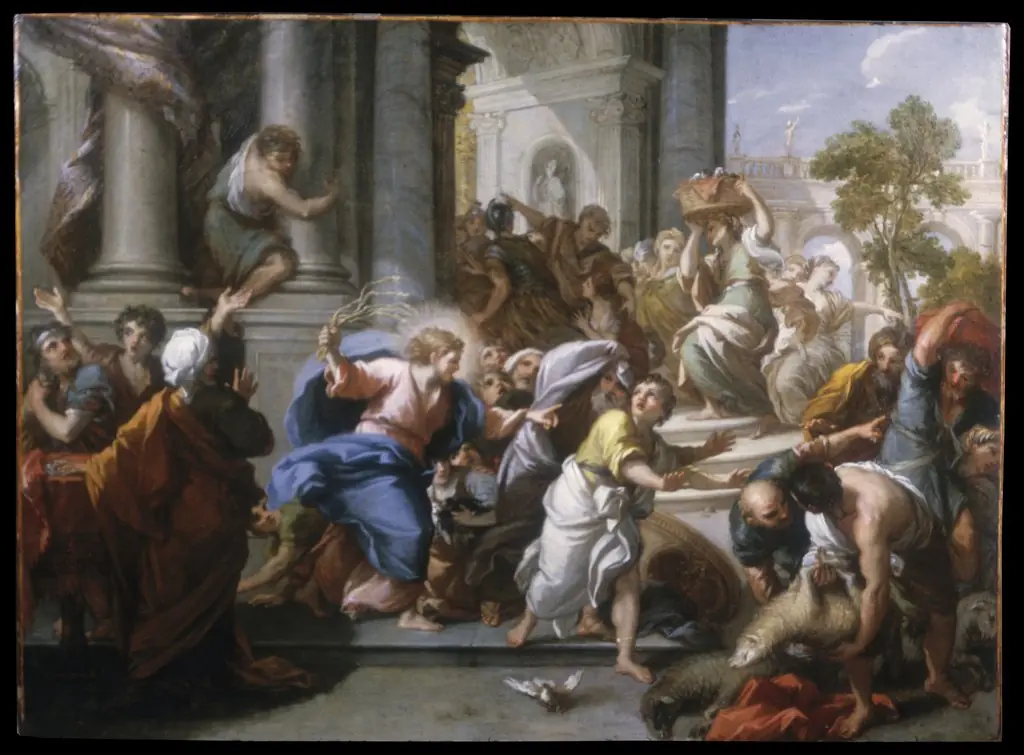 The Cleansing of the Temple
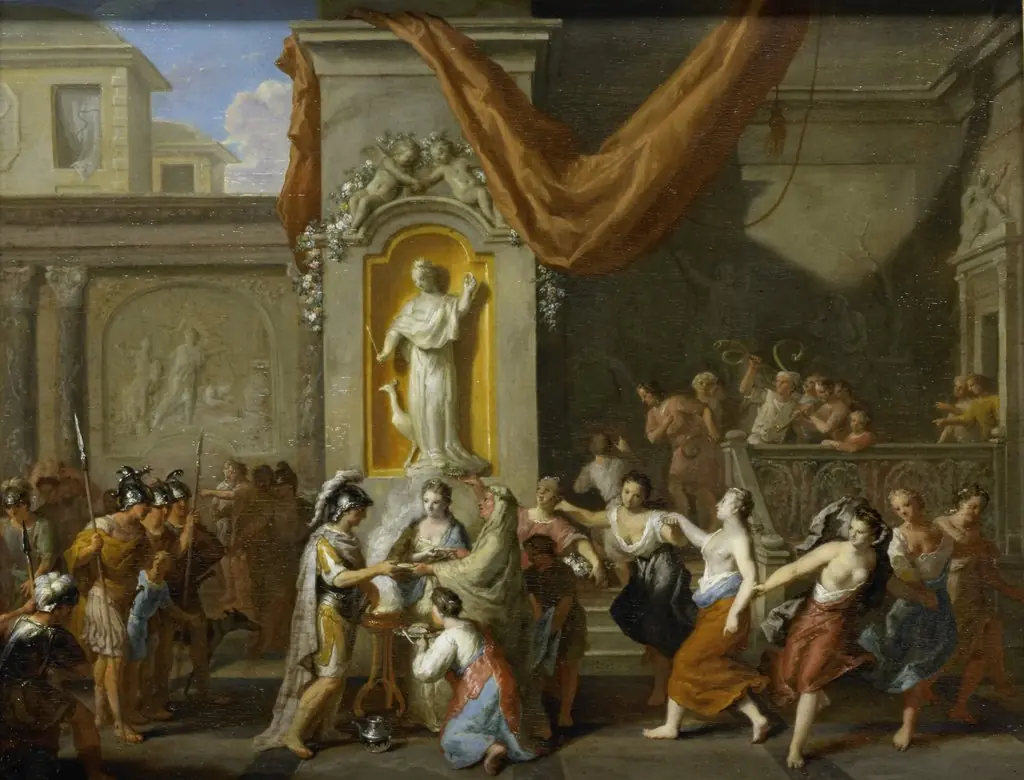 Marriage of Alexander the Great, King of Macedonia, with Roxana of Bacteriane
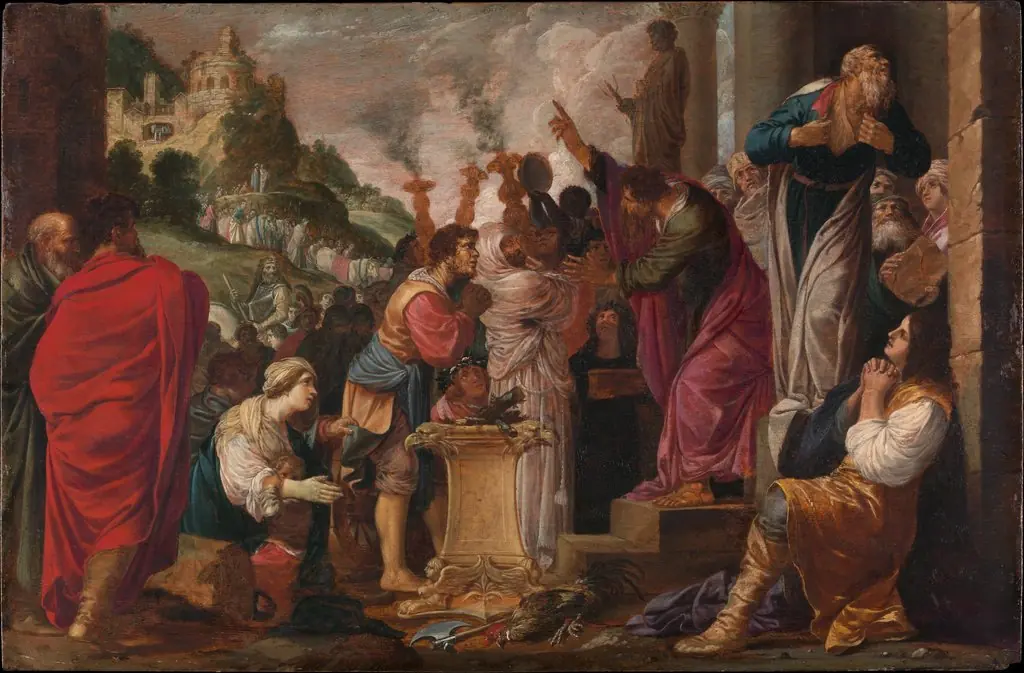 Paul and Barnabas at Lystra
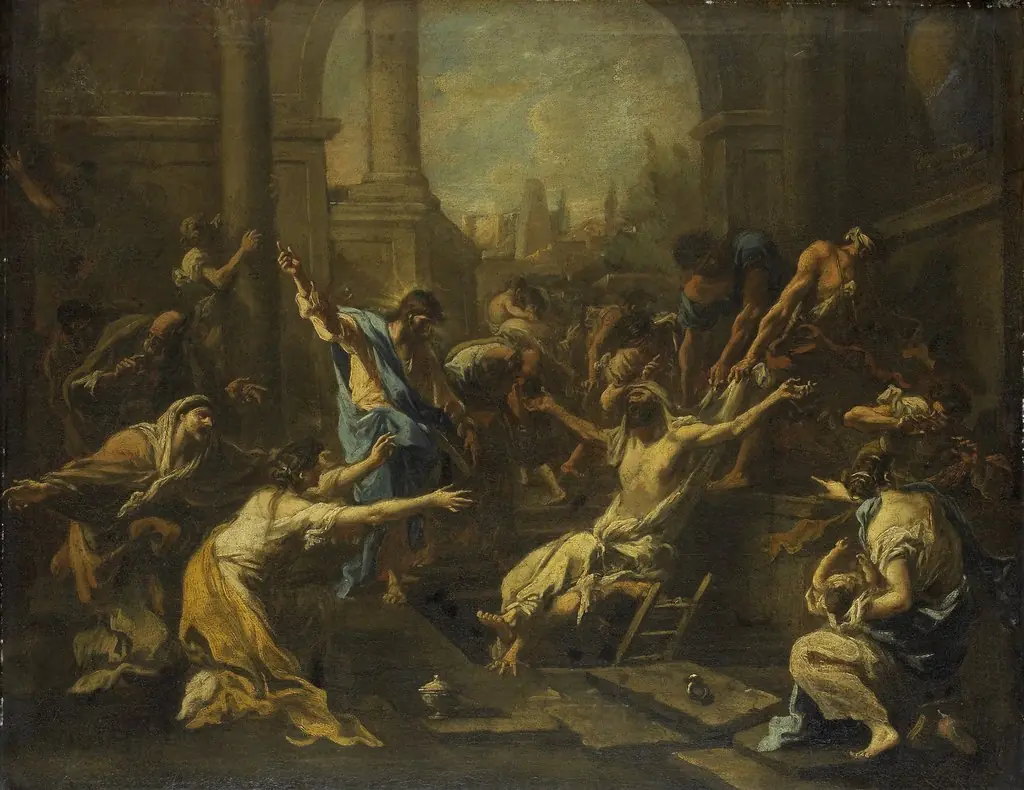 The Raising of Lazarus