Artwork
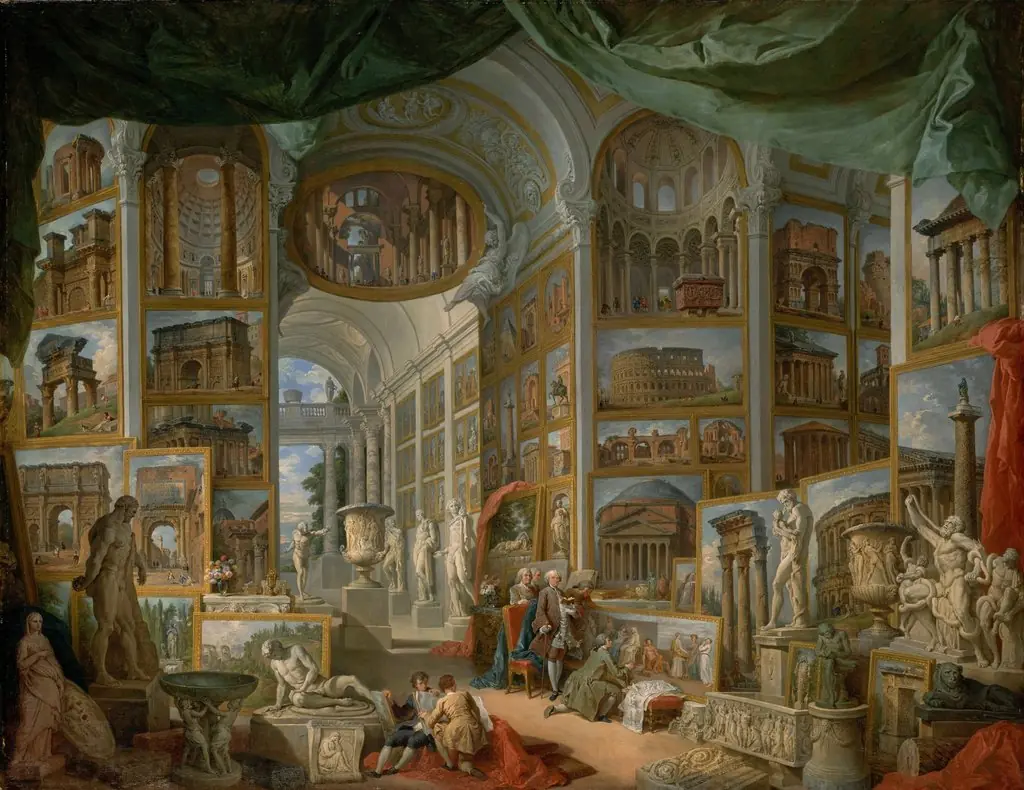
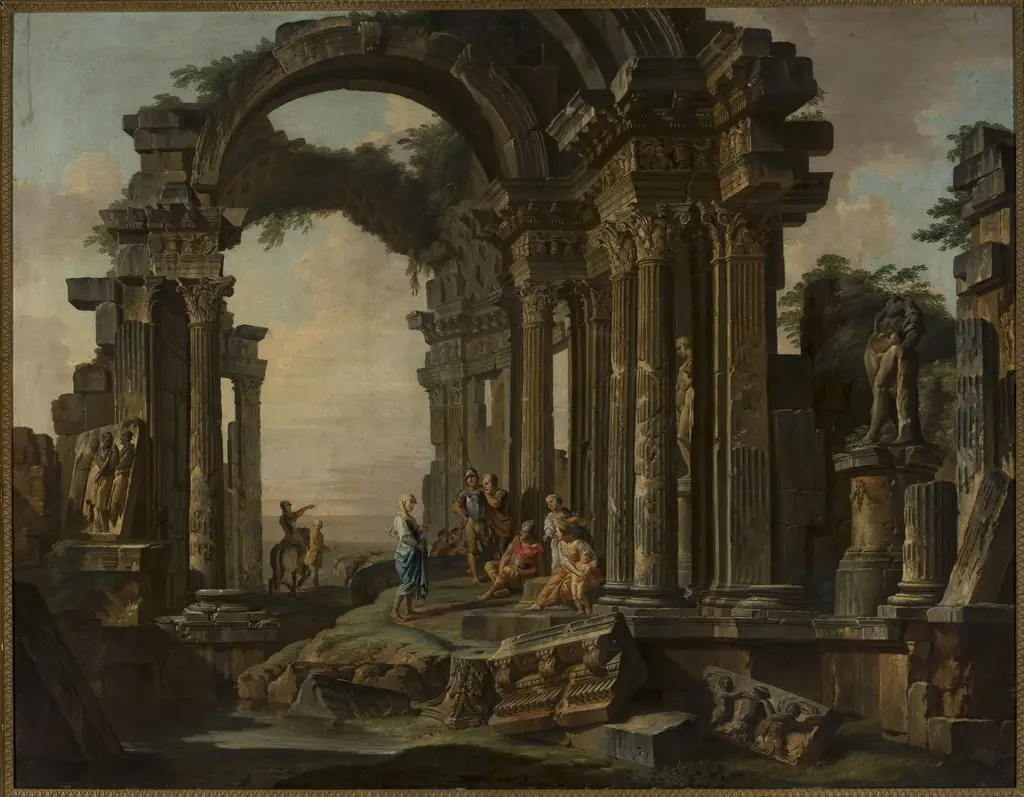
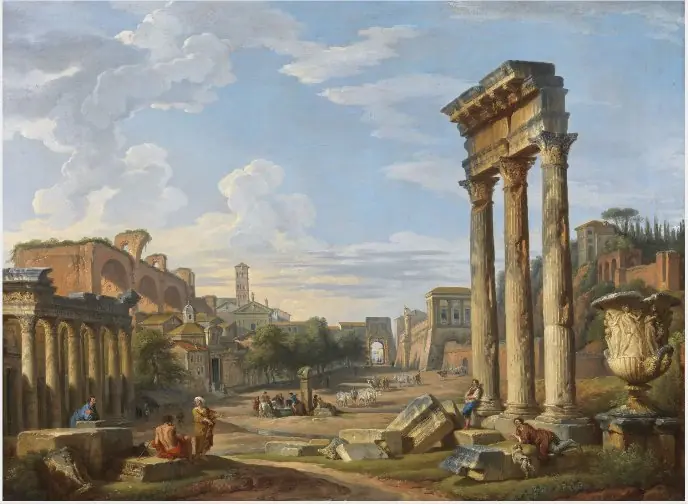
An Architectural Capriccio of the Roman Forum with Philosophers and Soldiers among Ancient Ruins, including the Arch of Janus Quadrifrons, the Sarcophagus of Santa Constanza, the Farnese Hercules and the Cincinnatus
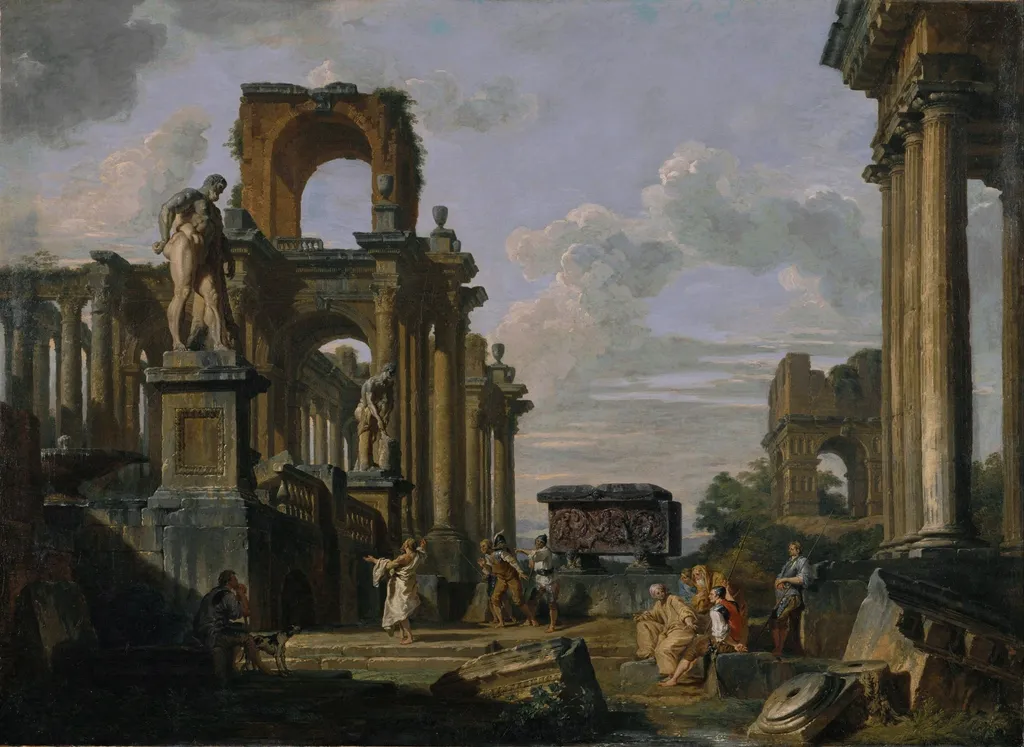
An Architectural Capriccio of the Roman Forum with Philosophers and Soldiers among Ancient Ruins, including the Arch of Janus Quadrifrons, the Sarcophagus of Santa Constanza, the Farnese Hercules and the Cincinnatus is an unspecified painting by the Rococo painting artist Giovanni Paolo Panini. It dates from 1745 and is held in the collection of the National Museum of Western Art.
About this work
Overview
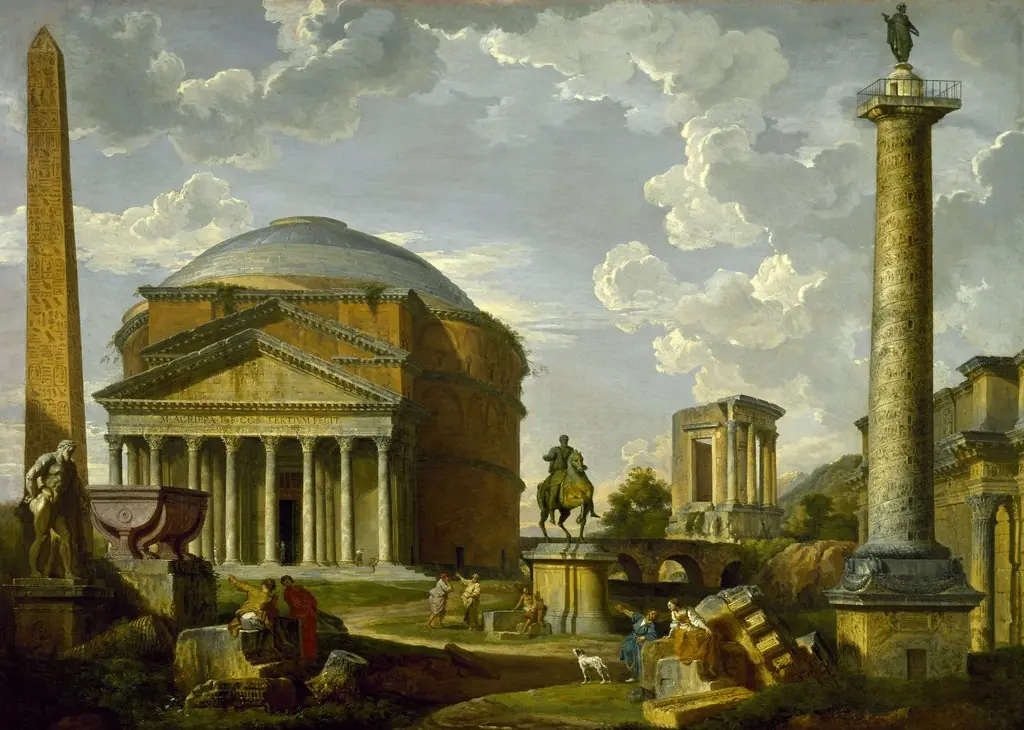
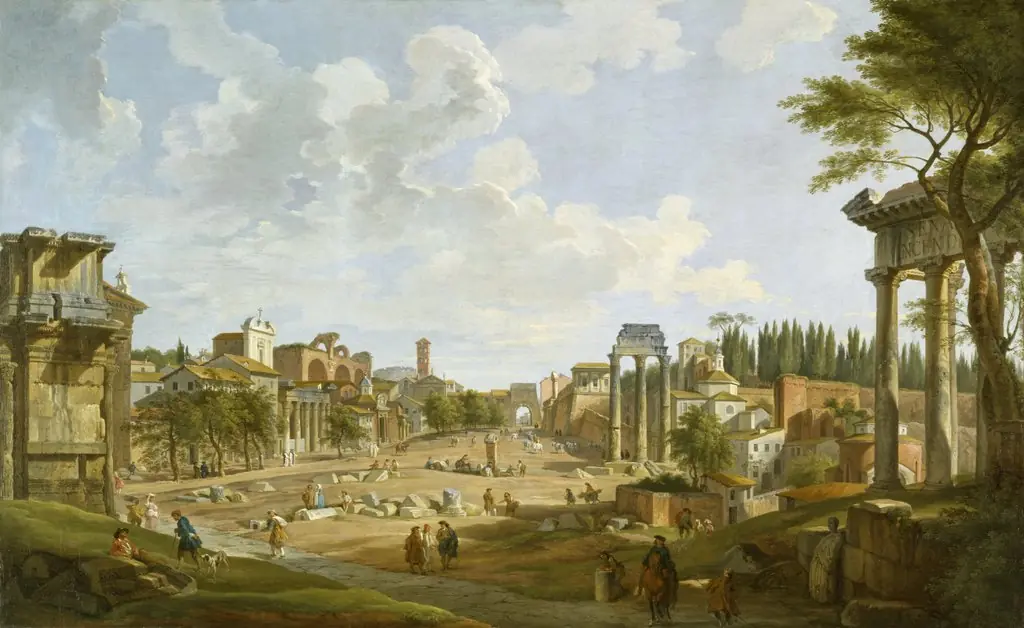
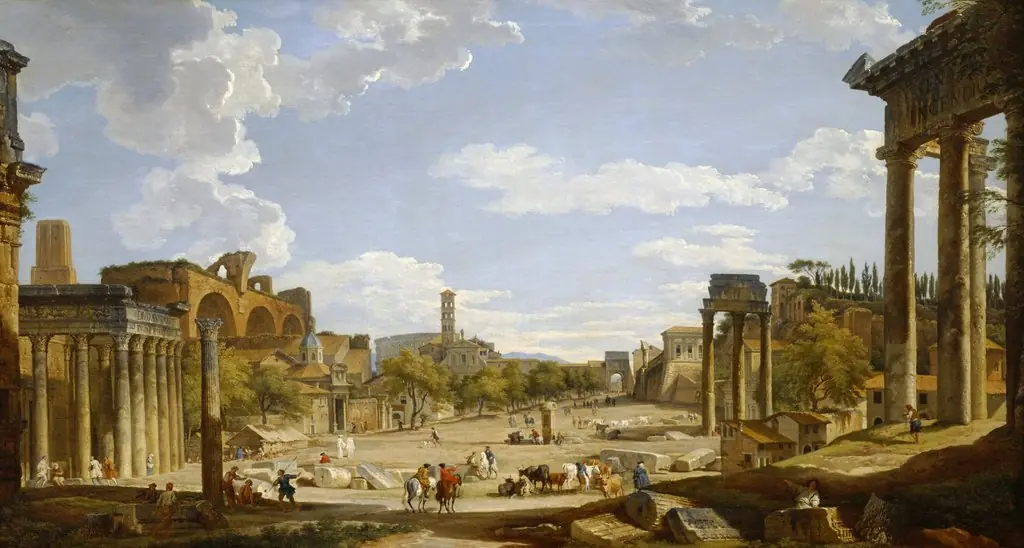
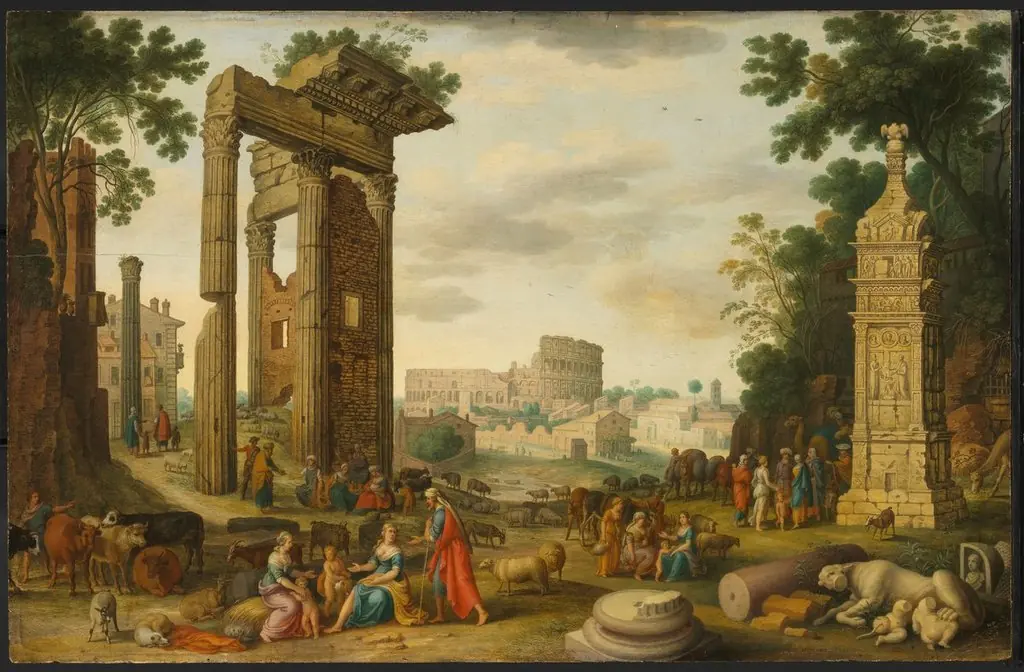
Created in 1745 by Giovanni Paolo Panini, this painting is a characteristic example of a capriccio, a genre that combines real and imaginary architectural elements. It is a product of the Rococo period, showcasing the artist's skill in blending historical and fantastical components.
Subject & Meaning
The painting depicts a fantastical assembly of ancient Roman ruins, including the Arch of Janus Quadrifrons and the Farnese Hercules, alongside figures of philosophers and soldiers. The juxtaposition of these elements invites contemplation on the passage of time and the legacy of ancient civilizations.
Technique & Style
Panini's use of chiaroscuro, a technique that exploits the contrast between light and dark, adds depth and atmosphere to the scene. The range of colors, from warm stone tones to cool sky tones, enhances the sense of grandeur and decay.
History & Provenance
The painting is held in the collection of the National Museum of Western Art. As a leading vedutista, or view painter, Panini was known for his depictions of Rome's antiquities, and this work is a testament to his expertise in this genre.
Own this work as a print
Artist & collection
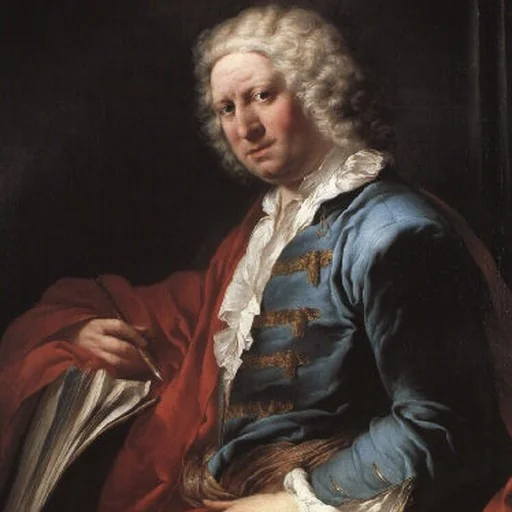
Artist
Giovanni Paolo, also known as Gian Paolo Panini or Pannini (17 June 1691 – 21 October 1765), was an Italian Baroque painter and architect who worked in Rome and is primarily known as one of the vedutisti ("view painters").