Artwork
Roman Ruins and the Monument of Igel
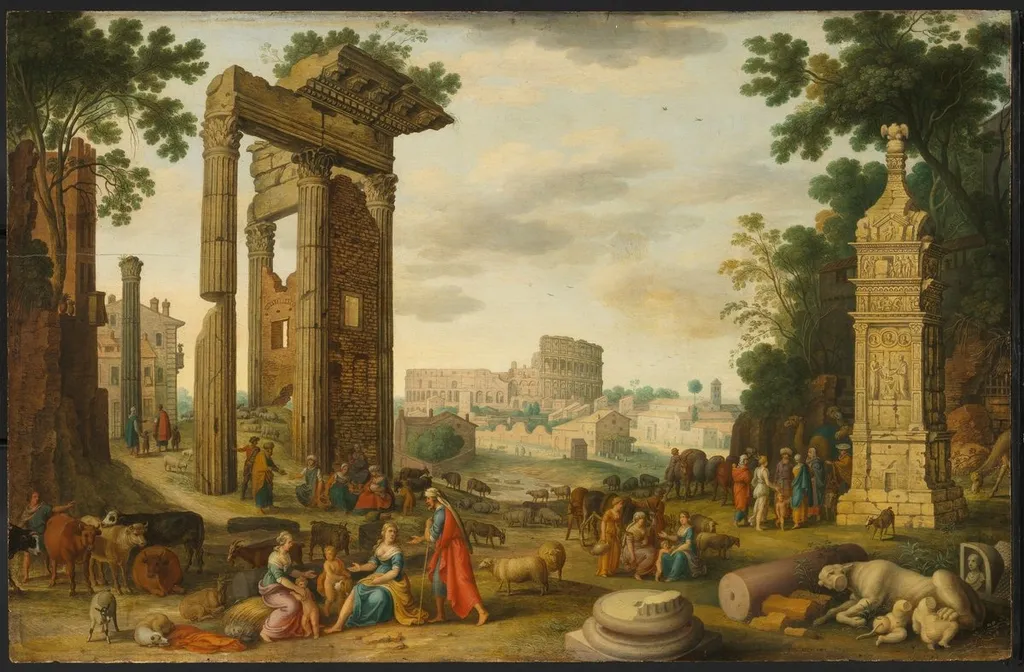
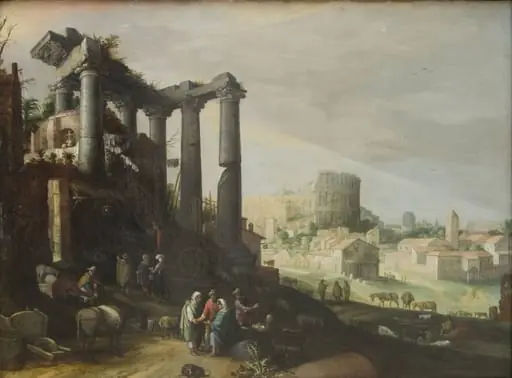
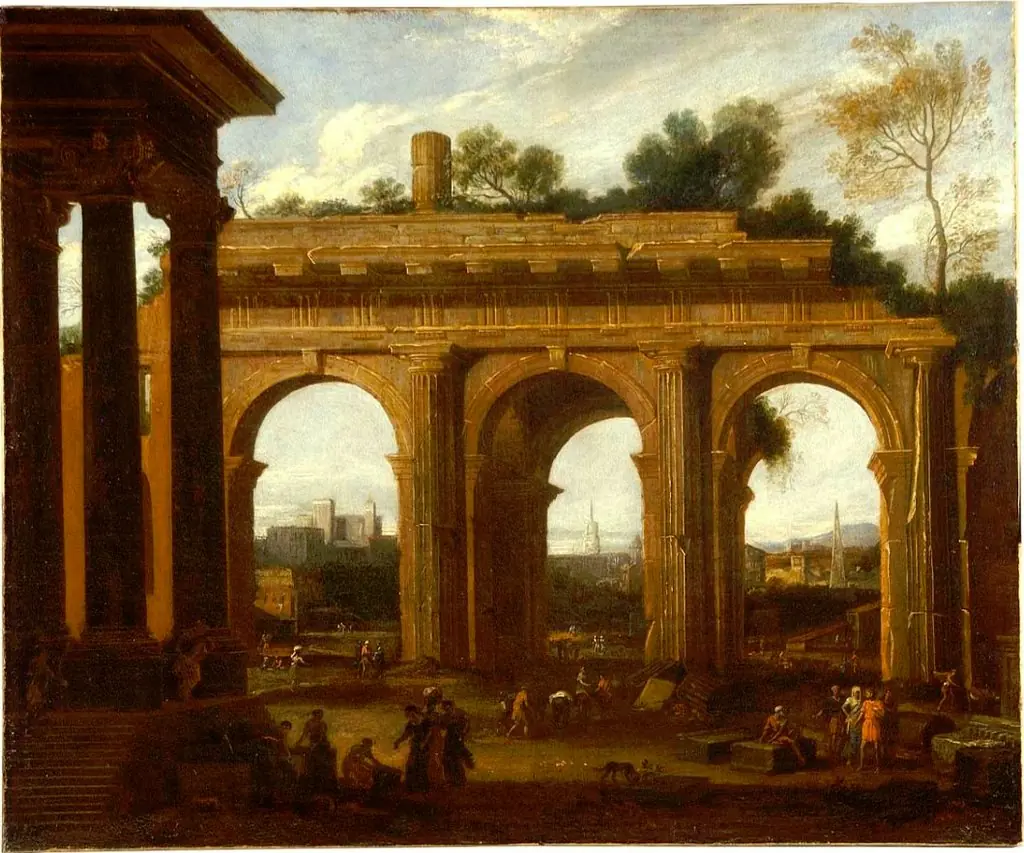
Roman Ruins and the Monument of Igel is an oil painting by the Dutch Golden Age artist Willem van Nieulandt II. It dates from 1628 and is held in the collection of the Museum of Fine Arts, Budapest.
About this work
The painting is titled Roman Ruins and the Monument of Igel.
It was created by Willem van Nieulandt II in 1628.
The Museum of Fine Arts, Budapest, holds this oil paint work, and its history is notable, with the Igel Column being a real ancient monument, which adds context to the painting.
To learn more about similar artworks, look up the Museum of Fine Arts, Budapest.
Overview
Roman Ruins and the Monument of Igel is a 1628 oil painting by Willem van Nieulandt II, a Flemish artist known for his landscapes. The work is now held in the Museum of Fine Arts, Budapest.
Subject & Meaning
The painting depicts a landscape featuring the Igel Column, an ancient Roman monument, alongside other ruins. Van Nieulandt II often merged real architectural elements with contemporary or mythological figures, creating a blend of reality and imagination.
Technique & Style
Van Nieulandt II's work is characteristic of the Dutch Golden Age and Italianate landscape styles, which often featured classical Roman architecture. His use of oil paint allows for detailed rendering of textures and atmospheric effects.
History & Provenance
The Igel Column, featured prominently in the painting, is a real ancient monument, adding historical context to the work. The painting's current location is the Museum of Fine Arts, Budapest, where it is part of the collection.
Artist & collection

Artist
Guilliam or Willem van Nieulandt or van Nieuwelandt (1582/84–1635) was a Flemish painter, engraver, poet and playwright from Antwerp.

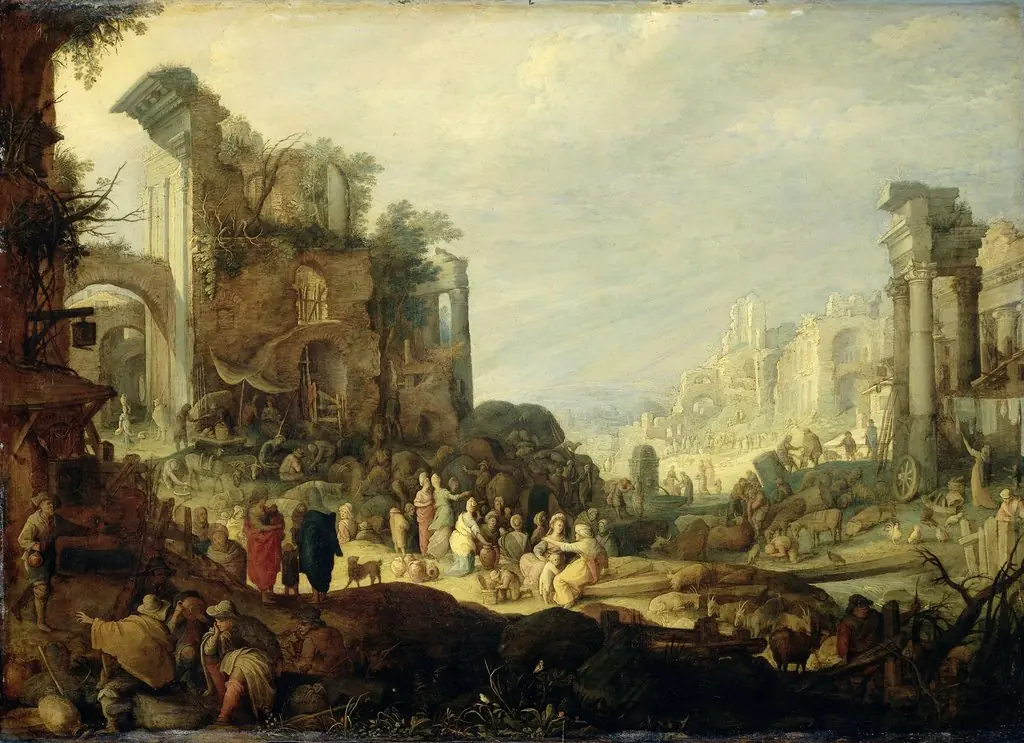 Landscape with Roman Ruins and the Meeting of Rebecca and Eliezer
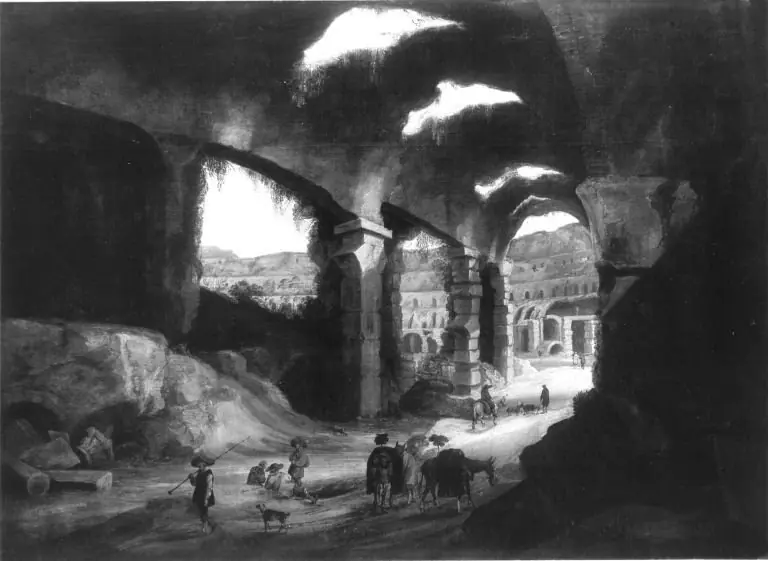 Interior view of the Roman Colosseum
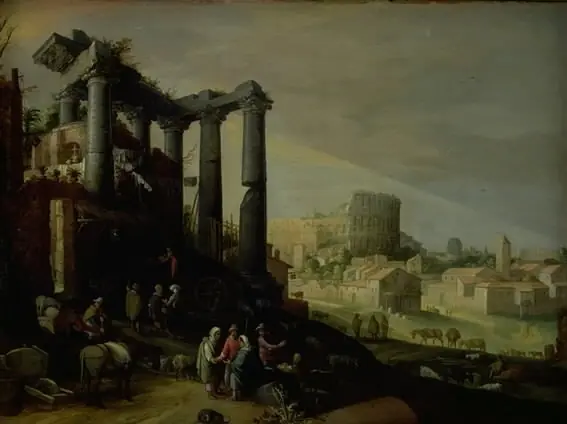 Landscape with a View of Campo Vaccino in Rome
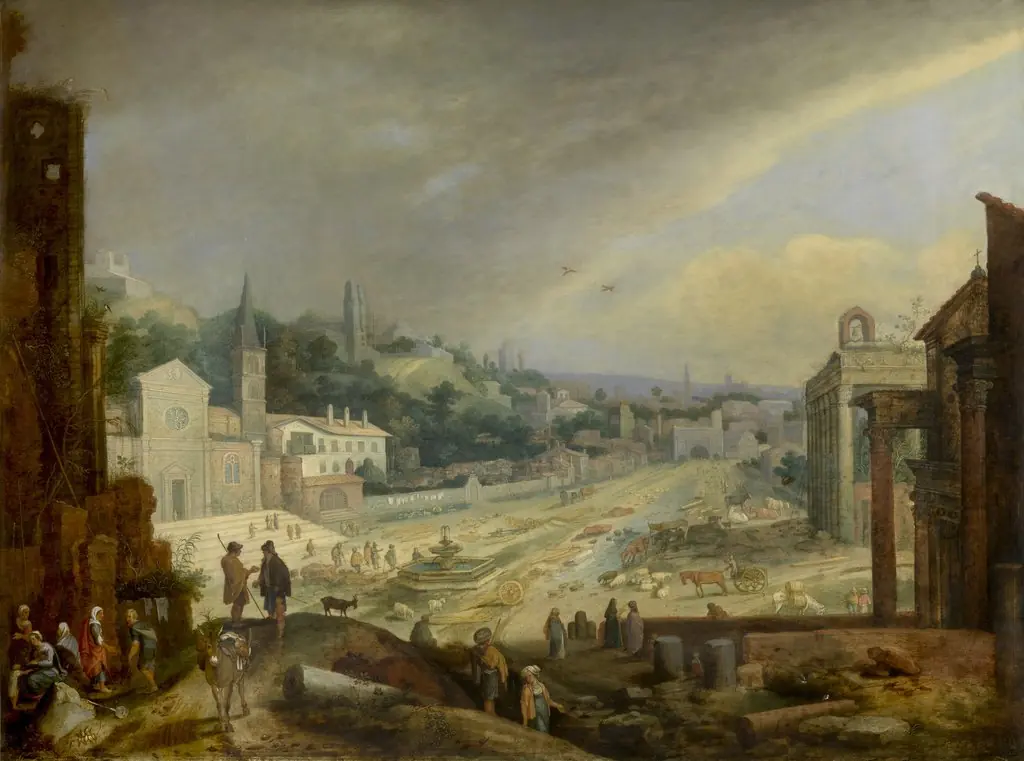 A View on the Campo Vaccino in Rome
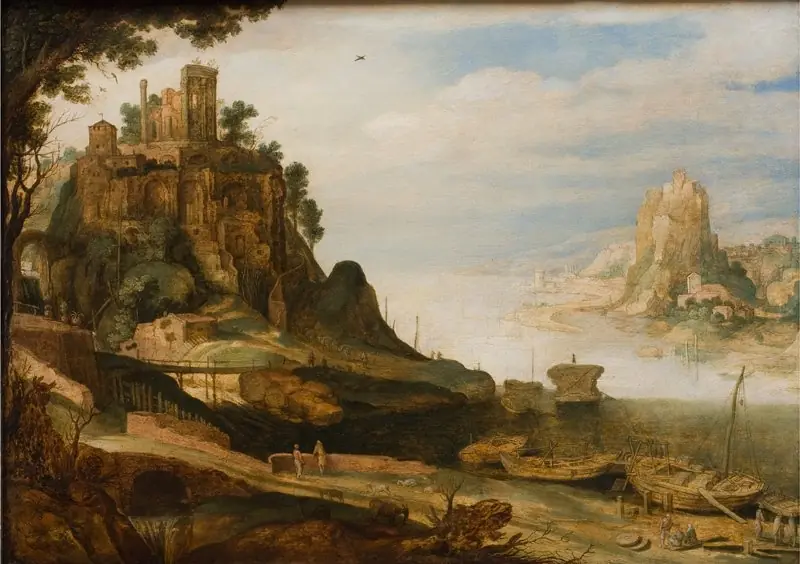 Coast Landscape with the so-called Temple of Sibyl at Tivoli
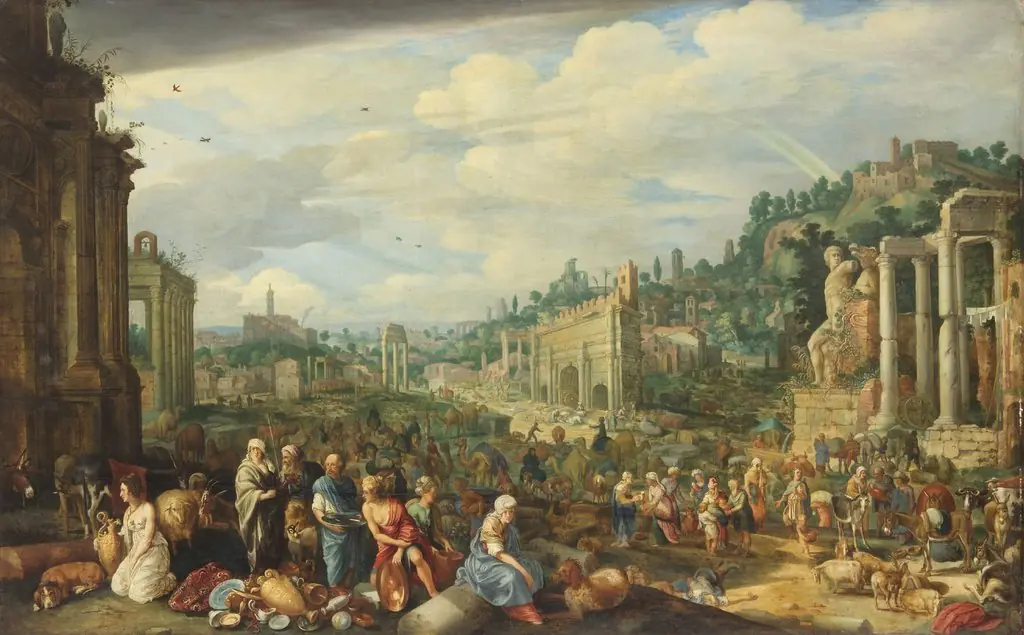 Ansicht des Campo Vaccino in Rom (Aufbruch der Israeliten aus Ägypten)
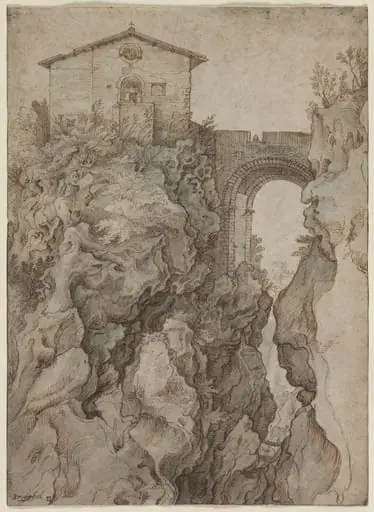 Ponte San Rocco at Tivoli