Artwork
The Cleansing of the Temple
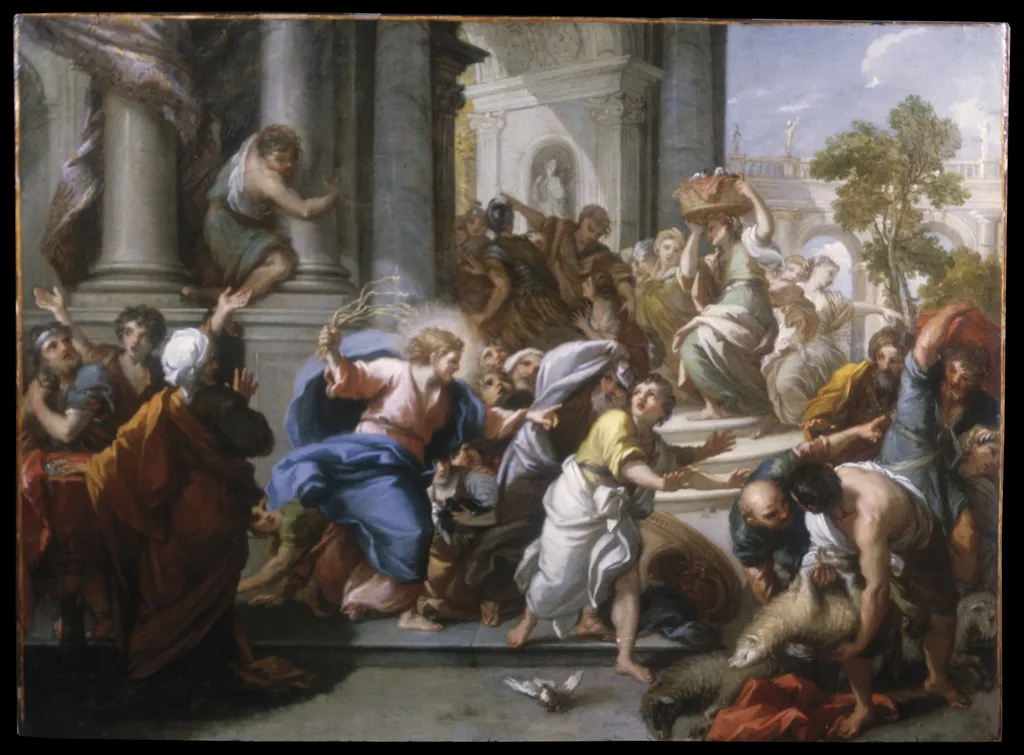
The Cleansing of the Temple is an oil painting by the Barbizon school artist Giuseppe Passeri. It dates from 1712 and is held in the collection of the Walters Art Museum.
About this work
Overview
Active in Rome during the early 18th century, he was trained in the studio of Carlo Maratta and came from a family of artists.
Giuseppe Passeri painted *The Cleansing of the Temple* in 1712 using oil on canvas. Active in Rome during the early 18th century, he was trained in the studio of Carlo Maratta and came from a family of artists. This work reflects his consistent engagement with biblical narratives, executed with the formal clarity and dramatic tension characteristic of Roman Baroque painting. It now resides in the Walters Art Museum’s collection.
Subject & Meaning
The painting illustrates the Gospel account of Jesus expelling money changers and merchants from the Temple in Jerusalem. Passeri emphasizes Christ’s righteous anger, portraying him as a central, dynamic force amid a throng of startled figures. The scene conveys a moral critique of commercialization within sacred space, a theme resonant in Counter-Reformation religious discourse.
Technique & Style
Passeri employs strong chiaroscuro and dynamic composition to heighten the scene’s urgency. Figures are arranged in swirling groups, their drapery and gestures conveying motion. The architectural setting, with tall columns and high windows, frames the action and directs light toward the central figure. His brushwork is precise yet energetic, balancing naturalism with theatrical intensity.
History & Provenance
Commissioned during Passeri’s mature period, the painting likely originated as part of a religious or private devotional context in Rome. It entered the Walters Art Museum’s collection in the early 20th century through the bequest of Henry Walters. Its journey from 18th-century Roman studios to a modern American institution reflects broader patterns of art circulation in the modern era.
Context
Created in the decades following the Council of Trent, the painting aligns with Catholic efforts to reinforce doctrinal clarity through visual art. Passeri’s approach echoes the influence of Raphael and Caravaggio, blending classical structure with emotional immediacy. His work responds to a cultural climate that valued religious narratives as tools of spiritual instruction and moral authority.
Legacy
Though not widely known outside specialist circles, Passeri’s painting exemplifies the persistence of Baroque religious painting in early 18th-century Rome. It stands as a testament to the enduring role of biblical scenes in artistic practice, even as stylistic trends shifted toward Rococo elegance. Its preservation in a public museum ensures continued access to this quiet, disciplined expression of Baroque piety.
Artist & collection
Artist
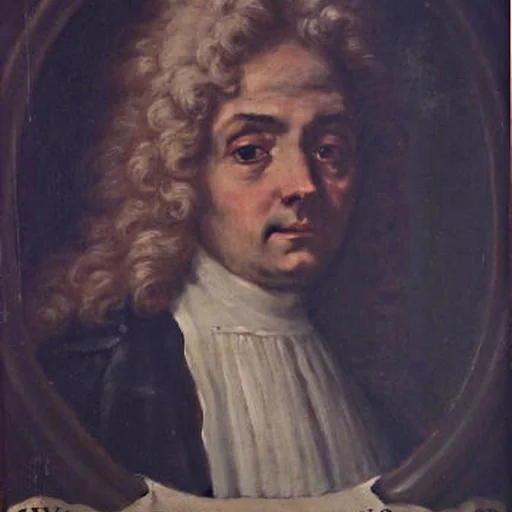
Giuseppe Passeri (12 March 1654 – 2 November 1714) was an Italian painter of the Baroque period, active in his native city of Rome.

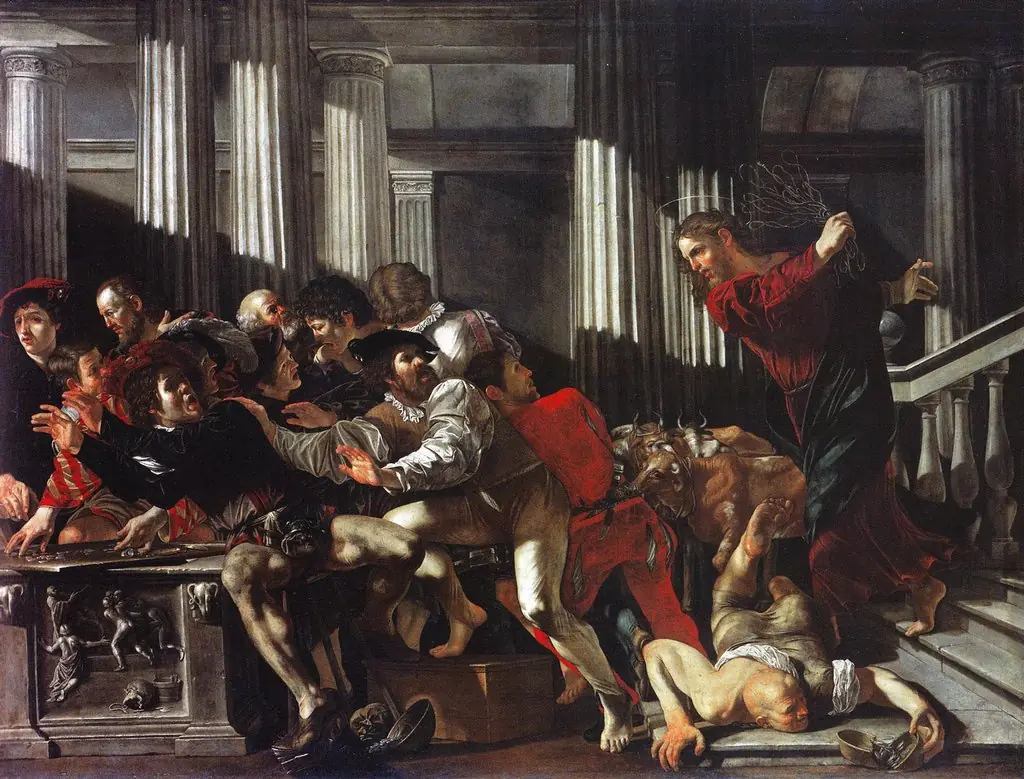 Christ driving the money-changers from the Temple
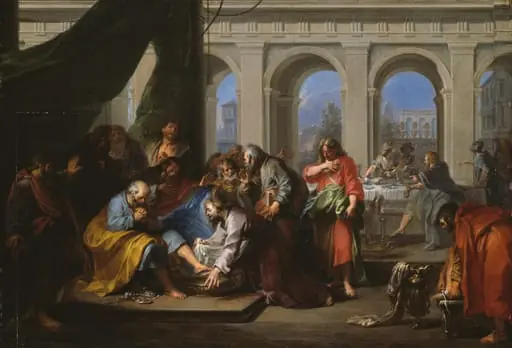 Christ Washing the Feet of His Disciples
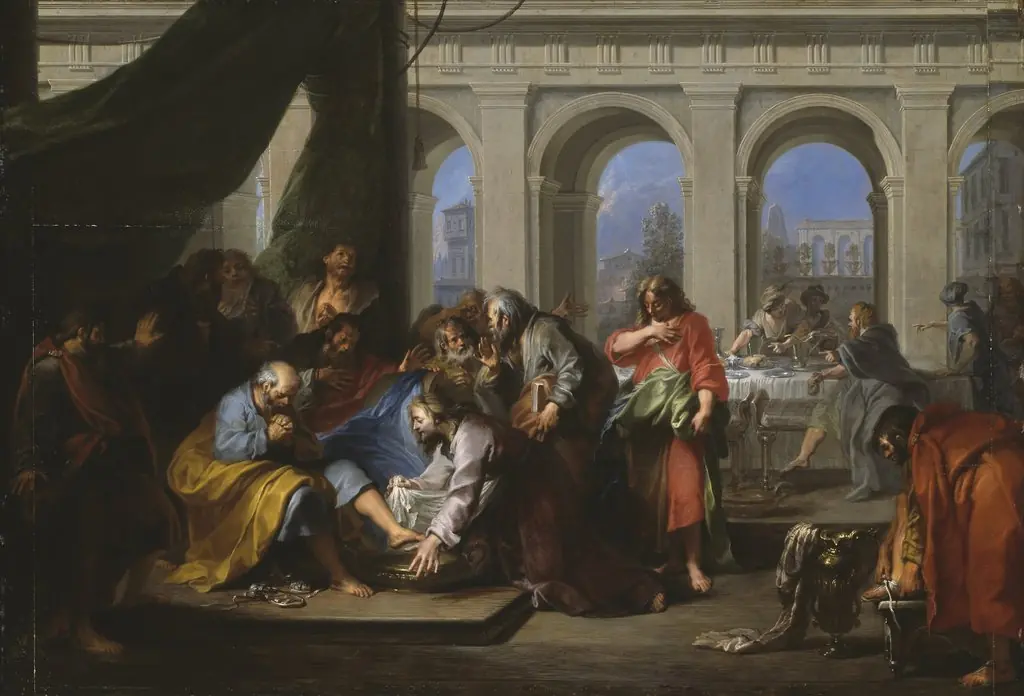 Christ Washing the Feet of His Disciples
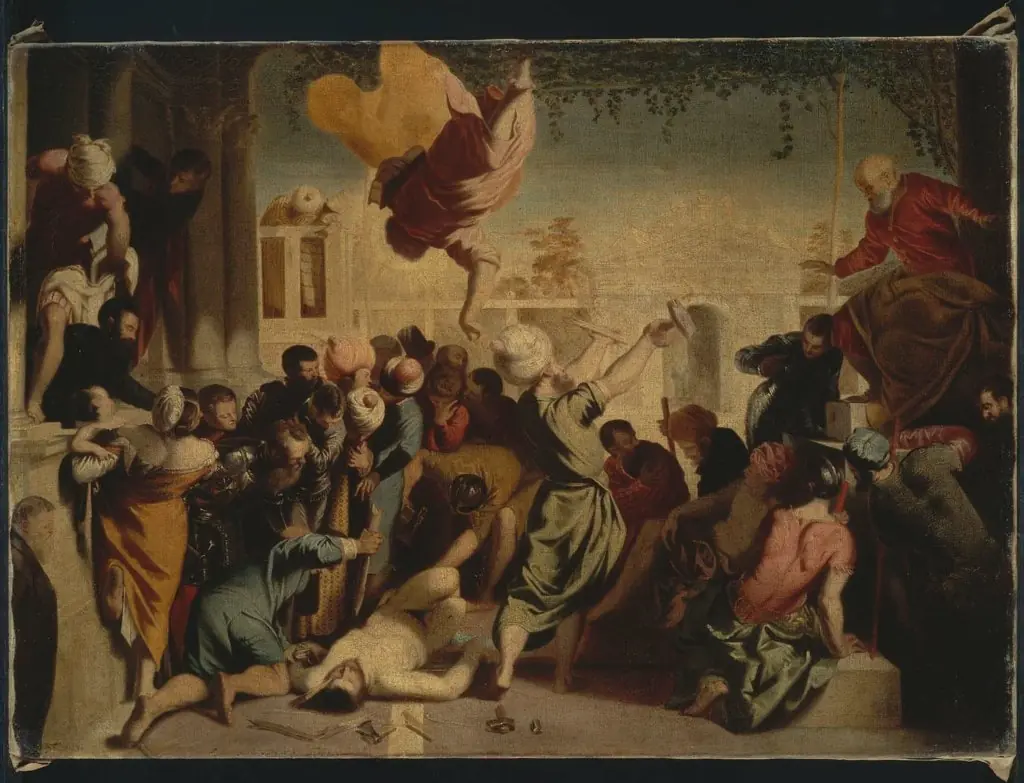 Miracle of Saint Mark
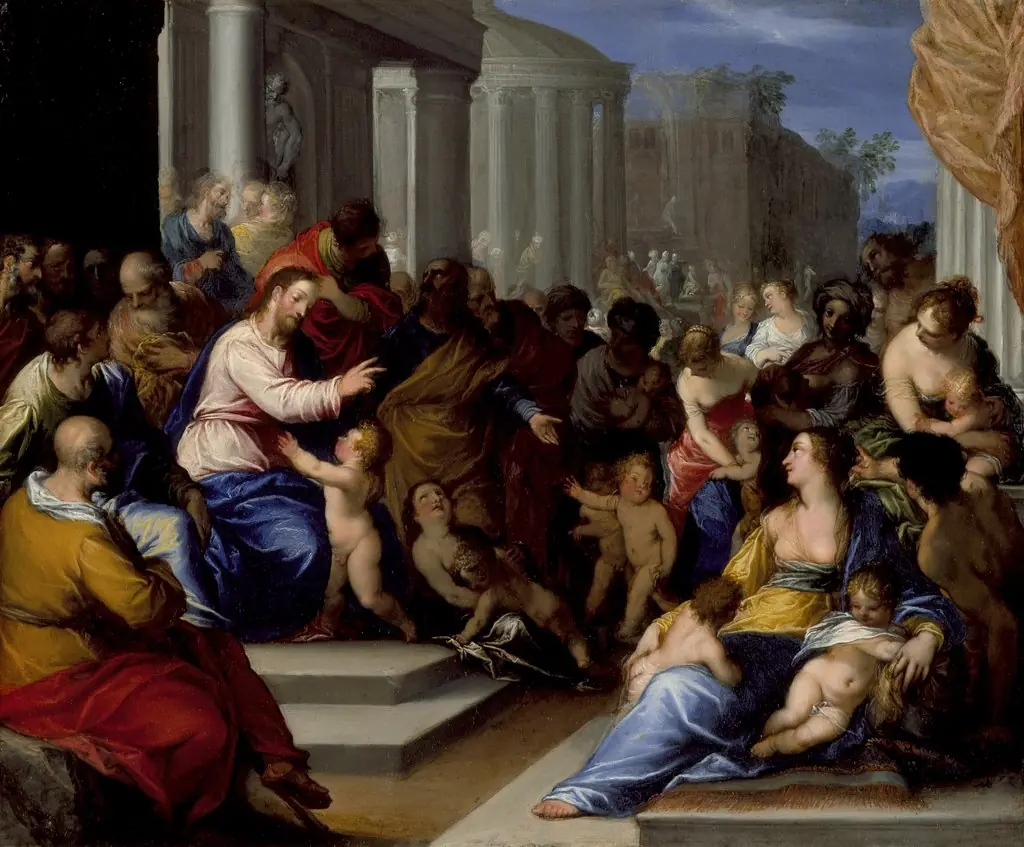 Suffer Little Children to Come Unto Me
 The Meal at Simons
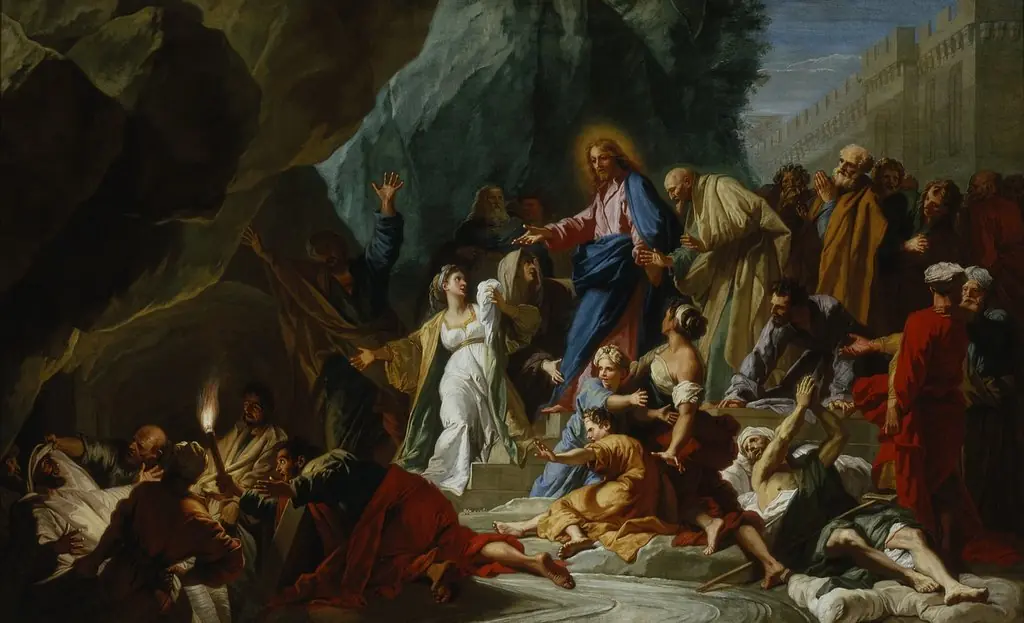 The Raising of Lazarus
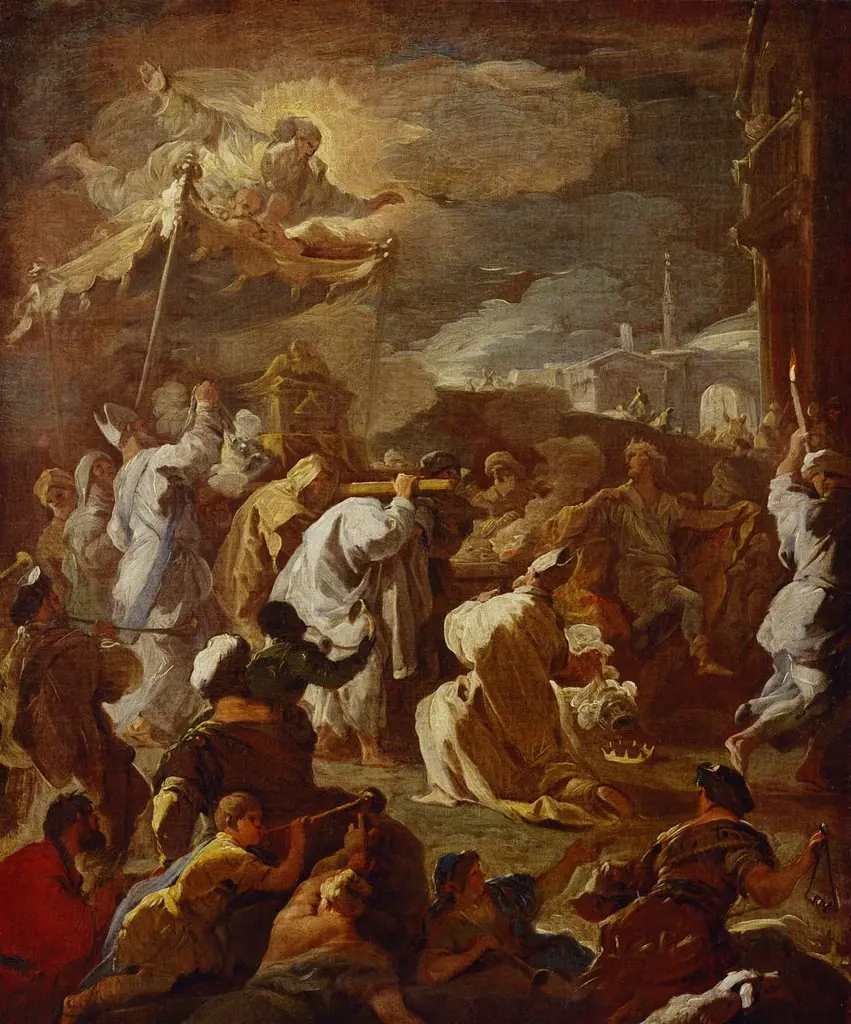 Transfer of the Ark of the Covenant by David
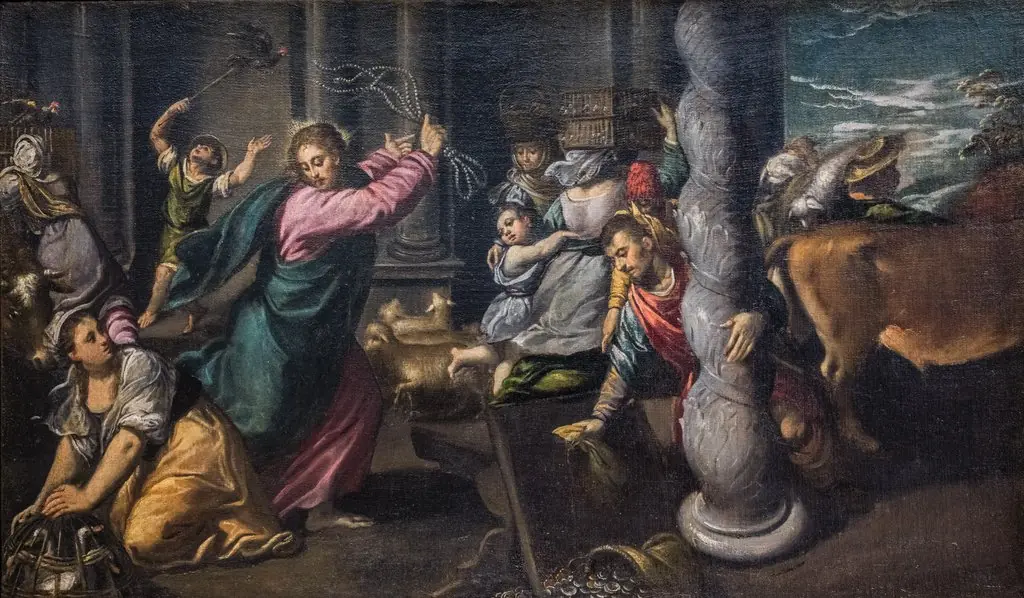 Driving of the merchants from the temple
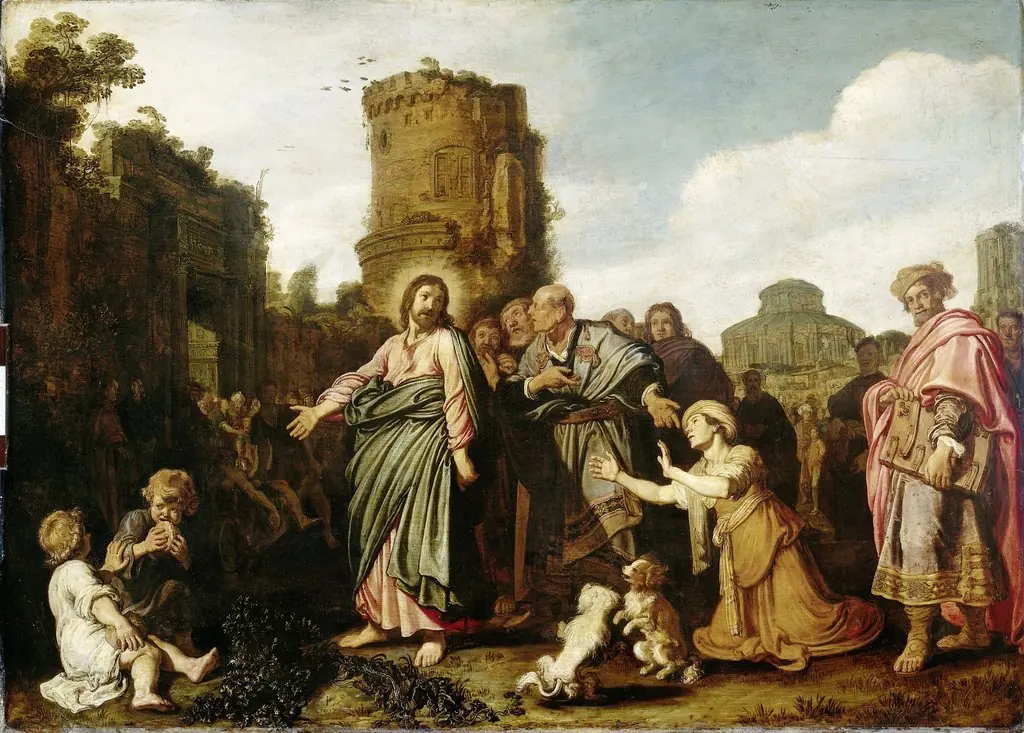 Christ and the woman of Canaan