Artwork
Maria Anna von Bayern (1551-1608), Gemahlin von Karl II. von Innerösterreich, auf dem Totenbett
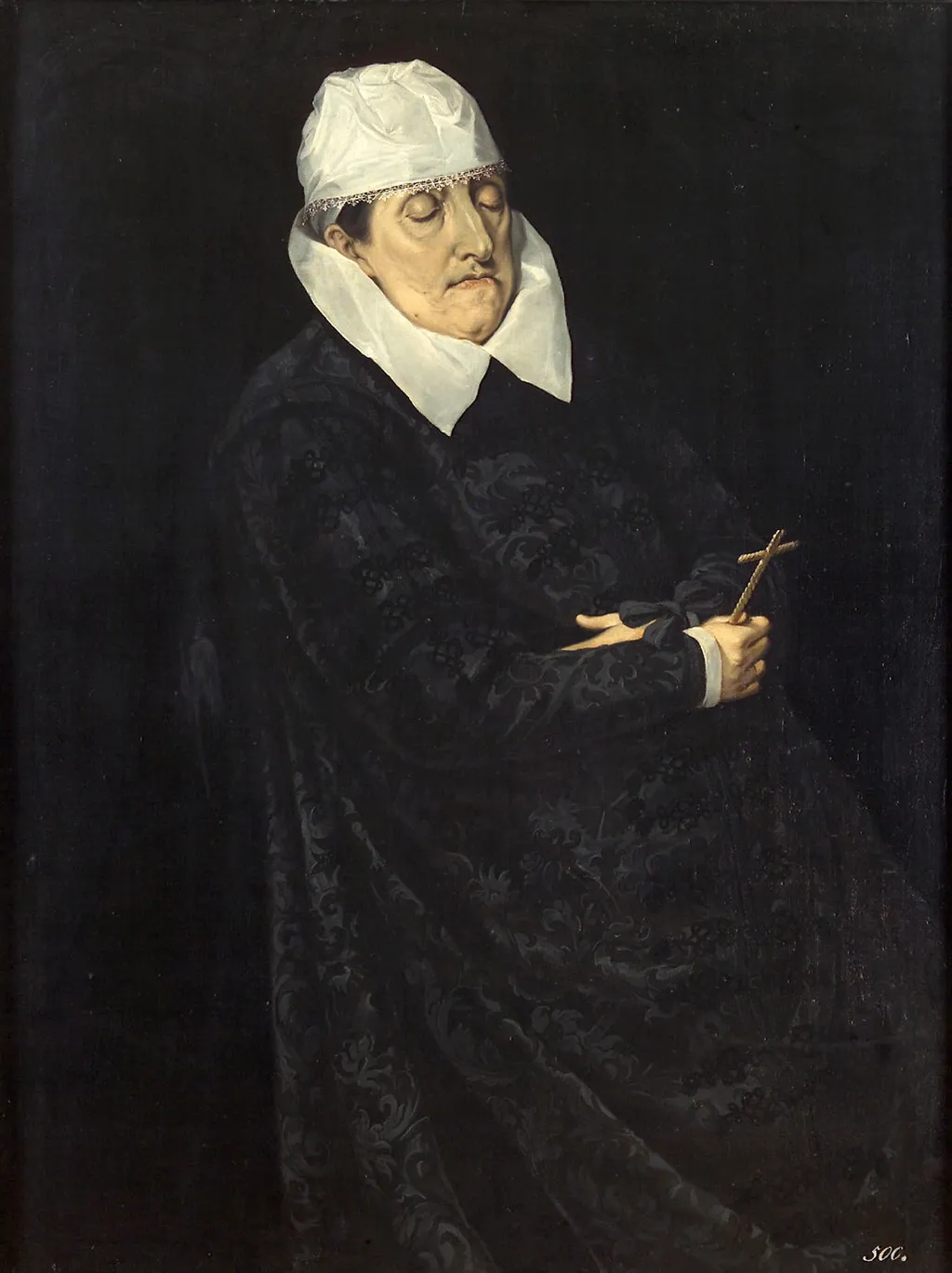
Maria Anna von Bayern (1551-1608), Gemahlin von Karl II. von Innerösterreich, auf dem Totenbett is an oil painting by the Early Baroque Italian artist Giovanni Pietro de Pomis. It dates from 1608 and is held in the collection of the Kunsthistorisches Museum.
About this work
Overview
De Pomis, an Italian-born artist active in Graz, rendered the scene with solemn precision, blending Mannerist elegance with emerging Baroque naturalism.
Painted in 1608 by Giovanni Pietro de Pomis, this oil portrait captures Maria Anna of Bavaria, widow of Archduke Karl II of Inner Austria, moments after her death. De Pomis, an Italian-born artist active in Graz, rendered the scene with solemn precision, blending Mannerist elegance with emerging Baroque naturalism. The work serves as a posthumous commemoration, commissioned to honor her status and piety within the Habsburg court.
Subject & Meaning
Maria Anna is depicted lying in repose, clad in mourning black with a white headdress and collar, her hands clasped around a crucifix. Her downcast gaze and still posture convey quiet devotion rather than grief. The cross, finely detailed, symbolizes her faith and the expectation of salvation. The composition avoids theatricality, emphasizing dignity and spiritual readiness, aligning with Counter-Reformation ideals of pious death.
Technique & Style
De Pomis employed chiaroscuro to model the figure against a deep, unbroken background, isolating Maria Anna’s face and hands as focal points. Delicate brushwork renders the texture of lace, fabric, and metal on the cross, while subtle tonal shifts suggest volume without overt modeling. The restrained palette—dominated by black, white, and muted gold—enhances the meditative tone, reflecting a transition from Mannerist stylization toward Baroque emotional restraint.
History & Provenance
Commissioned shortly after Maria Anna’s death in 1608, the painting remained in the Habsburg collections in Graz before entering the Kunsthistorisches Museum in Vienna. De Pomis, who served as court artist and architect, likely created it as part of a broader program of dynastic commemoration. Its preservation reflects the Habsburgs’ investment in visual records of their female relatives as symbols of piety and legitimacy.
Context
In early 17th-century Austria, posthumous portraiture of noblewomen often served political and religious functions, reinforcing familial virtue and Catholic orthodoxy. Maria Anna’s image, free of regalia or allegory, aligns with a growing trend toward intimate, devotional depictions of death, influenced by Jesuit spiritual practices. The painting reflects a court culture that valued quiet piety over public spectacle in mourning rituals.
Legacy
The portrait stands as a rare surviving example of a Habsburg widow’s posthumous representation in Austrian art. While de Pomis is better known for his architectural and medallic work, this painting reveals his sensitivity to psychological nuance. It contributes to a small corpus of early Baroque funerary portraiture in Central Europe, offering insight into how elite women were memorialized beyond ceremonial imagery.
Artist & collection
Artist
Giovanni Pietro de Pomis (c.1565 or 1569/70 – 6 March 1633) was an Italian painter, medailleur, architect and fortress master builder. His works show a marked influence of late-Mannerism.

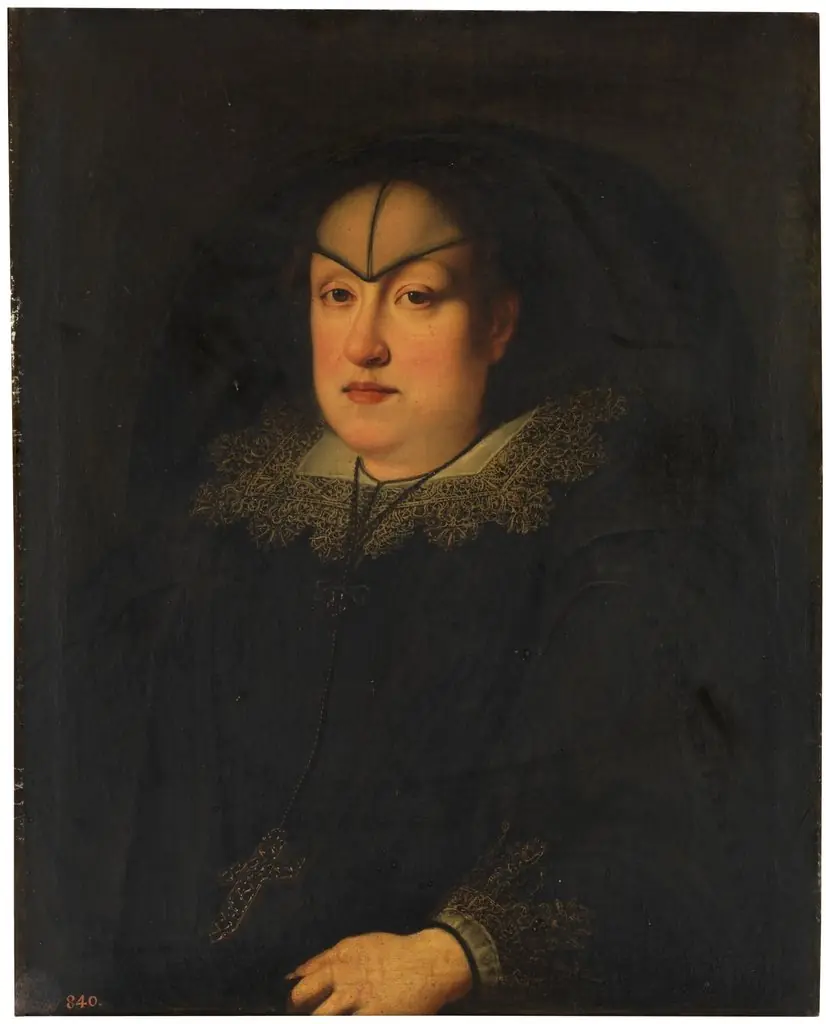 Portrait of Maria Maddalena of Austria as a widow
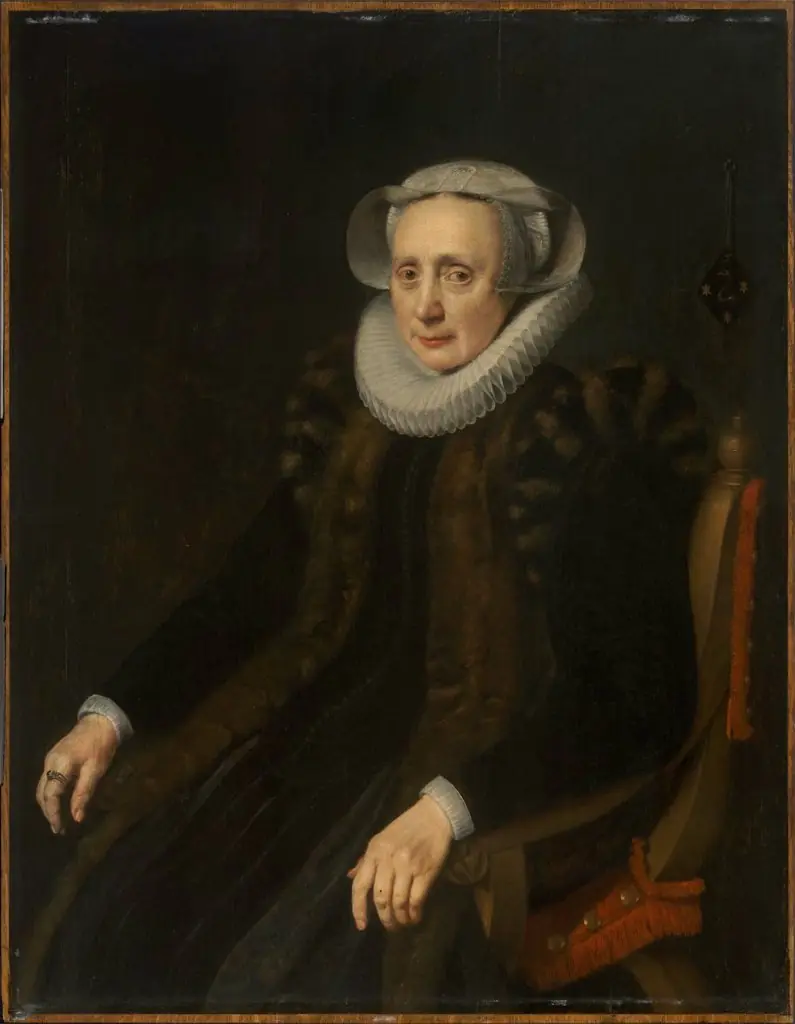 Adriana van Ijlen
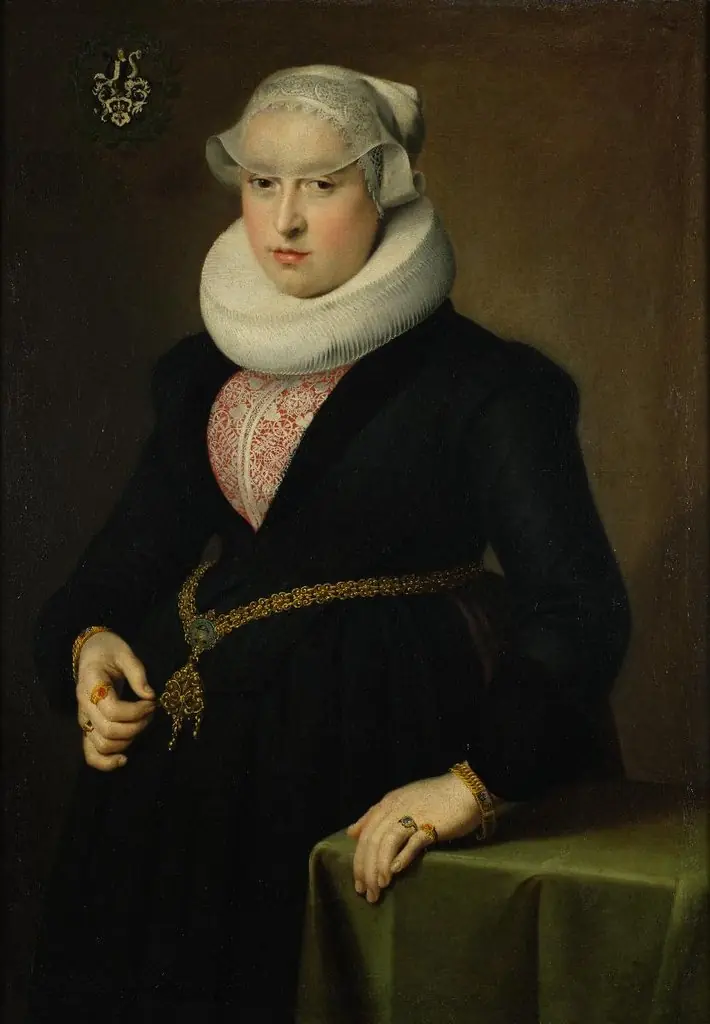 Bildnis Margaretha Müller-Hess
 Maria Guadalupe Lancaster duquesa de Aveiro
 Portrait of a noblewoman
 Portrait of a Woman, probably Morosina Morosini, Wife of Marino Grimani, the Doge of Venice
 Female Portrait
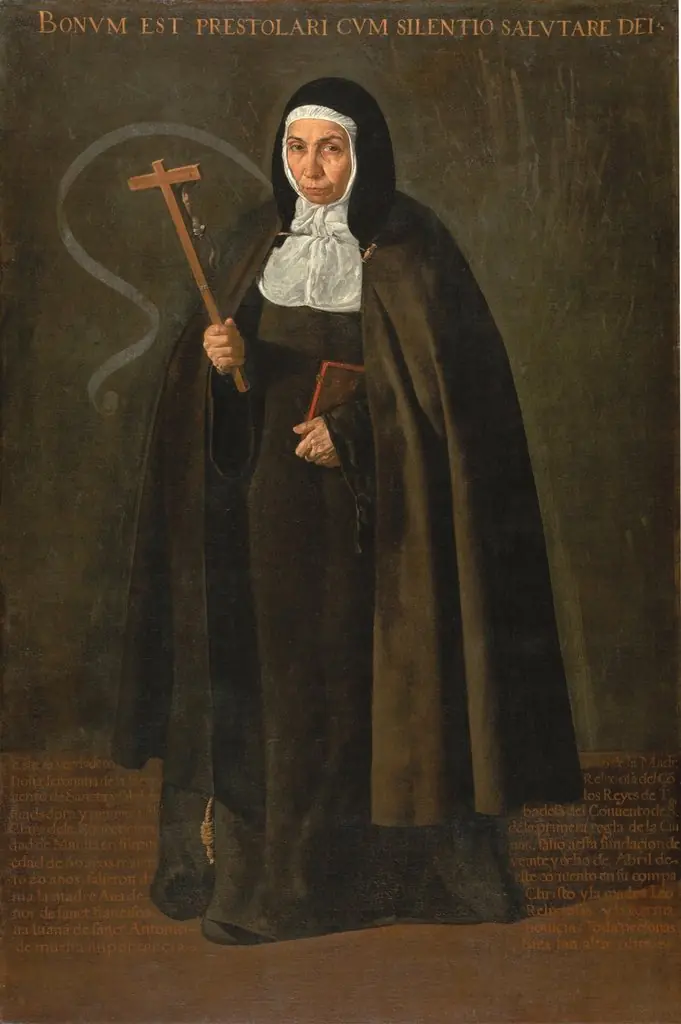 The Nun Jerónima de la Fuente
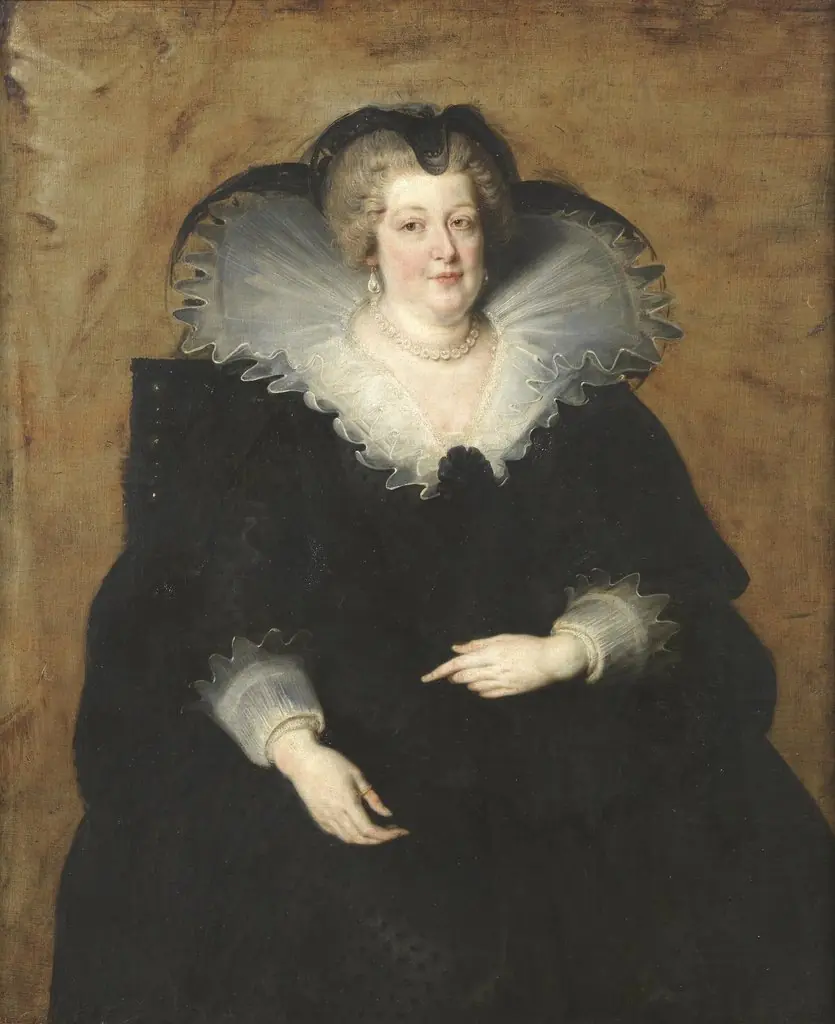 Marie de Medici, Queen of France
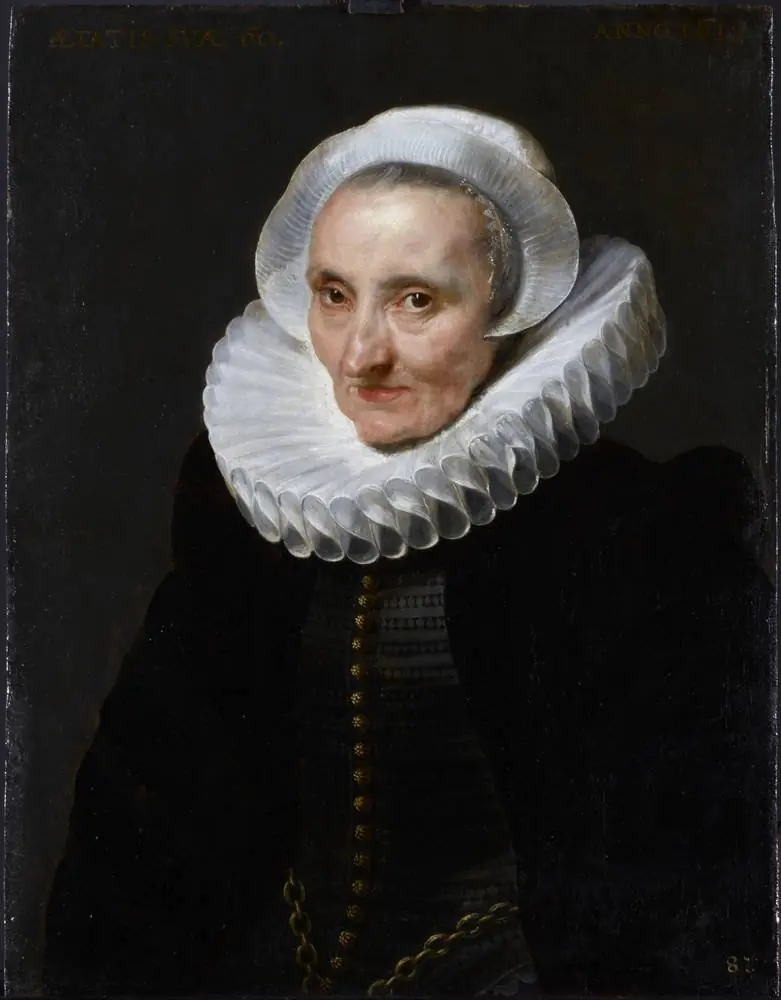 Portrait of a 60-year-old Woman
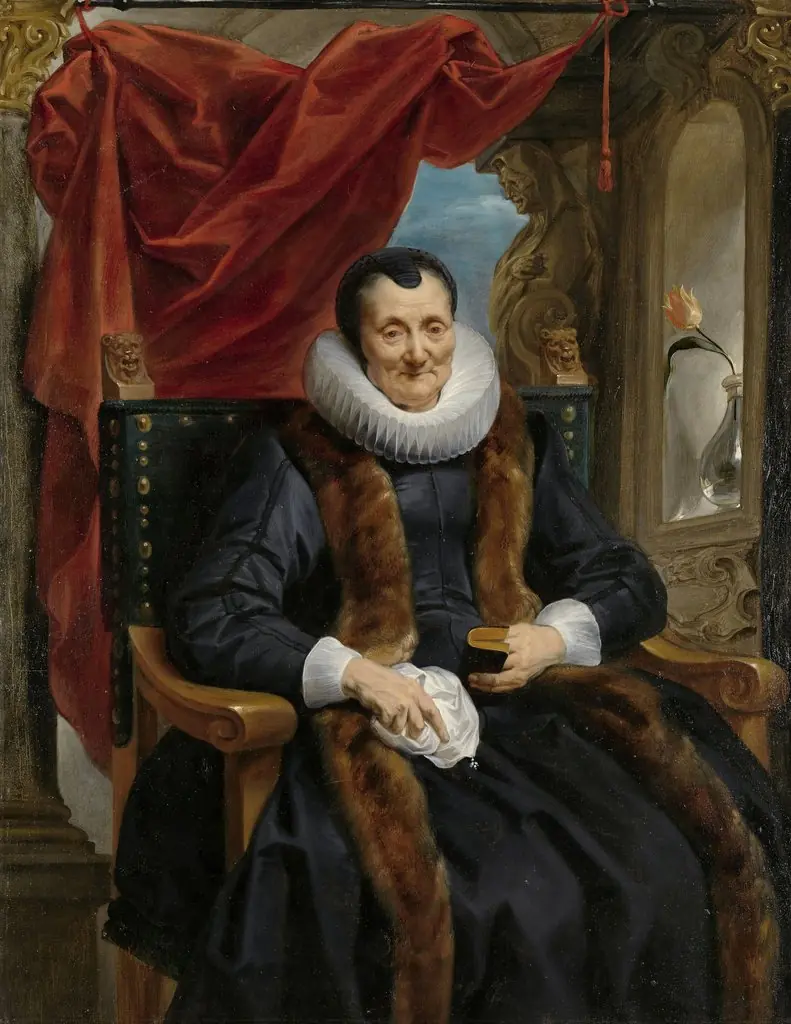 Portrait of Magdalena de Cuyper
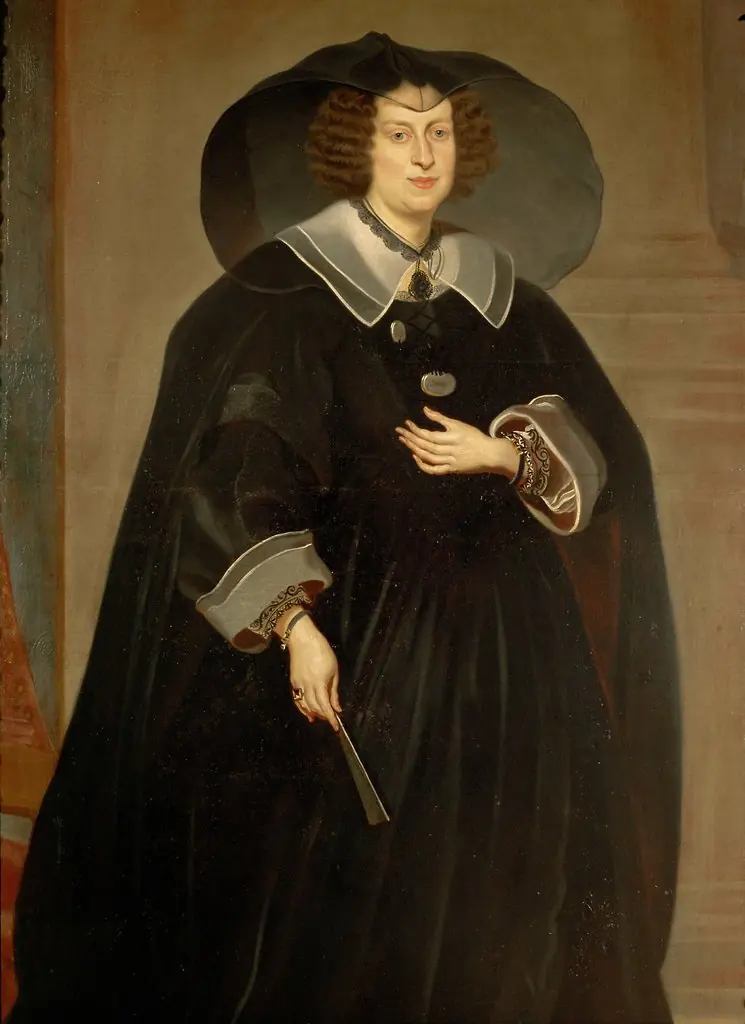 Claudia de' Medici (1604-1648), Erzherzogin, in Witwentracht, Kniestück