Artwork
The Nun Jerónima de la Fuente
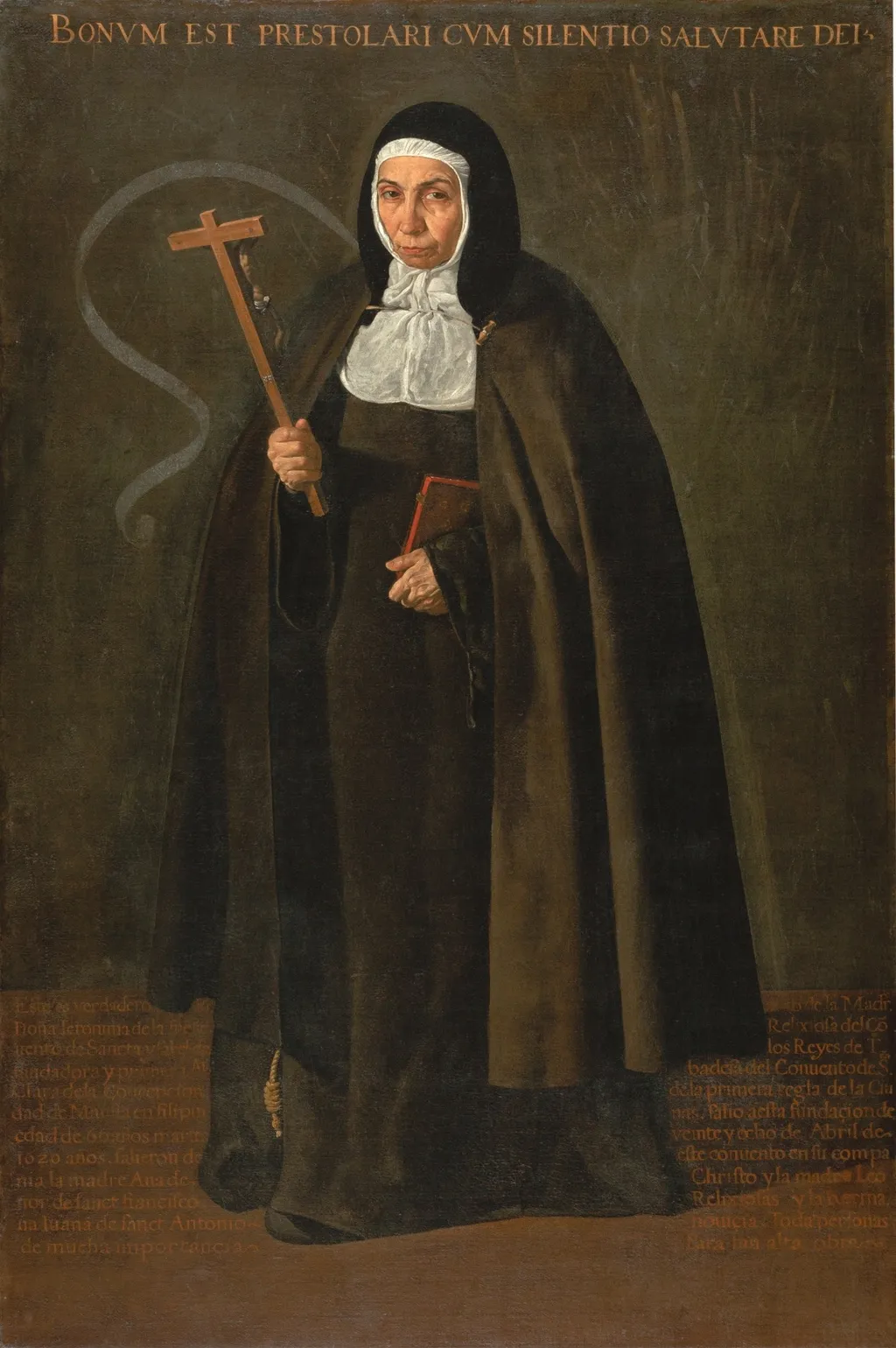
The Nun Jerónima de la Fuente is an oil painting by the Early Baroque Italian artist Diego Velázquez. It dates from 1620 and is held in the collection of the Museo del Prado.
About this work
Overview
Diego Velázquez’s portrait of the nun Jerónima de la Fuente presents a solitary figure rendered in oil on canvas in 1620. The work measures the full length of the subject, who stands against a dark, undefined backdrop that isolates her form. Currently the painting is exhibited in Madrid’s Museo del Prado, where it remains a notable example of early Baroque portraiture.
Subject & Meaning
The canvas portrays Jerónima de la Fuente, a cloistered nun, clutching a modest wooden crucifix in her right hand. Dressed in a somber habit with a white coif and a dark veil, she gazes downward with a solemn expression, suggesting an inner focus on prayer and devotion. The composition conveys a quiet, contemplative spirituality typical of religious portraiture of the period.
Technique & Style
Velázquez employs a restrained palette of deep browns and muted whites, allowing the figure to emerge from the almost black background. The brushwork is smooth and precise, especially in rendering the texture of the habit and the delicate details of the crucifix. Light falls subtly on the nun’s face and hands, creating a modest chiaroscuro that emphasizes volume without dramatic contrast.
History & Provenance
Completed in 1620, the portrait entered the Spanish royal collections shortly after its creation, reflecting the court’s interest in religious subjects. Over the centuries it passed through various private and institutional hands before being acquired by the Museo del Prado in the 19th century, where it has been on public display since.
Context
The painting belongs to Velázquez’s early career, a time when he was serving the court of King Philip III and producing works for ecclesiastical patrons.
The painting belongs to Velázquez’s early career, a time when he was serving the court of King Philip III and producing works for ecclesiastical patrons. Portraits of religious figures were common commissions, intended to honor individual devotion while reinforcing the Catholic Counter‑Reformation’s visual agenda. Jerónima’s understated representation aligns with the era’s emphasis on personal piety over ornate display.
Own this work as a print
Artist & collection
Artist
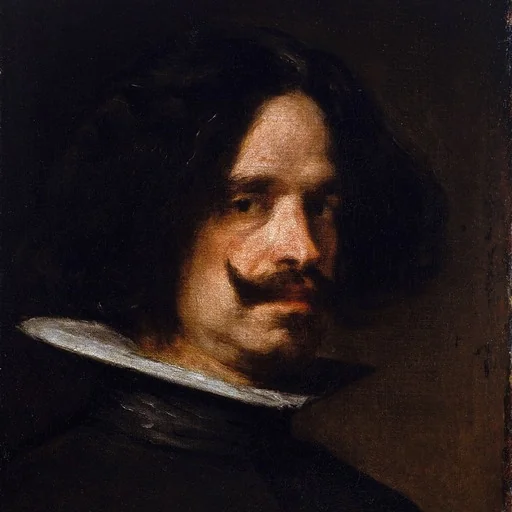
Diego Rodríguez de Silva y Velázquez was a Spanish Baroque painter, the leading artist in the court of King Philip IV of Spain and Portugal, and of the Spanish Golden Age.

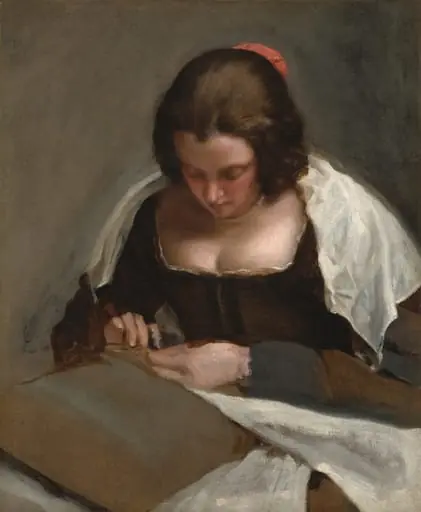
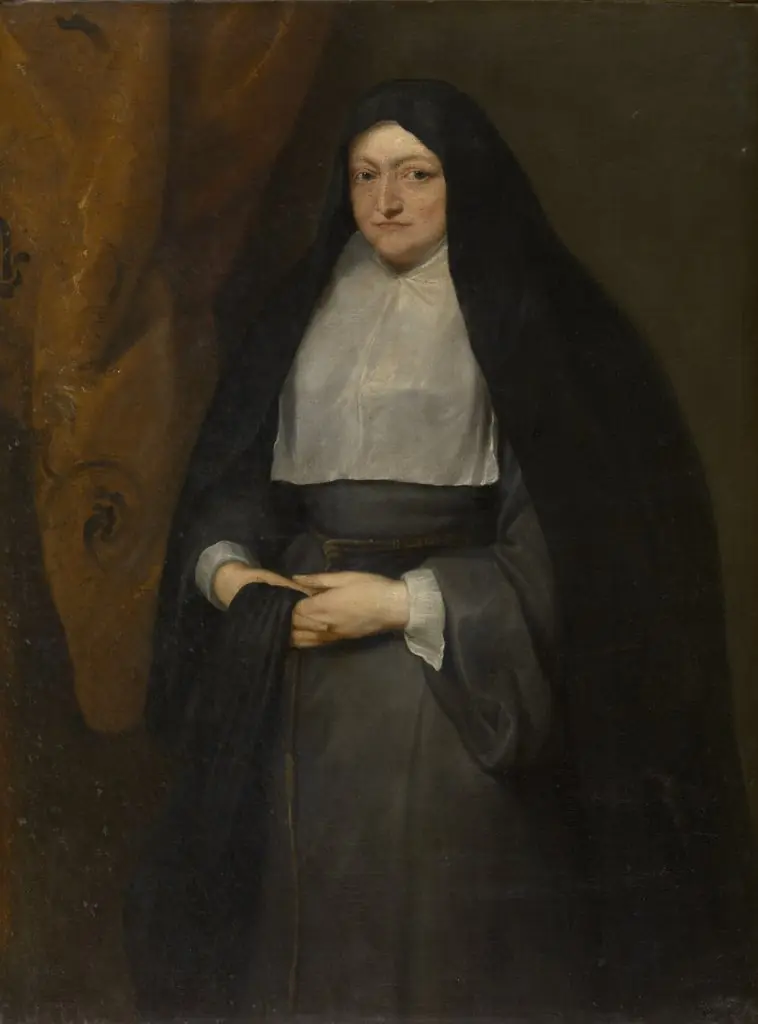 Infante Isabella Clara Eugenia
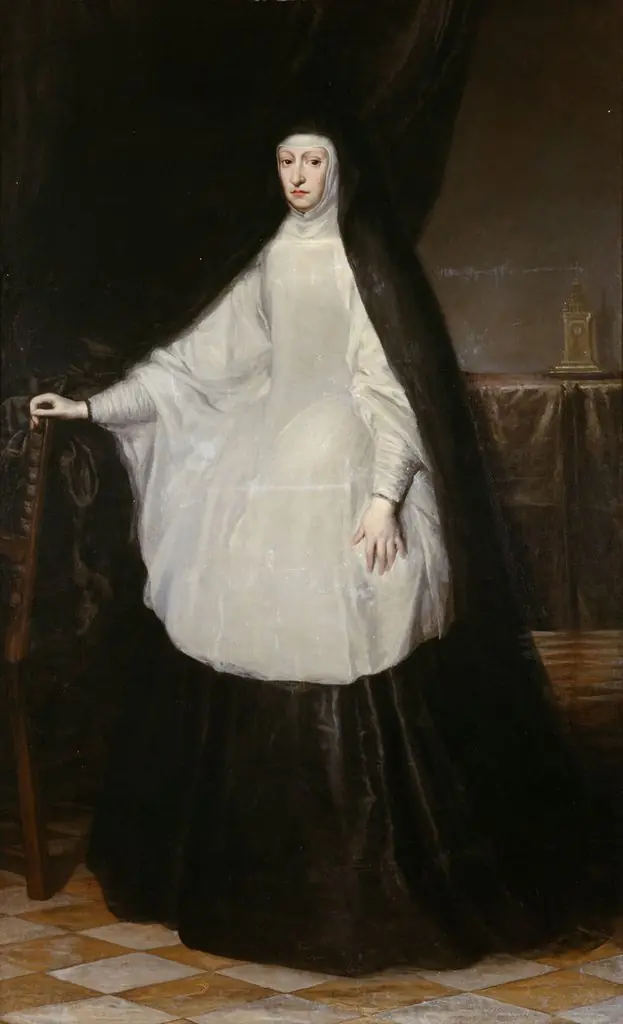 Erzherzogin Maria Anna, Königin von Spanien, als Witwe
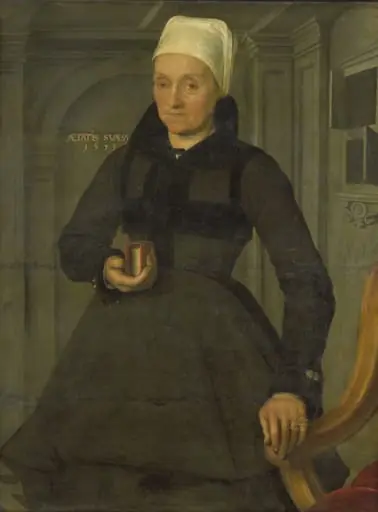 Portrait of Lysbeth Hendriksdr (1536-after 1603). Wife of Bartholomeus van der Wiere
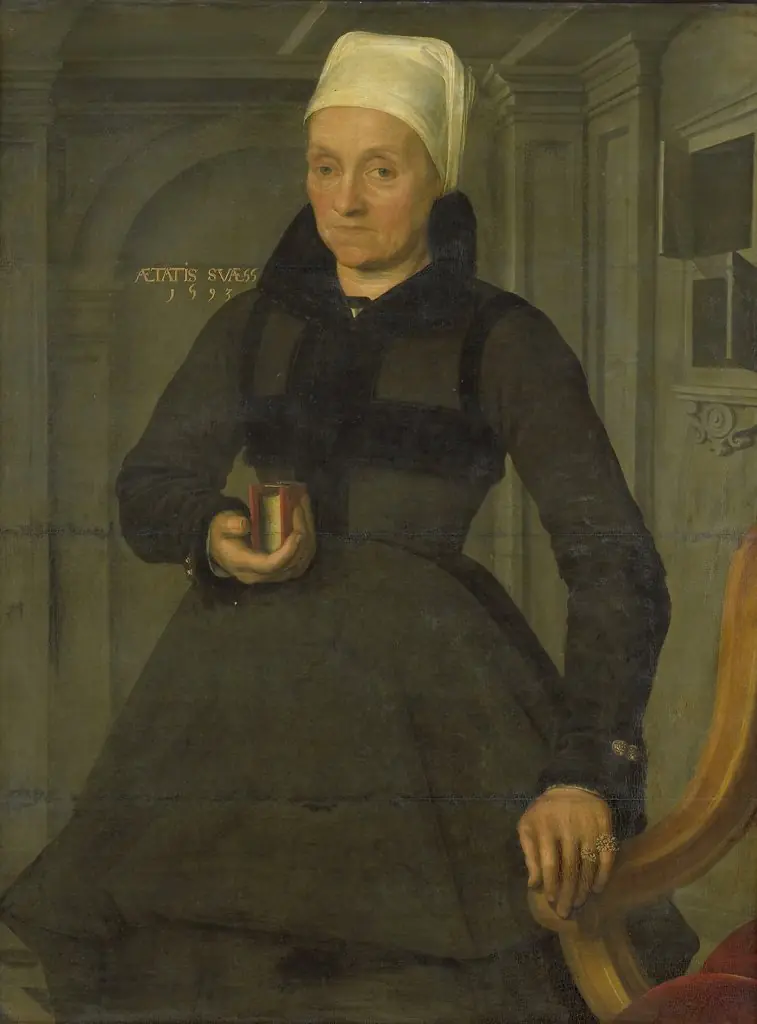 Portrait of Lysbeth Hendriksdr (1536-after 1603). Wife of Bartholomeus van der Wiere
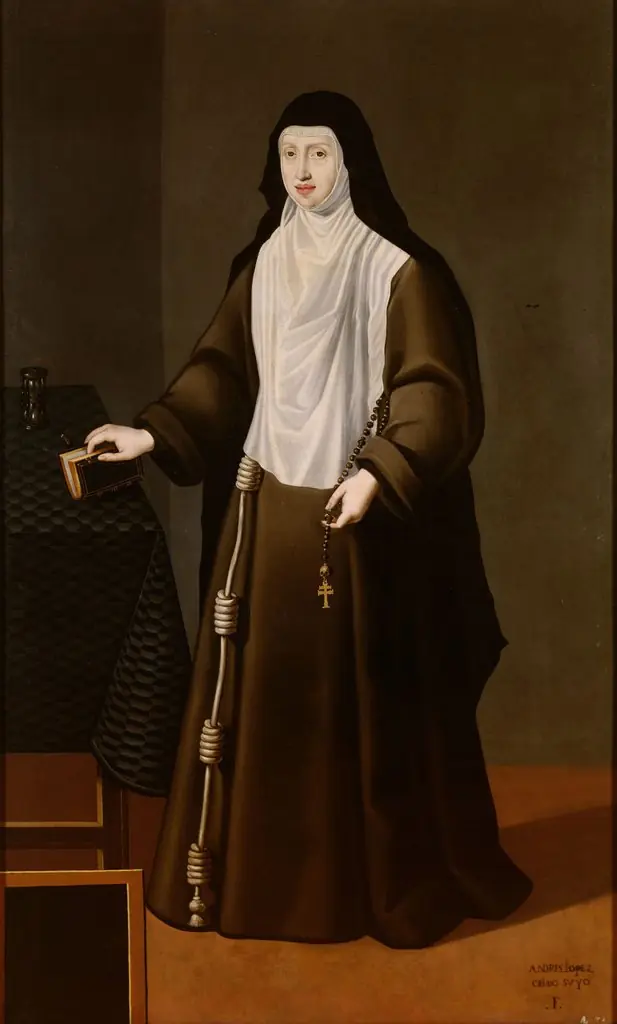 Erzherzogin Margarete (1567-1633), Tochter von Maximilian II. als Nonne in ganzer Figur
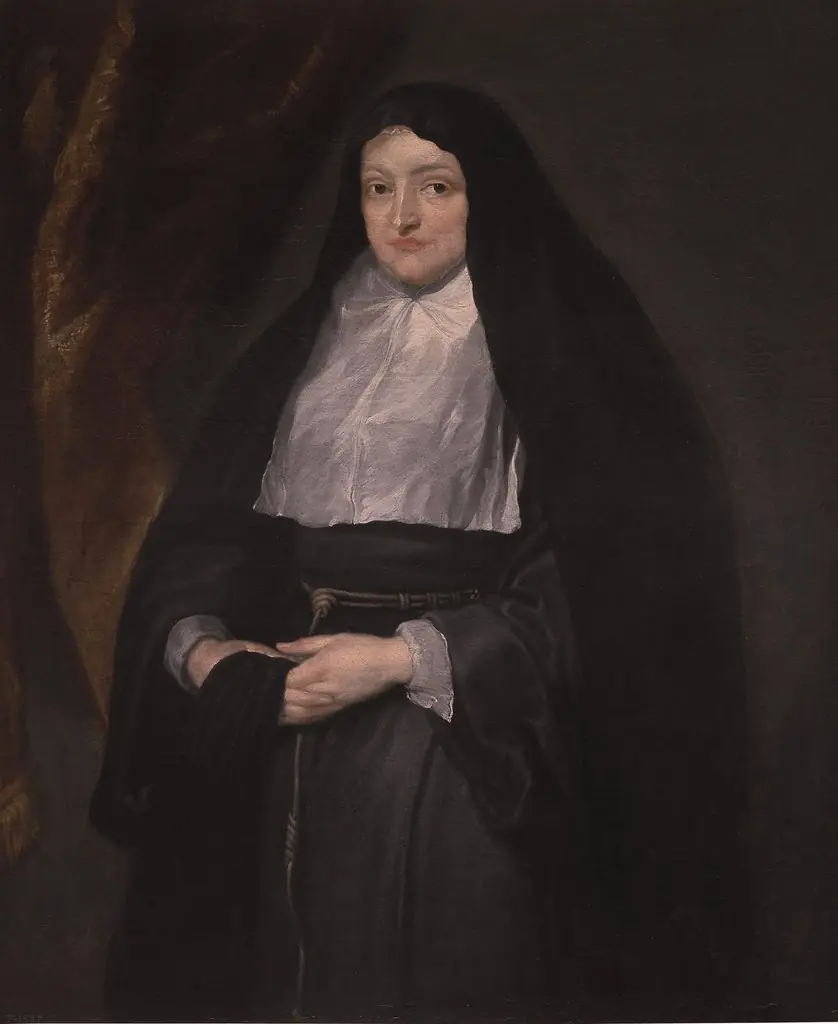 Portrait of Isabel Clara Eugenia as a nun
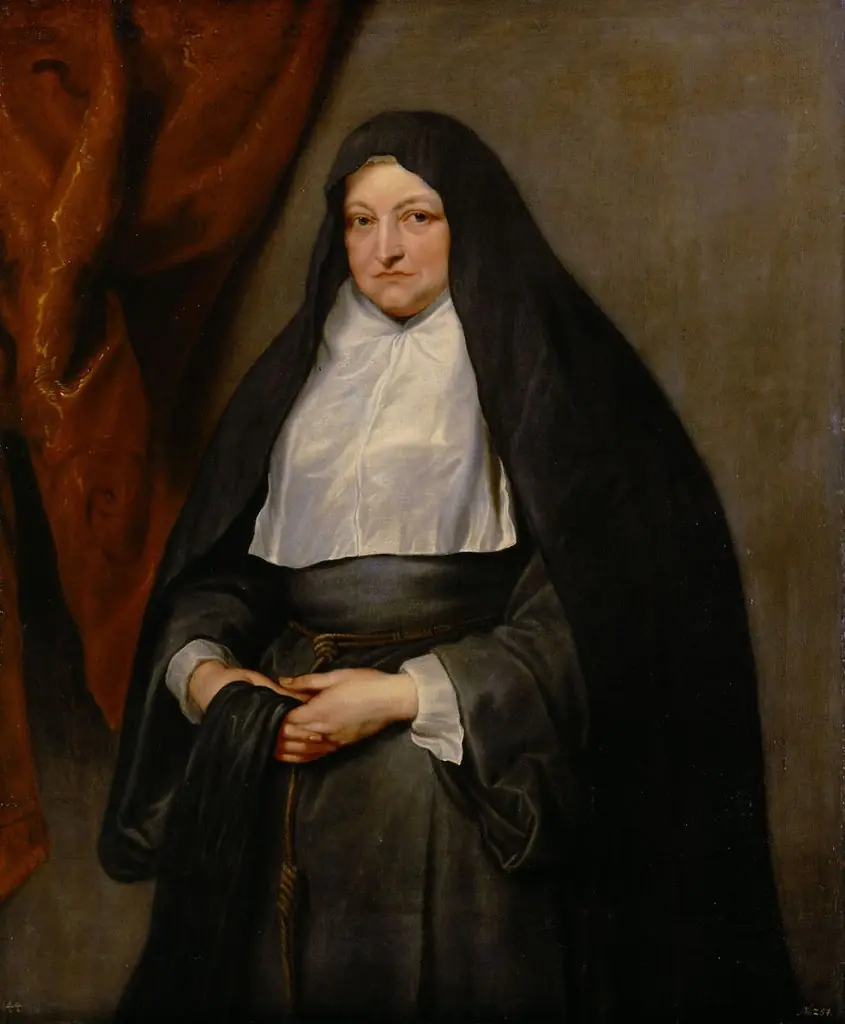 Infantin Isabella Clara Eugenia, portrait as a widow
 Portrait of Katharine Elliot (died 1688), Dresser of Duchess Anne of York and First Woman of the Bedchamber of Queen Mary of Modena, the first and second Wives of James II of England, respectively
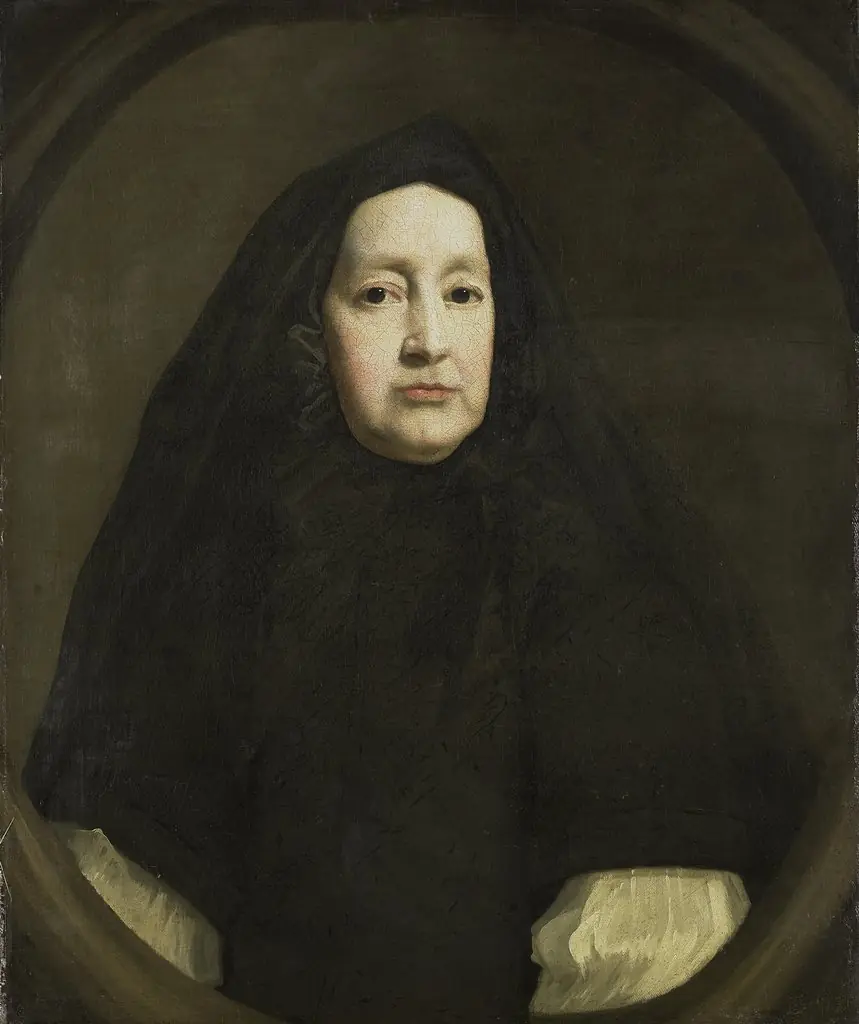 Portrait of Katharine Elliot (died 1688), Dresser of Duchess Anne of York and First Woman of the Bedchamber of Queen Mary of Modena, the first and second Wives of James II of England, respectively
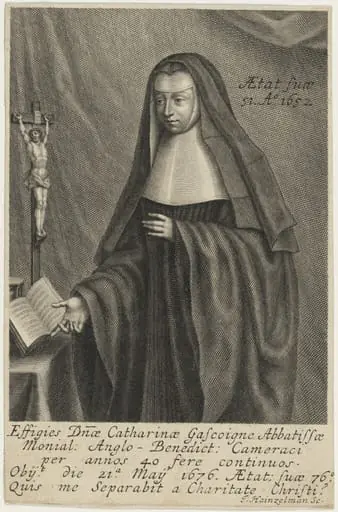 Catherine Gascoigne