Artwork
Maria Guadalupe Lancaster duquesa de Aveiro
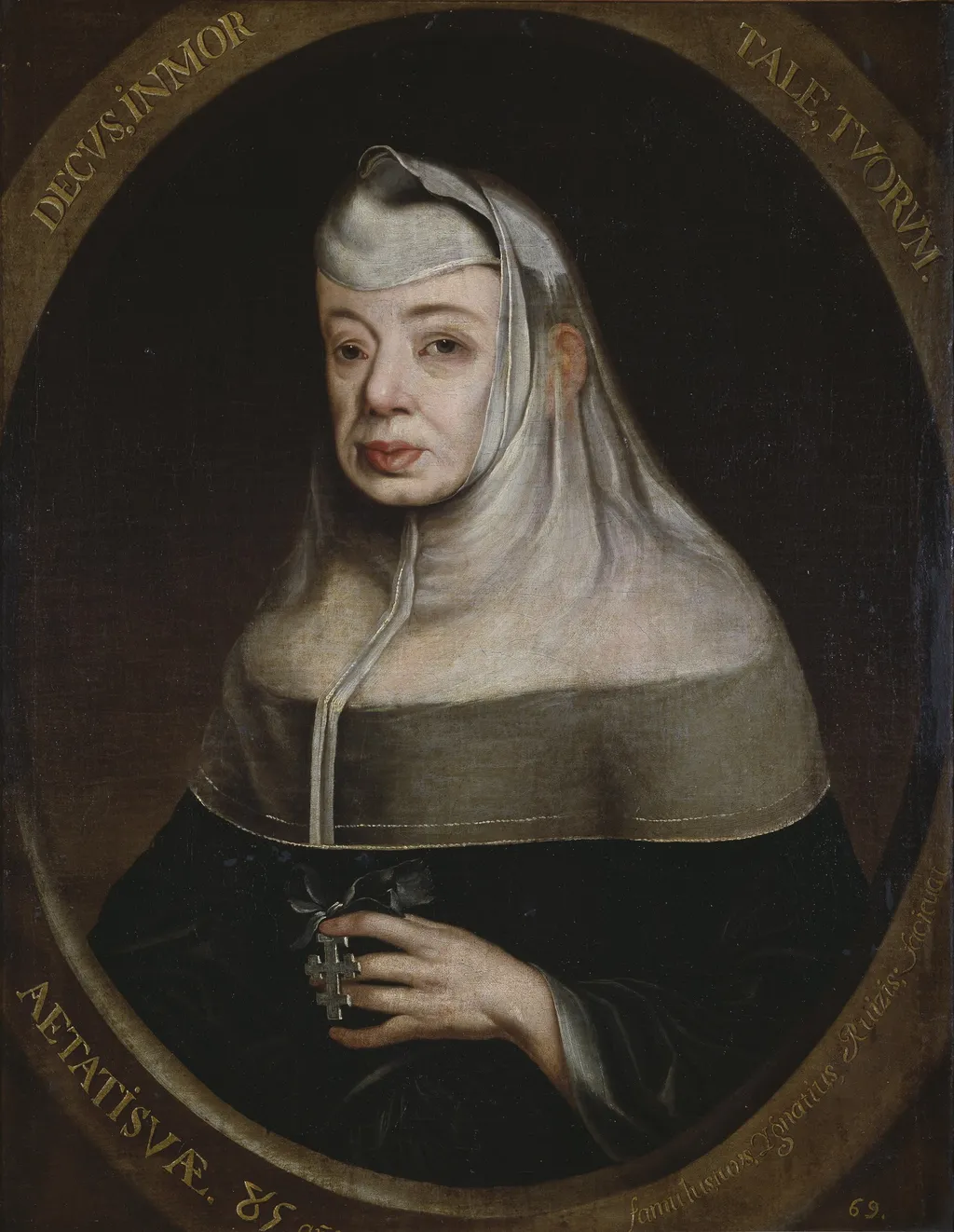
Maria Guadalupe Lancaster duquesa de Aveiro is an oil painting by the Barbizon school artist Francisco Ignacio Ruiz de la Iglesia. It dates from 1700 and is held in the collection of the Museo del Prado.
About this work
The use of chiaroscuro in this painting creates a sense of depth and volume, drawing the viewer's attention to the subject.
This painting is a portrait of a woman, likely from the 18th century. She is depicted wearing a dark dress with a white head covering, and her right hand holds a cross. The background is dark, which helps the subject stand out.
The woman's face is serious, and her eyes seem to be looking directly at the viewer. Her attire and the cross she holds suggest that she may be a member of a religious order. The overall mood of the painting is somber and contemplative.
The use of chiaroscuro in this painting creates a sense of depth and volume, drawing the viewer's attention to the subject. If you're interested in learning more about this technique, look up chiaroscuro.
Overview
Francisco Ignacio Ruiz de la Iglesia’s oil on canvas, dated 1700, is part of the Prado Museum’s collection. The work presents a solitary female figure rendered against a deep, shadowed backdrop, her solemn gaze directed toward the viewer. The composition is anchored by a prominent cross held in her right hand, lending the piece a devotional tone.
Subject & Meaning
The sitter is dressed in a dark, modest gown complemented by a white head covering, attire typical of a religious sister or nun in the early eighteenth century. Her serious expression and the cross she bears suggest personal piety and contemplation, inviting viewers to consider themes of faith, humility, and spiritual resolve.
Technique & Style
Ruiz de la Iglesia employs chiaroscuro to model the figure, using stark contrasts between illuminated flesh and surrounding darkness to create a sense of volume and three‑dimensionality. The limited palette and careful handling of light focus attention on the woman’s face and the cross, reinforcing the painting’s introspective mood.
History & Provenance
Created at the turn of the eighteenth century, the painting entered the Museo del Prado’s holdings, where it remains on display. Its attribution to Ruiz de la Iglesia is based on stylistic analysis and archival records linking the artist to religious portraiture of the period.
Artist & collection
Artist
Francisco Ignacio Ruiz de la Iglesia
Francisco Ignacio Ruiz de la Iglesia (1649–1704) was an artist, born in Madrid.

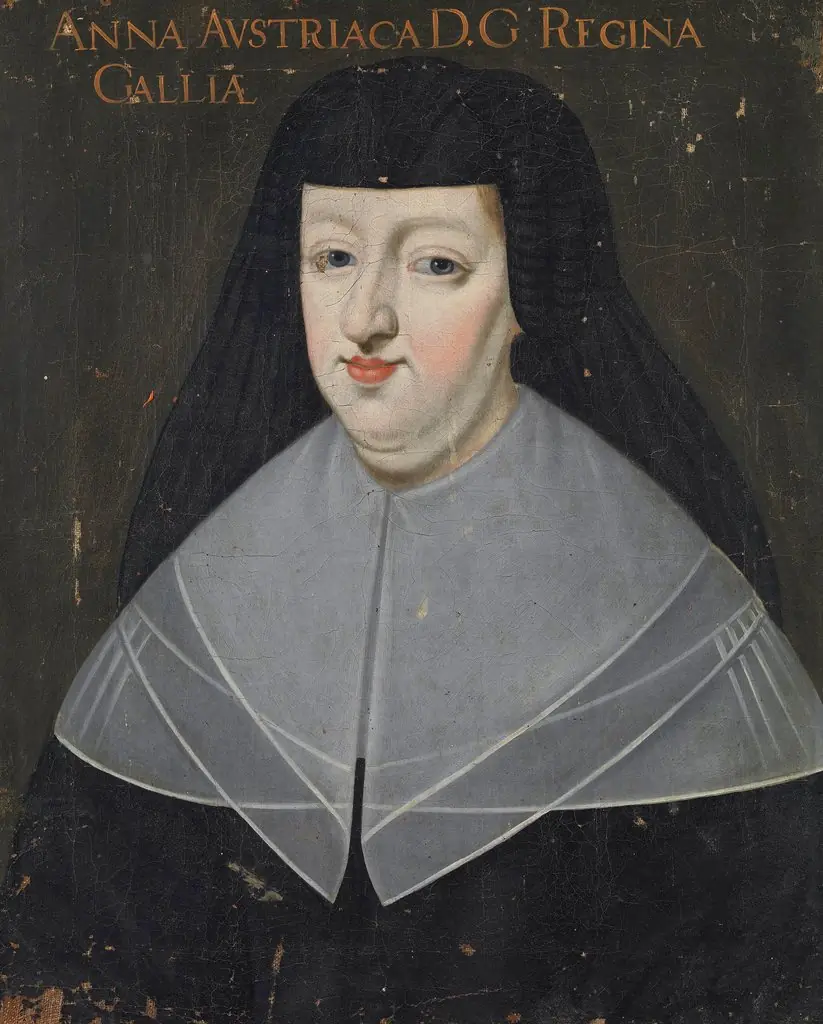 Anna von Österreich (1601-1666)
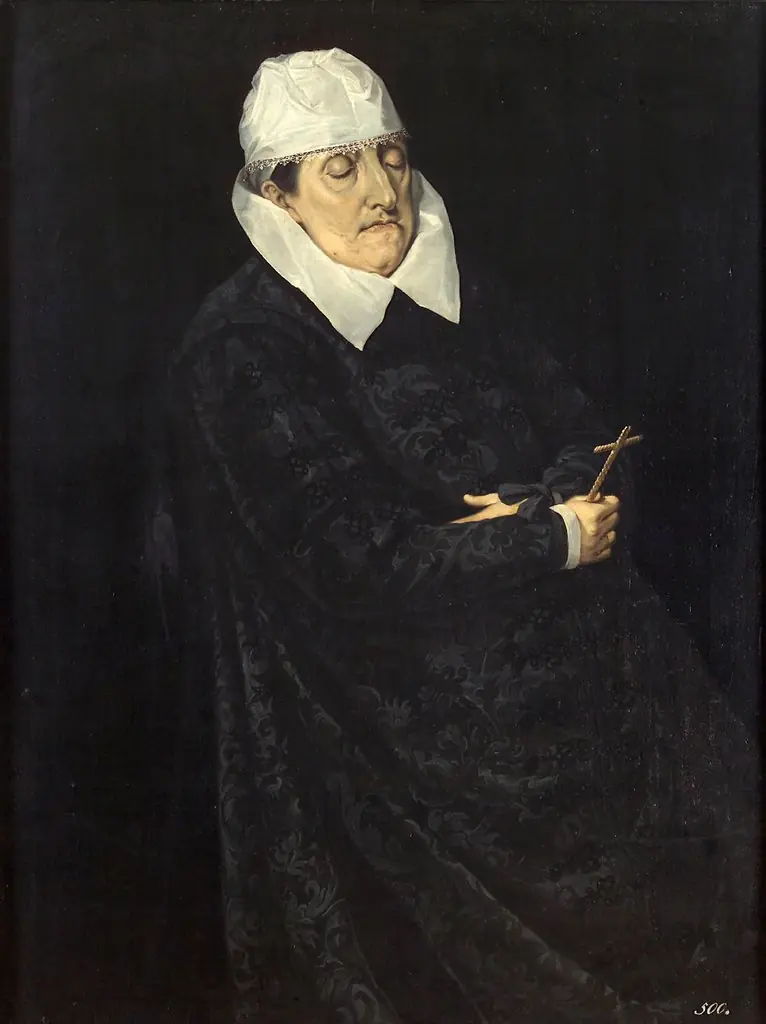 Maria Anna von Bayern (1551-1608), Gemahlin von Karl II. von Innerösterreich, auf dem Totenbett
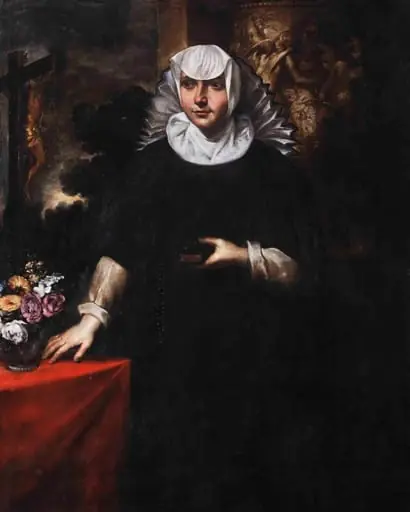 Portretul unei călugărițe
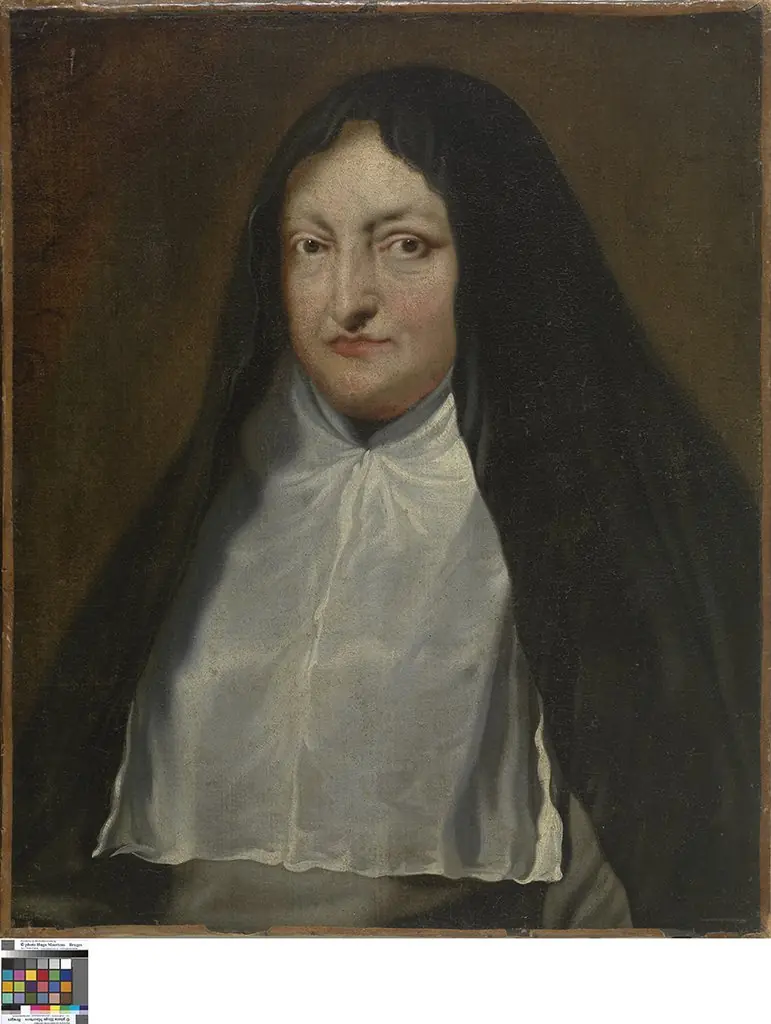 Portrait of Archduchess Isabella Clara Eugenia as Clarisse
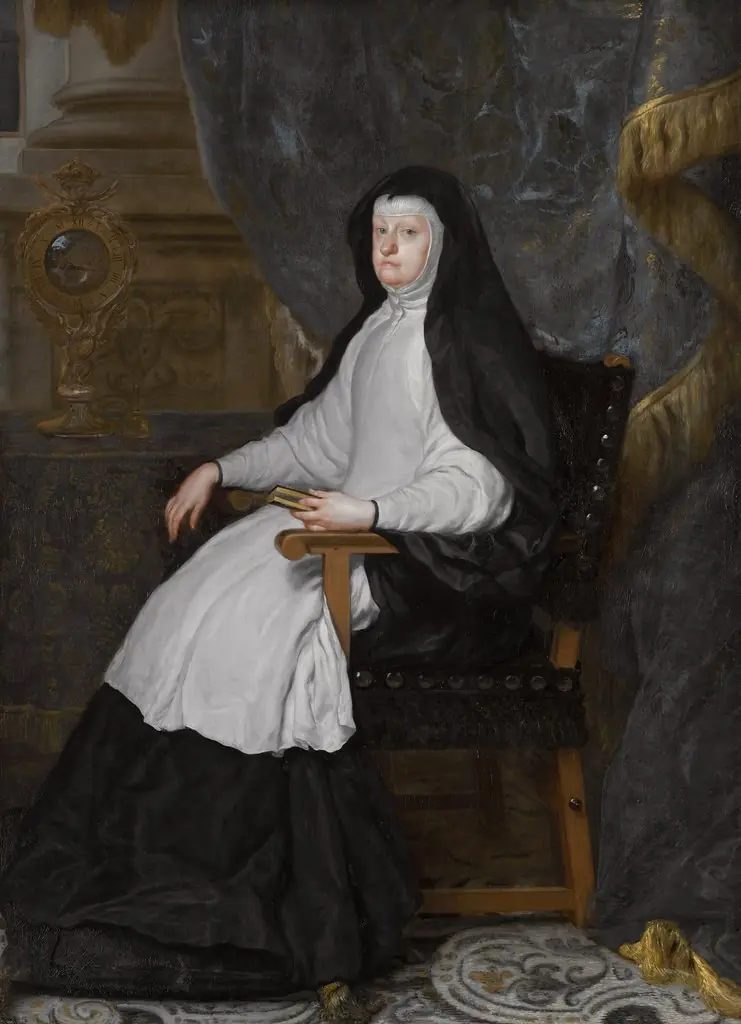 Mariana of Austria, Consort of King Philip IV of Spain, as a Widow
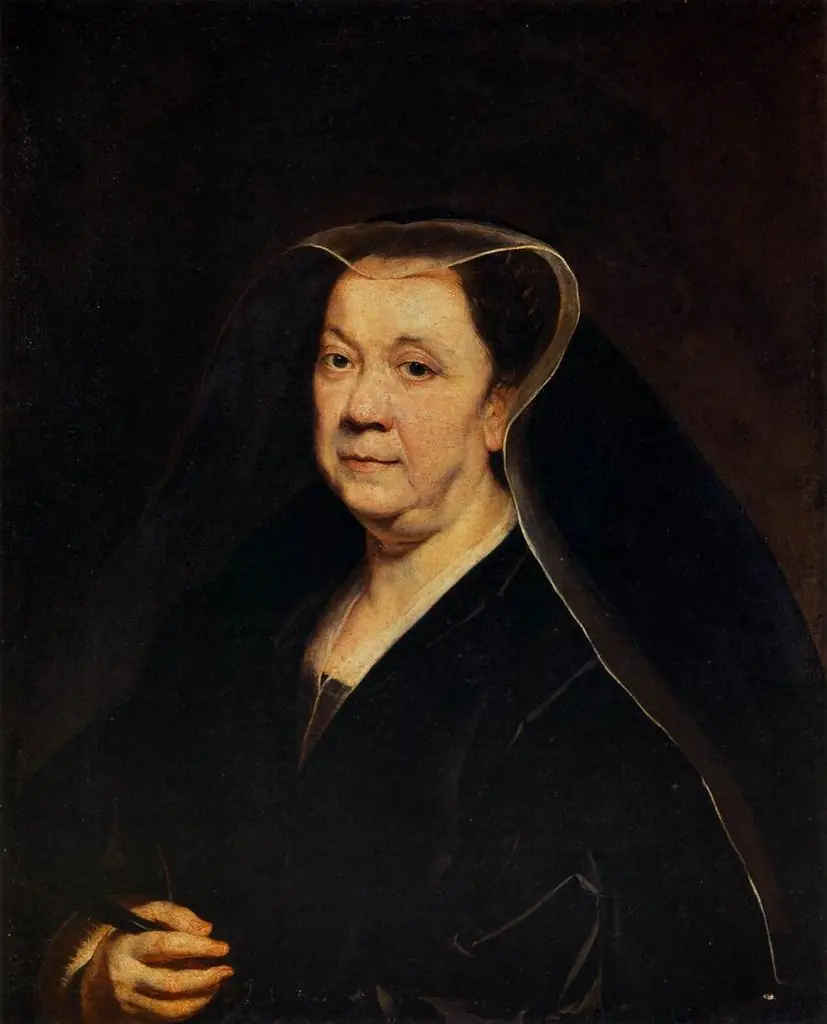 Portrait of a Gentlewoman
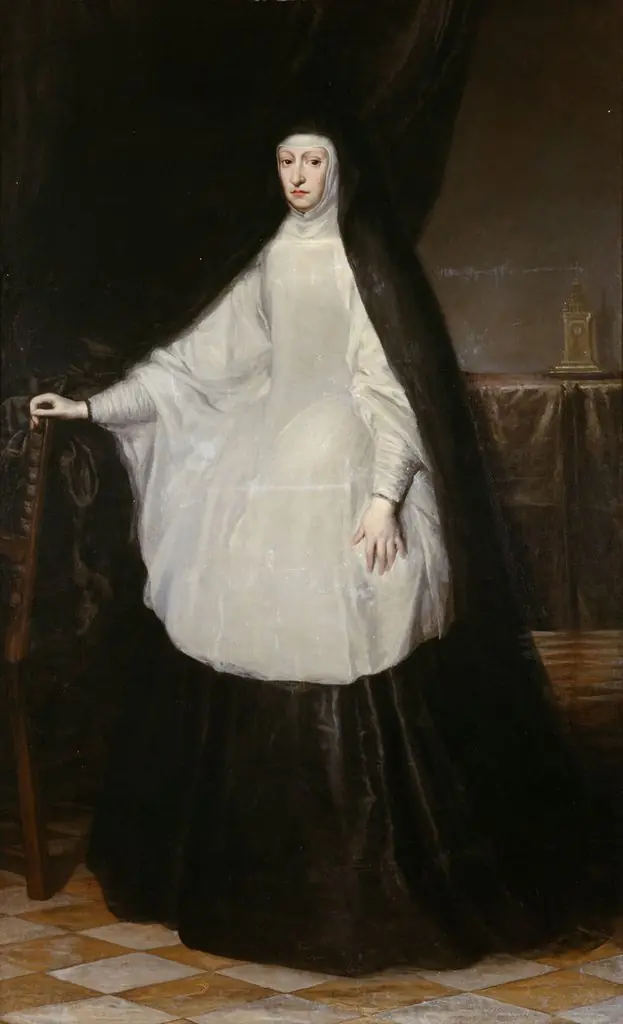 Erzherzogin Maria Anna, Königin von Spanien, als Witwe
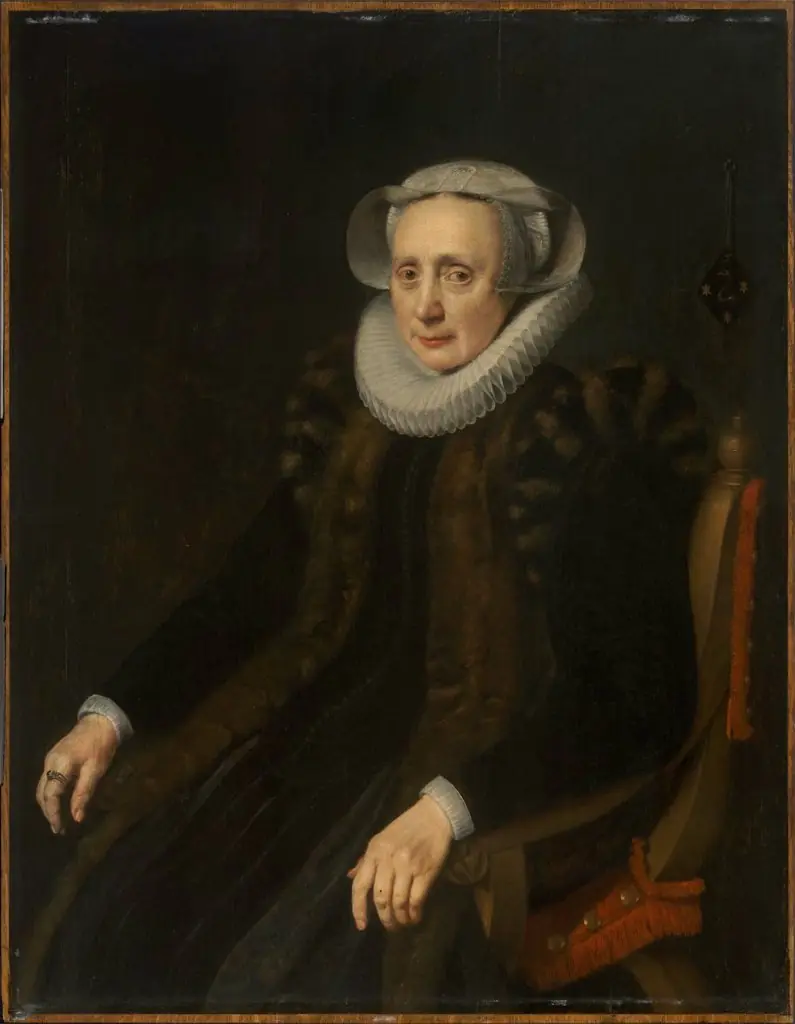 Adriana van Ijlen
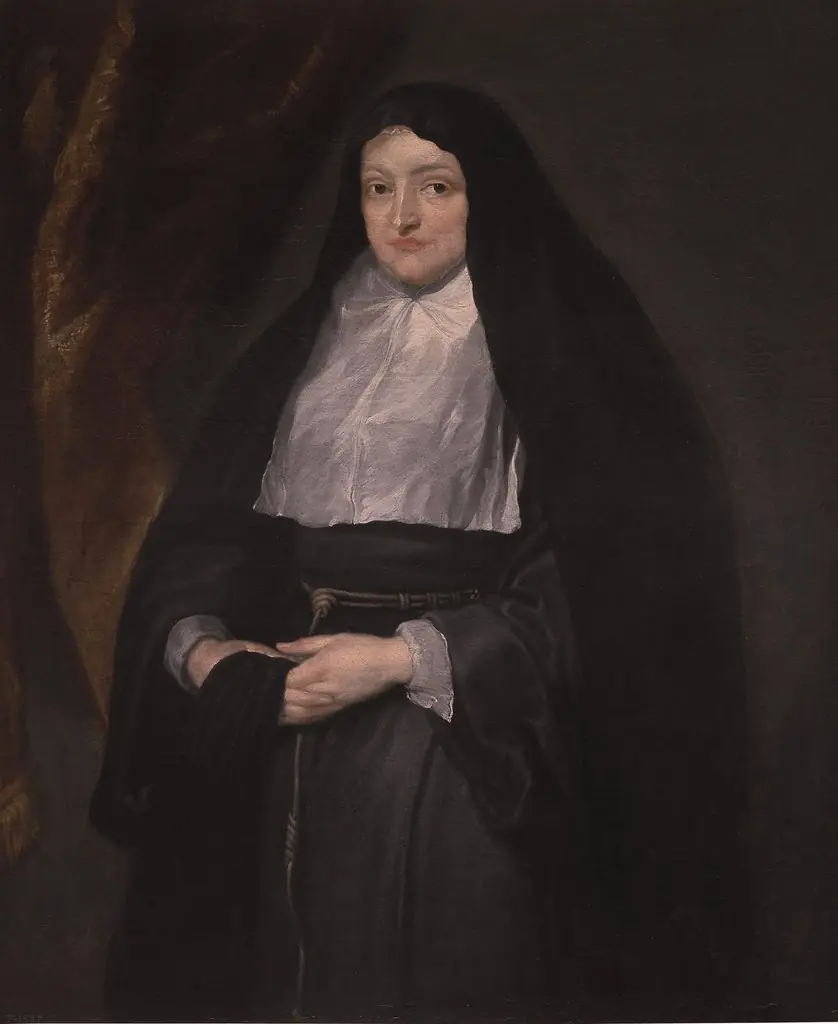 Portrait of Isabel Clara Eugenia as a nun
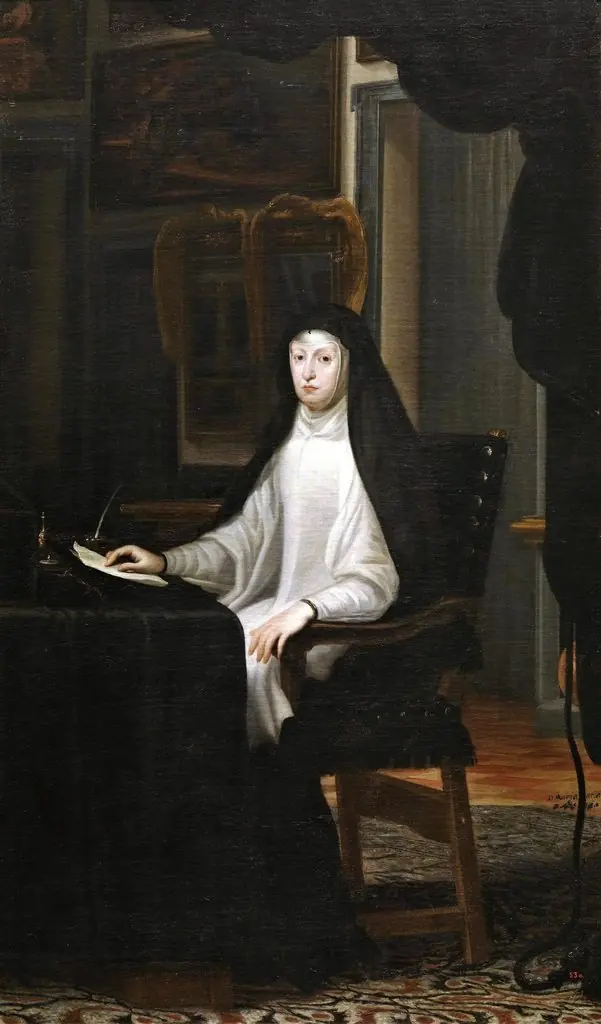 Queen Mariana de Austria as a Widow
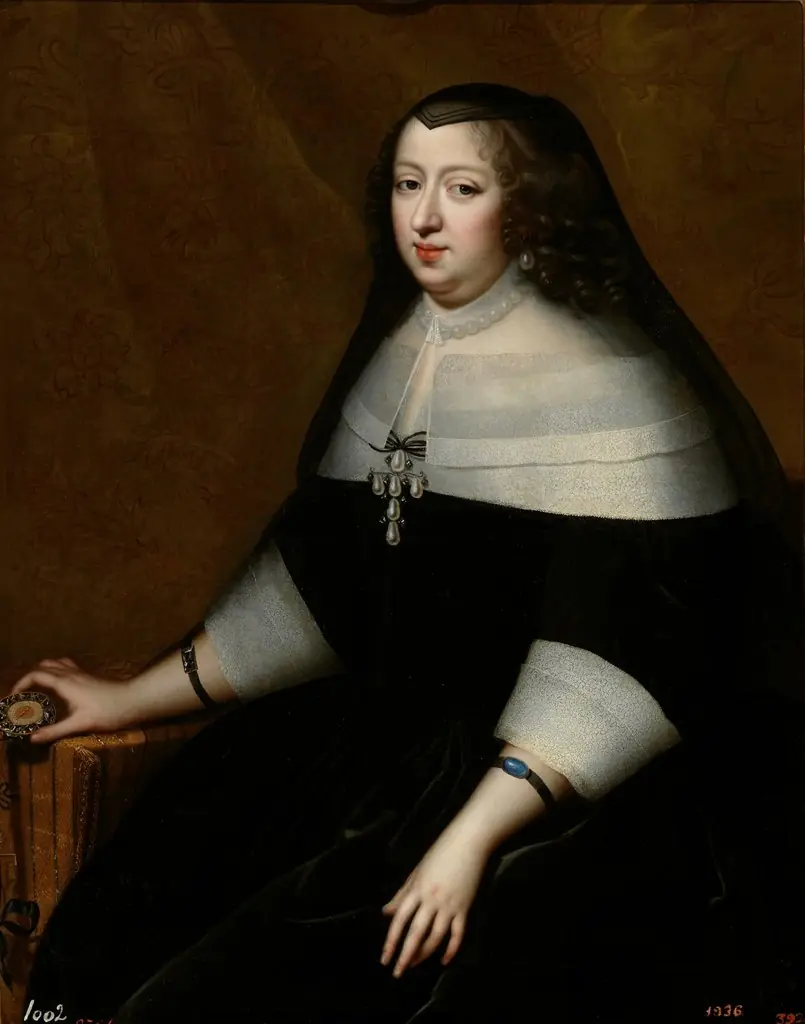 Anne of Austria, Queen of France
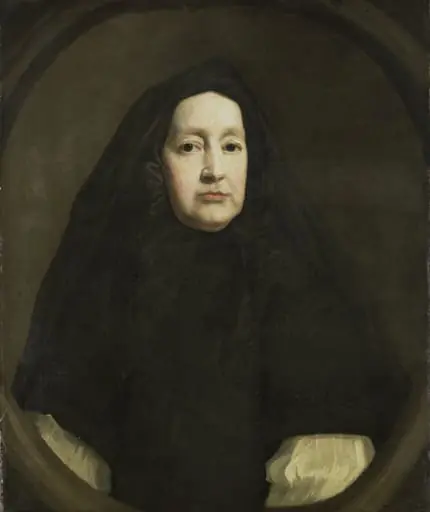 Portrait of Katharine Elliot (died 1688), Dresser of Duchess Anne of York and First Woman of the Bedchamber of Queen Mary of Modena, the first and second Wives of James II of England, respectively