Artwork
Saint Margaret Resurrecting a Young Man
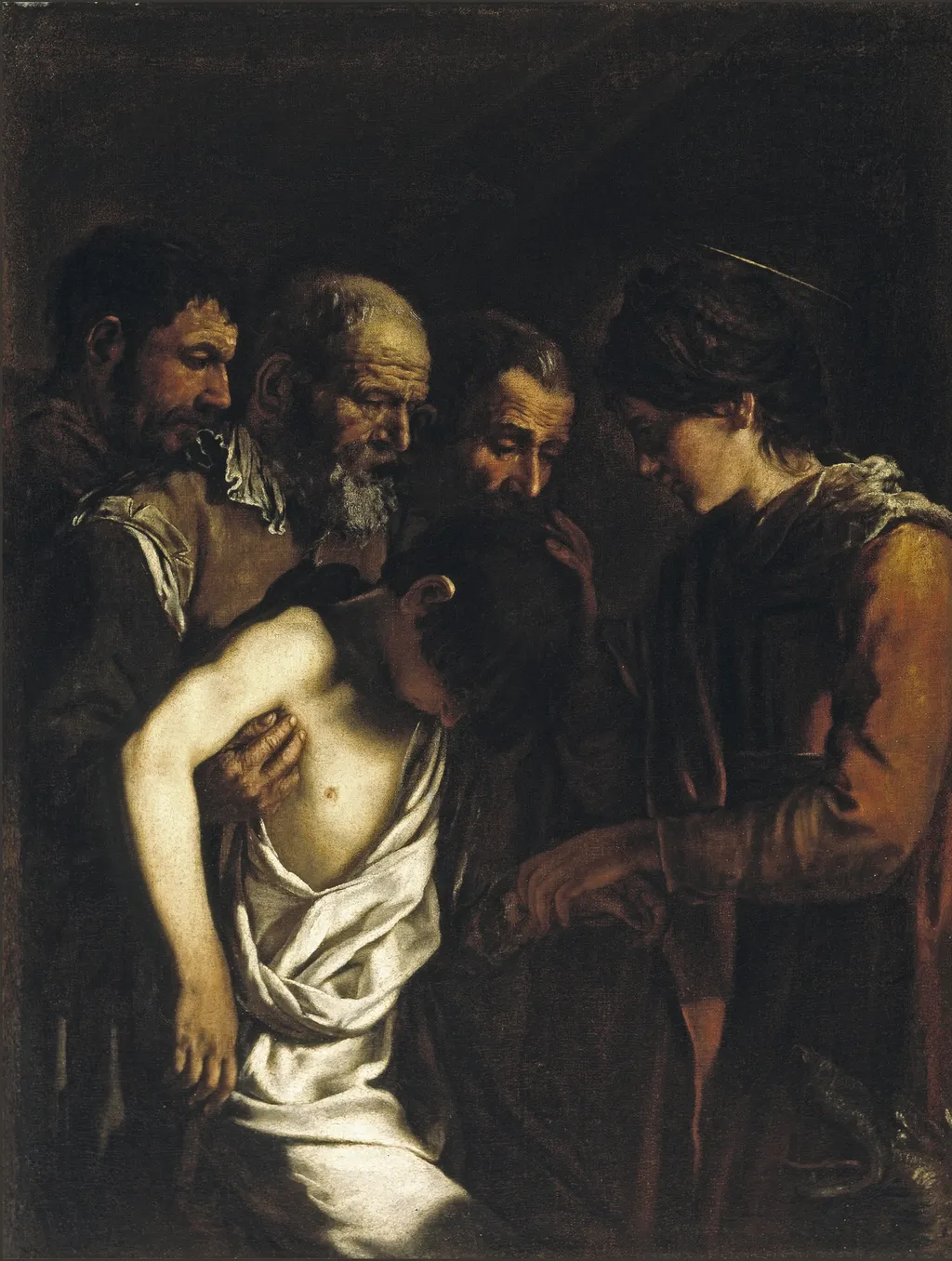
Saint Margaret Resurrecting a Young Man is an oil painting by the Early Baroque Italian artist Giovanni Serodine. It dates from 1620 and is held in the collection of the Museo del Prado.
About this work
Overview
Painted in 1620 by Swiss-Italian artist Giovanni Serodine, this oil-on-canvas work depicts a moment of divine intervention attributed to Saint Margaret.
Painted in 1620 by Swiss-Italian artist Giovanni Serodine, this oil-on-canvas work depicts a moment of divine intervention attributed to Saint Margaret. Executed during the early Baroque era, the painting reflects Serodine’s engagement with Caravaggist principles, particularly in its dramatic use of light and shadow. It resides today in the Museo del Prado in Madrid, among a small but significant group of his surviving religious compositions.
Subject & Meaning
The scene illustrates Saint Margaret’s miraculous restoration of a young man to life, though the saint herself is not visibly present. The focus rests on the revived figure and the reactions of four witnesses, whose gestures convey shock and awe. The absence of the saint amplifies the mystery of the event, suggesting divine power operating indirectly through faith. The moment captured is one of transition—between death and life, silence and revelation.
Technique & Style
Serodine employs chiaroscuro to isolate the young man’s torso, bathing it in a stark, localized glow that contrasts with the surrounding darkness. His brushwork is loose and tactile, especially in the rendering of skin and fabric, lending immediacy to the figures. The lighting does not merely illuminate but directs emotional focus, emphasizing physical vulnerability and the weight of the miracle. This approach aligns with northern Italian Caravaggism, tempered by a more intimate, less theatrical sensibility.
History & Provenance
Created during Serodine’s active years in Rome, the painting likely originated as a devotional piece for a private or ecclesiastical patron. After his death in 1630, his works gradually faded from prominence, but this painting survived in private collections before entering the Prado’s holdings. Its presence in Madrid underscores the Spanish court’s interest in Italian Baroque art, even from lesser-known figures like Serodine.
Context
In early 17th-century Italy, religious narratives were often rendered with heightened realism to inspire devotion. Serodine, trained in the Lombard tradition and influenced by artists like Strozzi and Fetti, adapted Caravaggio’s naturalism to suit regional tastes. His style bridged Roman intensity and provincial expressiveness, resulting in works that felt both immediate and spiritually grounded, distinct from the grandeur of Roman Baroque monumentalism.
Legacy
Though Serodine’s oeuvre is limited and his name rarely appears in mainstream art histories, this painting exemplifies a quiet but potent strand of Baroque religious art. His use of light and psychological tension influenced regional painters in northern Italy and contributed to the broader dissemination of Caravaggist techniques beyond Rome. The work remains a testament to the power of understated drama in sacred imagery.
Own this work as a print
Artist & collection
Artist
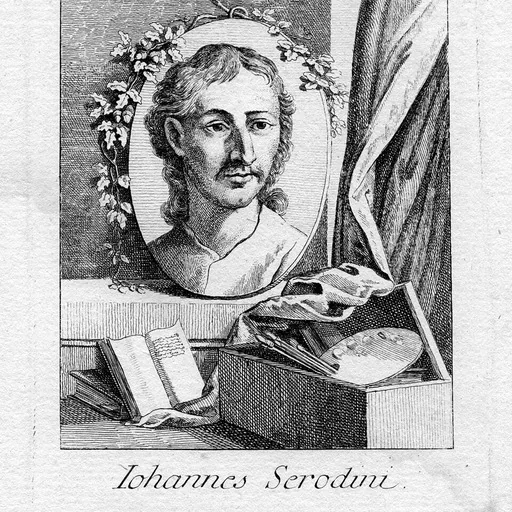
Giovanni Serodine (1600 – 21 December 1630) was a Swiss-Italian painter of the early Baroque period.

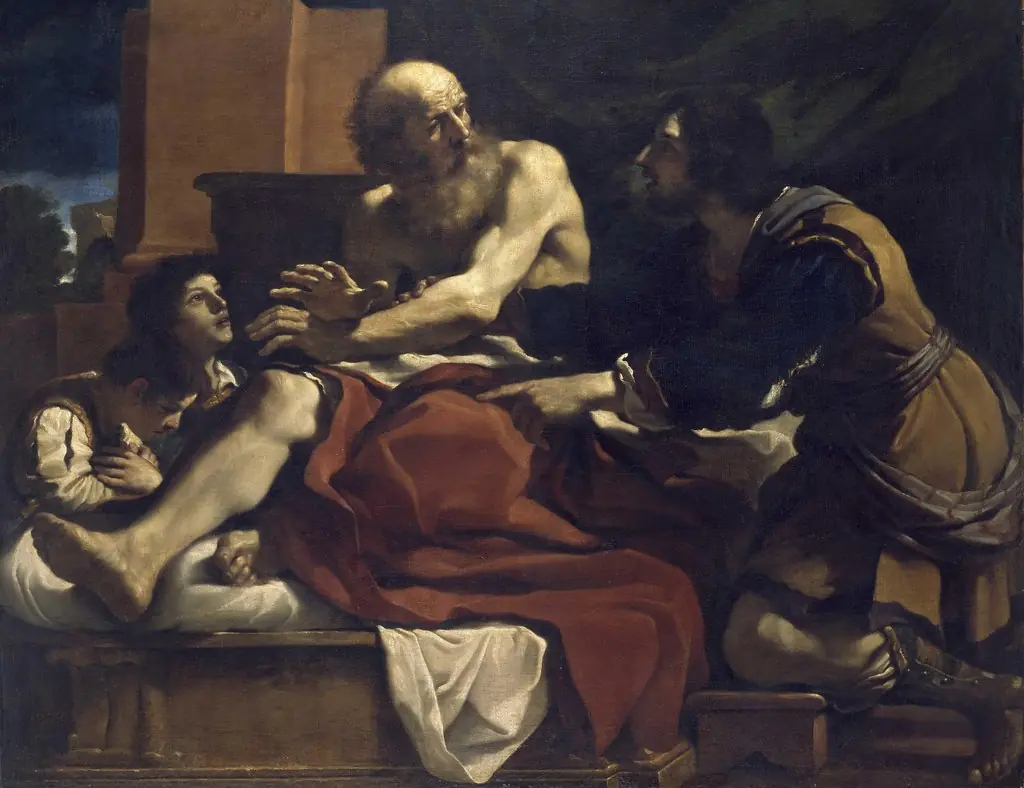 Jacob Blessing the Sons of Joseph
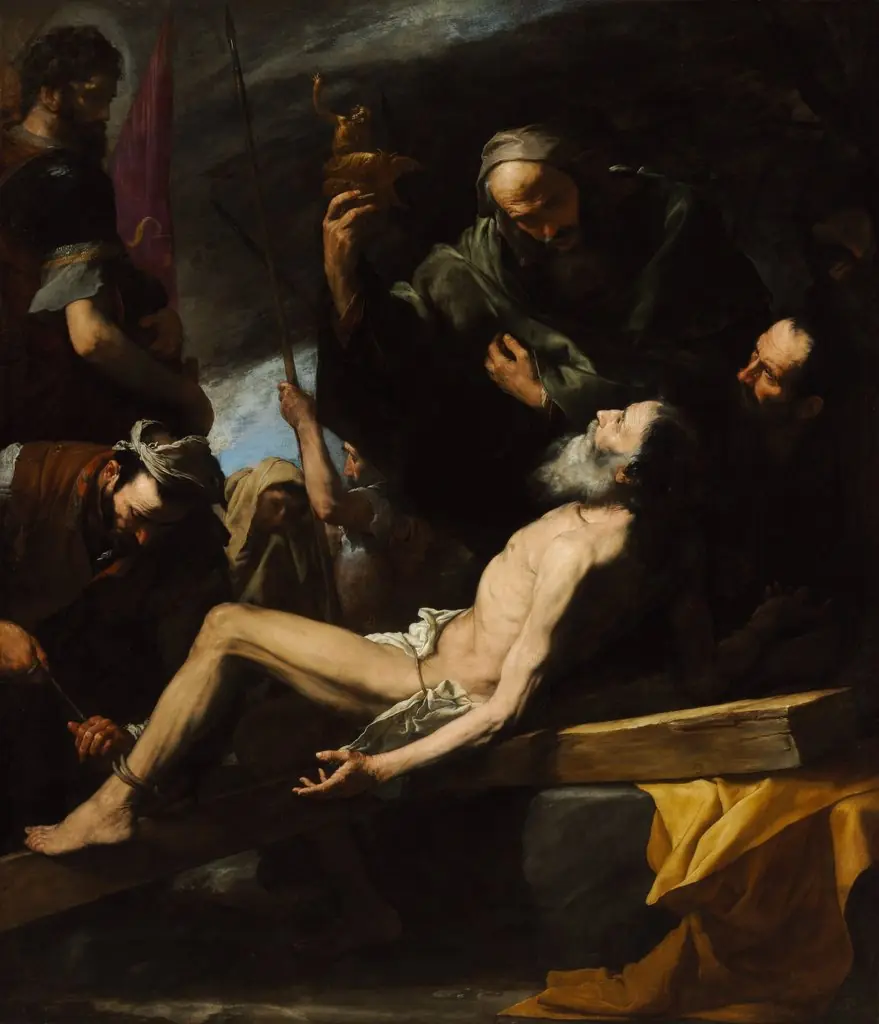 Martyrdom of Saint Andrew
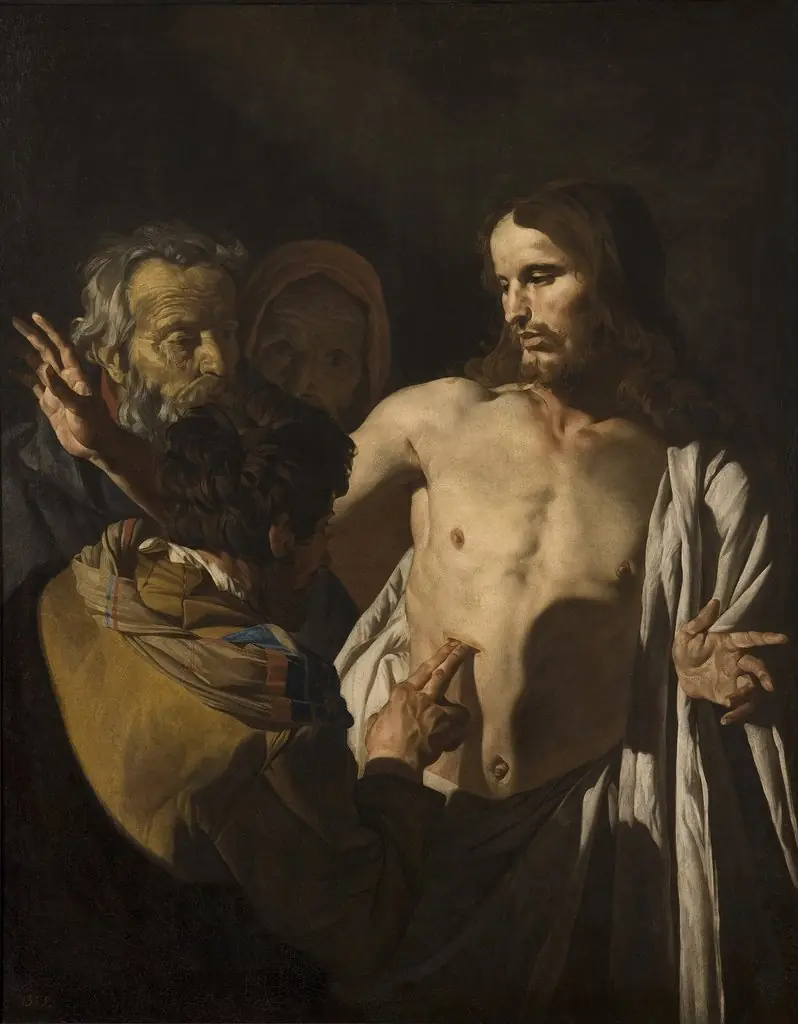 The Incredulity of Saint Thomas
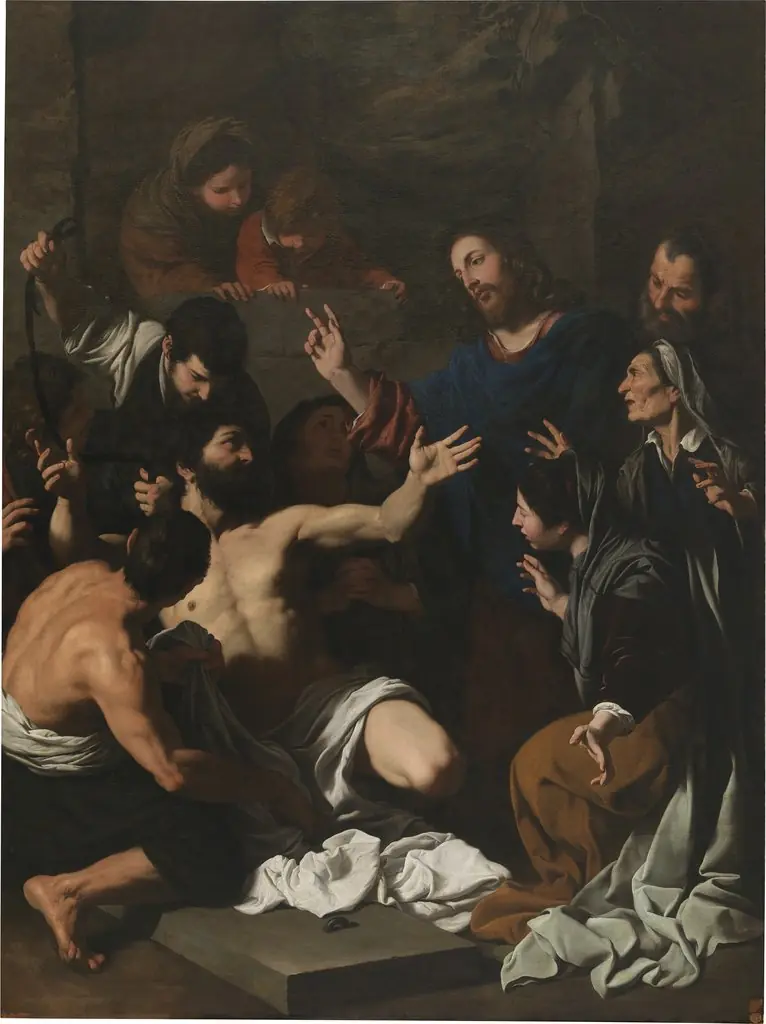 The raising of Lazarus
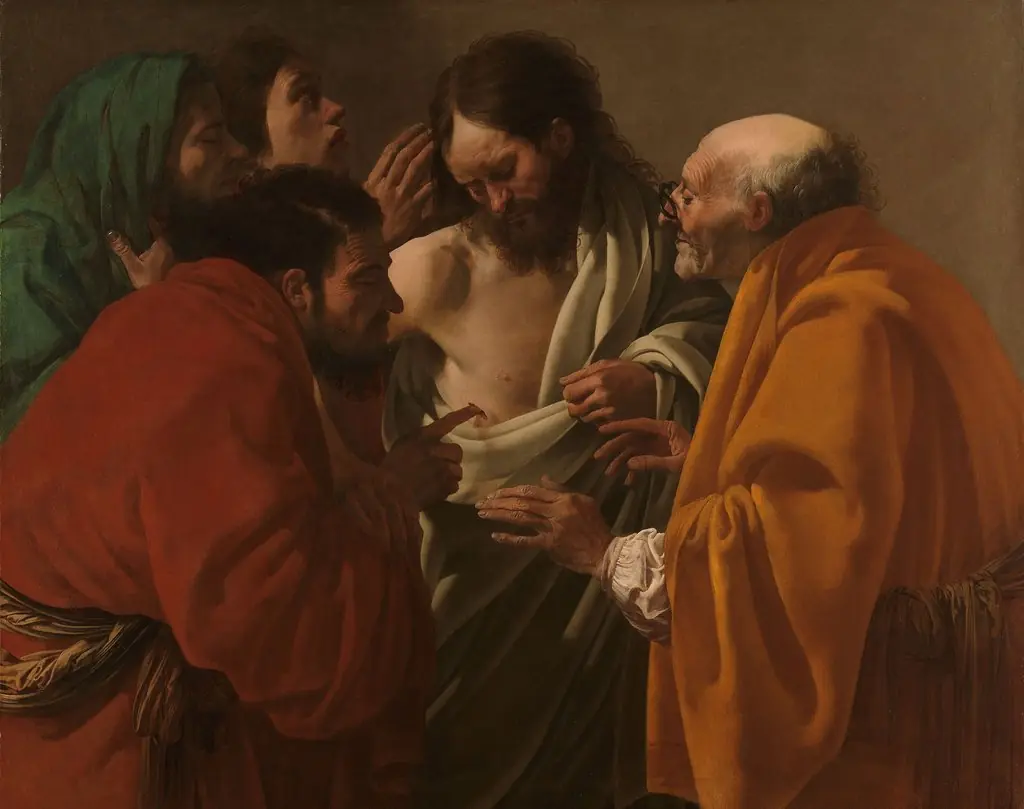 The Incredulity of Thomas
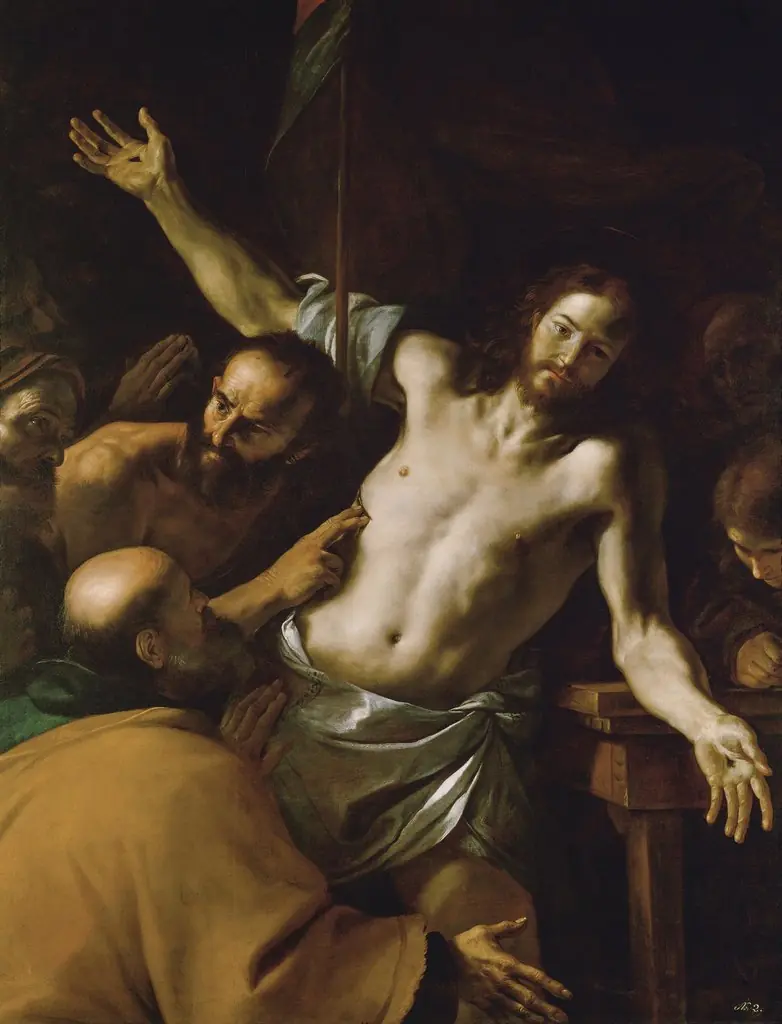 Doubting Thomas
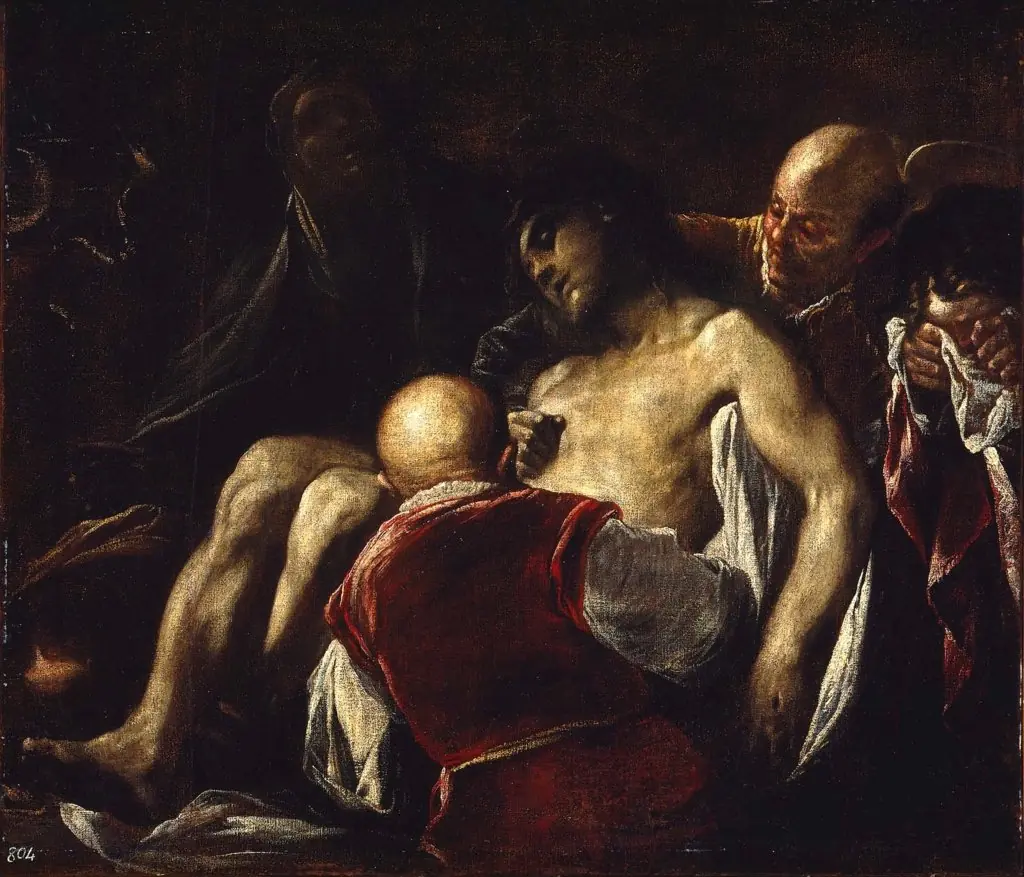 The Entombment of Christ
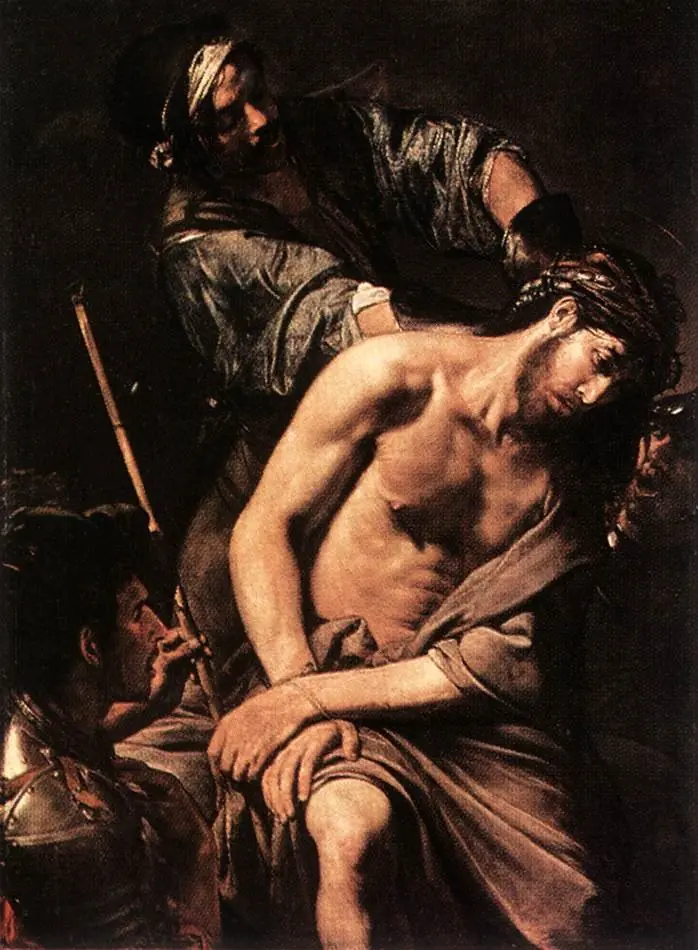 The crowning wit thorns
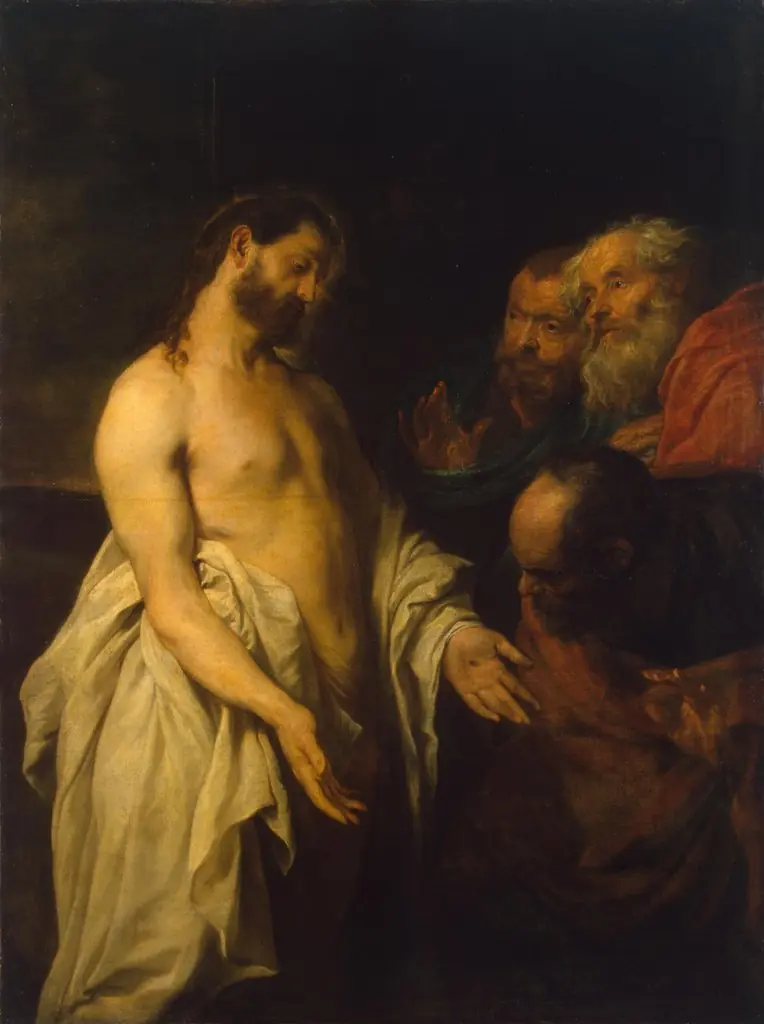 Appearance of Christ to his Disciples
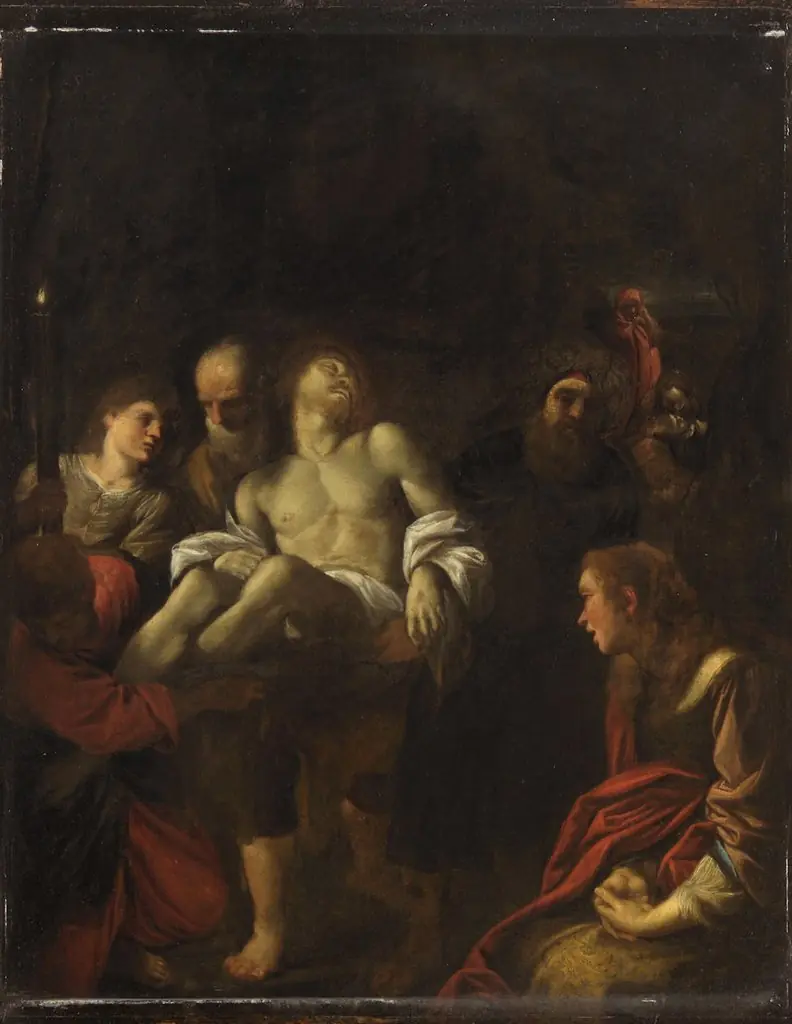 Entombment of Christ
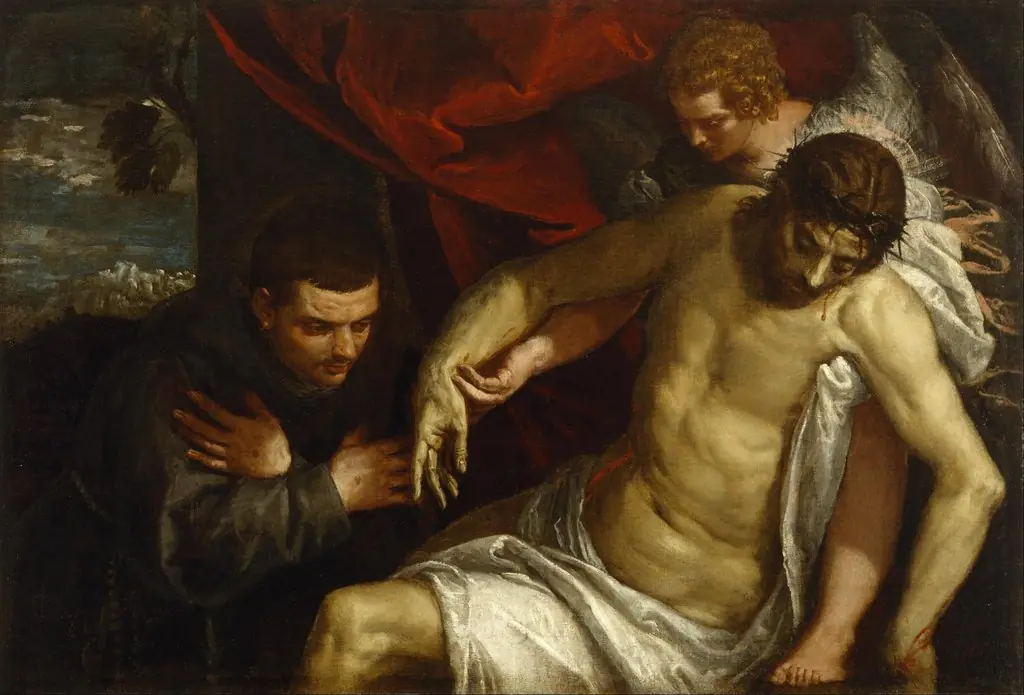 The Dead Christ Supported by an Angel and Adored by a Franciscan
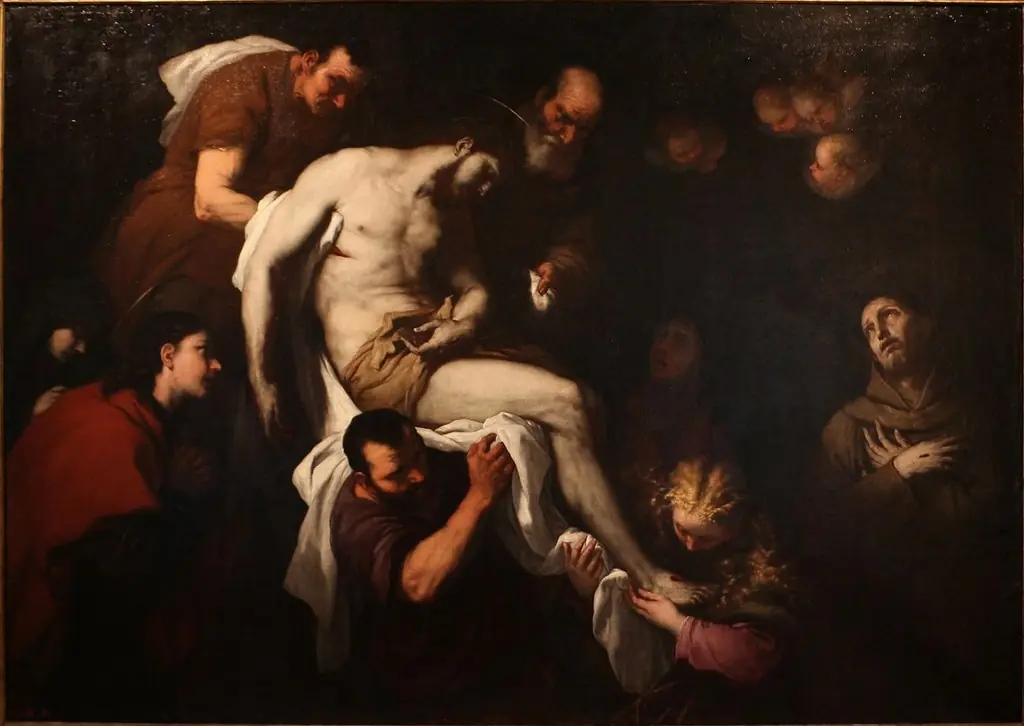 Vision of Saint Francis