Artwork
Portrait of a Lady
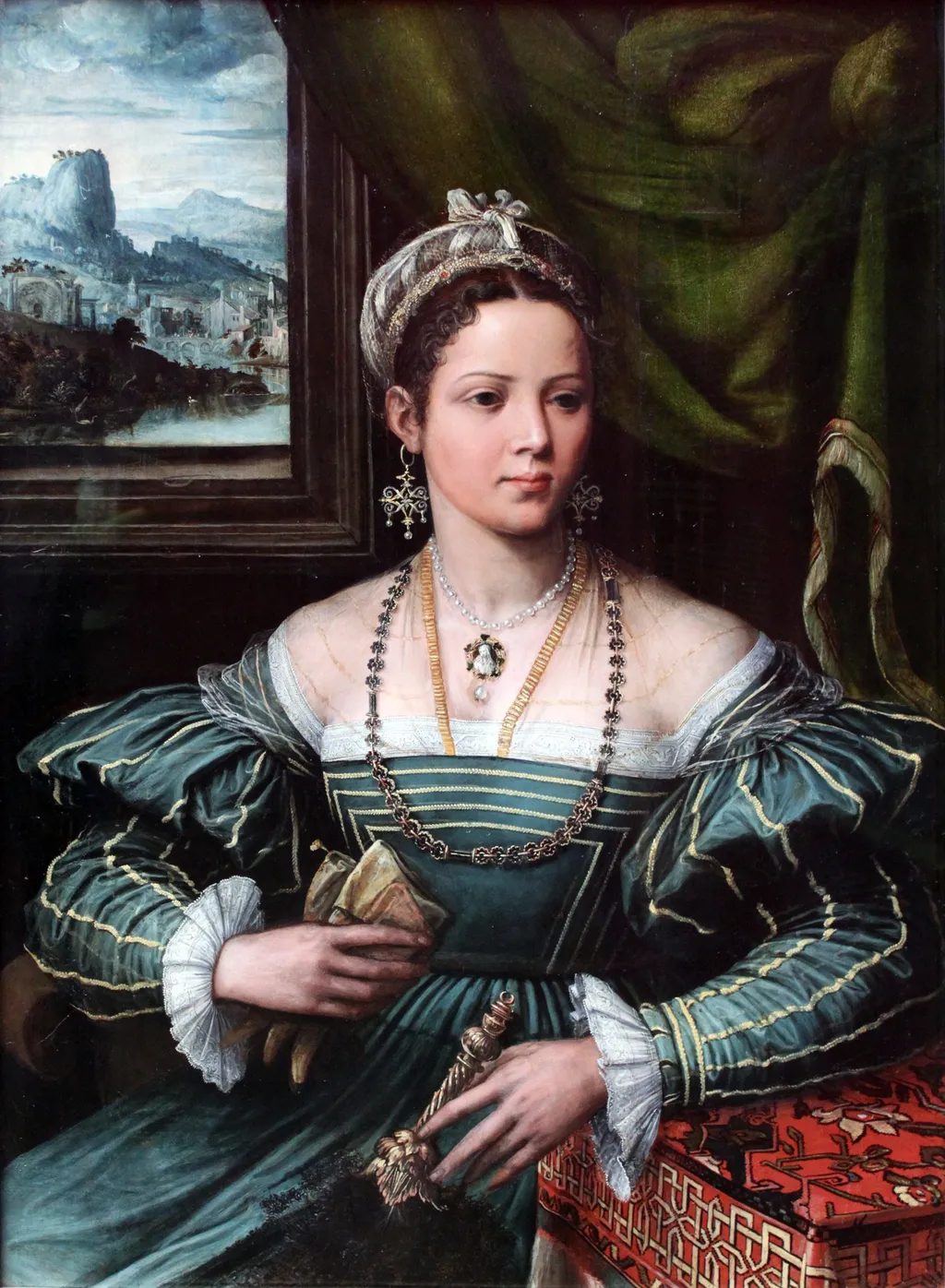
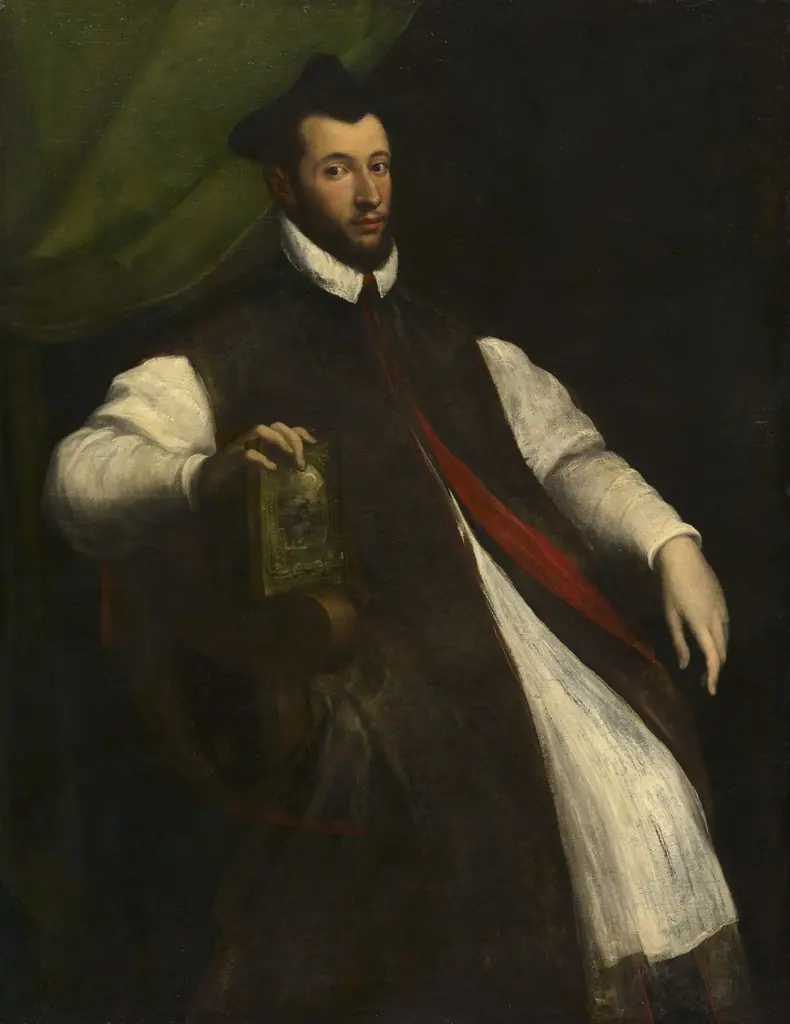
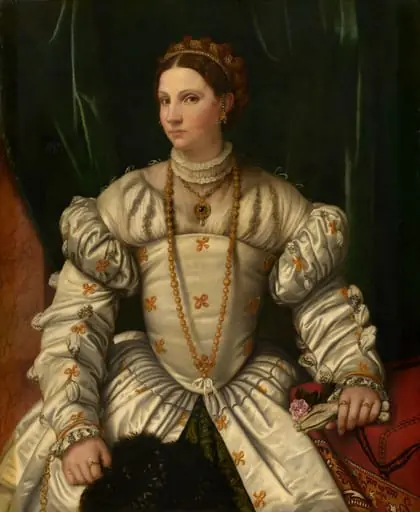
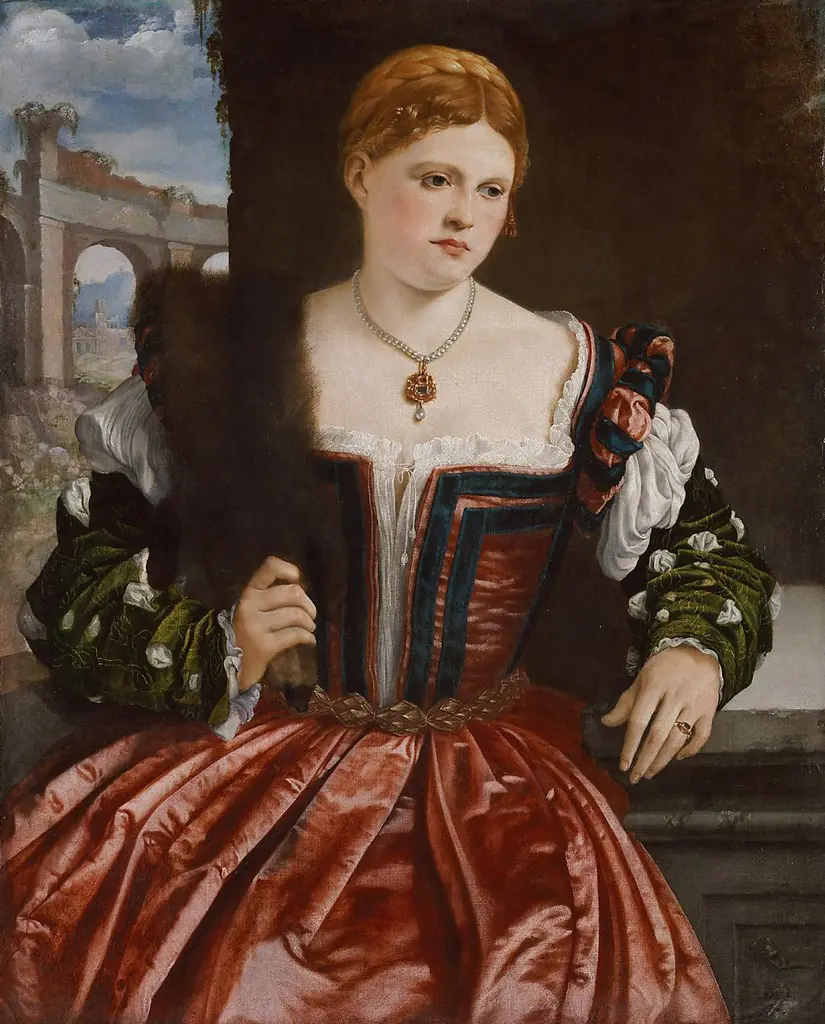
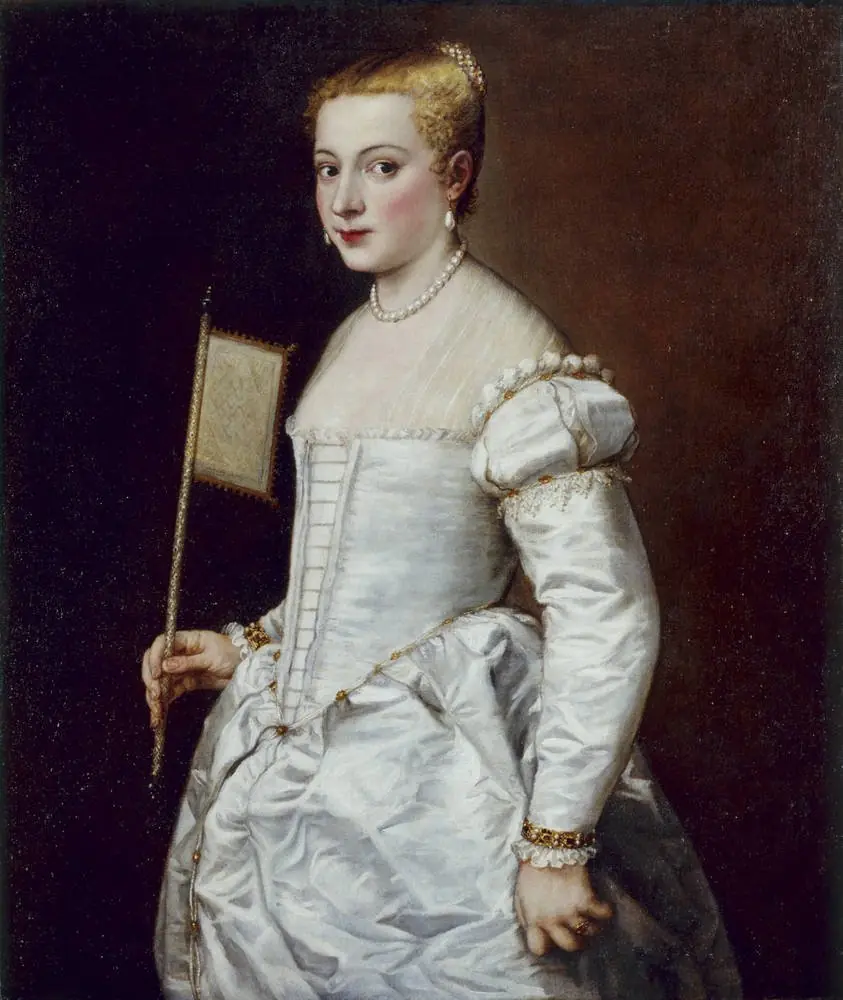
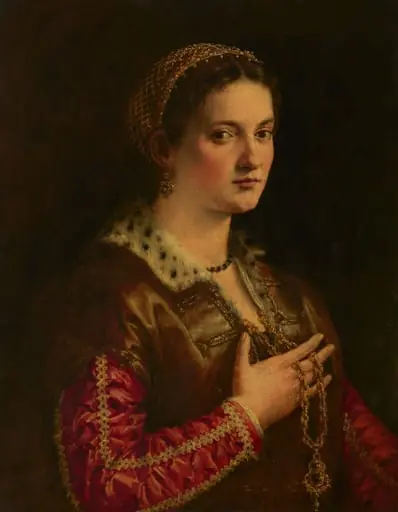
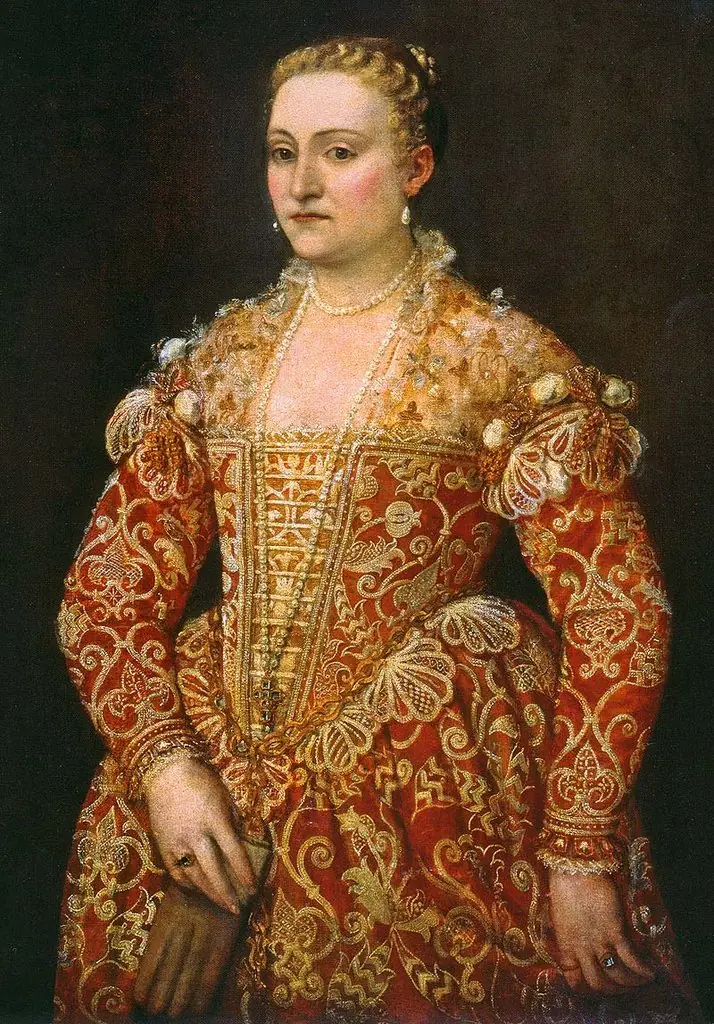
Portrait of a Lady is an oil painting by the Mannerist artist Girolamo da Carpi. It dates from 1535 and is held in the collection of the Städel Museum.
About this work
Overview
It is part of the Städel Museum’s collection and reflects the artist’s engagement with courtly portraiture in northern Italy.
Girolamo da Carpi painted this tempera portrait in 1535, during his time in Bologna after training in Ferrara. The work belongs to the early Mannerist tradition, marked by refined detail and composed elegance. It is part of the Städel Museum’s collection and reflects the artist’s engagement with courtly portraiture in northern Italy. Da Carpi’s association with the Este family informed his approach to depicting aristocratic subjects with quiet authority.
Subject & Meaning
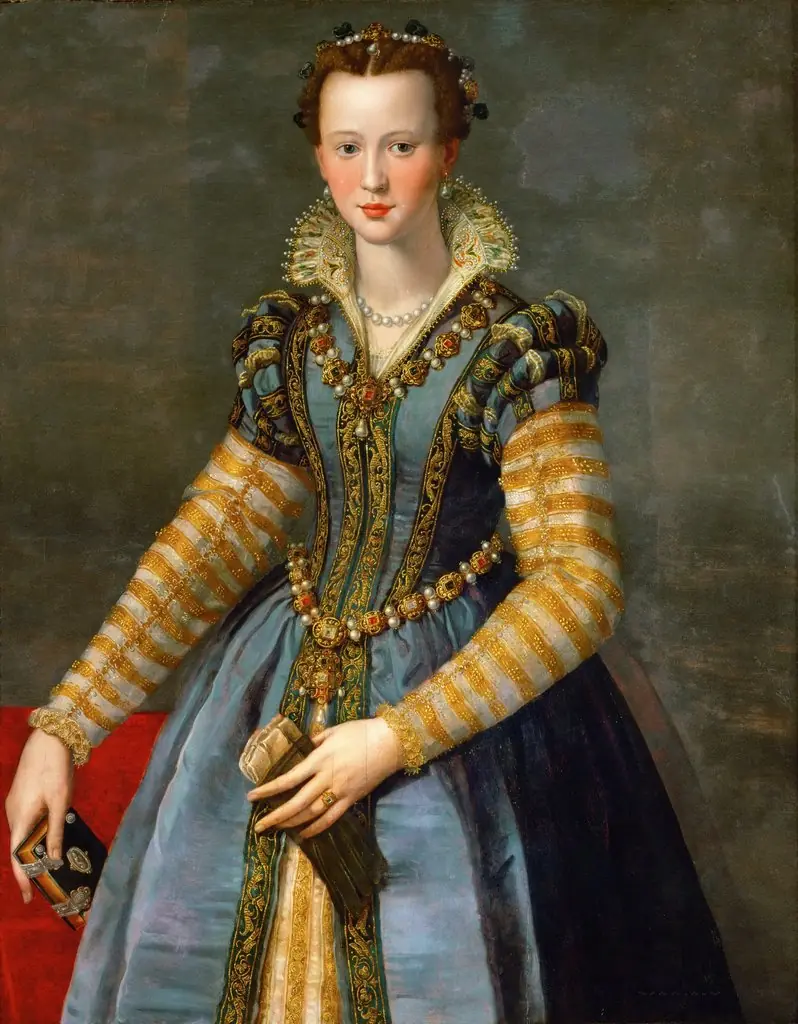
The sitter is identified as Renée of France, daughter of Louis XII and Duchess of Ferrara by marriage. Her dignified posture, direct gaze, and elaborate attire convey status and composure. The red and black patterned box at her hands may reference her intellectual or devotional interests, common symbols among noblewomen of the period. The portrait functions less as a personal likeness and more as a statement of lineage and cultivated identity.
Technique & Style
Tempera paint allowed for precise, luminous rendering of textures—from the metallic sheen of the dress trim to the soft folds of the ruffled collar. Da Carpi employed fine brushwork to define the lace-like details of the headpiece and the subtle gradations in the sitter’s skin. The background remains muted, focusing attention on the figure’s form and attire, characteristic of Mannerist restraint and controlled composition.
History & Provenance
The painting entered the Städel Museum’s collection in the 19th century, though its earlier ownership is undocumented. It likely remained in Italian noble circles after its completion, possibly transferred through marriage alliances involving the Este or French royal families. Its survival into modern times reflects its enduring value as a representation of Renaissance elite culture in northern Italy.
Context
Created during a period of political flux in northern Italy, the portrait aligns with the Este court’s emphasis on cultural refinement. Renée’s presence as a French princess in Ferrara made her a symbolic figure bridging French and Italian courts. Da Carpi’s style, influenced by both Ferrarese and Bolognese traditions, mirrors the hybrid identity of the region’s artistic production under aristocratic patronage.
Legacy
Though Girolamo da Carpi is less widely known than his contemporaries, this portrait exemplifies the quiet sophistication of Mannerist portraiture outside major centers like Florence or Rome. It contributes to the understanding of how regional artists adapted courtly ideals into intimate, detailed compositions. The work remains a key example of how tempera persisted in elite portraiture well into the 16th century.
Artist & collection

Artist
Girolamo Da Carpi (1501 – 1 August 1556) was an Italian painter and decorator who worked at the Court of the House of Este in Ferrara.