Artwork
The Adoration of the Shepherds
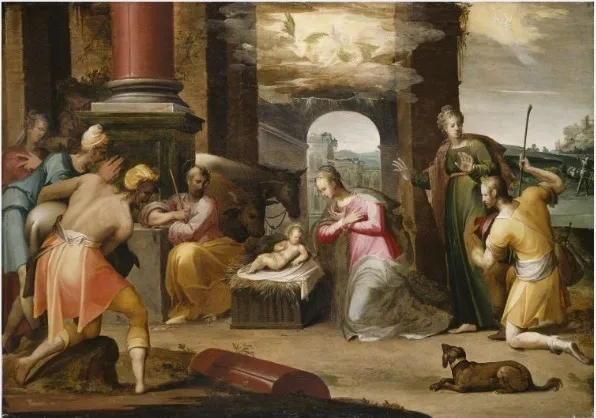
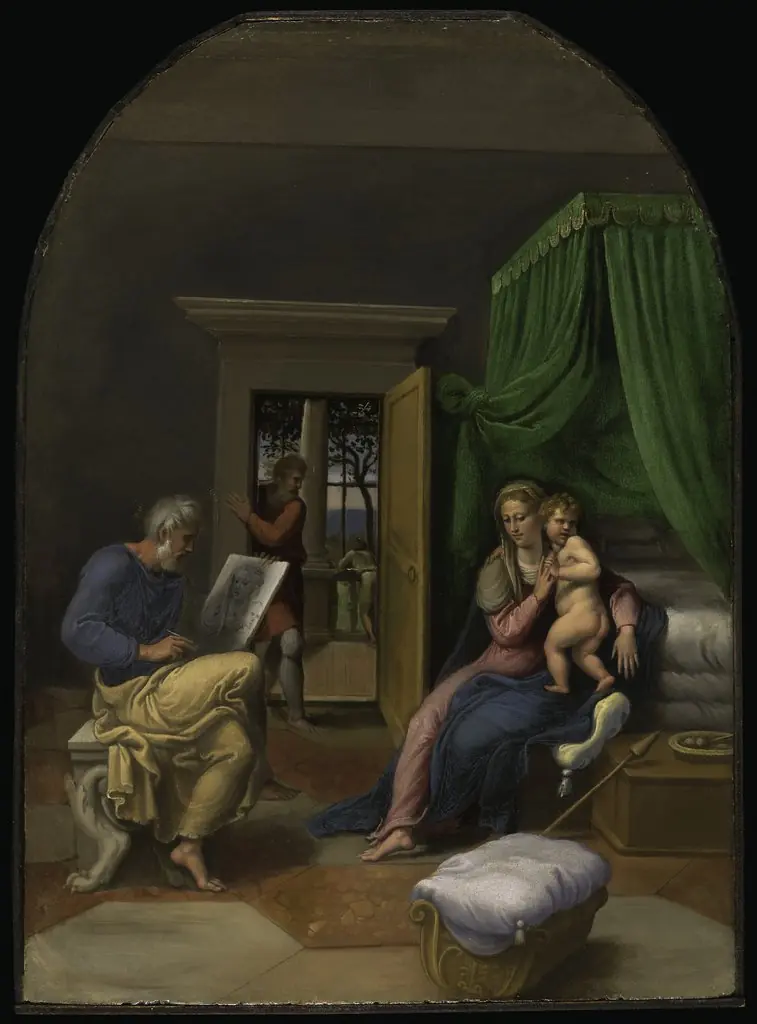
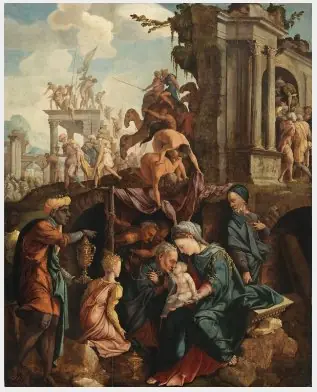
The Adoration of the Shepherds is an unspecified painting by the Mannerist artist Girolamo da Carpi. It dates from 1538 and is held in the collection of the National Gallery of Ireland.
About this work
Overview
It is now part of the National Gallery of Ireland’s collection, where its quiet intensity and careful composition draw attention to its spiritual focus.
Painted around 1538 by Girolamo da Carpi, this work depicts the biblical moment when shepherds arrive to honor the newborn Christ. Executed during the Mannerist era, the painting reflects the artist’s training in Ferrara and his later ties to Bologna. It is now part of the National Gallery of Ireland’s collection, where its quiet intensity and careful composition draw attention to its spiritual focus.
Subject & Meaning
The scene centers on the infant Jesus, swaddled in cloth and lying in a manger, surrounded by humble witnesses. A woman in pink kneels in reverence, while other figures—shepherds and attendants—observe in quiet awe. The presence of a dog and a wooden chest grounds the sacred moment in everyday reality, emphasizing humility and the accessibility of divine grace to ordinary people.
Technique & Style
Carpi employs chiaroscuro to model forms with soft contrasts between light and shadow, lending depth and emotional weight to the composition. Figures are elongated and arranged in a deliberate, slightly unnatural rhythm, characteristic of Mannerist tendencies. The stone architecture and open archway frame the scene without overwhelming it, directing focus toward the central group with restrained elegance.
History & Provenance
Created during Carpi’s time in Bologna, the painting reflects the regional artistic currents of mid-16th-century Italy. It remained in private collections before entering the National Gallery of Ireland’s holdings. Its journey through collectors and institutions underscores its endurance as a quiet but significant example of provincial Mannerism outside the major centers of Florence or Rome.
Context
In the decades following the High Renaissance, artists like Carpi moved away from classical harmony toward more expressive, emotionally charged compositions. This work aligns with a broader trend in northern Italian painting that favored intimate religious scenes over grand narratives, responding to devotional needs and the growing influence of Counter-Reformation spirituality.
Legacy
Though not widely known today, the painting exemplifies how regional painters adapted Mannerist conventions to convey spiritual intimacy. Its restrained drama and attention to quiet human response influenced later devotional works in northern Italy. It remains a testament to the capacity of modest compositions to evoke profound religious sentiment.
Artist & collection

Artist
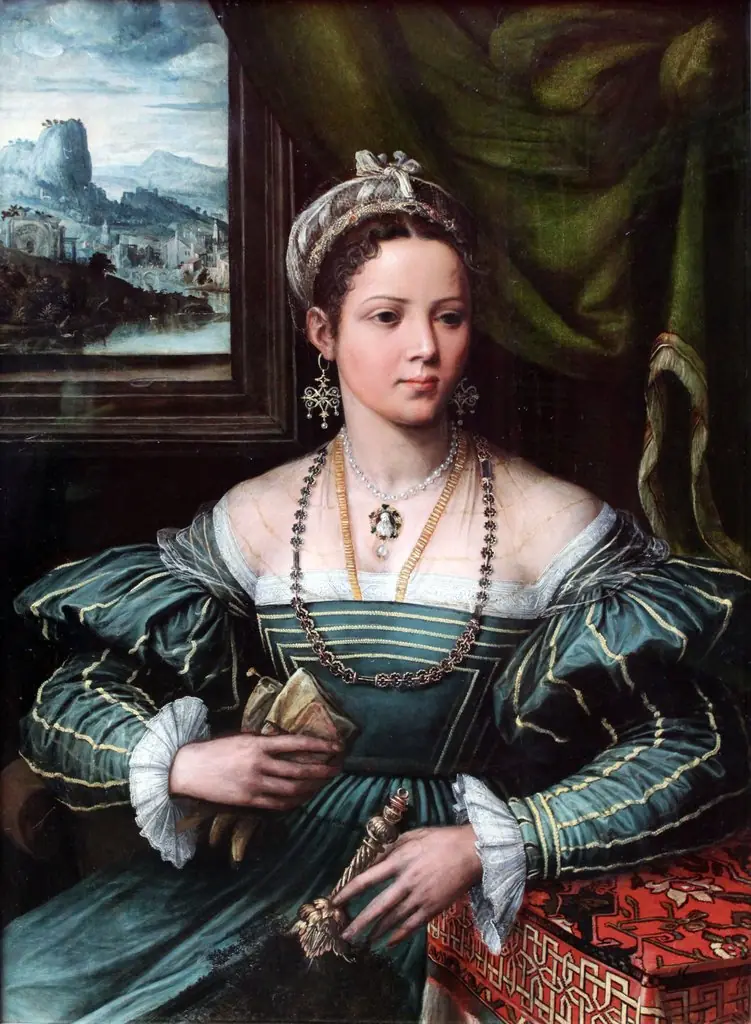
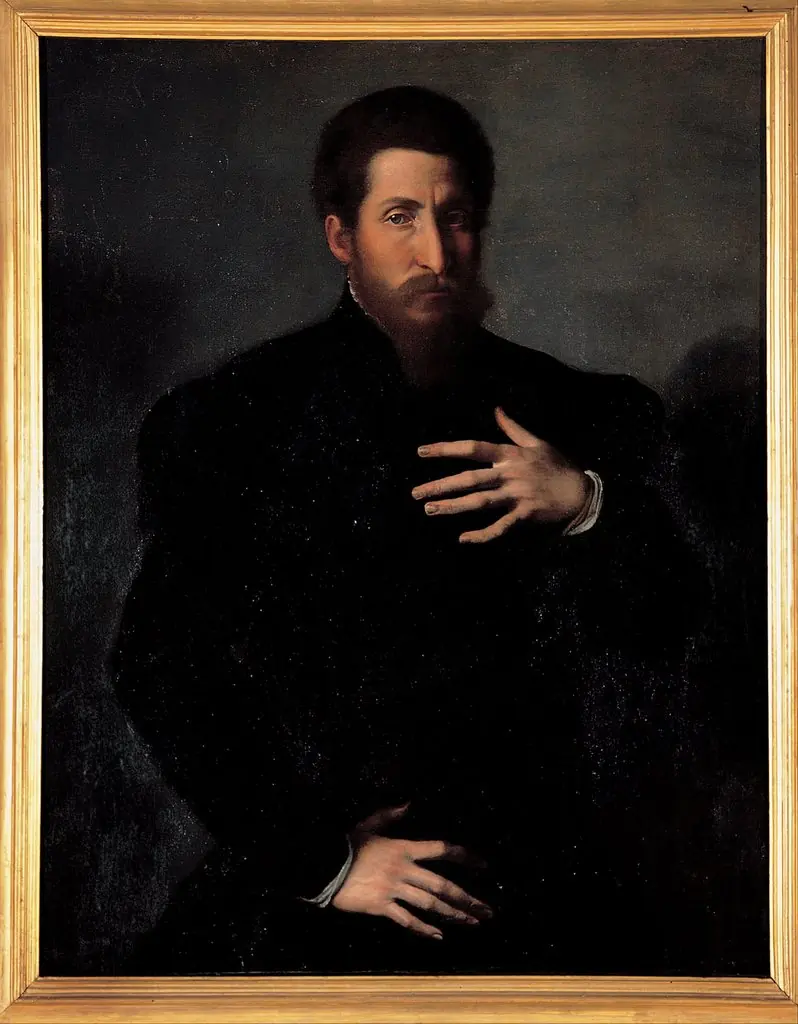
Girolamo Da Carpi (1501 – 1 August 1556) was an Italian painter and decorator who worked at the Court of the House of Este in Ferrara.

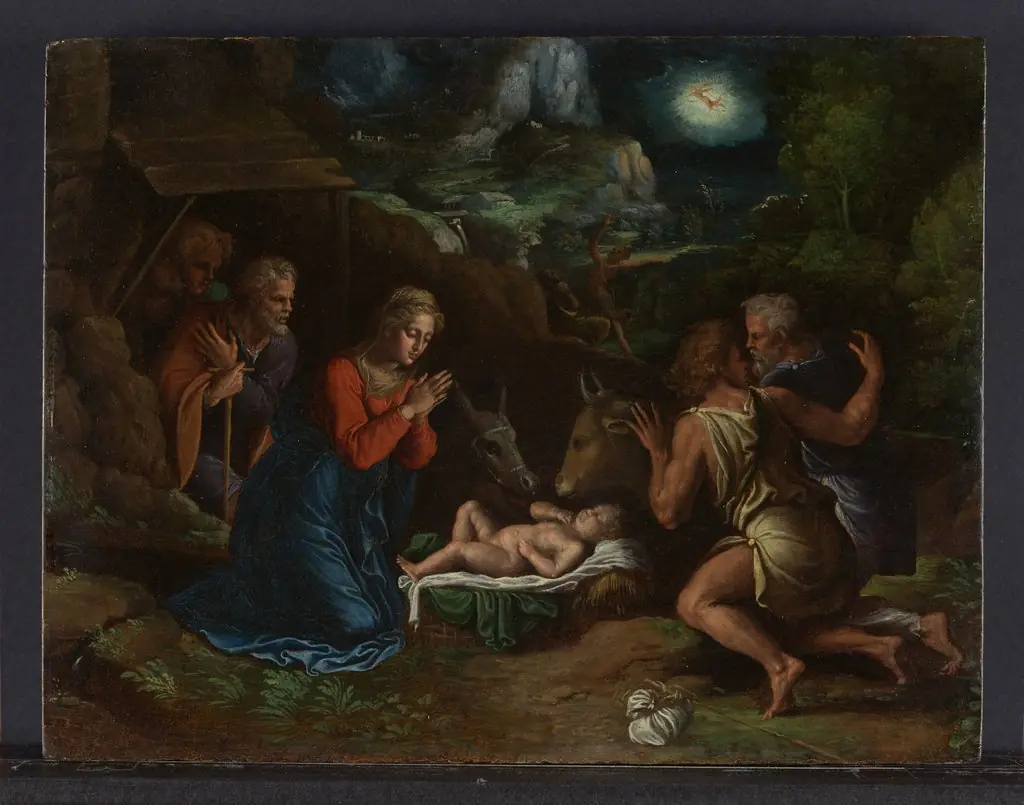
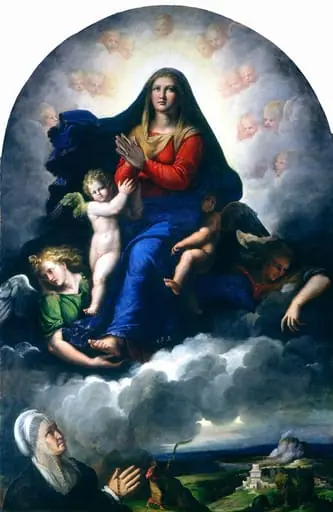
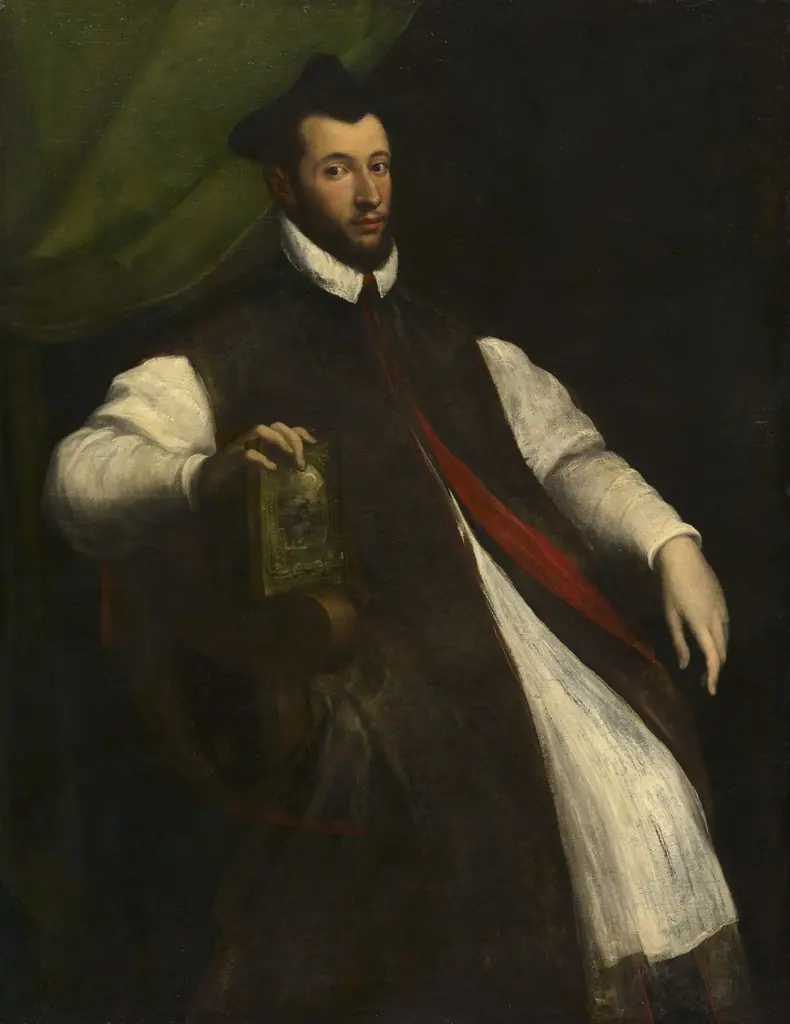
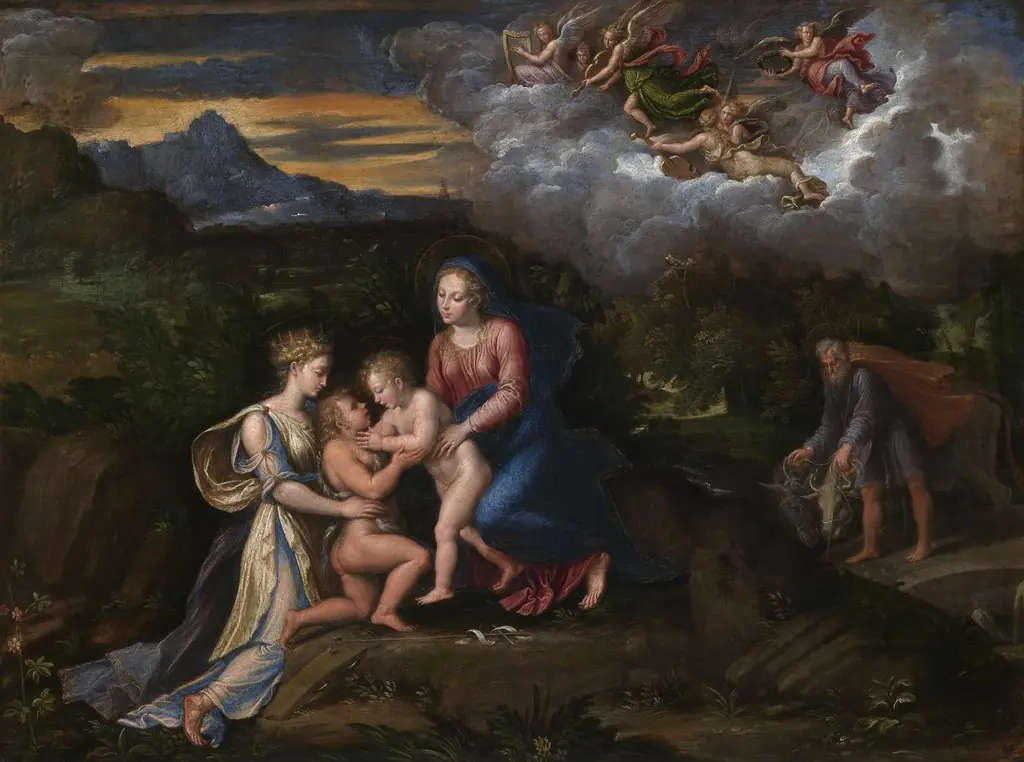
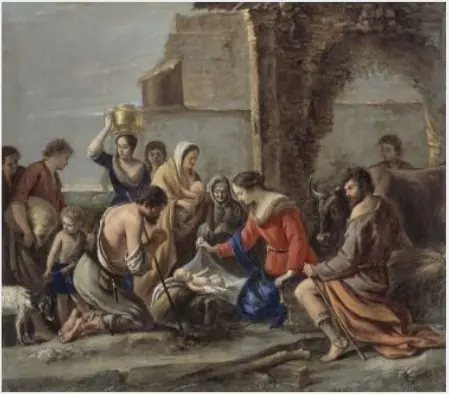 The Adoration of the Shepherds
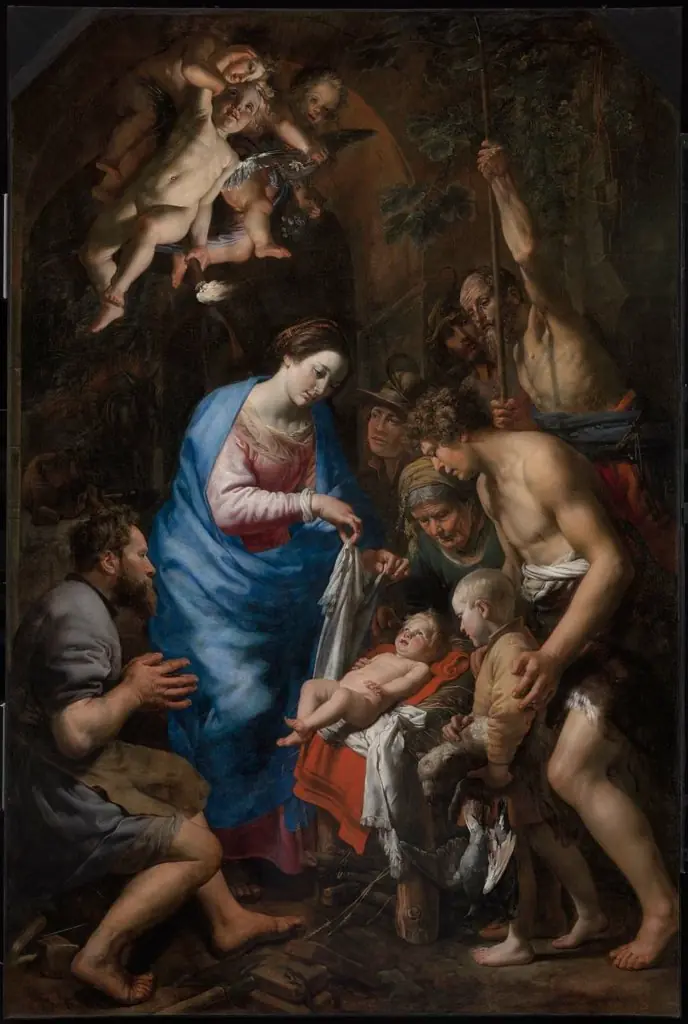 The Adoration of the Shepherds
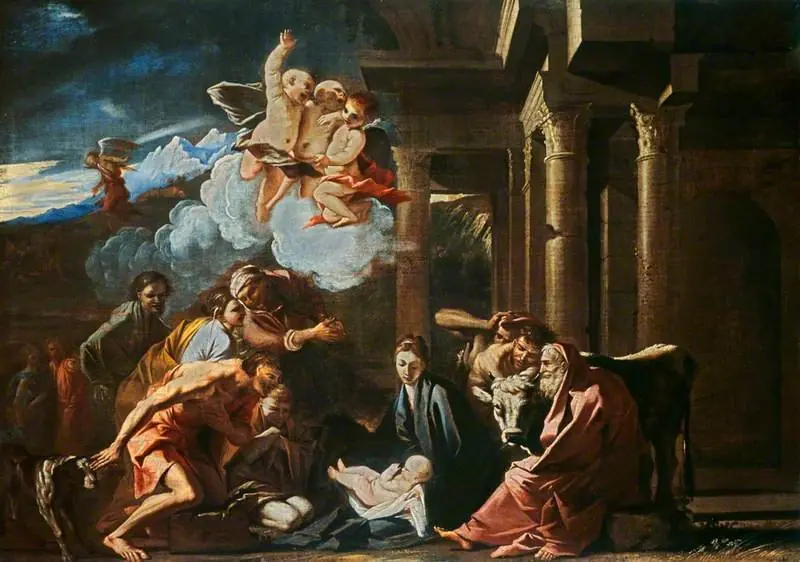 The Adoration of the Shepherds
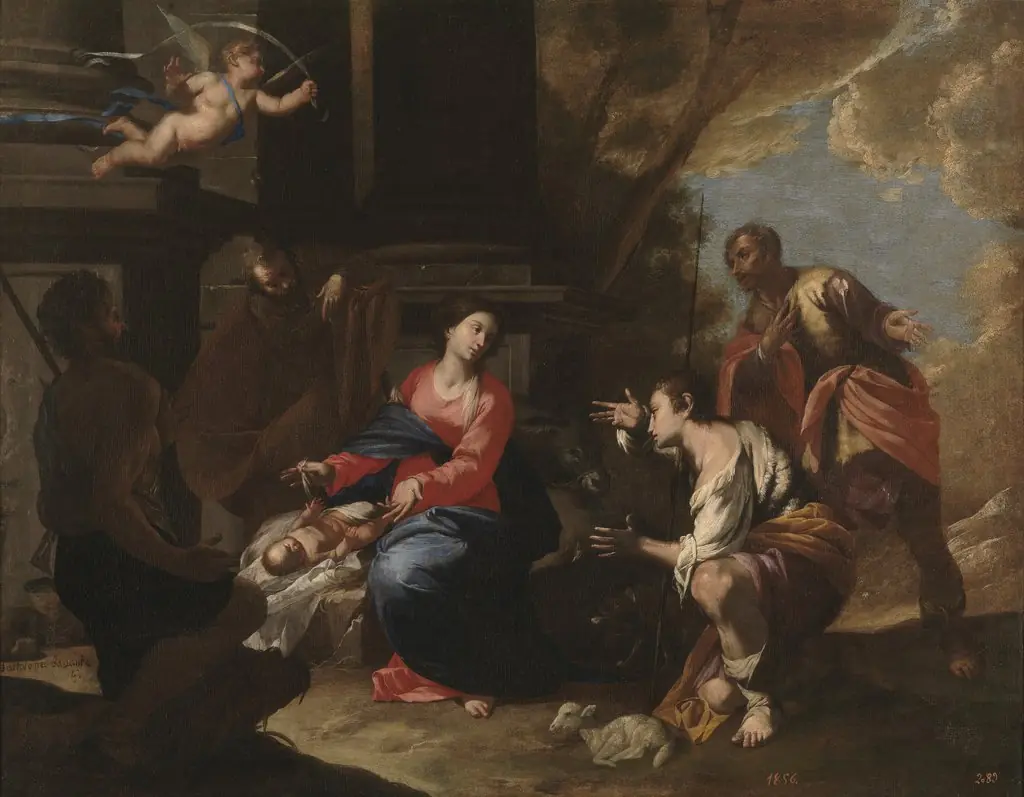 The Adoration of the Shepherds
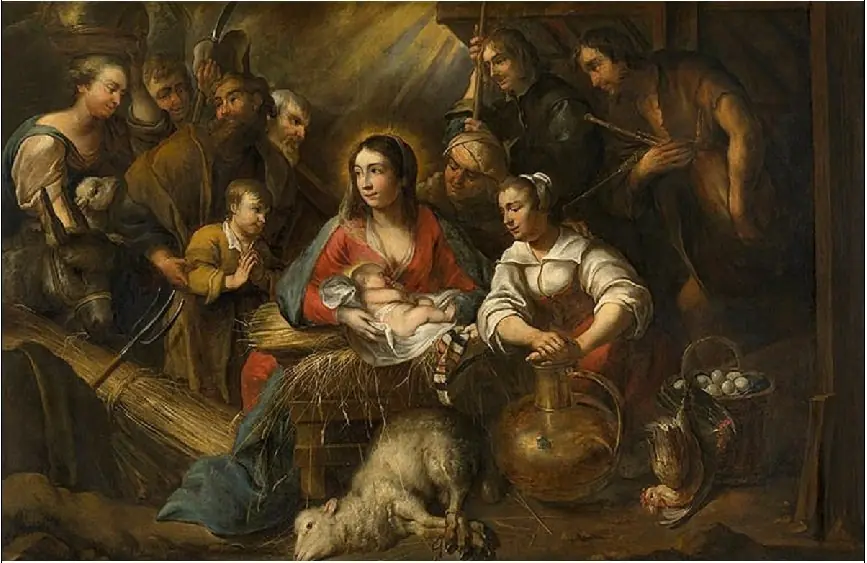 The Adoration of the Shepherds
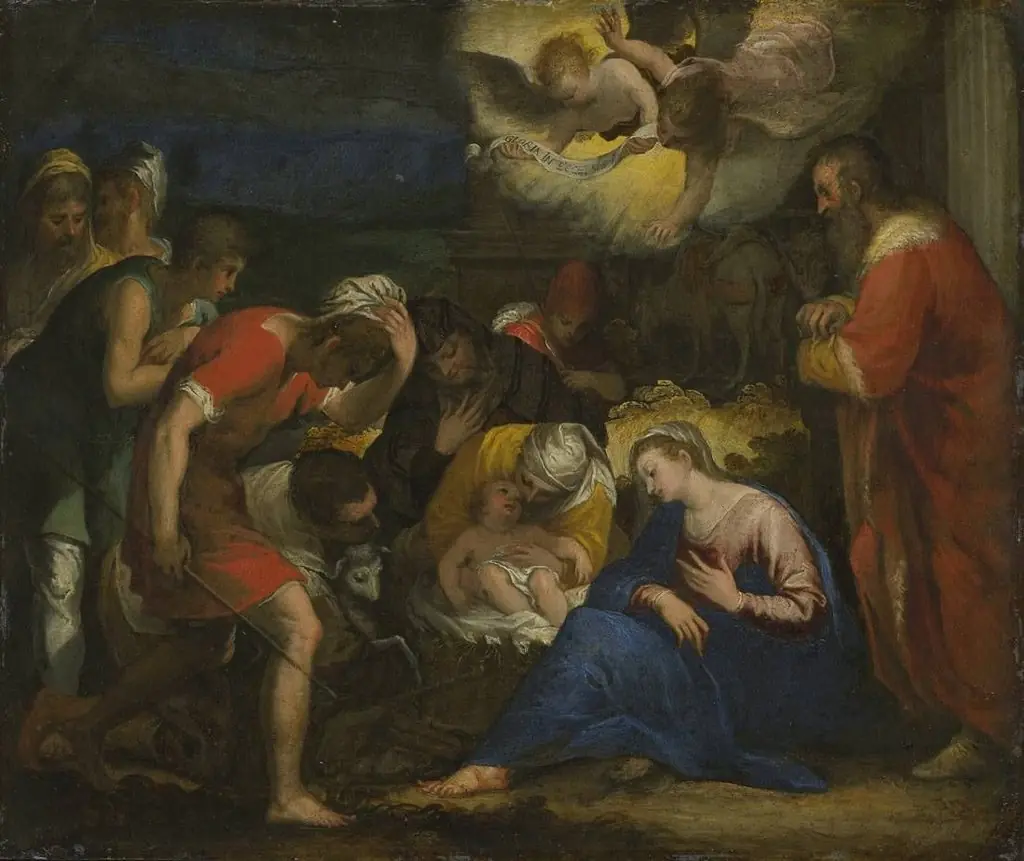 Die Anbetung der Hirten
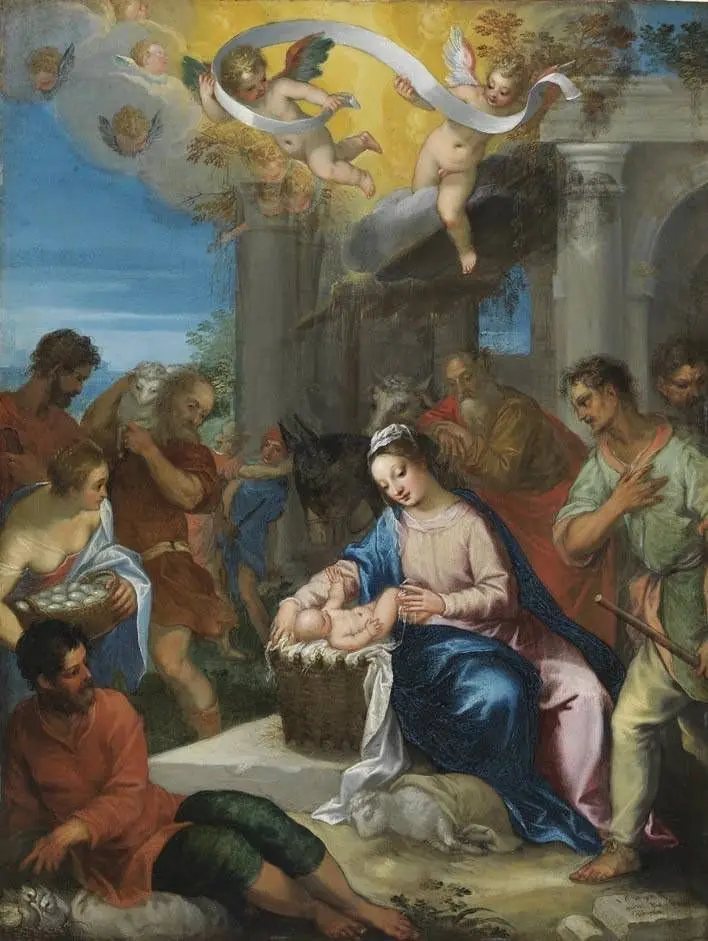 Anbetung der Hirten
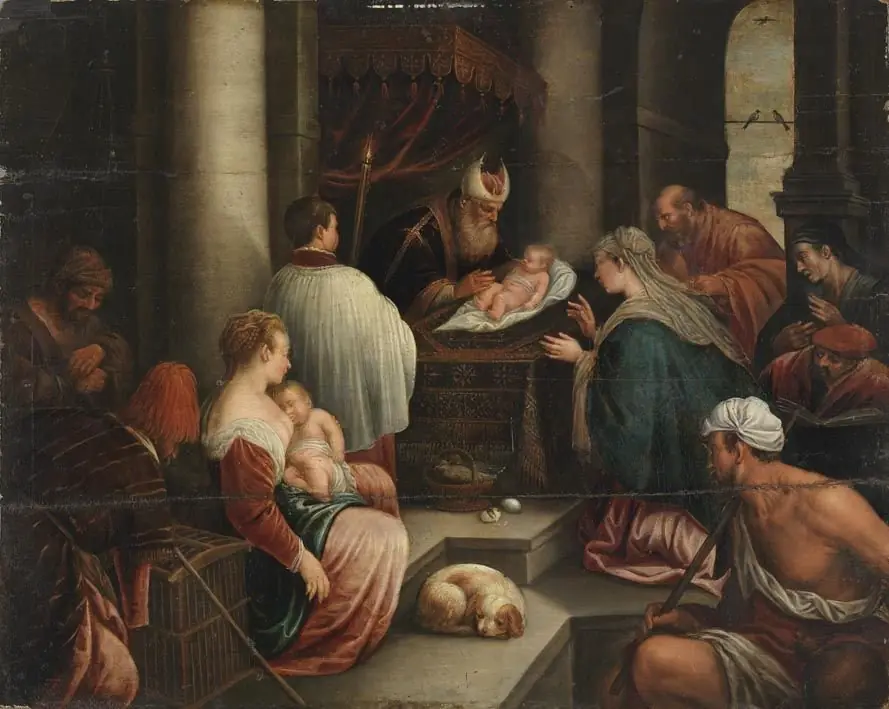 The presentation of Christ in the temple
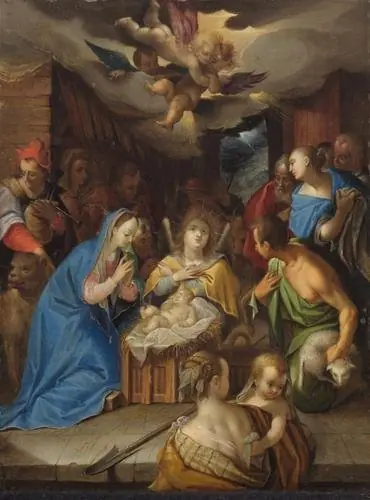 The Adoration of the Shepherds
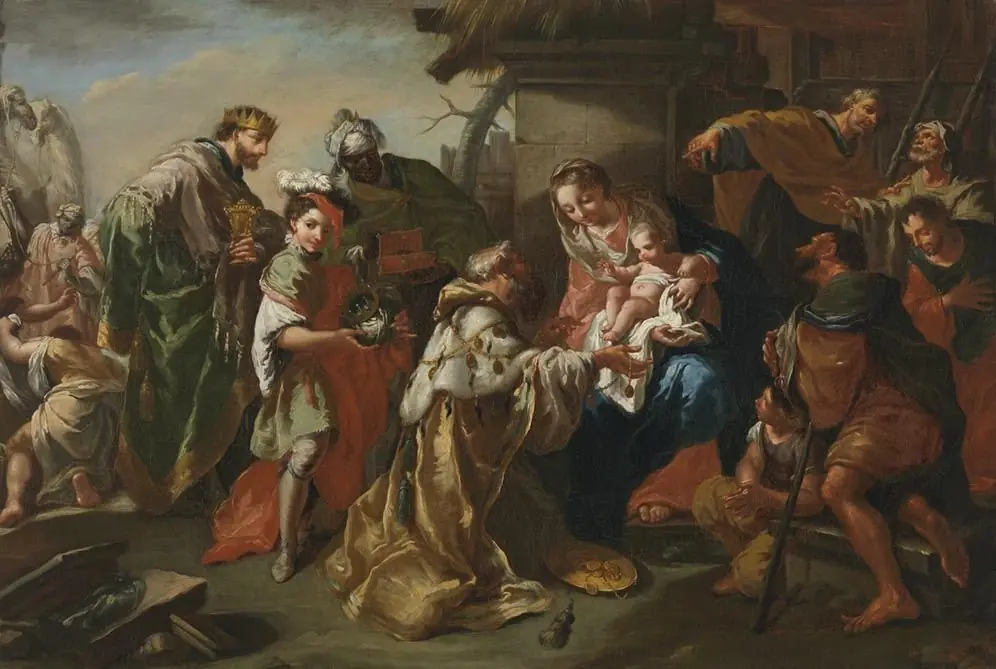 Anbetung der Könige
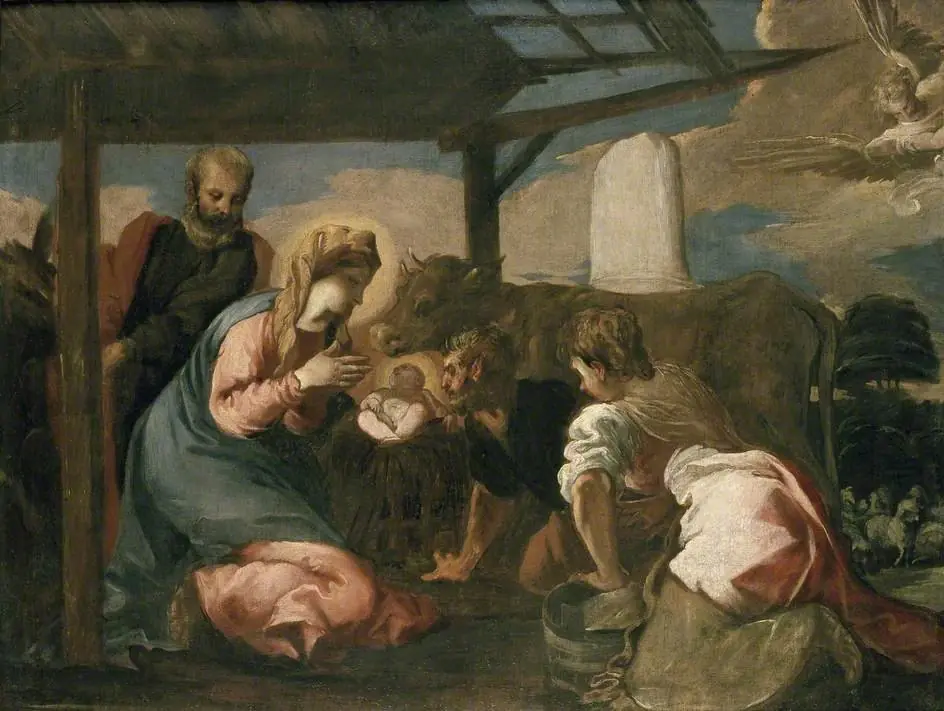 The Adoration of the Shepherds
 The Adoration of the Magi