Artwork
A seated female
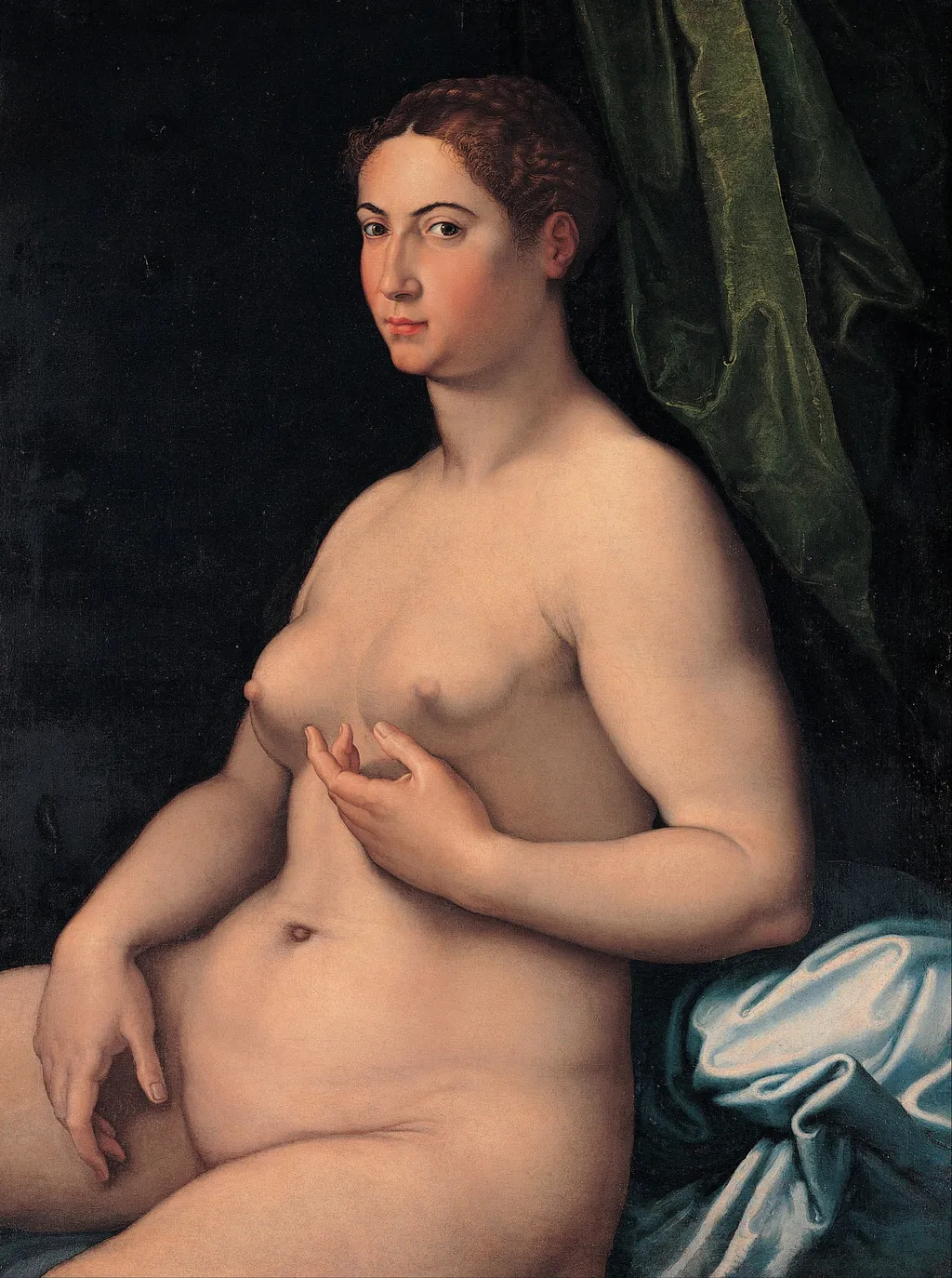
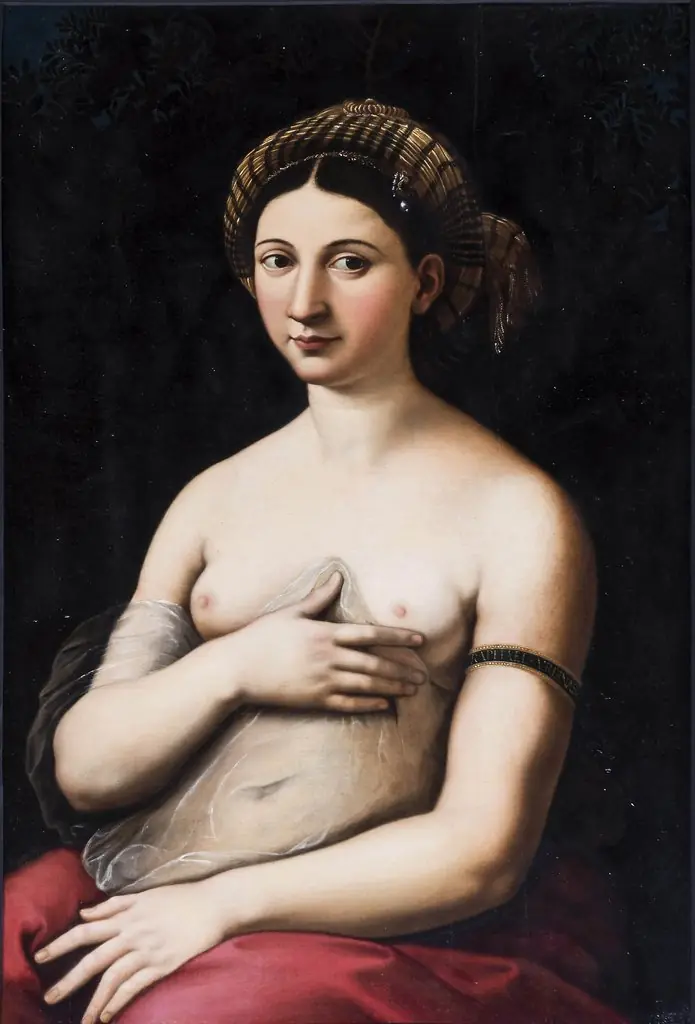
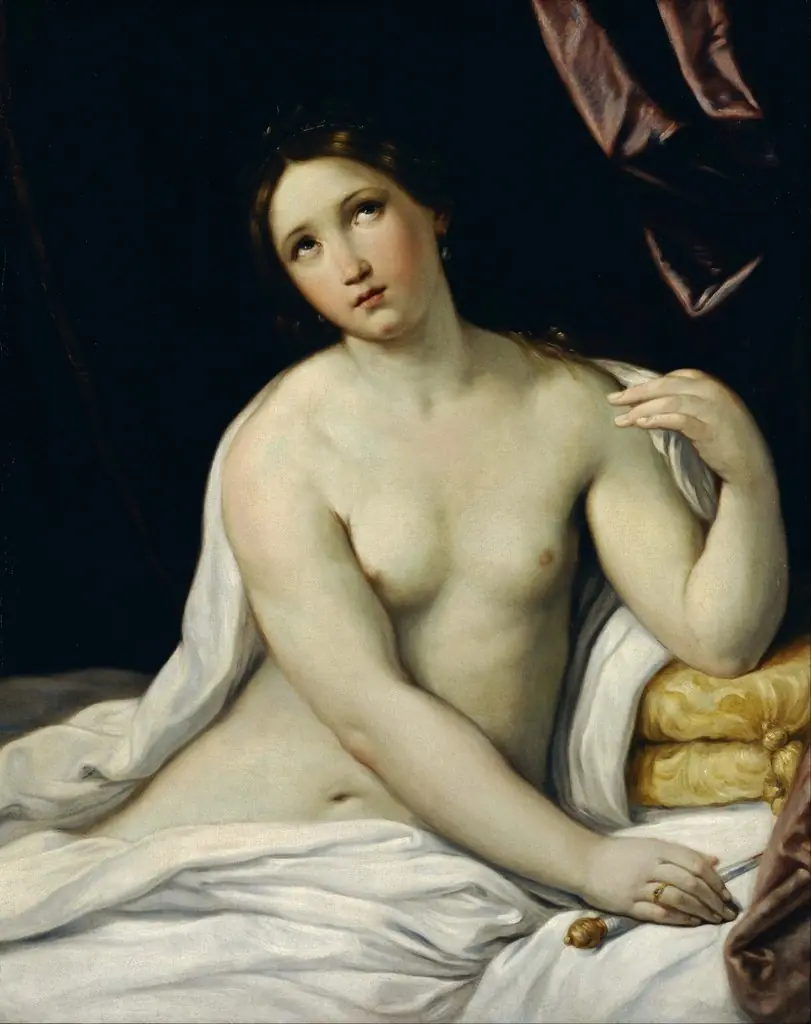
A seated female is an oil painting by the Mannerist artist Girolamo Siciolante da Sermoneta. It dates from 1550 and is held in the collection of the Capitoline Museums.
About this work
Overview
Painted around 1550 by Girolamo Siciolante da Sermoneta, this oil-on-canvas portrait captures a seated female figure in a quiet, introspective pose.
Painted around 1550 by Girolamo Siciolante da Sermoneta, this oil-on-canvas portrait captures a seated female figure in a quiet, introspective pose. Executed during Siciolante’s early Mannerist phase, the work exemplifies the period’s emphasis on refined form and restrained emotion. It resides today in the Capitoline Museums, where it stands as a rare surviving example of his pre-naturalist output.
Subject & Meaning
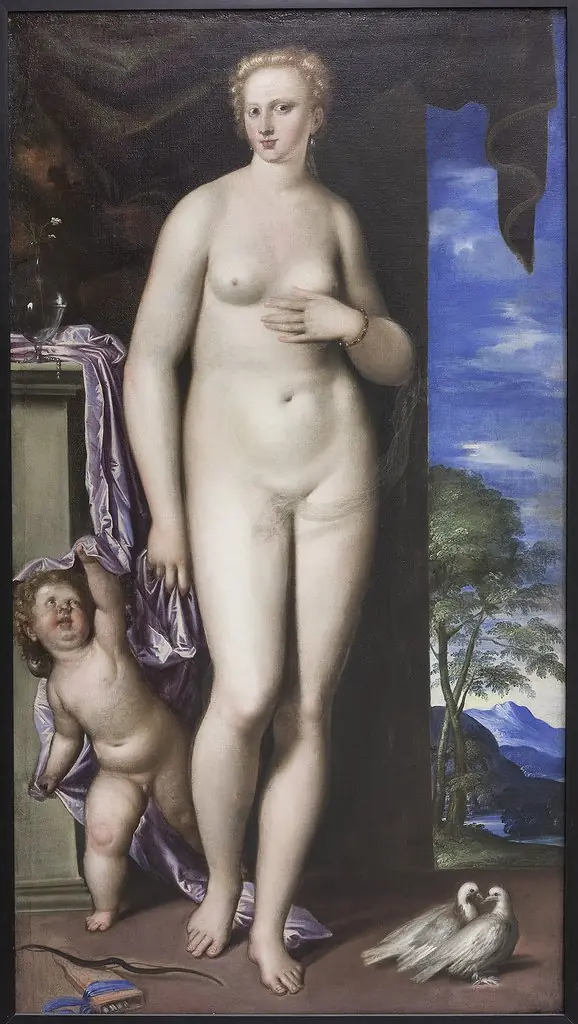
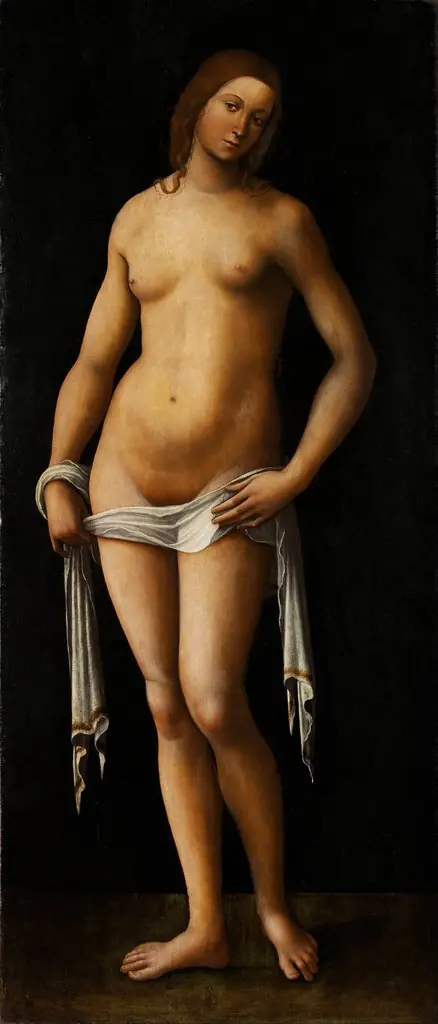
The figure, partially draped and seated with one hand shielding her chest and the other resting along her thigh, engages the viewer with a direct, unflinching gaze. Her nudity, neither overtly erotic nor fully clothed, suggests a classical ideal tempered by personal stillness. The lack of narrative context invites interpretation as a study of presence rather than a mythological or allegorical scene.
Technique & Style
Siciolante employs chiaroscuro to model the figure’s form, creating soft transitions between light and shadow that enhance volume without dramatic contrast. The background, composed of muted green and blue drapery, recedes into darkness, isolating the subject. Elongated proportions and a composed posture reflect Mannerist tendencies, while the restrained palette and smooth brushwork signal a move away from overt stylization.
History & Provenance
The painting entered the Capitoline Museums’ collection in the 19th century, though its earlier ownership remains undocumented. It was likely produced in Rome during Siciolante’s formative years, before his stylistic shift toward naturalism under Girolamo Muziano’s influence. Its survival is notable, as many of his early works have been lost or misattributed.
Context
In mid-16th-century Rome, Mannerism dominated elite portraiture, favoring elegance over realism. Artists like Siciolante navigated between classical references and emerging naturalism. This portrait reflects that tension—its subject’s poise aligns with humanist ideals, while its formal subtlety anticipates the more grounded approaches that would follow in the late 1560s.
Legacy
Though Siciolante later embraced a more naturalistic style, this early work remains a key example of his Mannerist phase. It contributes to understanding the transition in Roman painting between idealized form and observational realism. Its quiet intensity continues to inform scholarly discussions on gender, representation, and stylistic evolution in Counter-Reformation art.
Own this work as a print
Artist & collection
Artist
Girolamo Siciolante da Sermoneta
Girolamo Siciolante da Sermoneta (1521 – c. 1580) began his career as an Italian Mannerist painter but later adopted the reformist naturalism of Girolamo Muziano in the 1560s and 70s. He was active in Rome in the mid…