Artwork
Adoration of the Shepherds
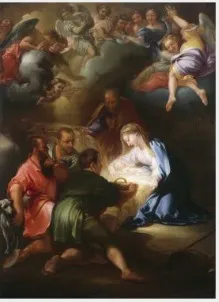
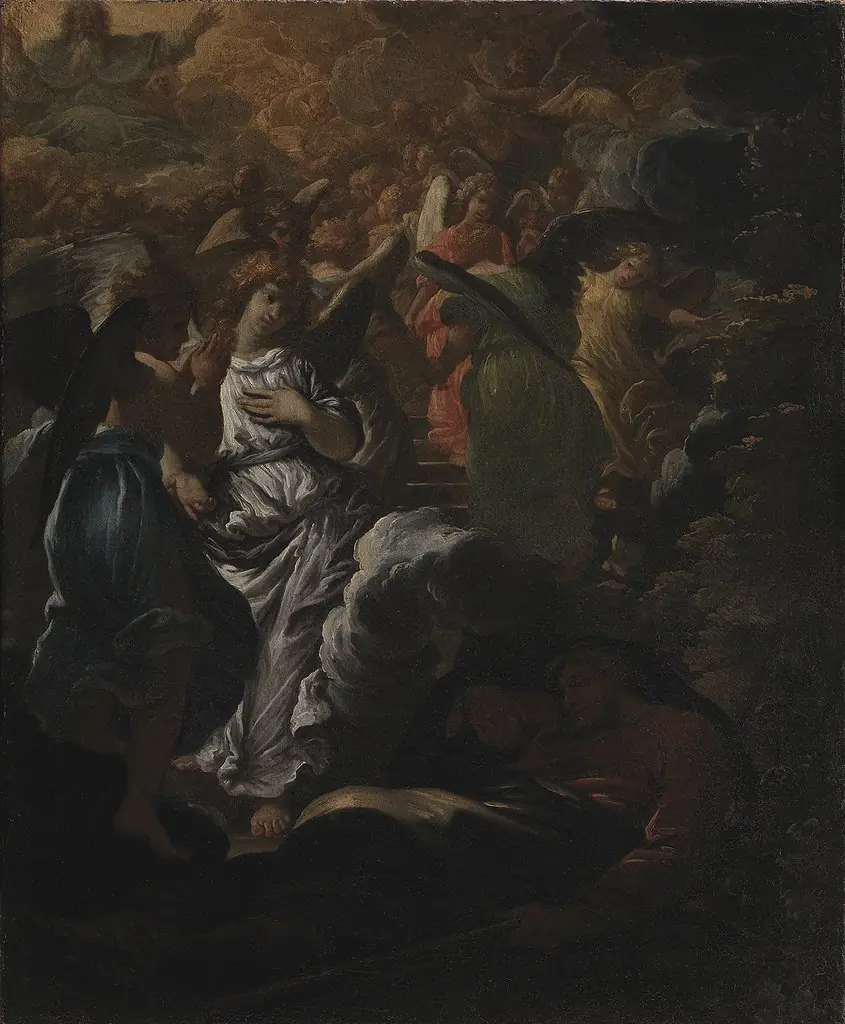
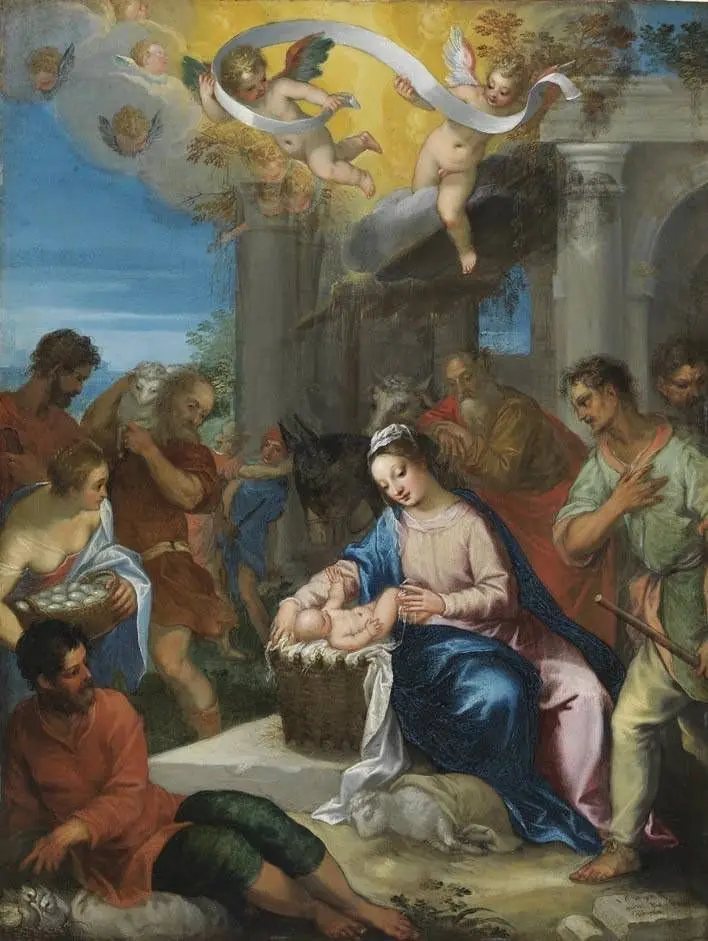
Adoration of the Shepherds is an oil painting by Girolamo Troppa. It dates from 1683 and is held in the collection of the National Gallery of Ireland.
About this work
Overview
Girolamo Troppa’s *Adoration of the Shepherds*, executed in oil around 1683, presents a quiet devotional scene typical of late‑Baroque Rome. The composition centers on the Virgin with the infant Jesus, attended by humble shepherds and celestial angels, all set against a warm, golden backdrop that emphasizes the intimate atmosphere of the nativity.
Subject & Meaning
The work illustrates the biblical episode in which shepherds, drawn by the angelic announcement, come to honor the newborn Messiah. Troppa highlights the contrast between earthly simplicity—shown in the shepherds’ modest garments—and the divine presence signified by the angels’ luminous white and gold attire, underscoring themes of humility and reverence.
Technique & Style
Employing chiaroscuro, Troppa creates a subtle gradation of light that models the figures and gives the scene a three‑dimensional quality. The handling of color, with a warm golden field punctuated by touches of blue and red, reflects the influence of Carlo Maratta’s classicizing Baroque approach while retaining Troppa’s own devotional sensibility.
History & Provenance
Born in the late 17th‑century Roman artistic milieu, Troppa was known for his religious commissions in Rome and Umbria. *Adoration of the Shepherds* entered the collection of the National Gallery of Ireland, where it remains on display, offering insight into the artist’s oeuvre and the broader context of Italian Baroque devotional painting.
Artist & collection

Artist
Girolamo Troppa (2 October 1636 – October 1711) was an Italian painter of the Baroque period, depicting mainly sacred subjects. A follower of Carlo Maratta, he was active in Rome and Umbria.

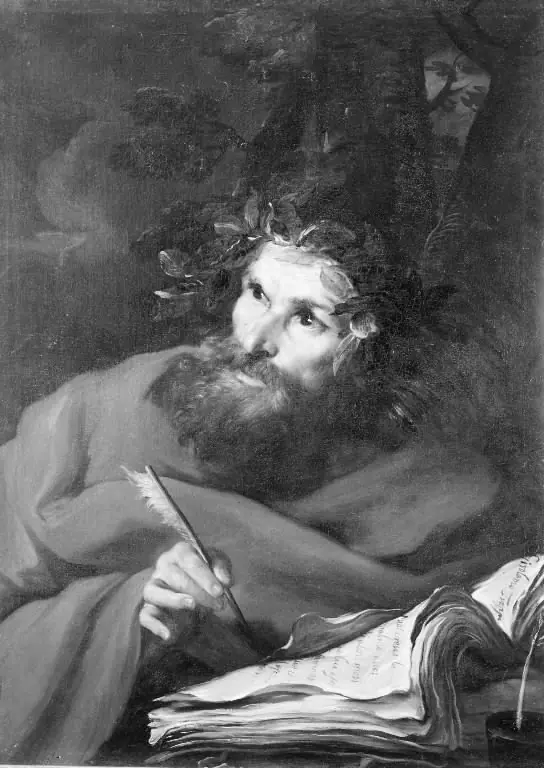
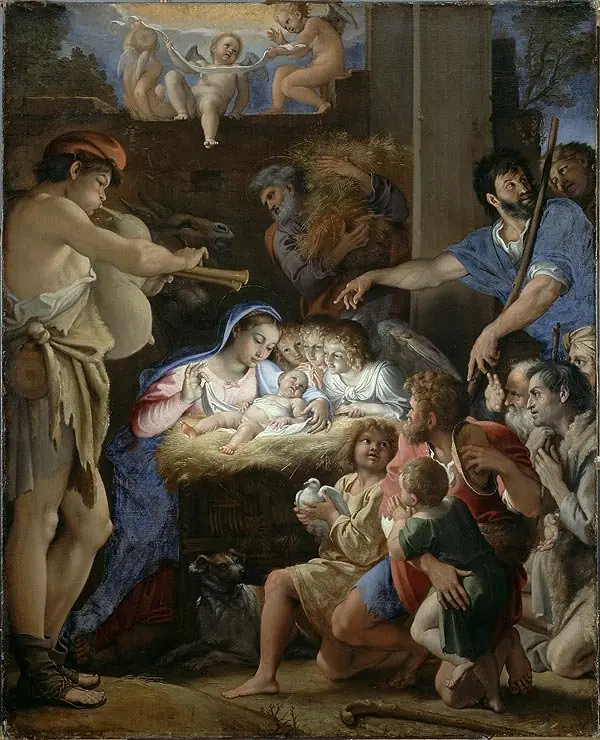 Adoration of the Shepherds
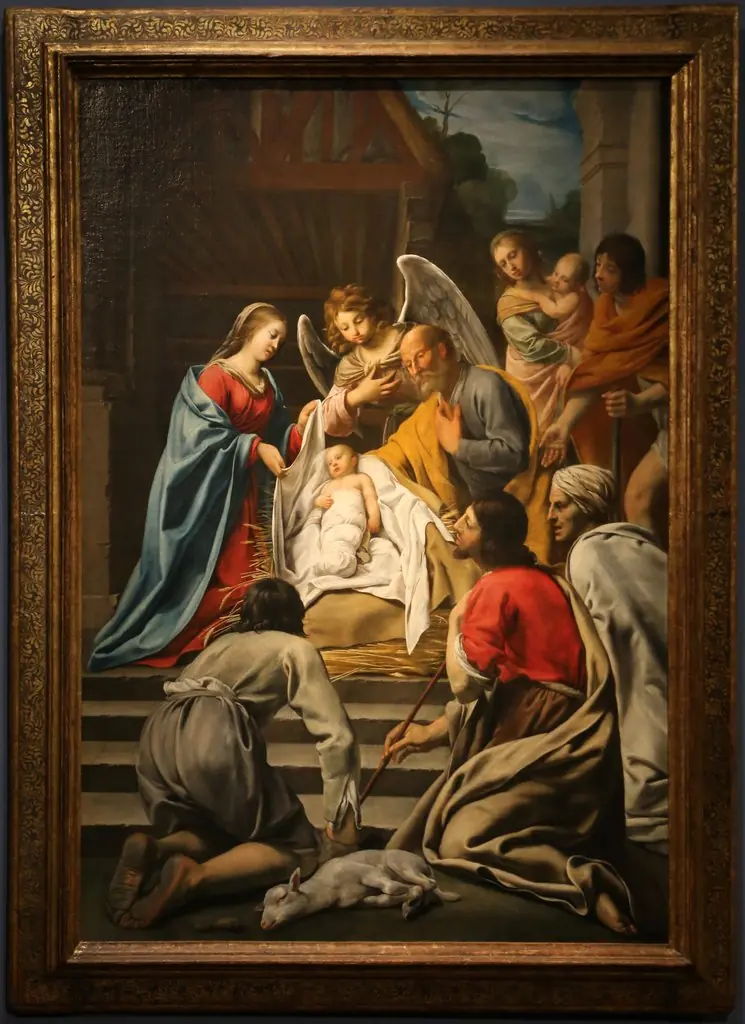 Adoration of the Shepherds
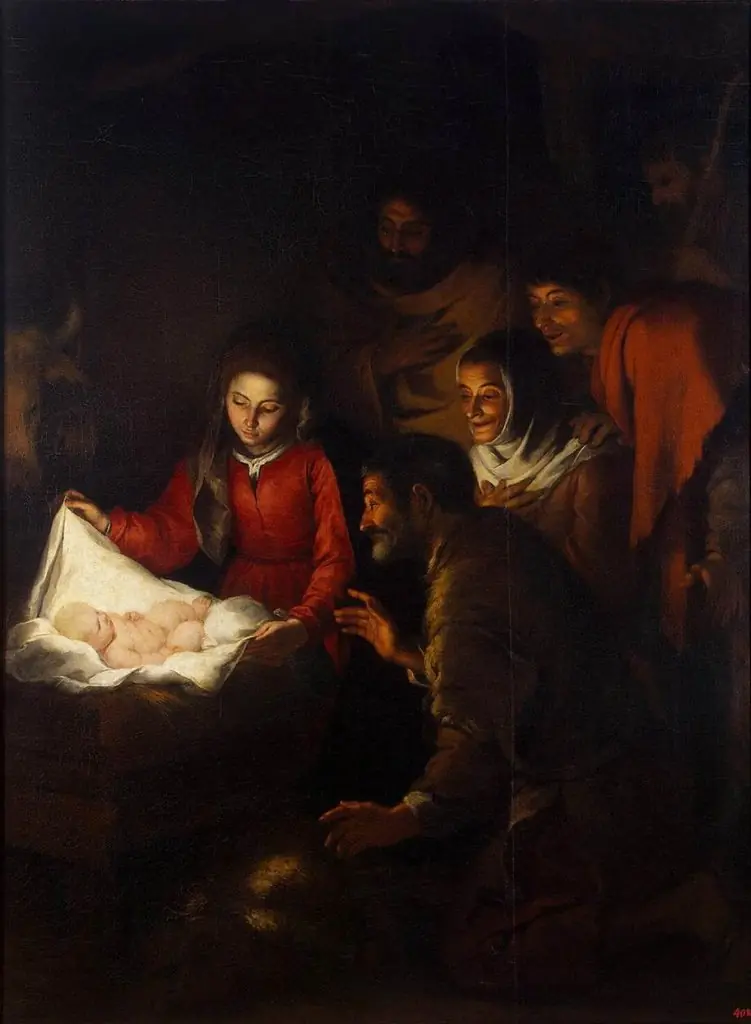 Adoration of the Shepherds
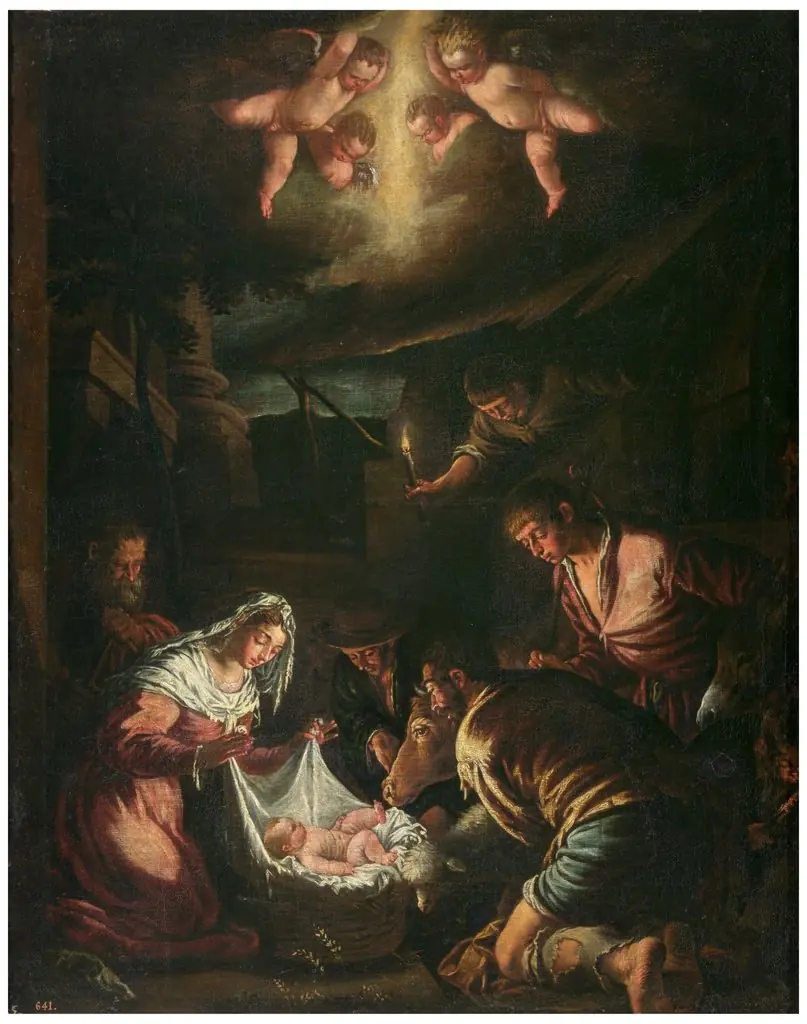 Adoration of the Shepherds
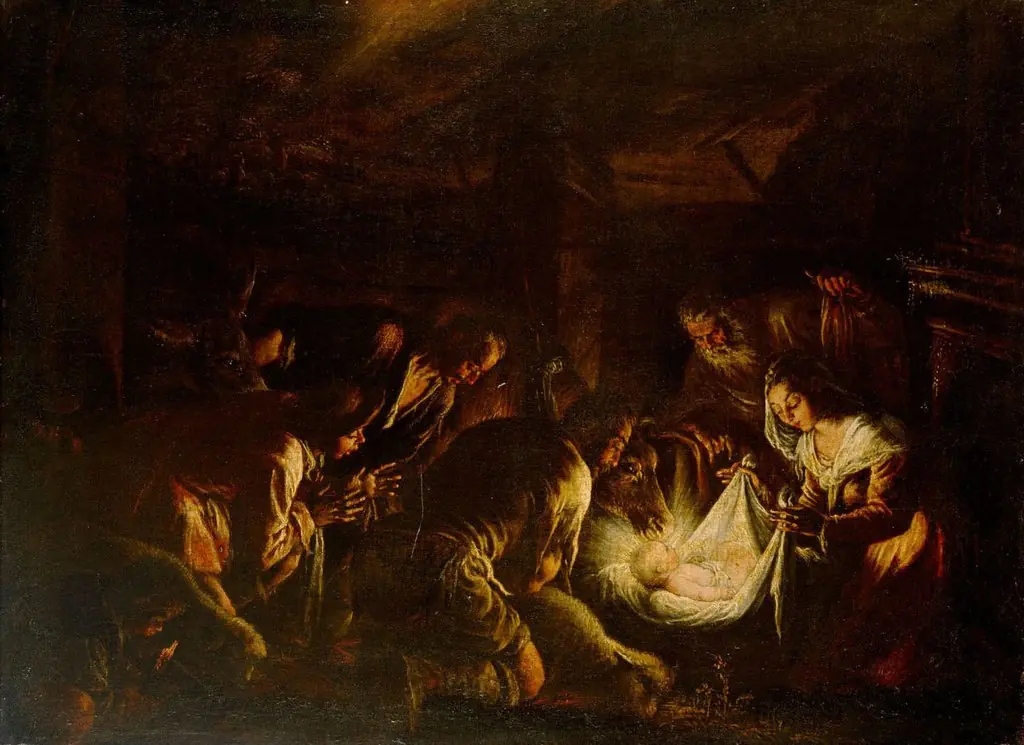 Adoration of the Shepherds
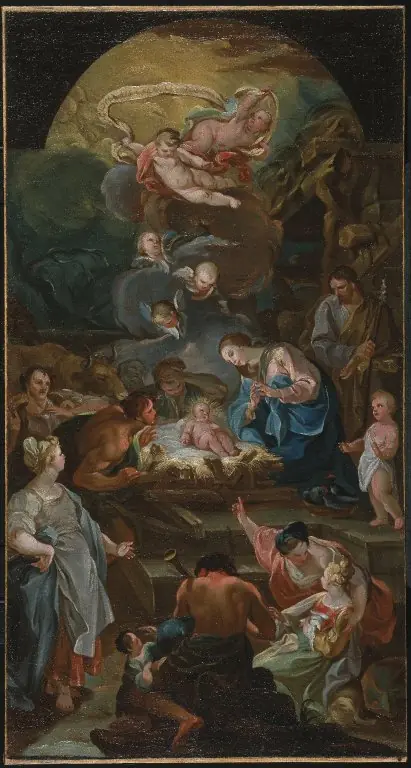 The Adoration of the Shepherds
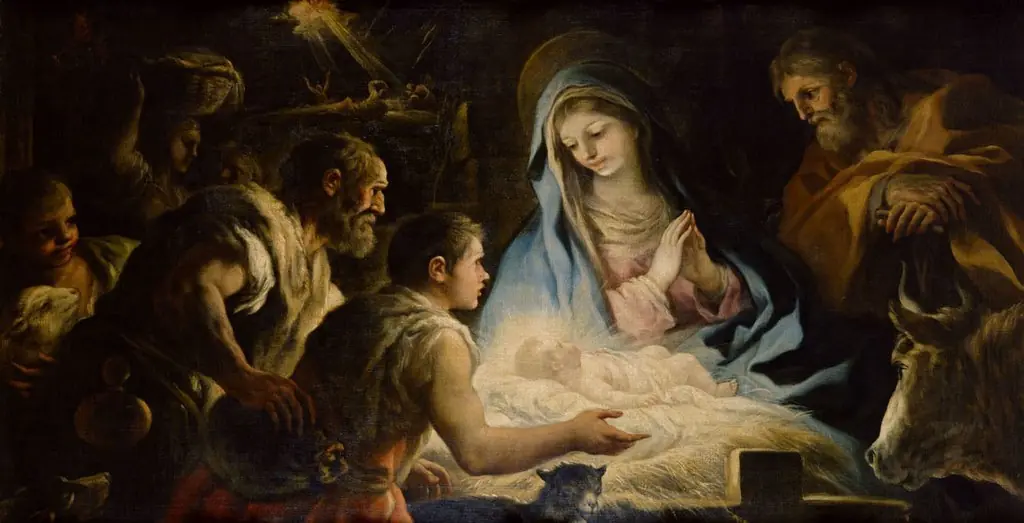 Adoration of the Shepherds (1696)
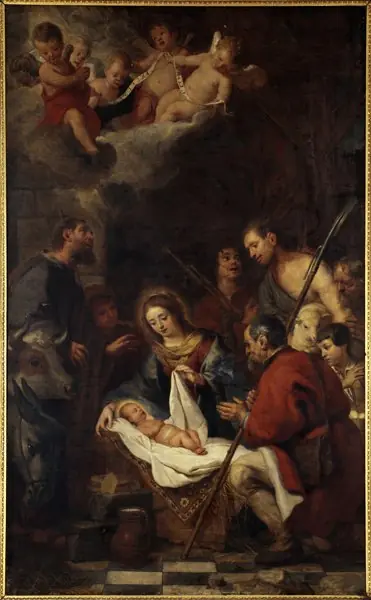 Aanbidding der herders
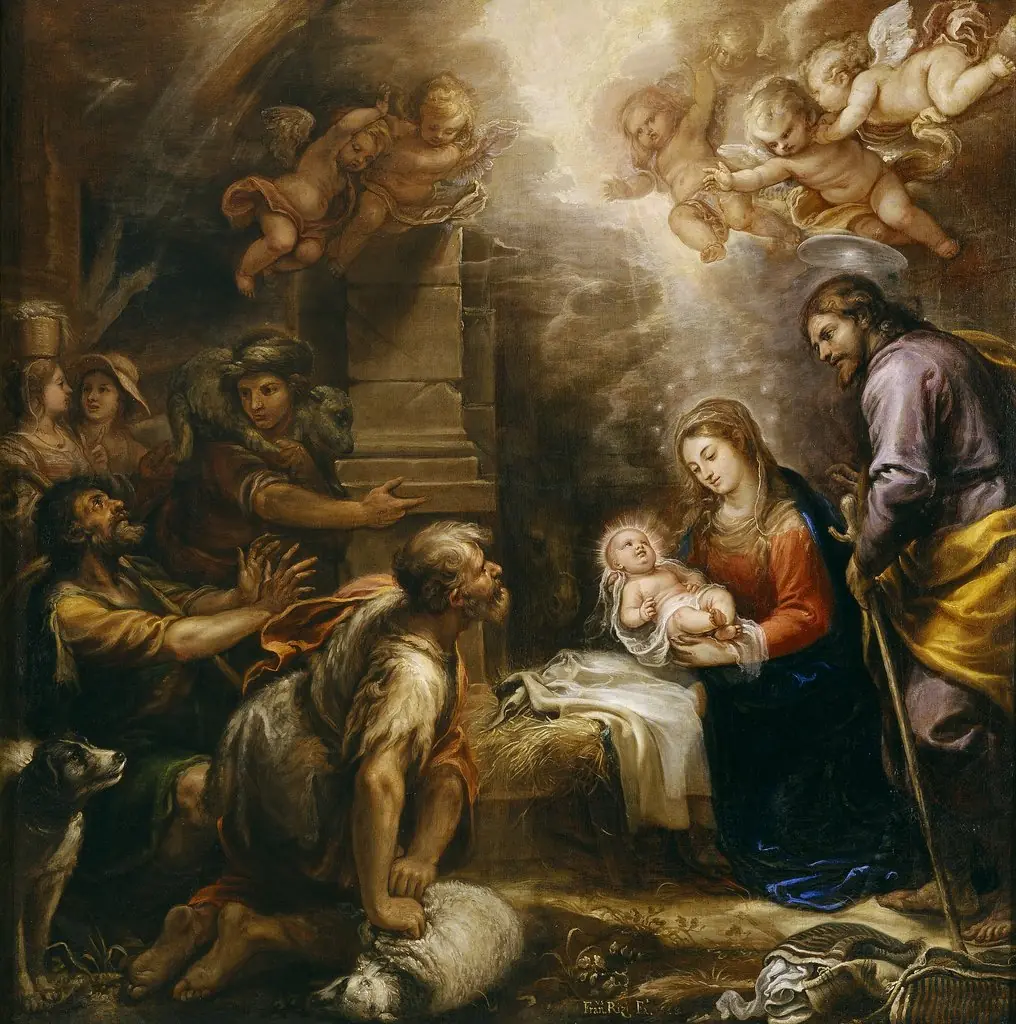 The Adoration of the Shepherds
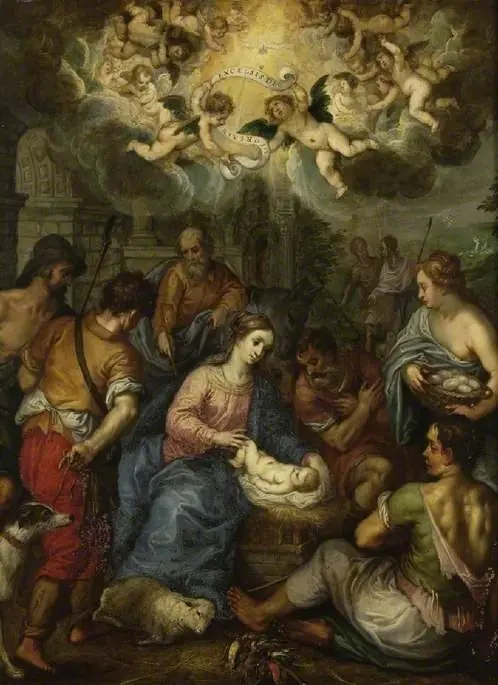 Adoration of the Shepherds
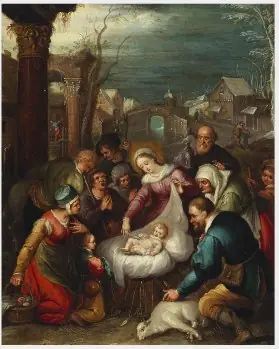 The Adoration of the Shepherds
 Anbetung der Hirten