Artwork
Homer
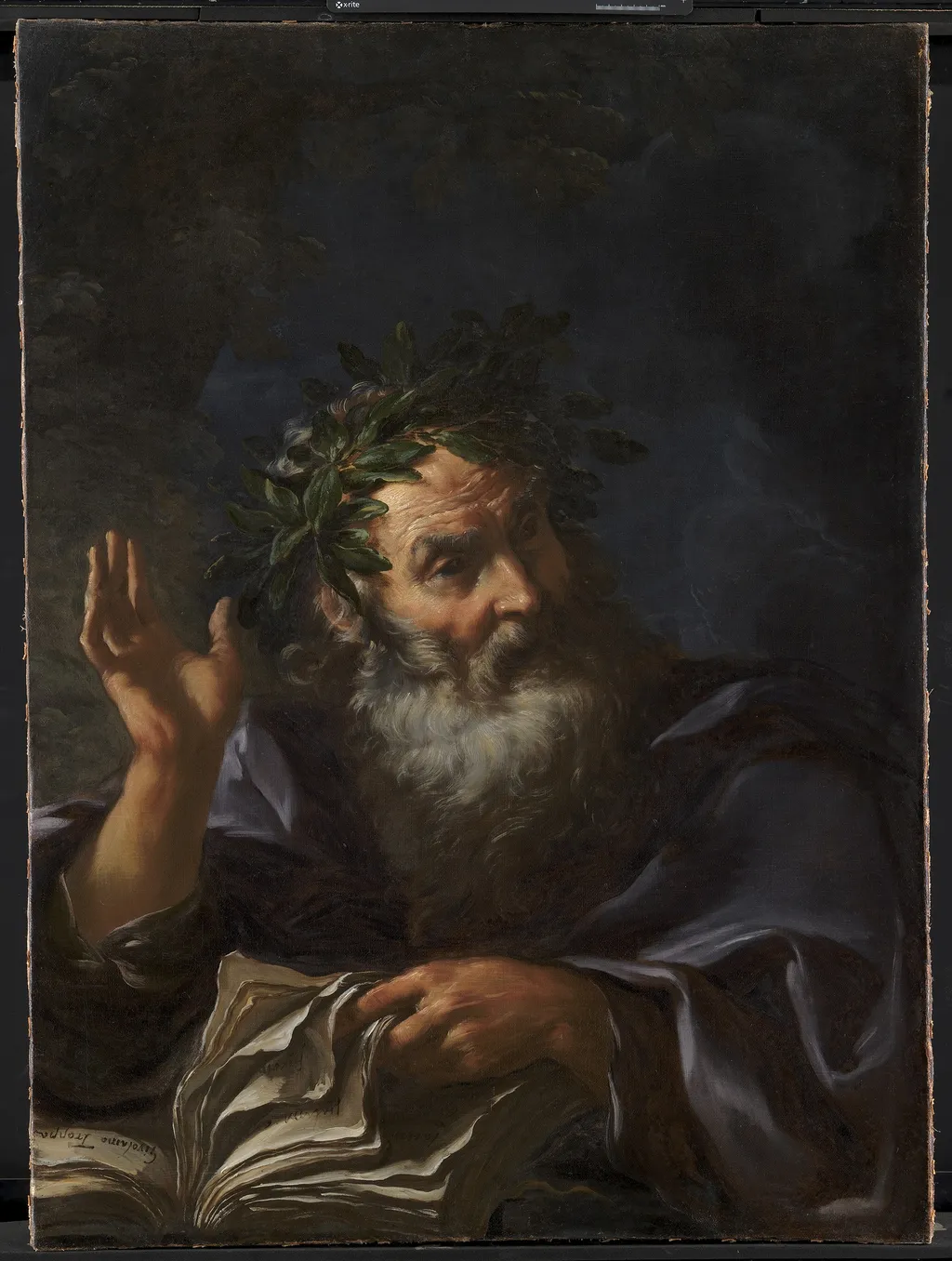
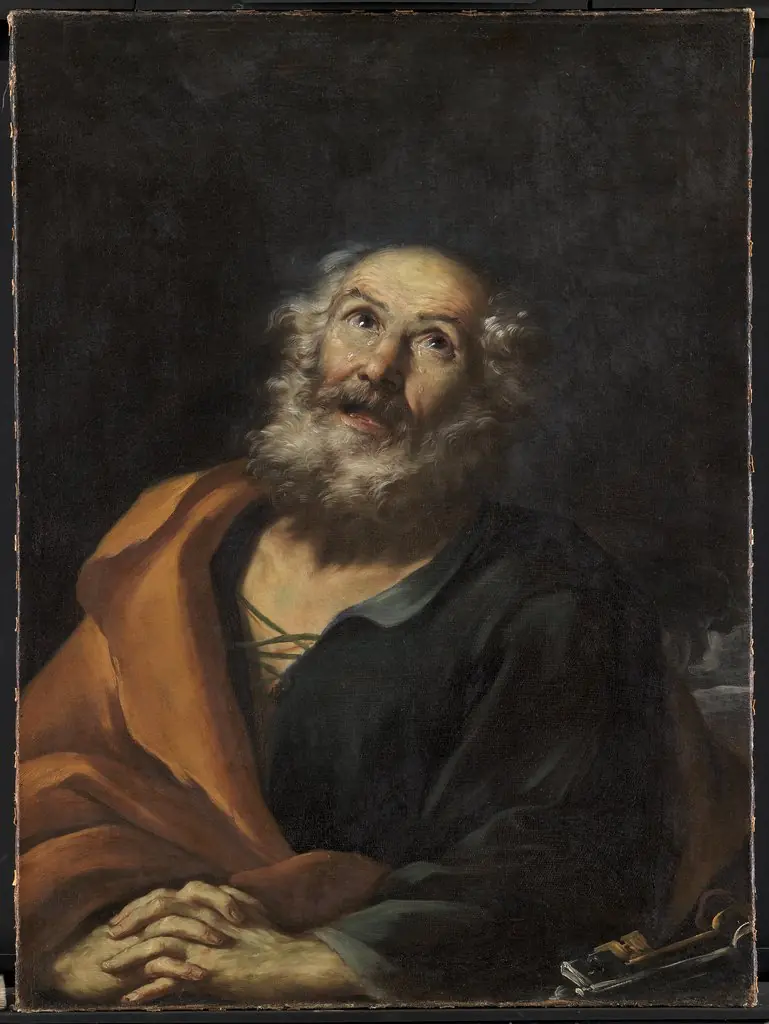
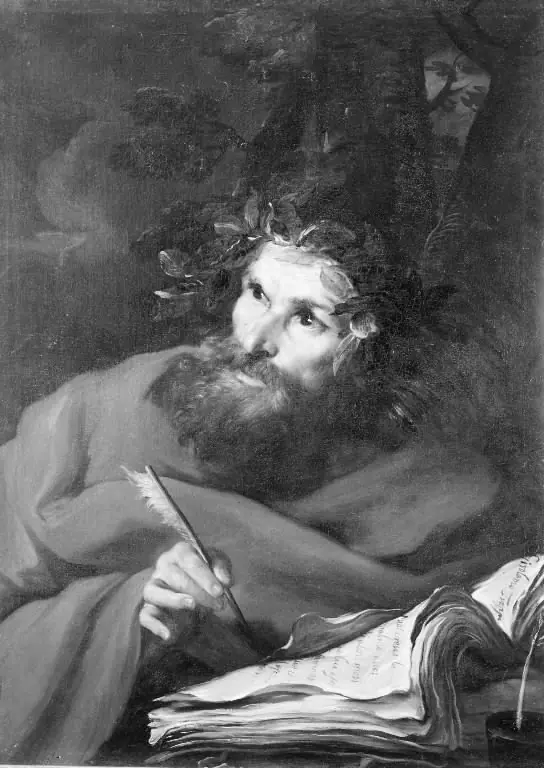
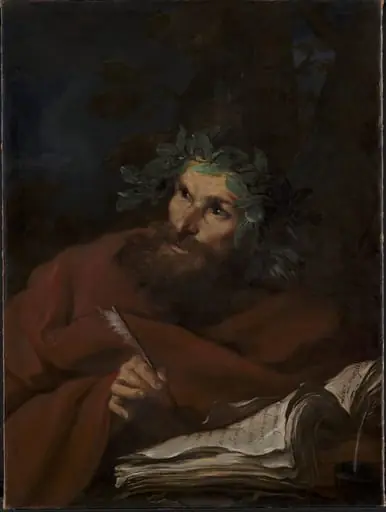
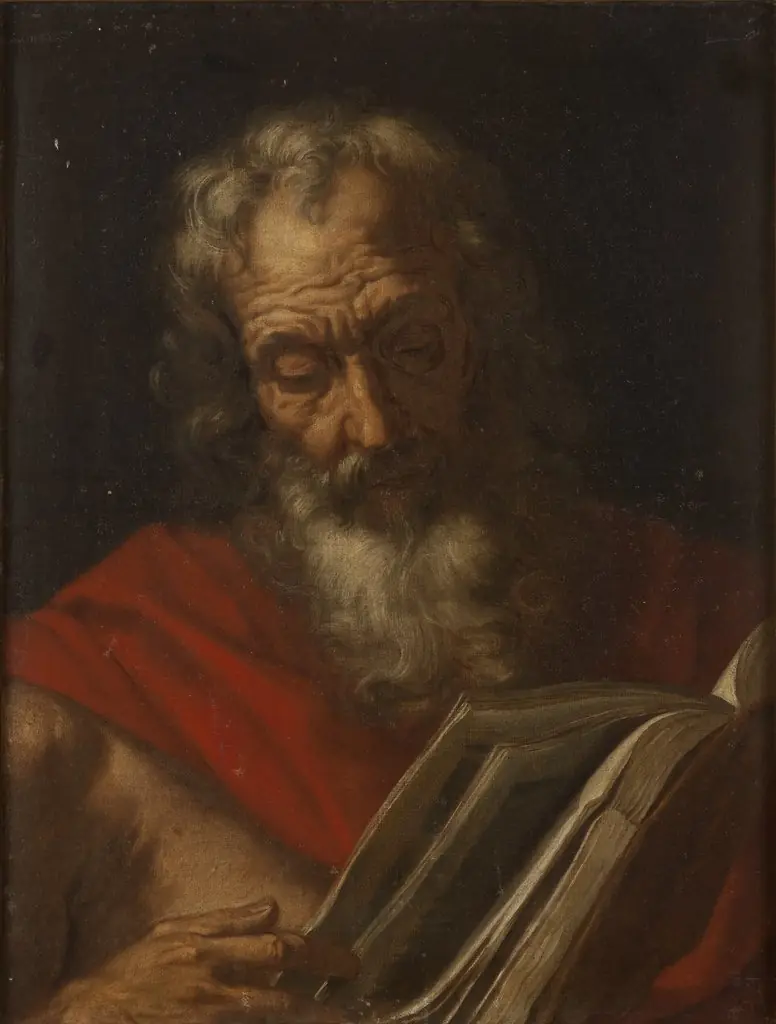
Homer is an oil painting by the Early Baroque Italian artist Girolamo Troppa. It dates from 1666 and is held in the collection of the Statens Museum for Kunst.
About this work
Overview
Girolamo Troppa, an Italian painter of the Baroque period, completed the oil painting titled *Homer* in 1666. Though most of his oeuvre consists of religious subjects, this work portrays the legendary Greek poet. The canvas is part of the collection of the Statens Museum for Kunst in Copenhagen.
Subject & Meaning
The figure represented is an elderly man with a flowing white beard and curly hair, crowned with a leafy wreath that alludes to classical antiquity. His raised right hand, palm outward, suggests a gesture of speech or narration, fitting the poet’s role as a storyteller.
Technique & Style
Troppa employs a strong chiaroscuro contrast, setting the sitter against a dark background that emphasizes the illuminated face and arm. The rendering of the robe’s folds and the three‑dimensional modeling of the skin reveal a careful study of light and shadow, reflecting the influence of Carlo Maratta’s classicising Baroque style.
History & Provenance
Created in Rome during Troppa’s active years in the mid‑17th century, the painting eventually entered the holdings of Denmark’s national gallery, the Statens Museum for Kunst, where it remains on display.
Artist & collection
Artist
Girolamo Troppa (2 October 1636 – October 1711) was an Italian painter of the Baroque period, depicting mainly sacred subjects. A follower of Carlo Maratta, he was active in Rome and Umbria.