Artwork
Virgil
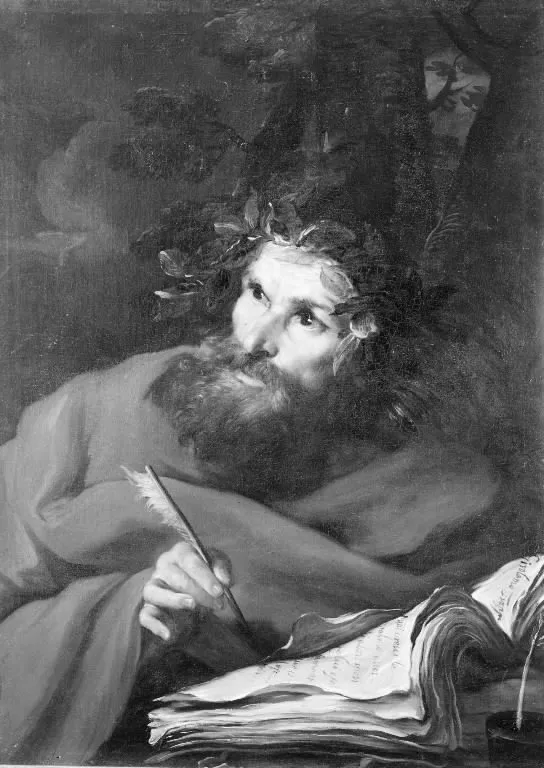
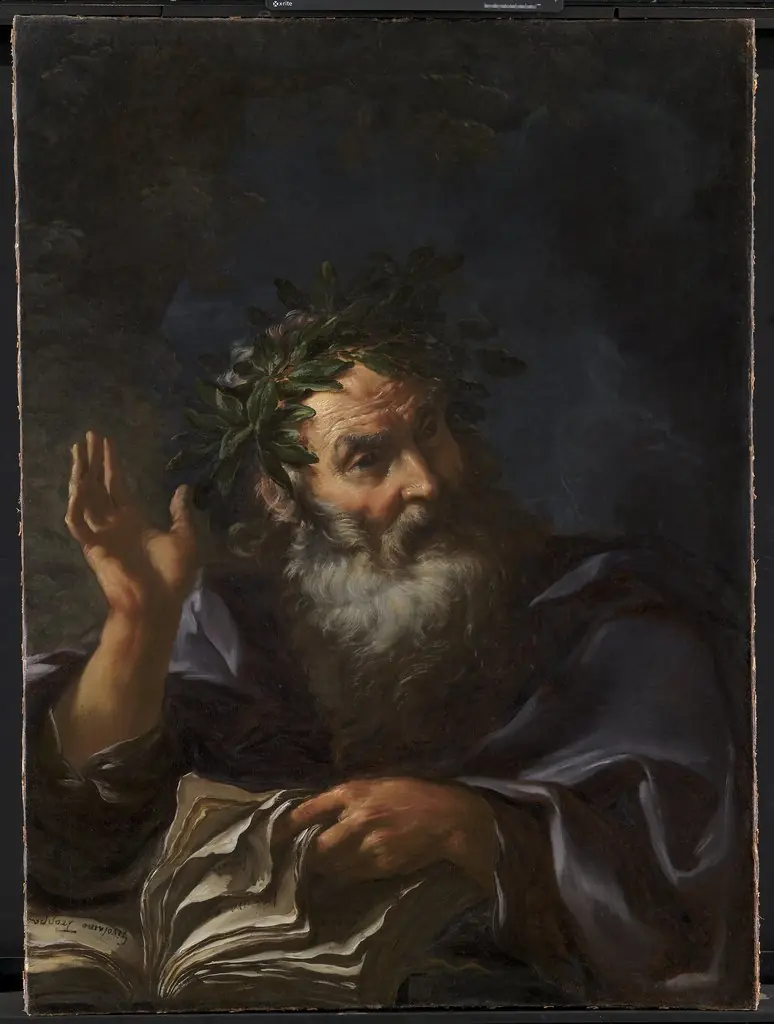
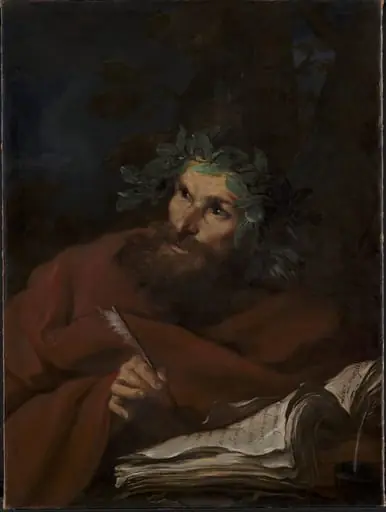
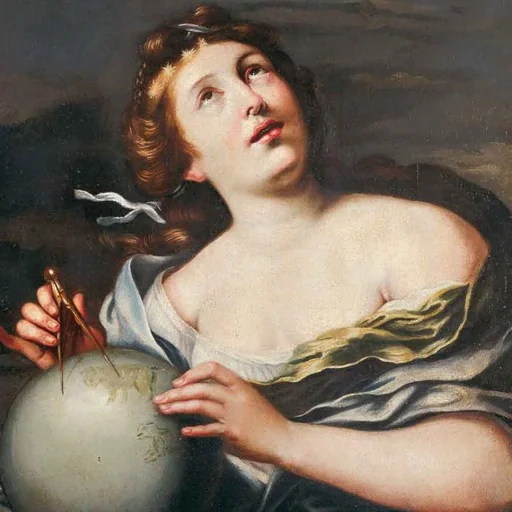
Virgil is an oil painting by Girolamo Troppa. It dates from 1683 and is held in the collection of the Statens Museum for Kunst.
About this work
Overview
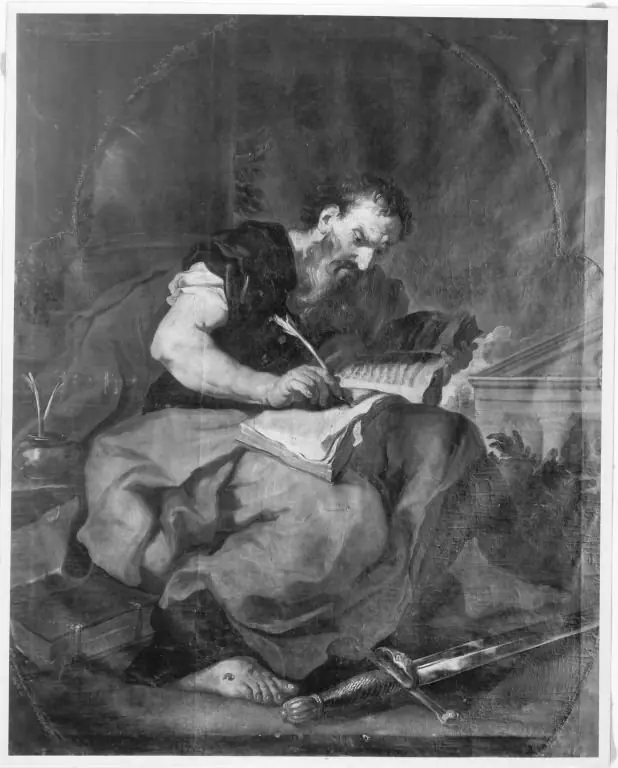
Girolamo Troppa, an Italian painter of the late Baroque period, executed the oil on canvas titled *Virgil* circa 1683. The work is part of the collection of the Statens Museum for Kunst in Copenhagen. Though Troppa is chiefly remembered for religious commissions, this piece illustrates his engagement with classical subjects.
Subject & Meaning
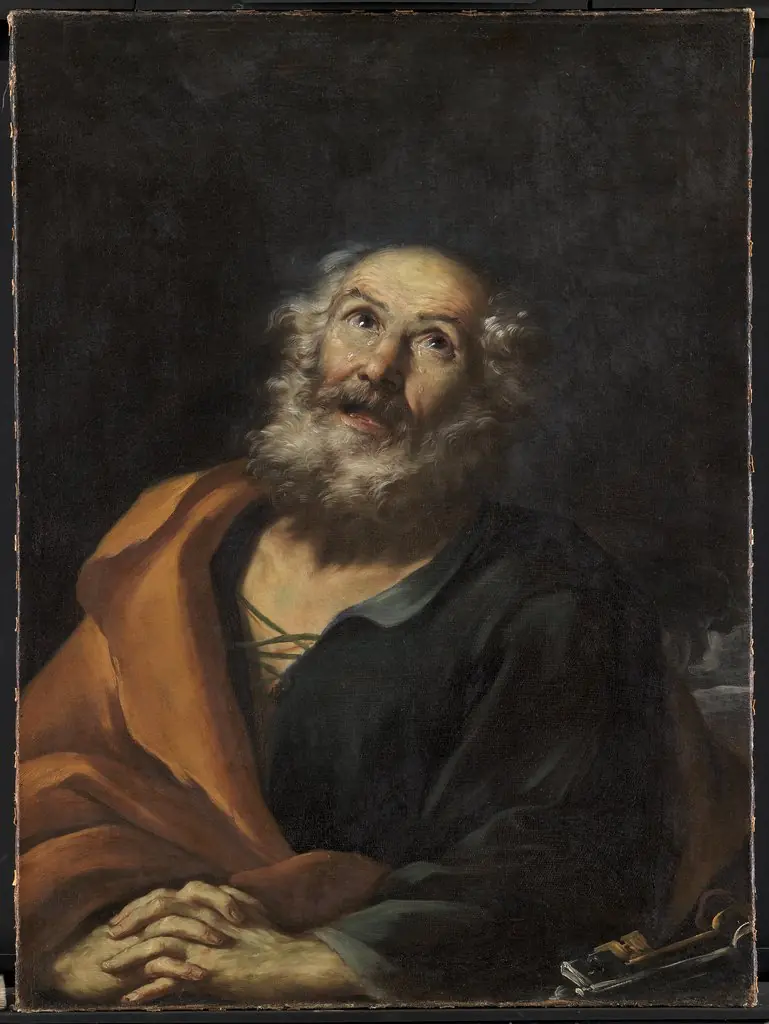
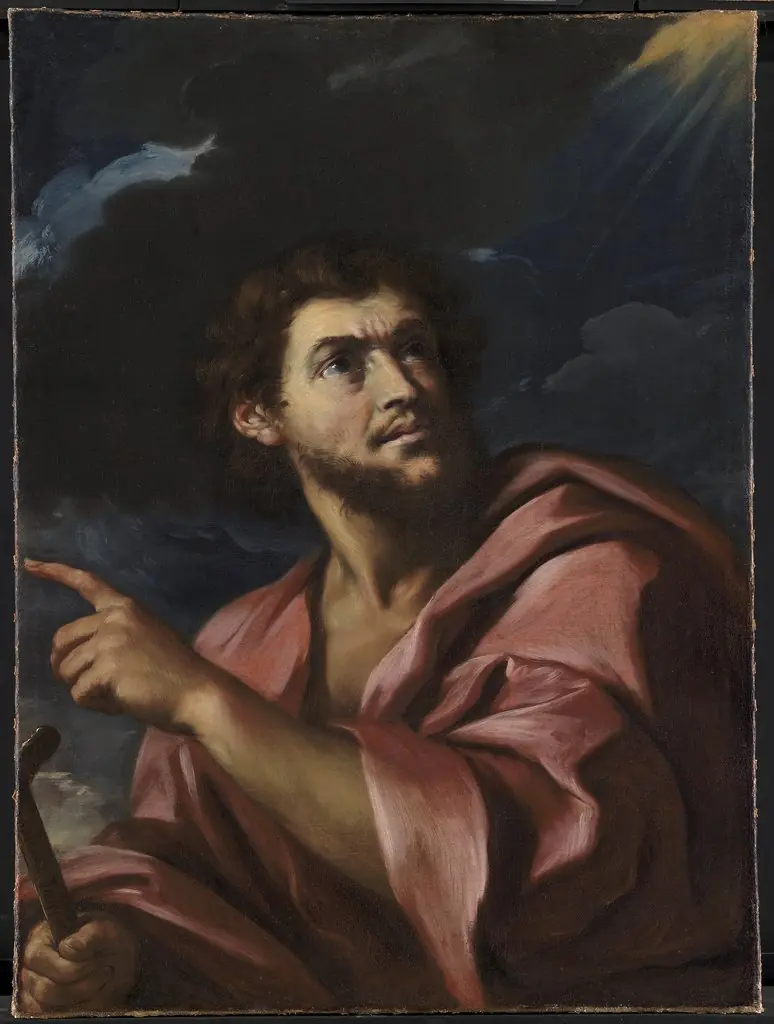
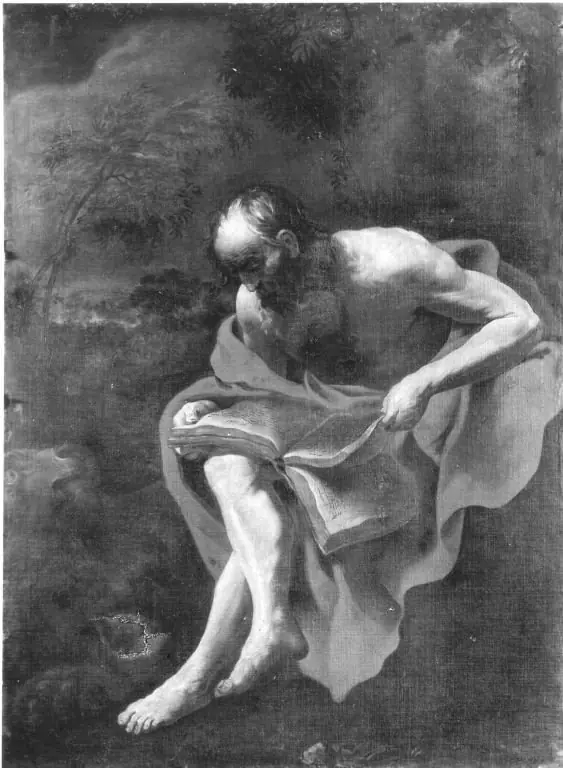
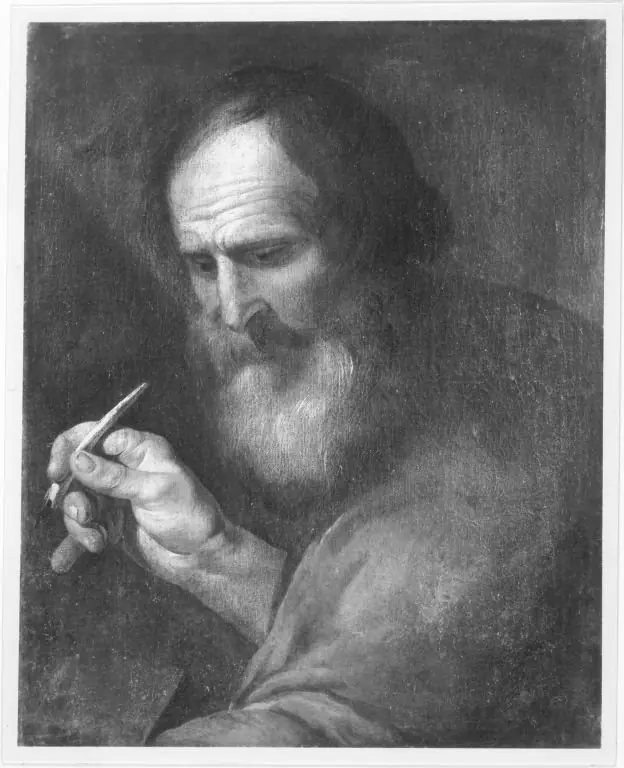
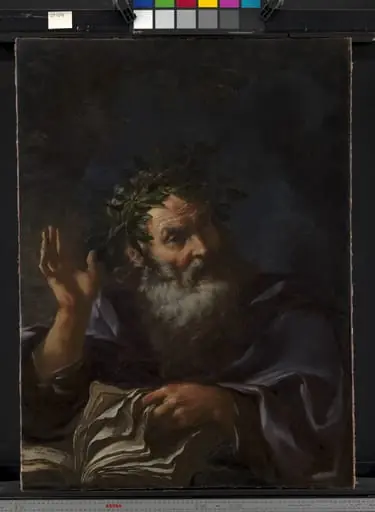
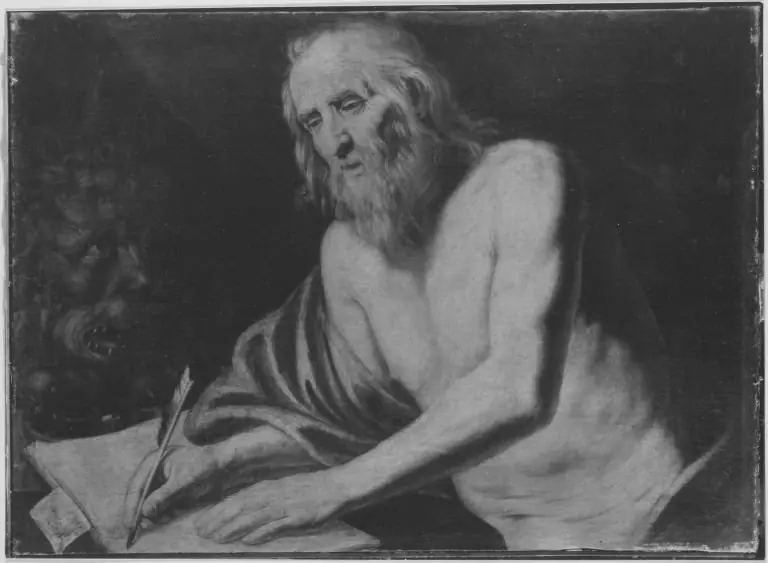
The composition portrays the Roman poet Virgil, identifiable by his long beard, flowing hair, and a laurel wreath crowning his head. He is seated at a table, a feathered pen poised above an open manuscript, suggesting the act of composition. His upward gaze and serene expression convey a moment of reflective thought, perhaps alluding to the poet’s contemplation of his own legacy.
Technique & Style
Troppa employs a pronounced chiaroscuro, allowing a luminous focus on Virgil’s face and hands against a tenebrous backdrop. The contrast heightens the three‑dimensionality of the figure and emphasizes the tactile qualities of the robe and parchment. The painter’s handling of light recalls the classicizing approach of Carlo Maratta, under whose influence Troppa worked.
History & Provenance
Created in Rome around 1683, the painting later entered the holdings of the Statens Museum for Kunst, though the precise path of acquisition remains undocumented. Its presence in a Danish national collection reflects the broader 19th‑century interest in Baroque Italian art among northern European institutions.
Context
During the late 17th century, Italian artists often revisited antiquity, depicting literary figures to align contemporary cultural values with classical ideals. Troppa’s choice of Virgil aligns with this trend, offering a visual homage to the poet whose works were central to the education of the elite and the artistic community alike.
Artist & collection
Artist
Girolamo Troppa (2 October 1636 – October 1711) was an Italian painter of the Baroque period, depicting mainly sacred subjects. A follower of Carlo Maratta, he was active in Rome and Umbria.