Artwork
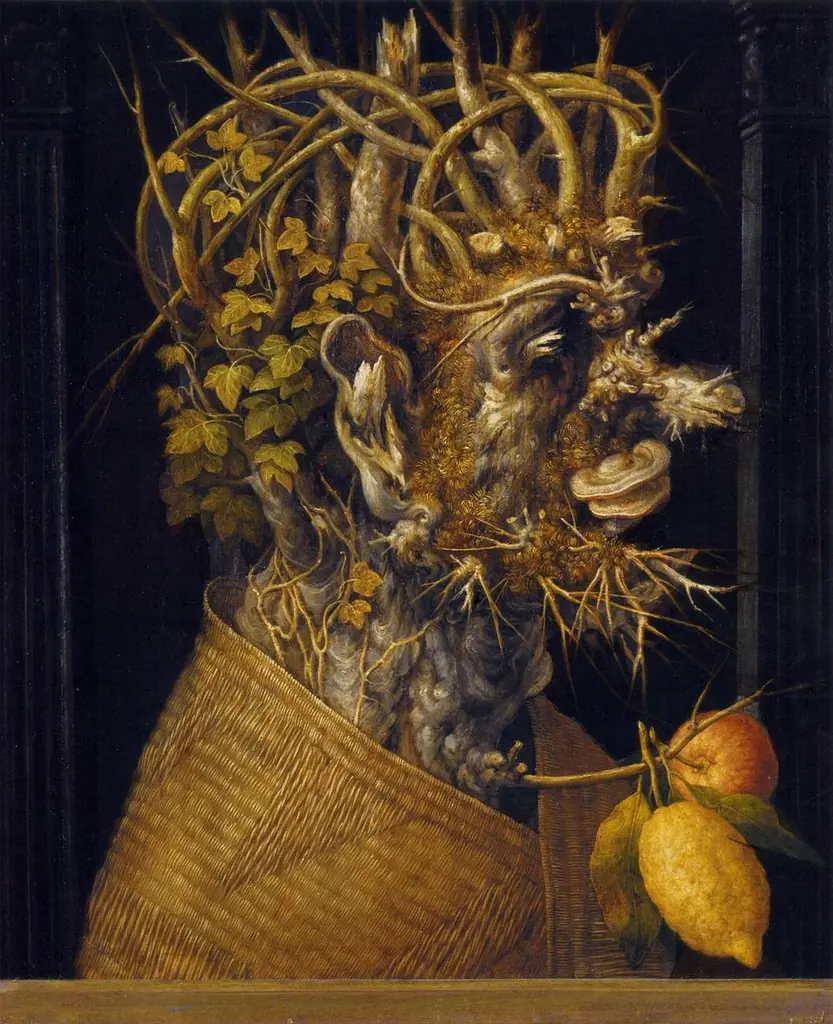
Allegory of Winter
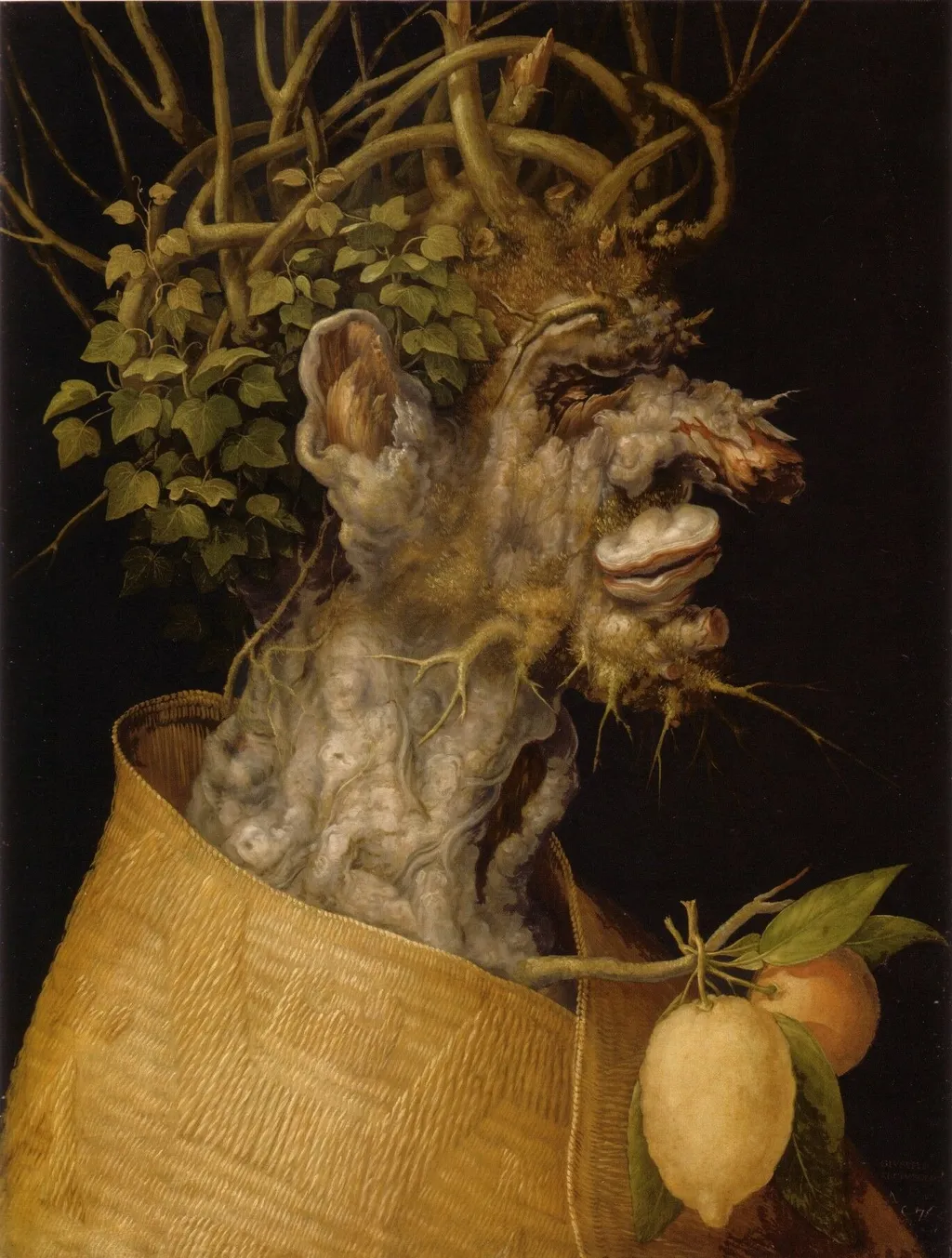
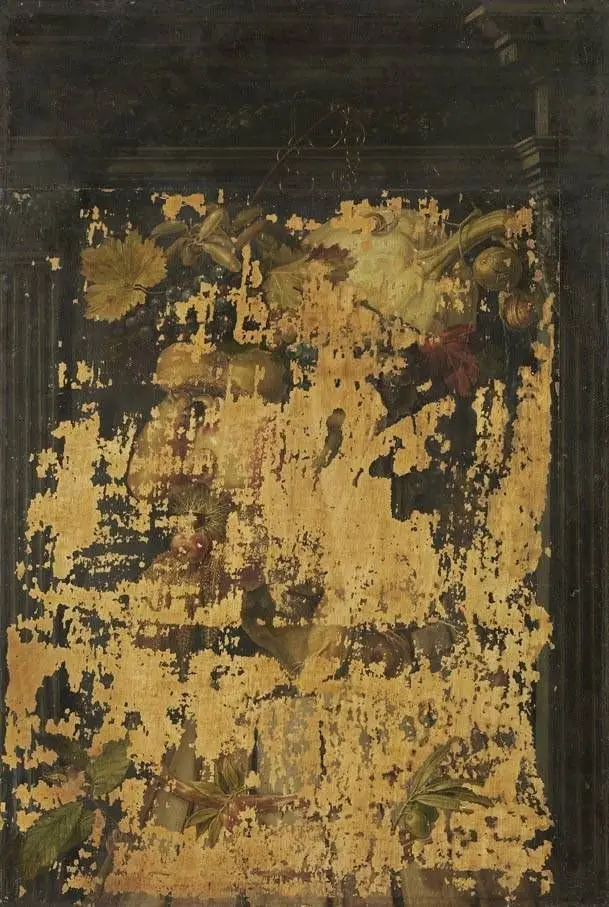
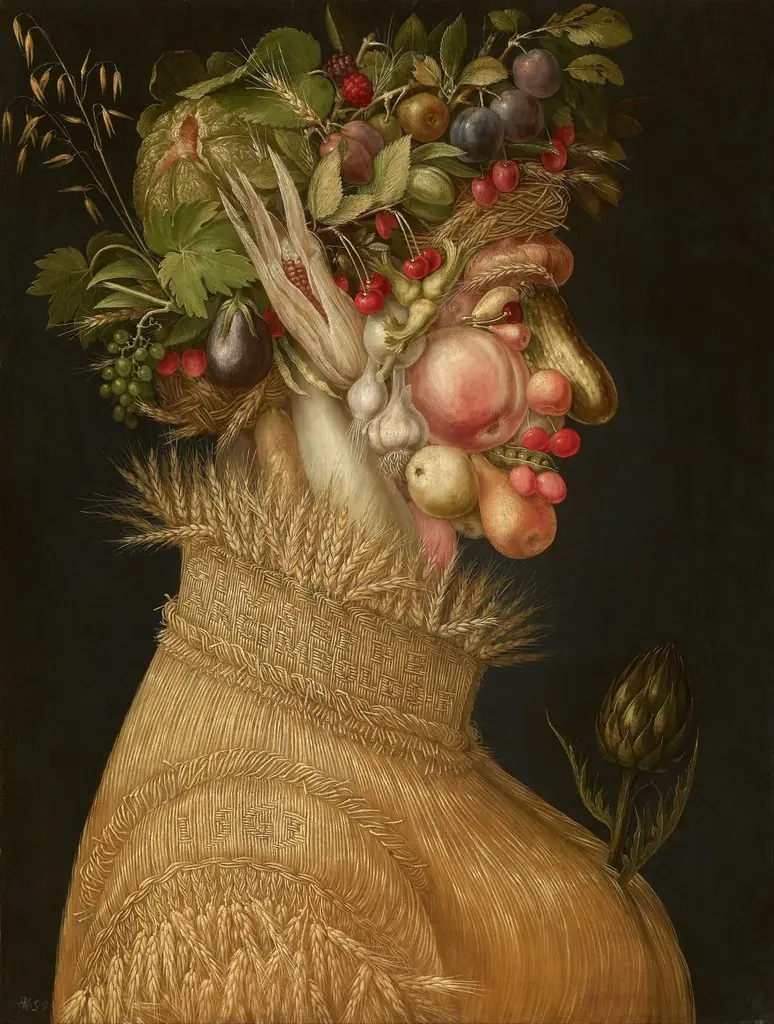
Allegory of Winter is an oil painting by the Mannerist artist Giuseppe Arcimboldo. It dates from 1563 and is held in the collection of the Kunsthistorisches Museum.
About this work
Overview
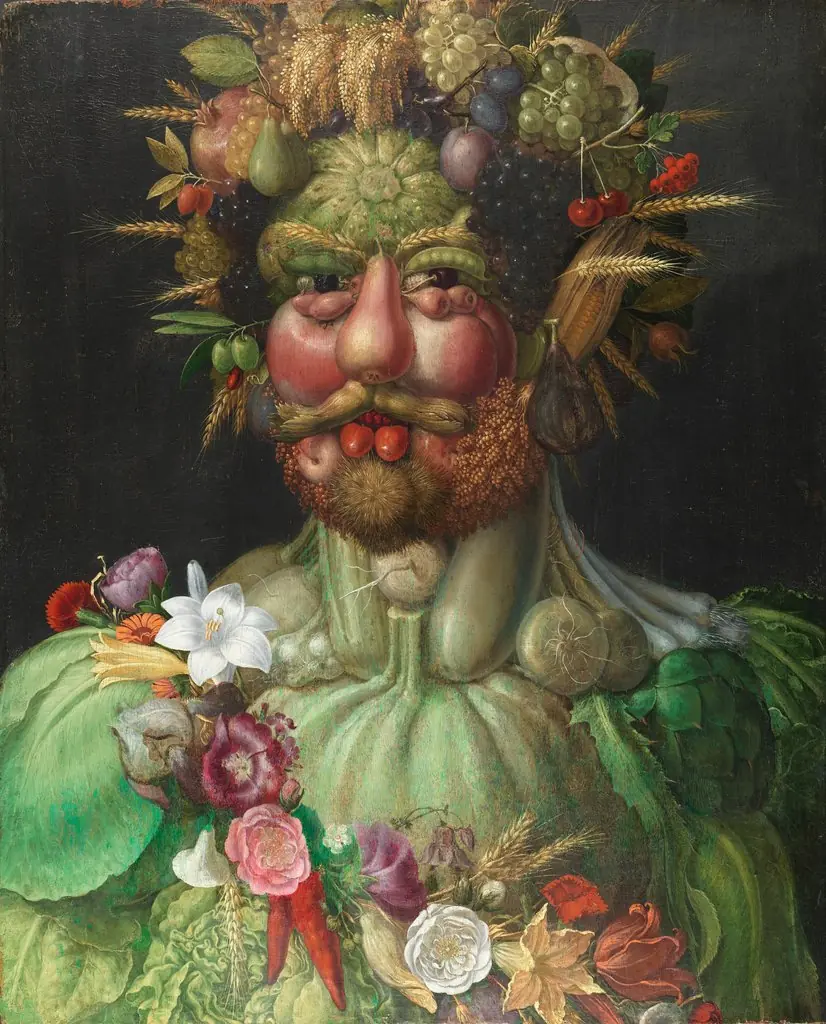
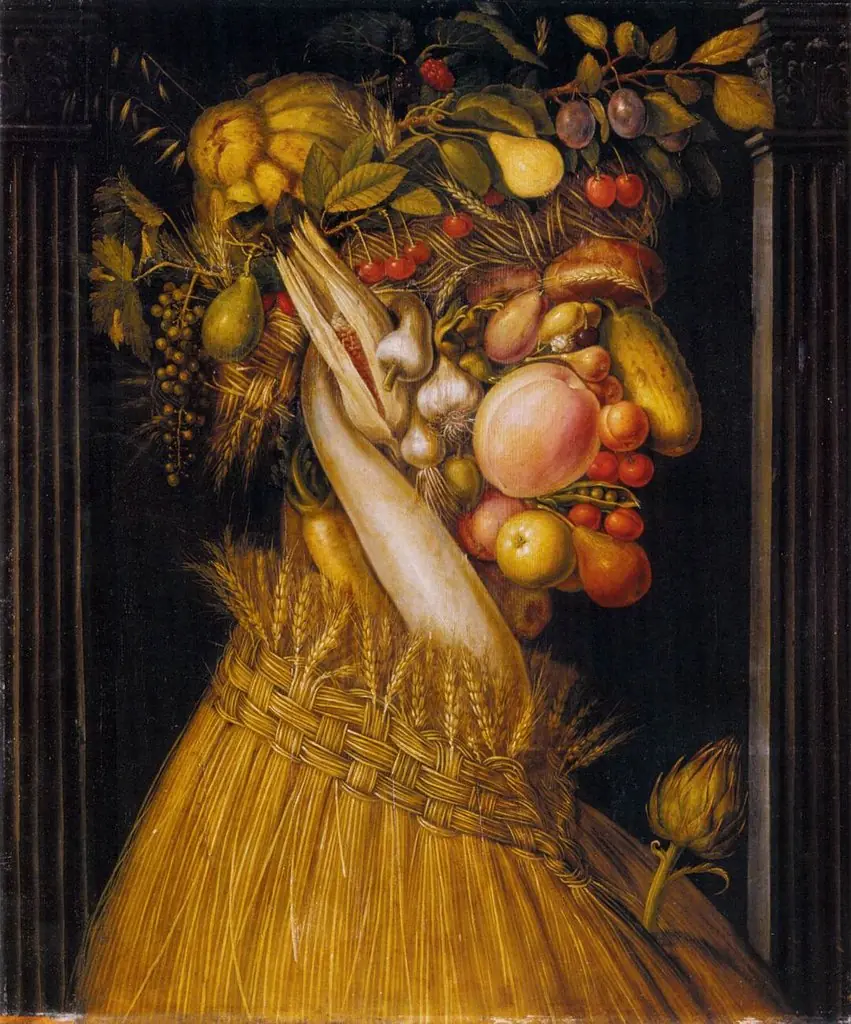
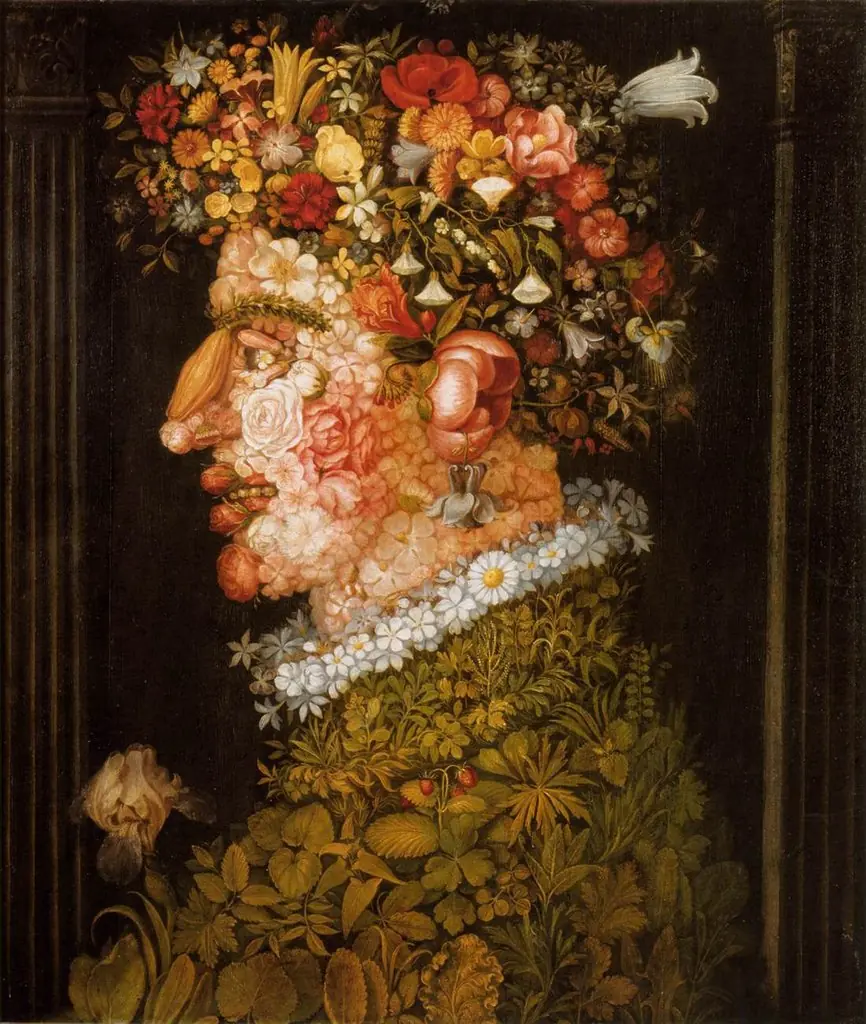
The work is part of a series in which the artist constructs allegorical figures from still‑life objects.
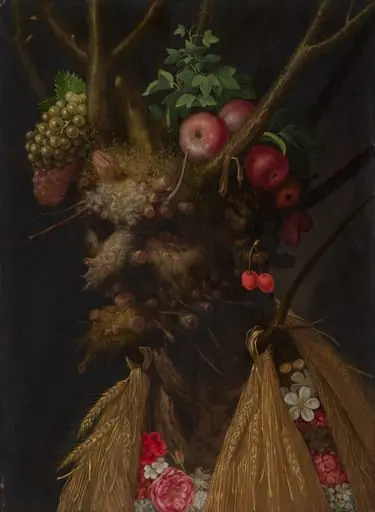
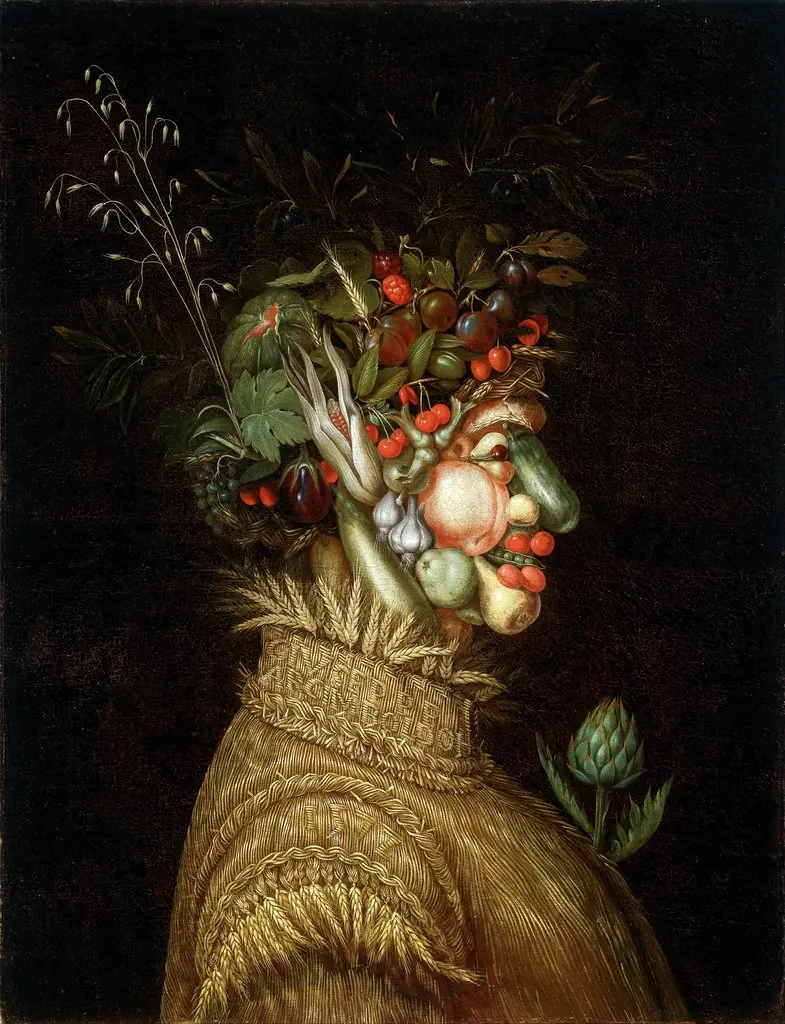
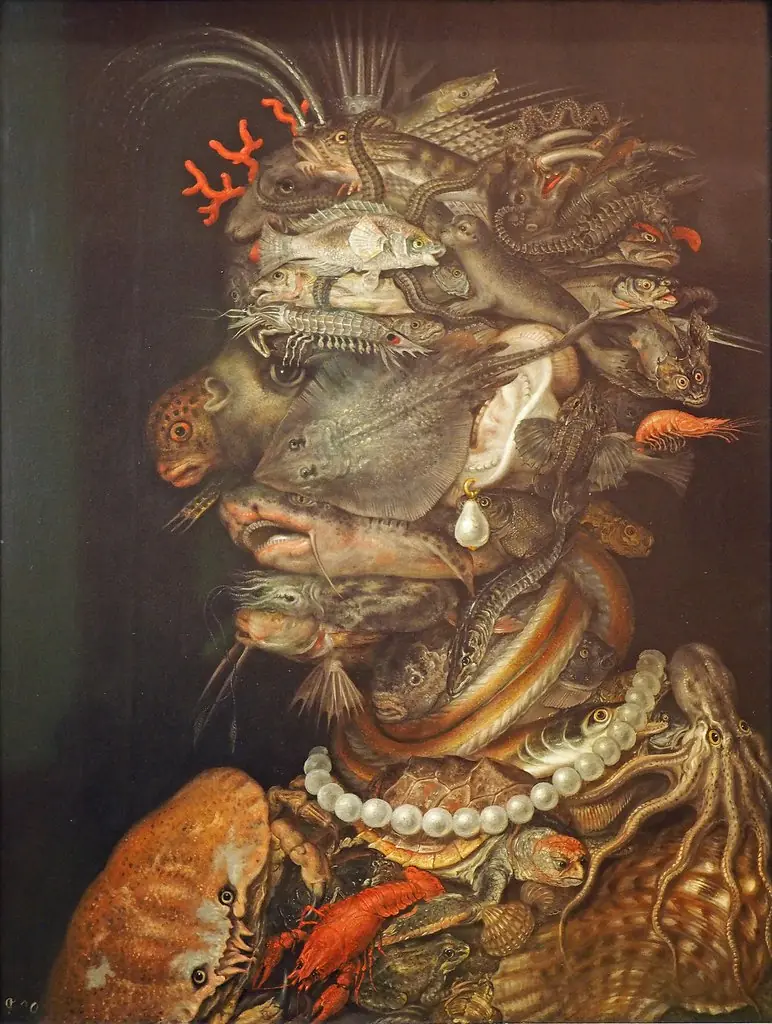
Giuseppe Arcimboldo’s *Allegory of Winter* (1563) is an oil on canvas created in the Mannerist period. The composition presents a human head formed entirely from elements associated with the cold season—bare twigs, gnarled roots, dried leaves and modest fruits—arranged to suggest facial features. The work is part of a series in which the artist constructs allegorical figures from still‑life objects.
Subject & Meaning
The portrait functions as a visual metaphor for winter, using the starkness of leafless branches and the texture of wool and fur to evoke the season’s barrenness. By assembling these natural fragments into a recognizable visage, Arcimboldo invites viewers to contemplate the relationship between humanity and the cyclical changes of nature, while also employing a subtle humor in the transformation of mundane items into a face.
Technique & Style
Arcimboldo employs a meticulous still‑life technique, rendering each component with careful attention to texture and light. The Mannerist sensibility appears in the exaggerated proportions and the playful distortion of form, while the seamless integration of disparate objects demonstrates his skill in illusionistic composition. The palette is muted, emphasizing the earthy tones of bark, wool and dried foliage.
History & Provenance
Created while Arcimboldo served as court painter to the Holy Roman Emperors Ferdinand I, Maximilian II and Rudolf II, the painting was likely intended for a princely collection. It entered the holdings of the Kunsthistorisches Museum in Vienna, where it remains part of the museum’s permanent collection, representing the artist’s innovative approach to portraiture.
Context
Arcimboldo’s composite portraits belong to a broader Mannerist fascination with riddles, symbolism and the subversion of classical portrait conventions. The *Allegory of Winter* reflects the 16th‑century courtly interest in allegorical representation and the intellectual games popular among the Habsburg elite, who prized artworks that combined erudition with visual wit.
Own this work as a print
Artist & collection
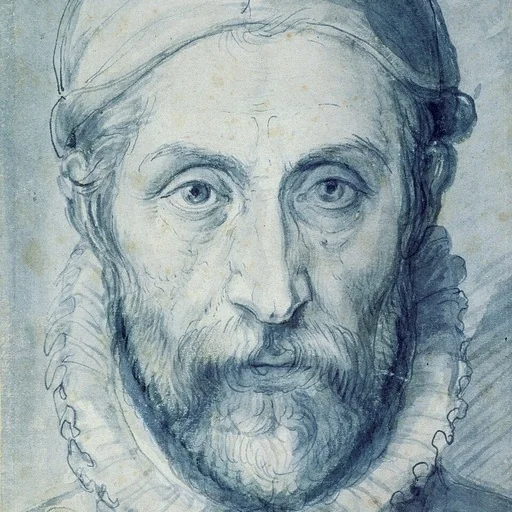
Artist
Giuseppe Arcimboldo, also spelled Arcimboldi (Italian: ; 5 April 1527 – 11 July 1593), was an Italian Mannerist painter best known for creating imaginative portrait heads made entirely of objects such as fruits, vegetables, flowers, fish…