Artwork
Rudolf II of Habsurg as Vertumnus
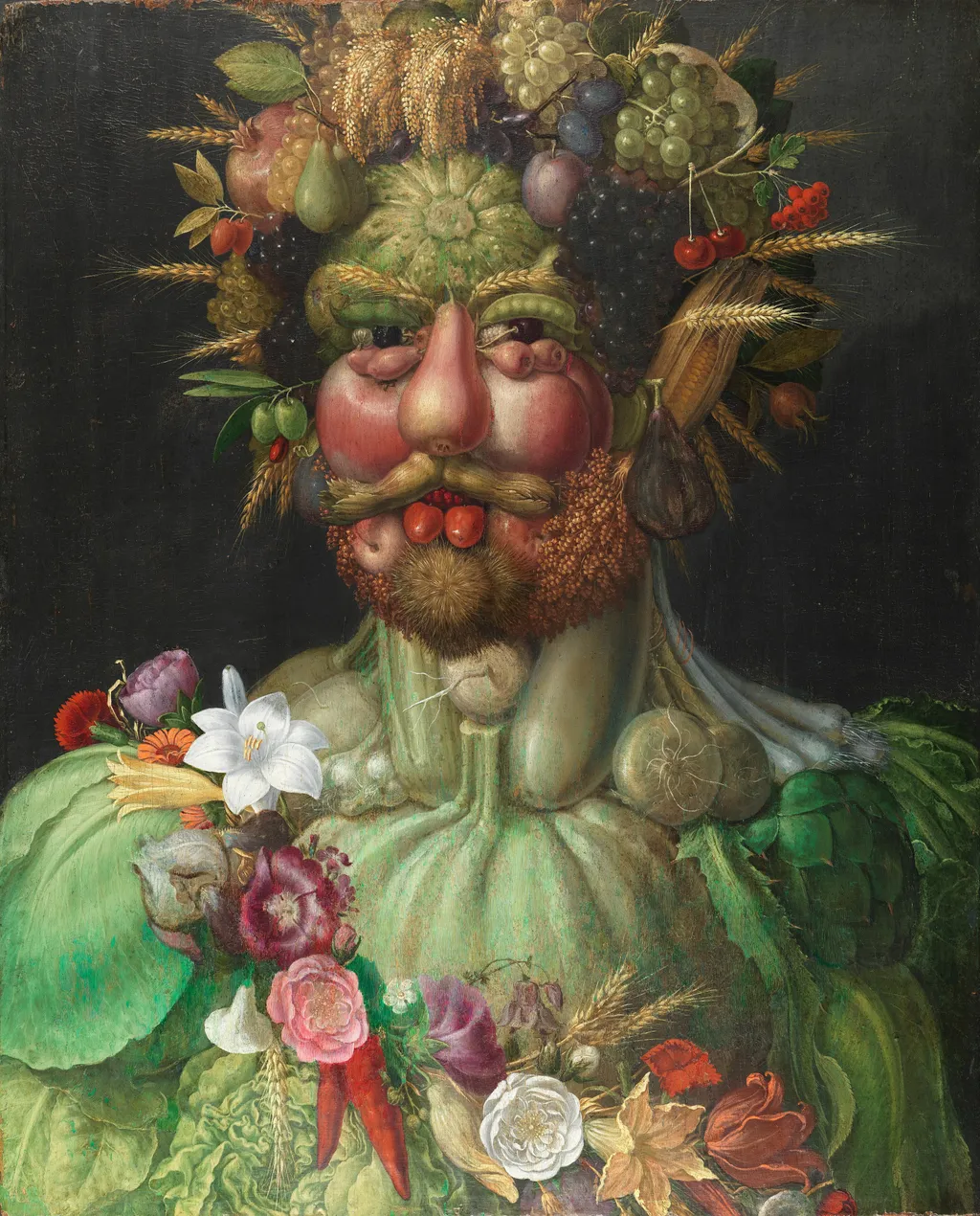
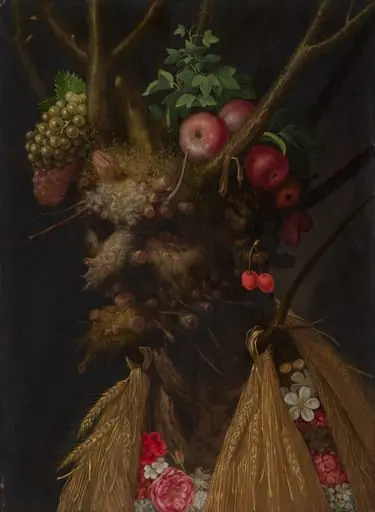
Rudolf II of Habsurg as Vertumnus is an oil painting by the Mannerist artist Giuseppe Arcimboldo. It is held in the collection of the Palace of Versailles.
About this work
He also linked the subject to the Roman god Vertumnus, who could change shape.
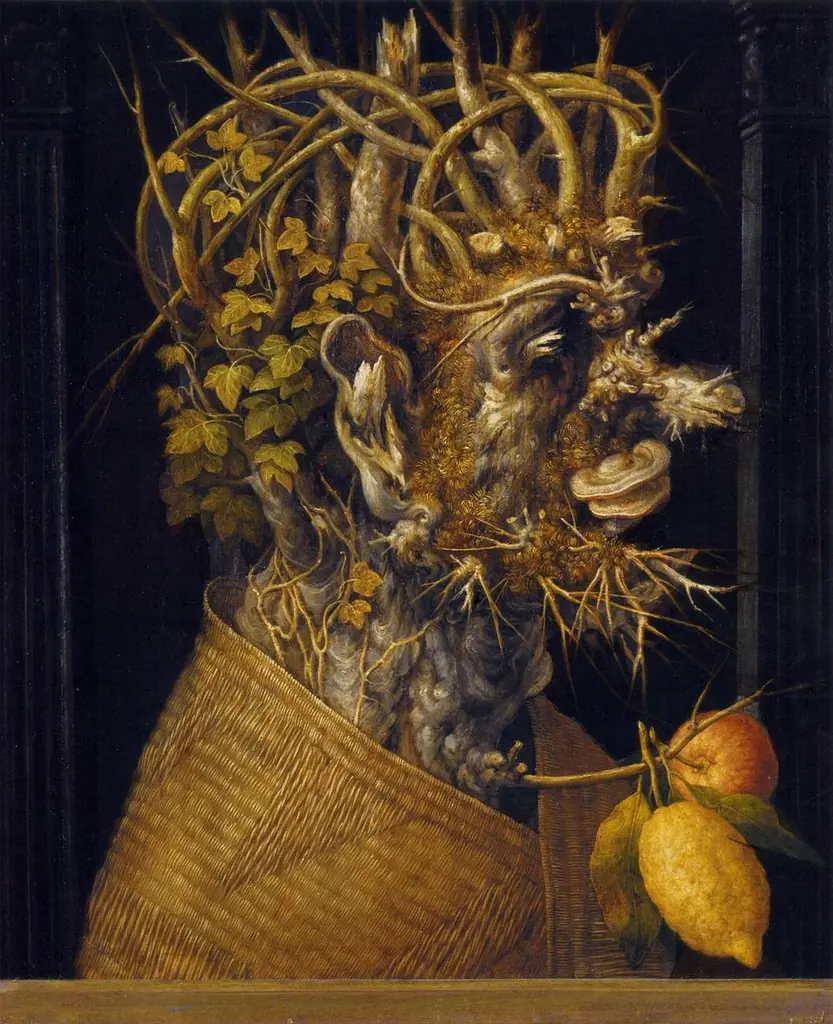
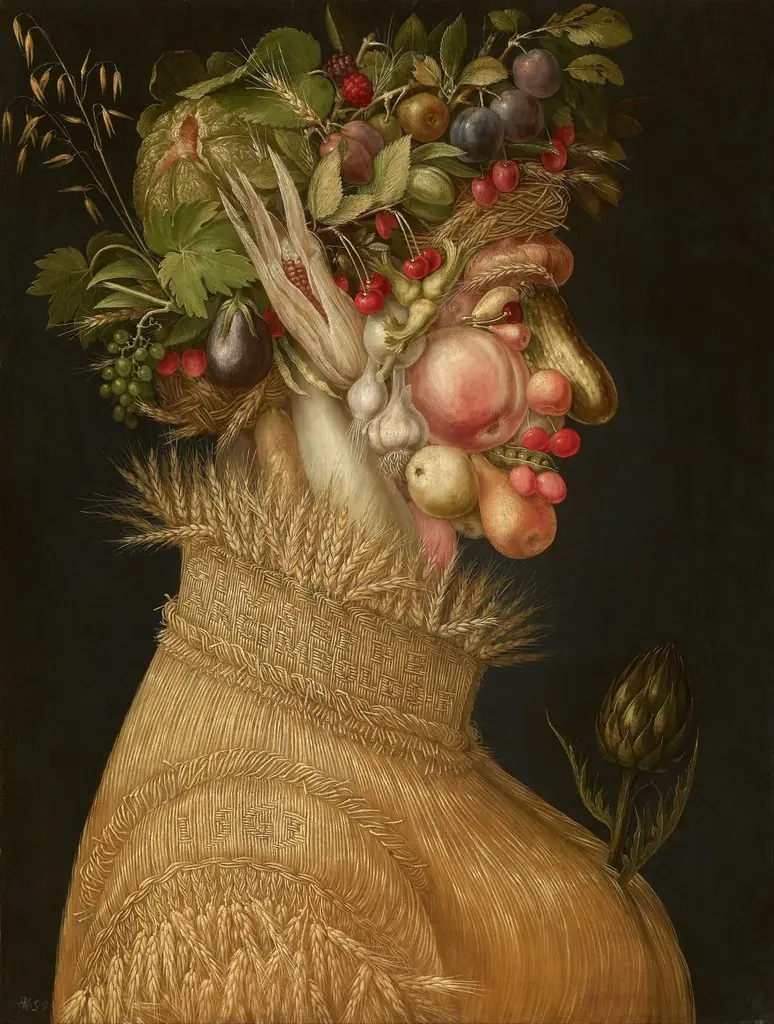
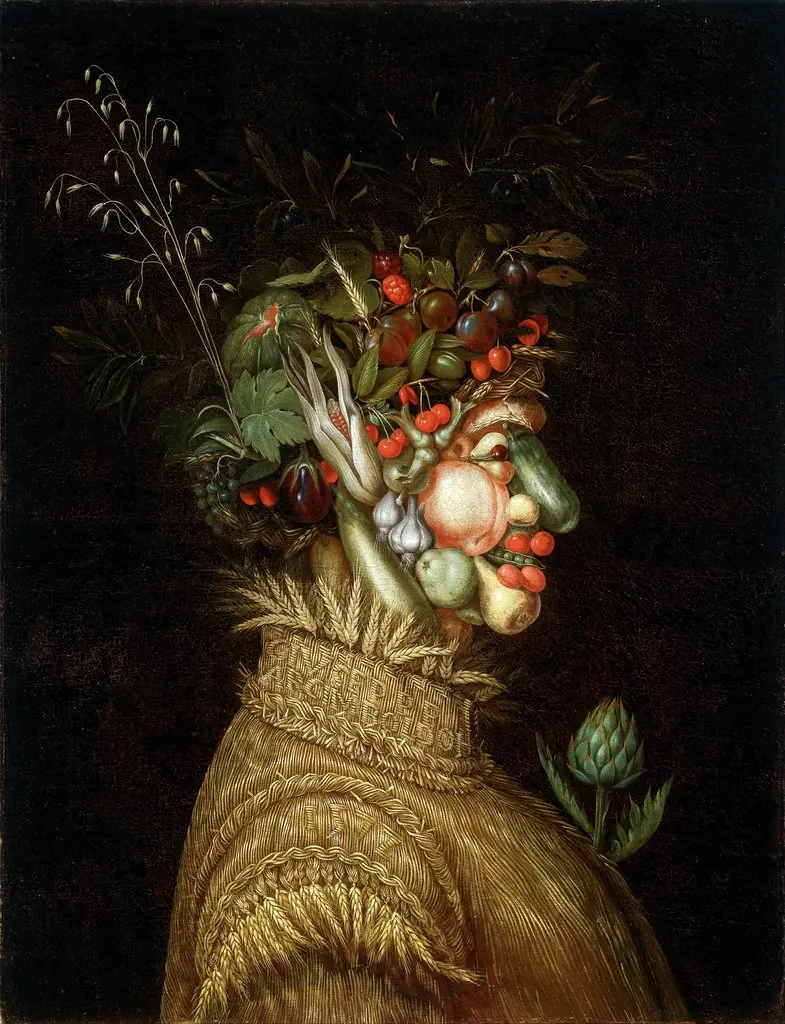
Giuseppe Arcimboldo painted Rudolf II of Habsurg as Vertumnus in 1591. It’s a portrait made entirely of fruits, vegetables and flowers. The work was meant to flatter the Holy Roman Emperor.
Arcimboldo’s colleagues called it a joke, or scherzo. But the artist packed in hidden meanings through his careful choice of items. He also linked the subject to the Roman god Vertumnus, who could change shape.
This kind of face made of things is called an Arcimboldo. Look up his other paintings.
Overview
Giuseppe Arcimboldo’s 1591 oil on canvas presents Holy Roman Emperor Rudolf II as the shape‑shifting deity Vertumnus. The portrait is assembled entirely from a dense array of fruits, vegetables and flowers, each rendered with meticulous detail to form the emperor’s facial features and headdress.
Subject & Meaning
Beyond its visual novelty, the work serves as a political homage. By selecting specific produce—such as grapes, figs and lilies—Arcimboldo alludes to virtues and imperial symbols associated with Rudolf II, while the transformation motif references Vertumnus, the Roman god of seasonal change, suggesting the ruler’s adaptability and beneficence.
Technique & Style
Arcimboldo employs a composite portrait technique, arranging natural elements so that their colors, textures and forms coalesce into a recognizable likeness. The painting exemplifies the Mannerist fascination with illusion and intellectual play, using precise chiaroscuro to model each component and integrate them into a cohesive whole.
History & Provenance
Created for the Habsburg court, the portrait was intended as a flattering tribute to the emperor’s patronage of the arts. Contemporary colleagues described the piece as a scherzo—a humorous jest—though its layered symbolism indicates a deliberate, courtly intent. The work remains in a European collection, reflecting its continued relevance to studies of Renaissance portraiture.
Own this work as a print
Artist & collection
Artist
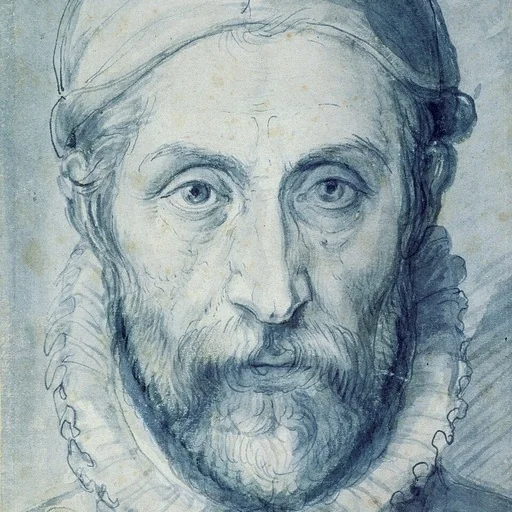
Giuseppe Arcimboldo, also spelled Arcimboldi (Italian: ; 5 April 1527 – 11 July 1593), was an Italian Mannerist painter best known for creating imaginative portrait heads made entirely of objects such as fruits, vegetables, flowers, fish…