Artwork
Allegory of Autumn
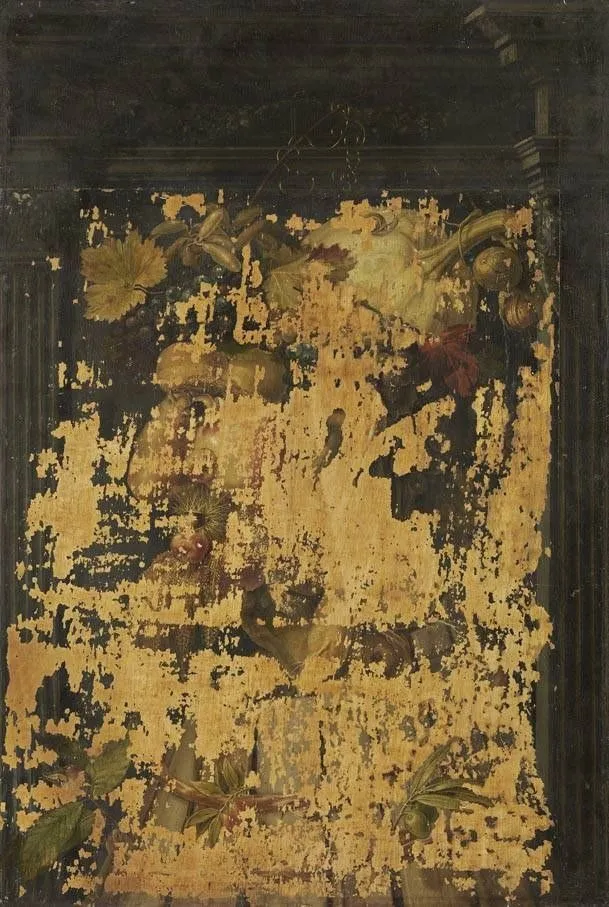
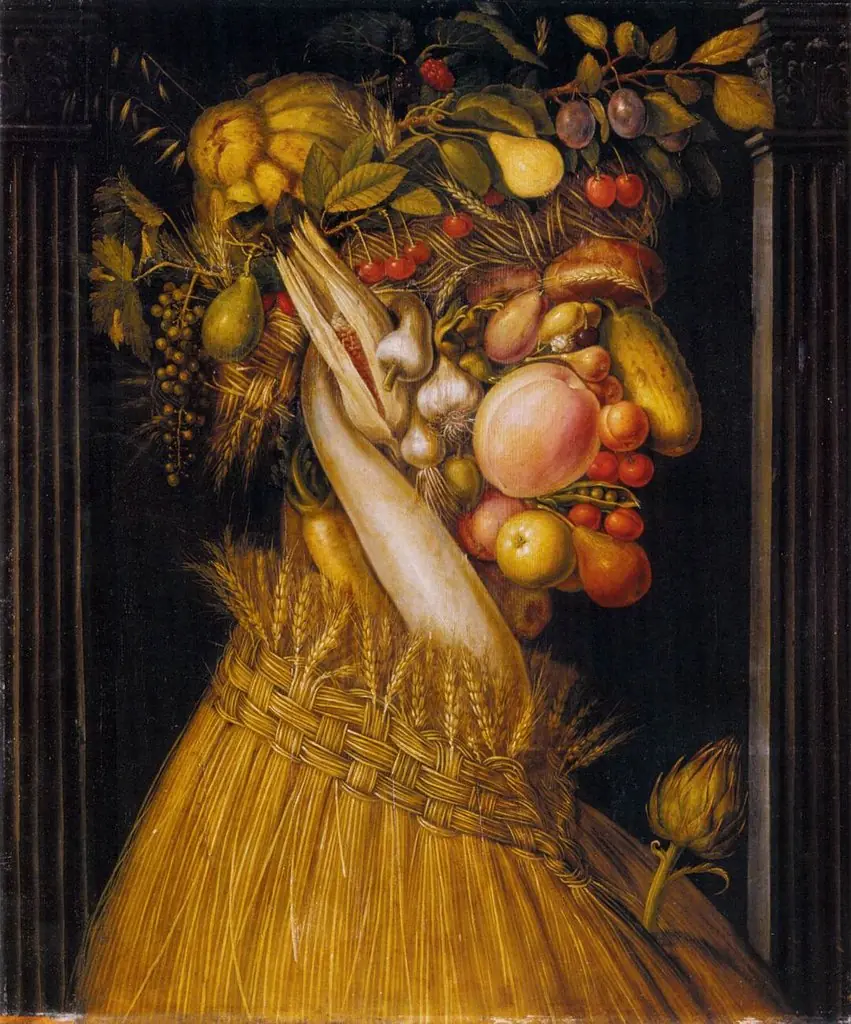
Allegory of Autumn is an unspecified painting by the Mannerist artist Giuseppe Arcimboldo. It dates from 1561 and is held in the collection of the Bavarian State Painting Collections.
About this work
Overview
Allegory of Autumn is a 1561 painting by Giuseppe Arcimboldo, a court painter to the Holy Roman Emperors. It is a representative example of his unique style, which combines natural elements to form a human likeness.
Subject & Meaning
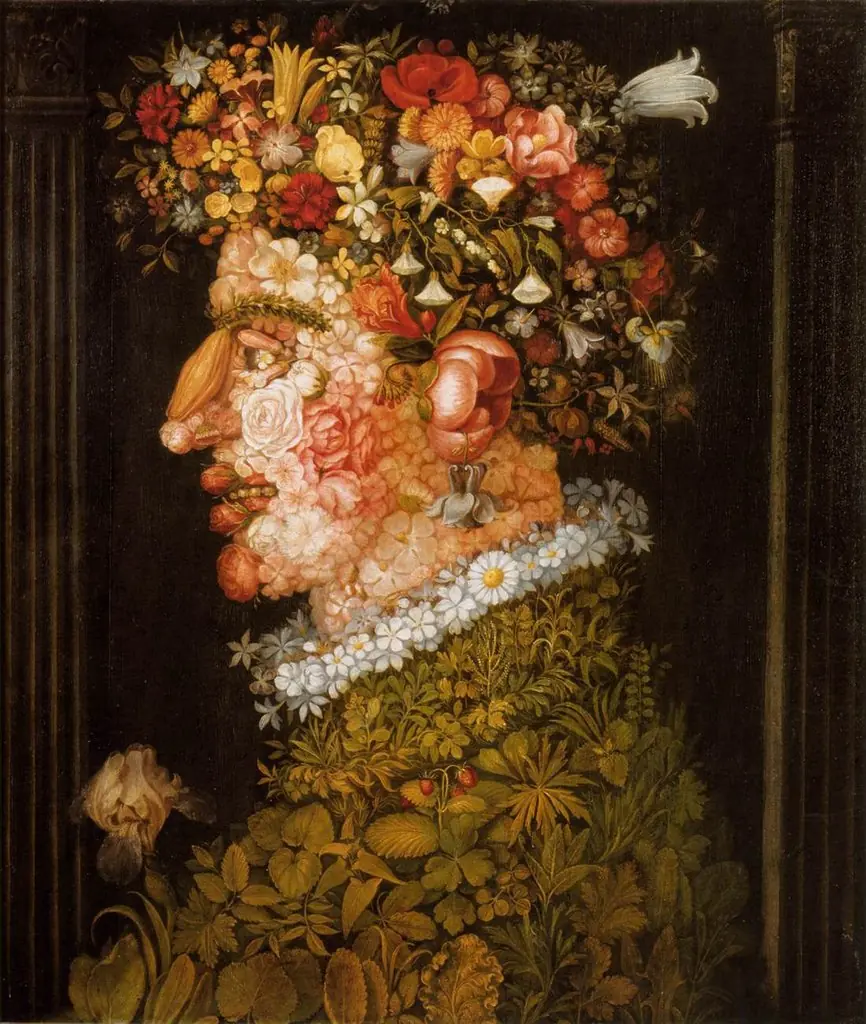
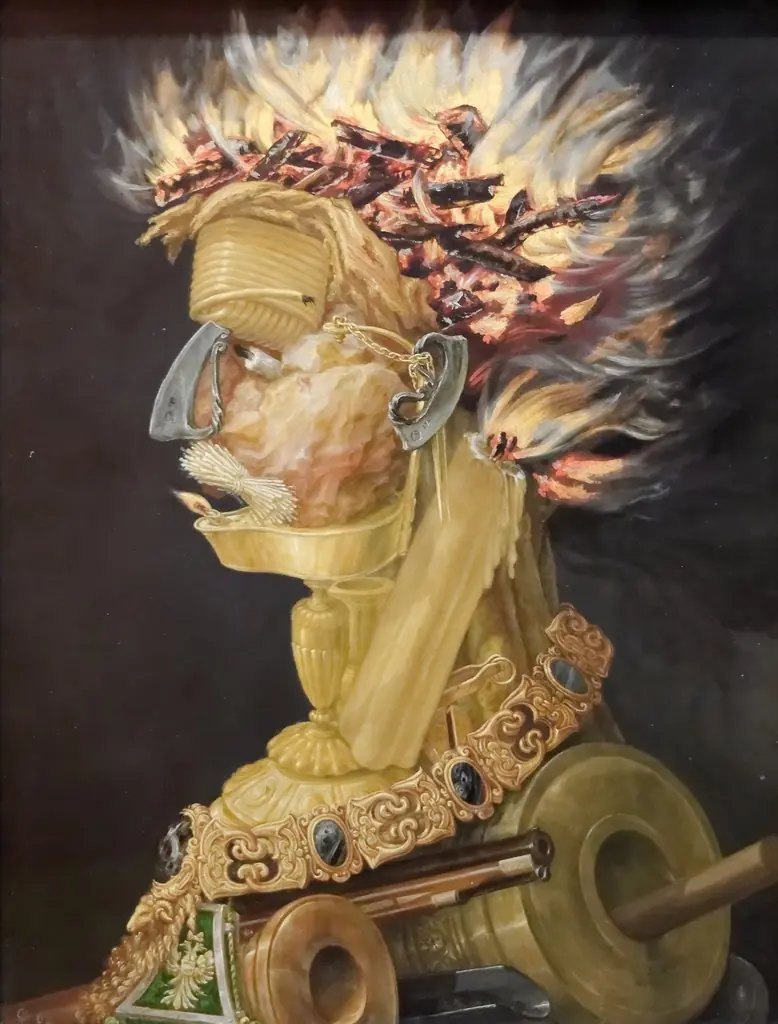
The painting depicts a face composed of autumnal elements, including fruits, vegetables, and foliage. The arrangement of these objects creates a symbolic representation, with the various components possibly alluding to the season's bounty and the cycle of nature.
Technique & Style
Arcimboldo's technique involves arranging real objects to form a cohesive image, resulting in a puzzle-like composition. The use of autumnal elements to create a human face exemplifies his distinctive Mannerist style, characterized by creative and unconventional representation.
History & Provenance
The painting is part of the Alte Pinakothek collection. Arcimboldo served as a court painter to Ferdinand I, Maximilian II, and Rudolf II, and his work includes not only allegorical compositions but also religious works and studies of animals.
Artist & collection
Artist
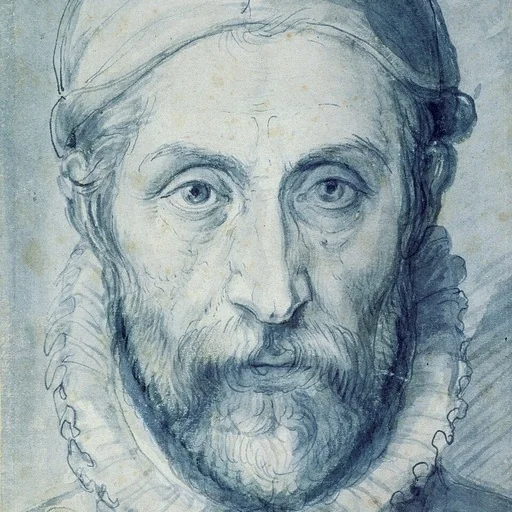
Giuseppe Arcimboldo, also spelled Arcimboldi (Italian: ; 5 April 1527 – 11 July 1593), was an Italian Mannerist painter best known for creating imaginative portrait heads made entirely of objects such as fruits, vegetables, flowers, fish…

 Pulcinello/Pulcinella
 Profane paintings from Sigena: Courtly and battle scenes
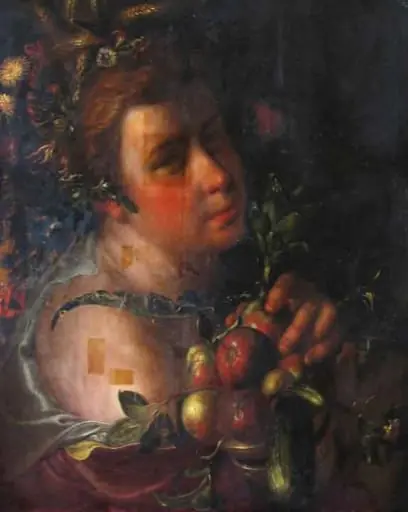 Ceres
Ceres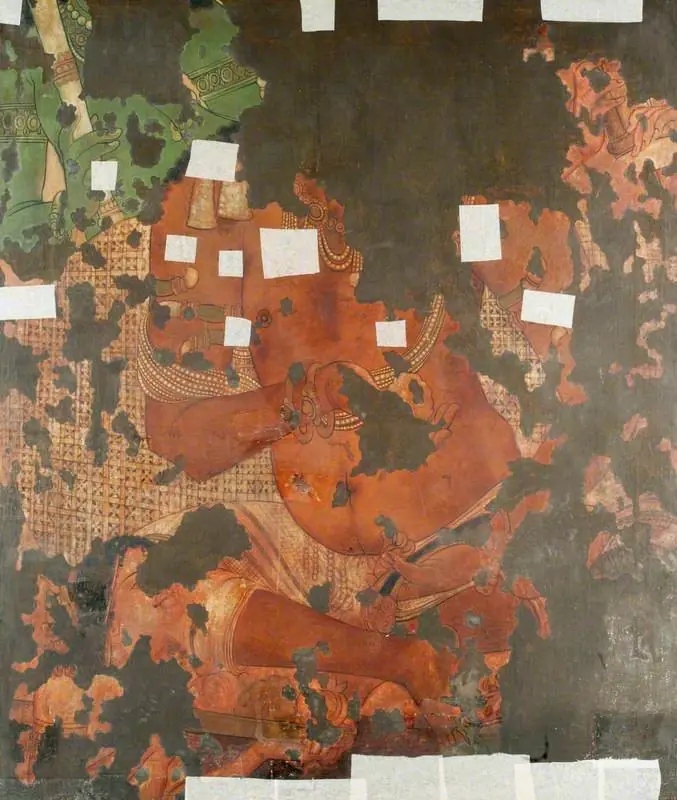 Copy of Painting inside the Caves of Ajanta (cave 16)
 Gendarme
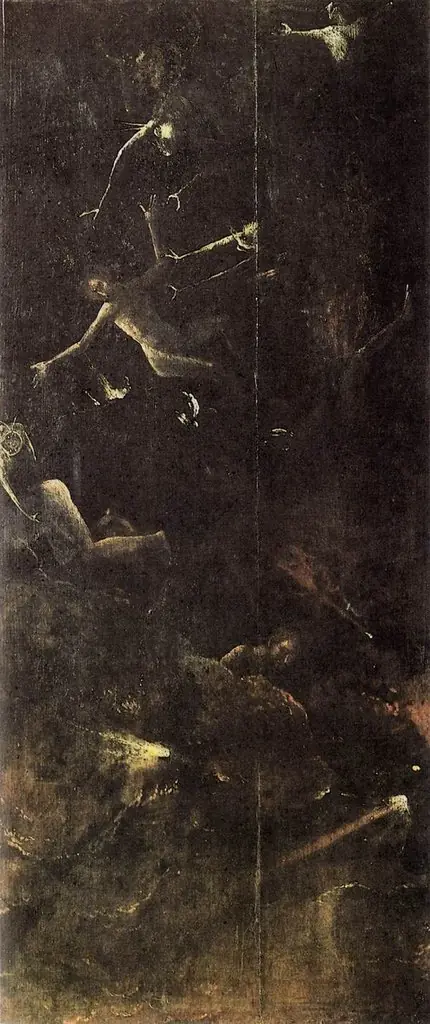 Visions of the Hereafter: Fall of the Damned into Hell
 ODIHNA MICILOR LĂUTARI
 Statue of Apollo with Flowers
 Vase with Flowers (chimney board)
 Henri IV, L'épaulière gauche
 Old man
 Salvator Mundi in a niche surrounded by flower garlands