Artwork
Christ and the Samaritan Woman
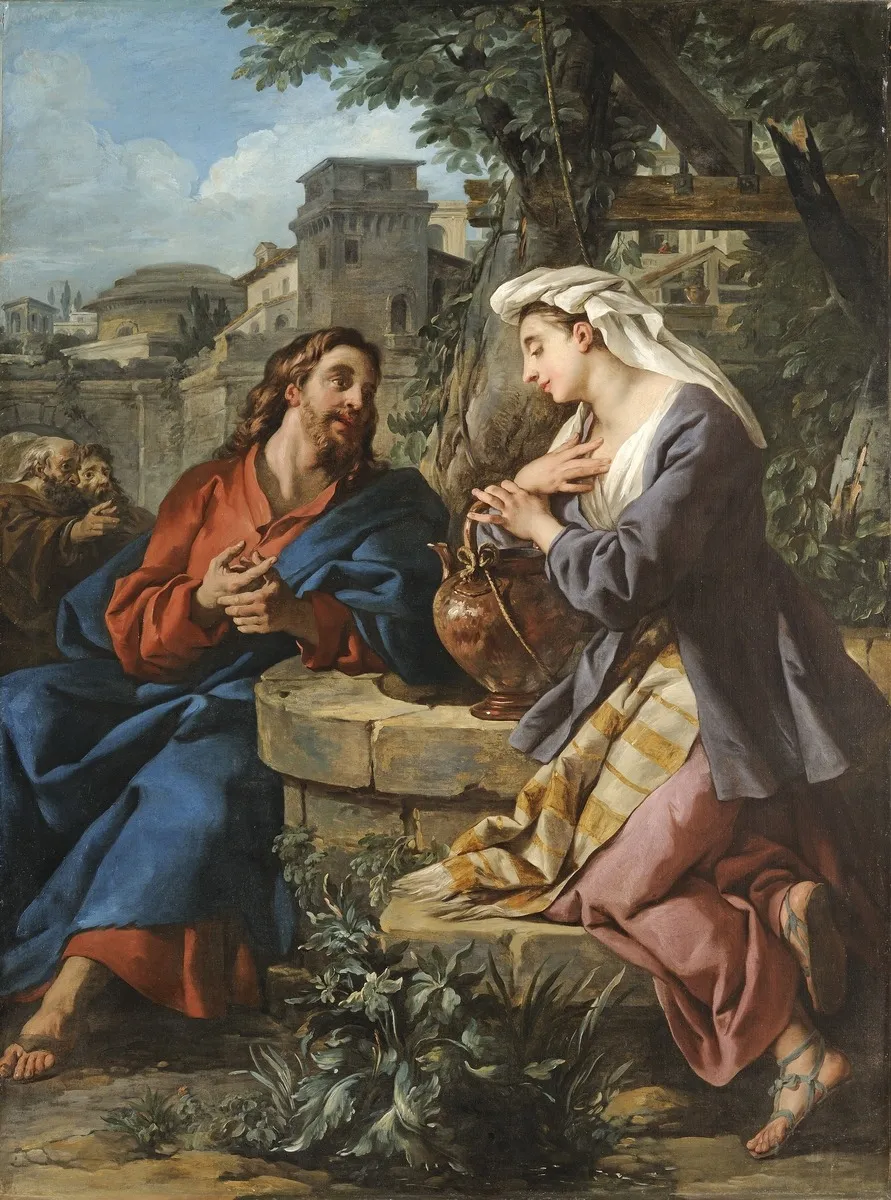
Christ and the Samaritan Woman is an oil painting by the Rococo painting artist Jean-François de Troy. It dates from 1742 and is held in the collection of the Museum of Fine Arts of Lyon.
About this work
It belongs to a set of six paintings that also includes The Death of Lucretia and The Judgement of Solomon.
Christ and the Samaritan Woman is an oil painting made in 1742 by Jean-François de Troy. It shows the biblical meeting of Jesus Christ and the Samaritan woman at the well.
Archbishop Pierre Guérin de Tencin ordered this work for his palace in Lyon. It belongs to a set of six paintings that also includes The Death of Lucretia and The Judgement of Solomon. The other pieces show stories like The Death of Cleopatra and The Woman Caught in Adultery.
Check out the Museum of Fine Arts of Lyon for more.
Overview
Christ and the Samaritan Woman is a 1742 oil painting by Jean-François de Troy, depicting a pivotal biblical encounter. Commissioned by Archbishop Pierre Guérin de Tencin for his Lyon palace, it is one of six works by the artist for this patron, exploring themes of morality and judgment.
Subject & Meaning
The painting illustrates the New Testament scene (John 4:1-42) where Jesus Christ meets a Samaritan woman at a well, engaging in a conversation of spiritual significance. This episode conveys themes of tolerance, faith, and the inclusivity of Christ’s message.
Technique & Style
Executed in oil paint, the work showcases de Troy’s mastery of the medium, characteristic of 18th-century French art. While specific stylistic details of this piece are not highlighted in available information, de Troy was known for his vivid compositions and attention to detail, likely evident in this work.
History & Provenance
Commissioned in 1742 for Archbishop Pierre Guérin de Tencin’s archepiscopal palace in Lyon, the painting later entered the collection of the Museum of Fine Arts of Lyon, where it is currently housed.
Context
Part of a series including The Death of Lucretia, The Judgement of Solomon, and The Woman Caught in Adultery, this painting reflects the Archbishop’s interest in artworks exploring moral dilemmas and biblical/judicial themes of the time.
Legacy
As part of de Troy’s oeuvre and the Lyon museum’s collection, Christ and the Samaritan Woman contributes to the broader understanding of 18th-century French religious art and the artistic interpretation of biblical narratives during this period.
Artist & collection

Artist
Jean-François de Troy (27 January 1679, Paris – 26 January 1752, Rome) was a French Rococo easel and fresco painter, draughtsman and tapestry designer.


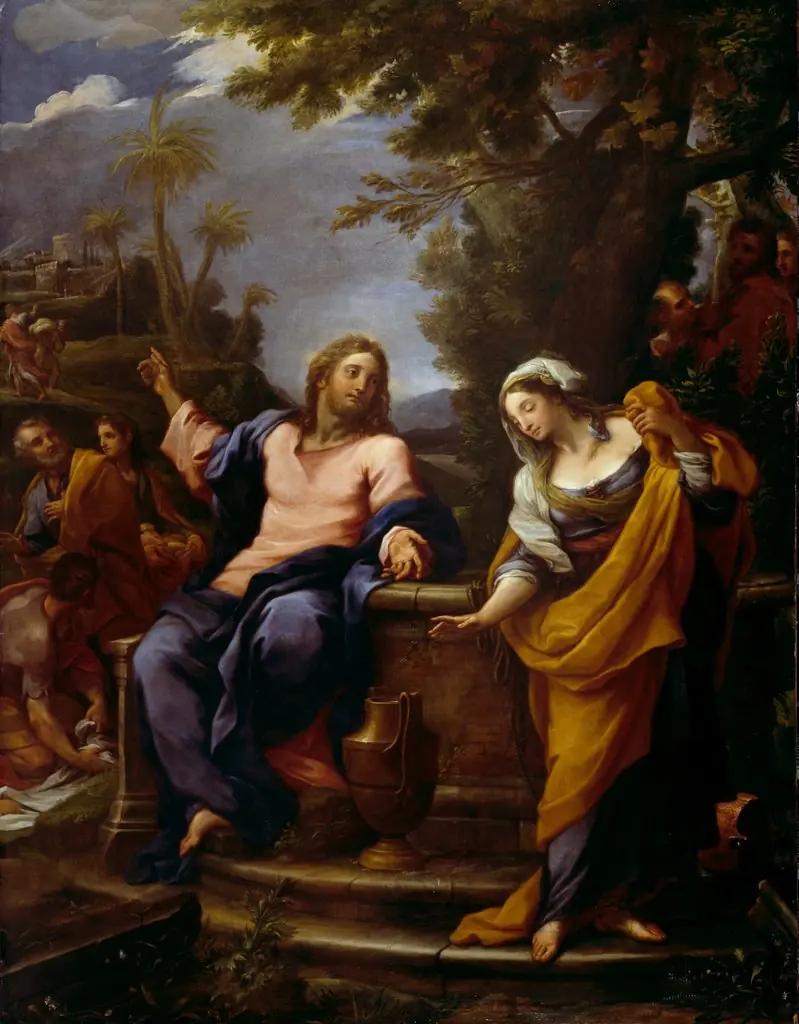 Christ and the Samaritan Woman
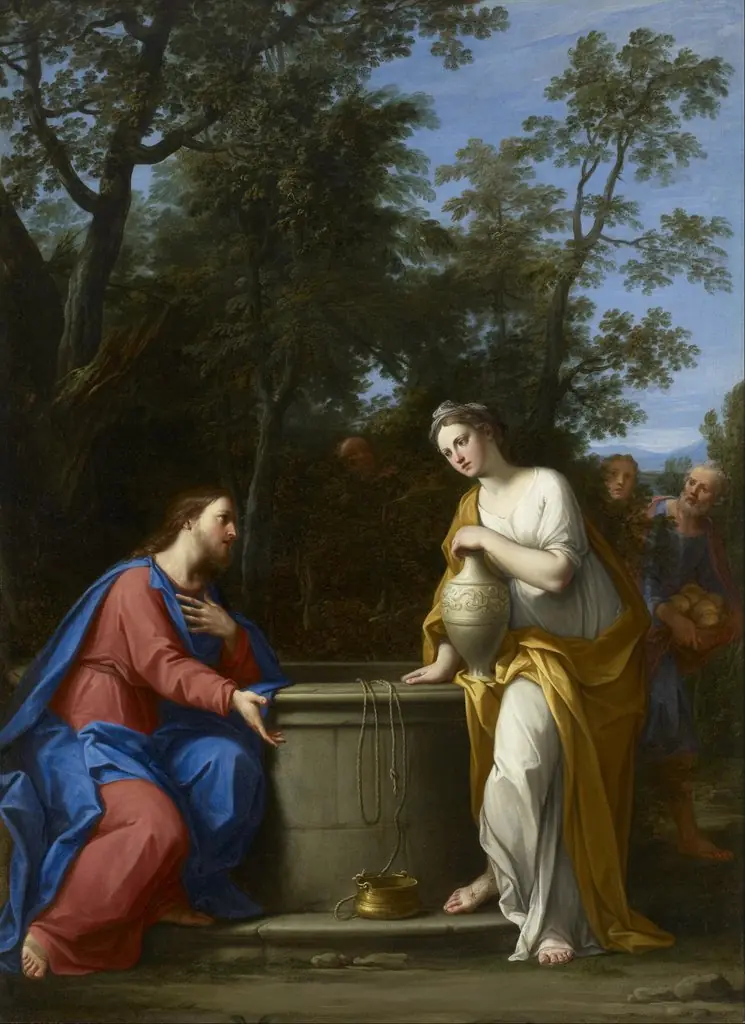 Christ and the Woman of Samaria
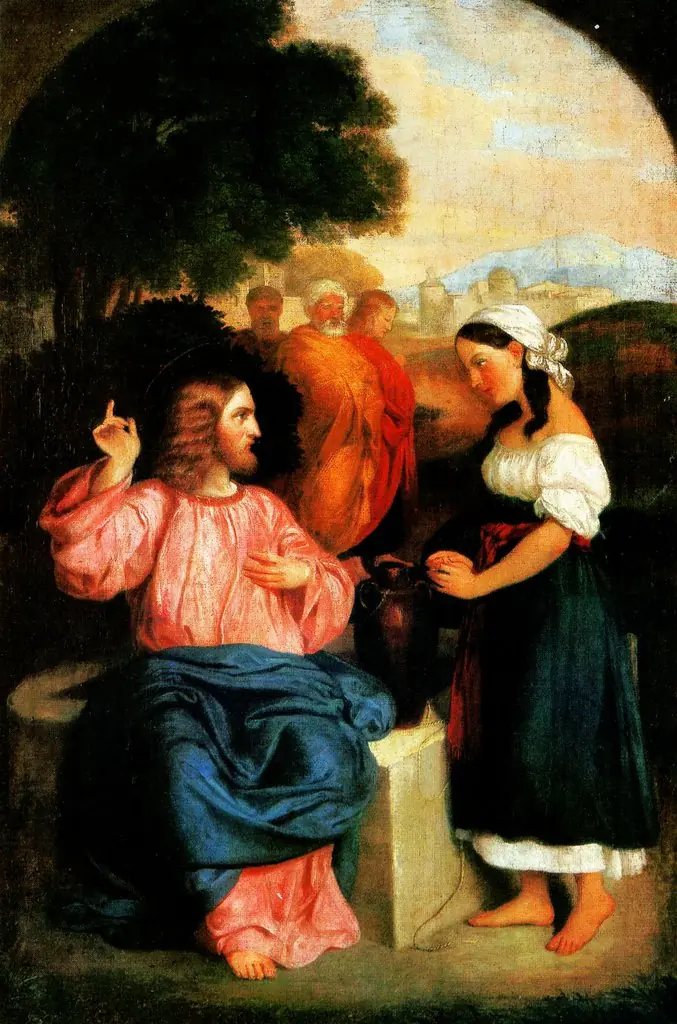 Christ and the Samaritan woman
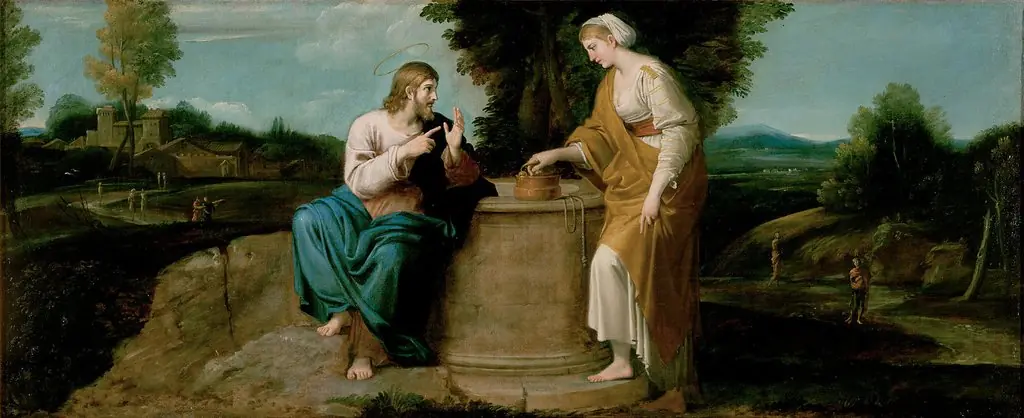 Christ and the Woman of Samaria
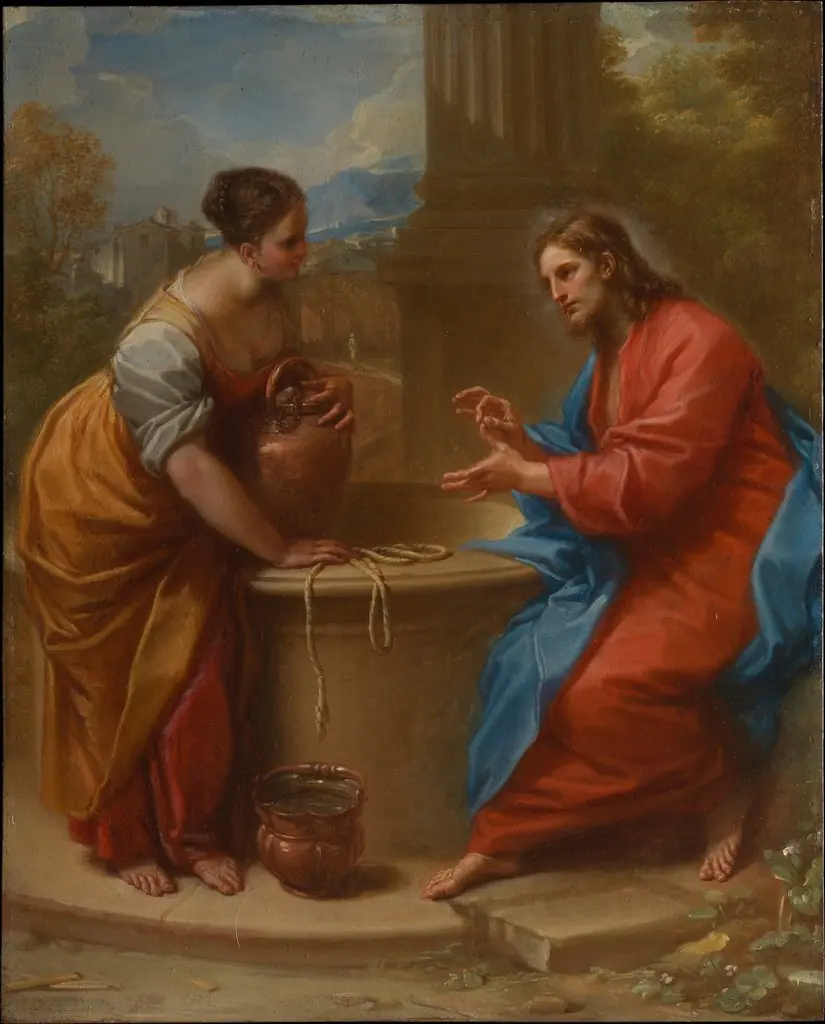 Christ and the Woman of Samaria
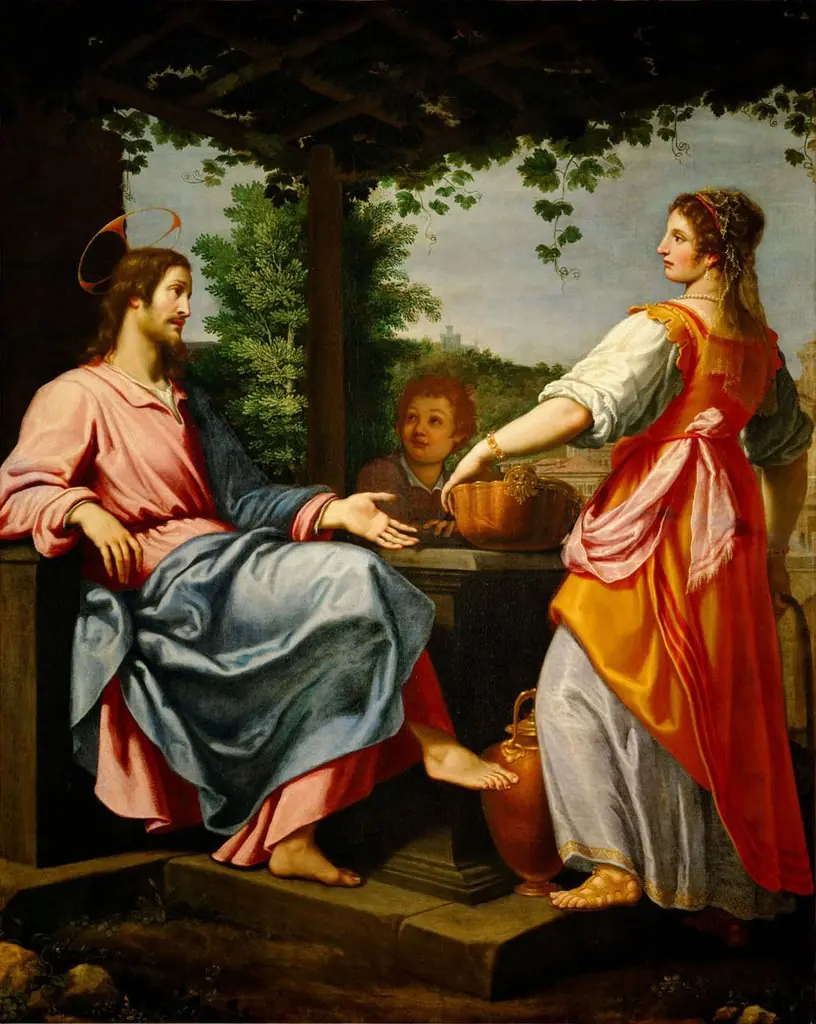 Christ and the Woman of Samaria
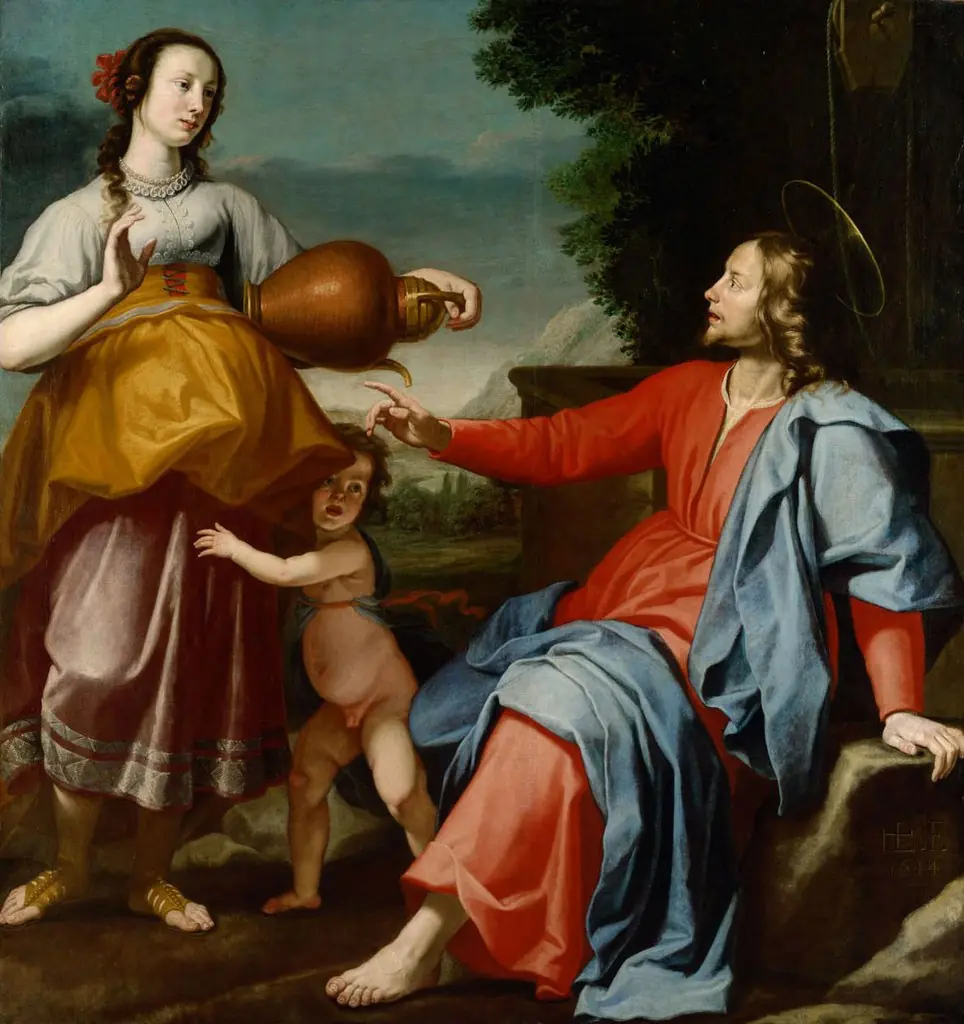 Christ and the Woman of Samaria
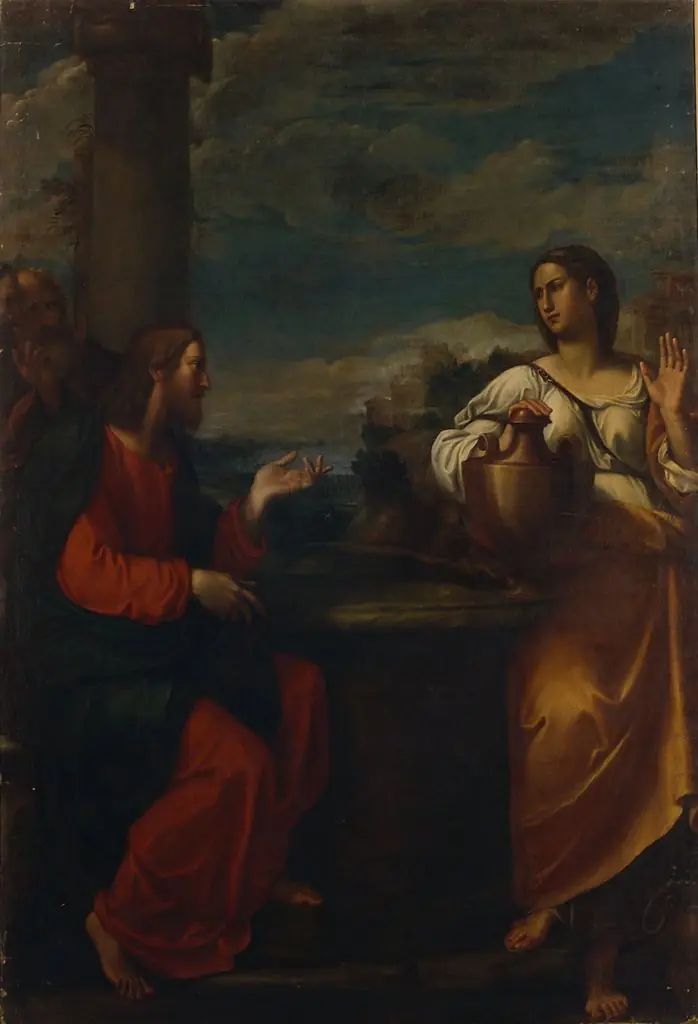 Christ and the Woman of Samaria
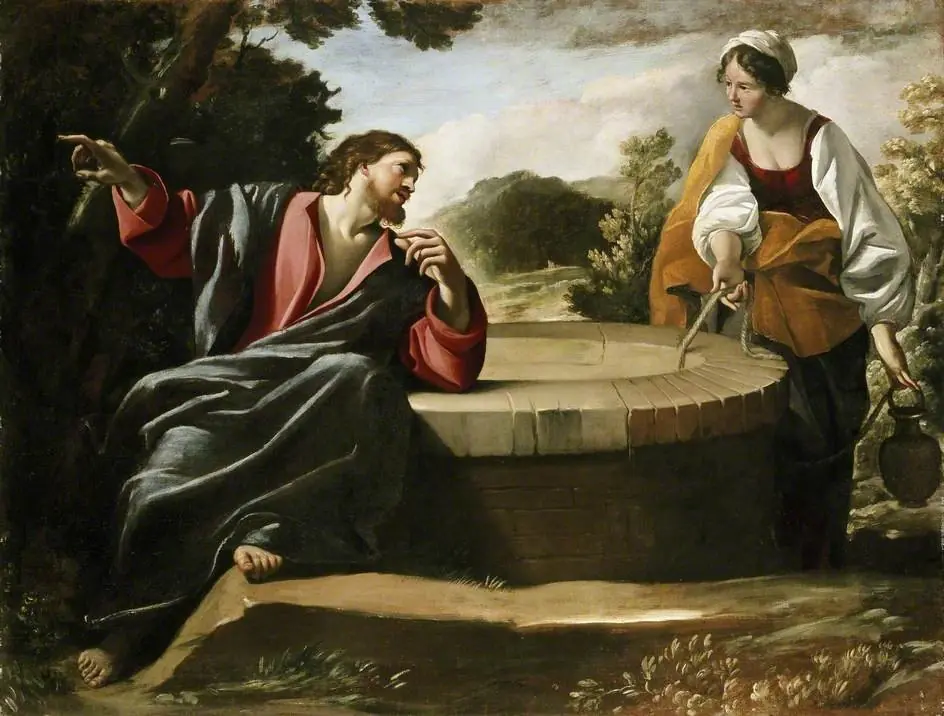 Christ and the Woman of Samaria
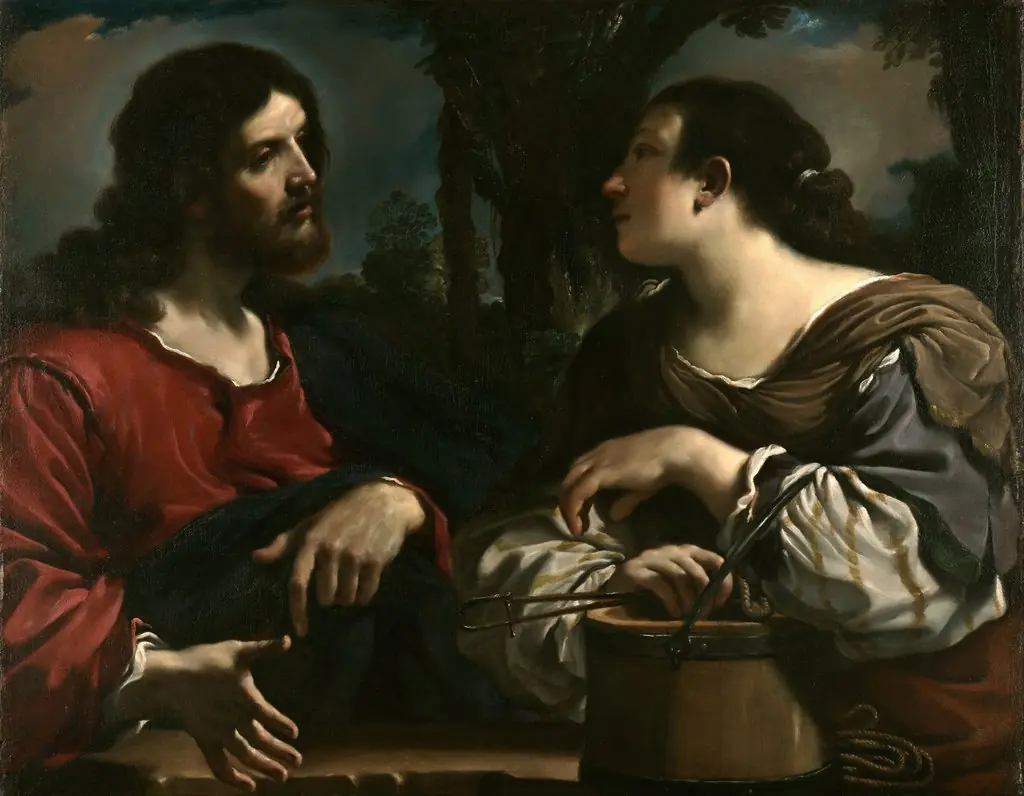 Christ and the Woman of Samaria
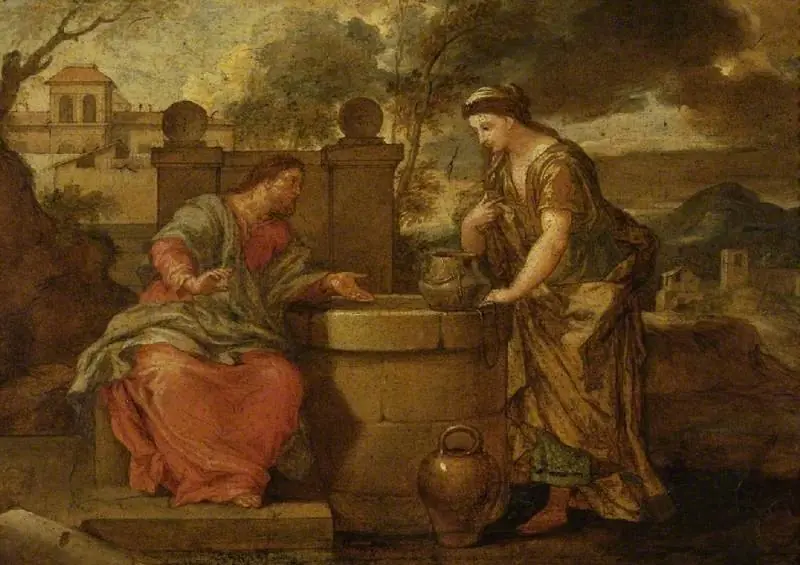 Christ and the woman of Samaria
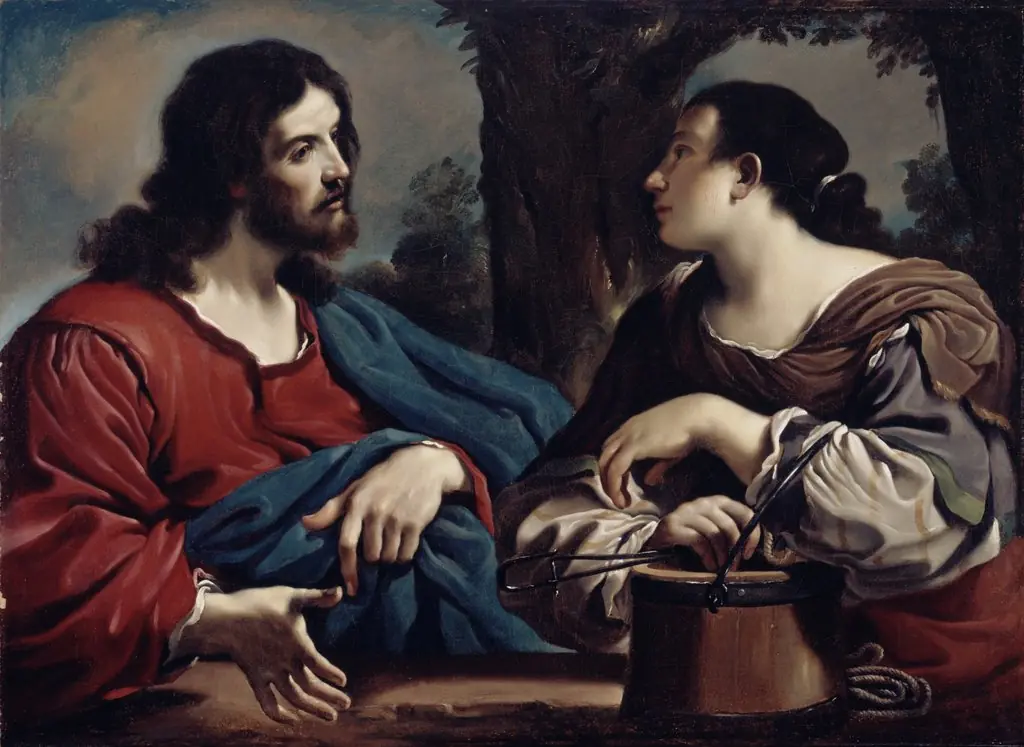 Christ and the Woman of Samaria