Artwork
Landscape
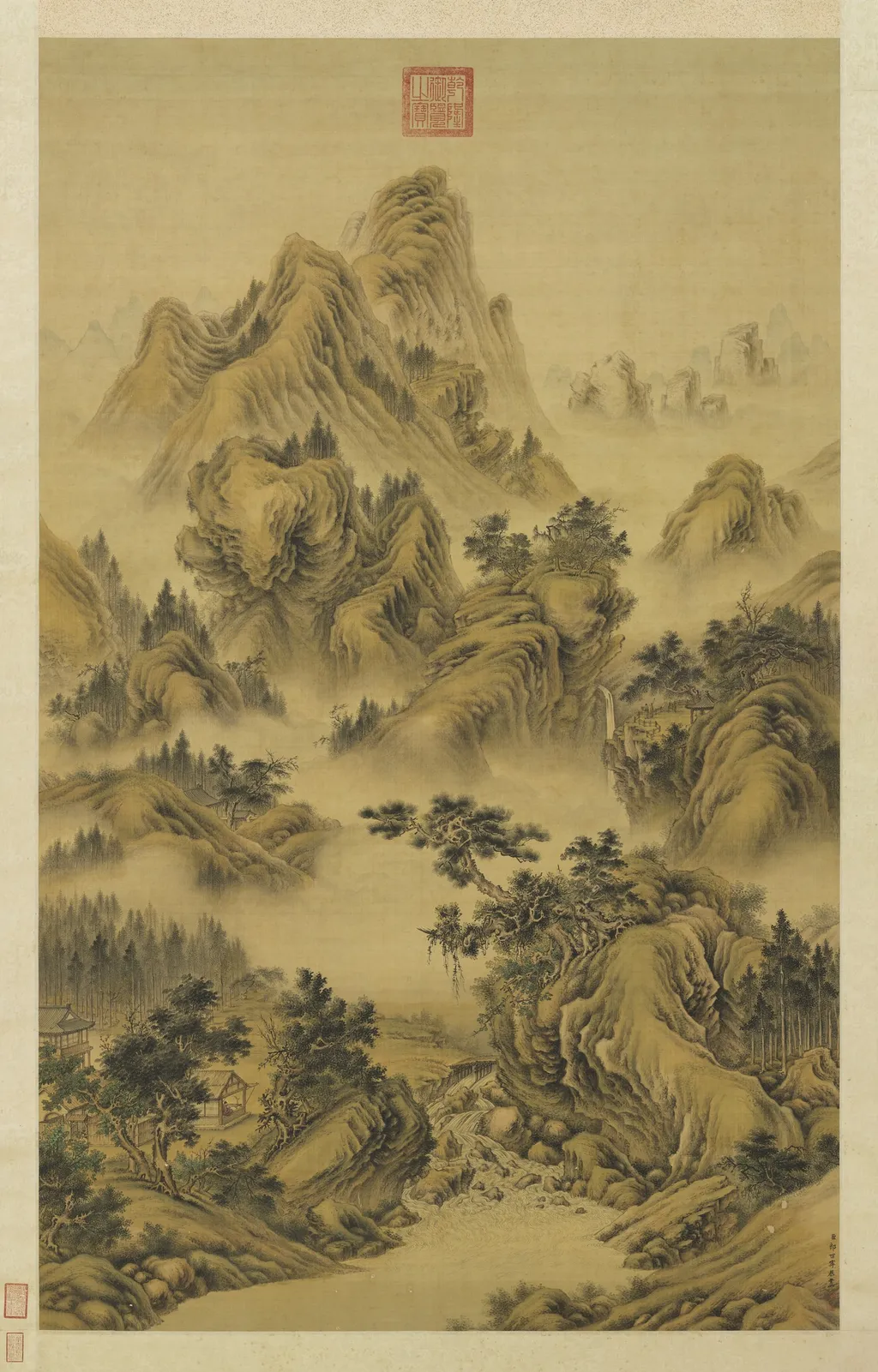
Landscape is an unspecified painting by the Rococo painting artist Giuseppe Castiglione. It dates from 1750 and is held in the collection of the National Palace Museum.
About this work
Overview
Executed in ink and color on silk, it reflects the artist’s adaptation of European spatial techniques to Chinese aesthetic traditions.
Painted around 1750, this landscape is one of the few surviving works by Giuseppe Castiglione that focuses solely on natural scenery rather than courtly or religious themes. Executed in ink and color on silk, it reflects the artist’s adaptation of European spatial techniques to Chinese aesthetic traditions. The painting resides in the National Palace Museum in Taipei, where it is valued for its hybrid visual language.
Subject & Meaning
The scene presents an idealized Chinese landscape, free of human figures, emphasizing harmony between earth and sky. Mist veils distant peaks, suggesting transcendence and quiet contemplation. The winding path invites the viewer’s gaze inward, a compositional device rooted in classical Chinese painting to evoke spiritual journey rather than literal navigation. The absence of figures reinforces a meditative, impersonal atmosphere.
Technique & Style
Castiglione blended Western perspective with East Asian brushwork, using layered washes to build atmospheric depth. Soft, muted tones—pale greens, grays, and ochres—create a hazy, luminous effect. Fine brushstrokes define foliage and rock textures without sharp outlines, avoiding the rigidity of European realism. The silk support enhances the delicacy of the pigments, allowing subtle gradations of tone.
History & Provenance
Created during Castiglione’s service at the Qing court, the painting likely originated as part of a private imperial collection. It remained in the Forbidden City until the mid-20th century, when it was moved to Taiwan with other artifacts from the National Palace Museum’s evacuation. Its survival is notable, as many of Castiglione’s works were lost or repurposed over time.
Context
In mid-18th century China, European Jesuit missionaries like Castiglione were permitted to work at court under strict cultural constraints. While commissioned for portraits and historical scenes, he occasionally produced landscapes to satisfy imperial tastes for naturalism. This work reflects a quiet negotiation between Jesuit training and Chinese literati ideals, avoiding overt religious symbolism.
Legacy
Though not widely known outside specialist circles, this painting exemplifies a unique cross-cultural moment in art history. Castiglione’s landscapes influenced later Qing court painters who experimented with spatial depth and tonal modulation. His approach, neither fully Western nor traditional Chinese, opened a path for hybrid styles that persisted in imperial art well into the 19th century.
Artist & collection



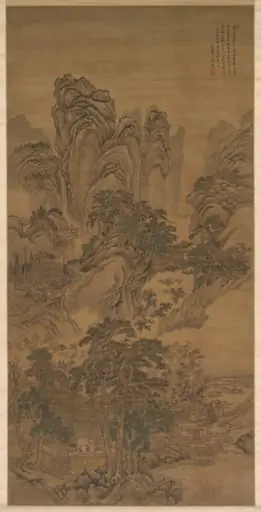 Landscape
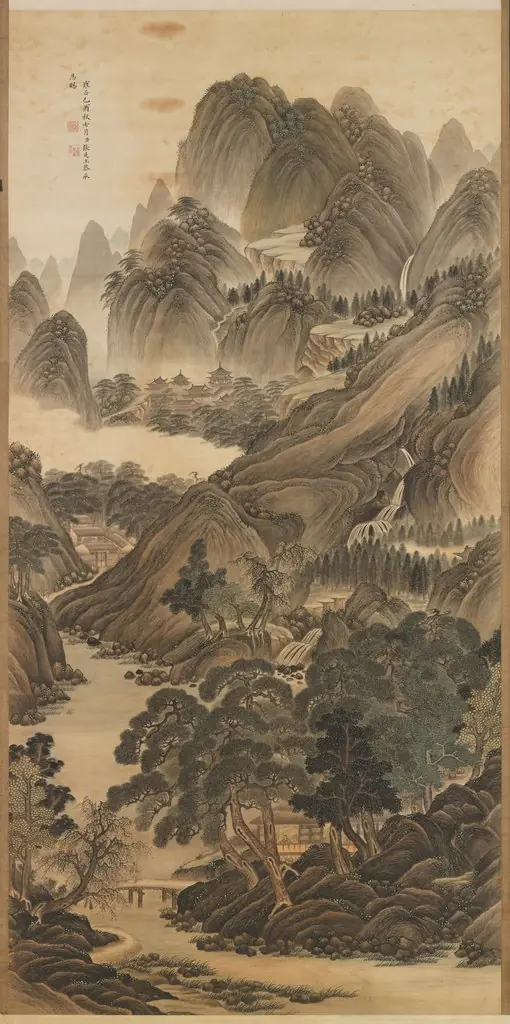 Landscape
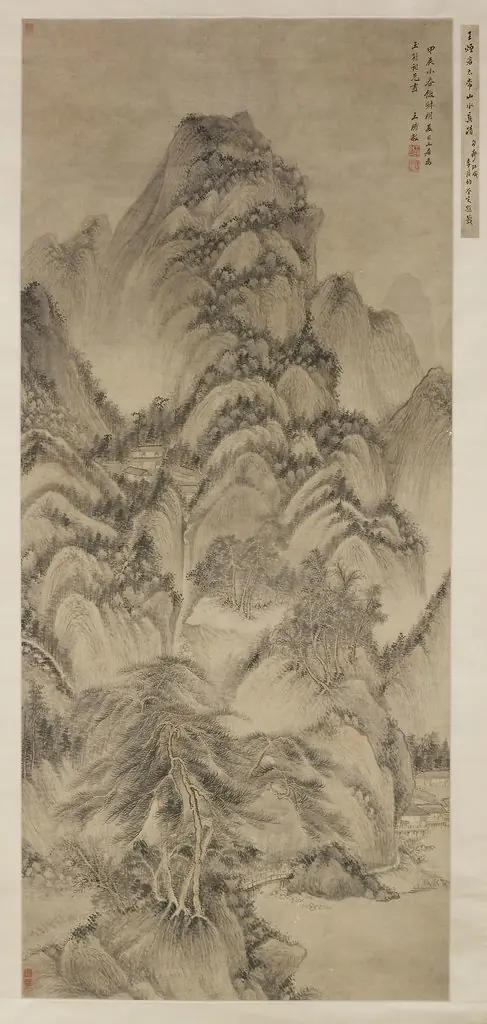 Landscape after Wang Meng
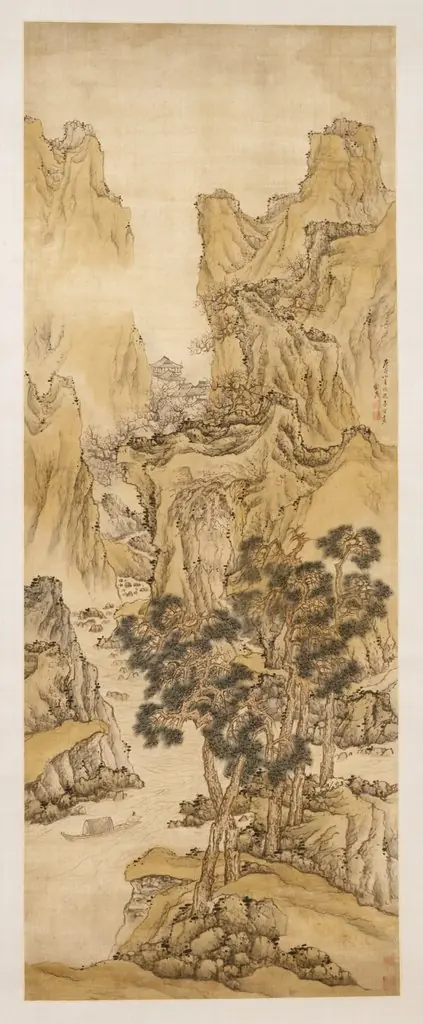 The Peach Blossom Spring
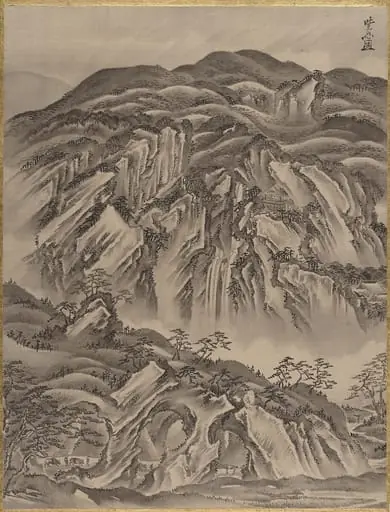 Untitled
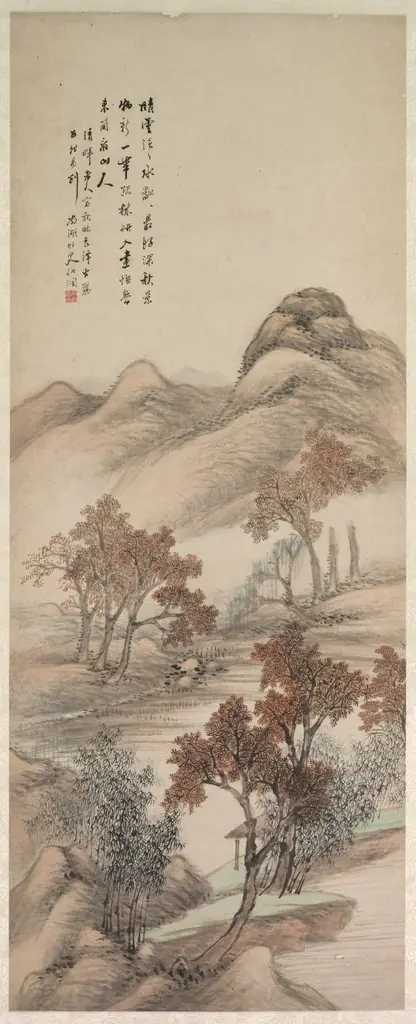 Autumn Landscape
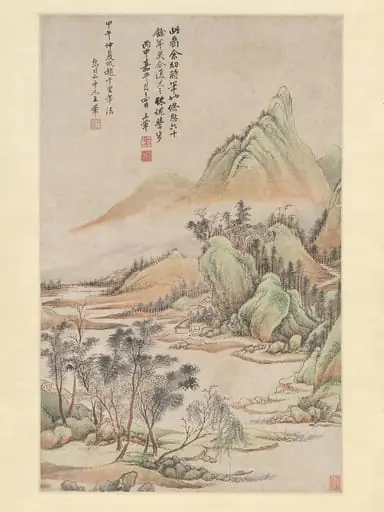 倣趙伯駒山水圖 軸|Landscape in the Style of Zhao Boju (Fang Zhao Boju shanshui)
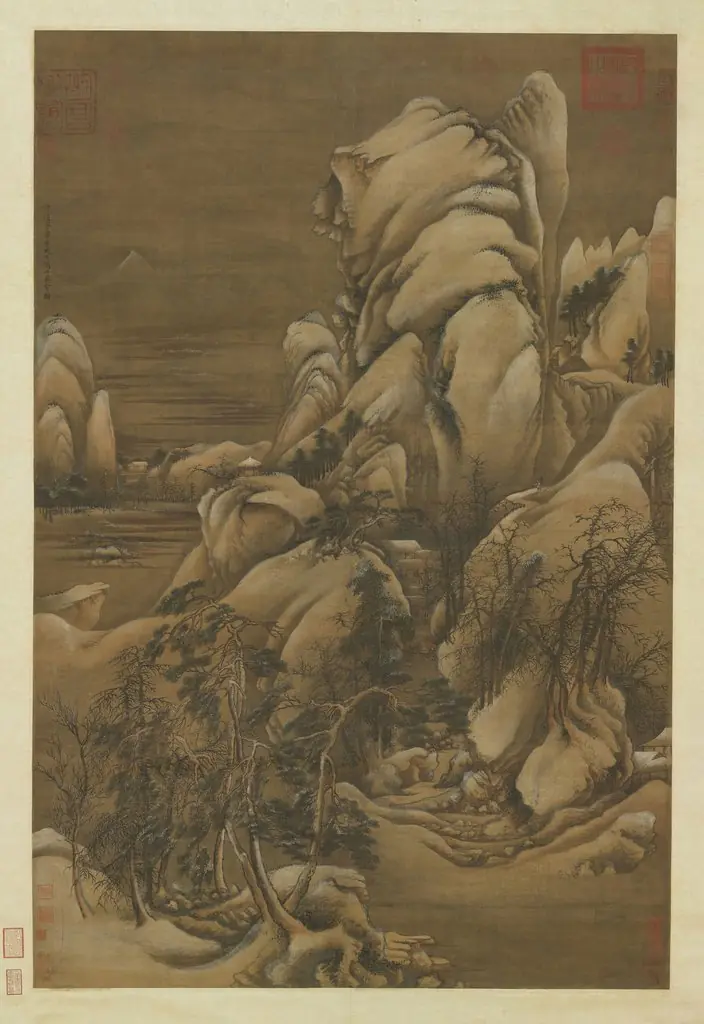 Heavy Snow on a Mountain Pass
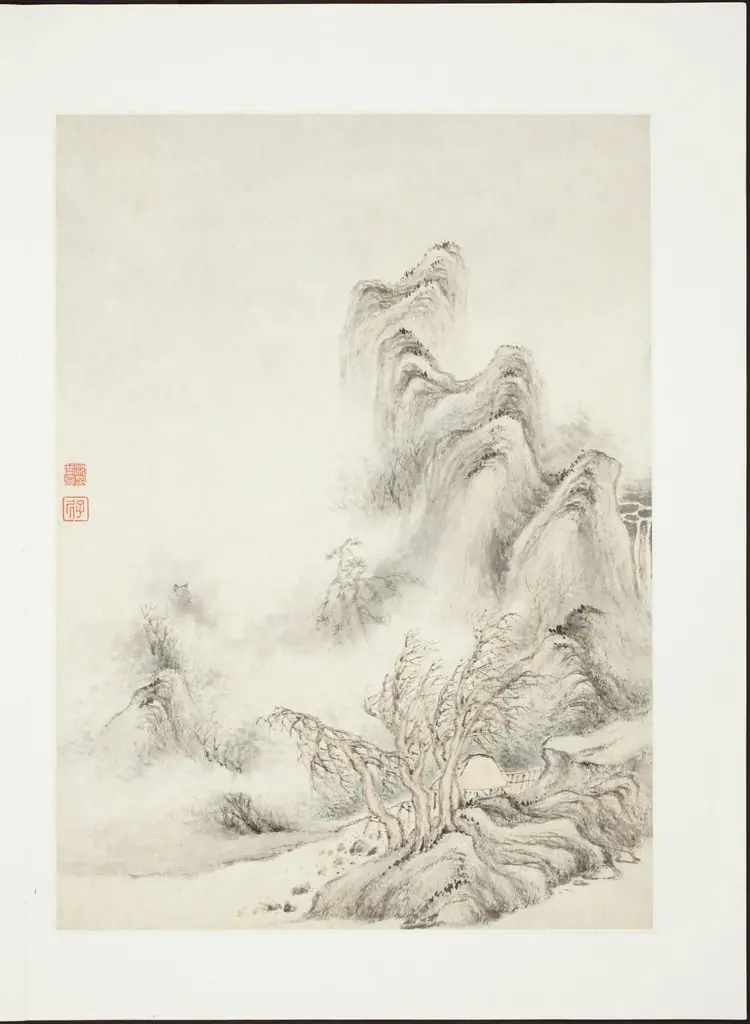 Landscapes After Old Masters
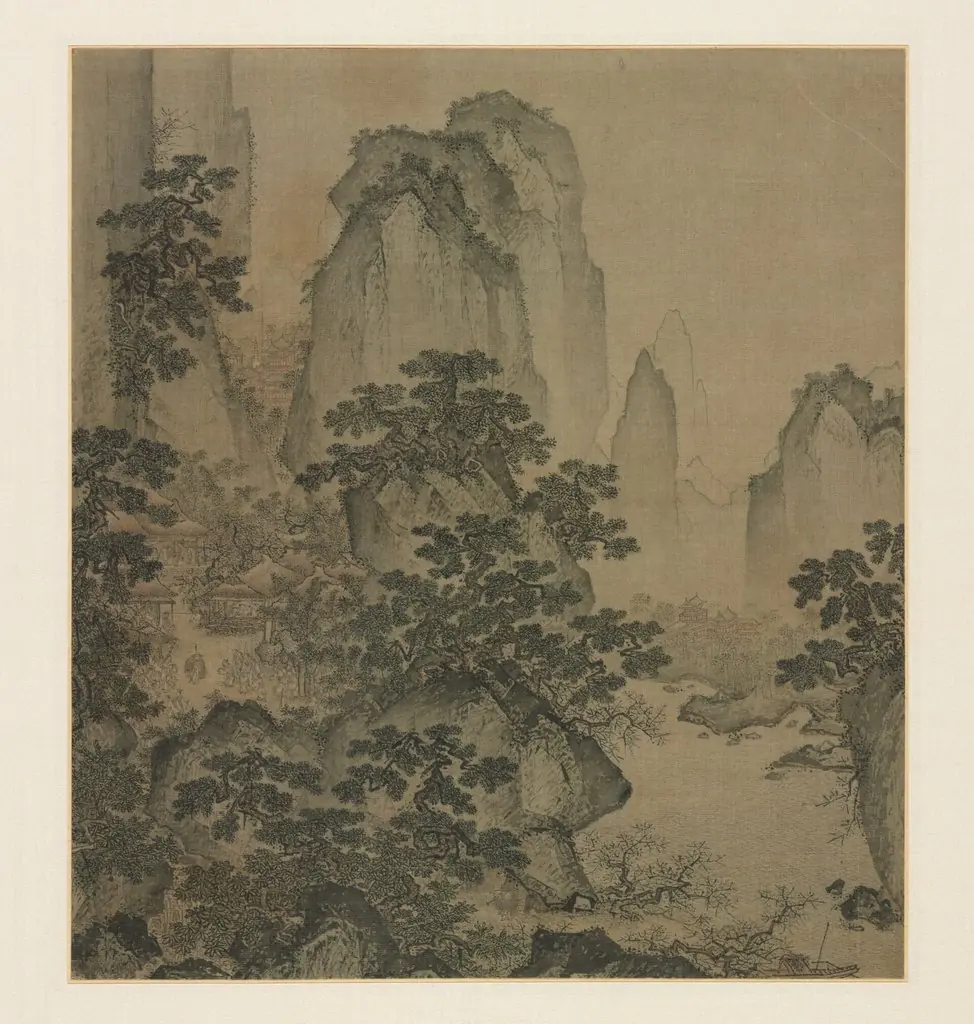 The Haven of the Peach-Blossom Spring
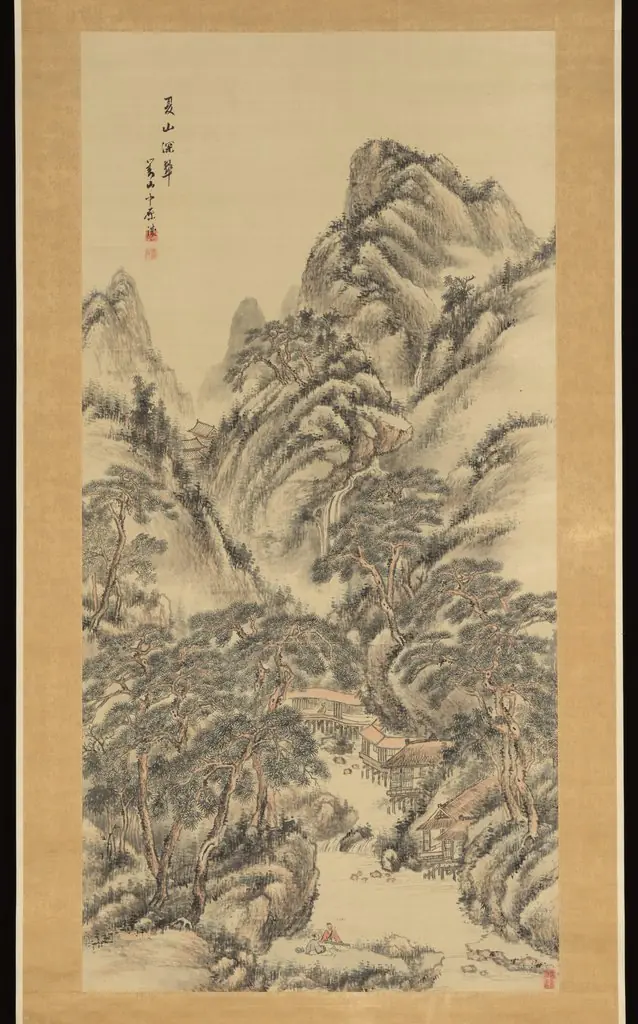 “The Deep Green of Summer Mountains”
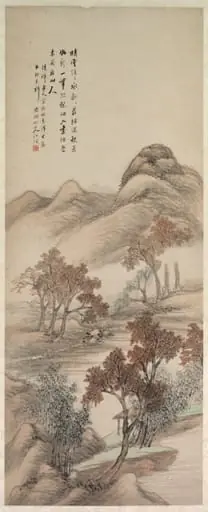 Autumn Landscape