Artwork
The birth of Arkas or the birth of Adonis (?)
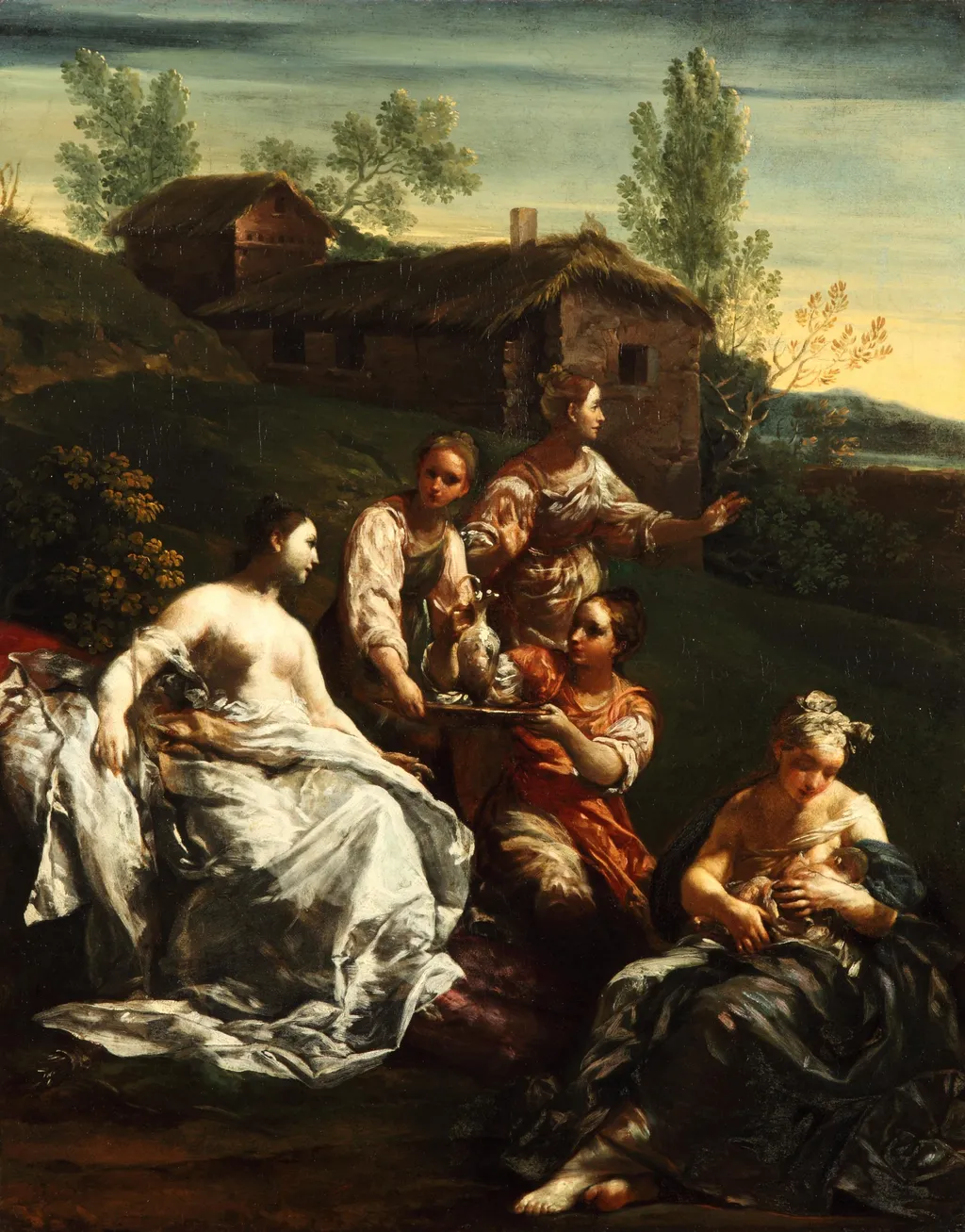
The birth of Arkas or the birth of Adonis (?) is an oil painting by the Rococo painting artist Giuseppe Maria Crespi. It dates from 1722 and is held in the collection of the Gemäldegalerie Berlin.
About this work
Overview
Its subject remains uncertain—possibly the birth of Arkas or Adonis—though the scene presents a quiet domestic moment rather than a mythological spectacle.
Painted in 1722 by Giuseppe Maria Crespi, this oil on canvas work is housed in the Gemäldegalerie, Berlin. Its subject remains uncertain—possibly the birth of Arkas or Adonis—though the scene presents a quiet domestic moment rather than a mythological spectacle. Five women surround an infant in a pastoral setting, their gestures and expressions suggesting care and stillness. The composition avoids dramatic tension, favoring intimate observation over narrative grandeur.
Subject & Meaning
The identity of the infant and the nature of the event are unresolved, with scholars offering two classical possibilities: Arkas, son of Callisto, or Adonis, the beautiful youth of myth. Neither interpretation is confirmed, and the painting resists clear allegory. Instead, it emphasizes tenderness and communal attention, transforming a potentially divine birth into a grounded, humanized ritual of nurturing and quiet celebration.
Technique & Style
Crespi employs soft, blended brushwork and a restrained palette of warm ochres, earth tones, and pale blues to evoke calm. Light falls gently across the figures, enhancing volume without harsh contrast. The texture of fabrics and skin is rendered with subtle impasto, particularly in the folds of robes and the infant’s skin. The background is muted, allowing focus on the group’s quiet interaction, consistent with Crespi’s preference for intimate realism over theatricality.
History & Provenance
The painting entered the Gemäldegalerie Berlin’s collection in the 19th century, likely acquired through the broader consolidation of Italian Baroque works. Its attribution to Crespi has remained consistent since its cataloging. No earlier documentation of its commission or ownership is known, suggesting it may have been a private work, possibly intended for a collector interested in nuanced genre scenes rather than overt religious or mythological subjects.
Context
In early 18th-century Bologna, Crespi was known for shifting from religious themes to scenes of everyday life, often infused with psychological depth. This work aligns with his interest in domestic intimacy, contrasting with the grandeur typical of High Baroque commissions. While mythological titles were common, Crespi’s treatment prioritizes human emotion over symbolic weight, reflecting a broader trend toward secular, observational painting in late Baroque Italy.
Legacy
Though not widely reproduced or celebrated in mainstream art history, the painting exemplifies Crespi’s contribution to the evolution of genre painting in Italy. Its quiet dignity and technical subtlety influenced later artists interested in emotional realism over spectacle. Today, it stands as a quiet testament to the artist’s ability to elevate ordinary moments through careful observation and restrained expression.
Artist & collection

Artist
Giuseppe Maria Crespi (14 March 1665 – 16 July 1747), nicknamed Lo Spagnuolo ('The Spaniard'), was an Italian late Baroque painter of the Bolognese School.

 De Fem Sanser
 De Fem Sanser
 La naissance d'Adonis
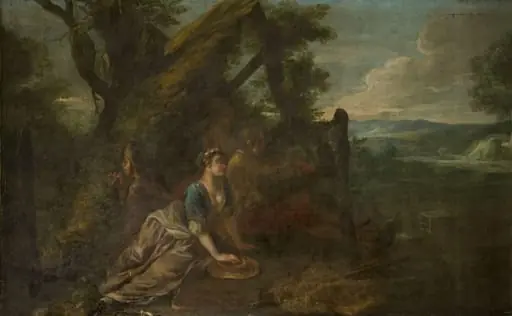 Bird-Catching by a Decoy with a Whistle and Net (Decorative painting for a supper-box at Vauxhall Gardens, London)
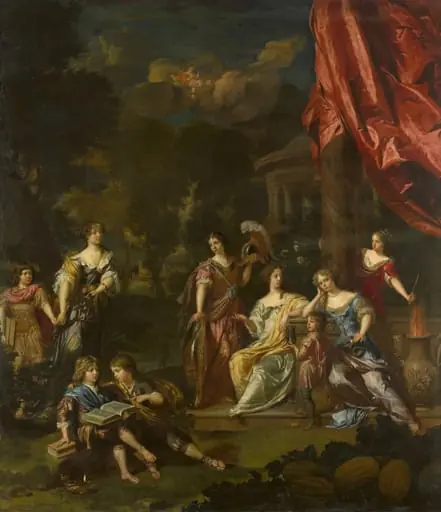 Allegorizing Group Portrait of the Children of Diederic Pietersz van Leyden van Leeuwen, Burgomaster of Leiden, and Alida Paets
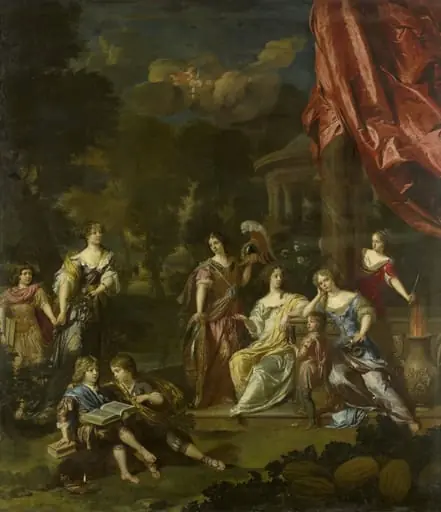 Untitled
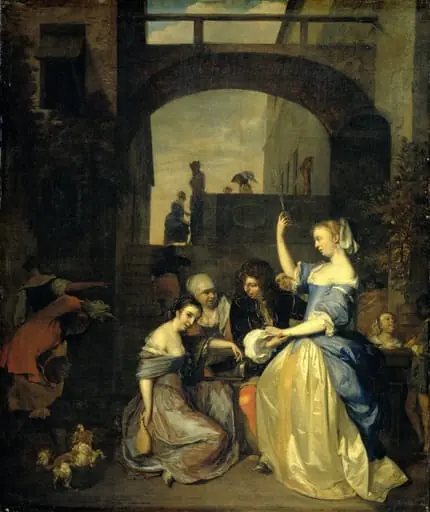 The Prodigal Son
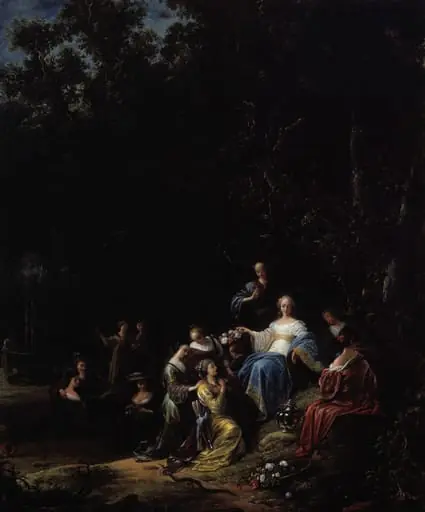 Amarillis kruunaa Mirtillon (Kohtaus pastoraalinäytelmästä Il Pastor Fido)
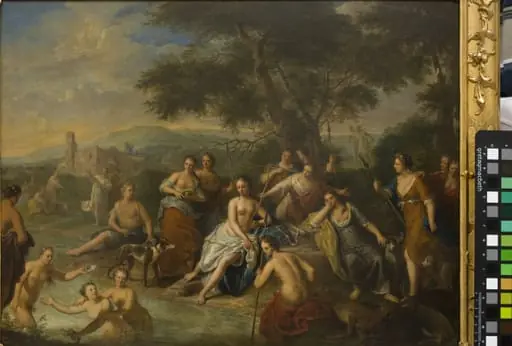 Diana and her Nymphs
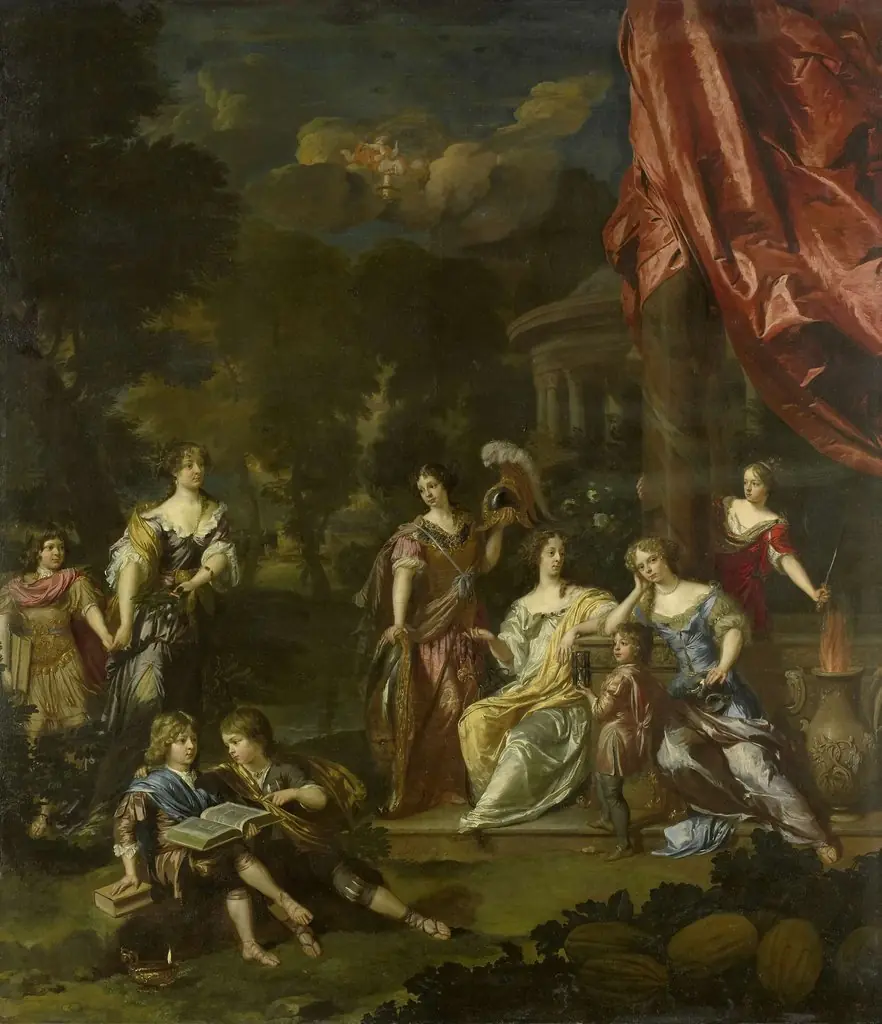 Group portrait with allegorical overtones of the children of Diederic Pietersz van Leyden van Leeuwen (1628-1682), burgomaster of Leiden, and Alida Paets (1625-1673)
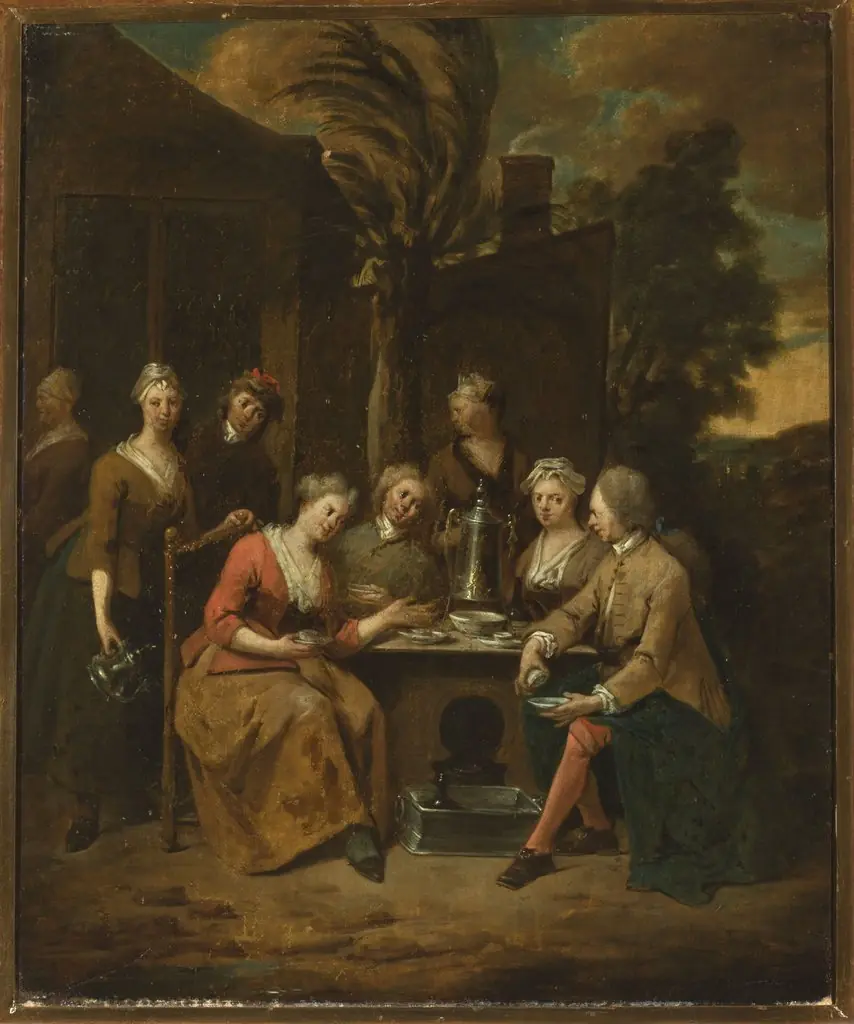 Company at the table
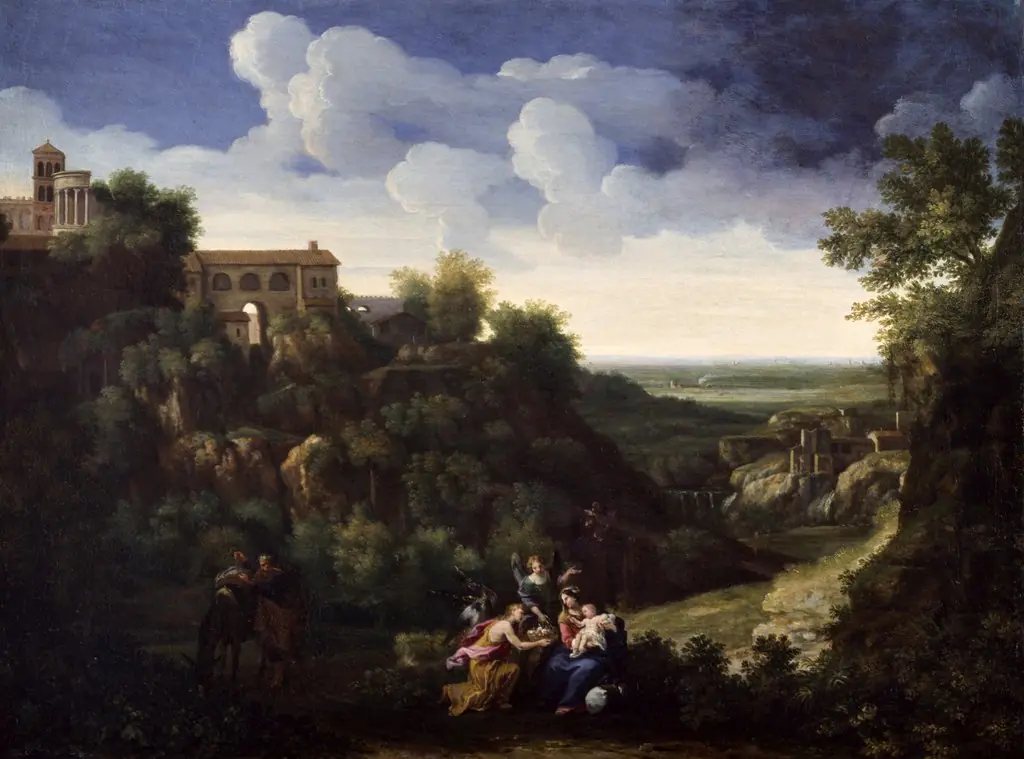 View of Tivoli with the Flight into Egypt