Artwork
Сивілла Кумська, Еней і перевізник Харон (картина)
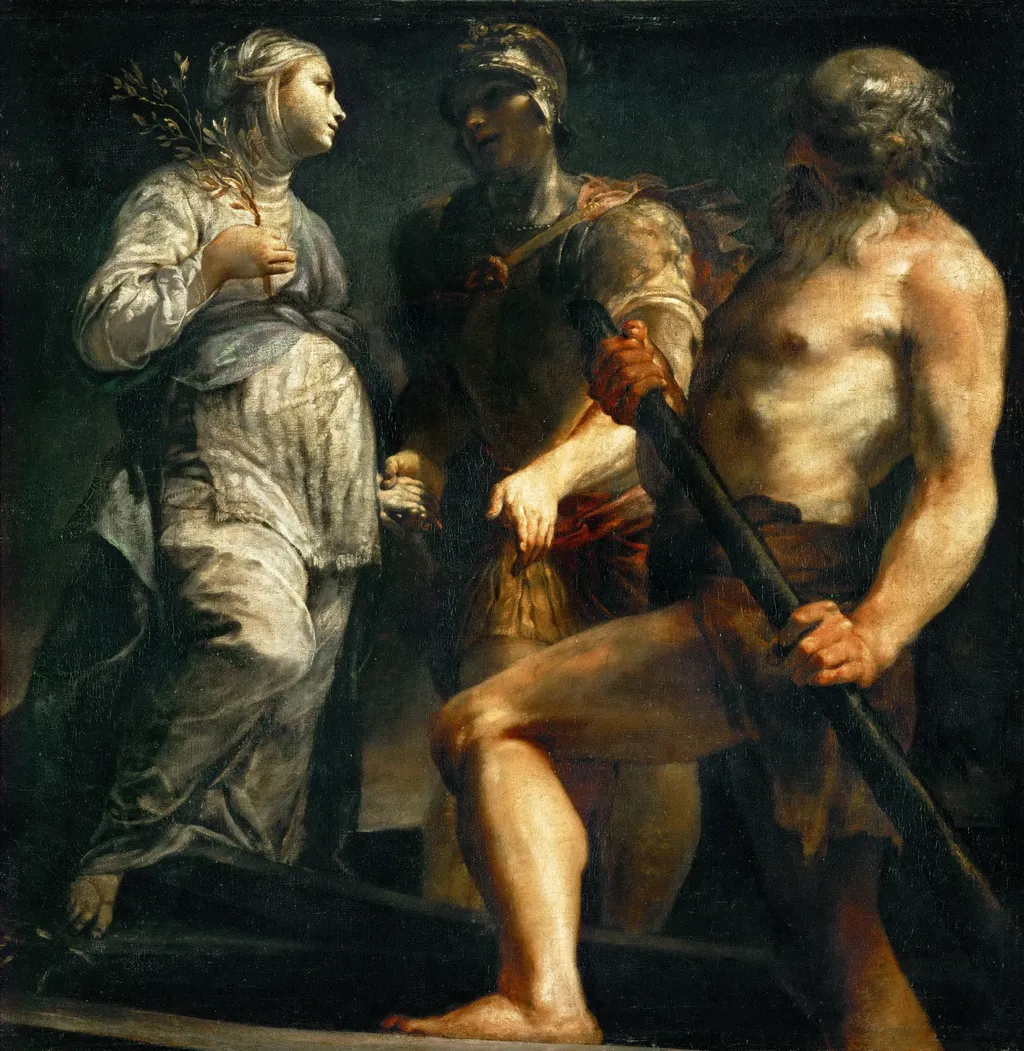
Сивілла Кумська, Еней і перевізник Харон (картина) is a color painting by the Early Baroque Italian artist Giuseppe Maria Crespi. It dates from 1700 and is held in the collection of the Kunsthistorisches Museum.
About this work
Overview
Giuseppe Maria Crespi’s early‑18th‑century canvas, dated to 1700, presents a mythological tableau now in the collection of Vienna’s Kunsthistorisches Museum. Executed in colour, the work brings together three distinct characters within a compact composition, each rendered with careful attention to costume and gesture.
Subject & Meaning
The central figure, a fully armed male, appears to be engaged in dialogue with a woman dressed in a white gown and head covering, who clutches a branch.
The central figure, a fully armed male, appears to be engaged in dialogue with a woman dressed in a white gown and head covering, who clutches a branch. To the right, a bearded, unclothed man holds a staff, observing the exchange. The grouping suggests a narrative drawn from classical myth, likely involving the Trojan hero Aeneas and the ferryman Charon, though the precise story remains ambiguous.
Technique & Style
Crespi employs a subtle chiaroscuro, modeling the figures against a dimly lit background to emphasize volume and spatial depth. The textures of the woman’s elaborate dress and the metallic sheen of the armor are rendered with fine brushwork, while the nude figure’s flesh is suggested through soft tonal transitions.
History & Provenance
Created at the turn of the 18th century, the painting entered the Kunsthistorisches Museum’s holdings sometime after its original commission, though the exact path of acquisition is not documented in the available records. Its presence in the museum’s collection reflects the institution’s broader interest in Italian Baroque narrative painting.
Context
Crespi, active in Bologna, was known for integrating genre sensibilities into mythological subjects. This work exemplifies his approach, blending everyday gestures with heroic themes, a practice that aligned with contemporary tastes for accessible yet learned visual storytelling.
Own this work as a print
Artist & collection

Artist
Giuseppe Maria Crespi (14 March 1665 – 16 July 1747), nicknamed Lo Spagnuolo ('The Spaniard'), was an Italian late Baroque painter of the Bolognese School.

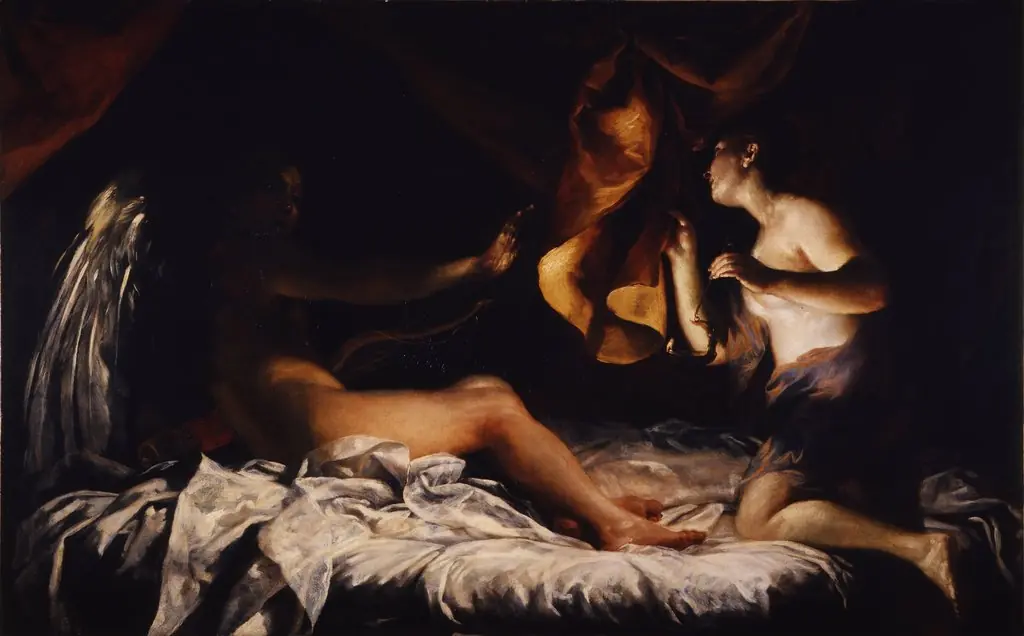
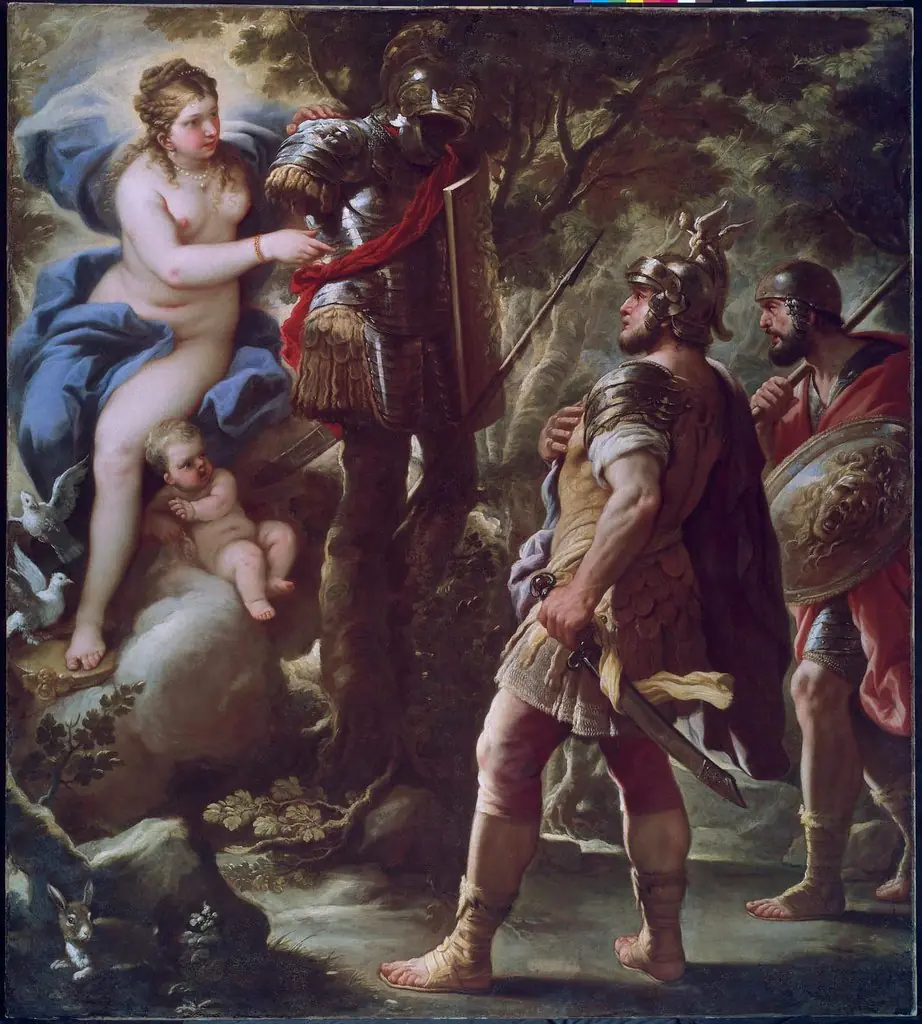 Venus Giving Arms to Aeneas
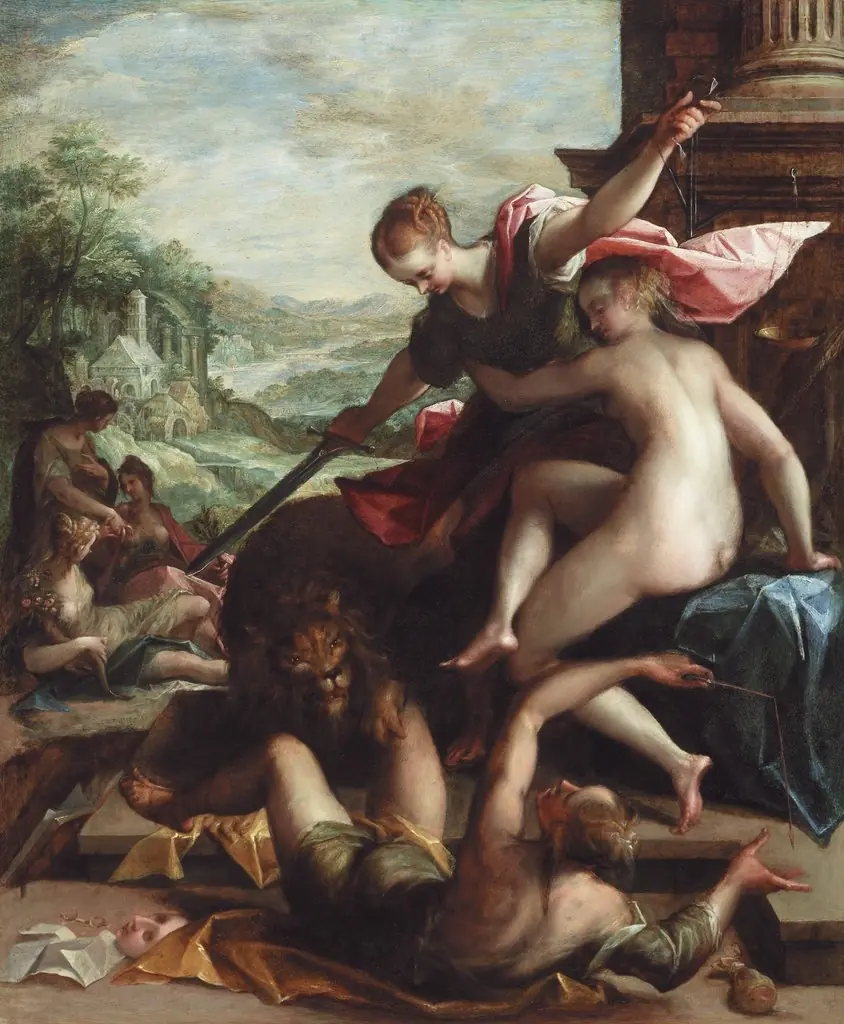 The Triumph of Truth
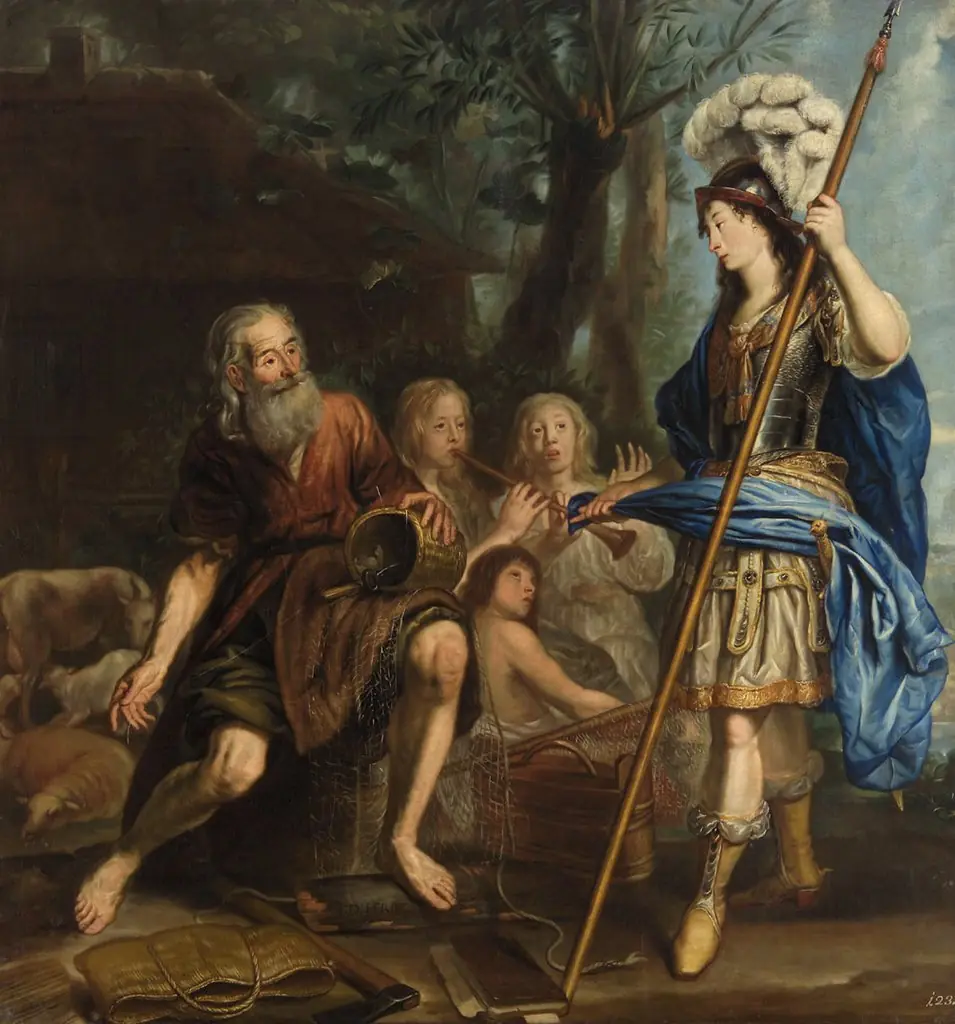 Erminia and the shepherds
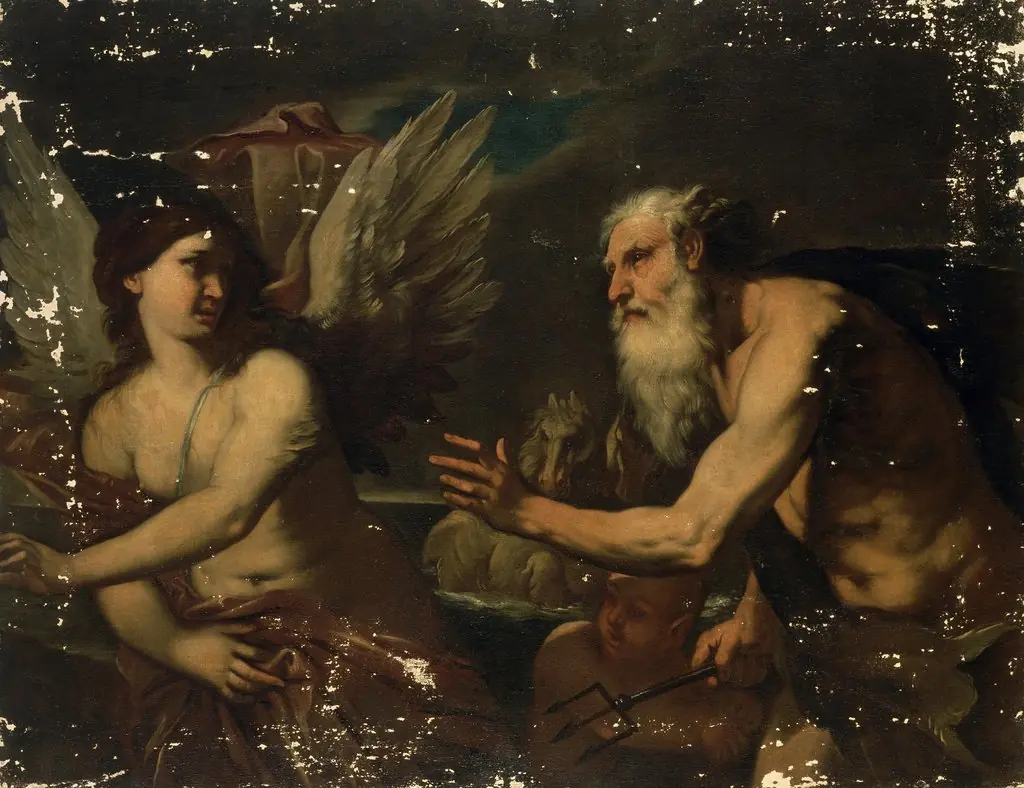 Neptune and Сoronis
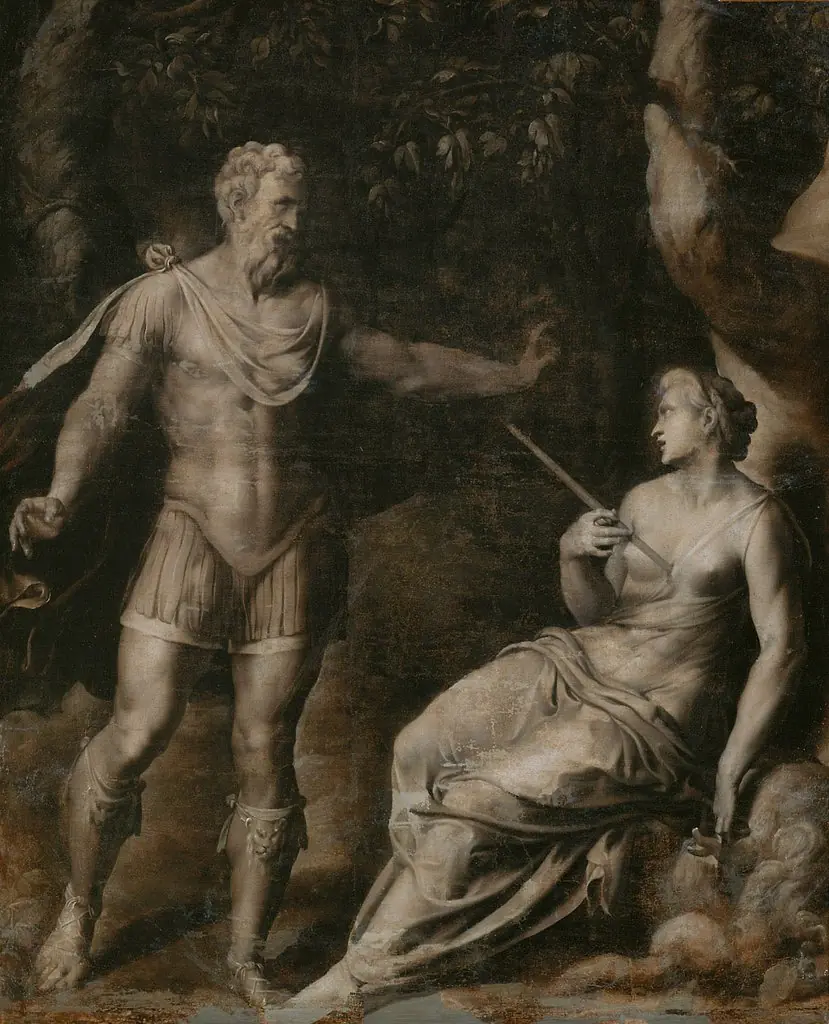 Cephalus und Procris
 Christus und die büßende Magdalena
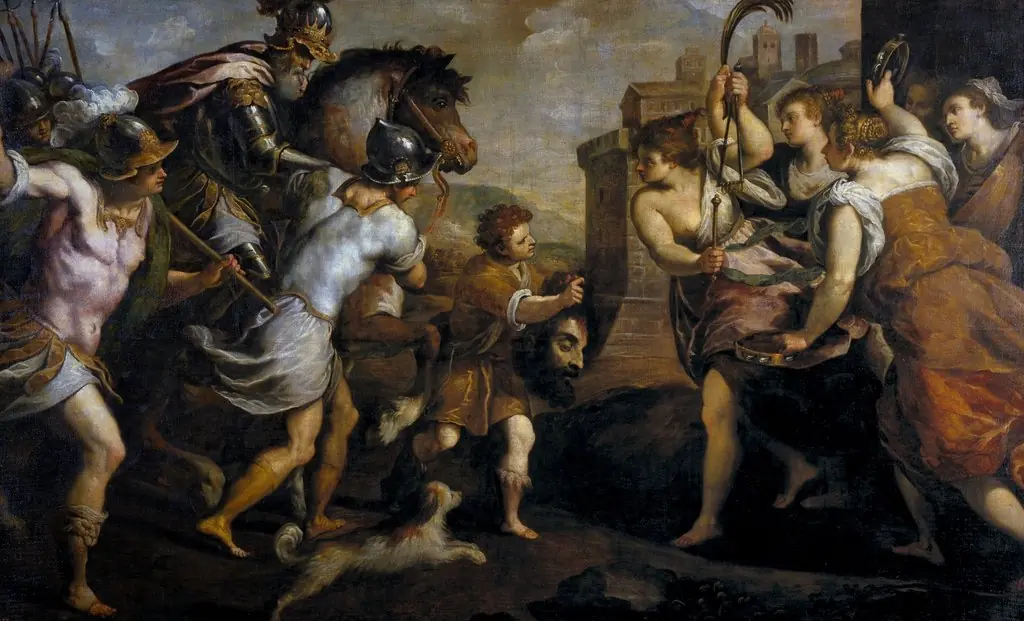 David with Goliath's Head
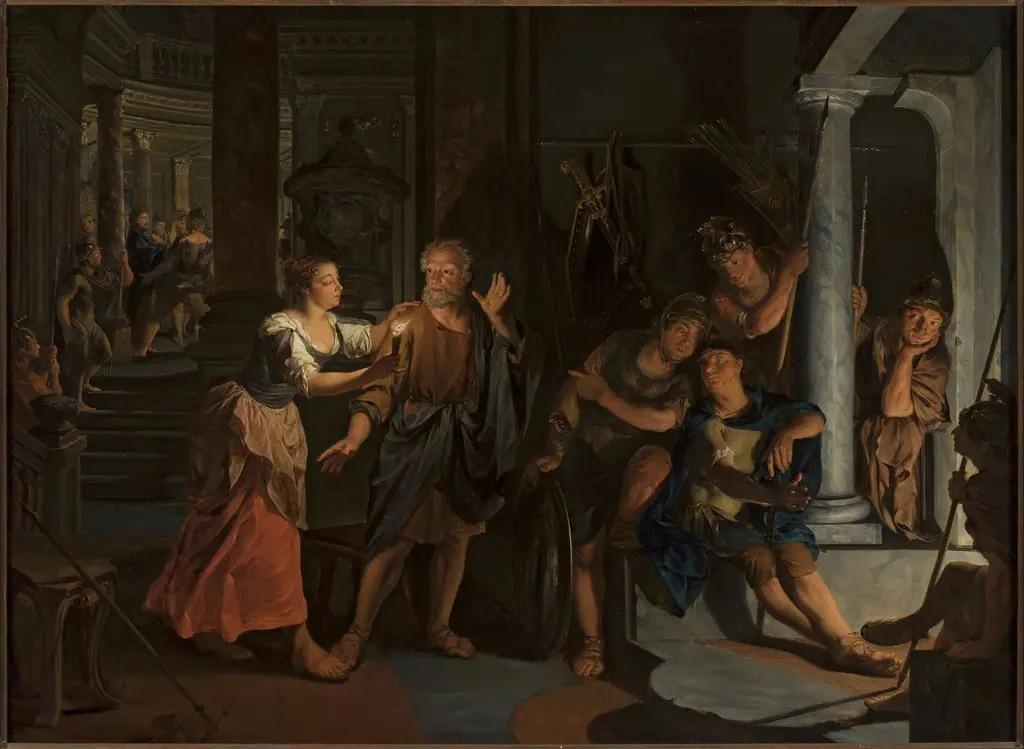 Denial of Saint Peter (Matthew 26:69-75; Mark 14:66-72; Luke 21:54-63; John 17:15-25).
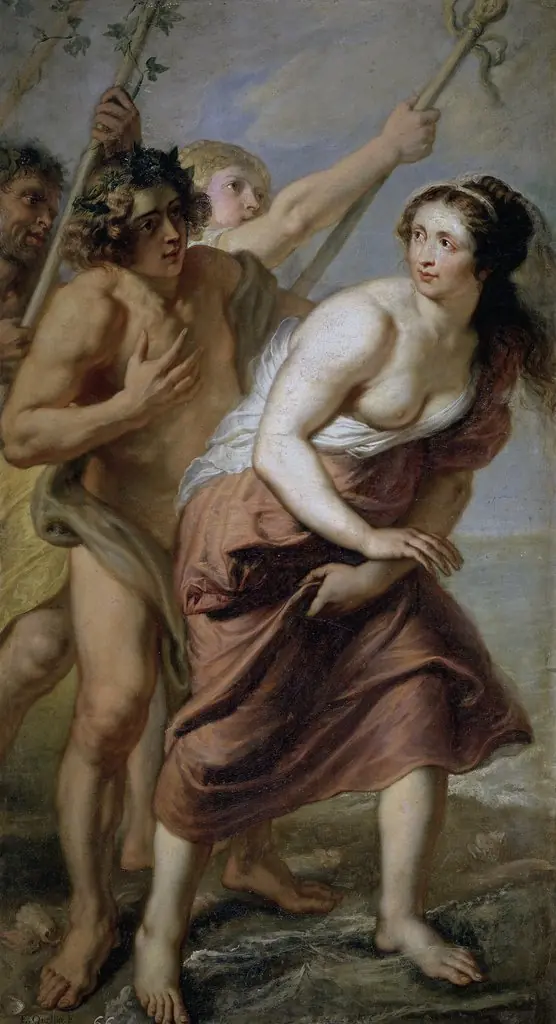 Bacchus and Ariadne
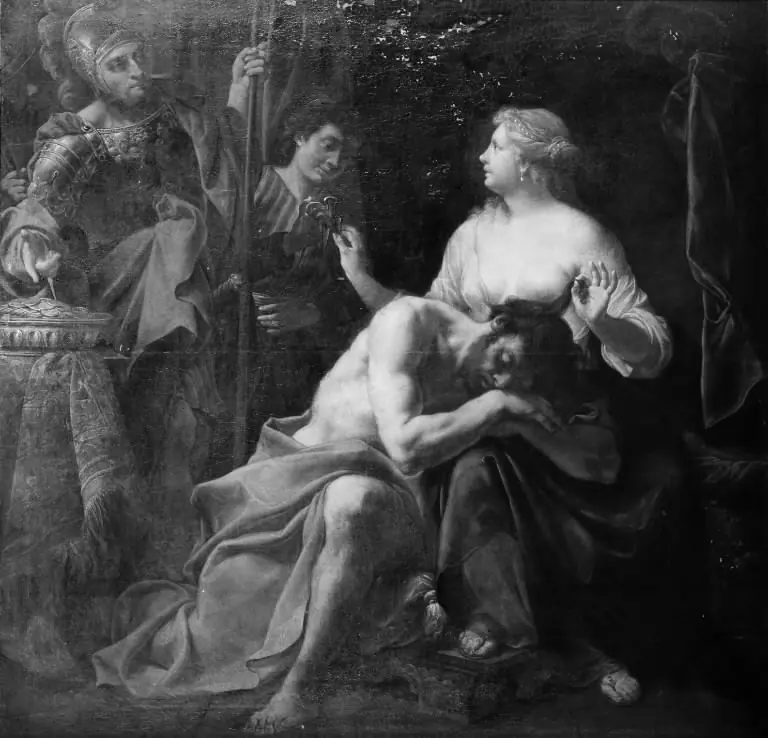 Samson and Delilah
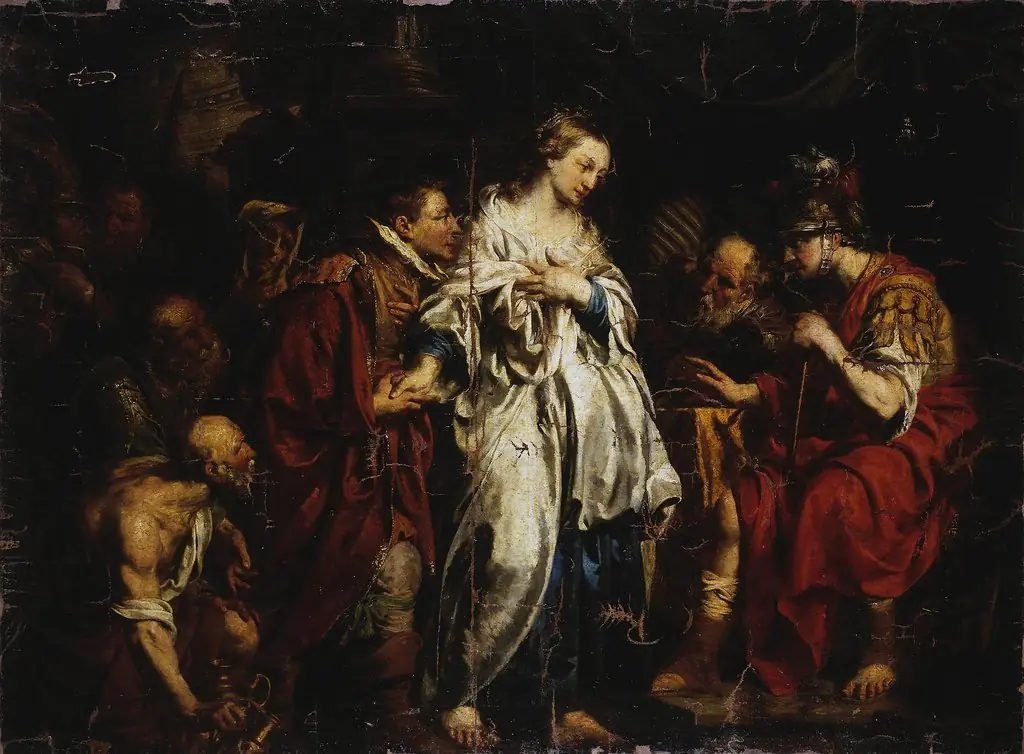 Magnanimity of Scipio Africanus
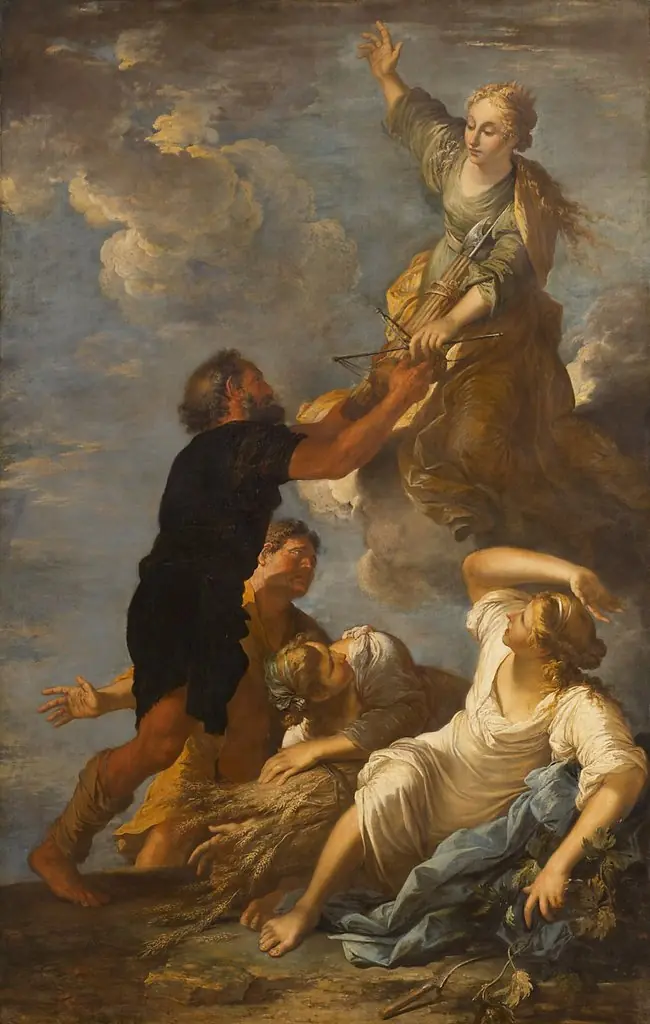 Astraea leaves the earth