Artwork
The Harvest
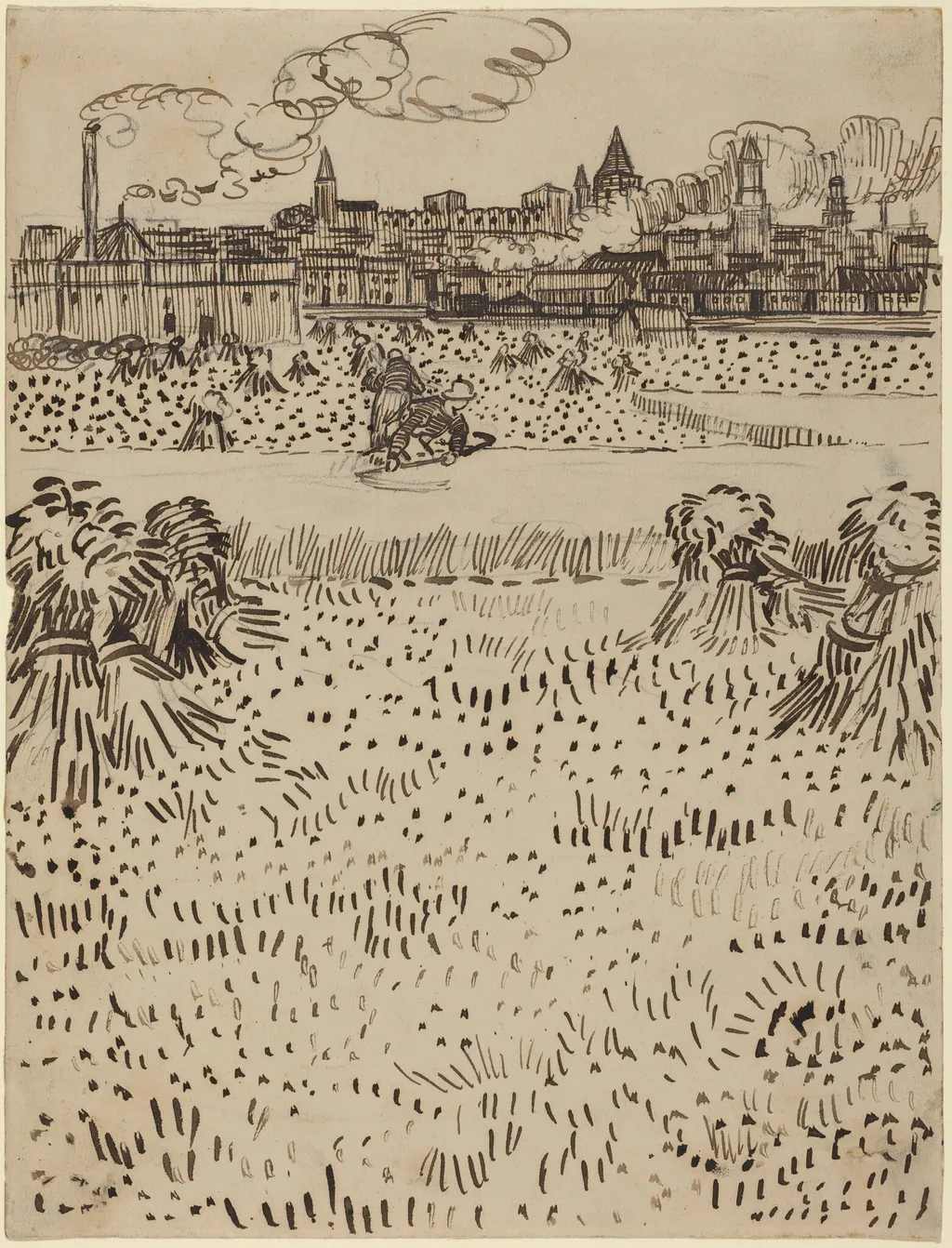
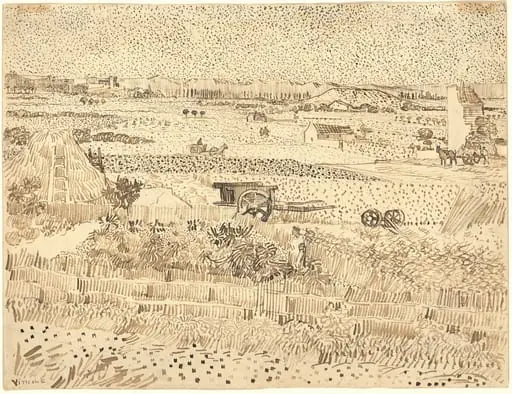
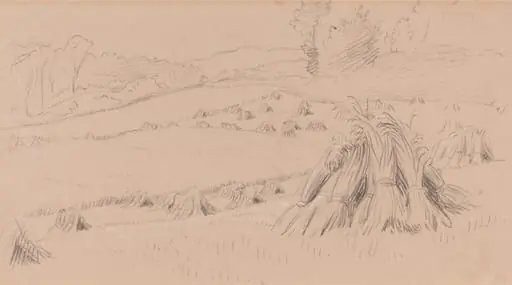
The Harvest is an ink drawing by the Impressionist artist Vincent van Gogh. It dates from 1888 and is held in the collection of the National Gallery of Art.
About this work
Overview
Though less known than his paintings, this drawing exemplifies his commitment to capturing the rhythms of agricultural life through direct, tactile mark-making.
Created in 1888, *The Harvest* is a drawing by Vincent van Gogh executed in reed pen and brown ink over graphite on wove paper. It belongs to a series of works produced during his time in Arles, when he focused intensely on rural labor and the natural world. Though less known than his paintings, this drawing exemplifies his commitment to capturing the rhythms of agricultural life through direct, tactile mark-making.
Subject & Meaning
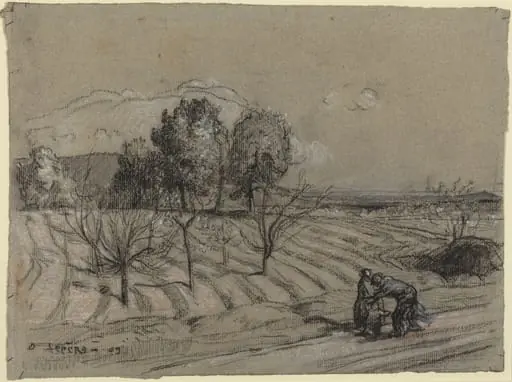
The drawing depicts laborers harvesting grain under a vast sky, emphasizing the physicality of fieldwork. Van Gogh viewed peasant labor as dignified and spiritually resonant, aligning with his admiration for Jean-François Millet. The figures are rendered with simplified forms and rhythmic lines, conveying both exhaustion and endurance. The scene reflects his belief in art as a means to honor the everyday struggles of working people.
Technique & Style
Van Gogh used a self-made reed pen to create bold, angular strokes that define the figures and fields. Graphite underdrawing guided the composition, while ink added contrast and texture. The lines are energetic yet controlled, building form through repetition rather than shading. This approach reveals his transition from earlier, more delicate sketches toward a more expressive, structural language rooted in observation and emotional intensity.
History & Provenance
The drawing was made during Van Gogh’s year in Arles, a period of intense productivity despite deteriorating mental health. It remained in his possession until his death in 1890, after which it passed through the hands of his brother Theo and later his widow, Jo van Gogh-Bonger. It entered a public collection in the 20th century, where it is now preserved as part of his graphic oeuvre.
Context
In 1888, Van Gogh sought to establish an artists' community in Arles and produced hundreds of works inspired by the Provencal landscape. He drew frequently as a preparatory exercise and as independent studies, often focusing on laborers and seasonal cycles. *The Harvest* aligns with his broader interest in connecting art to the land and the people who worked it, influenced by socialist ideals and his own sense of isolation.
Legacy
Though not widely exhibited during his lifetime, *The Harvest* contributes to the understanding of Van Gogh’s graphic practice as integral to his artistic vision. It demonstrates how drawing served as both a technical discipline and emotional outlet. Today, it is recognized as a key example of how 19th-century artists redefined the role of the sketch in conveying human experience beyond mere representation.
Artist & collection
Artist
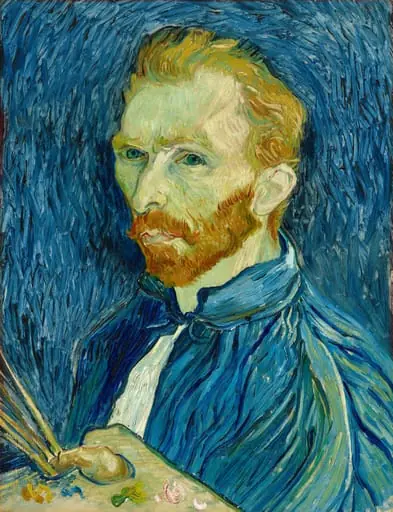
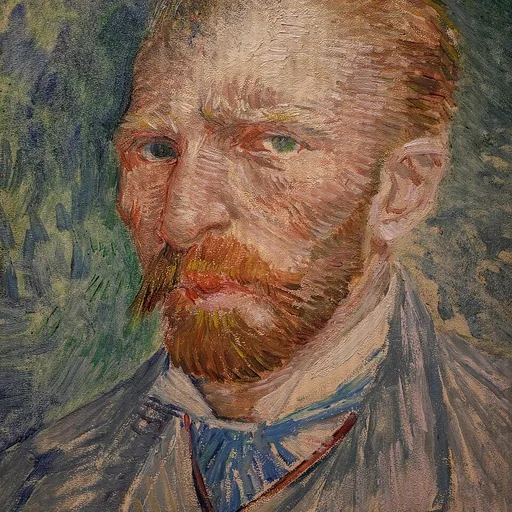
Vincent Willem van Gogh was a Dutch Post-Impressionist painter who is among the most famous and influential figures in the history of Western art.