Artwork
Portrait of a man, known as Gozen Centen (1611/12-77)
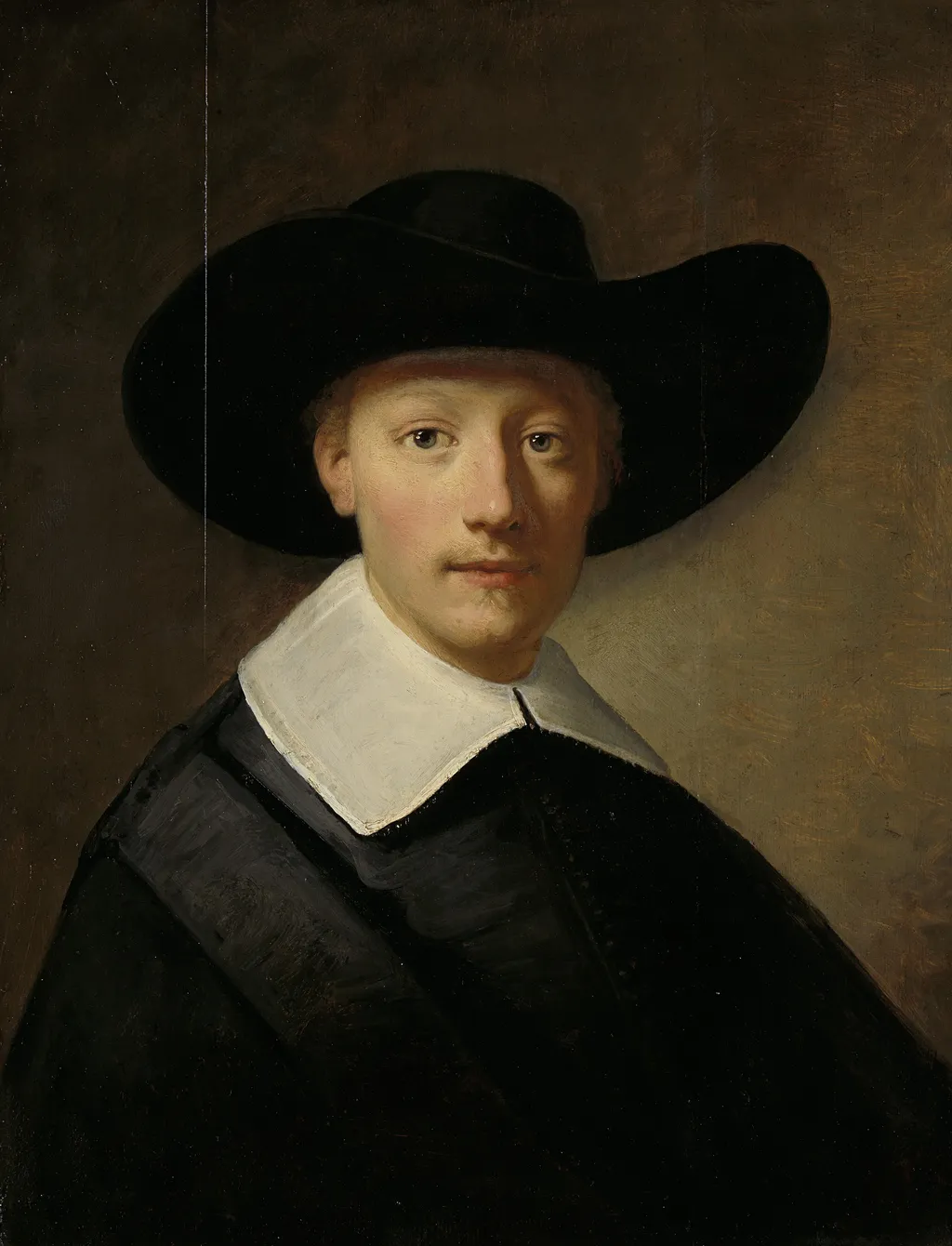
Portrait of a man, known as Gozen Centen (1611/12-77) is an oil painting by the Dutch Golden Age artist Govert Flinck. It dates from 1639 and is held in the collection of the Rijksmuseum.
About this work
Overview
This 1639 oil portrait by Govert Flinck depicts Gozen Centen, a man born between 1611 and 1612 who died in 1677. The work is part of the Rijksmuseum's collection.
Subject & Meaning
The subject, Gozen Centen, is portrayed with a serious yet subtly smiling expression, set against a somber, dark background that emphasizes his presence. His attire, a black coat with a white collar and a wide-brimmed hat, suggests a sense of sobriety and dignity.
Technique & Style
Flinck employed chiaroscuro to create a sharp contrast between light and dark, drawing attention to Centen's face. The coat's texture, achieved through thick brushstrokes, adds a near three-dimensional quality to the painting.
History & Provenance
Created in 1639, the portrait has been part of the Rijksmuseum's holdings, though specific details of its acquisition or earlier ownership are not provided in the available information.
Context
The use of chiaroscuro and the focus on the subject's character through lighting and expression align with 17th-century Dutch portrait traditions, which often emphasized the sitter's personality and status.
Legacy
While specific influences or notable exhibitions of this portrait are not detailed, it contributes to the broader understanding of Govert Flinck's oeuvre and 17th-century Dutch portraiture techniques.
Own this work as a print
Artist & collection

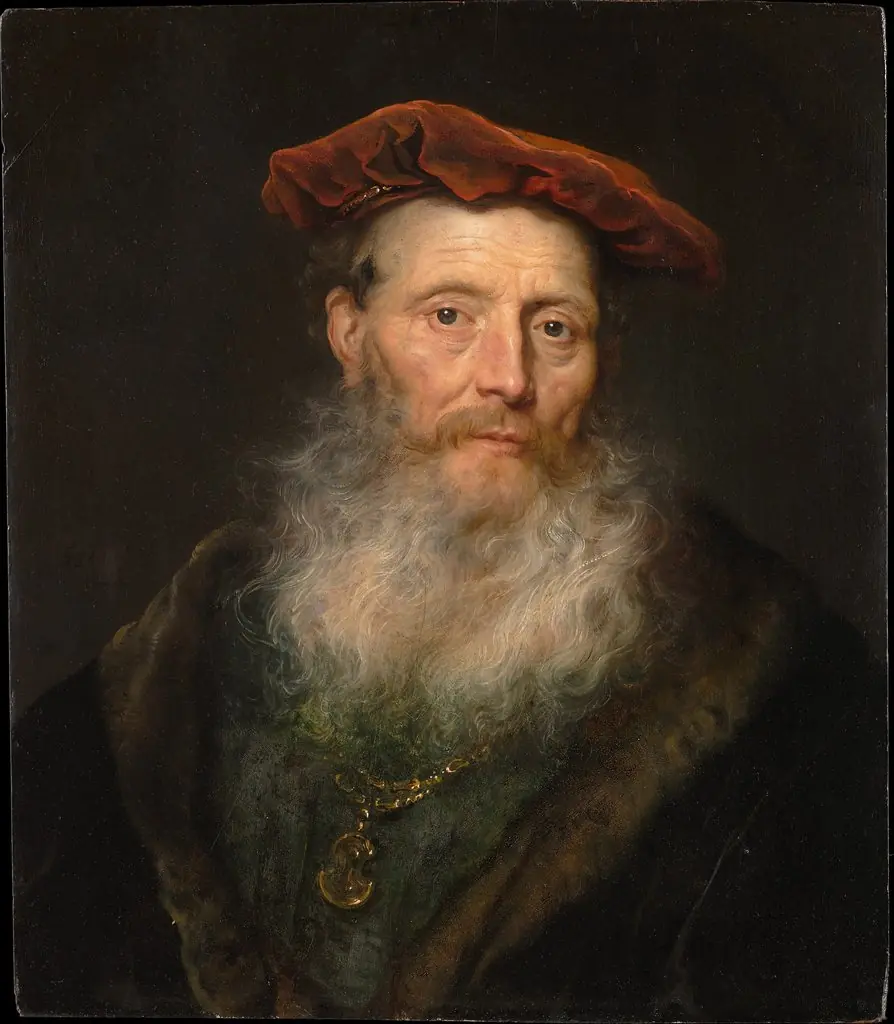 Bearded Man with a Velvet Cap
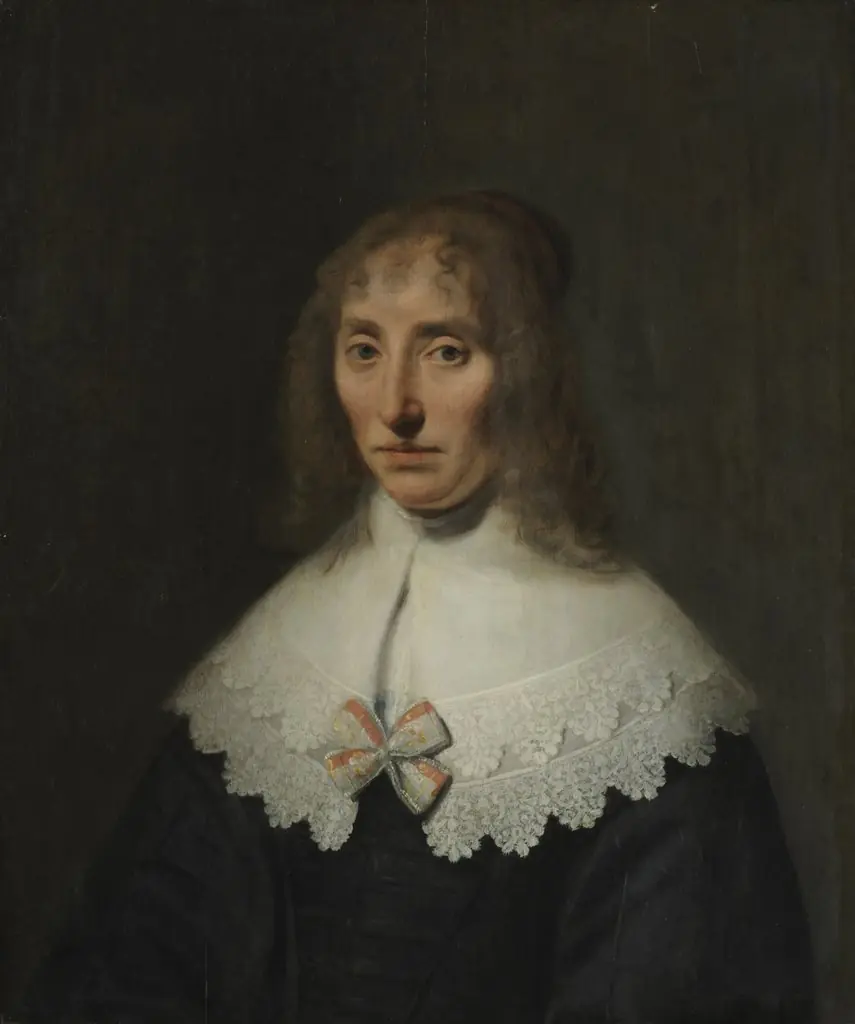 Portrait of a Woman
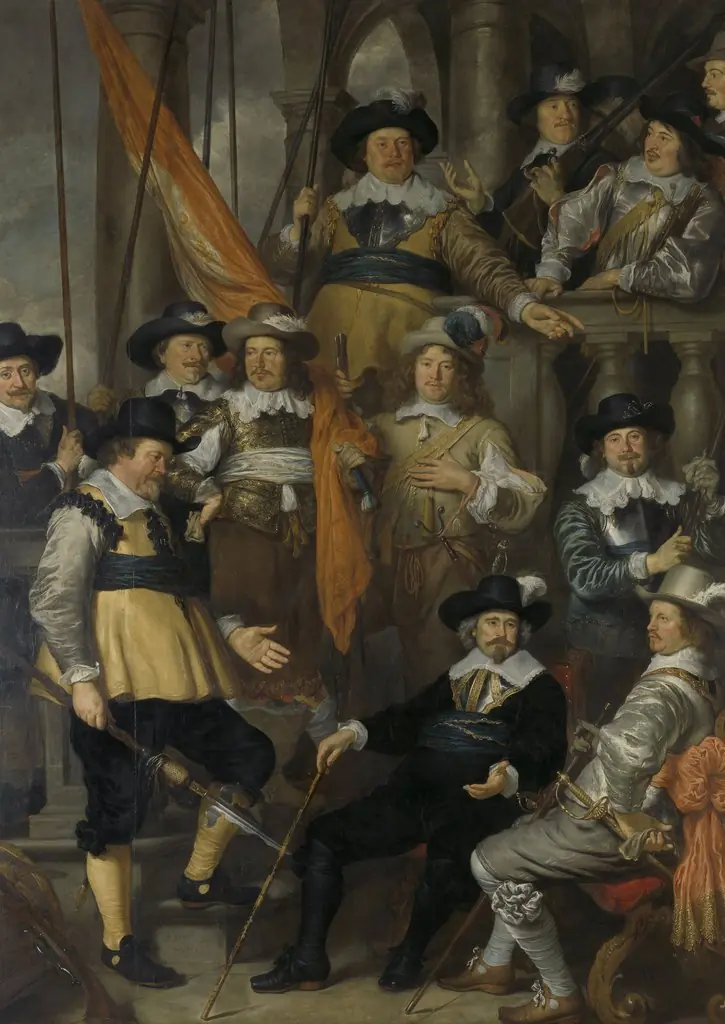 The Company of Captain Albert Bas and Lieutenant Lucas Conijn
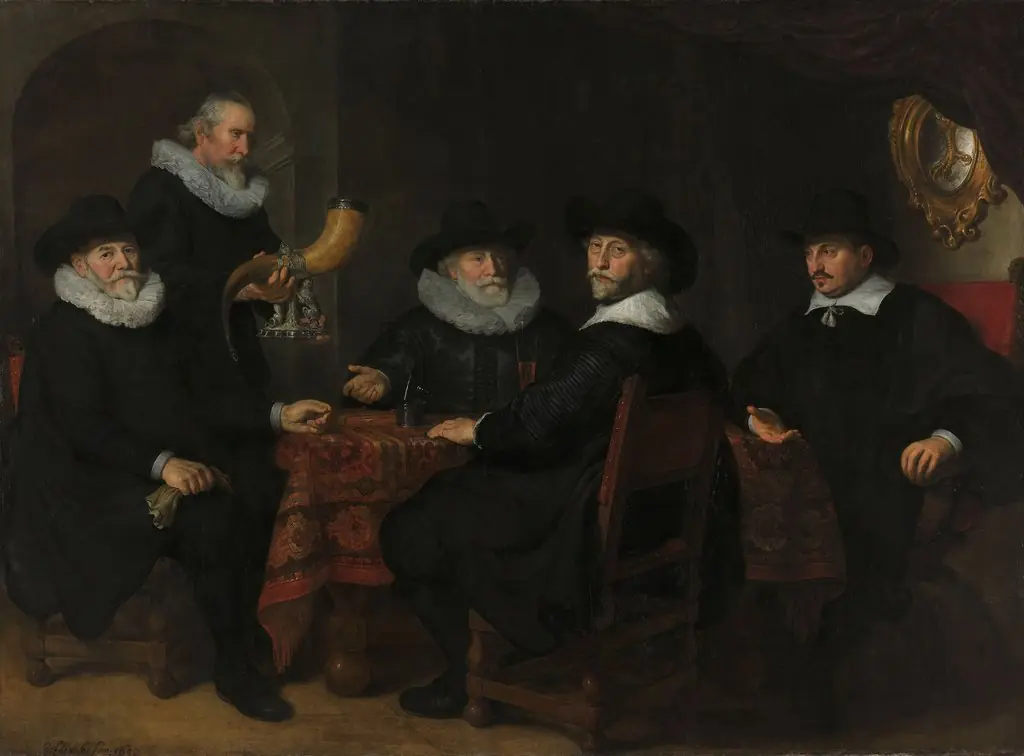 Four directors of the arquebusier's guild, Amsterdam, 1642
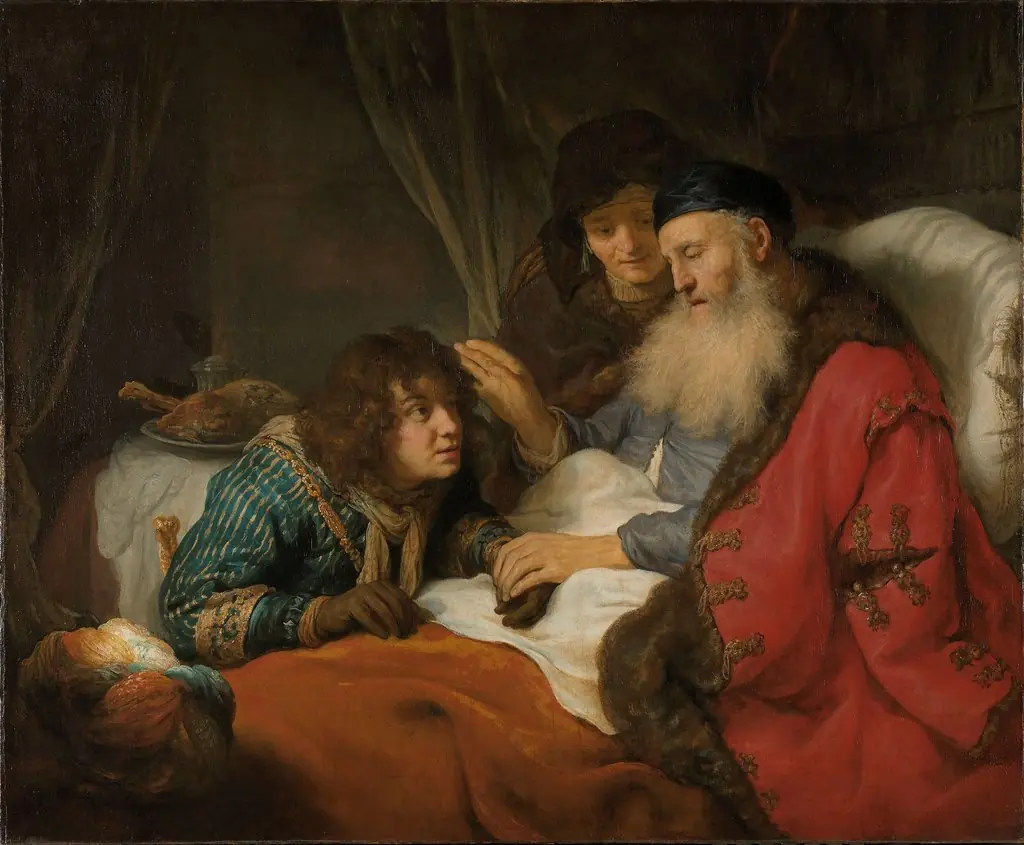 Isaac Blessing Jacob
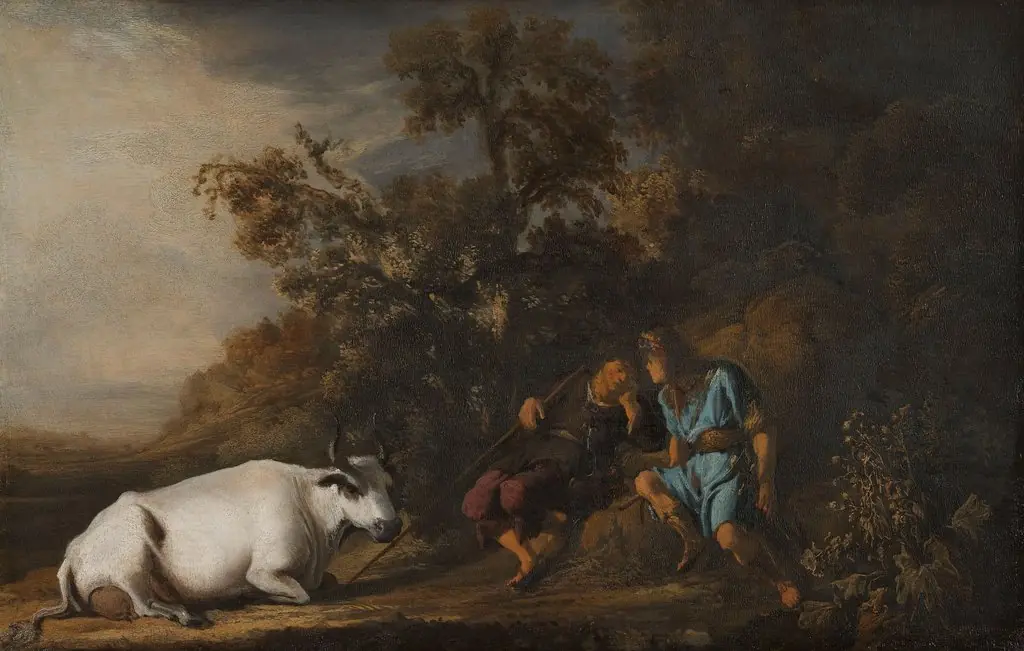 Mercury, Argus and Io
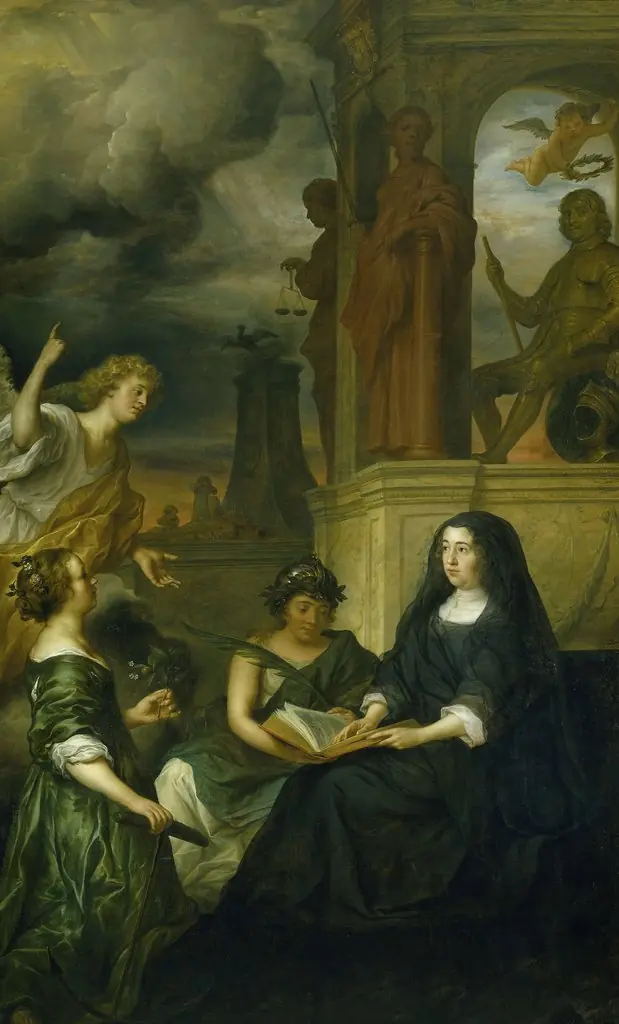 Allegory on the memory of Frederik Hendrik (1584-1647), prince of Orange, with the portrait of his widow Amalia van Solms
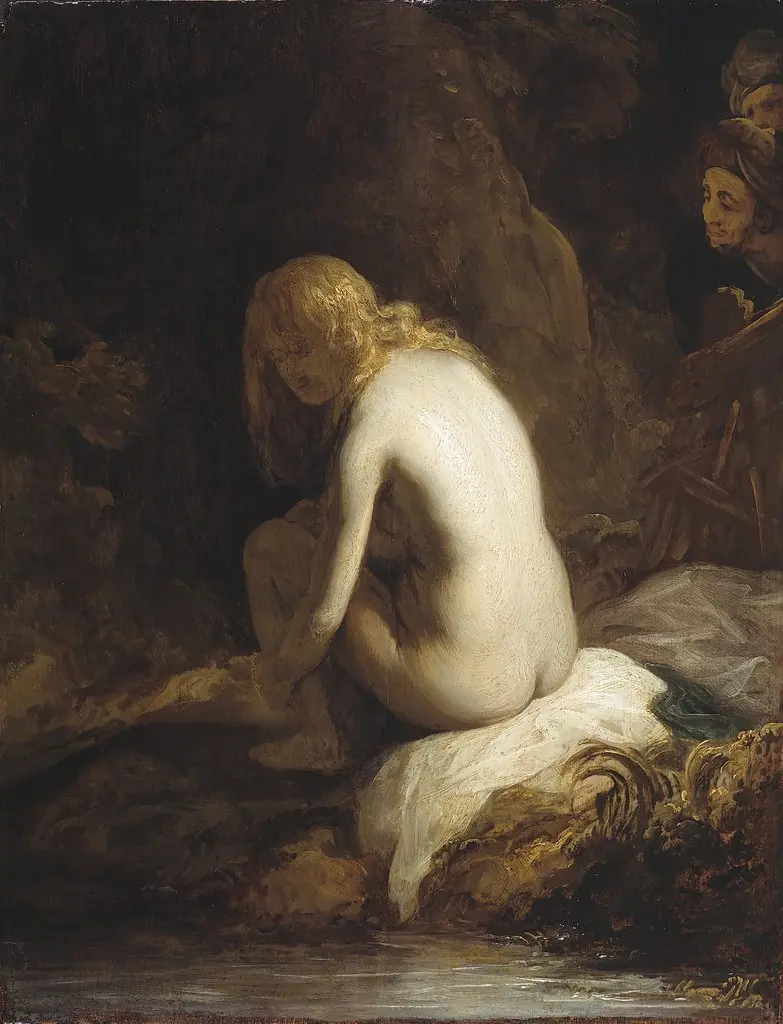 Susanna and the Elders
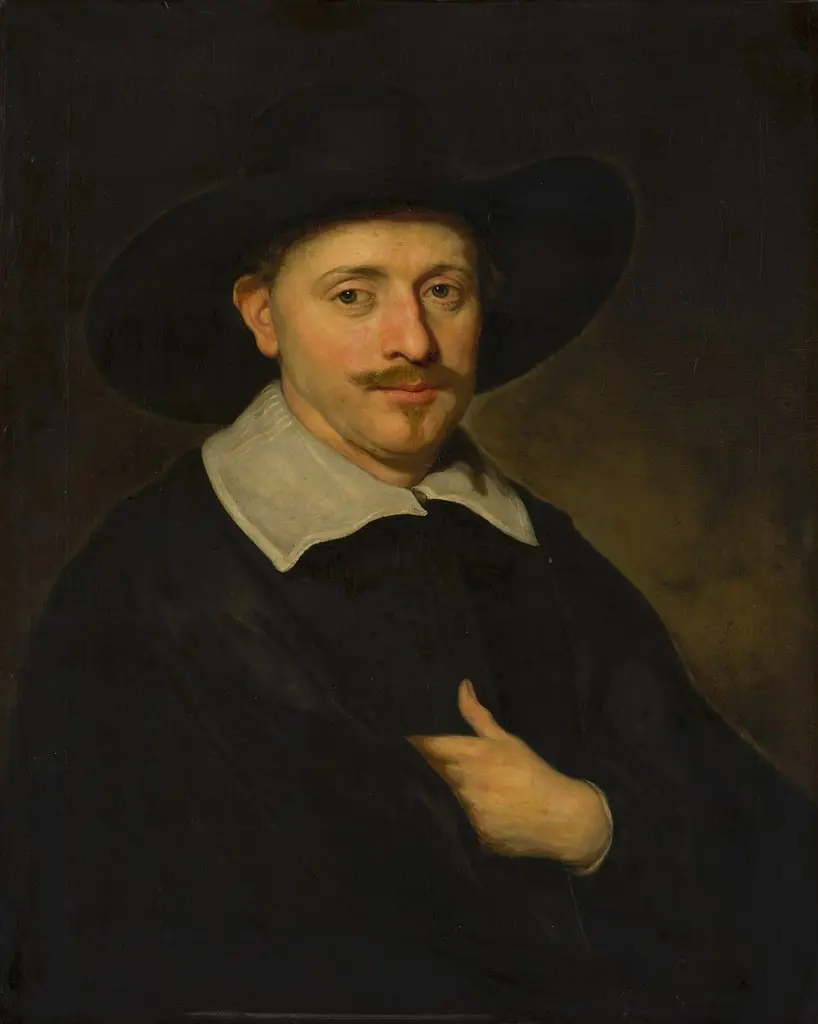 Portrait of a man
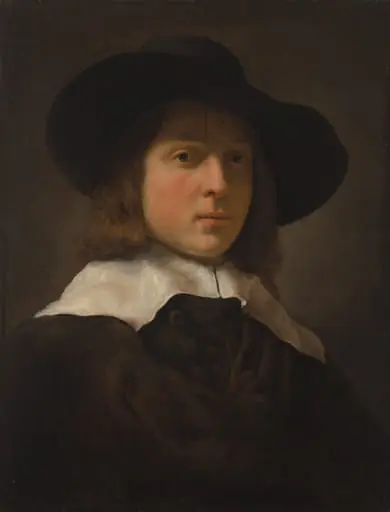 Head of a Young Man
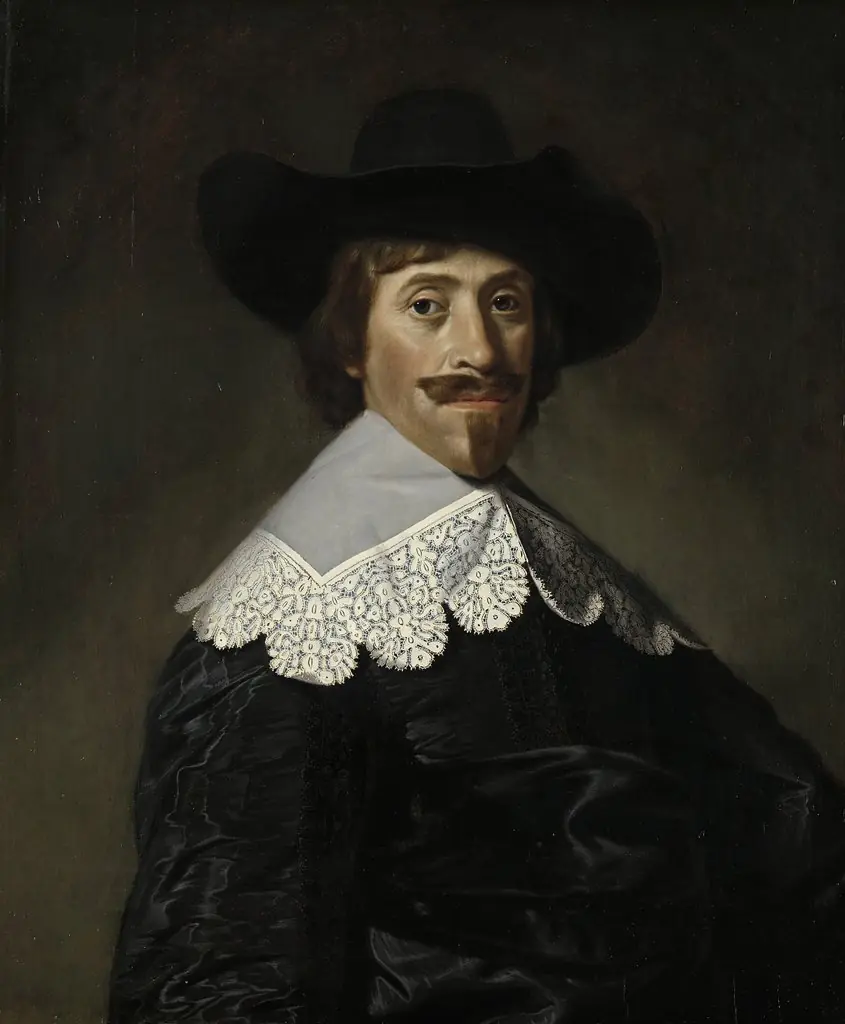 Frederik Dircksz Alewijn (1603-65). Alderman and councillor of Amsterdam
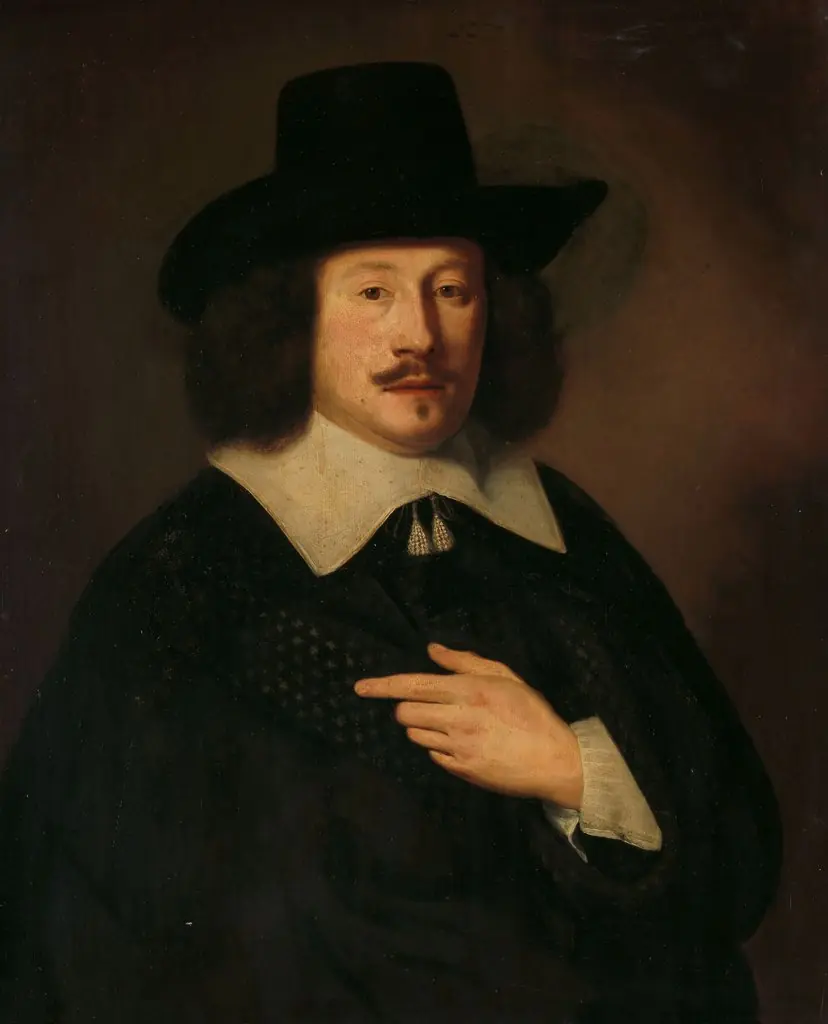 Portrait of a man
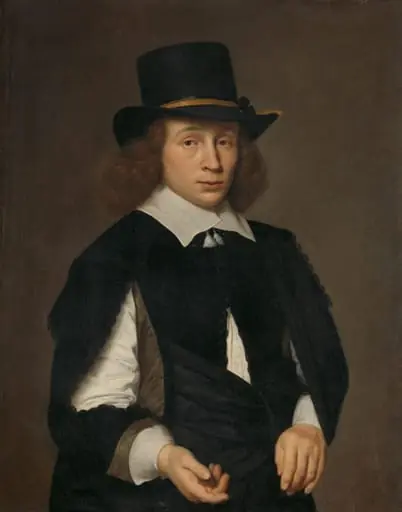 Portrait of Dirck Hendrick Meulenaer (1620-in or after 1649 ?)
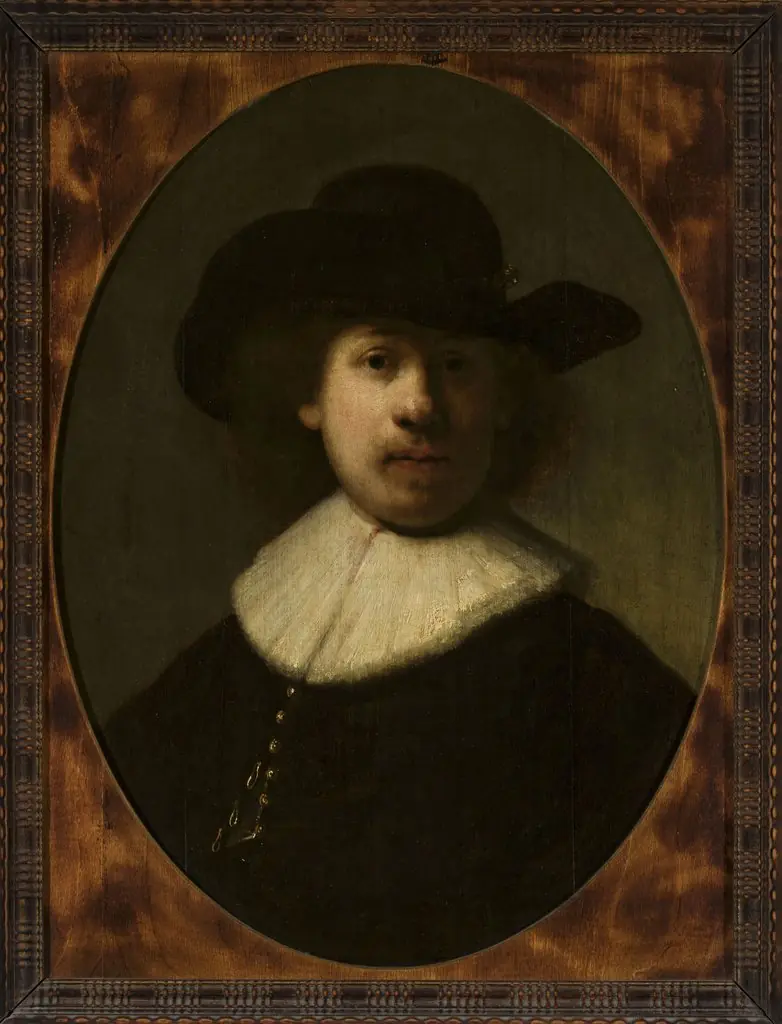 Self-portrait
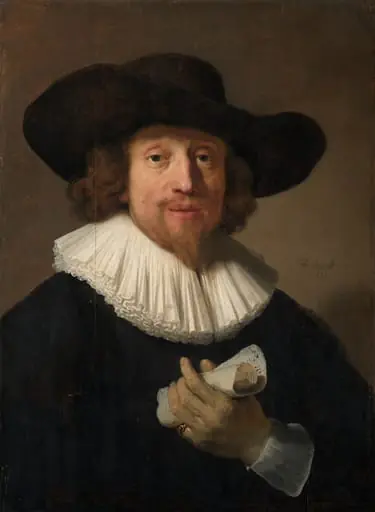 Man with a Sheet of Music
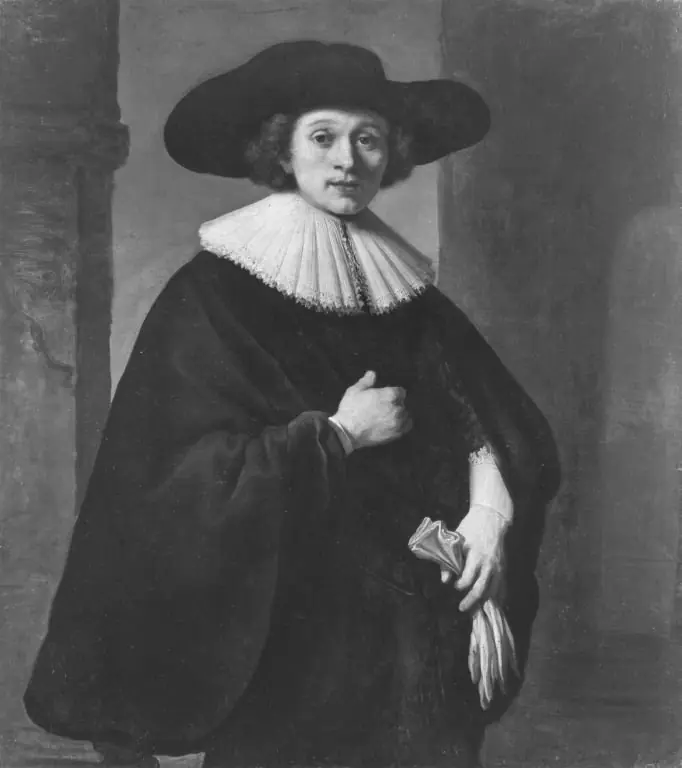 Portrait of a man
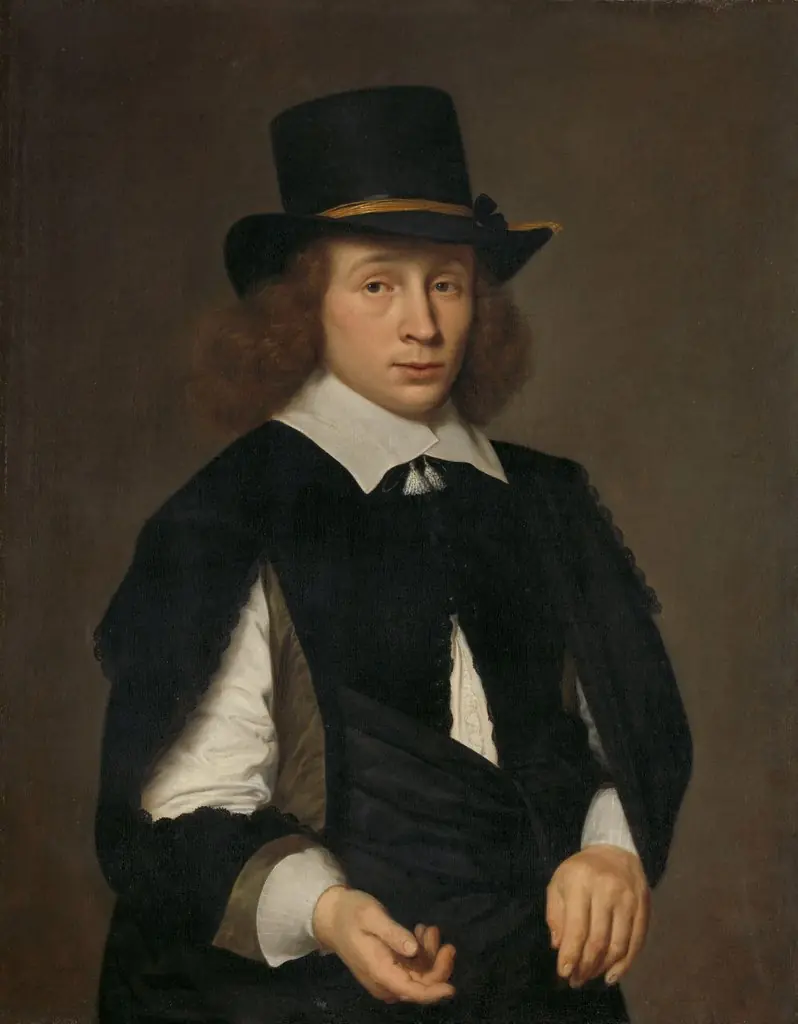 Dirck Hendrick Meulenaer
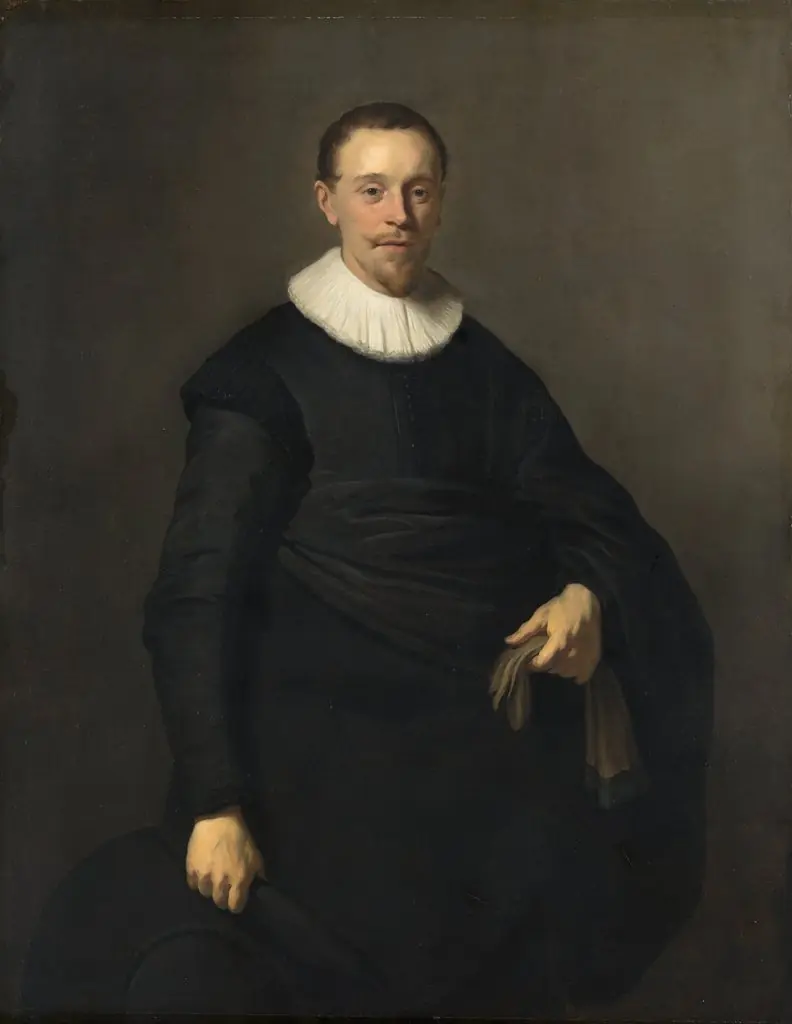 Portrait of a Man
 Portrait of a Man in a Tall Hat
 A Young Man Seated at a Table (possibly Govaert Flinck)