Artwork
Portrait of an unknown old man
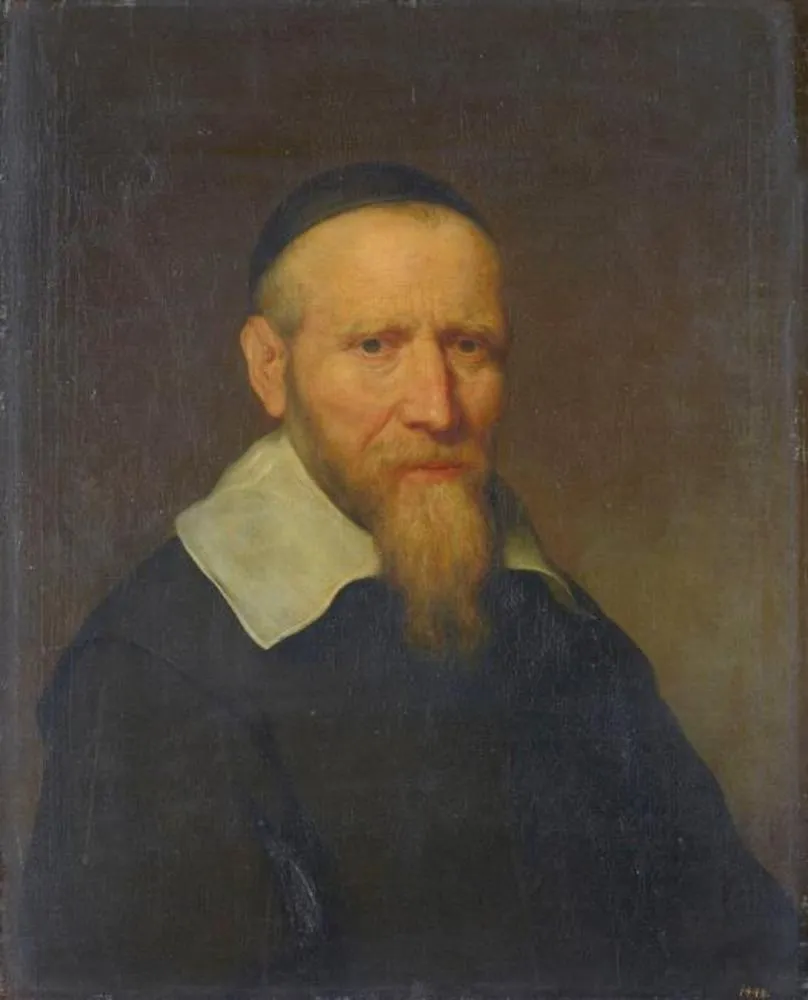
Portrait of an unknown old man is an oil painting by the Dutch Golden Age artist Govert Flinck. It dates from 1643 and is held in the collection of the Gemäldegalerie Alte Meister.
About this work
Overview
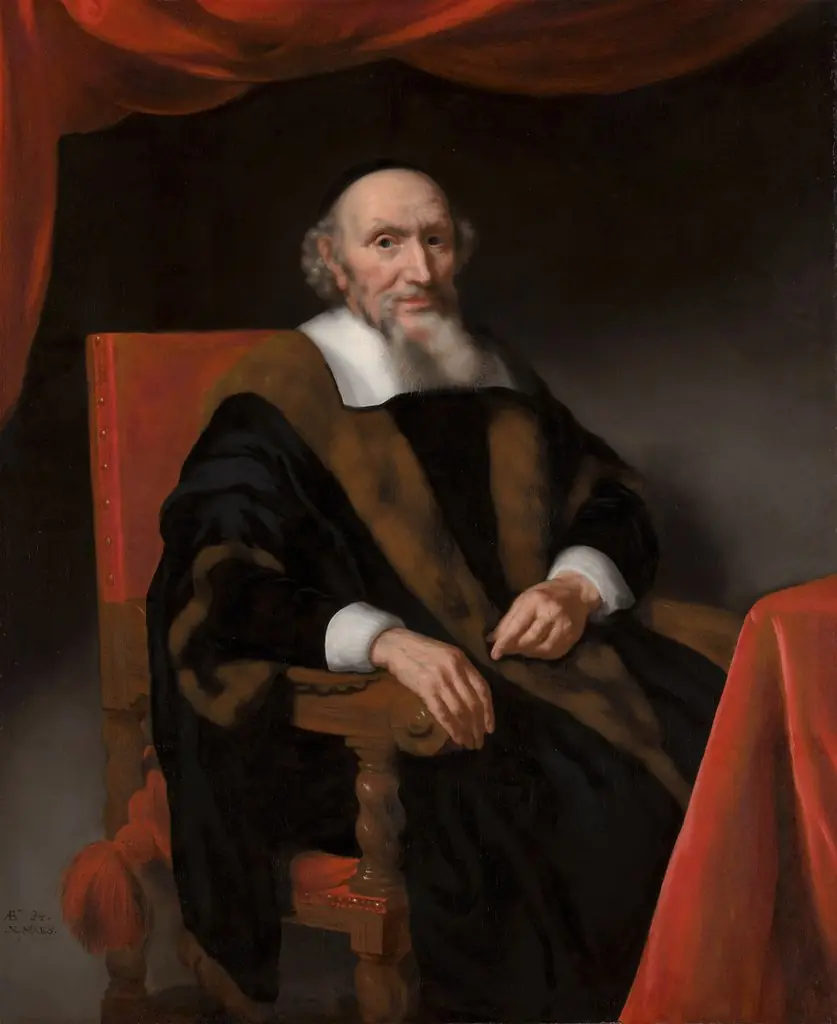
The composition emphasizes the man’s aged features against a muted, dark background, focusing attention on his expression and texture of skin and fabric.
Painted in 1643 by Govert Flinck, this oil portrait depicts an unidentified elderly man. The work resides in the Gemäldegalerie Alte Meister in Dresden. Rendered with quiet intensity, the figure confronts the viewer with direct gaze and minimal gesture. The composition emphasizes the man’s aged features against a muted, dark background, focusing attention on his expression and texture of skin and fabric.
Subject & Meaning
The identity of the sitter remains unknown, but his dignified bearing and formal attire suggest a man of some social standing, possibly a merchant or civic official. His serious expression and steady gaze convey introspection rather than emotion. The absence of symbolic objects or elaborate setting invites interpretation grounded in character rather than status, reflecting a shift toward psychological realism in mid-17th-century Dutch portraiture.
Technique & Style
Flinck employs chiaroscuro to model the man’s face with subtle gradations of light and shadow, enhancing the three-dimensionality of his features. Fine brushwork captures the texture of his beard, the crispness of the white collar, and the soft folds of his dark jacket. The restrained palette—dominated by blacks, browns, and muted tones—heightens the focus on facial detail, particularly the piercing blue eyes and finely rendered eyebrows.
History & Provenance
The painting entered the collection of the Gemäldegalerie Alte Meister in the 19th century, likely as part of a broader acquisition of Dutch and Flemish works. Its attribution to Flinck has been consistently supported by stylistic analysis and archival records. No significant alterations or restorations are documented, preserving the original surface and tonal balance as intended by the artist.
Context
Created during the Dutch Golden Age, this portrait aligns with a growing interest in individualized, unidealized depictions of ordinary yet respectable figures. Flinck, trained under Rembrandt, absorbed his teacher’s emphasis on psychological depth but retained a more controlled, refined approach. The work reflects broader trends in Amsterdam’s portraiture market, where patrons sought honest, understated representations of personal character.
Legacy
Though not among Flinck’s most widely known works, this portrait exemplifies his skill in capturing quiet humanity through precise observation. It contributes to the understanding of how Dutch artists moved beyond mere likeness to convey inner presence. The painting remains a quiet reference point in studies of 17th-century portraiture, valued for its restraint and technical clarity.
Artist & collection

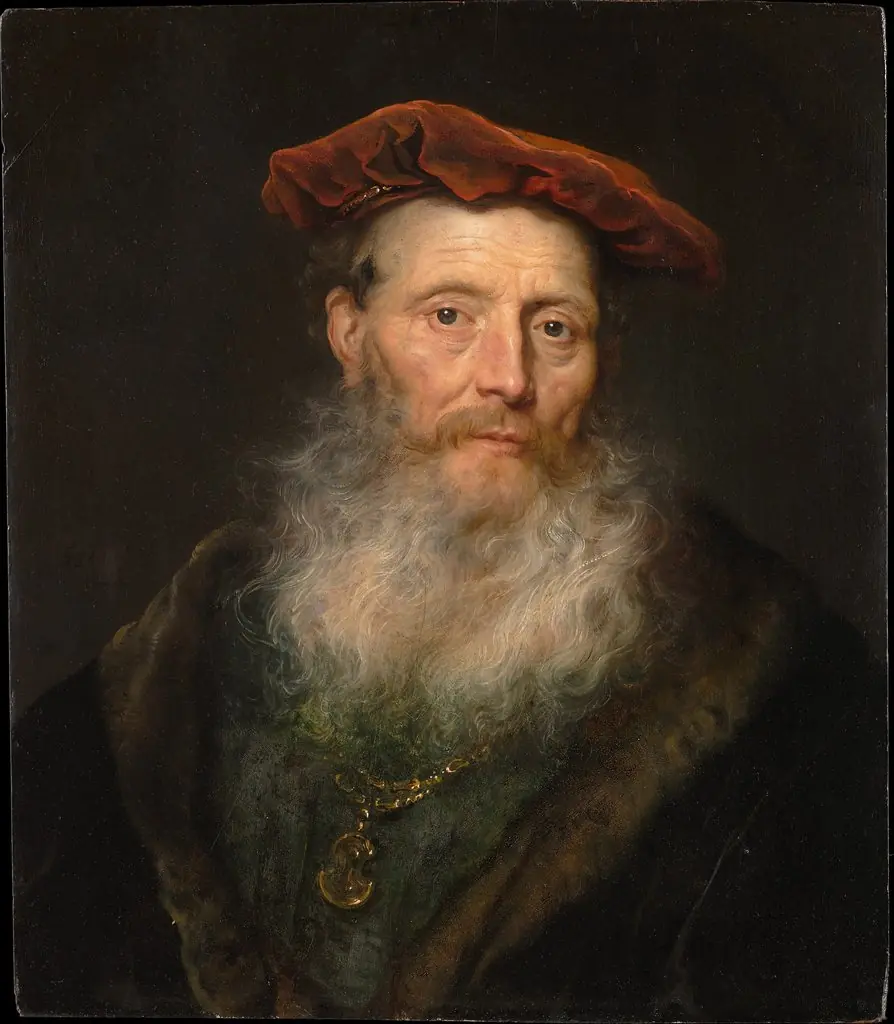 Bearded Man with a Velvet Cap
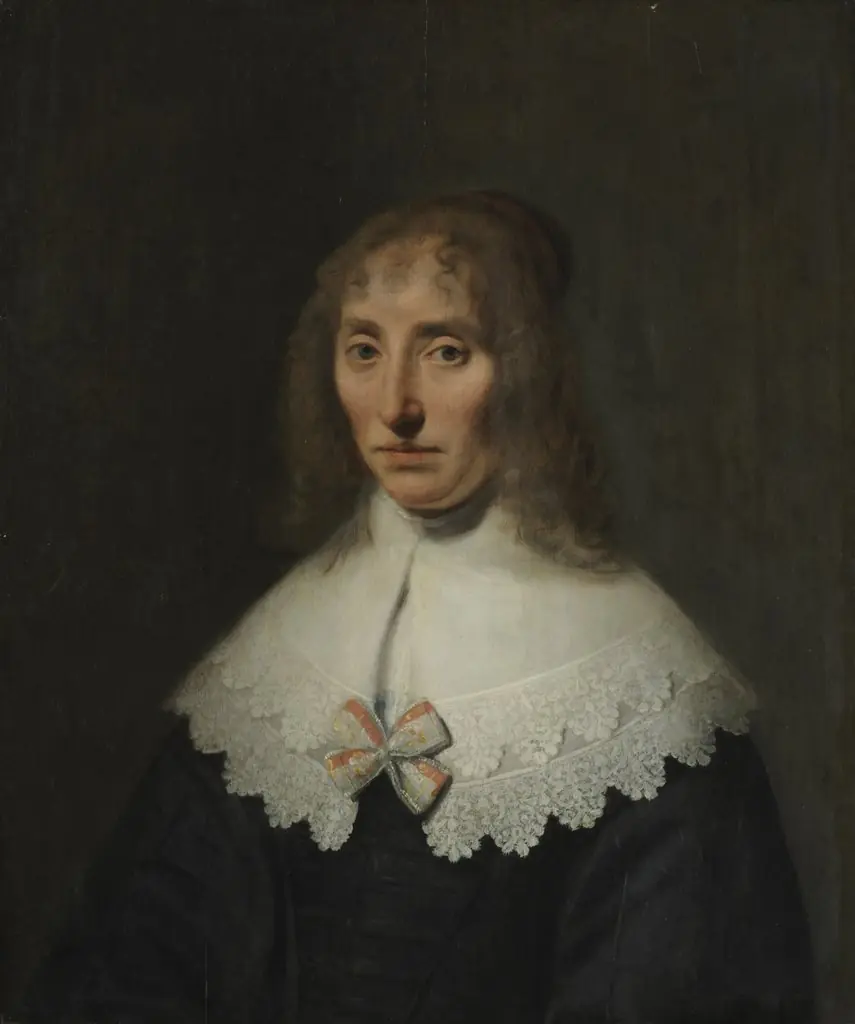 Portrait of a Woman
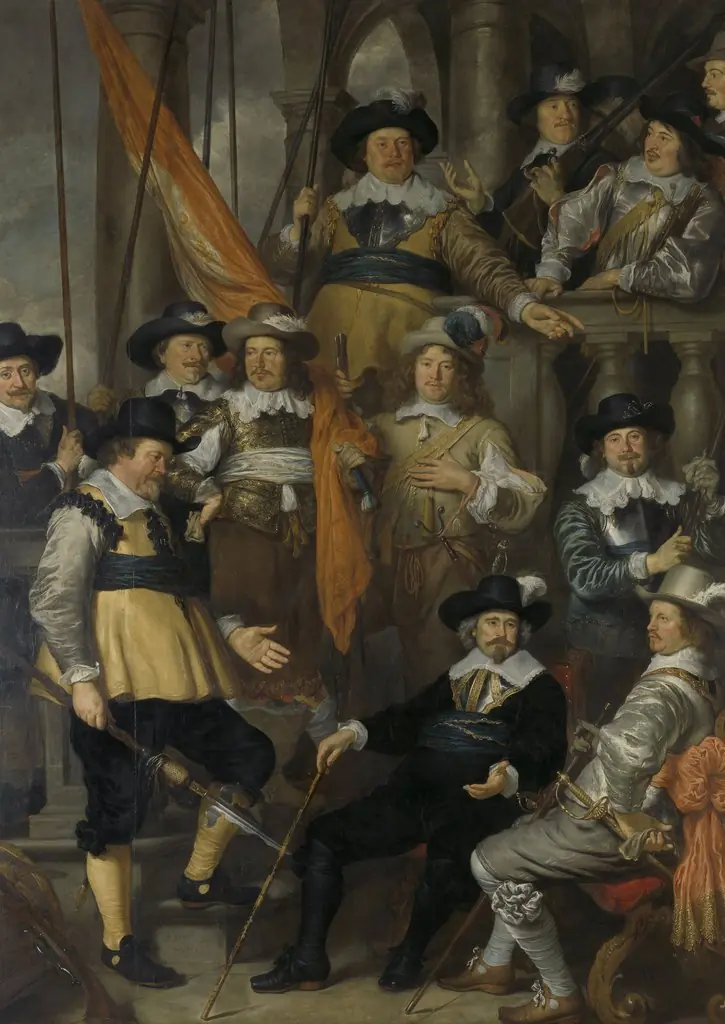 The Company of Captain Albert Bas and Lieutenant Lucas Conijn
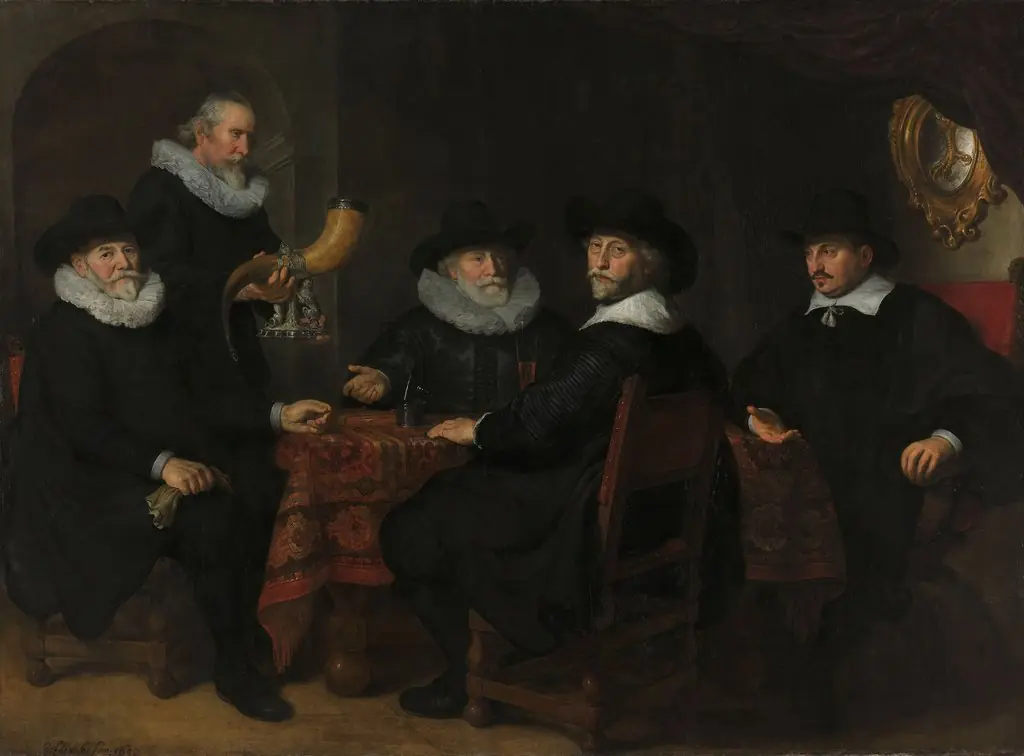 Four directors of the arquebusier's guild, Amsterdam, 1642
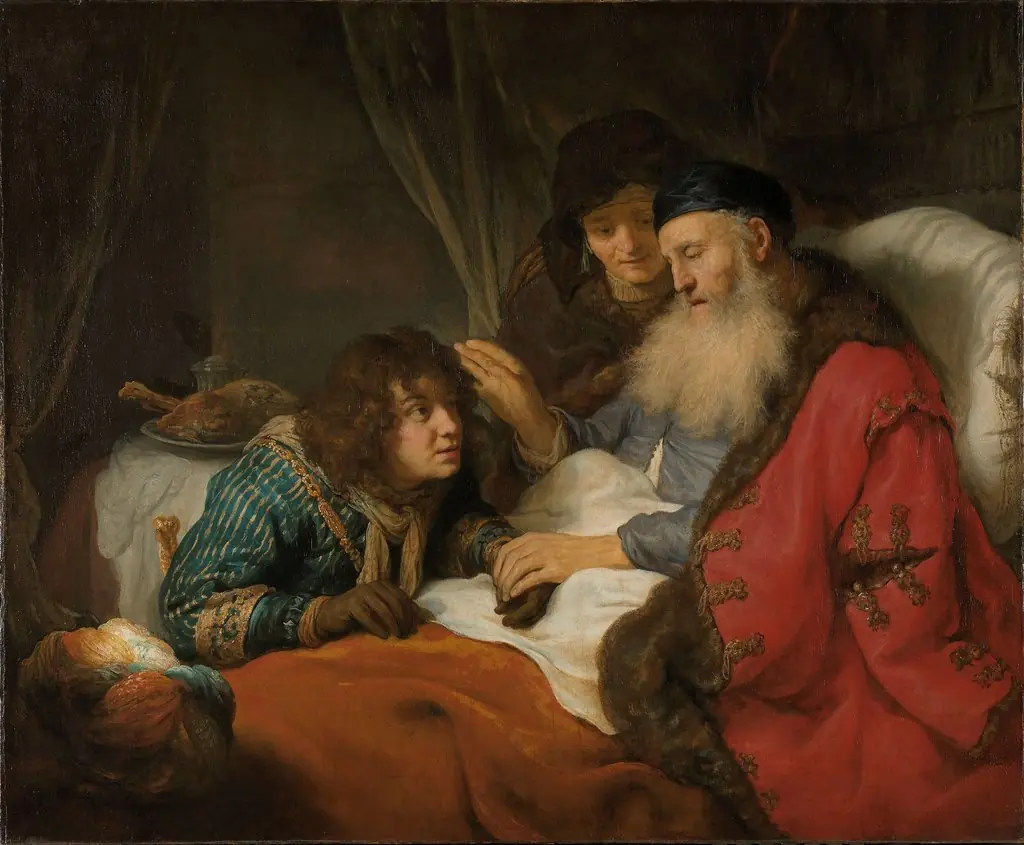 Isaac Blessing Jacob
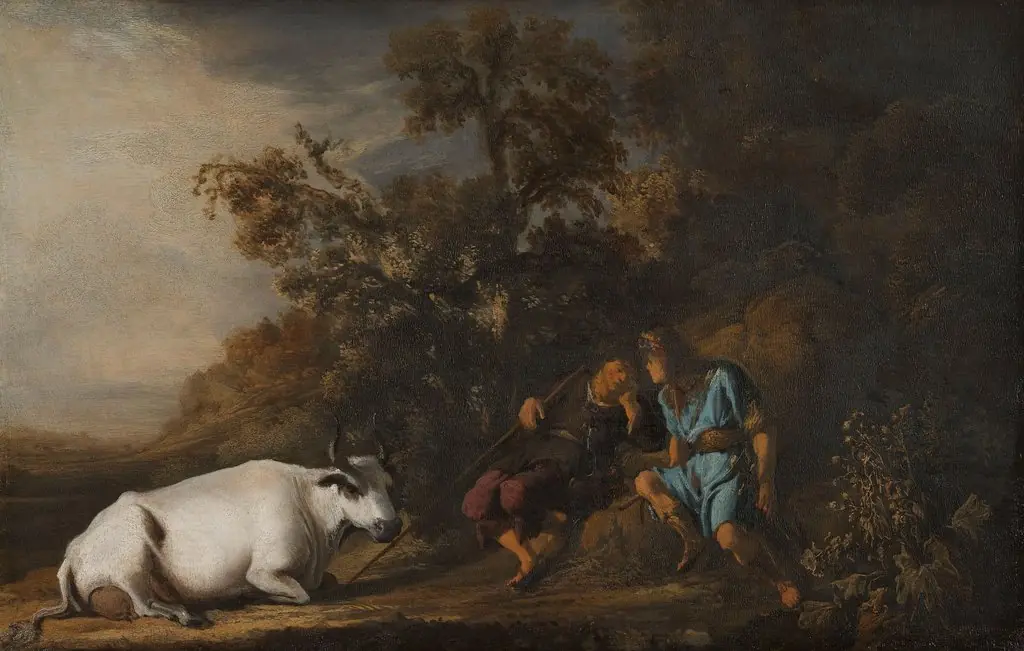 Mercury, Argus and Io
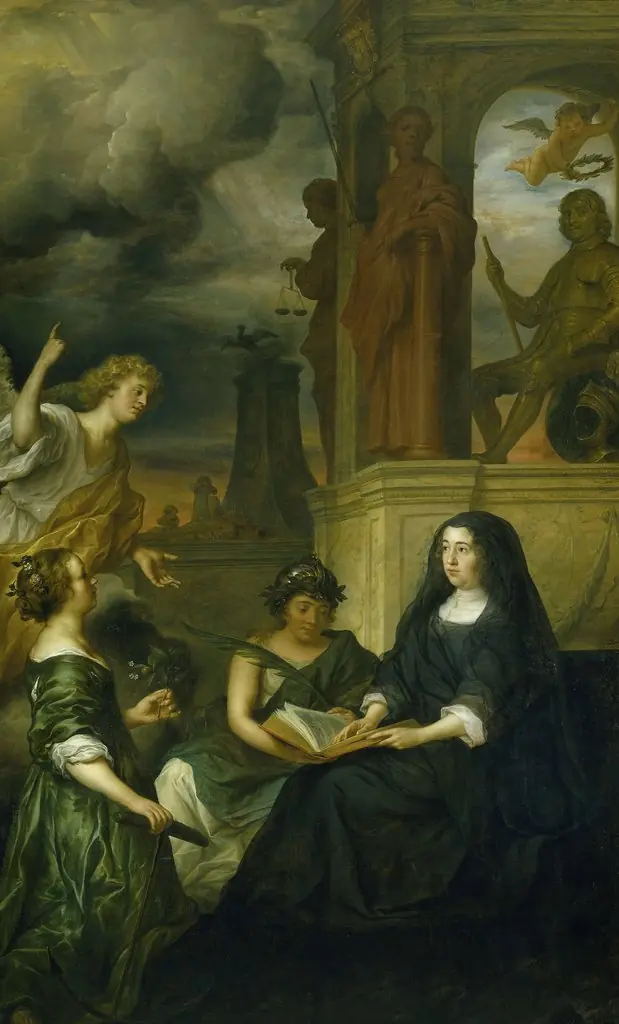 Allegory on the memory of Frederik Hendrik (1584-1647), prince of Orange, with the portrait of his widow Amalia van Solms
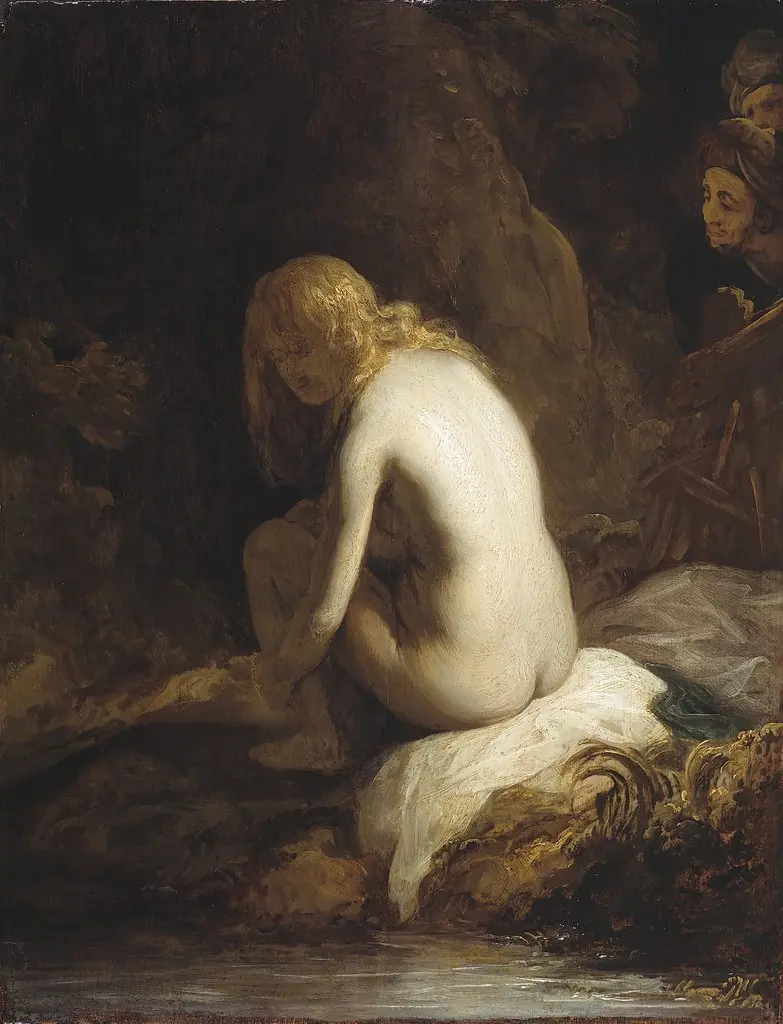 Susanna and the Elders
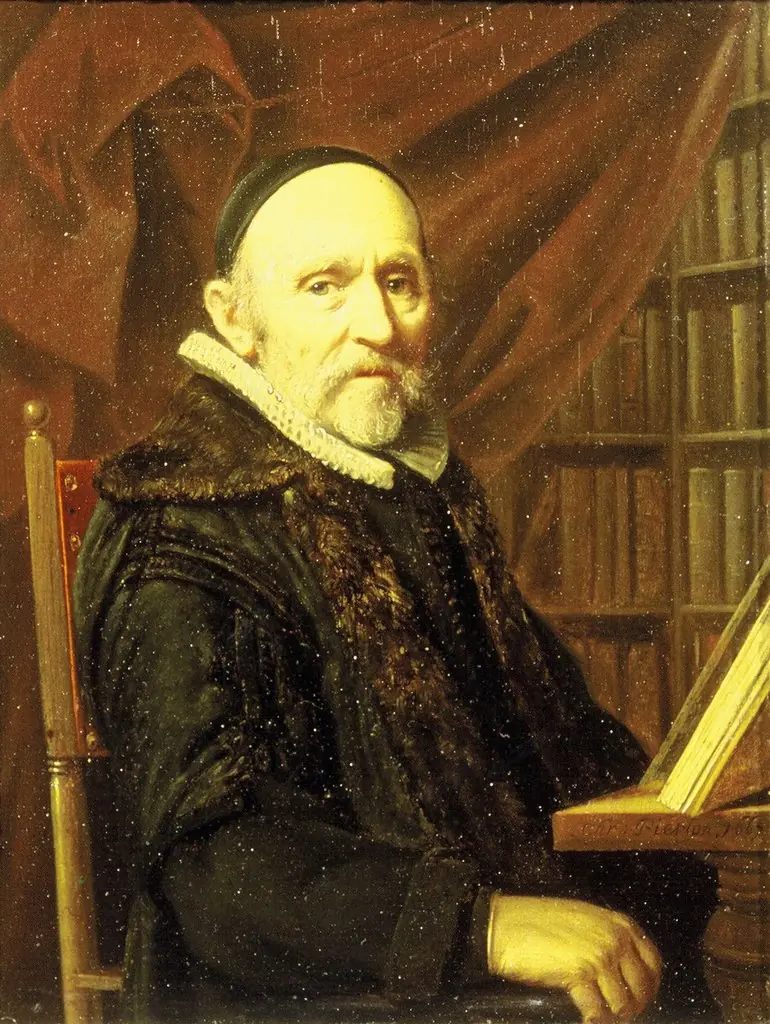 Portrait of Joris Goethals (1584/86-1670)
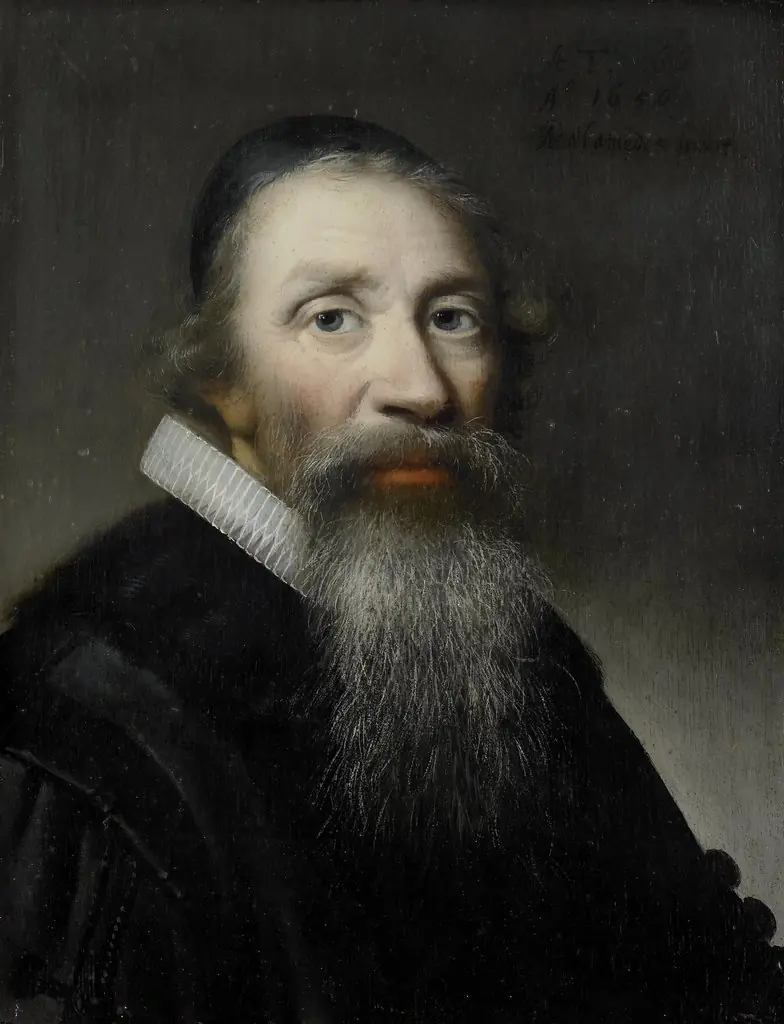 Portrait of a man, probably a clergyman
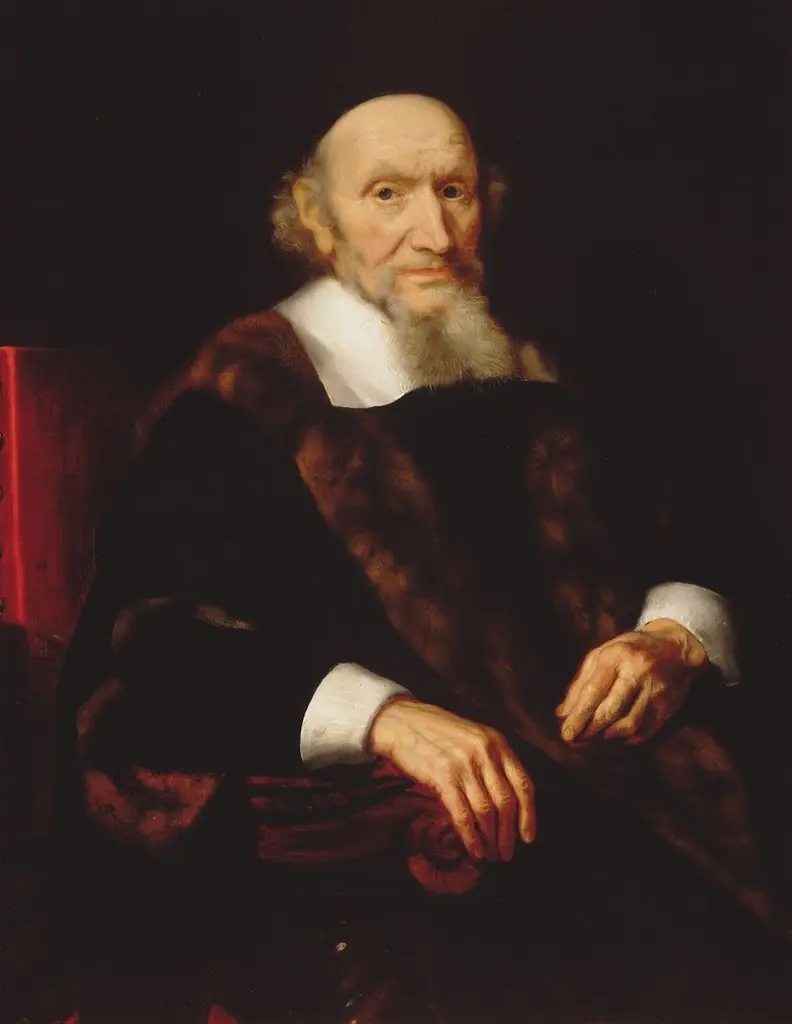 Portrait of Jacob Trip
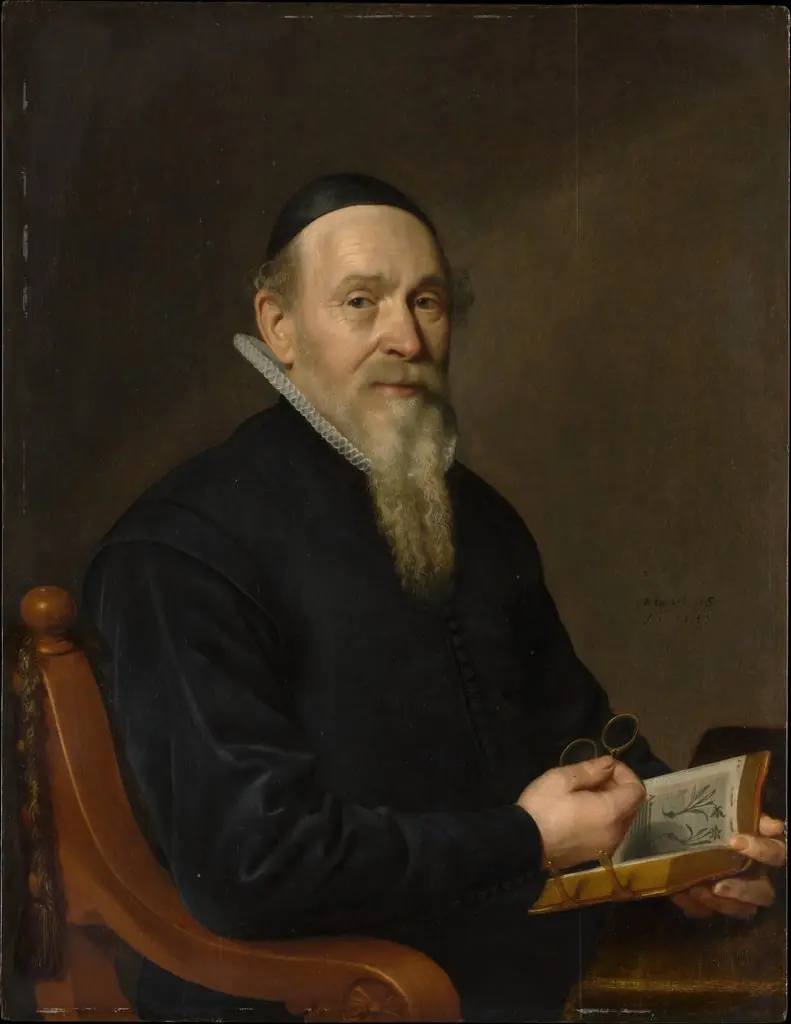 Portrait of a Man, Possibly a Botanist
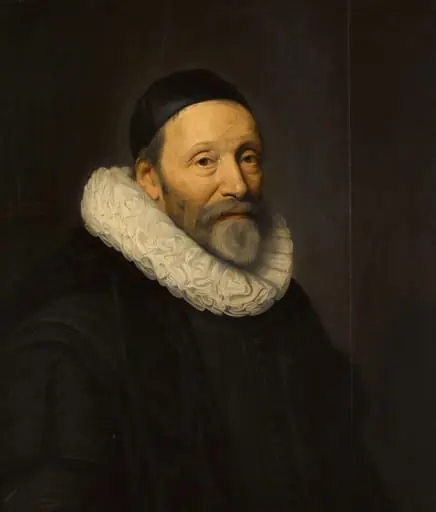 Portrait of Johannes Wttenbogaert (Jan Uytenbogaert), Remonstrant Minister in The Hague, Pastor of the Wallon Church
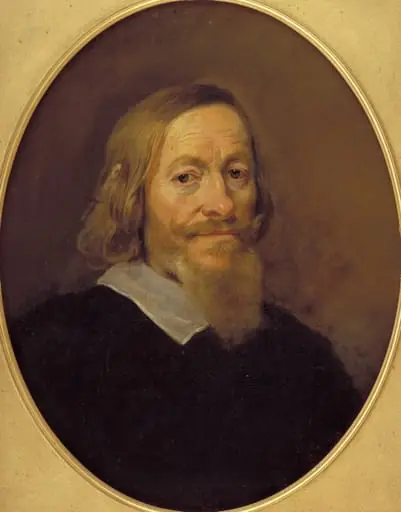 Rigsadmiral Ove Gjedde
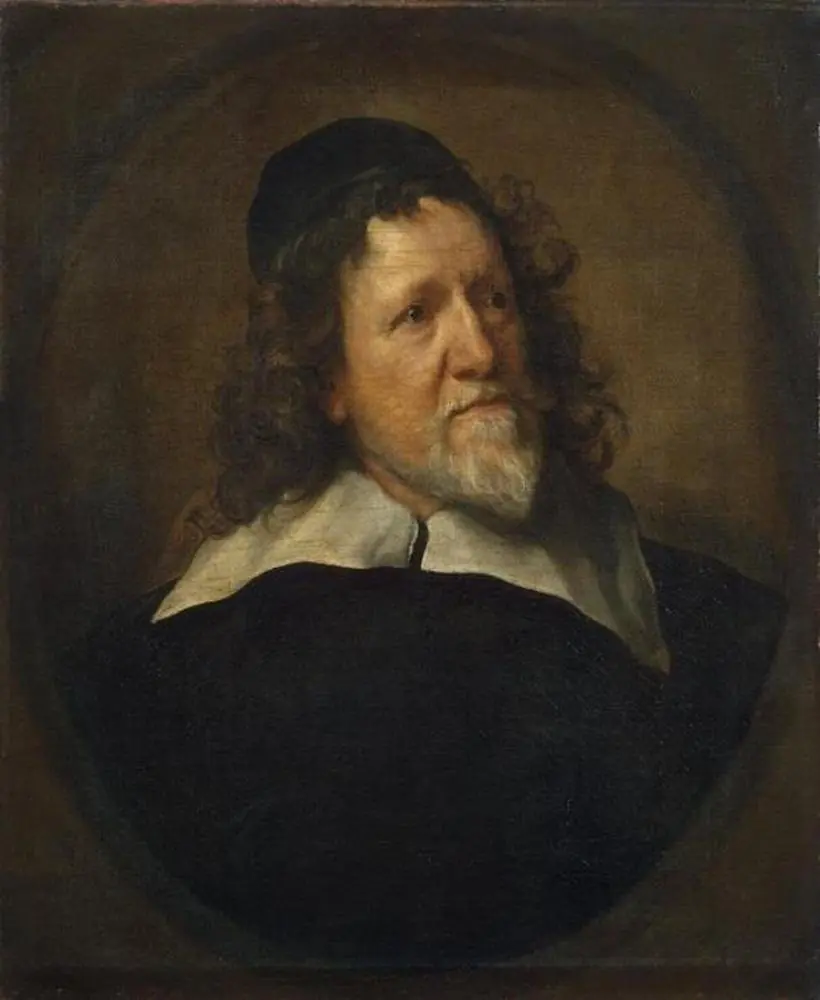 Portrait of Inigo Jones (1573-1652)
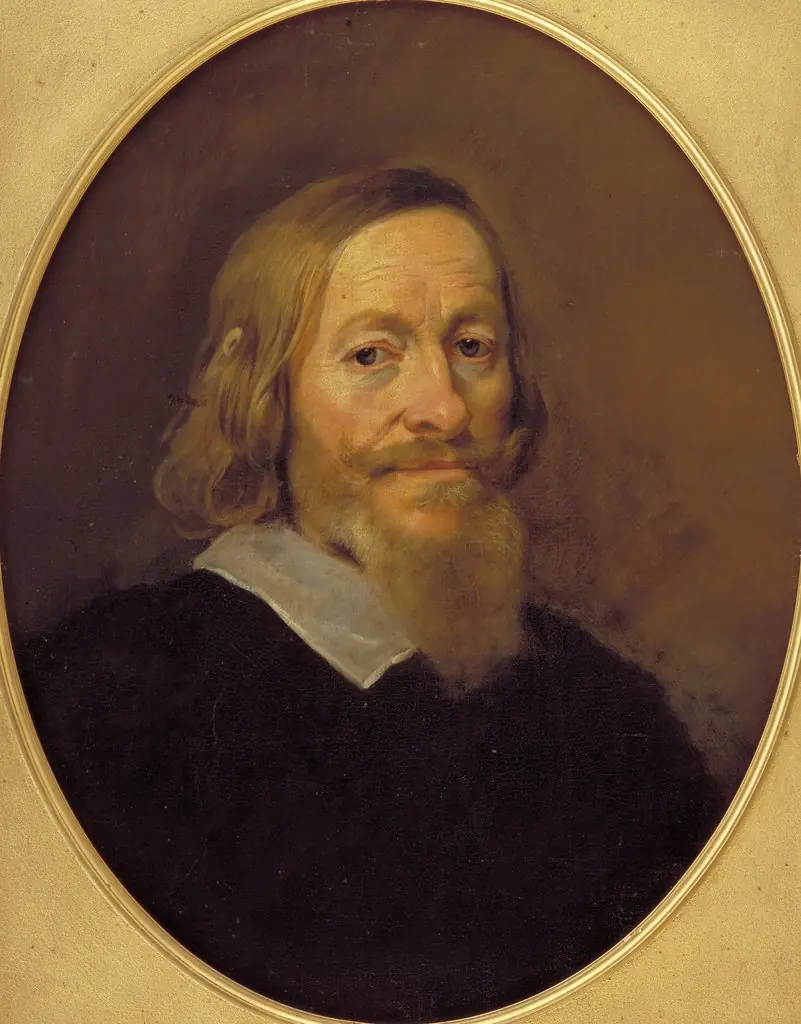 Rigsadmiral Ove Gjedde
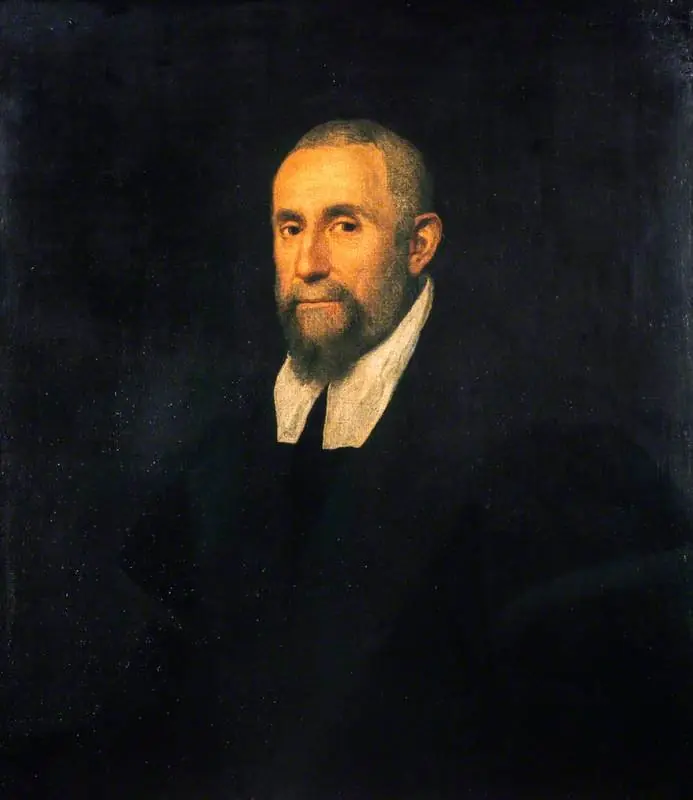 Portrait of a Man
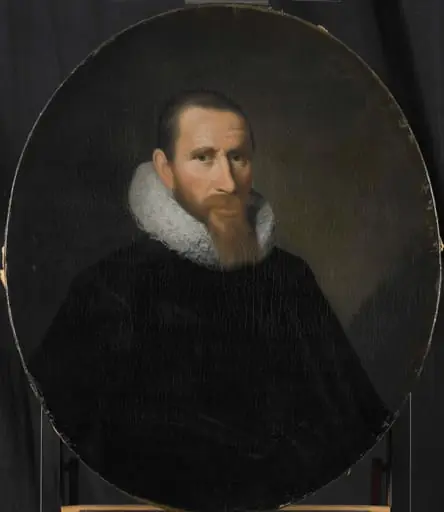 Portrait of Joost van Coulster, Director of the Rotterdam Chamber of the Dutch East India Company, elected 1630
 Portrait of Jacob Trip
 Portret de bărbat