Artwork
Los ensacados (The Men in Sacks)
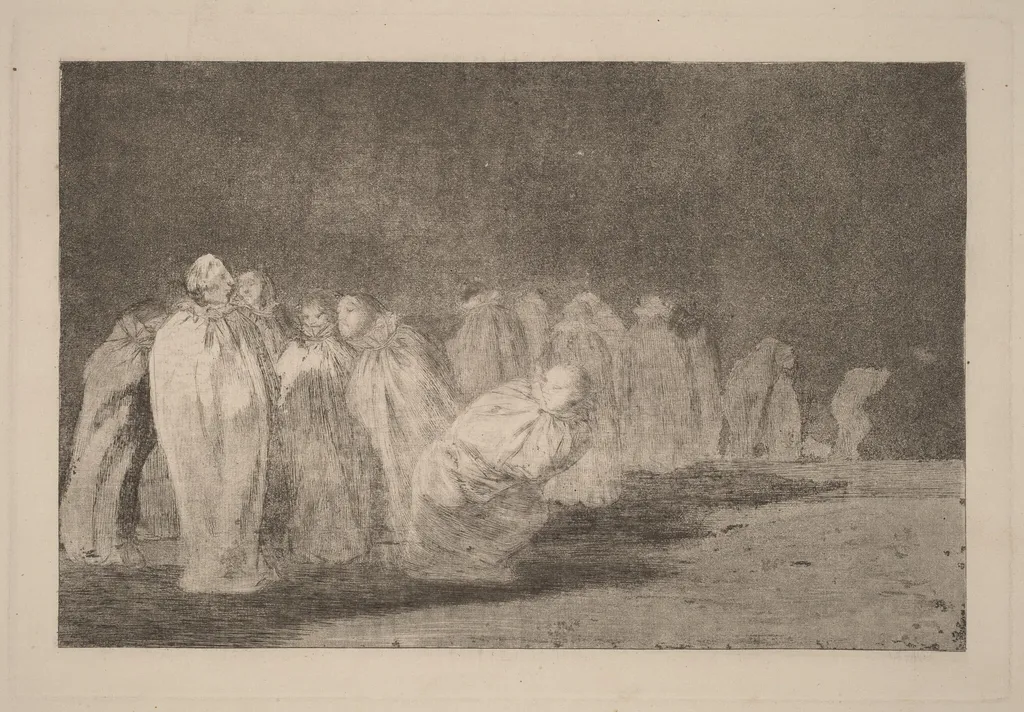
Los ensacados (The Men in Sacks) is an ink print by the Romanticist artist Francisco Goya. It dates from 1816 and is held in the collection of the National Gallery of Art.
About this work
Overview
The image belongs to a series that confronts violence, repression, and human vulnerability without narrative clarity.
Created around 1816, *Los ensacados* is an etching and burnished aquatint by Francisco Goya, produced during his later years when he increasingly turned to printmaking to explore darker themes. This trial proof was printed posthumously between 1854 and 1863, reflecting the private, uncommissioned nature of Goya’s Black Paintings and related graphic works. The image belongs to a series that confronts violence, repression, and human vulnerability without narrative clarity.
Subject & Meaning
The print shows anonymous figures enclosed in heavy, sack-like garments, their faces hidden and postures varied—some standing, others crouched or kneeling. The lack of identifiable features and setting strips the scene of specific context, suggesting a broader commentary on dehumanization, punishment, or silent suffering. The ambiguity invites interpretation as a metaphor for political oppression or the erasure of individual identity under authoritarian control.
Technique & Style
Goya employed etching and burnished aquatint to achieve deep, velvety blacks and subtle gradations of tone. The burnishing softens edges and creates atmospheric depth, while bold, incised lines define the figures’ forms with raw urgency. The dark, undefined background isolates the subjects, heightening their psychological weight. These techniques, refined in his later print cycles, prioritize emotional resonance over detail, aligning with a distinctly modern sensibility.
History & Provenance
The work was not published during Goya’s lifetime and remained among his private prints, likely intended for personal reflection rather than public display. After his death, the plates were preserved and later printed in limited trial proofs, possibly under the supervision of his heirs or collectors. The 1854–1863 printing dates reflect posthumous efforts to disseminate his unorthodox graphic work, which had long been considered too unsettling for official circulation.
Context
Created after the restoration of Ferdinand VII’s absolutist regime and during the repression of liberal dissent, *Los ensacados* reflects Goya’s disillusionment with Spanish society. The political climate of the 1810s and 1820s, marked by censorship, executions, and fear, informed his turn toward allegorical and cryptic imagery. This print, like others in his *Disasters of War* and *Black Paintings*, avoids direct representation to evade scrutiny while conveying profound unease.
Legacy
Goya’s *Los ensacados* influenced later artists seeking to express psychological and political trauma through non-narrative imagery. Its use of obscurity, tonal contrast, and symbolic anonymity prefigured 20th-century approaches in expressionism and surrealism. Though never widely exhibited in his time, the print’s haunting ambiguity secured its place as a pivotal work in the evolution of modern graphic art.
Artist & collection
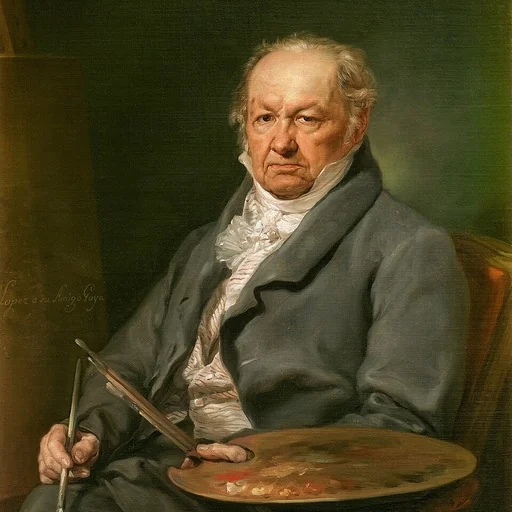
Artist
Francisco José de Goya y Lucientes (; Spanish: ; 30 March 1746 – 16 April 1828) was a Spanish romantic painter and printmaker.

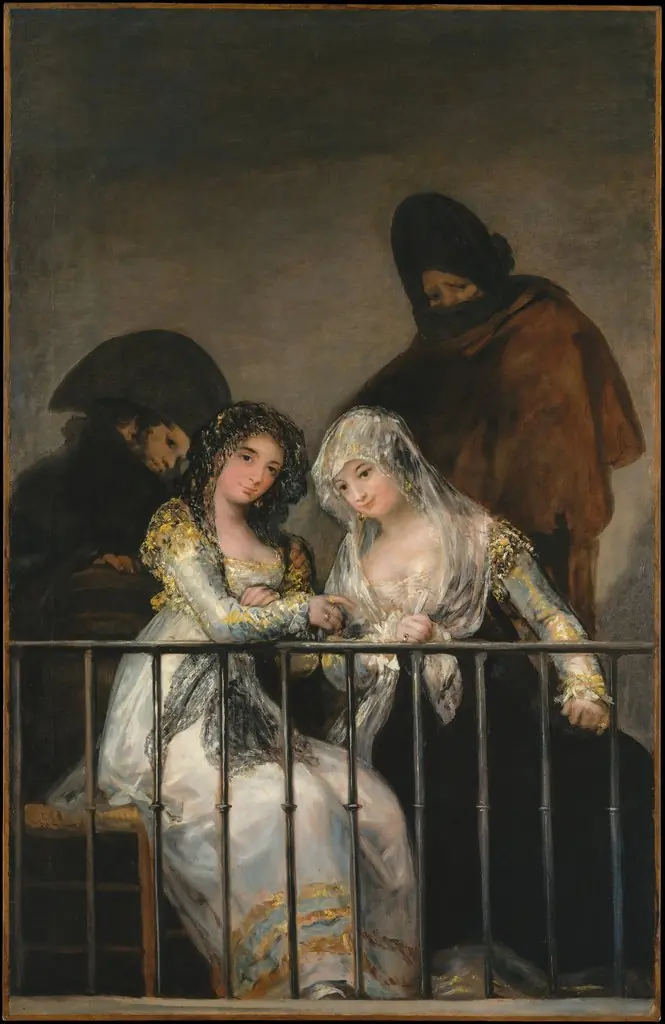
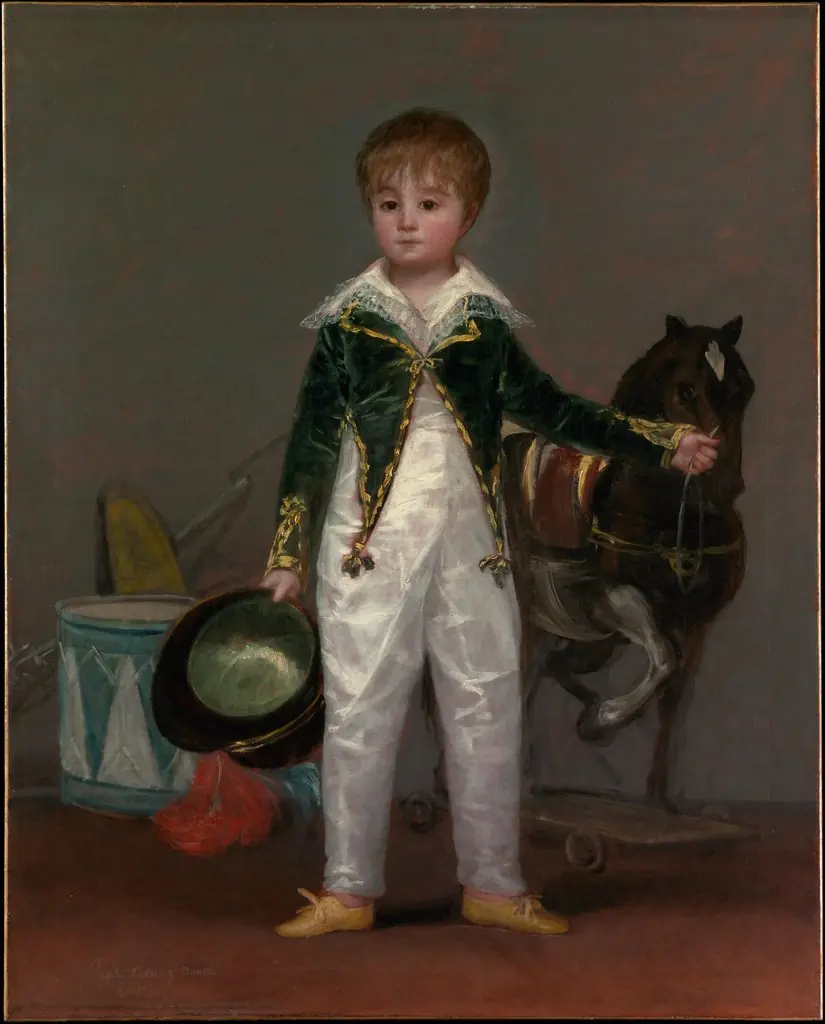
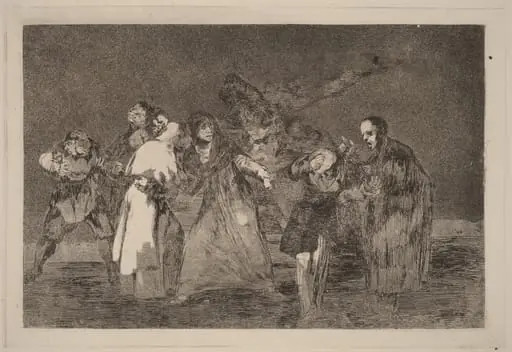 Sanan cuchilladas mas no malas palabras (Wounds Heal Quicker than Hasty Words)
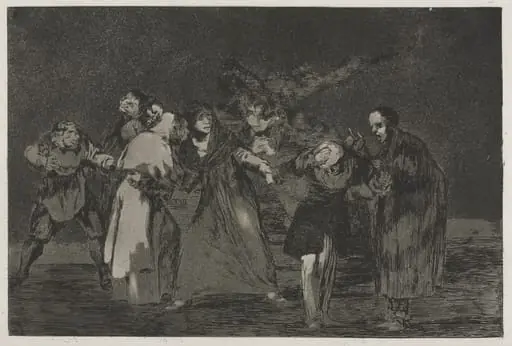 The Proverbs: Wounds Heal Quicker Than Hasty Words
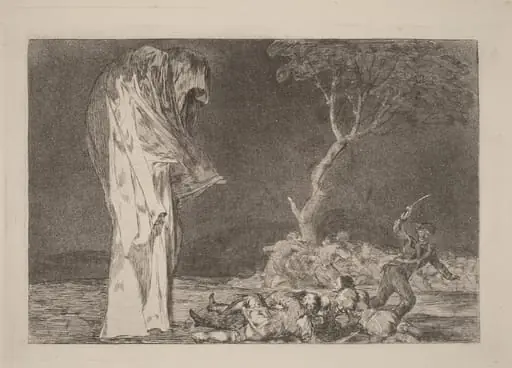 Disparate de miedo (Folly of Fear)
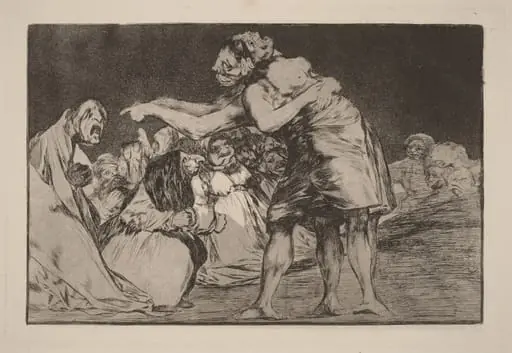 Disparate desordenado (Disorderly Folly)
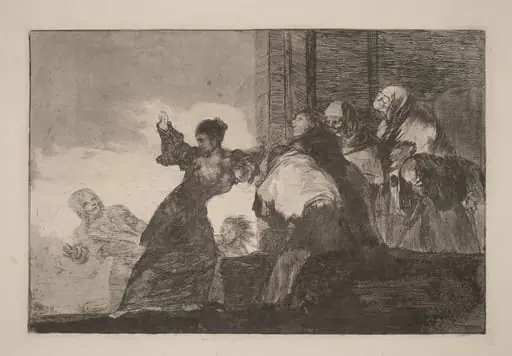 Disparate pobre (Poor Folly)
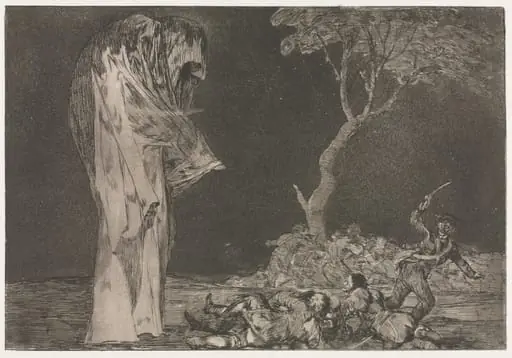 The Proverbs: Folly of Fear
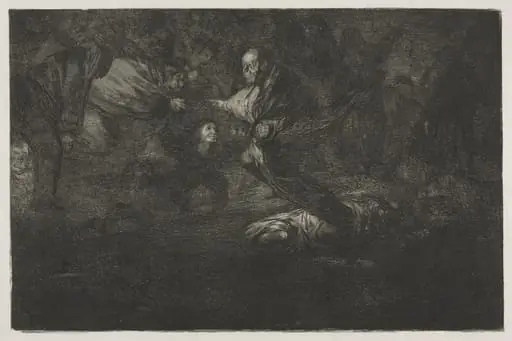 The Proverbs: God Creates Them and They Join Up Together
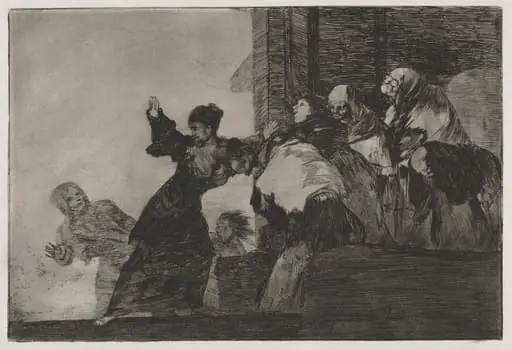 The Proverbs: Poor Folly
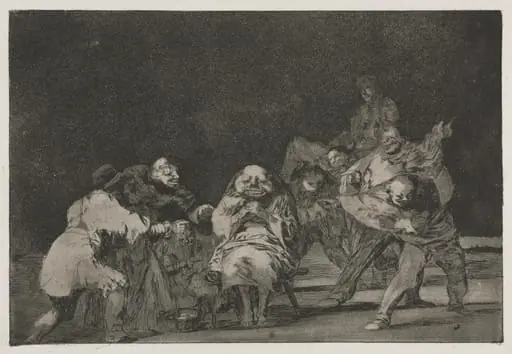 The Proverbs: Loyalty