Artwork
Disparate desordenado (Disorderly Folly)
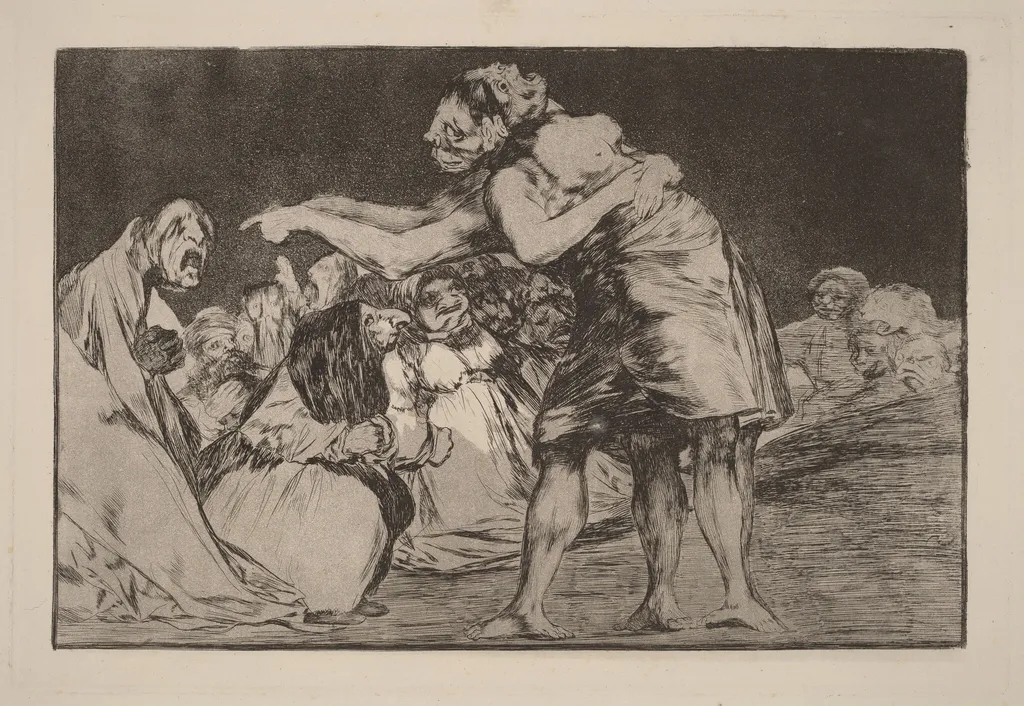
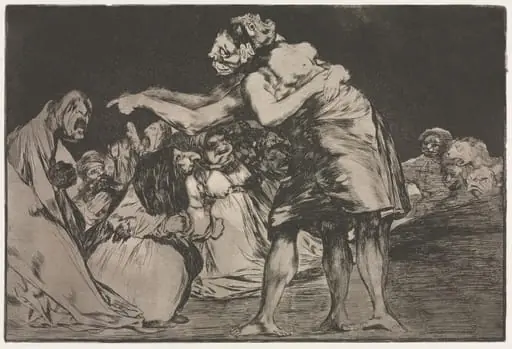
Disparate desordenado (Disorderly Folly) is an ink print by the Romanticist artist Francisco Goya. It dates from 1816 and is held in the collection of the National Gallery of Art.
About this work
Overview
Though produced during his lifetime, the print was not published until decades after his death, between 1854 and 1863, when it was issued as a trial proof.
Created in 1816, *Disparate desordenado (Disorderly Folly)* is one of Francisco Goya’s etchings, aquatints, and drypoints from his series exploring human folly and societal decay. Though produced during his lifetime, the print was not published until decades after his death, between 1854 and 1863, when it was issued as a trial proof. The work exemplifies Goya’s late graphic style, marked by raw expression and technical experimentation.
Subject & Meaning
The scene portrays a disoriented crowd in a state of physical and moral collapse. A central figure, partially nude and gesturing wildly, dominates the foreground, while others stagger, crouch, or fall in the background. The lack of clear narrative suggests a critique of irrationality, possibly reflecting Goya’s disillusionment with post-Napoleonic Spain. The imagery evokes chaos not as spectacle but as an inescapable condition of human behavior.
Technique & Style
Goya combined etching, drypoint, and aquatint to achieve dense tonal contrasts and textured surfaces. Drypoint’s burr creates soft, smudged lines that enhance the sense of motion and instability, while aquatint delivers atmospheric gradations of shadow. The rough, uneven ink application amplifies the scene’s unease, rejecting polished finish in favor of emotional immediacy and tactile urgency.
History & Provenance
The print remained unpublished during Goya’s lifetime, likely due to its subversive tone and the political climate under Ferdinand VII. After his death in 1828, the plates were preserved by his family and later used by the Royal Academy of San Fernando to produce posthumous impressions. The trial proof printed between 1854 and 1863 represents one of the earliest known impressions made from the original plates.
Context
This work emerged during Goya’s later years, following the trauma of war, censorship, and personal illness. It belongs to a group of prints known as the *Disparates*, which he began around 1815–1818, withdrawing them from public circulation. These images, steeped in surrealism and dark satire, reflect his withdrawal from official commissions and his turn toward private, unfiltered commentary on human nature.
Legacy
Though obscure in his time, *Disparate desordenado* later influenced 19th- and 20th-century artists drawn to psychological depth and expressive printmaking. Its unvarnished depiction of chaos prefigured Expressionist and Surrealist concerns with inner turmoil. Goya’s technical innovations in etching and aquatint expanded the possibilities of the medium, cementing his role as a bridge between Enlightenment rationalism and modern psychological art.
Own this work as a print
Artist & collection
Artist
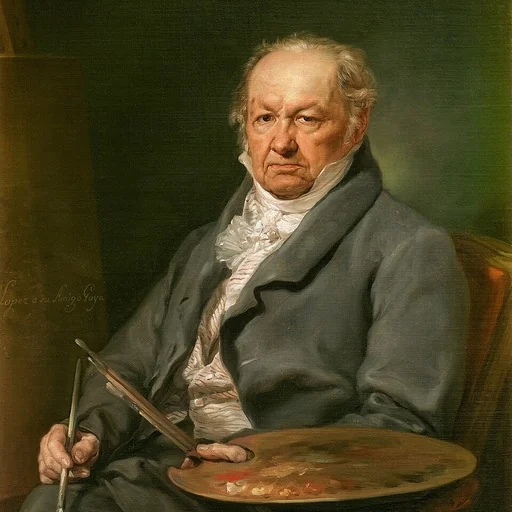
Francisco José de Goya y Lucientes (; Spanish: ; 30 March 1746 – 16 April 1828) was a Spanish romantic painter and printmaker.

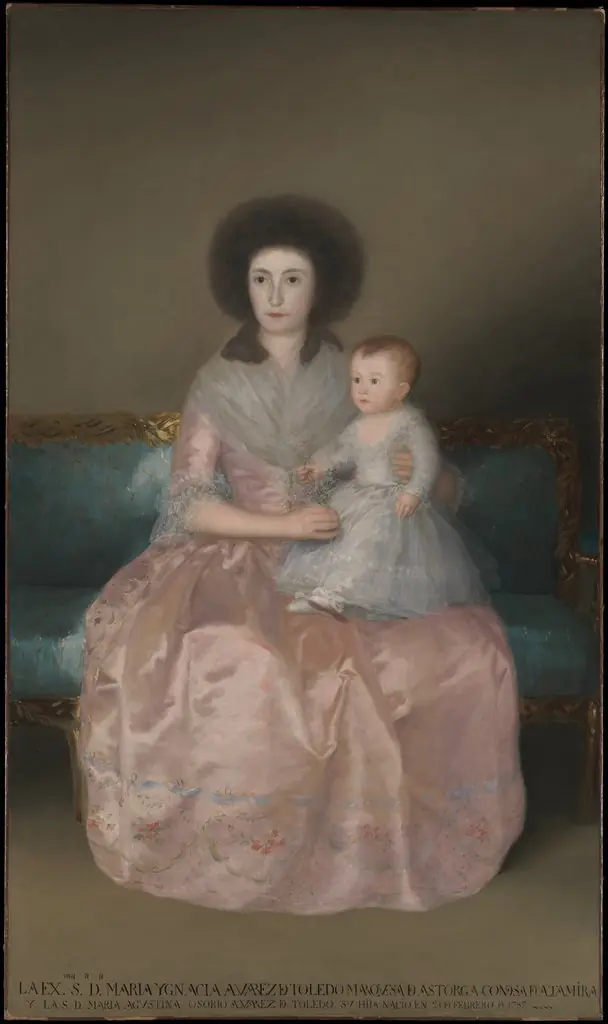
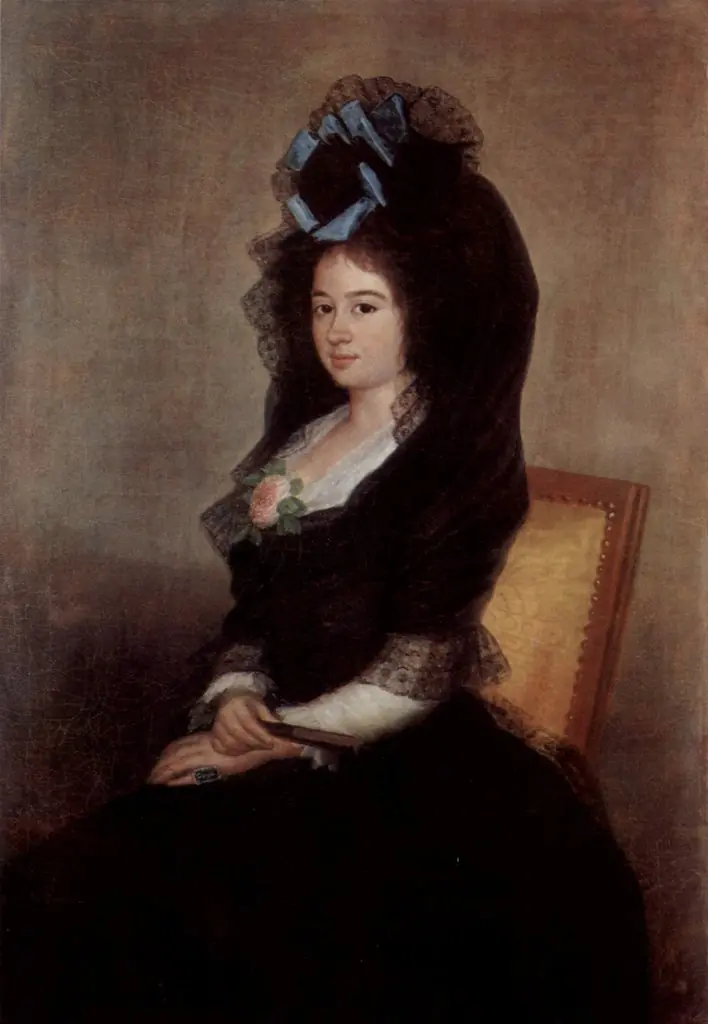
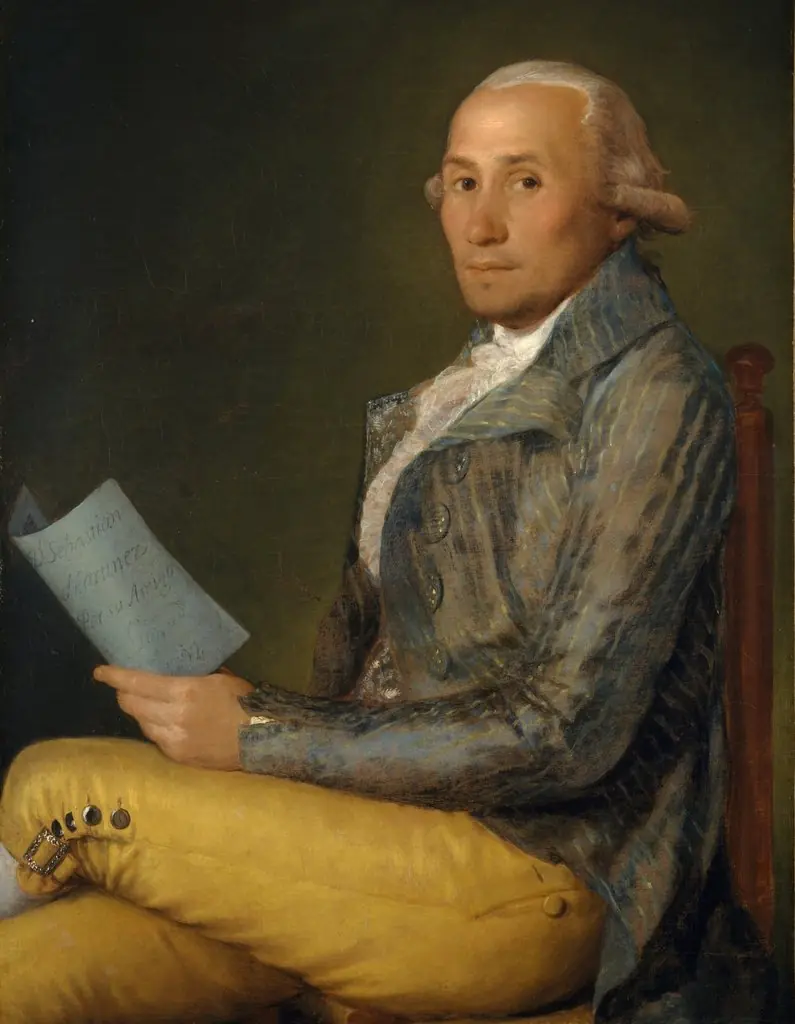
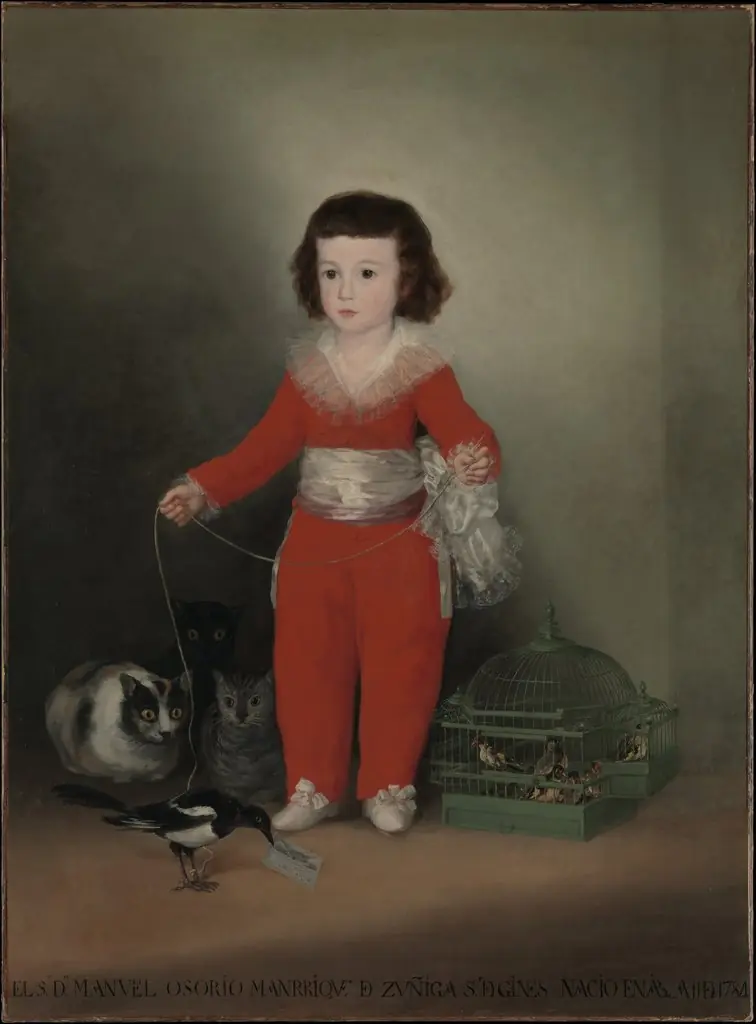
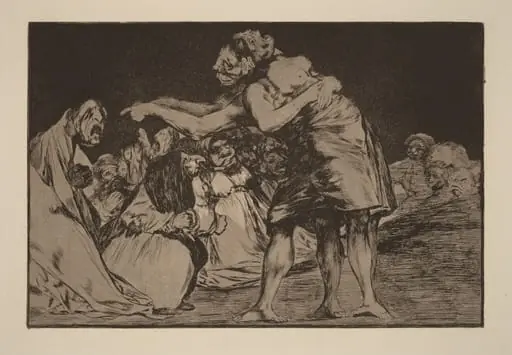 Disparate desordenado (Disorderly Folly)
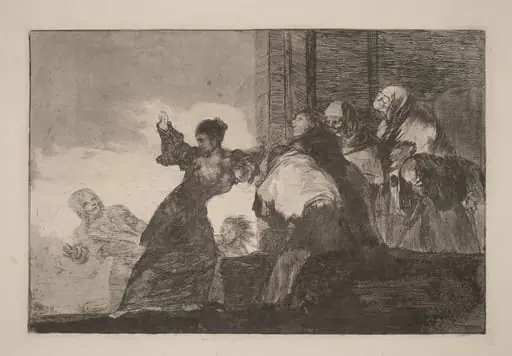 Disparate pobre (Poor Folly)
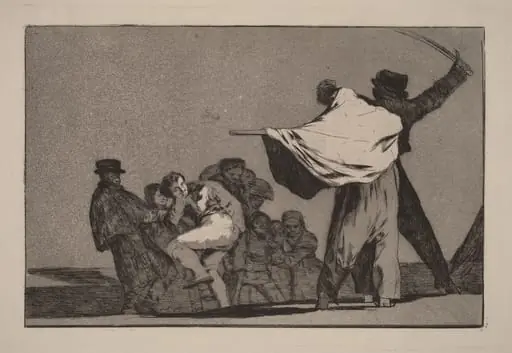 Disparate conocido (Well-Known Folly)
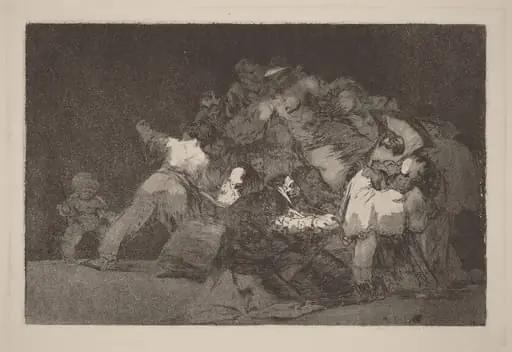 Disparate general (General Folly)
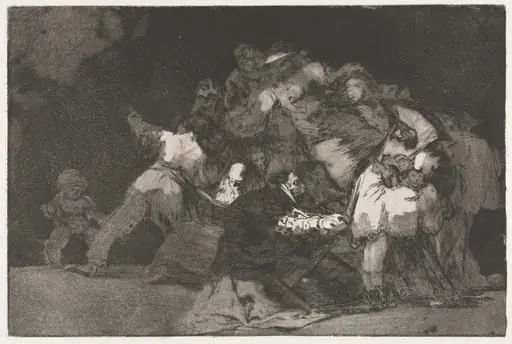 The Proverbs: General Folly
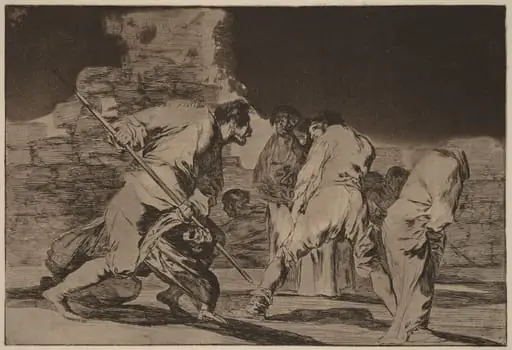 Disparate furioso (Furious Folly)
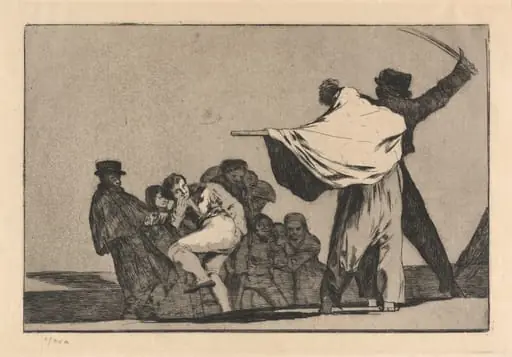 Disparate conocido (Well-Known Folly)
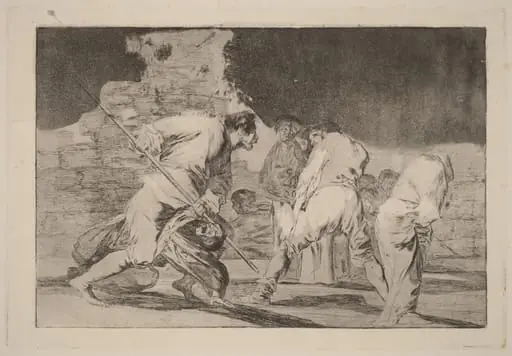 Disparate furioso (Furious Folly)
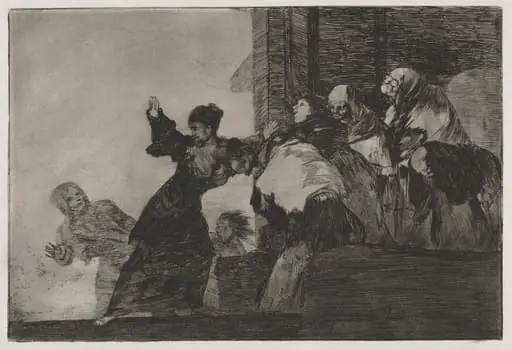 The Proverbs: Poor Folly
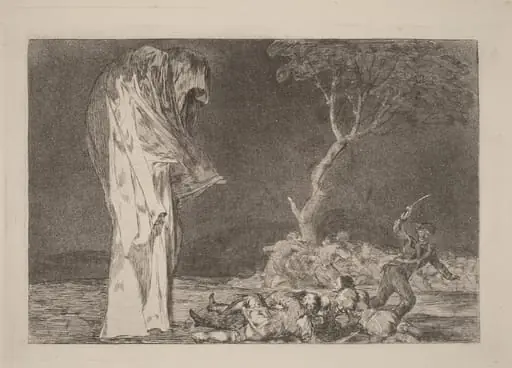 Disparate de miedo (Folly of Fear)
 The Proverbs: Matrimonial Folly
 Disparate claro (Clear Folly)