Artwork
Ni por esas (Neither Do These)
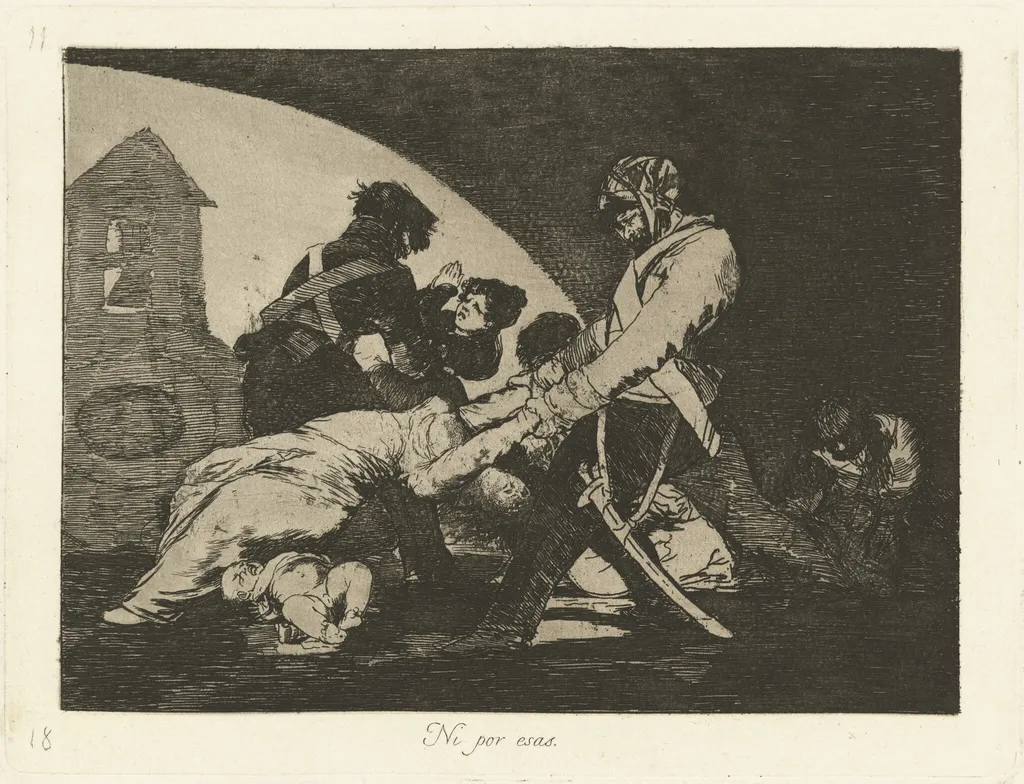
Ni por esas (Neither Do These) is an ink print by the Impressionist artist Francisco Goya. It is held in the collection of the National Gallery of Art.
About this work
Overview
Ni por esas (Neither Do These) is a print created by Francisco de Goya in 1863, utilizing a combination of etching, lavis, drypoint, and burin techniques. Characteristic of his later graphic output, this work exemplifies Goya's exploration of contemporary social and political themes through printmaking.
Subject & Meaning
The etching depicts a nocturnal scene of chaos, where a wounded man is being dragged by a group of individuals, some mounted, others on foot. The title suggests a sense of incompleteness or unresolved action, potentially critiquing societal or political ineptitude amidst turmoil.
Technique & Style
Goya employed sharp lines and shadowy tones to convey urgency and disorder. The integration of etching, lavis (ink wash), drypoint (for fine details), and burin (for deeper lines) achieved a rich, expressive texture, hallmark of his innovative printmaking approach.
History & Provenance
Created in 1863, Ni por esas belongs to Goya's later body of graphic works. While specific provenance details are not provided, the piece is consistent with Goya's late-period engagement with etching as a vehicle for social commentary.
Context
This work reflects Goya's response to the tumultuous social and political landscape of his time. Themes of human folly and societal critique, common in his prints, would influence subsequent art movements.
Artist & collection
Artist
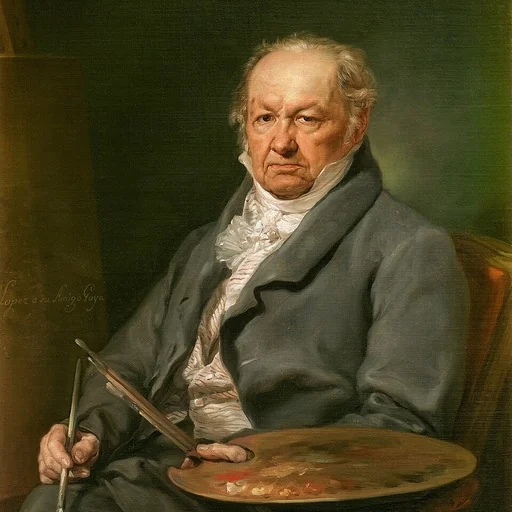
Francisco José de Goya y Lucientes (; Spanish: ; 30 March 1746 – 16 April 1828) was a Spanish romantic painter and printmaker.

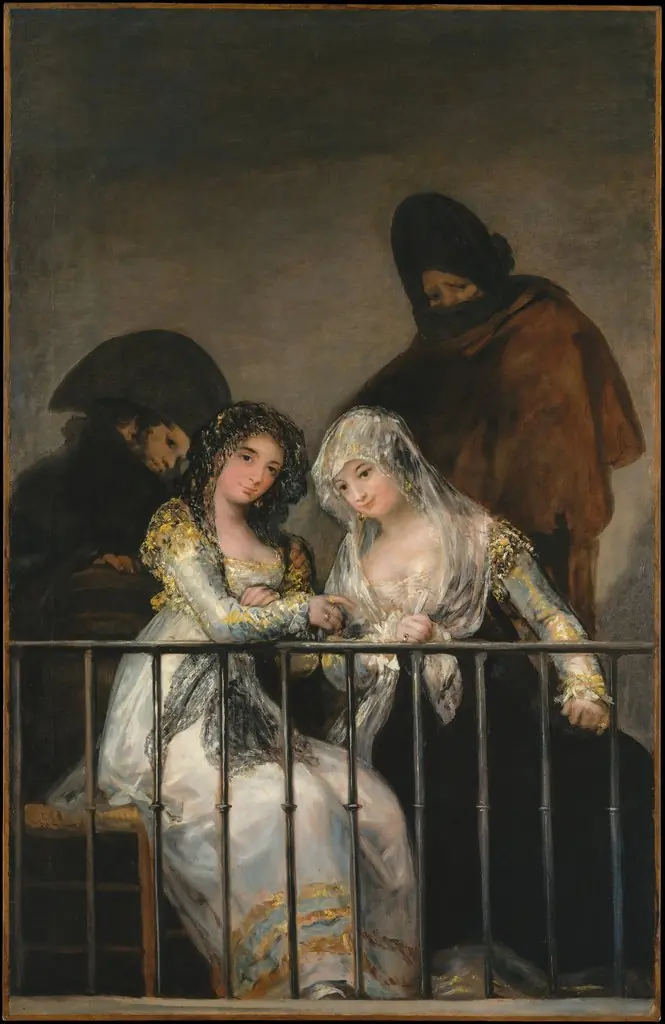
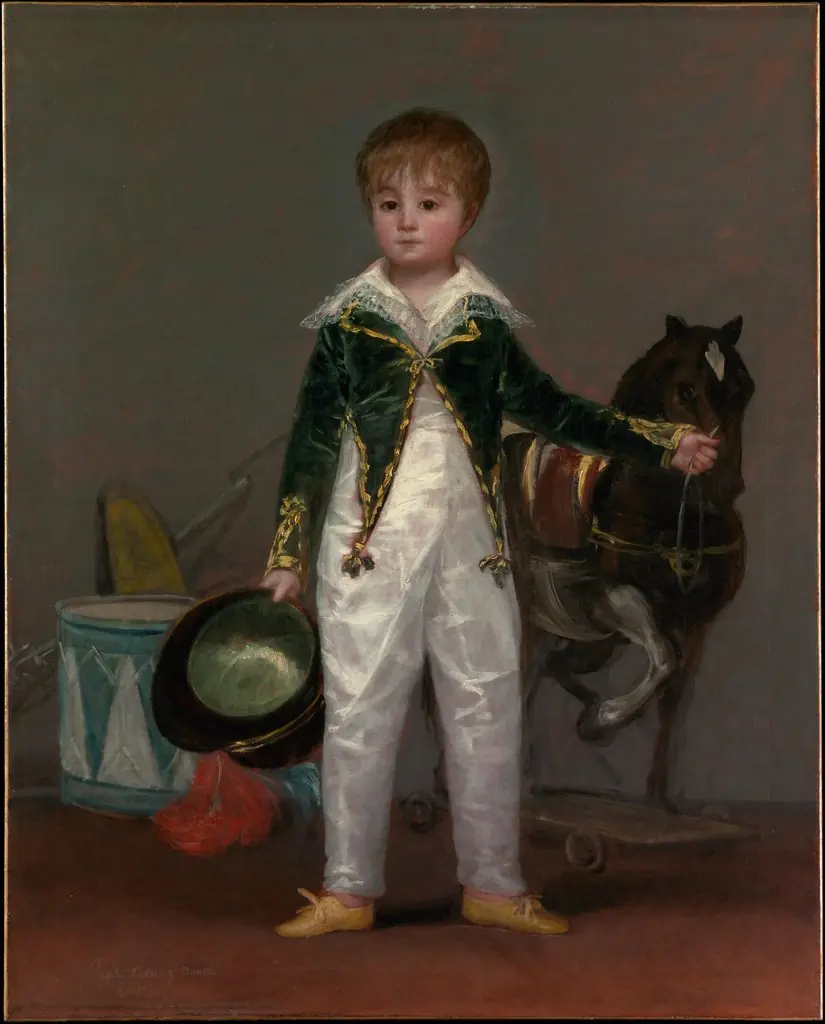
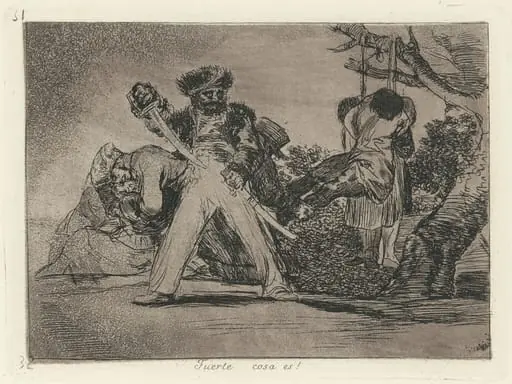 Fuerte cosa es! (That's Tough!)
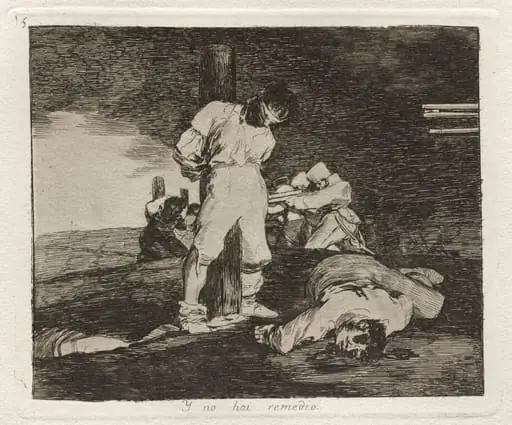 Y no hai remedio (And There's No Help for It)
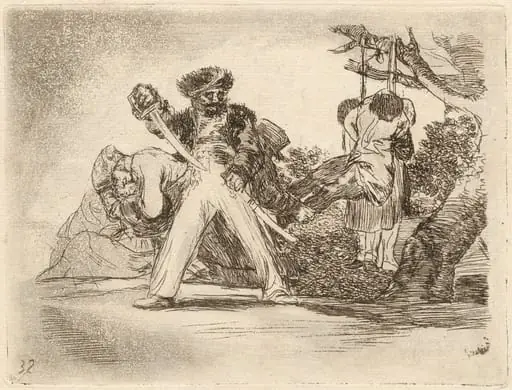 Fuerte cosa es! (That's Tough!)
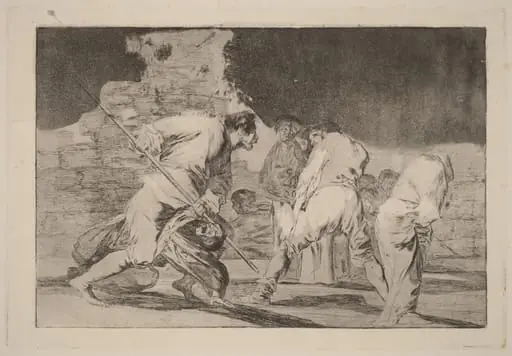 Disparate furioso (Furious Folly)
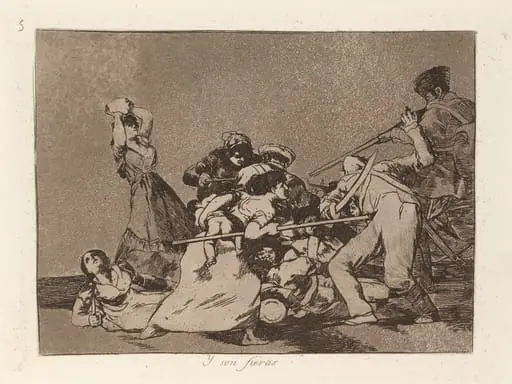 Y son fieras (And They Are Like Wild Beasts)
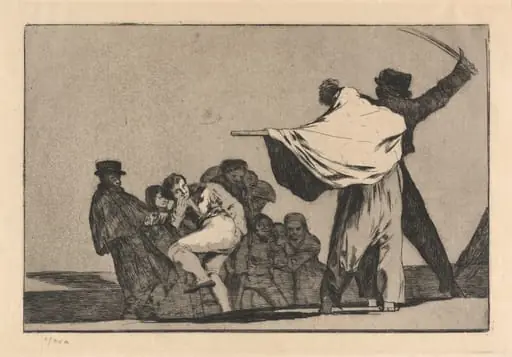 Disparate conocido (Well-Known Folly)
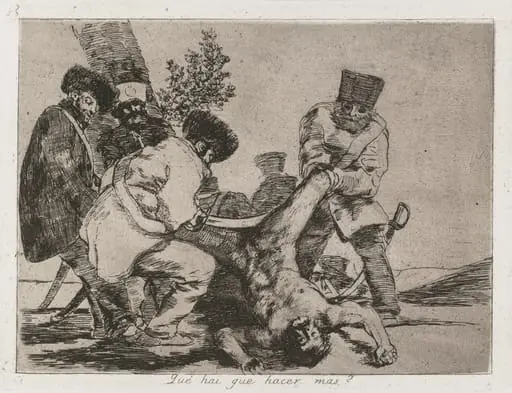 Disasters of War: Pl. 33, What more can one do?
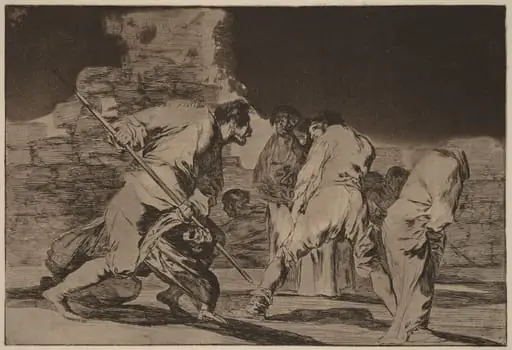 Disparate furioso (Furious Folly)
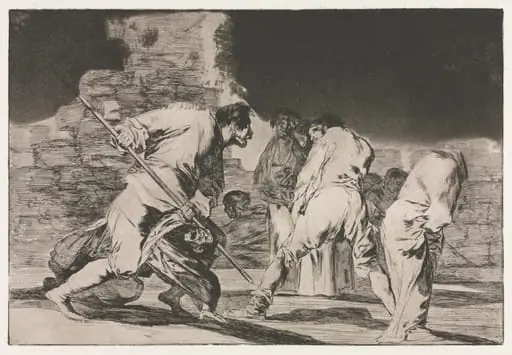 The Proverbs: The Folly of Fury