Artwork
View of Scheveningen [recto]
![View of Scheveningen [recto], by Jan van Goyen, chalk, 1651](https://artifactworldgallery.com/img/jan-van-goyen--view-of-scheveningen-recto--0f9cb319c9b082d3-w1024.webp)
View of Scheveningen [recto] is a chalk drawing by the Baroque artist Jan van Goyen. It dates from 1651 and is held in the collection of the National Gallery of Art.
About this work
The painting is titled View of Scheveningen.
It was created by Jan van Goyen, a Dutch artist, during the 17th century. The artwork is an example of the Baroque movement, which was popular in Europe at that time.
The National Gallery of Art, Washington, holds this piece, where you can learn more about it and similar works from the movement: Baroque.
Overview
The composition reflects the artist’s frequent engagement with Dutch coastal scenes, part of a broader body of work encompassing rivers, forests, and towns.
Created around 1651, this drawing by Jan van Goyen captures the coastal village of Scheveningen in muted tones of gray wash over black chalk on buff paper. The composition reflects the artist’s frequent engagement with Dutch coastal scenes, part of a broader body of work encompassing rivers, forests, and towns. A pen-and-ink border, added after his lifetime, indicates the drawing was later prepared for display or collection, suggesting its enduring appeal beyond its initial creation.
Subject & Meaning
The scene presents a quiet, windswept shoreline with low dunes, scattered buildings, and a few figures near the water’s edge. No dramatic events or symbolic elements are present; instead, the focus lies in the atmospheric rendering of light and space. This quiet observation of everyday coastal life aligns with the Dutch tradition of valuing the ordinary, elevating mundane landscapes through careful observation rather than narrative.
Technique & Style
Goyen employed gray wash to suggest the hazy, overcast sky and the soft transition between land and sea, while black chalk defined structural elements like buildings and dunes with economical lines. The wash allows subtle gradations of tone, enhancing the sense of atmospheric depth. The later addition of a pen-and-ink border, though not by the artist, reflects 18th-century collecting practices that framed drawings as finished works for display.
History & Provenance
The drawing entered the collection of the National Gallery of Art in Washington, D.C., where it remains today. Its pen-and-ink border, applied posthumously, signals that it was likely acquired and mounted by a later collector seeking to present it as a polished object. Such interventions were common among 18th-century connoisseurs who valued Dutch drawings for their technical restraint and topographical accuracy.
Context
In mid-17th-century Holland, landscape drawing flourished as artists moved beyond religious or mythological subjects to document the natural and built environment. Van Goyen, among the most prolific of his time, contributed to this shift by producing hundreds of sketches and paintings of coastal and rural scenes. His work reflects the growing middle-class interest in art that mirrored their own surroundings, not idealized or grandiose themes.
Legacy
Van Goyen’s drawings, including this one, helped define the Dutch landscape tradition through their emphasis on tonal harmony and understated observation. Though less celebrated than his paintings, his sketches reveal his mastery of light and atmosphere. This piece exemplifies how drawings, once considered preparatory, came to be valued as independent works, influencing later generations of landscape artists and collectors.
Artist & collection
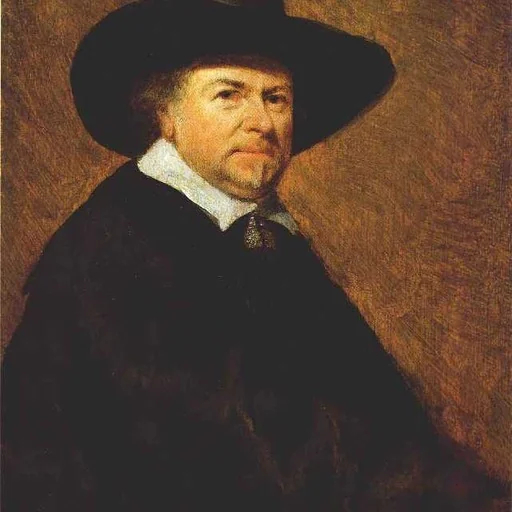
Artist
Jan Josephszoon van Goyen (Dutch pronunciation: ; 13 January 1596 – 27 April 1656) was a Dutch landscape painter.

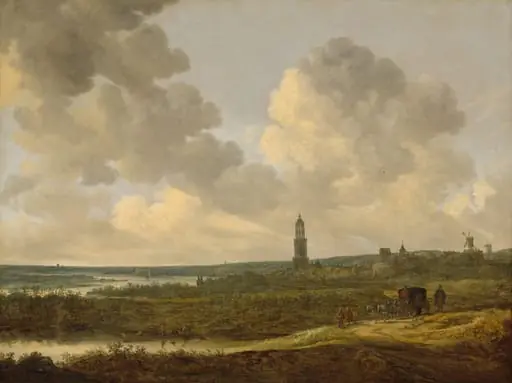
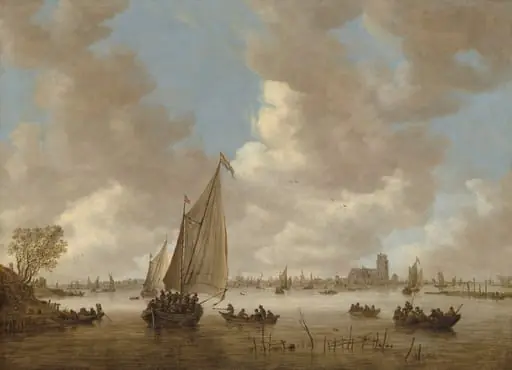
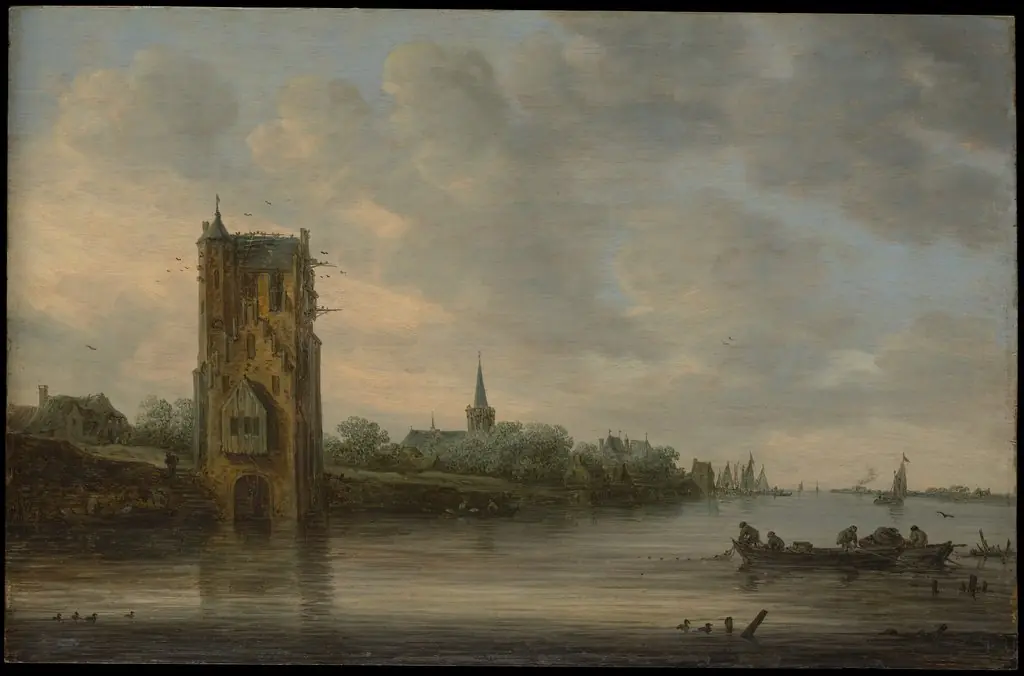
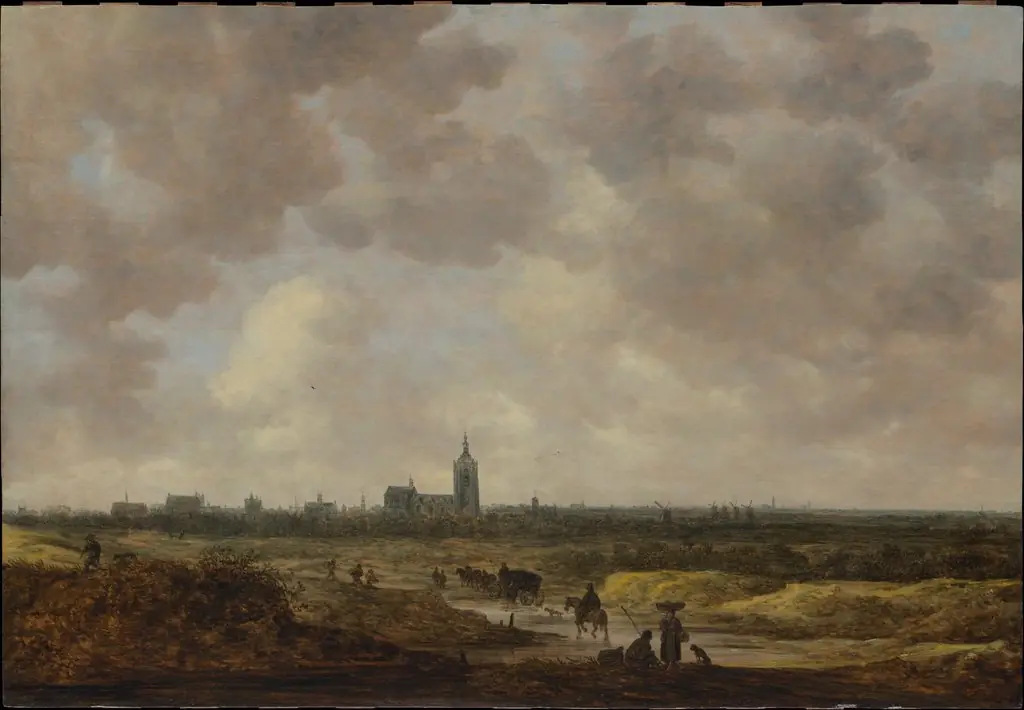
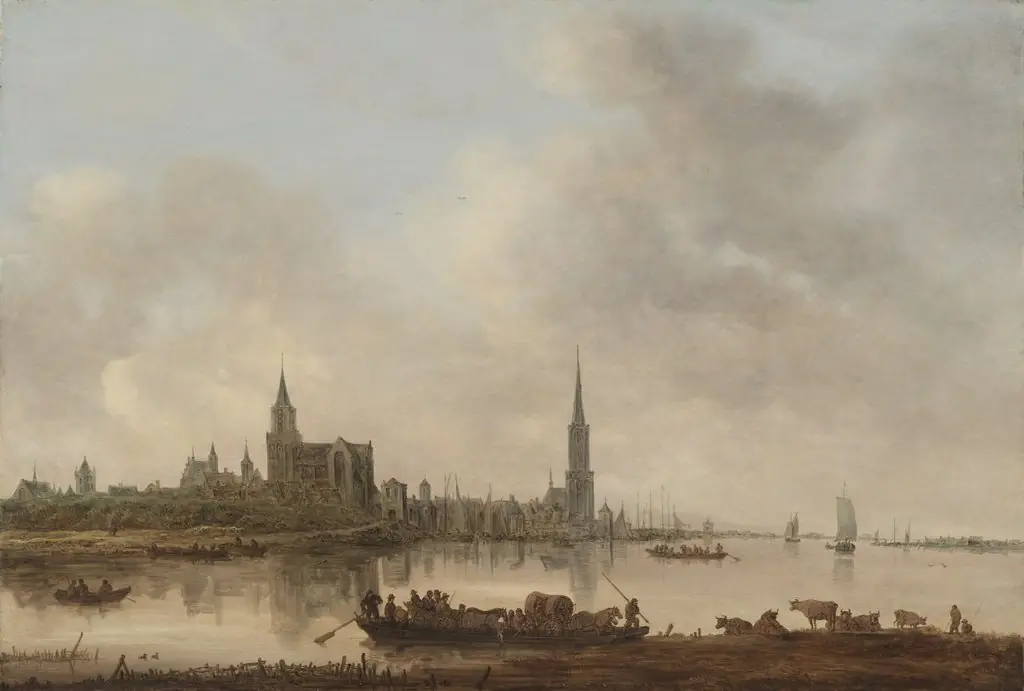
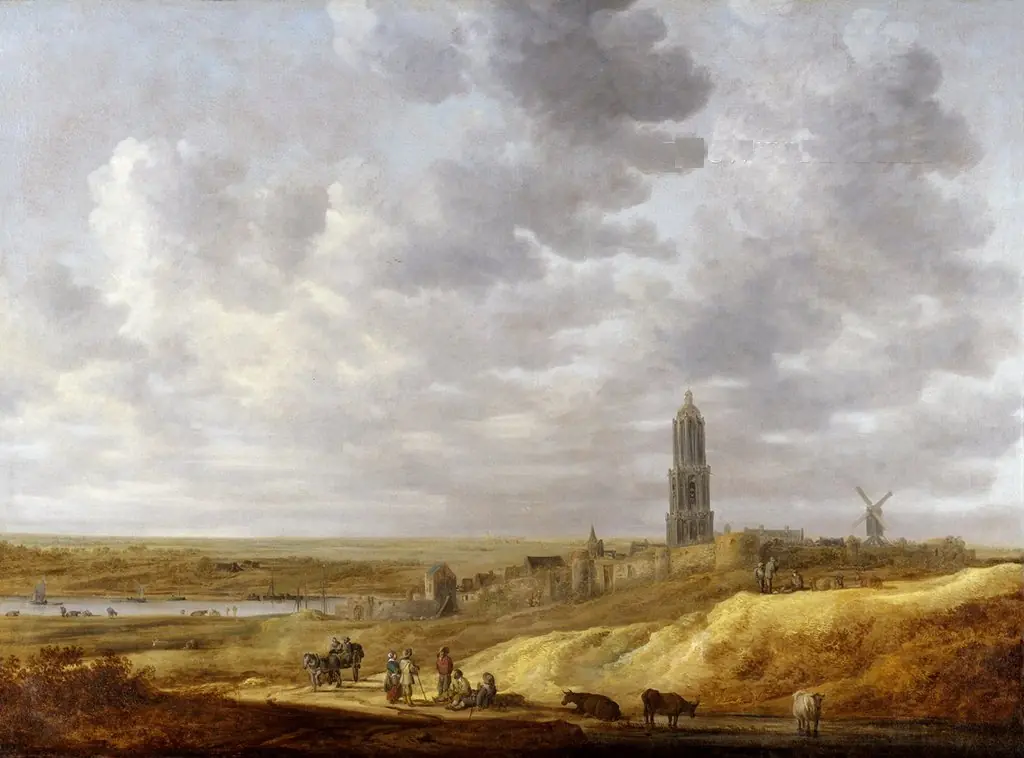
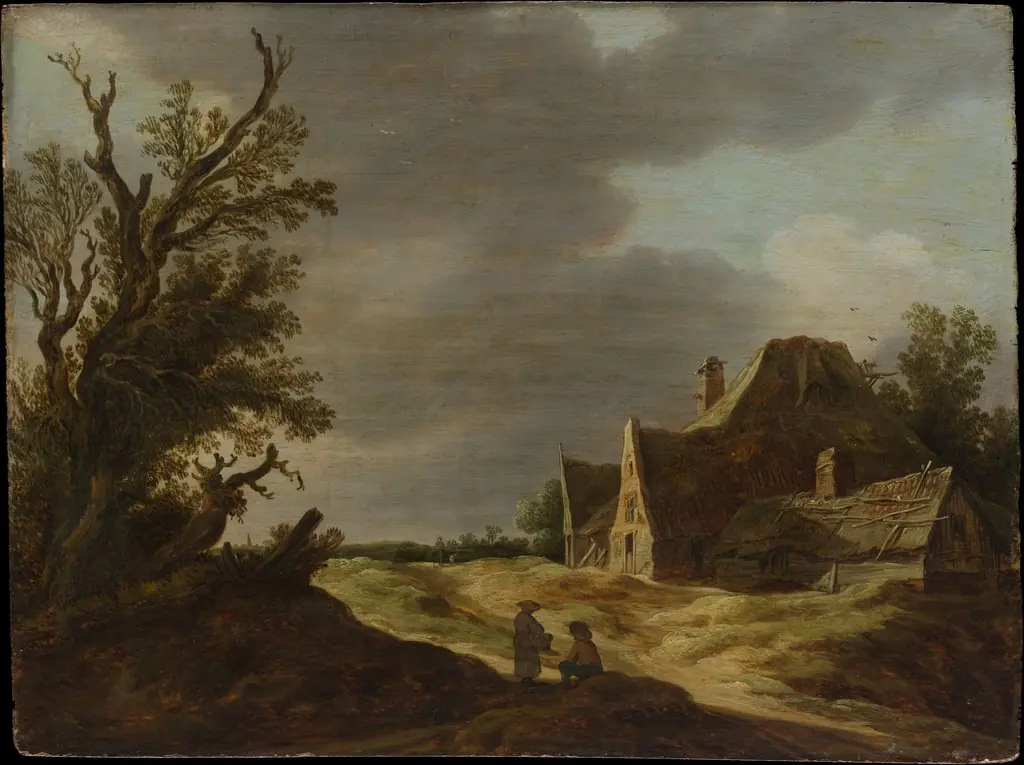
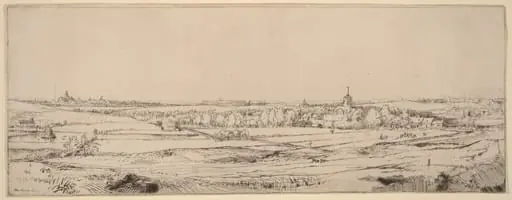 Landscape with a View toward Haarlem (The Goldweigher's Field)
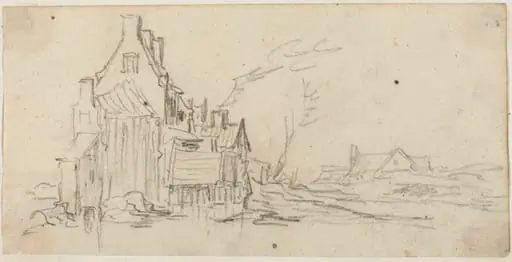 Houses by a Road
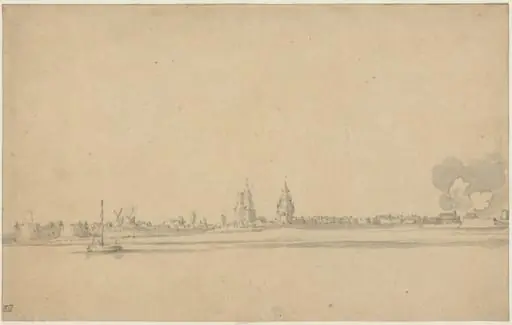 View of a Dutch Town (Delft?)
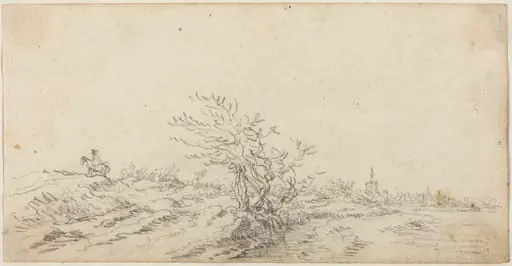 Horseman among the Dunes
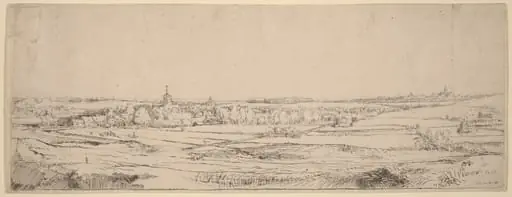 Landscape with a View Toward Haarlem (The Goldweigher's Field)
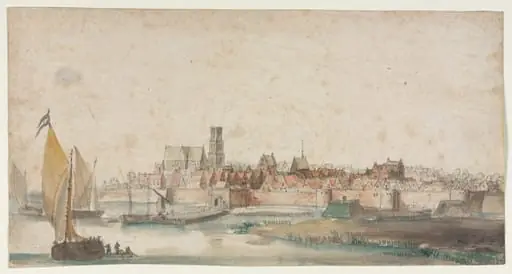 View of St. Geertruidenberg
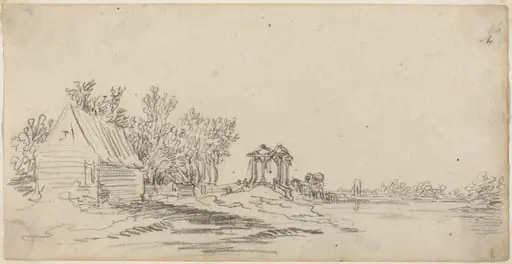 River Landscape with a Distant Bridge
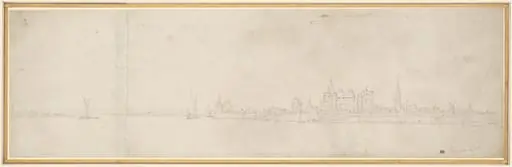 View of Orsoy
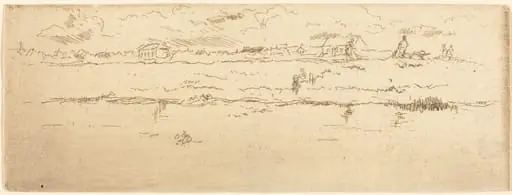 Canal, Ostend
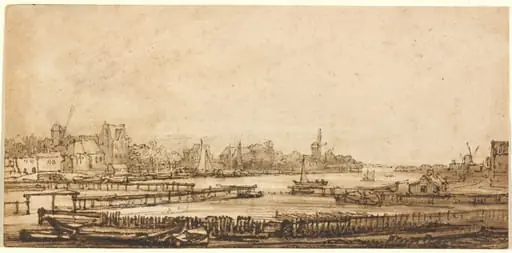 View over the Amstel from the Rampart
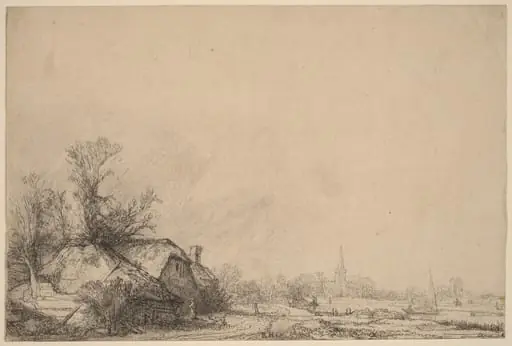 Cottage beside a Canal
![View of Houtewael near the Sint Anthoniespoort [recto], by Rembrandt](https://artifactworldgallery.com/img/rembrandt--view-of-houtewael-near-the-sint-anthoniespoort-recto--2919925de9060e70-w320.webp) View of Houtewael near the Sint Anthoniespoort [recto]
View of Houtewael near the Sint Anthoniespoort [recto]