Artwork
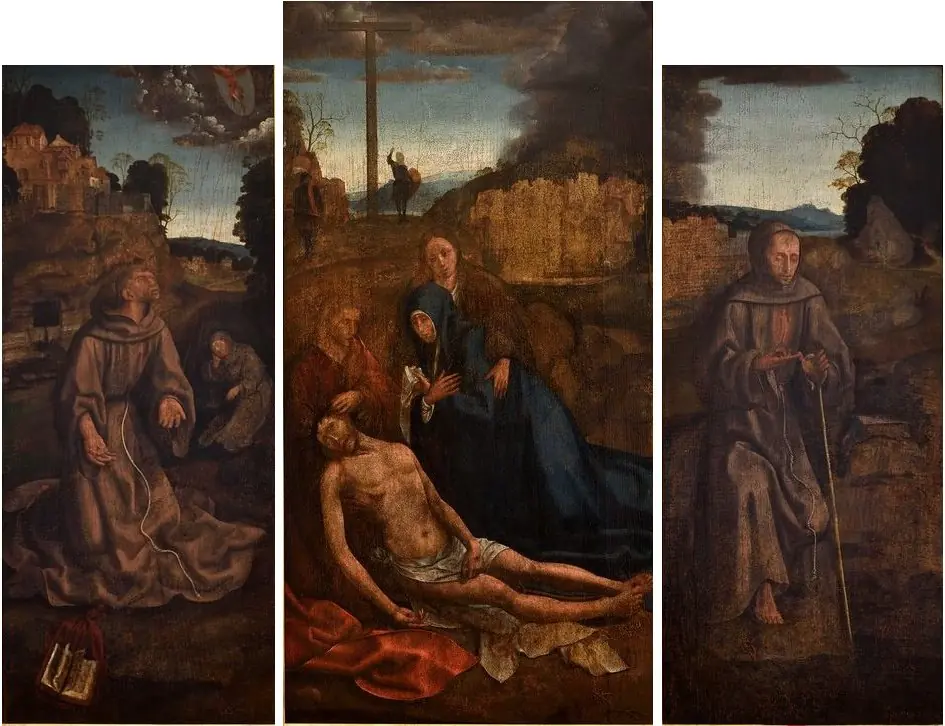
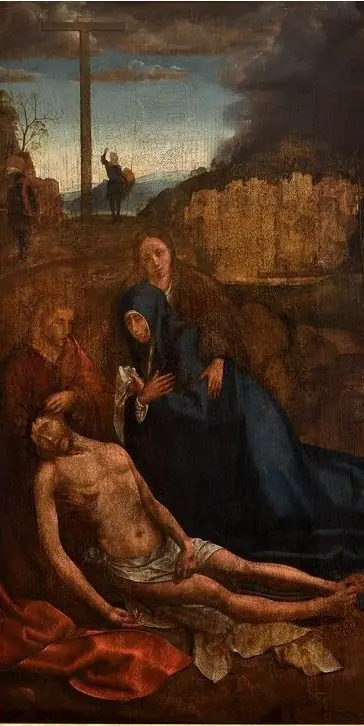
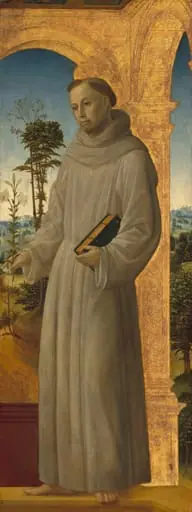
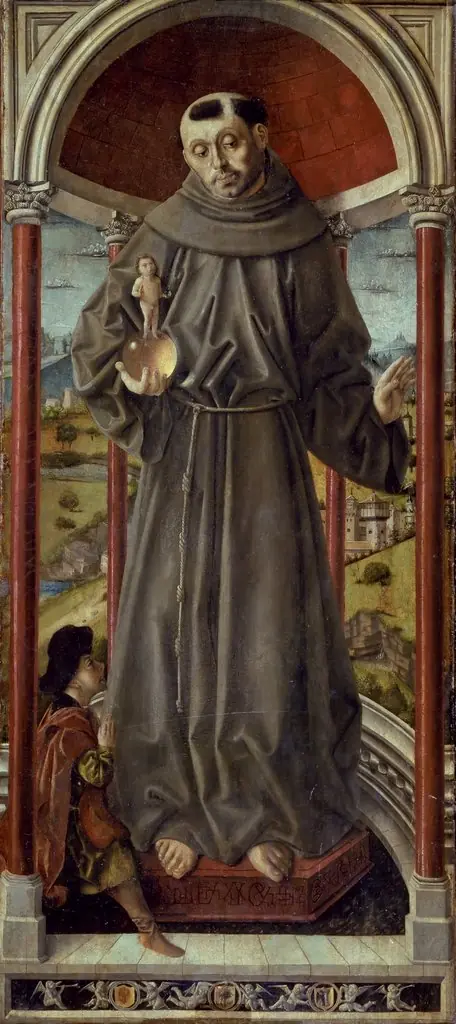
Saint Anthony - Cook Triptych
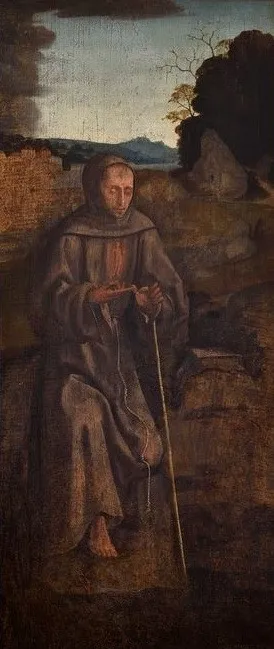
Saint Anthony - Cook Triptych is an oil painting by the Northern Renaissance artist Grão Vasco. It dates from 1520 and is held in the collection of the National Museum of Ancient Art.
About this work
Overview
Created around 1520, the Saint Anthony – Cook Triptych is an oil painting by Portuguese artist Vasco Fernandes, known as Grão Vasco. Executed in the Northern Renaissance idiom, the work belongs to the religious genre and is part of the collection of the National Museum of Ancient Art in Lisbon.
Subject & Meaning
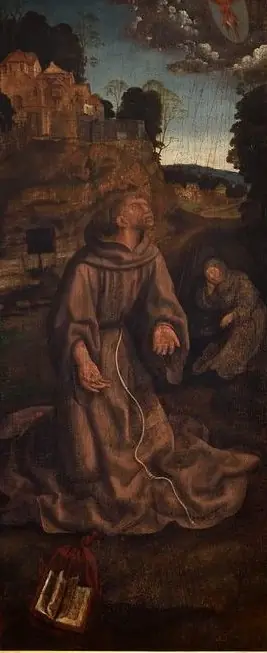
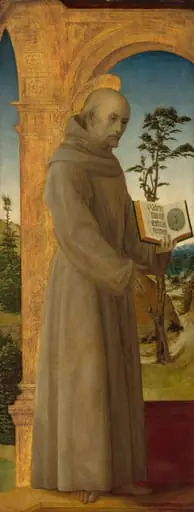
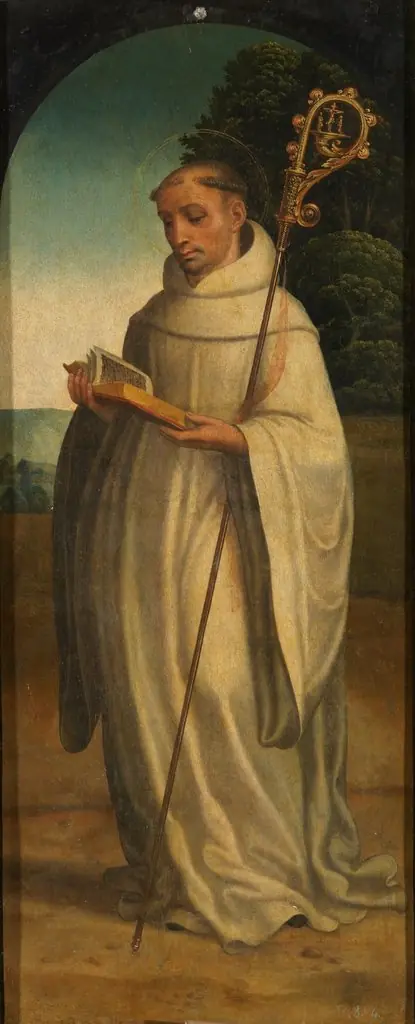
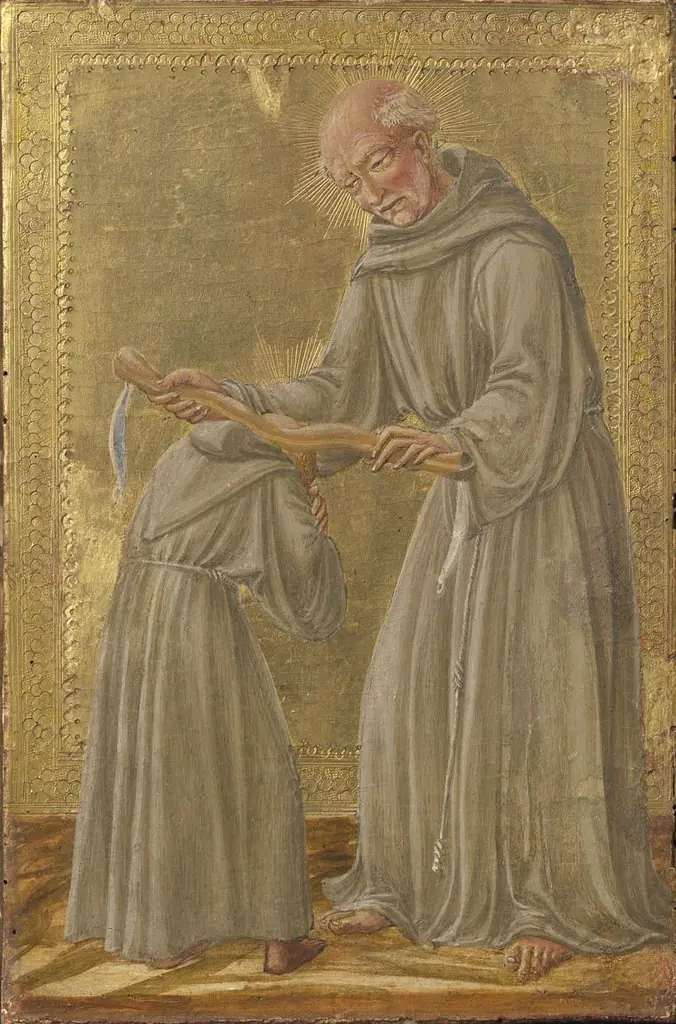
The central panel presents a solitary figure in a brown habit with a hood, seated on a rock. He is barefoot, holds a staff in his right hand, and extends his left hand in a gesture that suggests offering or blessing. The iconography identifies the figure as Saint Anthony of Padua, a Franciscan revered for his preaching and miracles.
Technique & Style
Grão Vasco employs oil on panel to achieve a muted palette of earthy browns and soft greens, characteristic of the Northern Renaissance’s attention to naturalism. Fine modeling of the saint’s robes and the delicate rendering of the distant landscape convey a calm, contemplative atmosphere while maintaining precise detail in textures such as stone and foliage.
History & Provenance
The triptych was likely commissioned for a devotional setting in early 16th‑century Portugal, reflecting the period’s demand for locally produced saintly images. It entered the National Museum of Ancient Art’s holdings in the 20th century, where it has been displayed as a representative example of Grão Vasco’s mature output.
Context
During the early 1500s, Portuguese art was absorbing influences from the Flemish and Germanic north while retaining its own liturgical traditions. Grão Vasco’s work exemplifies this synthesis, merging detailed natural observation with the spiritual gravitas expected of a saint’s portrait, situating Saint Anthony within a recognizable, yet idealized, Portuguese landscape.
Artist & collection
Artist
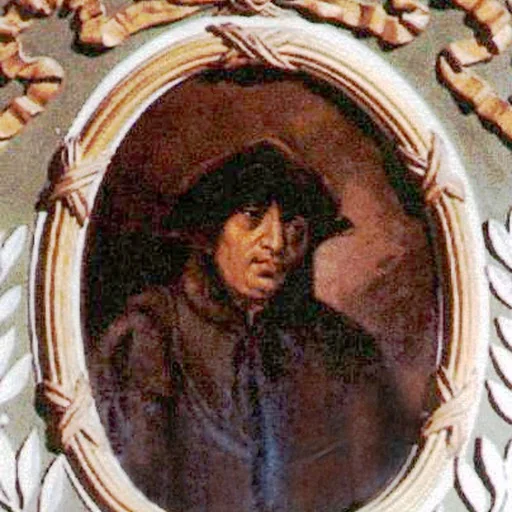
Vasco Fernandes (c. 1475 – c. 1542), better known as Grão Vasco ("The Great Vasco"), was one of the main Portuguese Renaissance painters.