Artwork
Trei bretoni
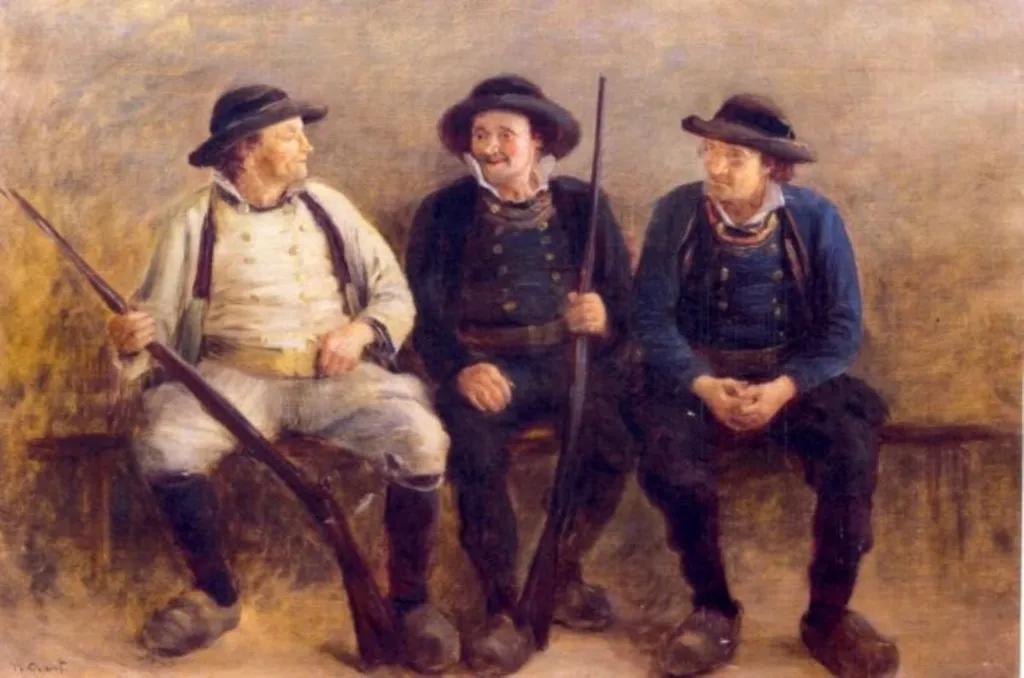
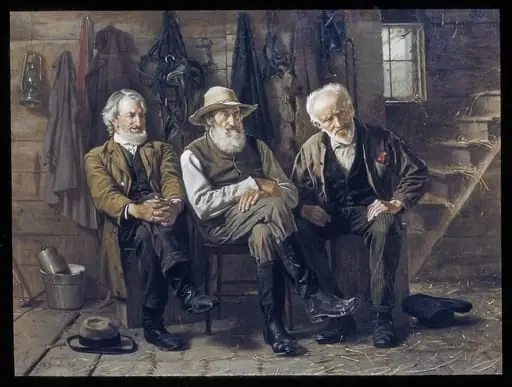
Trei bretoni is an unspecified painting by Nicolae Grant. It is held in the collection of the National Museum of Art of Romania. The image depicts three elderly Breton men seated together on a simple wooden bench, each holding a rifle.
About this work
Overview
The image depicts three elderly Breton men seated together on a simple wooden bench, each holding a rifle.
The image depicts three elderly Breton men seated together on a simple wooden bench, each holding a rifle. Their postures are calm, their expressions varied—smiling, neutral, and contemplative. The setting is minimal, with a muted wall behind them, drawing focus to their figures. The lighting is gentle but deliberate, emphasizing the texture of their clothing and the weathering of their skin, suggesting a quiet dignity in their everyday presence.
Subject & Meaning
The men appear to be peasants or laborers from rural Brittany, their rifles likely tools of subsistence or local tradition rather than symbols of conflict. Their relaxed demeanor contrasts with the weapons they hold, hinting at a life where utility and routine coexist with personal character. The absence of context invites reflection on their identities beyond the frame—men shaped by time, labor, and place, not spectacle.
Technique & Style
The artist employs chiaroscuro to model the forms with subtle gradations of light and shadow, enhancing the three-dimensionality of faces and fabrics. Soft, diffused illumination reveals fine details—the fraying edges of jackets, the creases around eyes, the grain of wood—without harsh contrast. The palette is restrained, dominated by earth tones and muted blues, reinforcing the quiet realism of the scene and the weight of lived experience.
History & Provenance
The work originates from late 19th-century Brittany, a region where traditional rural life persisted amid broader modernization. Though the artist’s identity is not recorded, the image aligns with regional documentary practices of the time, capturing local figures with empathy rather than romanticism. Its survival suggests it was preserved within family or community circles, not as fine art, but as a record of ordinary lives.
Context
In late 1800s Brittany, rifles were common among rural men for hunting and self-reliance, not military service. The men’s attire—worn, layered, and practical—reflects the economic realities of peasant life. The plain background and lack of landscape situate the scene in a domestic or interior space, perhaps a farmhouse or village hall, grounding the figures in a specific, unidealized social environment.
Legacy
This image contributes to a broader visual archive of rural French life, offering a quiet counterpoint to grand historical narratives. Its unembellished portrayal of aging, labor, and quiet resilience resonates with ethnographic traditions in photography and painting. Though not widely exhibited, it endures as a testament to the dignity found in unremarkable lives, preserved through careful observation and restrained technique.
Artist & collection
Artist
Nicolae Grant painted quiet, everyday scenes in mid-20th-century rural and coastal France.

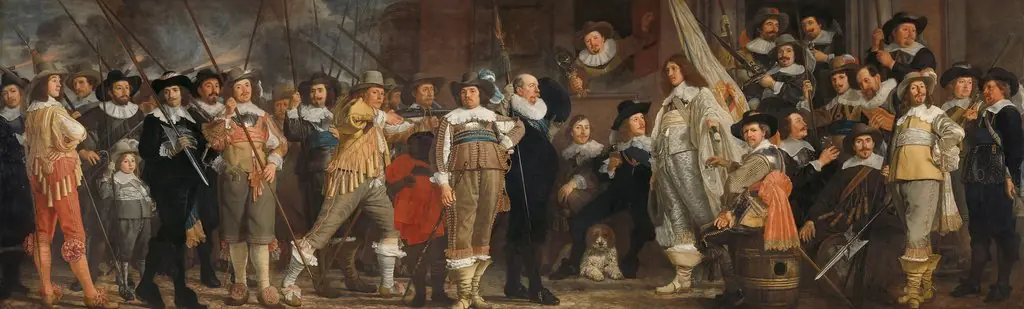 Militia Company of District VIII under the Command of Captain Roelof Bicker
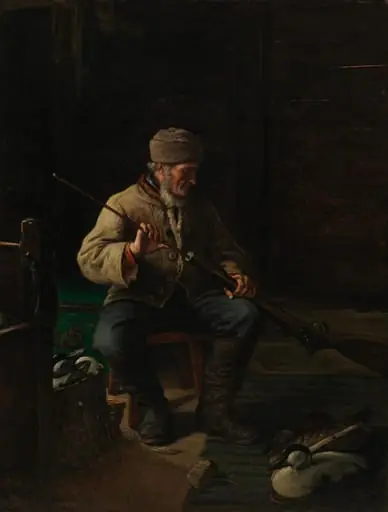 Ennen metsästystä
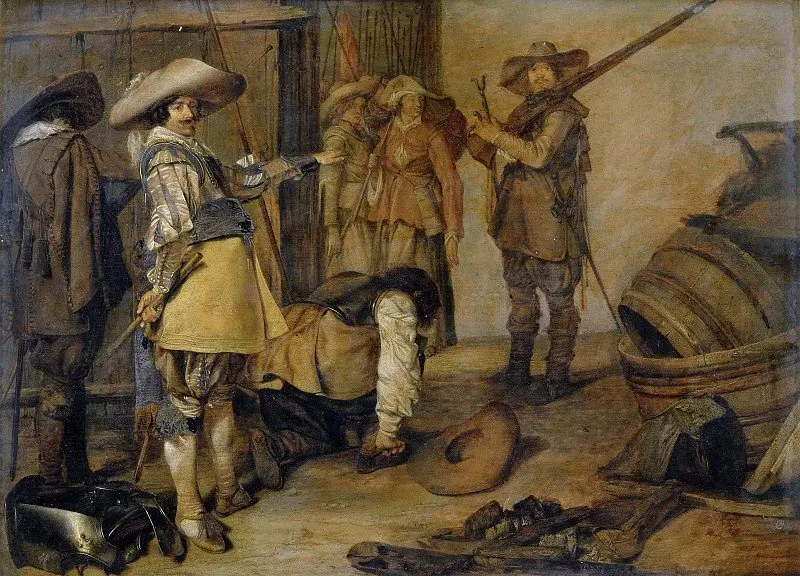 Officer and soldiers preparing to leave
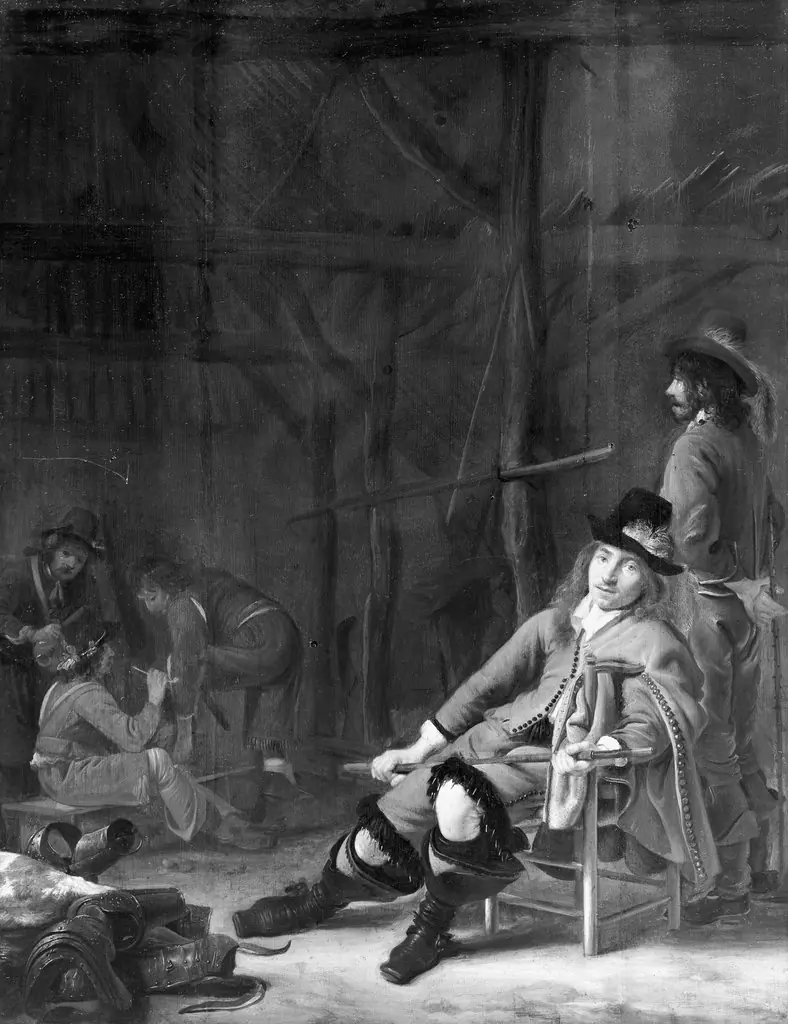 Resting soldiers in a stable
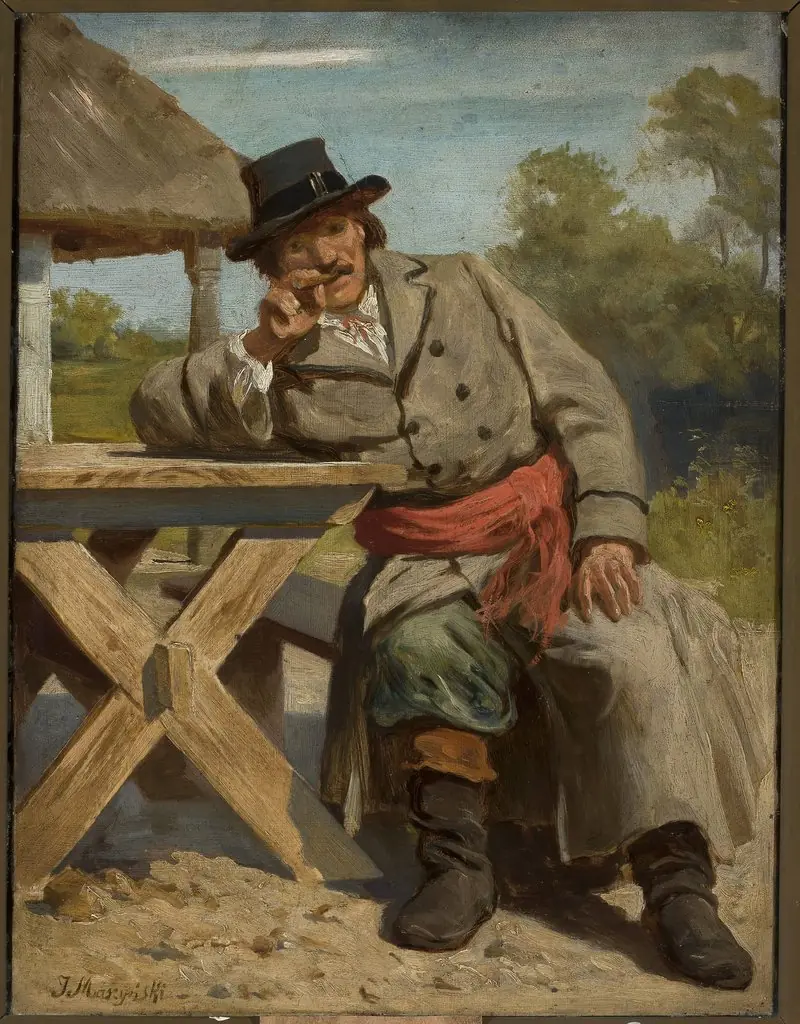 Man from Łowicz
 To Decide the Question
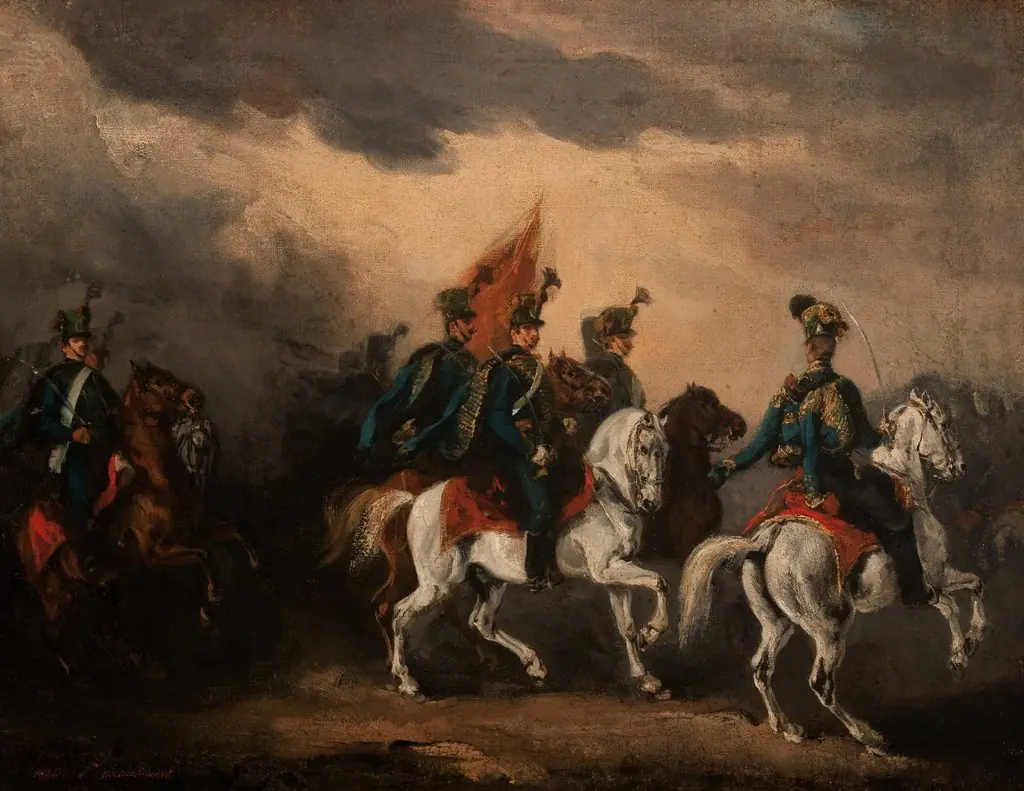 Blue Hussars
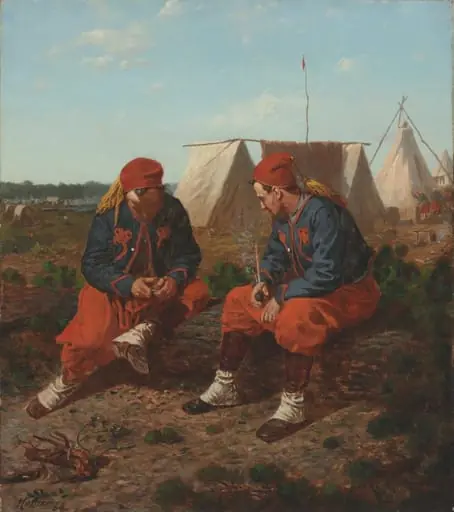 The Brierwood Pipe
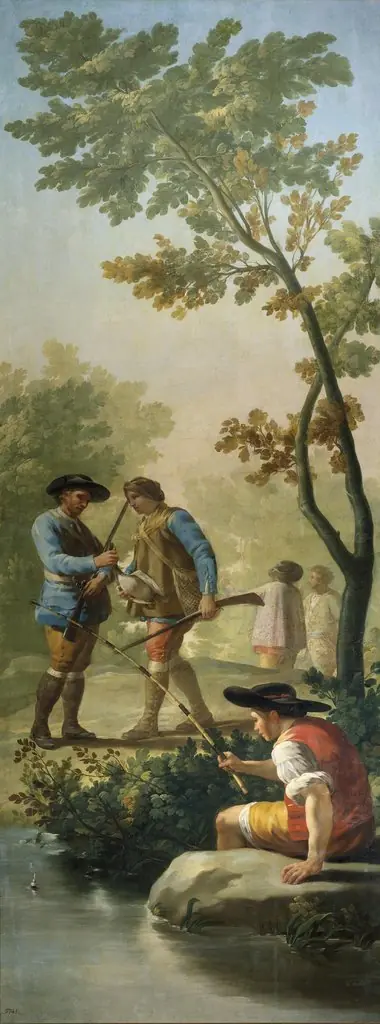 fisherman with his rod
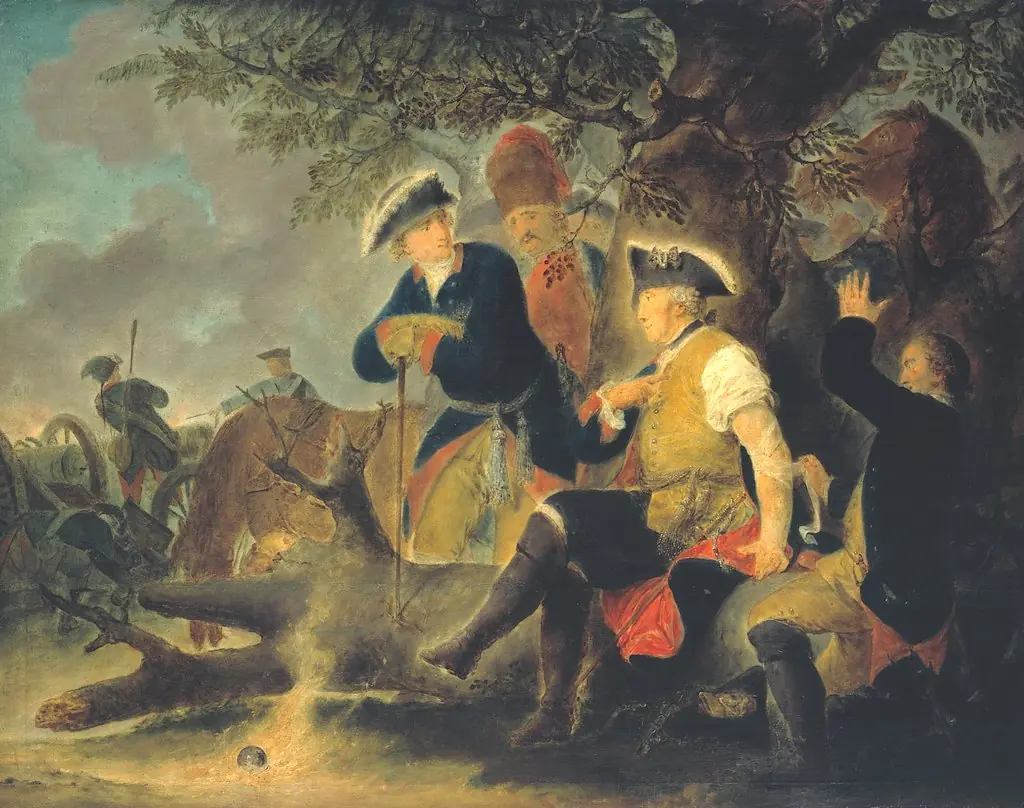 Friedrich und der Feldscher
 Two Soldiers
 Cossack Outpost in 1813