Artwork
Peisaj
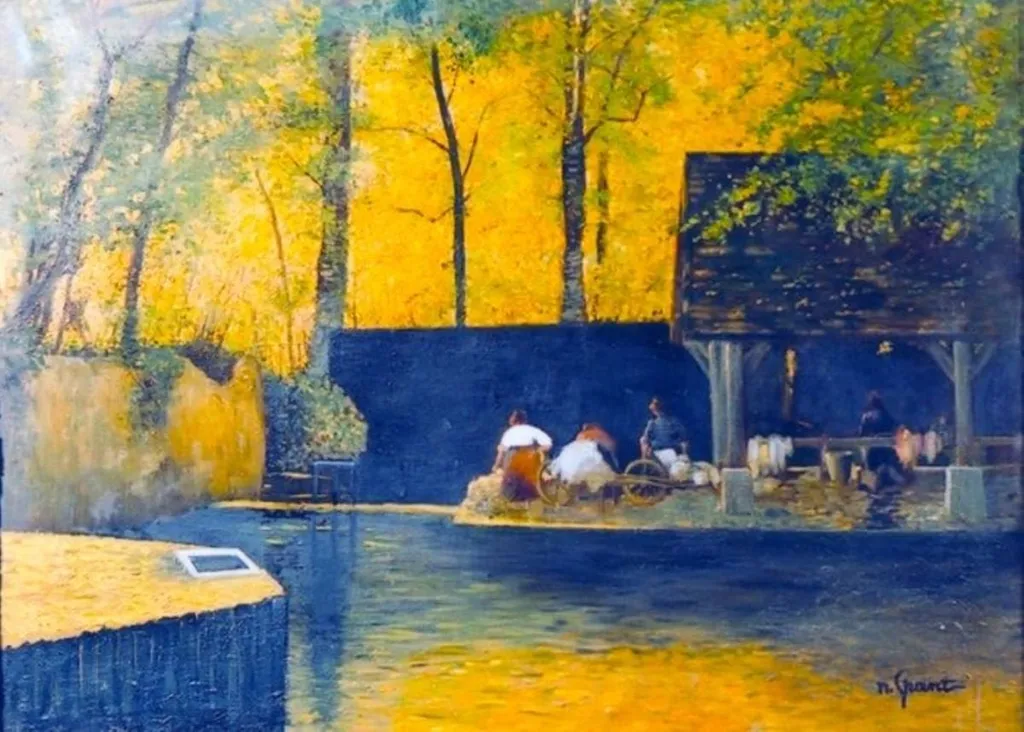
Peisaj is an unspecified painting by Nicolae Grant. It dates from 1949 and is held in the collection of the Cotroceni National Museum.
About this work
Overview
The surrounding vegetation and architectural elements suggest a localized, everyday environment rather than an idealized setting.
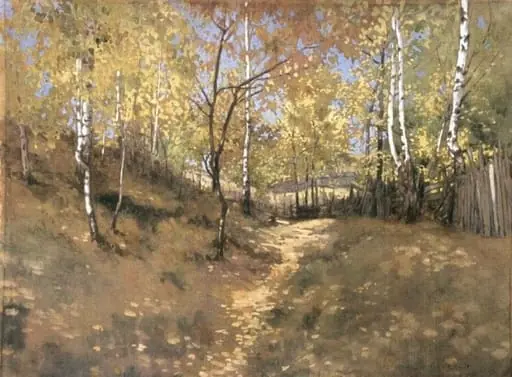
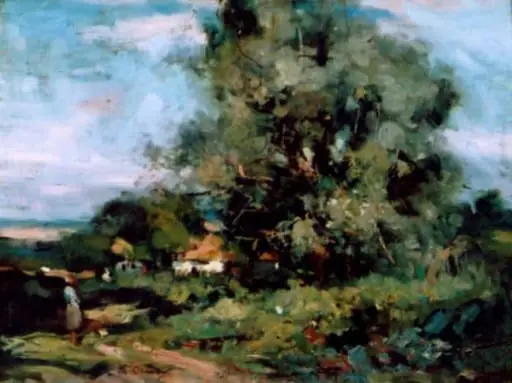
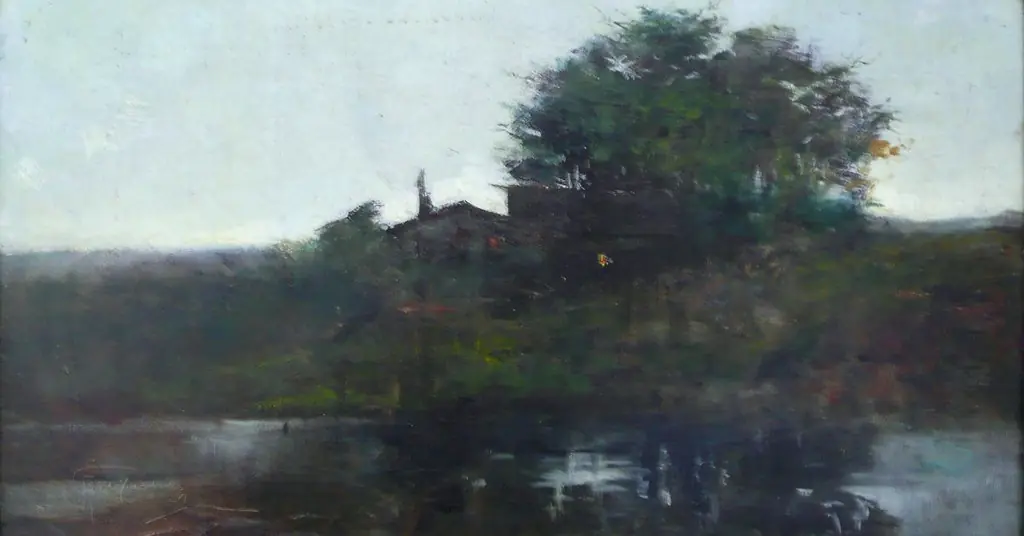
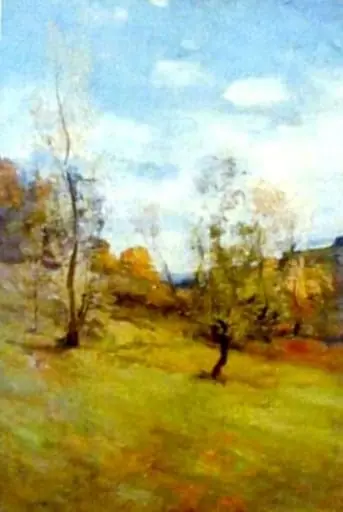
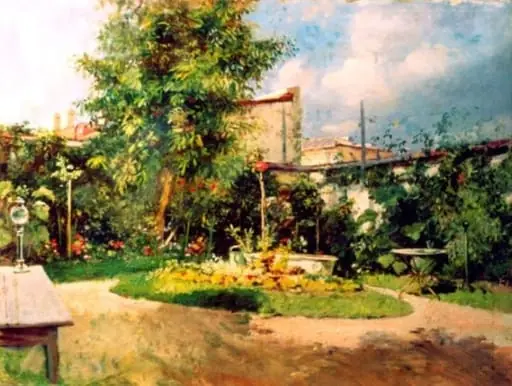
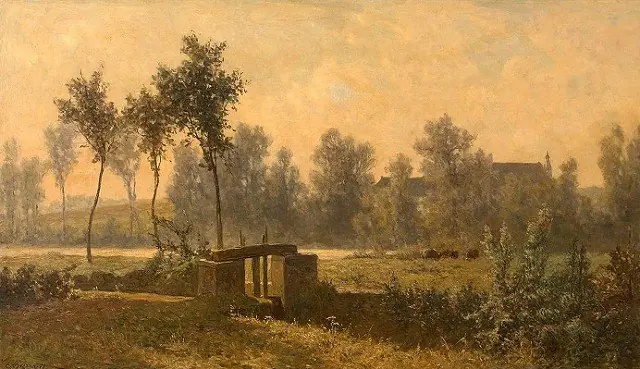
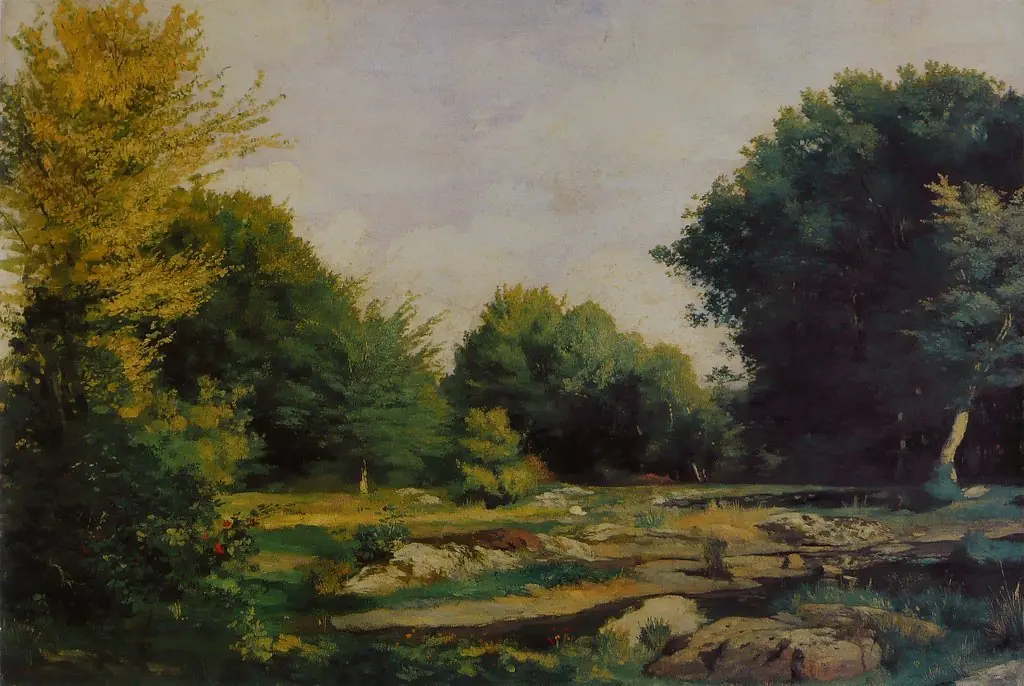
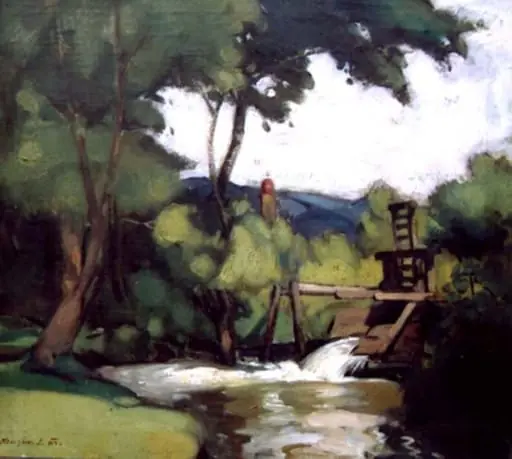
Peisaj, painted around 1949 by Nicolae Grant, is a landscape depicting a quiet rural scene. The work is part of the collection at the Museum of Ethnography. Its composition centers on a wooden bridge crossing a still river, with a modest cart drawn by two cows carrying three figures. The surrounding vegetation and architectural elements suggest a localized, everyday environment rather than an idealized setting.
Subject & Meaning
The painting portrays a routine moment in rural life: travelers crossing a river on a simple cart. The presence of a covered bench area and a dark retaining wall implies a local infrastructure, possibly a resting spot or ferry landing. The scene carries no overt symbolism, instead emphasizing the quiet rhythm of daily movement through a familiar landscape, grounded in observation rather than narrative.
Technique & Style
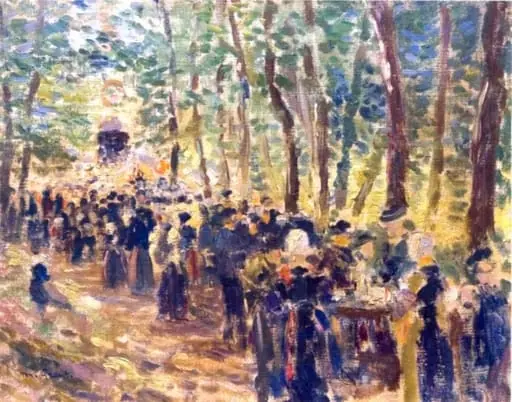
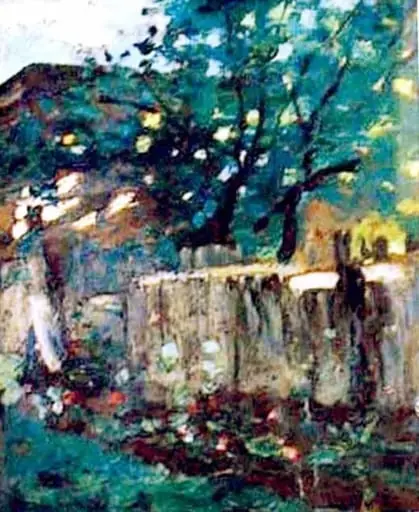
Grant employed thick, textured brushwork to render the foliage and water, using impasto to suggest the physicality of leaves and surface reflections. The yellow and green tones of the trees are applied with deliberate density, catching light in patches that create a sense of luminosity. The dark wall and shaded bench contrast with the bright canopy, guiding the viewer’s eye through the composition without artificial emphasis.
History & Provenance
Created in the late 1940s, the painting entered the Museum of Ethnography’s collection shortly after its completion. Its acquisition reflects an institutional interest in documenting vernacular Romanian life during a period of social transition. No record of prior ownership or exhibition history is widely documented, suggesting it remained within local artistic circles before institutional recognition.
Context
Painted during the early years of communist rule in Romania, Peisaj avoids political or ideological messaging. Its focus on unremarkable rural activity aligns with a broader trend among artists who turned to quiet, local subjects as a form of subtle resistance to state-mandated grandeur. The work reflects a personal, observational approach amid a cultural climate favoring monumental realism.
Legacy
Peisaj remains a modest but significant example of postwar Romanian landscape painting that prioritizes sensory detail over ideological content. It contributes to the understanding of how artists navigated the tension between personal expression and state expectations. Though not widely reproduced, it continues to be studied for its quiet fidelity to place and routine.
Artist & collection
Artist
Nicolae Grant painted quiet, everyday scenes in mid-20th-century rural and coastal France.