Artwork
Contele Seweryn Rzewuski (în registrul inventar: Principele Rgewoski)
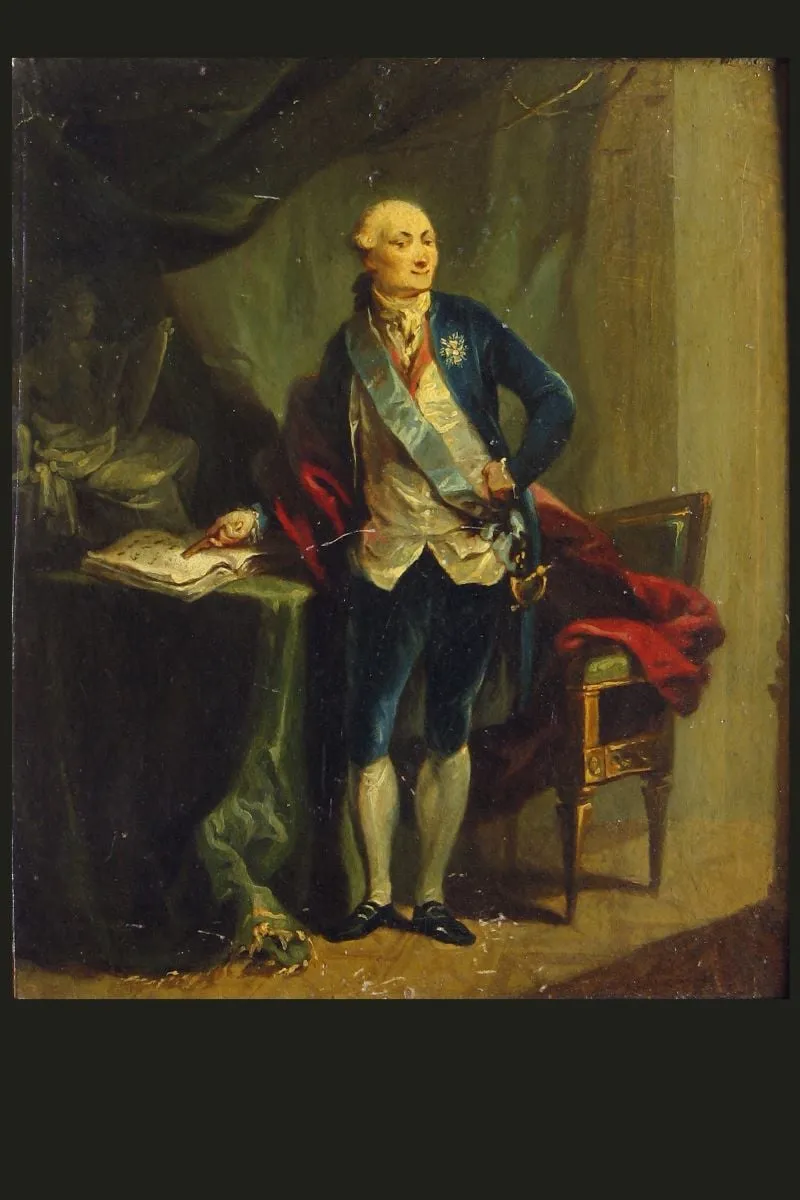
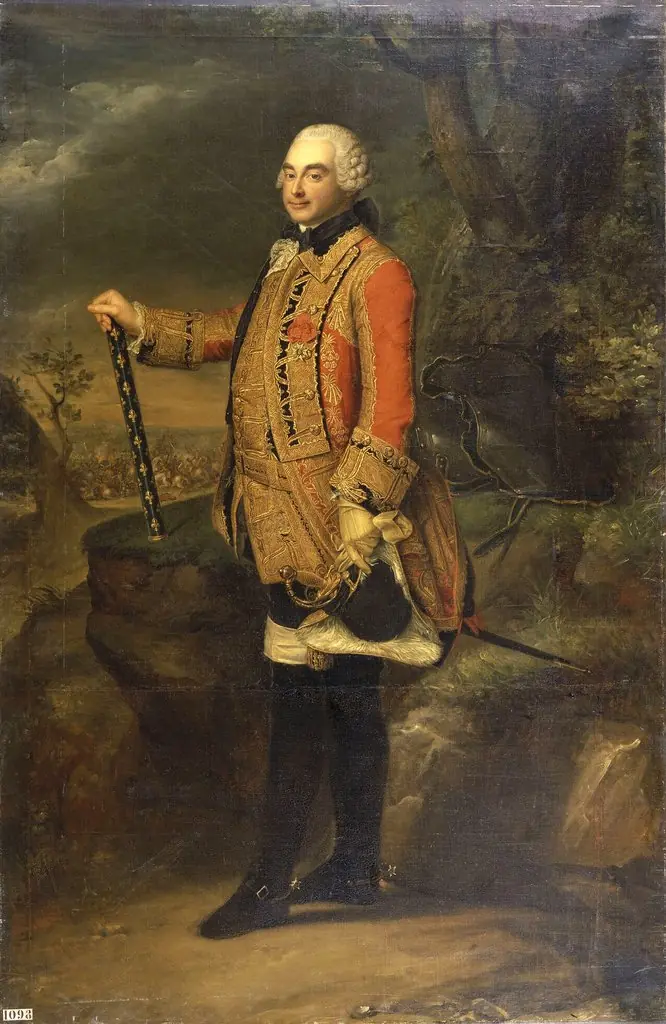
Contele Seweryn Rzewuski (în registrul inventar: Principele Rgewoski) is an unspecified painting by Joseph Maria Grassi. It is held in the collection of the Brukenthal National Museum. This portrait depicts Seweryn Rzewuski, a Polish nobleman, rendered in oil on canvas.
About this work
Overview
This portrait depicts Seweryn Rzewuski, a Polish nobleman, rendered in oil on canvas. The composition centers on his poised figure against a dim interior, where careful lighting isolates his form. The subdued palette and controlled shadows emphasize his presence without distraction, focusing attention on his attire and the subtle details surrounding him.
Subject & Meaning
Seweryn Rzewuski is shown as a man of status, dressed in formal attire with a sash and medal indicating his rank or honors. The folded paper in his hand suggests correspondence or official business, hinting at his role in public life. The sleeping cat and open book imply quiet contemplation, balancing his public persona with private moments of stillness.
Technique & Style
The artist employs chiaroscuro to model the figure with dramatic contrast, drawing the eye to Rzewuski’s face and upper body. Soft transitions between light and shadow lend volume to his coat and the drapery behind him. The background remains indistinct, enhancing the sense of intimacy and isolating the subject from any specific time or place.
History & Provenance
The painting was likely commissioned during Rzewuski’s lifetime, possibly in the late 18th century, as part of a tradition of aristocratic portraiture in the Polish-Lithuanian Commonwealth. It entered institutional collections under the inventory title 'Principele Rgewoski,' reflecting historical spelling variations and later cataloging practices.
Context
In the late 1700s, Polish nobility often commissioned portraits to assert identity amid political upheaval. This work aligns with European conventions of dignified portraiture but retains regional details in dress and setting. The inclusion of domestic elements like the cat and book reflects a shift toward personal, rather than purely ceremonial, representation among the elite.
Legacy
The portrait endures as a quiet example of noble representation in Eastern European art, valued for its restrained elegance and technical precision. It contributes to the understanding of how Polish aristocrats visually communicated status and character during a period of national transformation, without overt grandeur or symbolism.
Artist & collection
Artist
Joseph Maria Grassi was the kind of portraitist who made rulers look approachable.

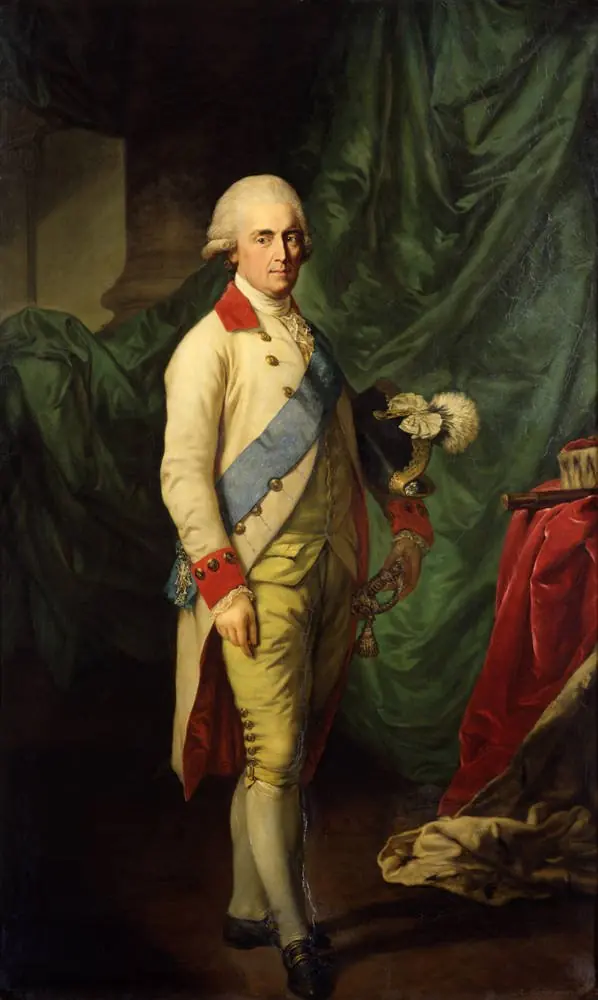 Porträt des Frederick Augustus I of Saxony (1750-1827)
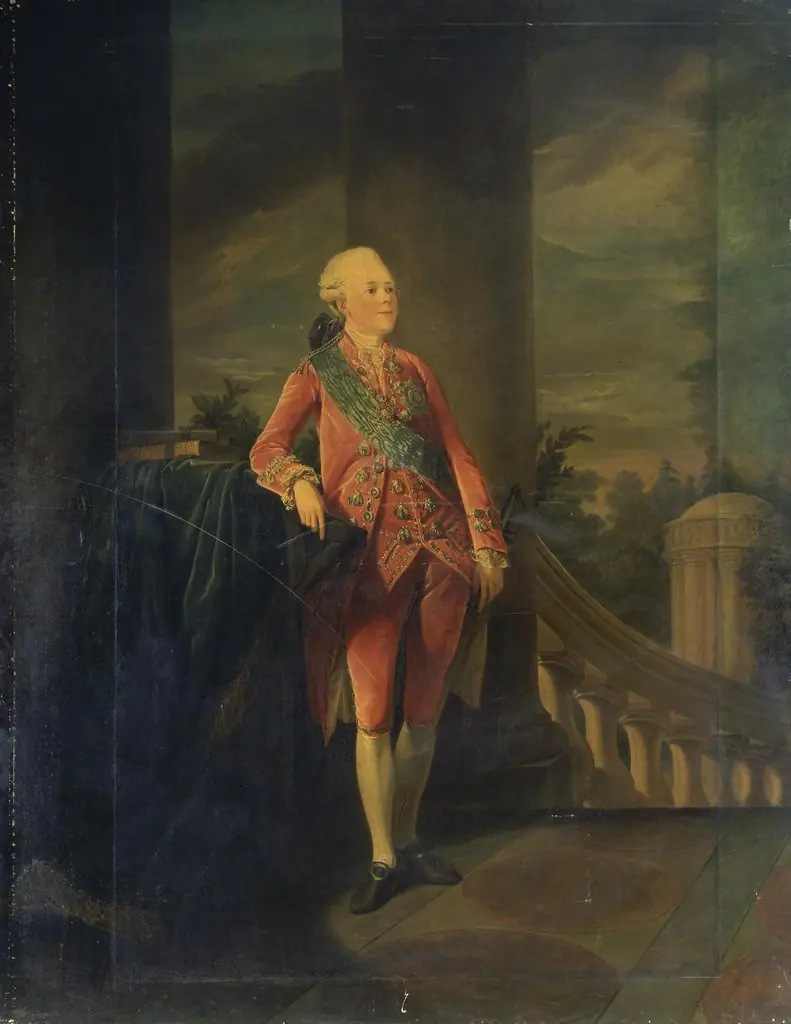 Grand Duke Pavel Petrovich of Russia
 Portrait of Grand Duke Pavel Petrovich
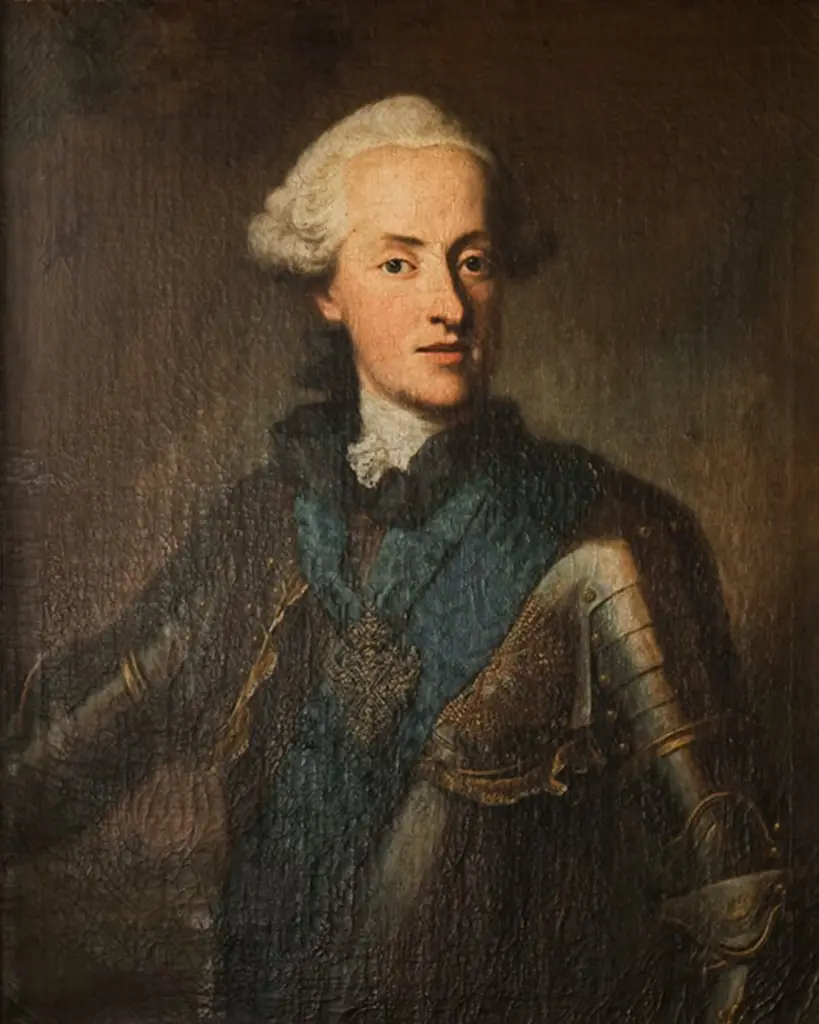 Herzog Clemens Franz de Paula von Bayern
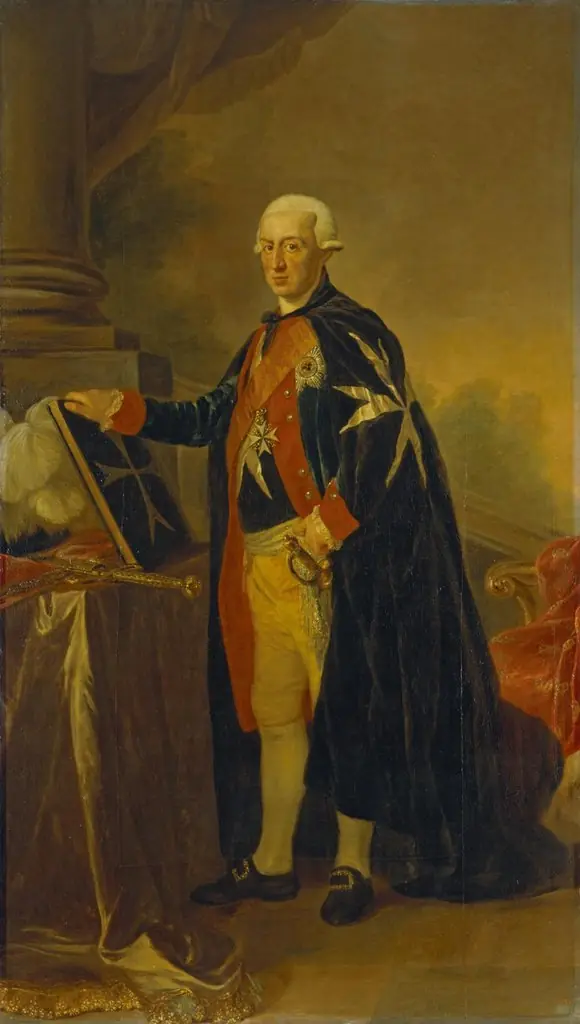 Portrait of Prince Augustus Ferdinand of Prussia
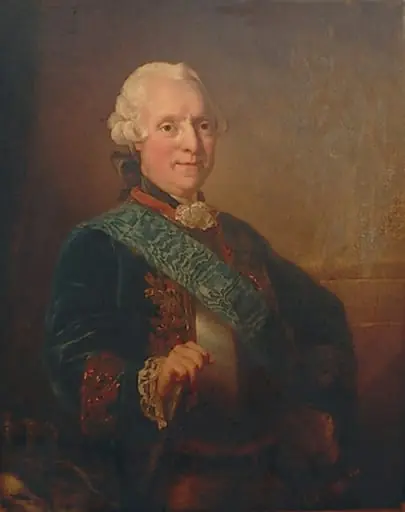 Kuningas Adolf Fredrik
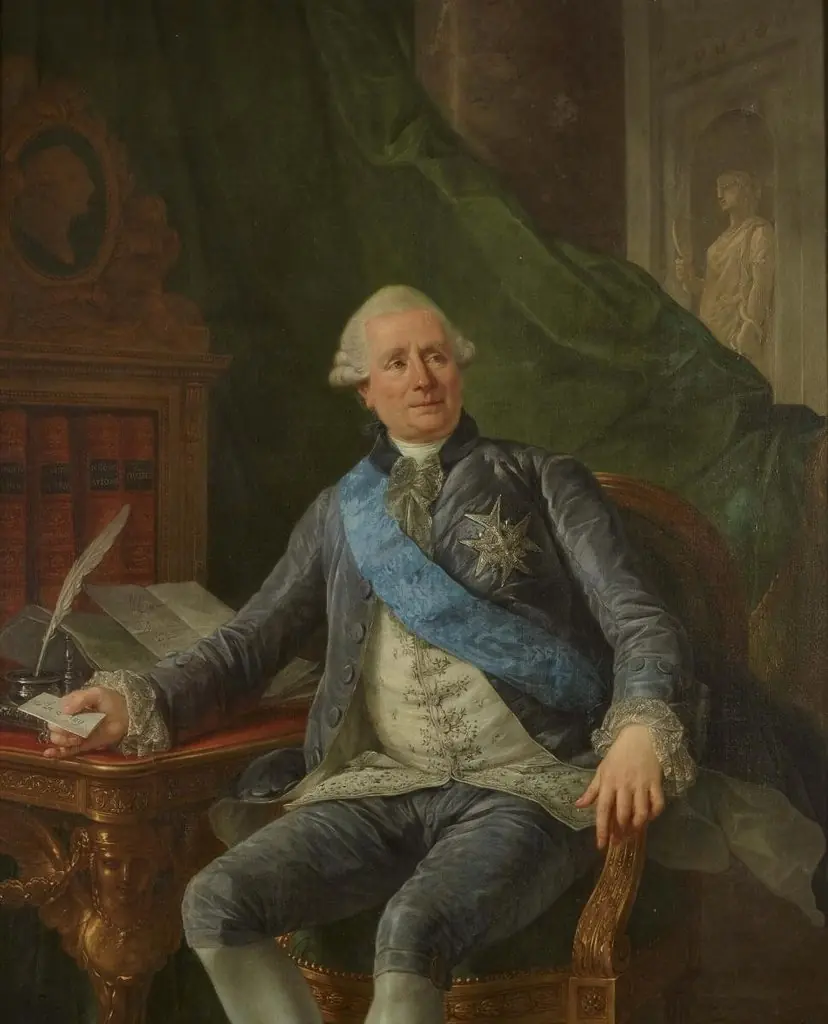 Portrait of the Comte de Vergennes
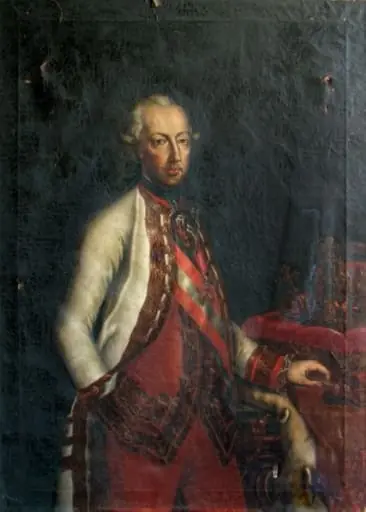 Împăratul Iosif al II-lea
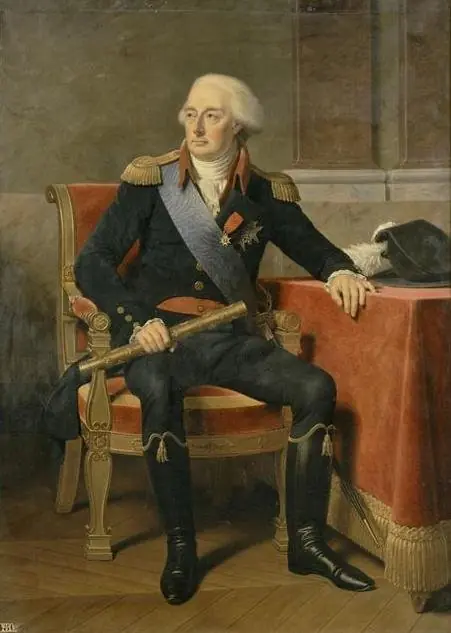 Portrait of Louis Joseph de Bourbon, Prince of Condé (1736-1818)
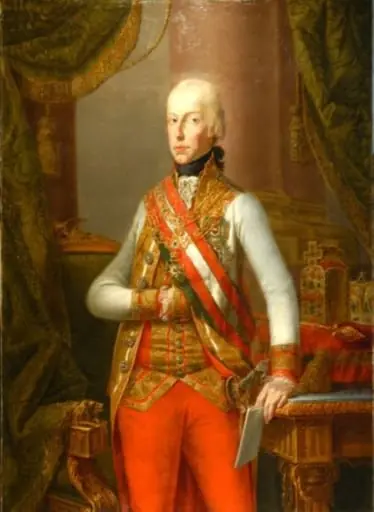 Împăratul Iosif al II lea
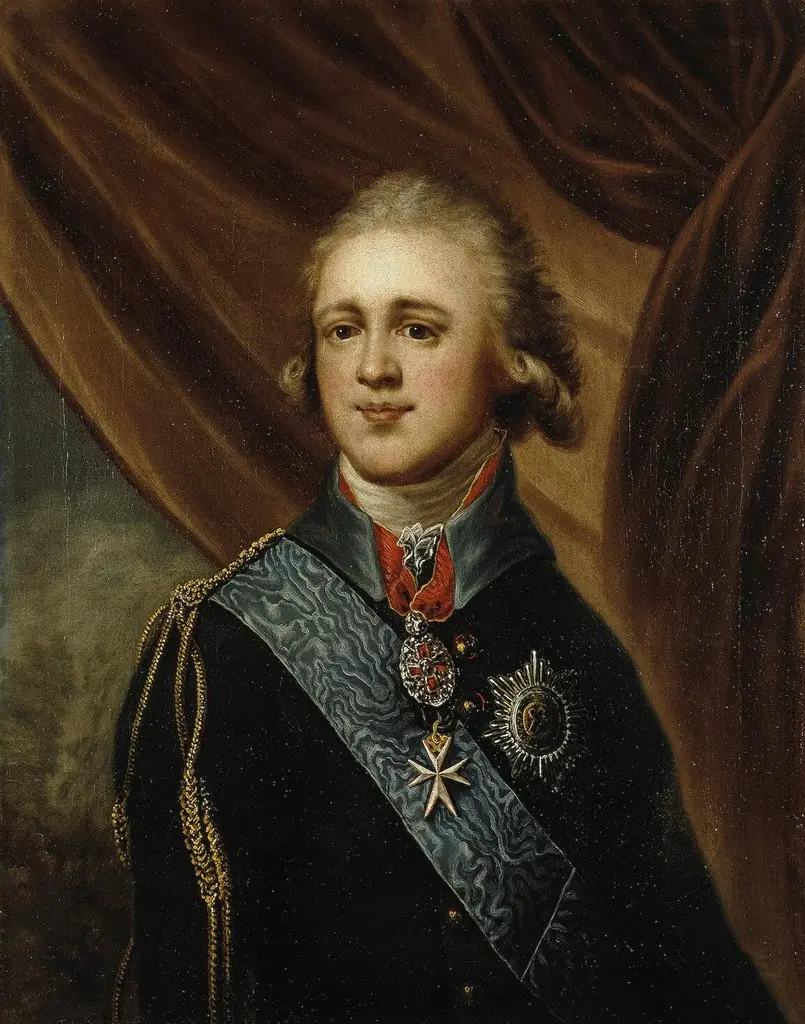 Portrait of Grand Duke Alexander Pavlovich
 Portrait of Charles de Rohan, Prince of Soubise