Artwork
Împăratul Iosif al II-lea
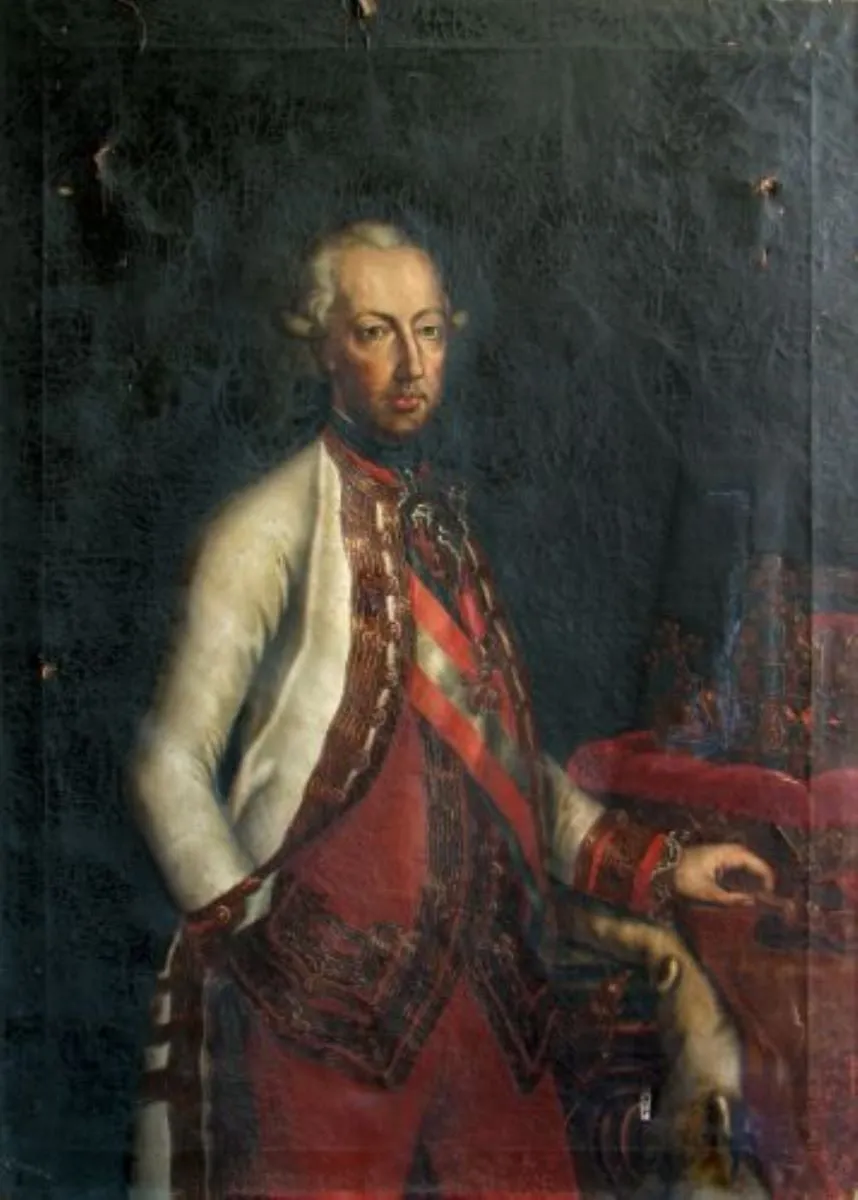
Împăratul Iosif al II-lea is a print by the Baroque artist Johann Zollicher (Zollinger). It is held in the collection of the Brukenthal National Museum. This portrait depicts Emperor Joseph II of Austria, rendered with dramatic lighting and textured brushwork.
About this work
Overview
This portrait depicts Emperor Joseph II of Austria, rendered with dramatic lighting and textured brushwork. The composition isolates the figure against a dark, undefined background, emphasizing his presence through stark contrasts. The palette is limited but intense—deep blacks, vivid reds, and pale whites—creating a sense of immediacy and gravitas without ornamental distraction.
Subject & Meaning
Joseph II is portrayed in military attire, signaling his role as ruler and commander. The object in his right hand, possibly a hat or folded cloth, suggests a moment of pause or deliberation. His posture—hand on hip, gaze direct—conveys authority tempered by introspection, reflecting his reputation as an enlightened reformer rather than a ceremonial monarch.
Technique & Style
The painting employs chiaroscuro to model form through sharp light and shadow, enhancing the three-dimensionality of the figure. Brushstrokes are visible, particularly in the fabric and facial contours, rejecting smooth academic finish in favor of tactile immediacy. The contrast between the white coat and red underlayer intensifies visual tension, drawing attention to the figure’s physicality.
History & Provenance
The work originates from the late 18th century, likely commissioned during Joseph II’s reign as Holy Roman Emperor. It was probably created by a court artist familiar with Habsburg portraiture traditions, though the style diverges from formal court conventions, hinting at evolving tastes toward psychological realism in the Age of Enlightenment.
Context
Joseph II ruled during a period of sweeping reforms in law, religion, and administration. This portrait’s restrained elegance and lack of regalia align with his efforts to project rational governance over dynastic spectacle. The somber tones and minimal setting reflect Enlightenment ideals that valued substance over ceremonial display in public representation.
Legacy
The painting stands as an example of how Enlightenment-era rulers were visually reimagined—not as divine figures, but as individuals of intellect and duty. Its emphasis on psychological presence over symbolic grandeur influenced later portraiture in Central Europe, marking a shift toward more intimate, humanized depictions of power.
Artist & collection
Artist
Johann Zollicher’s prints feel like postcards from a forgotten world—every line crisp, every shadow deliberate.

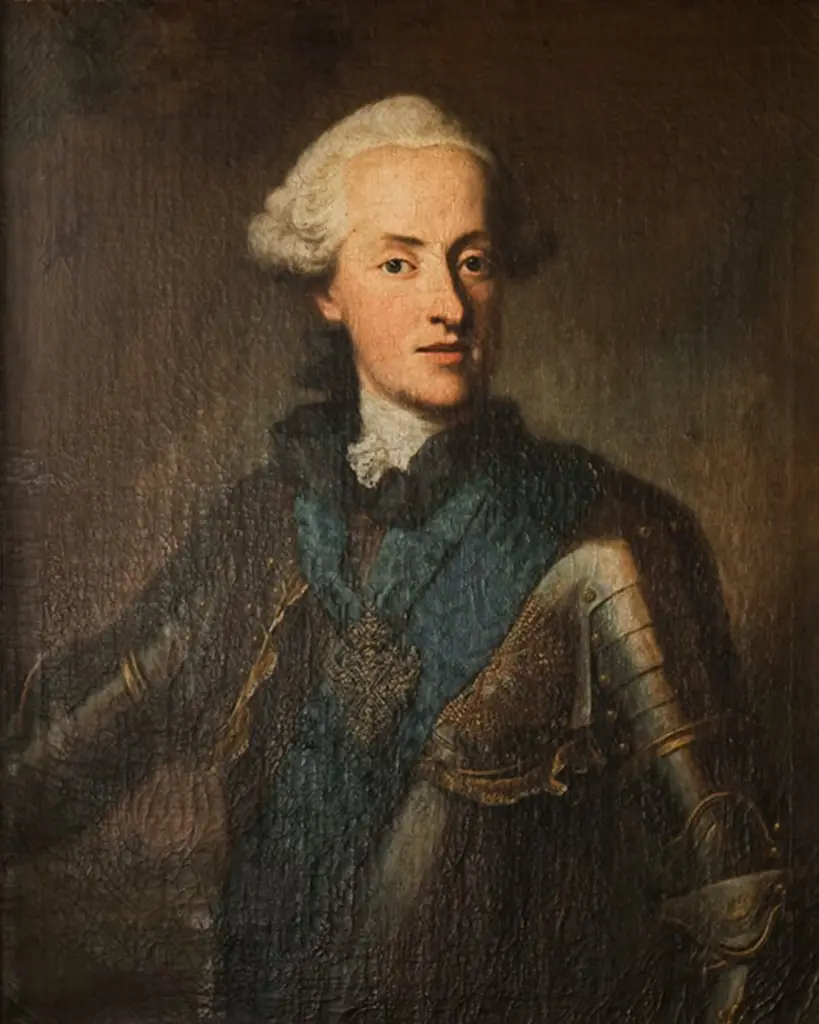 Herzog Clemens Franz de Paula von Bayern
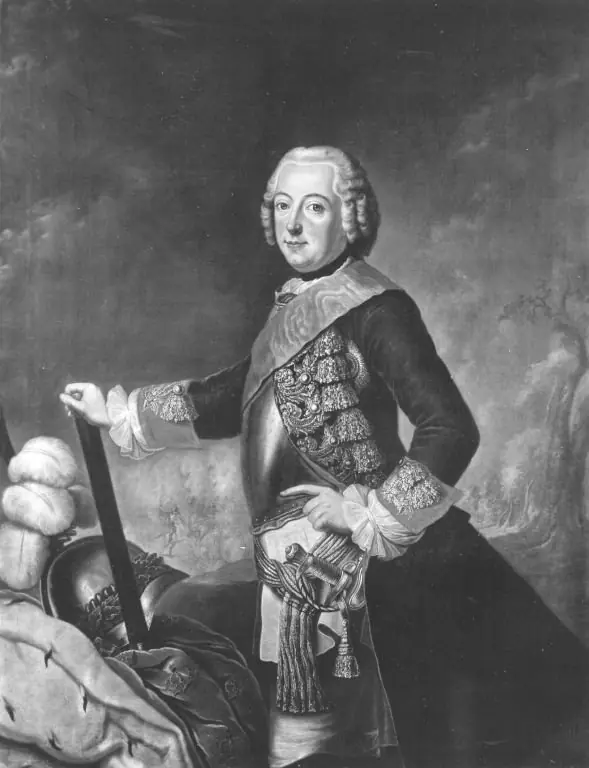 Friedrich II. der Große
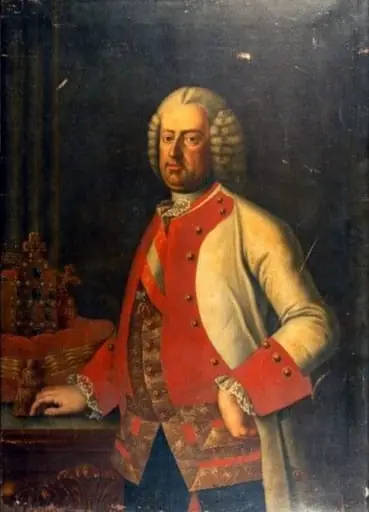 Portretul împăratului Franz Stephan de Lorena
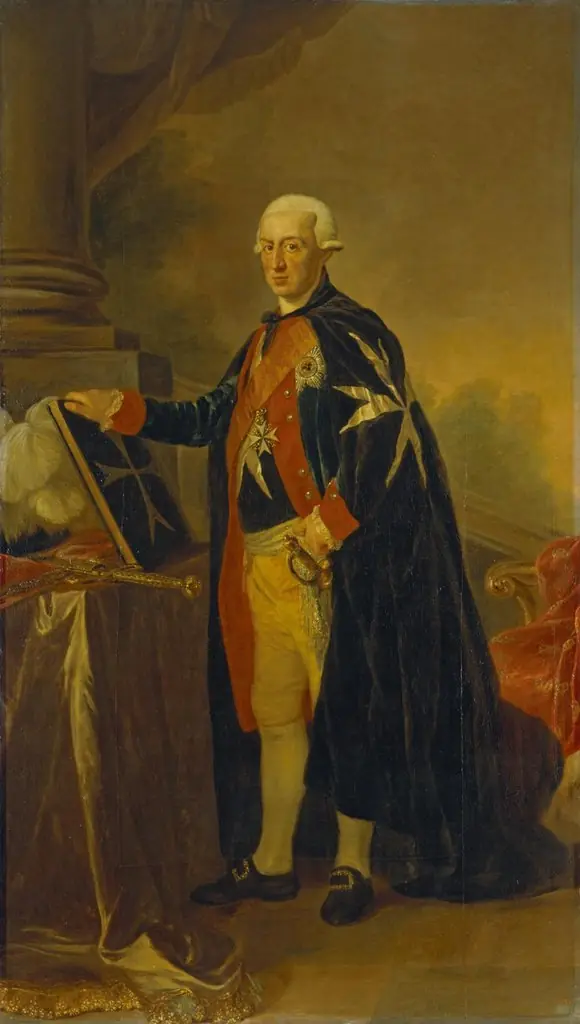 Portrait of Prince Augustus Ferdinand of Prussia
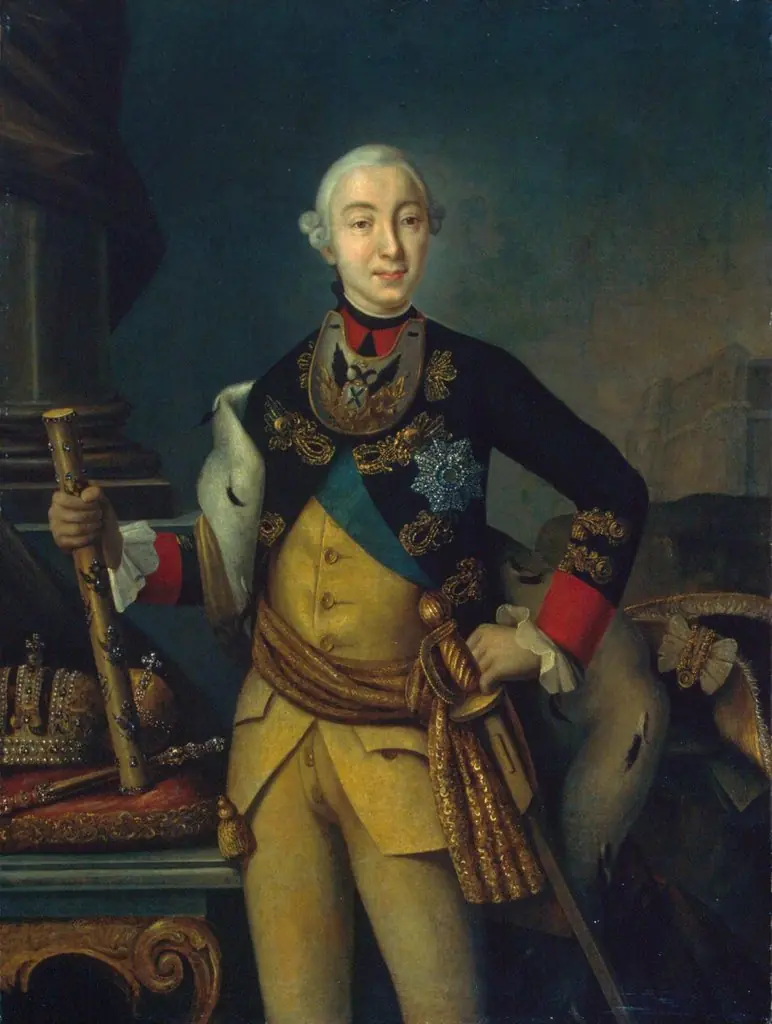 Portrait of Emperor Peter III
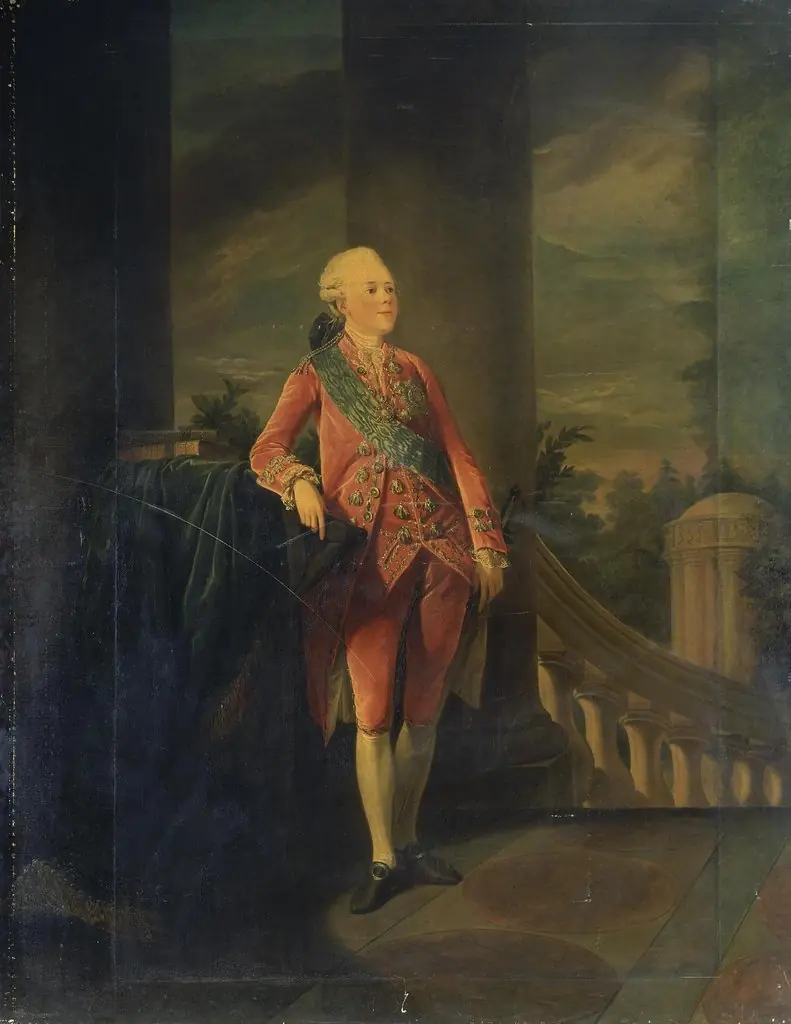 Portrait of Grand Duke Pavel Petrovich
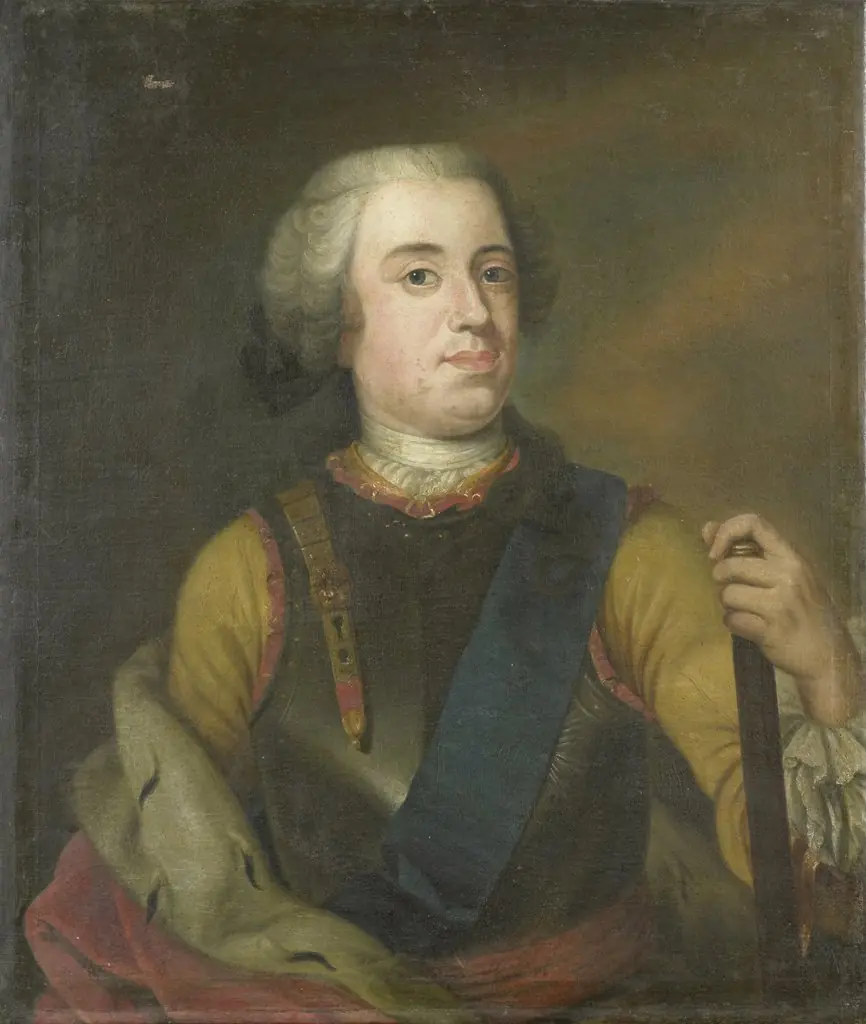 Portrait of William IV, Prince of Orange
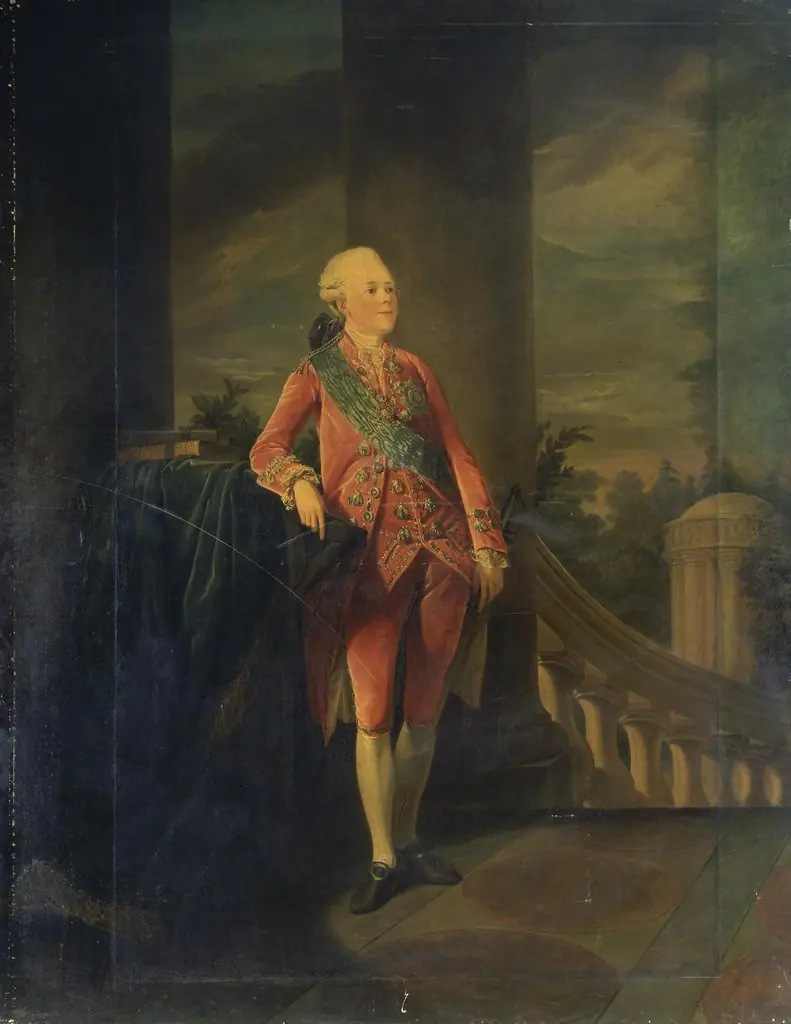 Grand Duke Pavel Petrovich of Russia
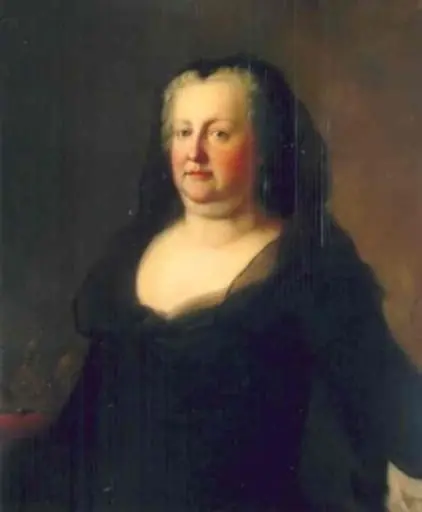 Elisabeta, soția lui Carol al VI-lea; pandant: Împăratul Carol al VI-lea