Artwork
Împăratul Iosif al II lea
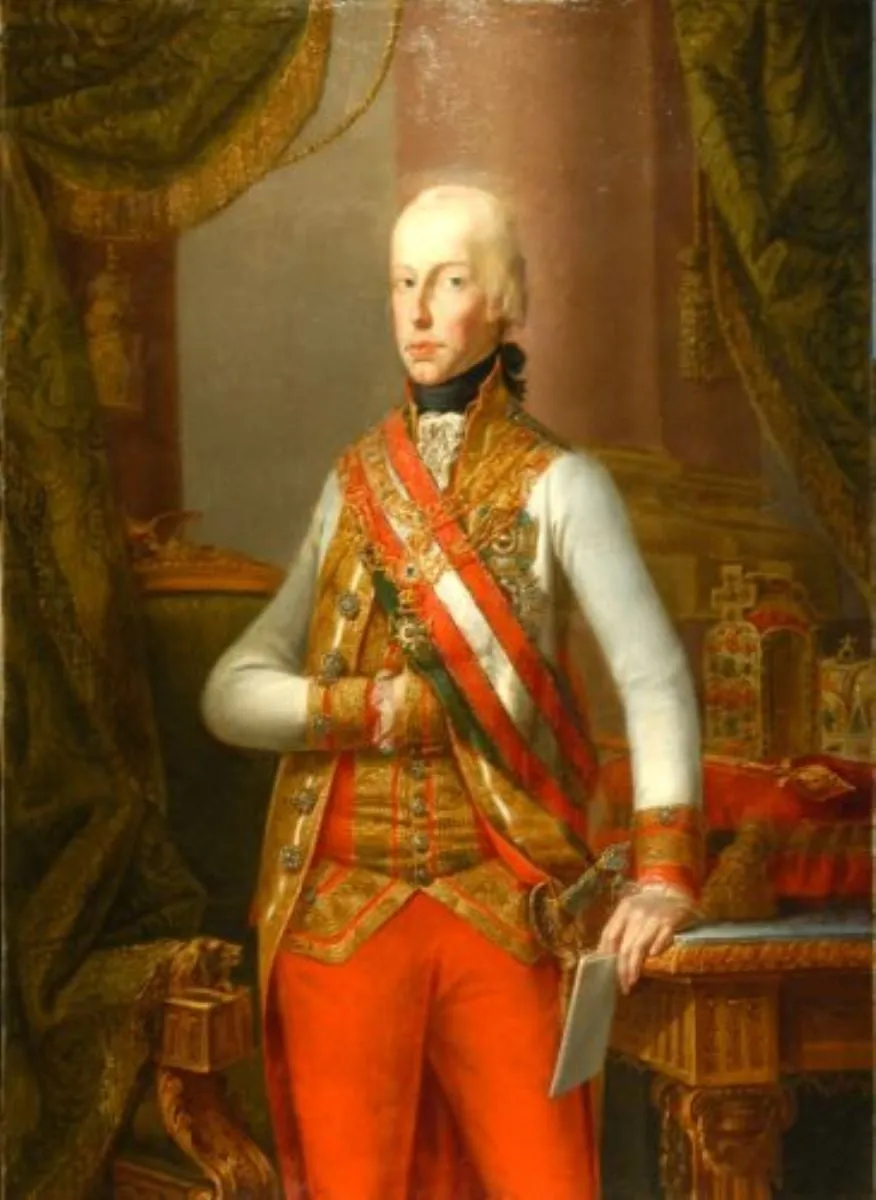
Împăratul Iosif al II lea is an unspecified painting by Unknown. It dates from 1750 and is held in the collection of the Țării Crișurilor Museum. This portrait depicts Emperor Joseph II of Austria in full military regalia, rendered with careful attention to texture and light.
About this work
Overview
This portrait depicts Emperor Joseph II of Austria in full military regalia, rendered with careful attention to texture and light. The composition centers on his poised figure against a dimly lit, richly detailed interior. Subtle modeling of form through light and shadow suggests a deliberate engagement with classical portraiture traditions, emphasizing dignity over grandeur.
Subject & Meaning
His composed expression and restrained gesture convey a sense of duty rather than pomp, aligning with his reputation as an enlightened monarch.
Joseph II, Holy Roman Emperor and reformist ruler, is shown not in ceremonial coronation attire but in active military dress, reflecting his personal identification with the army. The small object in his hand—possibly a document or insignia—hints at administrative authority. His composed expression and restrained gesture convey a sense of duty rather than pomp, aligning with his reputation as an enlightened monarch.
Technique & Style
The painting employs chiaroscuro to define the contours of the uniform and face, creating depth without dramatic contrast. Gold embroidery and fabric folds are rendered with precise brushwork, while the background remains softly blurred, directing focus to the figure. The palette is restrained, dominated by deep tones that amplify the luminosity of the red and gold elements.
History & Provenance
Commissioned during Joseph II’s reign, the portrait likely served to reinforce his image as a disciplined ruler committed to state service. It may have been displayed in imperial residences or government buildings. Its provenance traces to Habsburg collections, though the original artist remains unconfirmed in public records.
Context
In late 18th-century Europe, portraits of monarchs increasingly moved away from baroque splendor toward understated realism, mirroring Enlightenment ideals. Joseph II’s reforms in governance, religion, and law made him a polarizing figure; this image reflects an effort to project authority through sobriety and competence rather than inherited majesty.
Legacy
The portrait endures as a visual record of a ruler who sought to modernize the Habsburg Empire. Its restrained aesthetic distinguishes it from the more ornate imperial imagery of earlier centuries, offering insight into how political identity was visually negotiated during a period of profound social change.
Artist & collection

 Domestic Scene
 Giacomo and Cardinal Marco, investing Andrea, Abbot of San Zeno, with his Benefice
 The Nymph of Fontainebleau
 Portrait of a Woman
 Madonna and Child with Saints in the Enclosed Garden
 Venus and Minerva
 Family Group of Four on Sofa
 Wall painting from Room H of the Villa of P. Fannius Synistor at Boscoreale
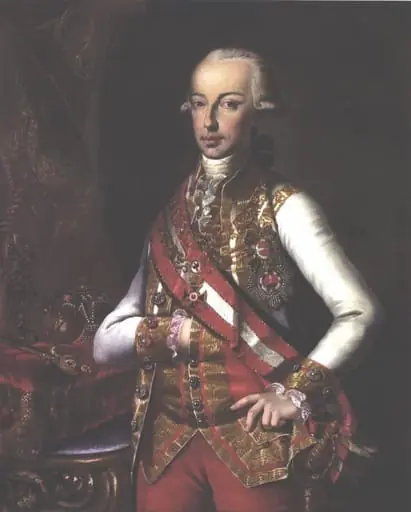 Portretul lui Iosif al II-lea
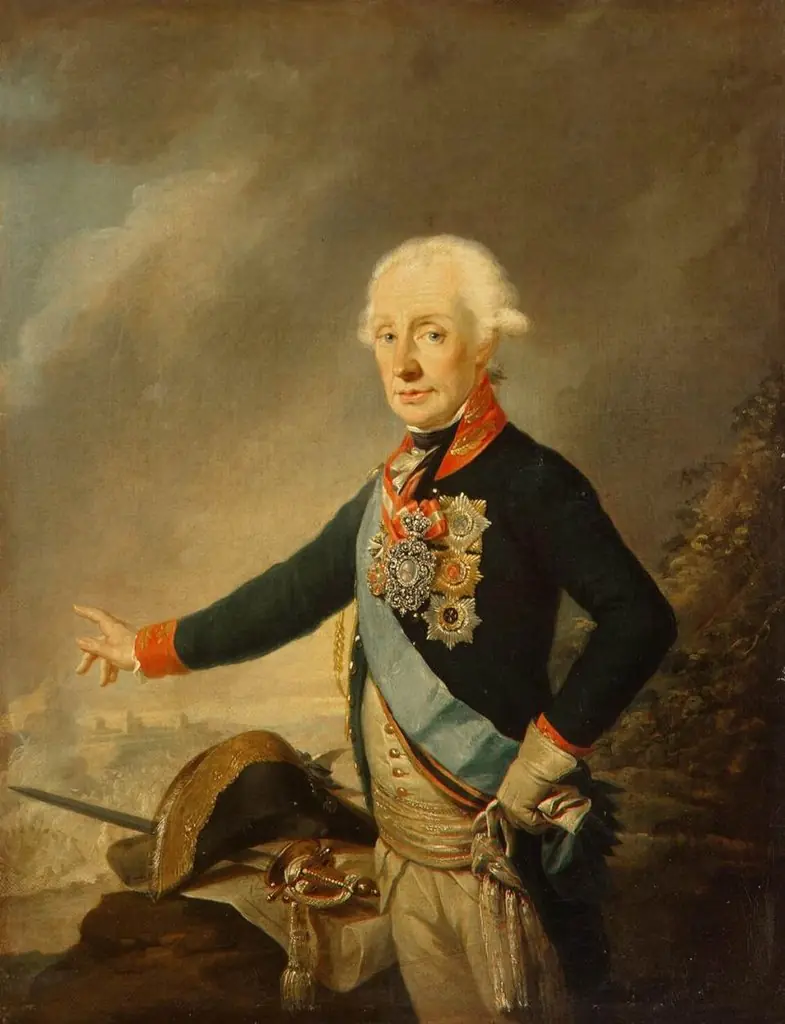 Portrait of Count Alexander Suvorov
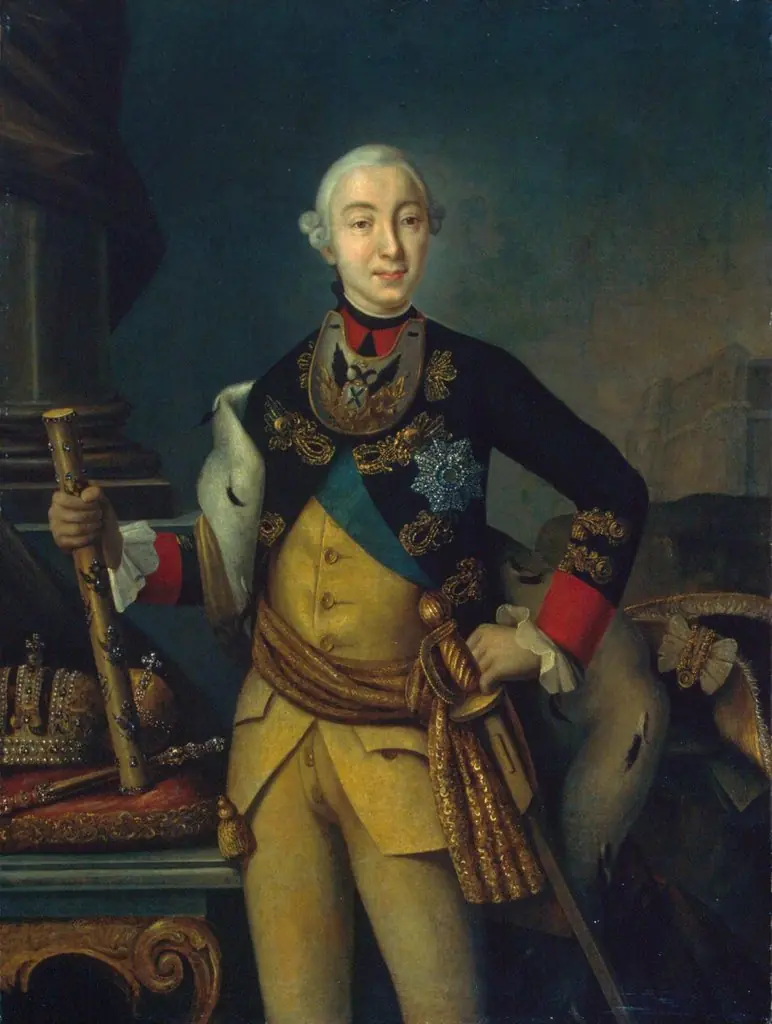 Portrait of Emperor Peter III
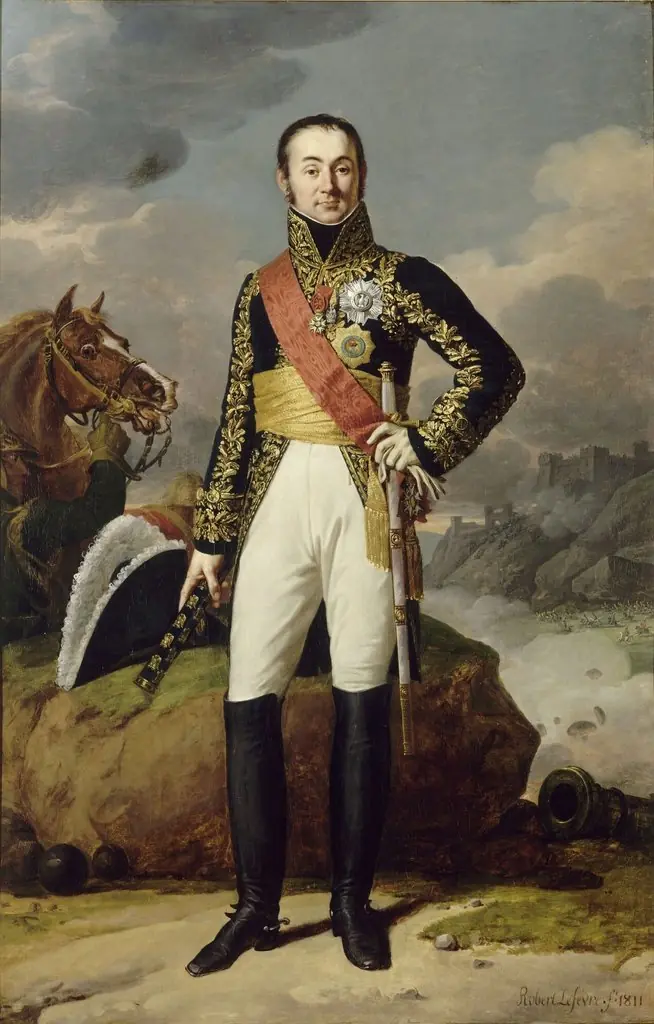 Nicolas-Charles Oudinot, Duke of Reggio, Marshal of France (1767-1847)
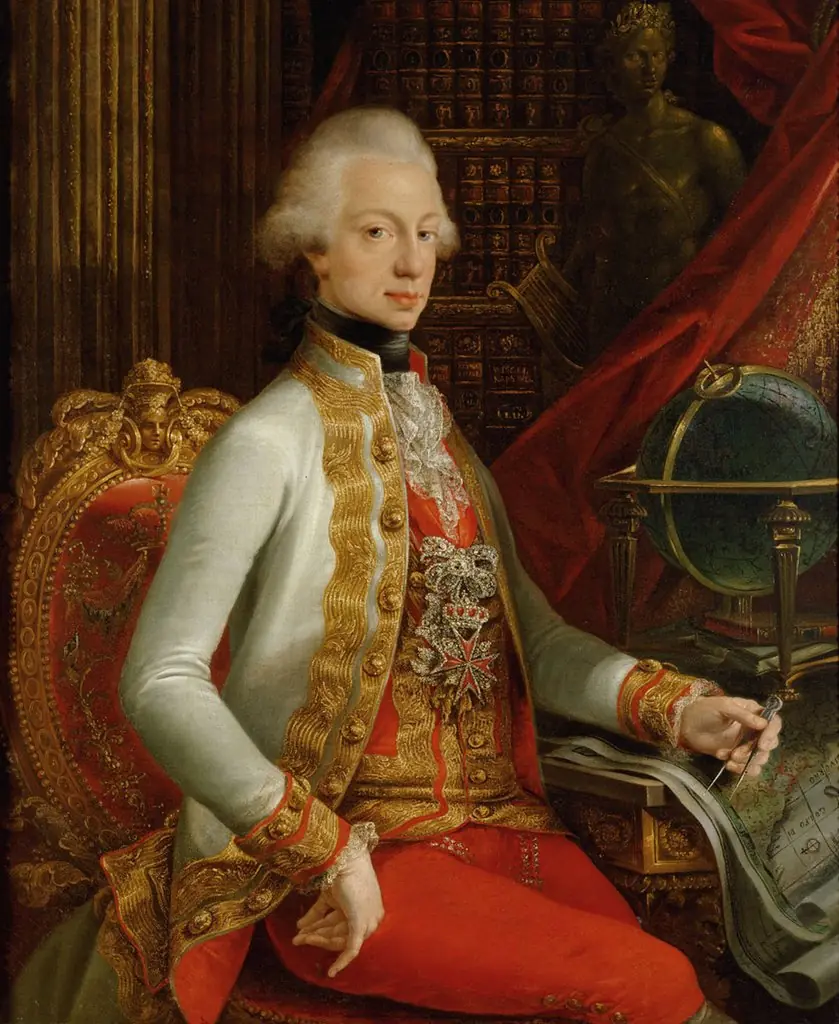 Portrait of Ferdinand III, Archduke of Austria and Grand Duke of Tuscany (1769-1824) sitting in his library
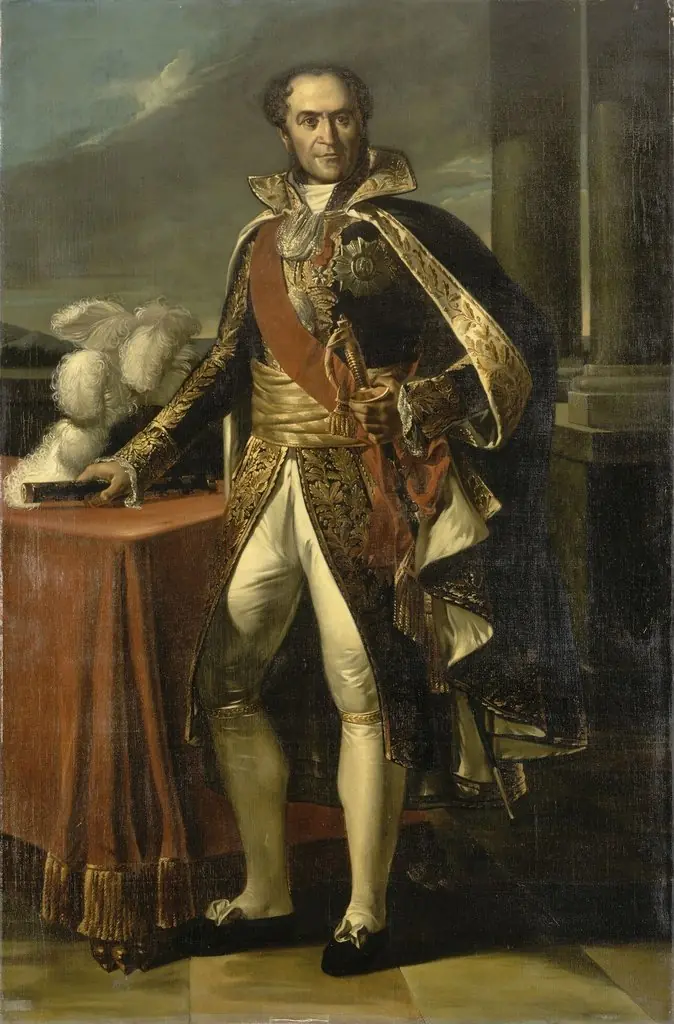 Guillaume-Marie-Anne, maréchal Brune
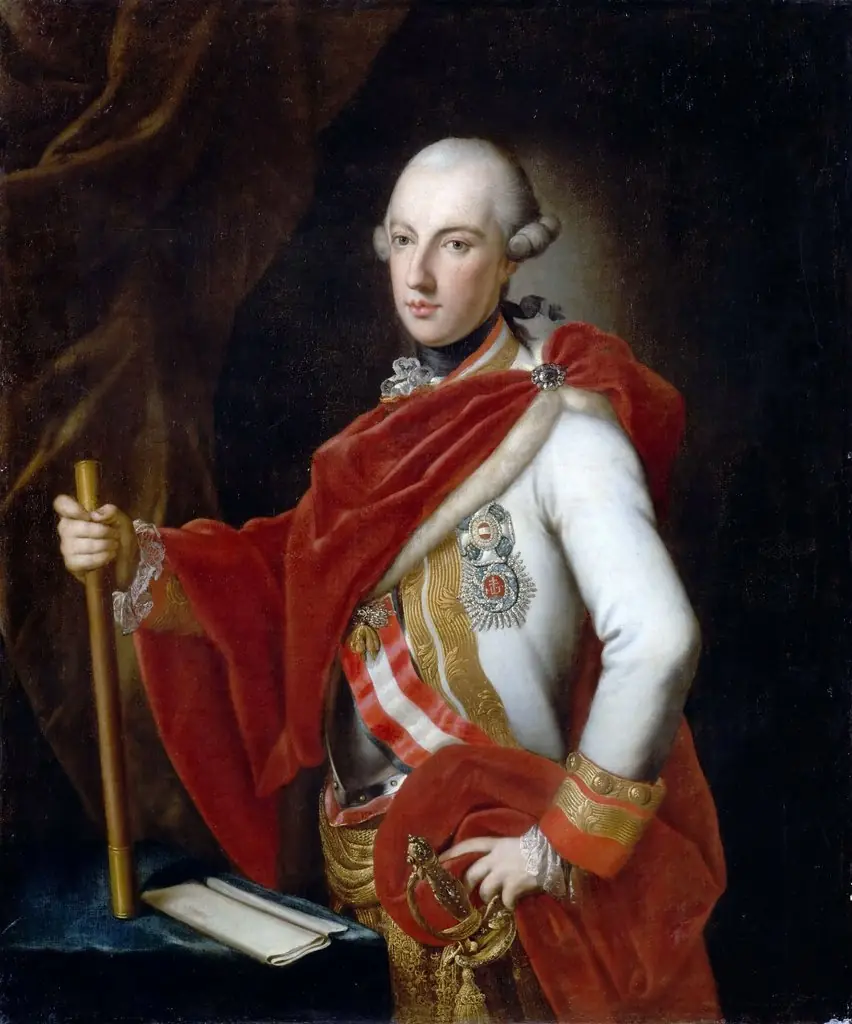 Porträt des Emperor Joseph II (1741-1790)
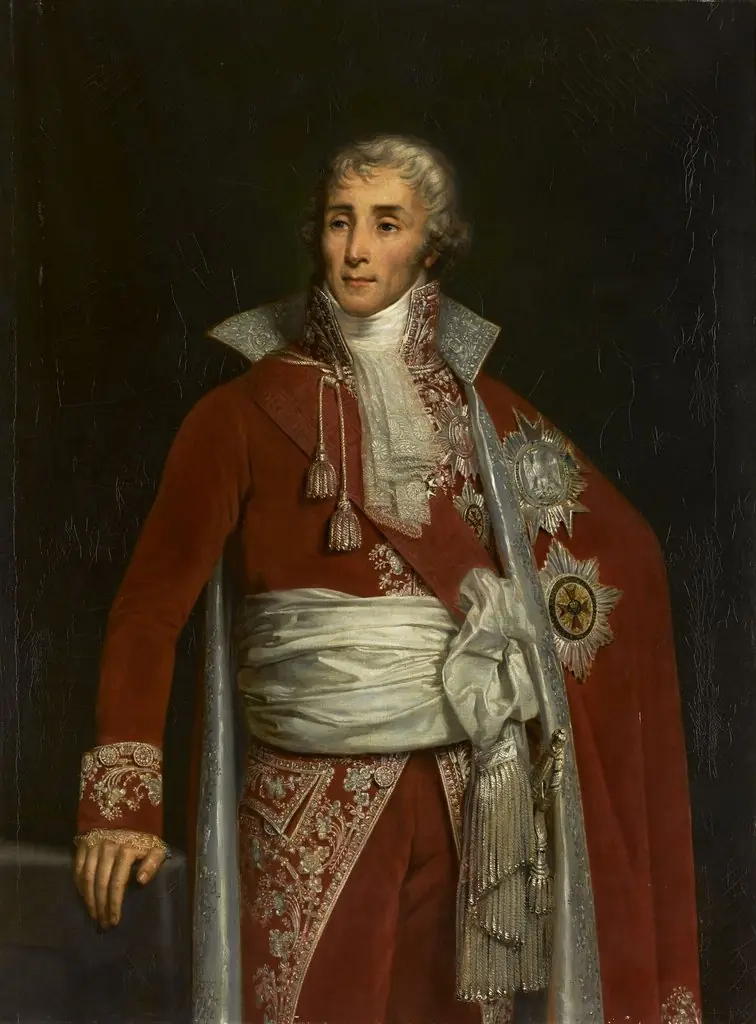 Joseph Fouché, Duke of Otranto
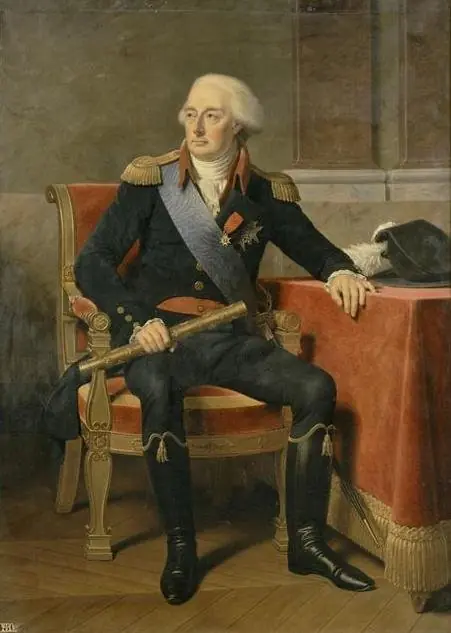 Portrait of Louis Joseph de Bourbon, Prince of Condé (1736-1818)
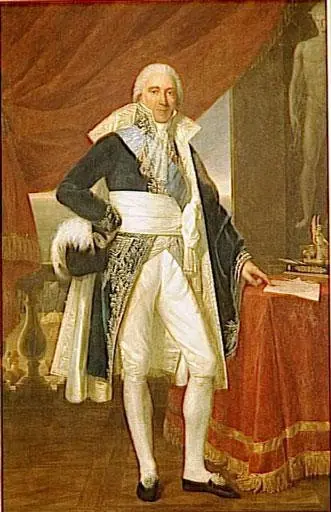 Jean-Baptiste Collin, comte de Sussy (1750-1826)