Artwork
Esther vor Ahasver
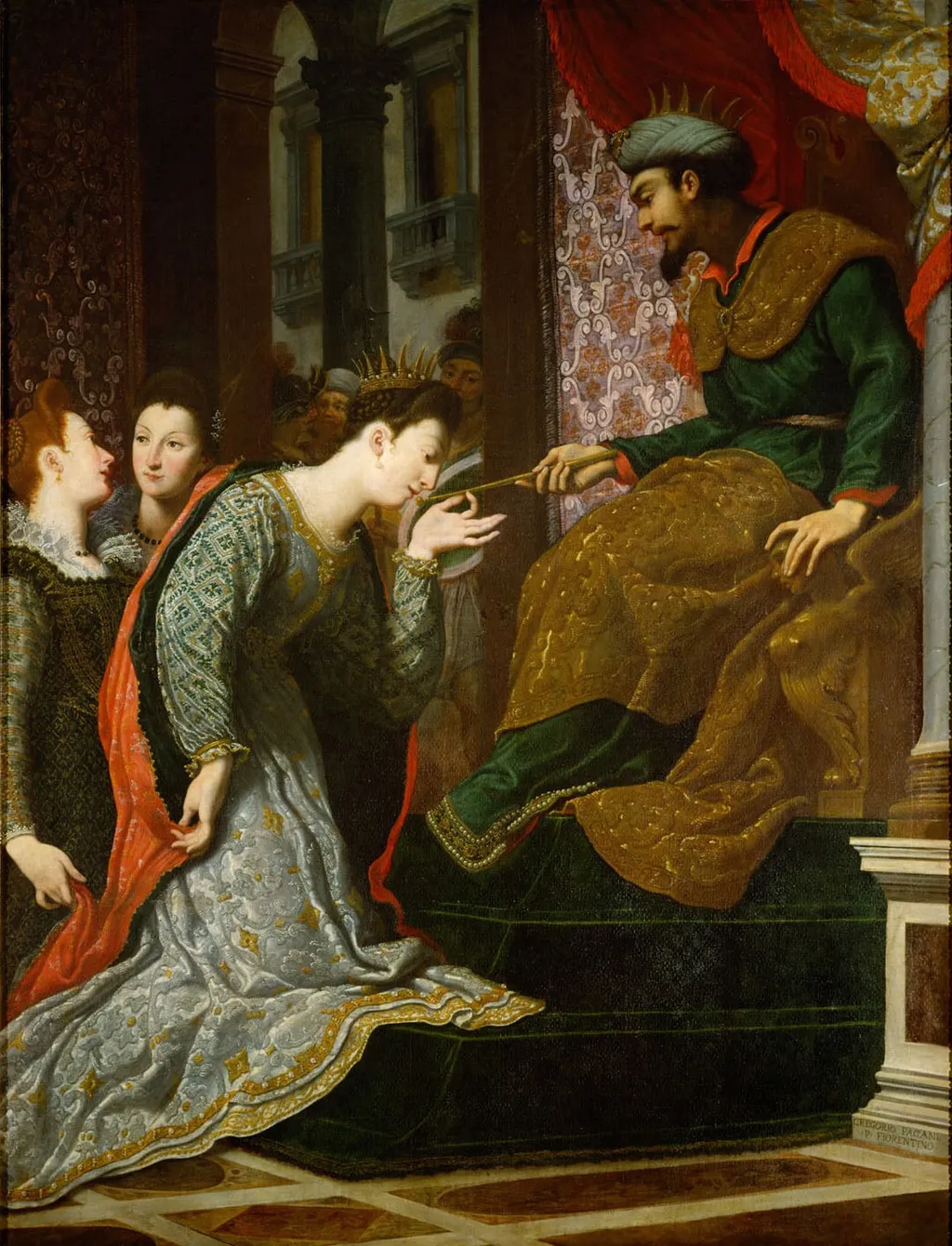
Esther vor Ahasver is an unspecified painting by the Early Baroque Italian artist Gregorio Pagani. It dates from 1600 and is held in the collection of the Kunsthistorisches Museum.
About this work
Overview
Esther vor Ahasver is a painting by Gregorio Pagani, created circa 1600 during the early Baroque period. The work is a religious depiction of a biblical scene, showcasing Pagani's artistic style developed during his activity in Florence.
Subject & Meaning
The painting illustrates the biblical figure Esther kneeling before King Ahasuerus, conveying a moment of supplication or interaction, with surrounding figures adding depth to the royal scene's narrative.
Technique & Style
Pagani employed chiaroscuro, evident in deep shadows on the female figure's face and the couch, contrasting with richly detailed, shimmering fabrics and a warm, golden glow. The style reflects his training under Santi di Tito and Ludovico Cigoli.
History & Provenance
Part of Pagani's contributions to Florentine art, this work is associated with his period of receiving commissions for prominent churches like Santa Maria del Carmine and Santa Maria del Fiore, though some of his works for these sites were later lost.
Context
Created in the context of early Baroque Florence, the painting's themes and style were influenced by Pagani's mentors and would later influence his pupils, including Cristofano Allori and Matteo Rosselli.
Legacy
Through his pupils, notably Cristofano Allori and Matteo Rosselli, Pagani's artistic influence extended throughout the Florentine region, contributing to the development of local Baroque traditions.
Artist & collection
Artist
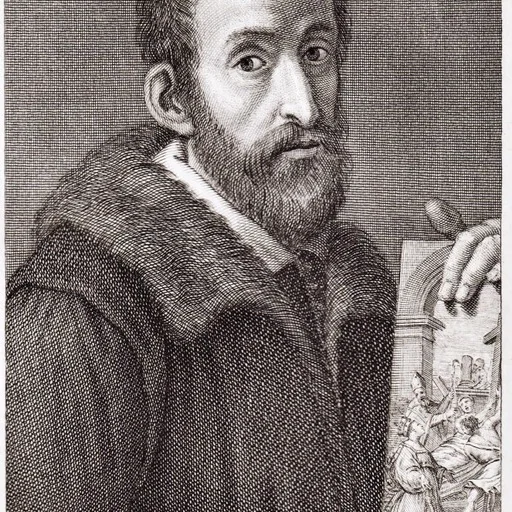
Gregorio Pagani (14 July 1559 – 1605) was an Italian painter of the late 16th century, active mainly in Florence.

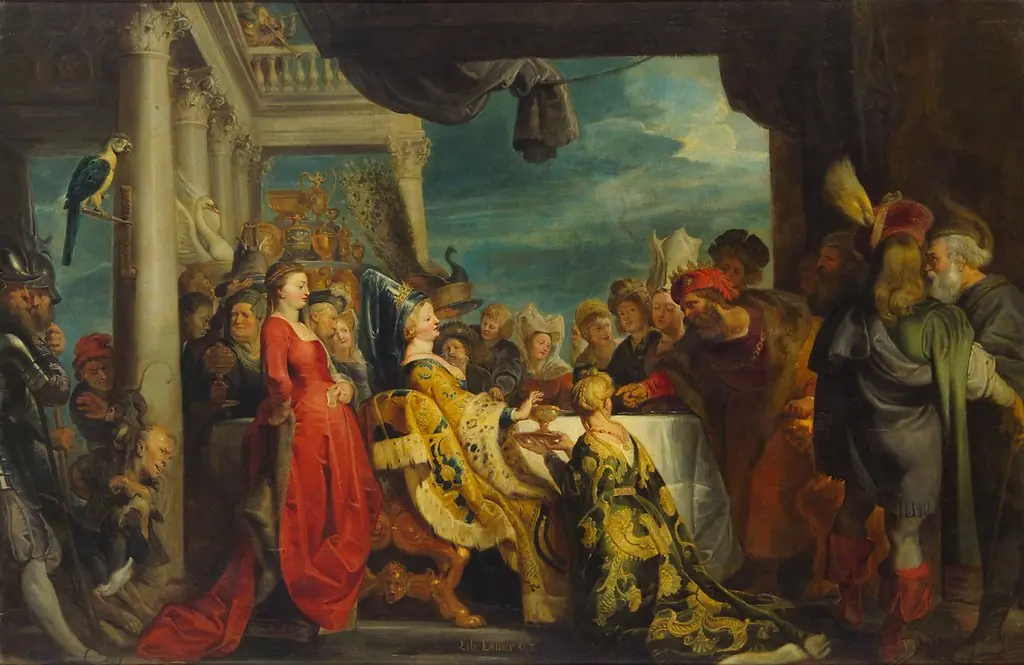 Alboin   and  Rosamunde
 The Visit of the Queen of Sheba to Solomon
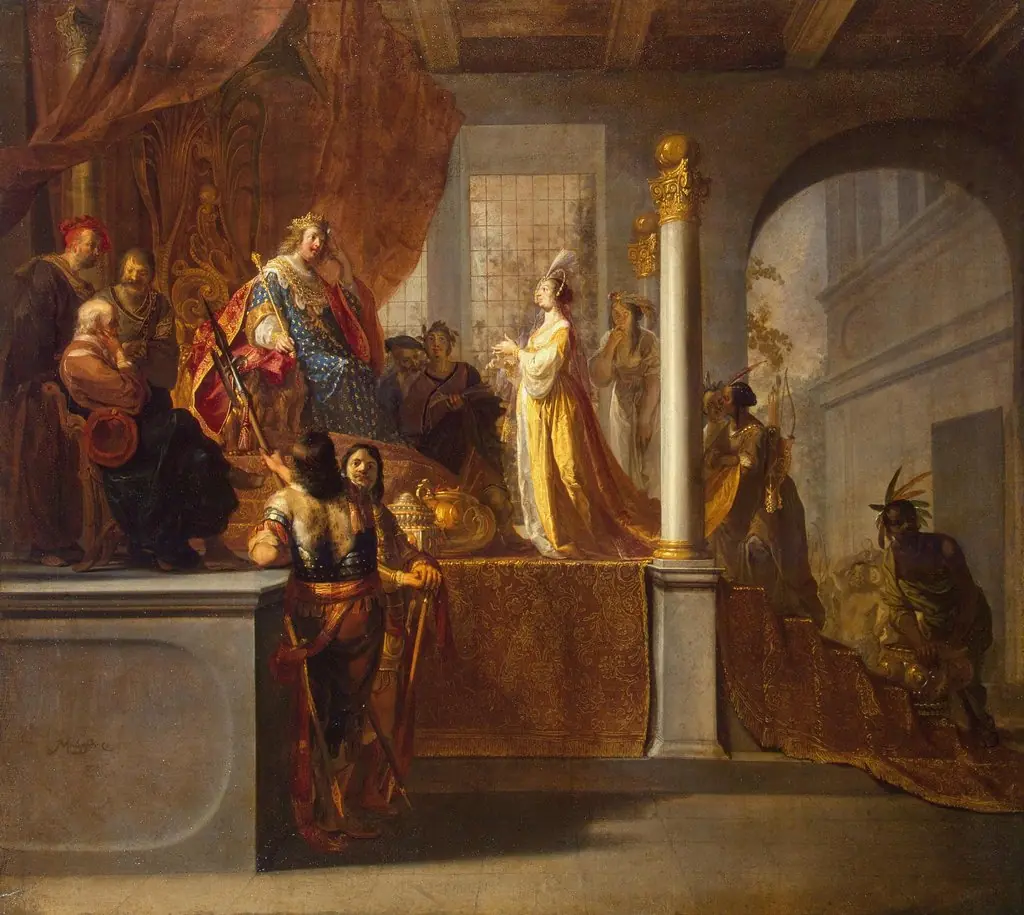 Queen of Sheba before Solomon
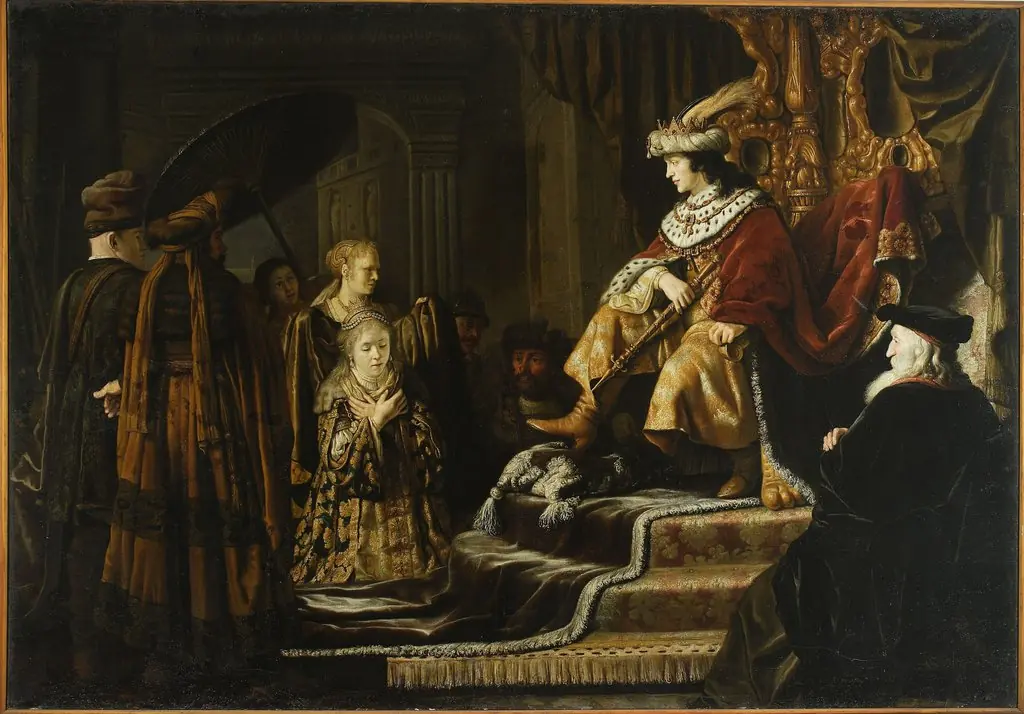 Esther before Ahasuerus (Esther 2:16)
![Margaret of Austria Giving Audience to a Nobleman [verso], by Raffaello Schiaminossi](https://artifactworldgallery.com/img/raffaello-schiaminossi--margaret-of-austria-giving-audience-to-a-nobleman-verso--86ac2347af277f00-w320.webp) Margaret of Austria Giving Audience to a Nobleman [verso]
Margaret of Austria Giving Audience to a Nobleman [verso]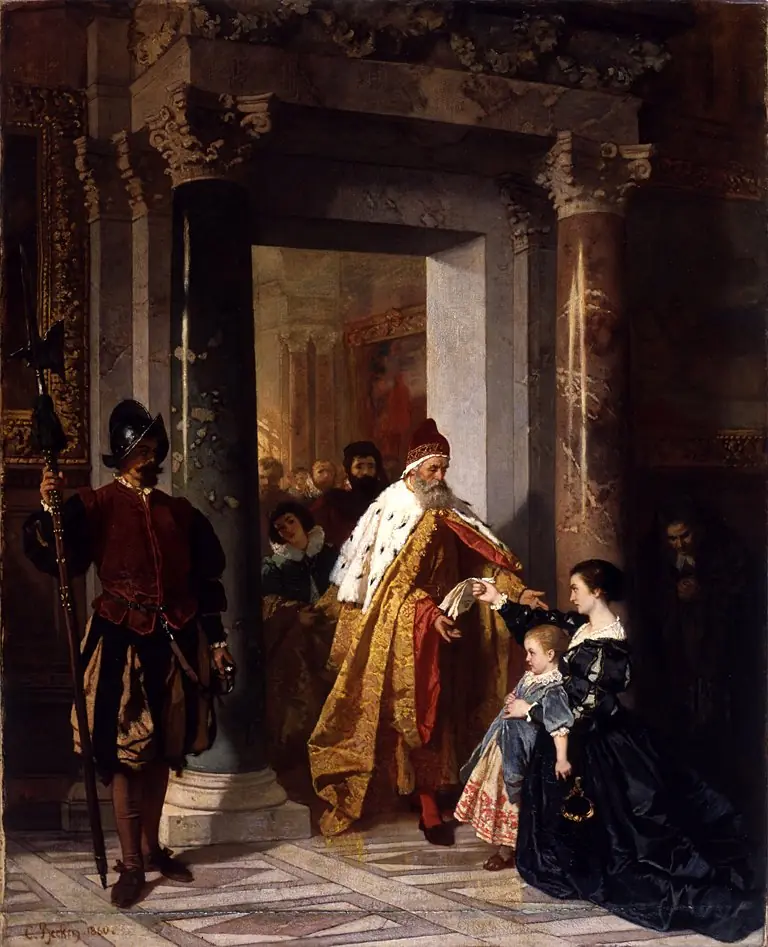 The Petition to the Doge
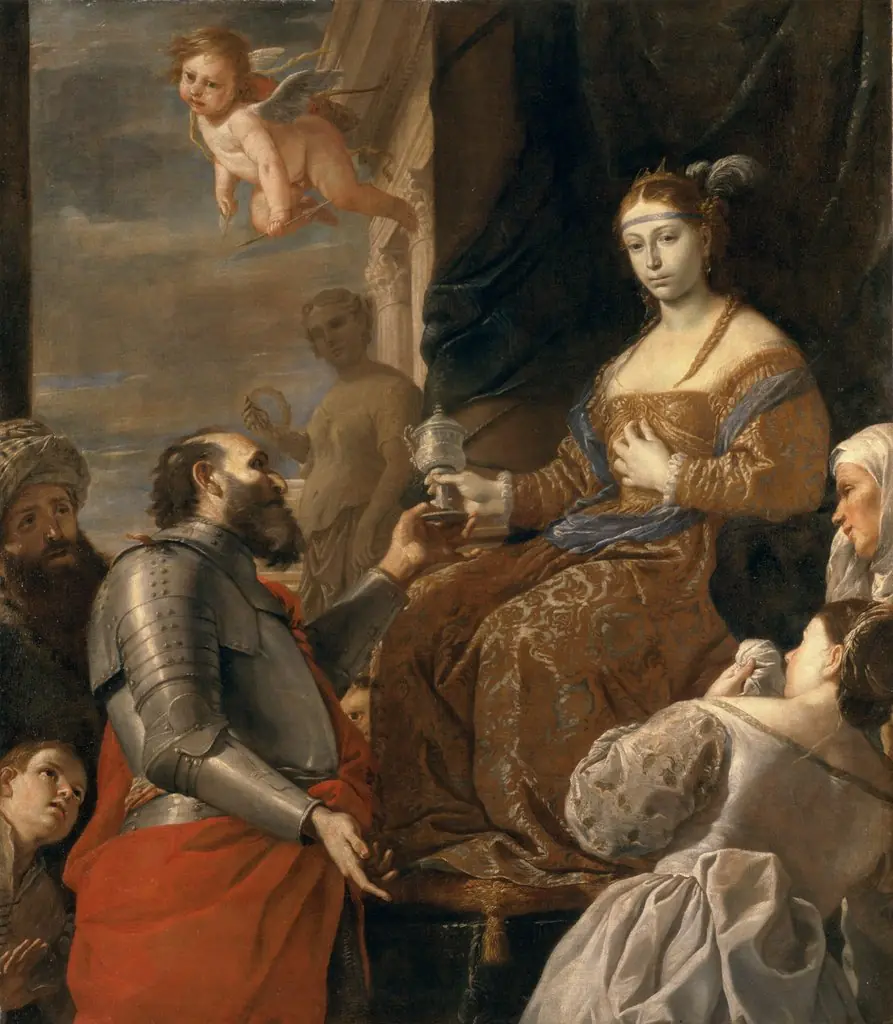 Death of Sophonisbe
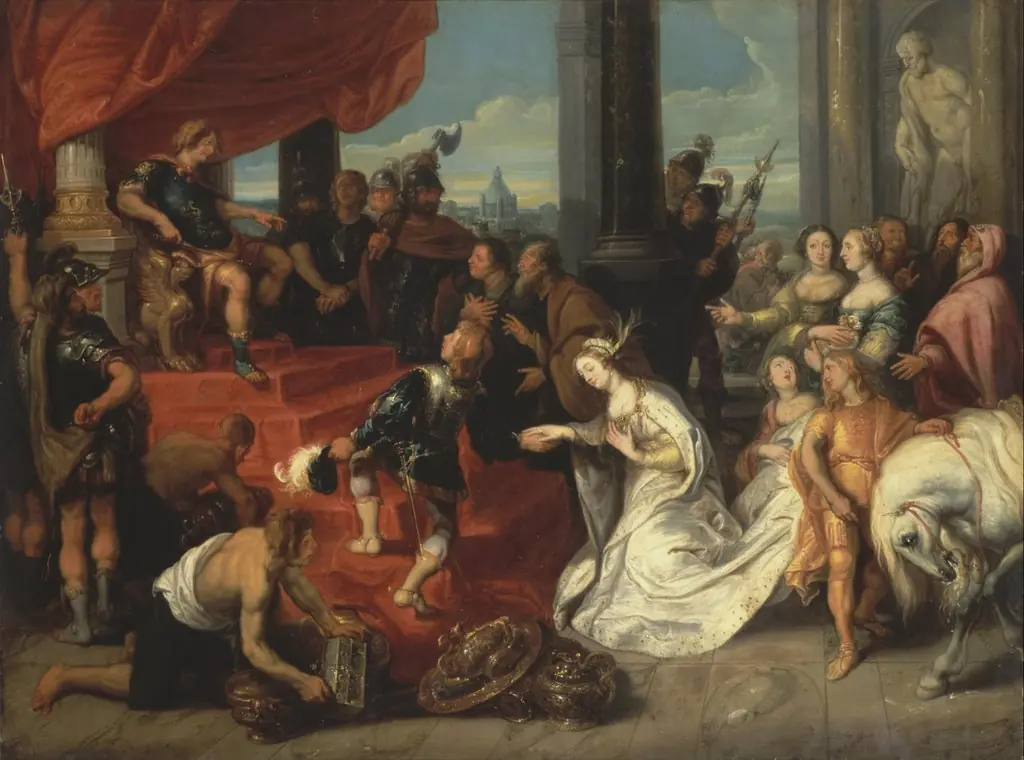 The Magnanimity of Scipio Africanus
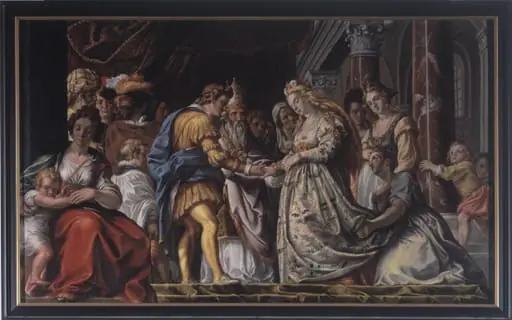 A Betrothal
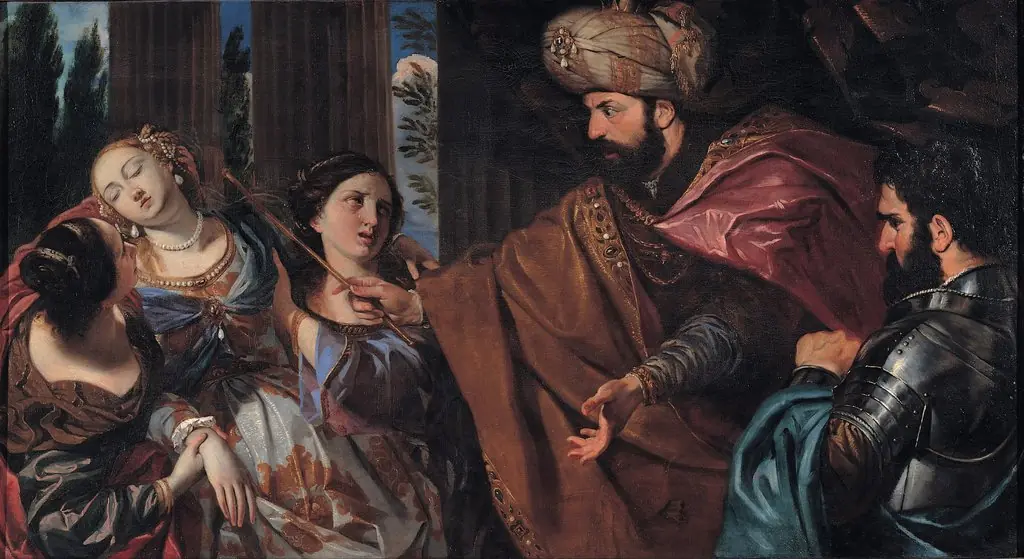 Esther before Ahasuerus
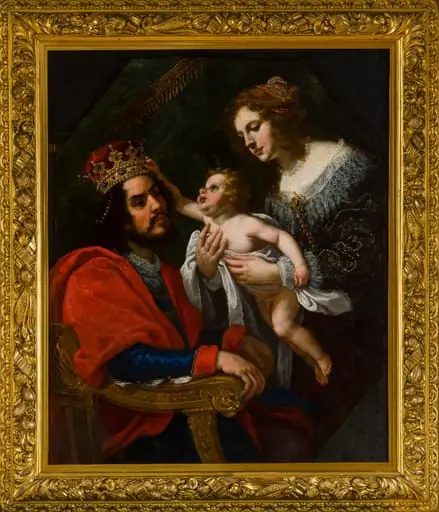 Faaraon tytär esittelee Mooseksen
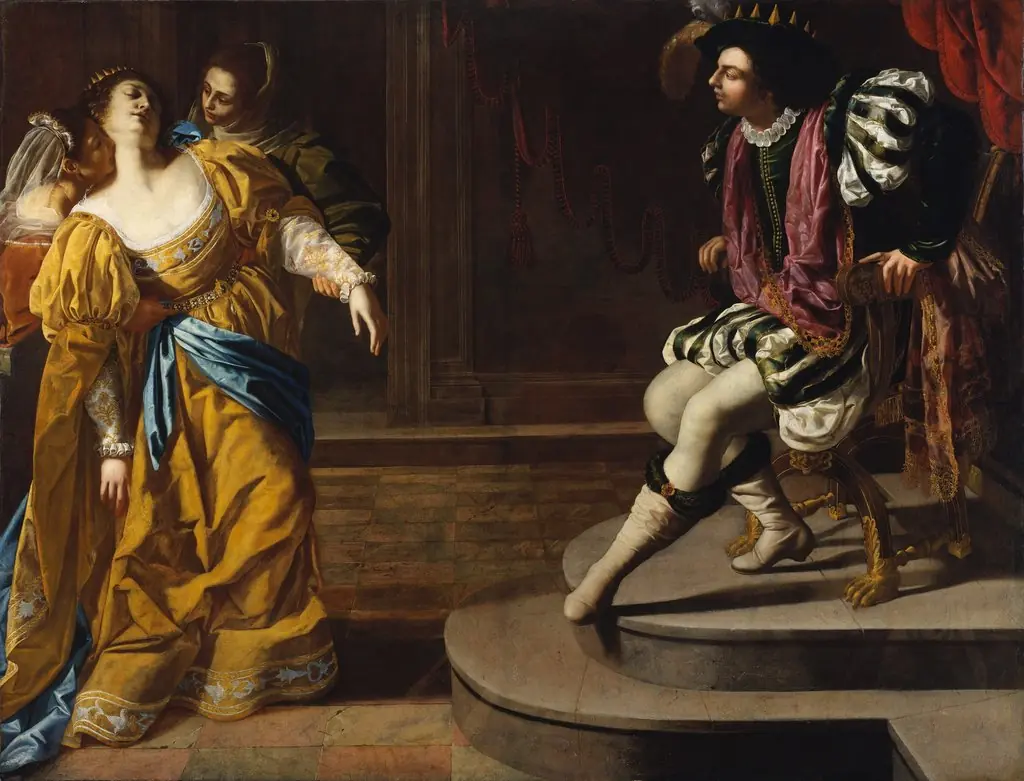 Esther before Ahasuerus