Artwork
The Ungrateful Son
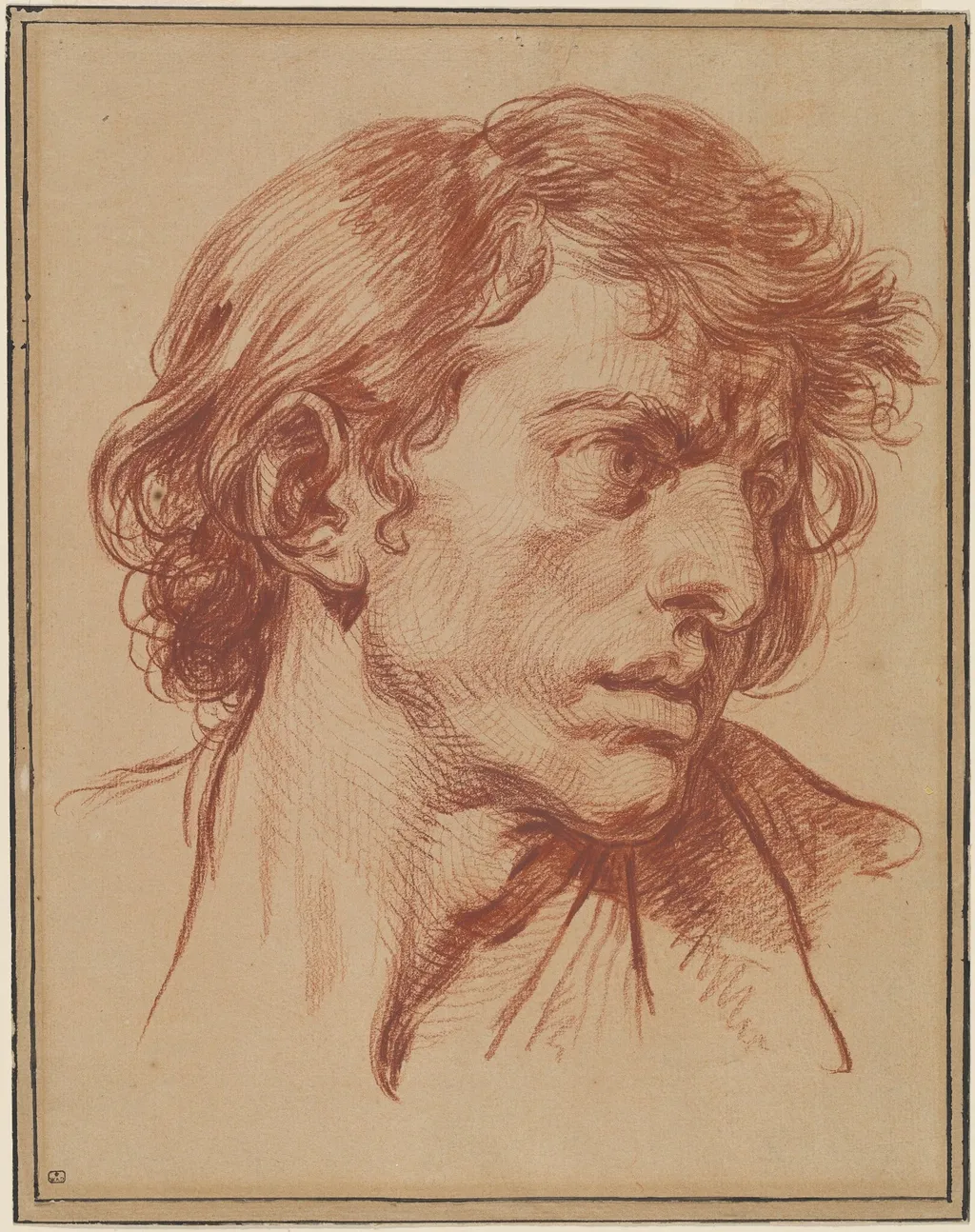
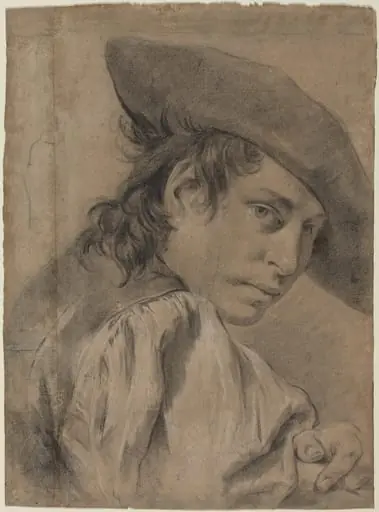
The Ungrateful Son is a chalk drawing by the Romanticist artist Jean-Baptiste Greuze. It dates from 1770 and is held in the collection of the National Gallery of Art. Created circa 1770, *The Ungr ateful Son* is a red‑chalk drawing on brown laid paper, later bounded by a thin black ink line.
About this work
Overview
Created circa 1770, *The Ungr ateful Son* is a red‑chalk drawing on brown laid paper, later bounded by a thin black ink line. The French artist Jean‑Baptiste Greuze, active in the latter half of the eighteenth century, employed the work to explore a moral vignette through a single, expressive figure.
Subject & Meaning
The composition presents a young man turned slightly away, his shoulders and head rendered in profile. The figure’s down‑turned gaze and loosely curled hair convey a sense of remorse or indifference, echoing Greuze’s interest in depicting ethical dilemmas and the emotional undercurrents of everyday life.
Technique & Style
Greuze applied red chalk in swift, gestural strokes, allowing the pigment to press into the paper and leave visible indentations that suggest texture in the hair and skin. The drawing’s loose line work emphasizes movement, while the later addition of a black ink framing line serves to delineate the image’s boundaries without altering the original chalk marks.
History & Provenance
The piece belongs to Greuze’s corpus of genre drawings that complement his larger oil paintings and engravings. Though the exact ownership trail is not fully documented, the work is typical of his practice of producing preparatory sketches that explore narrative themes before committing them to finished paintings.
Artist & collection
Artist
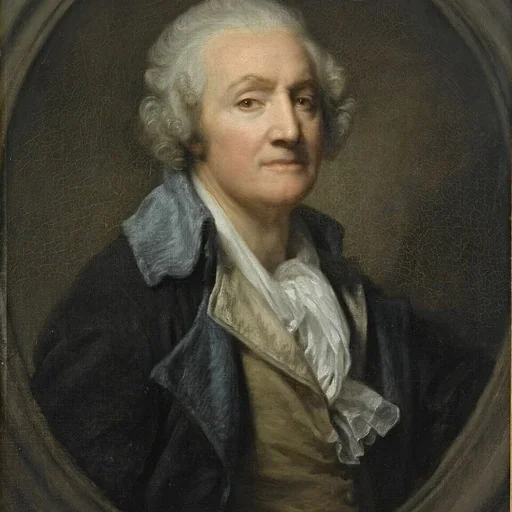
Jean-Baptiste Greuze (French pronunciation: , 21 August 1725 – 4 March 1805) was a French painter of portraits, genre scenes, and history painting.

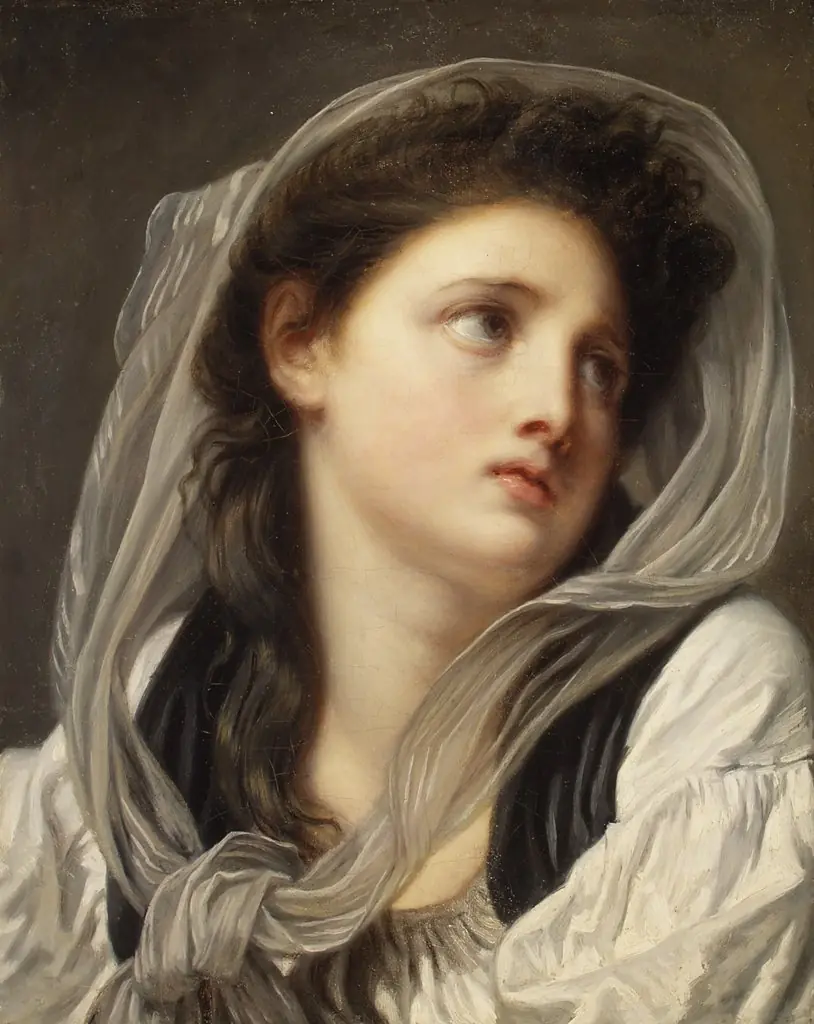
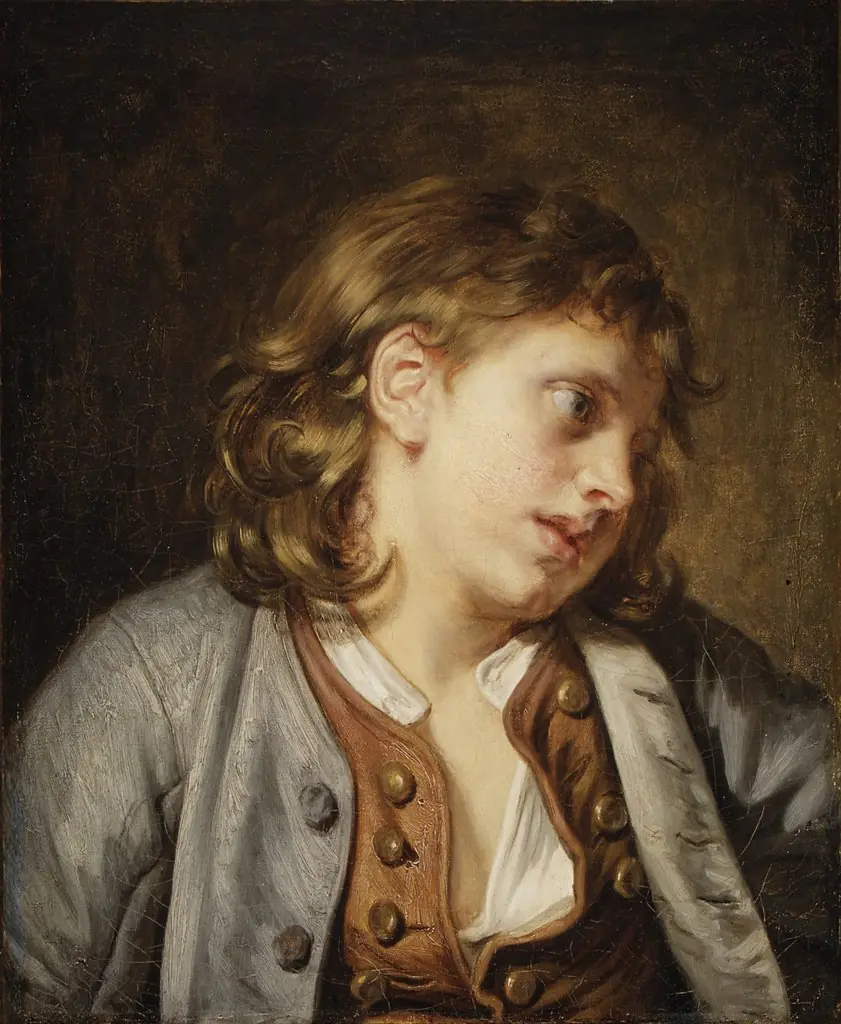
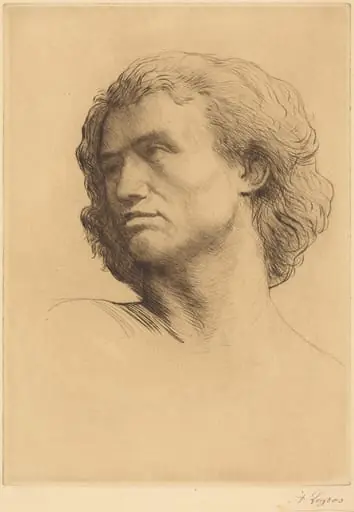 Head of a Man (Tete d'homme)
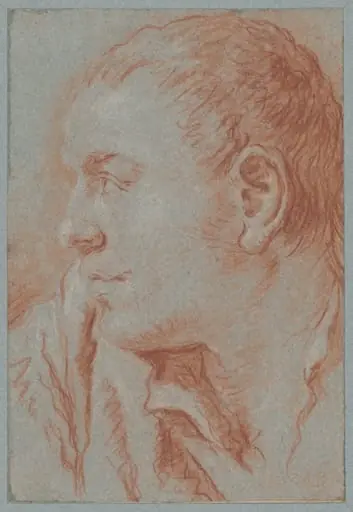 Head of a Young Man in Profile
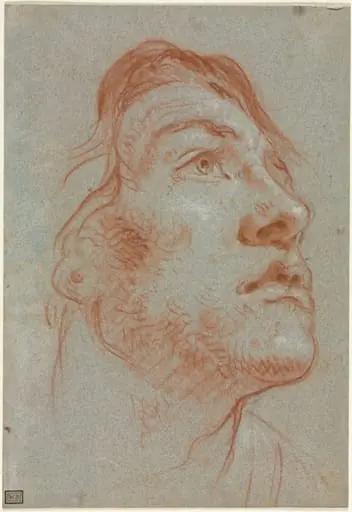 The Head of a Young Man Looking Upwards to the Right
![Head of a Man [recto], by Théodore Géricault](https://artifactworldgallery.com/img/theodore-gericault--head-of-a-man-recto--d6e68ba78da40efa-w320.webp) Head of a Man [recto]
Head of a Man [recto]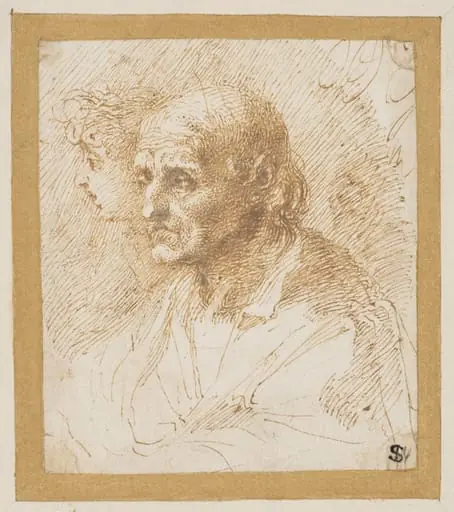 Study of the head of an old man
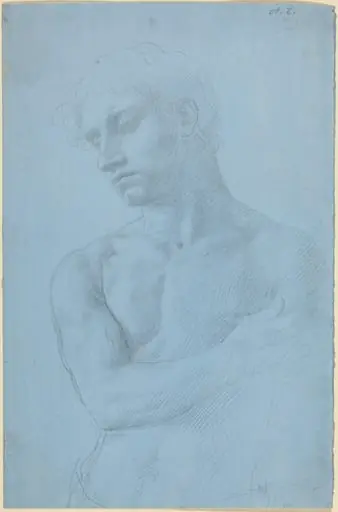 Bust of Nude Man
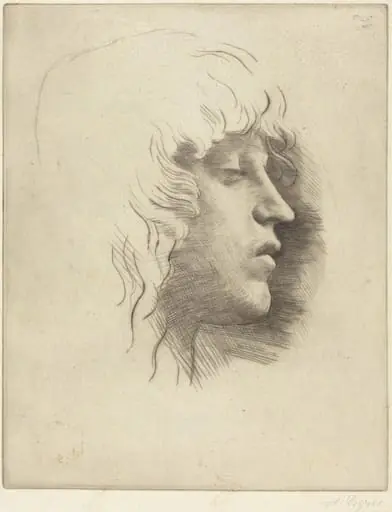 Head of a Young Girl (Tete de jeune fille)
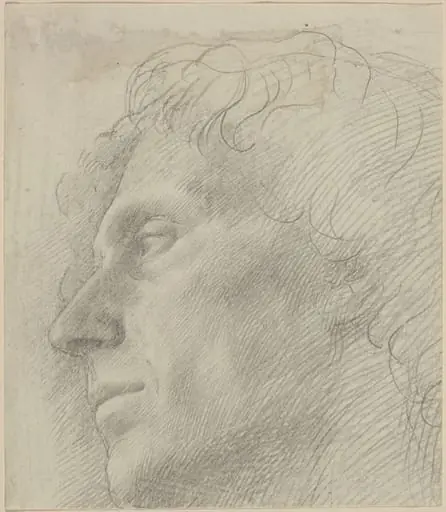 Head of a Man Facing Left
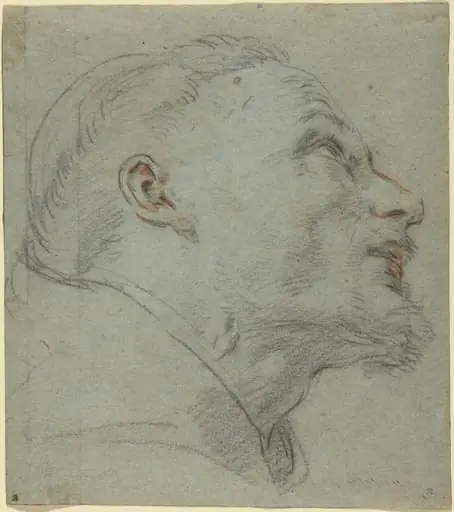 Head of Saint Francis
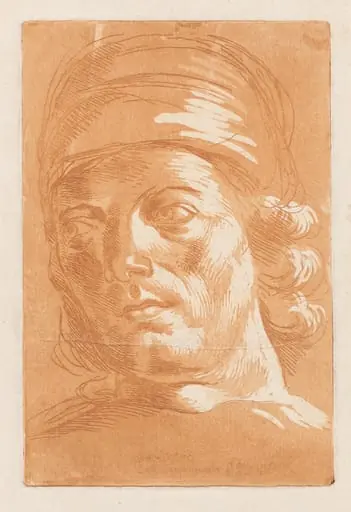 Head of a Man
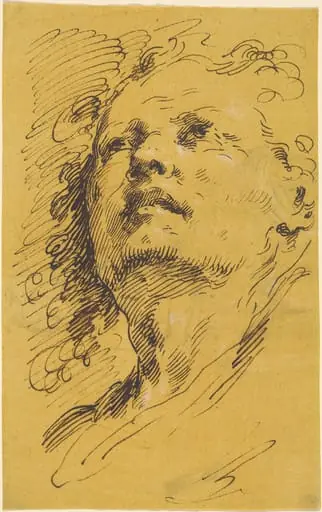 Head of a Man Looking Up
 A Young Man in a Broad Hat