Artwork
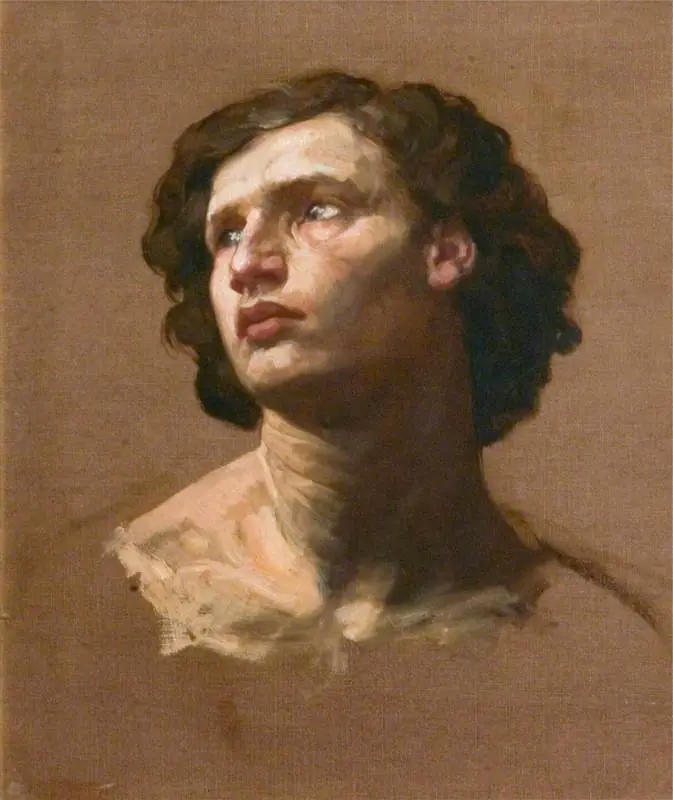
Head of a Man (Tete d'homme)
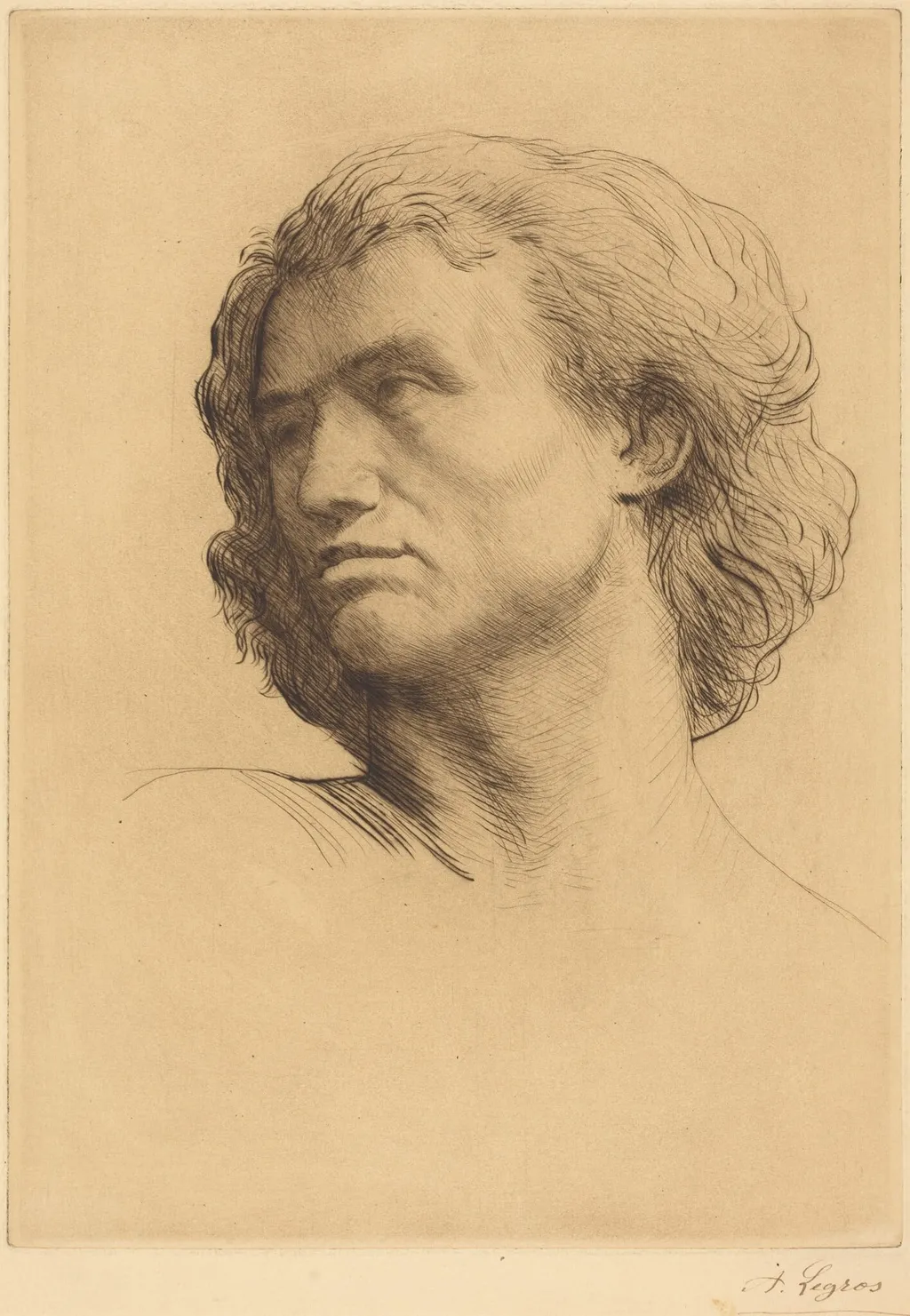
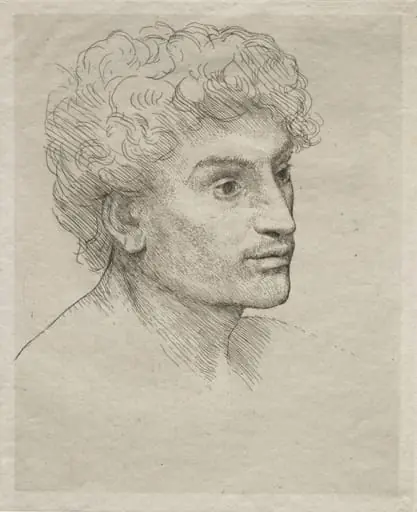
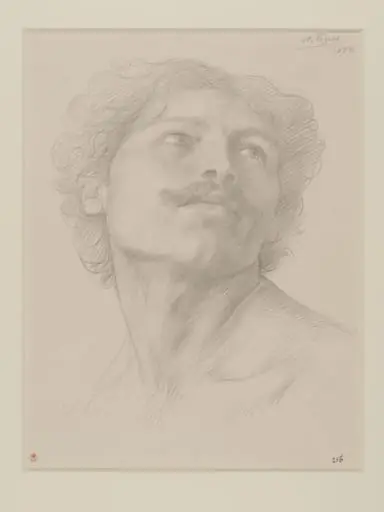
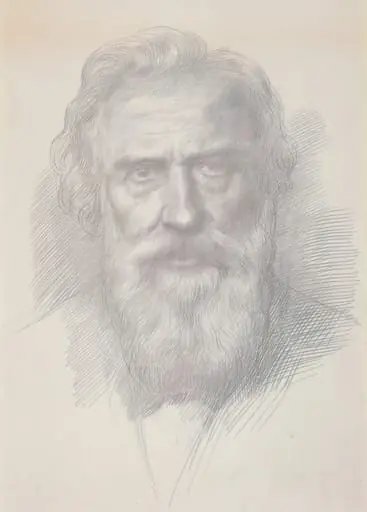
Head of a Man (Tete d'homme) is an ink print by the Impressionist artist Alphonse Legros. It dates from 1877 and is held in the collection of the National Gallery of Art.
About this work
Overview
Head of a Man (Tête d'homme) is a drypoint print created by Alphonse Legros in 1877. A French-born artist naturalized in Britain, Legros worked across multiple mediums and was instrumental in the British etching revival.
Subject & Meaning
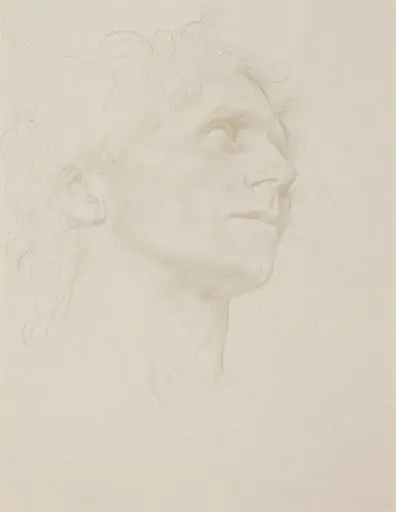
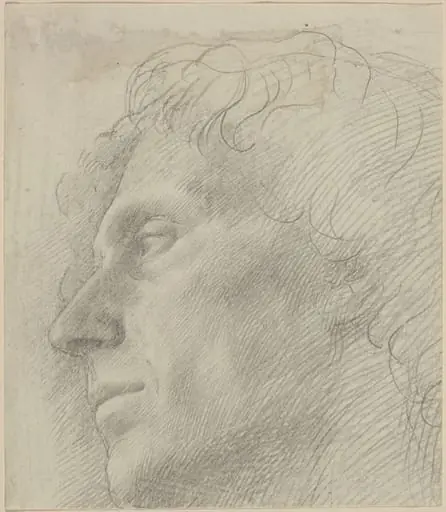
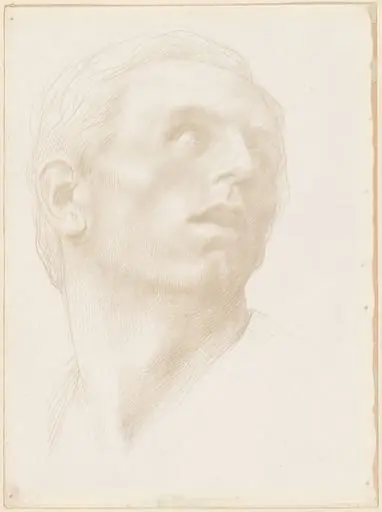
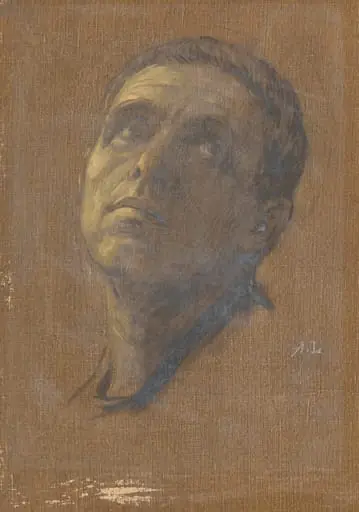
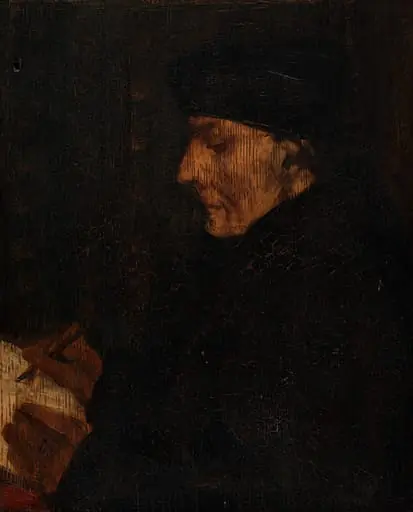
The print depicts a male head in profile, slightly averted, conveying a thoughtful expression. The subject's wild, loose hair contrasts with the contemplative demeanor, inviting interpretation of the sitter's character.
Technique & Style
Executed in drypoint, the work features soft yet detailed lines, particularly around the eyes and mouth. Legros employed a technique that seamlessly blends light and shadow, evoking the appearance of a nuanced sketch, characteristic of late 19th-century artistic practices.
History & Provenance
Created in 1877, during Legros' established career in London, the print reflects his contribution to the revival of etching in Britain, where he taught and influenced the medium's resurgence.
Context
Head of a Man aligns with the late 19th-century artistic interest in expressive, detailed studies of the human form. The use of chiaroscuro, though subtle, connects the work to broader European traditions of manipulating light and shadow for depth and emotion.
Legacy
As part of Legros' oeuvre, the print contributes to his legacy as a versatile artist and educator who played a pivotal role in shaping British etching practices during the late 19th century.
Artist & collection

Artist
Alphonse Legros (French pronunciation: ; 8 May 1837 – 8 December 1911) was a French, later British, painter, etcher, sculptor, and medallist.

![Head of a Man [recto], by Théodore Géricault](https://artifactworldgallery.com/img/theodore-gericault--head-of-a-man-recto--d6e68ba78da40efa-w320.webp)