Artwork
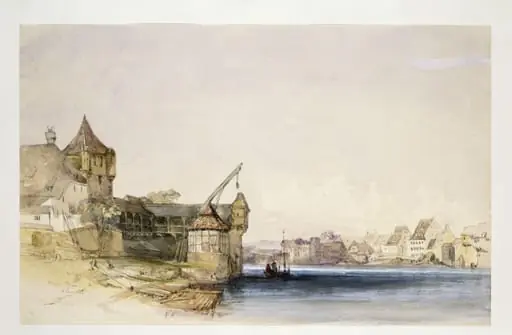
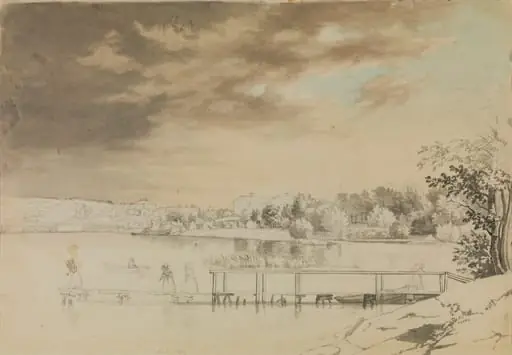
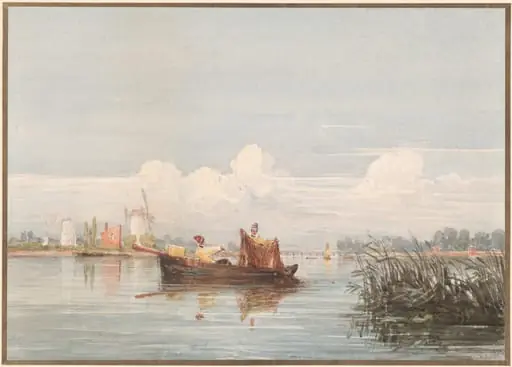
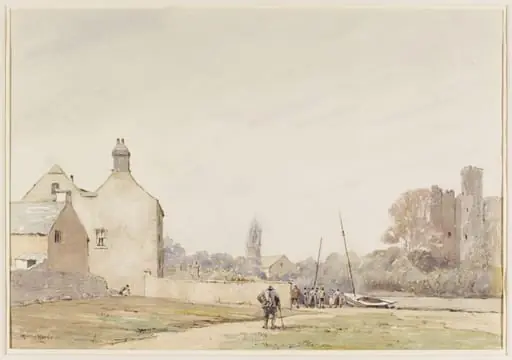
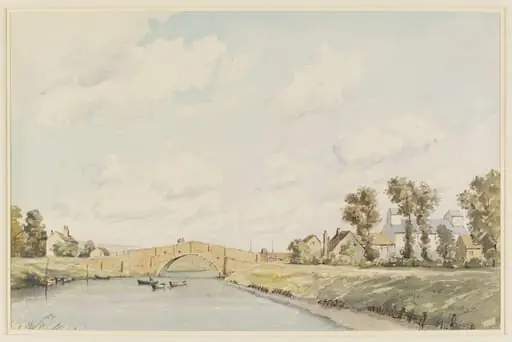
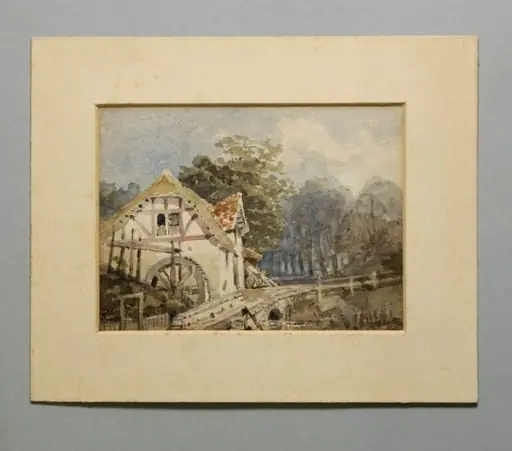
Watercolour drawing by the Grieve family, showing a river scene
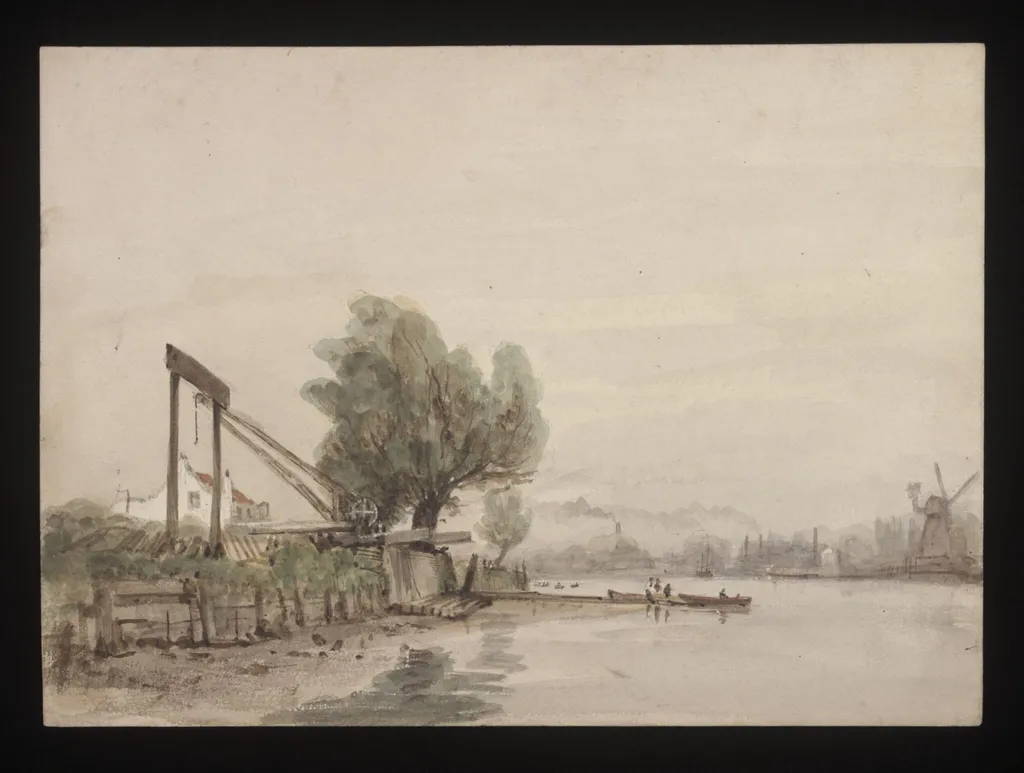
Watercolour drawing by the Grieve family, showing a river scene is a drawing by Grieve. It dates from 1850 and is held in the collection of the Victoria and Albert Museum.
About this work
Overview
These works were not theatrical designs but direct studies from nature, reflecting the artists’ engagement with the English countryside beyond their stage work.
This watercolour drawing, created by members of the Grieve family in the early 19th century, depicts a tranquil river landscape in southern England. It belongs to a larger collection of observational sketches made by the family, now held at the Victoria and Albert Museum. These works were not theatrical designs but direct studies from nature, reflecting the artists’ engagement with the English countryside beyond their stage work.
Subject & Meaning
The scene captures a quiet stretch of river, likely in Kent or nearby, rendered with attention to natural detail rather than dramatic effect. Unlike their theatrical backdrops, these drawings emphasize quiet realism—trees, water, and light observed firsthand. They suggest a personal interest in documenting the landscape, possibly as preparatory studies or private records, revealing a side of the Grieves distinct from their public stage roles.
Technique & Style
Executed in watercolour, the drawing employs delicate washes and precise line work to convey texture and atmosphere. The style moves away from the stylized romanticism common in theatre scenery, instead favoring observational accuracy. Light is rendered subtly, with soft gradients suggesting time of day and atmospheric depth, reflecting a shift toward naturalism that characterized the family’s later work.
History & Provenance
The drawing is part of a collection assembled by Thomas Walford Grieve, son of Thomas Grieve, who inherited his father’s sketchbooks and theatrical materials. In the late 19th century, Thomas Walford’s son donated this archive to the Victoria and Albert Museum. The group includes numerous watercolours of southern English landscapes, preserved as evidence of the family’s artistic evolution beyond the stage.
Context
The Grieve family were prominent scene painters in London’s 19th-century theatre scene, particularly at Covent Garden. While their professional reputation rested on painted backdrops, their private sketches reveal a parallel practice rooted in direct observation. These river studies align with broader 19th-century trends in topographical drawing, where artists increasingly turned to nature as subject rather than mere setting.
Legacy
The Grieve family’s observational watercolours offer insight into the transition from theatrical convention to realism in British visual culture. Their preserved sketches, now in the V&A, document not only landscape but also the personal artistic interests of a professional theatre dynasty. These works remain valuable for understanding how stage artists engaged with the natural world outside their commercial commissions.
Artist & collection
Artist
This bundle gathers delicate early 19th-century watercolours by the Grieve family, mostly of quiet corners in Kent and along the Thames.

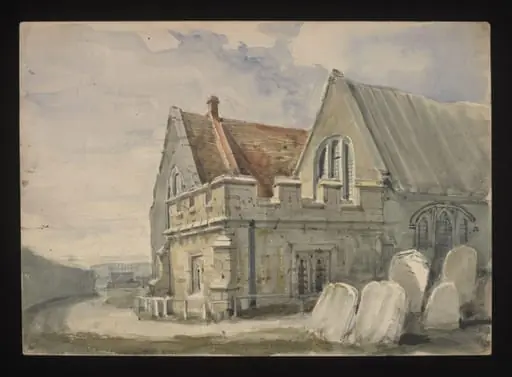 Watercolour drawing by the Grieve family, showing St Peter's Church in Kent
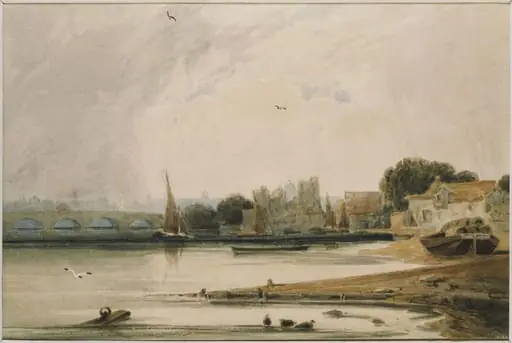
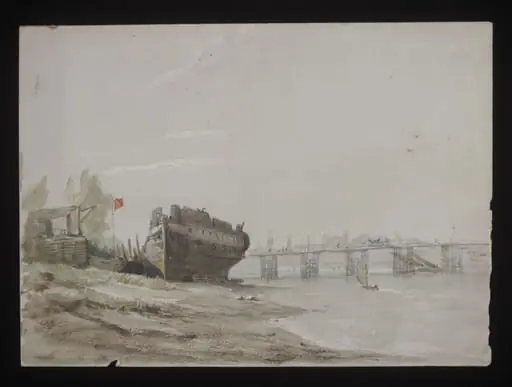 Watercolour drawing by the Grieve family, showing Battersea Bridge
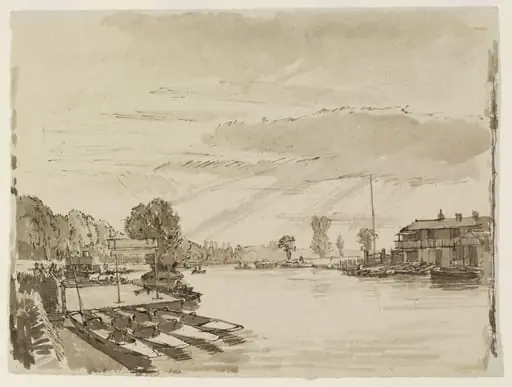
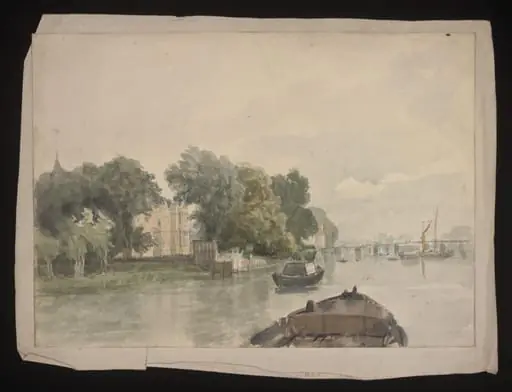 Watercolour drawing by the Grieve family, showing a scene on the River Thames
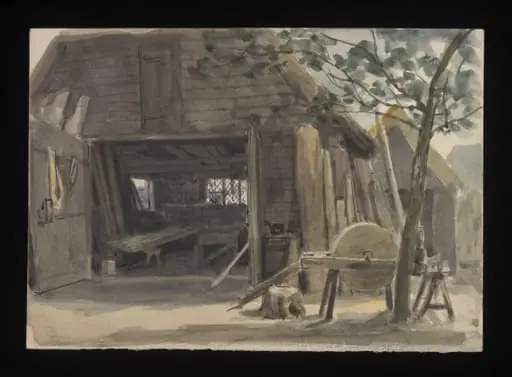 Watercolour drawing by the Grieve family, showing a workman's hut at Garlinge, Kent
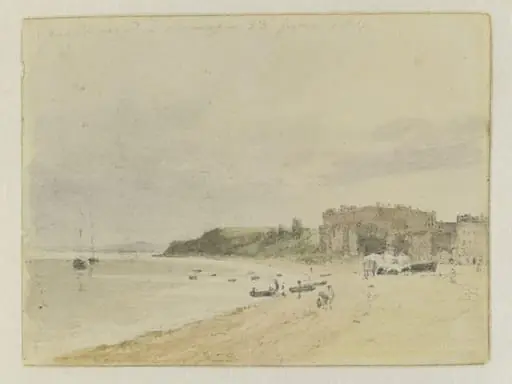
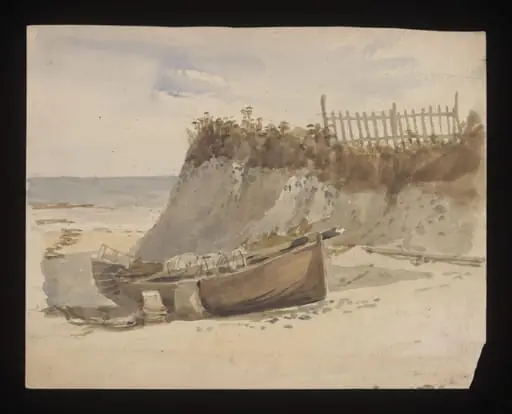 Watercolour drawing by the Grieve family, showing the beach at Kingsgate, Kent
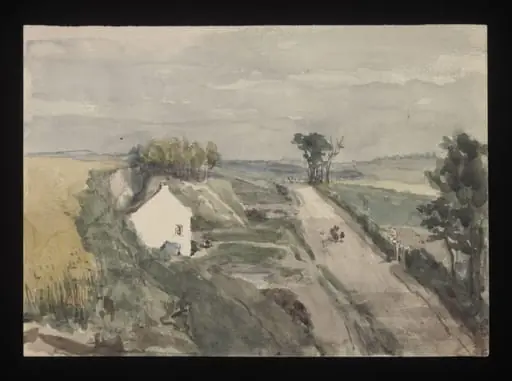 Watercolour drawing by the Grieve family, showing a country scene, near Minster, Kent
 Watercolour drawing by the Grieve family, showing a water mill