Artwork
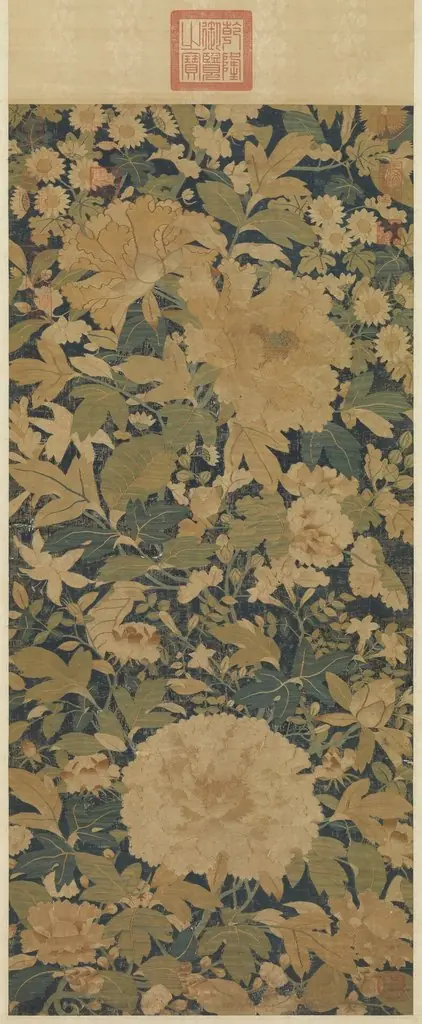
Copy of painting inside the caves of Ajanta (Cave 2)
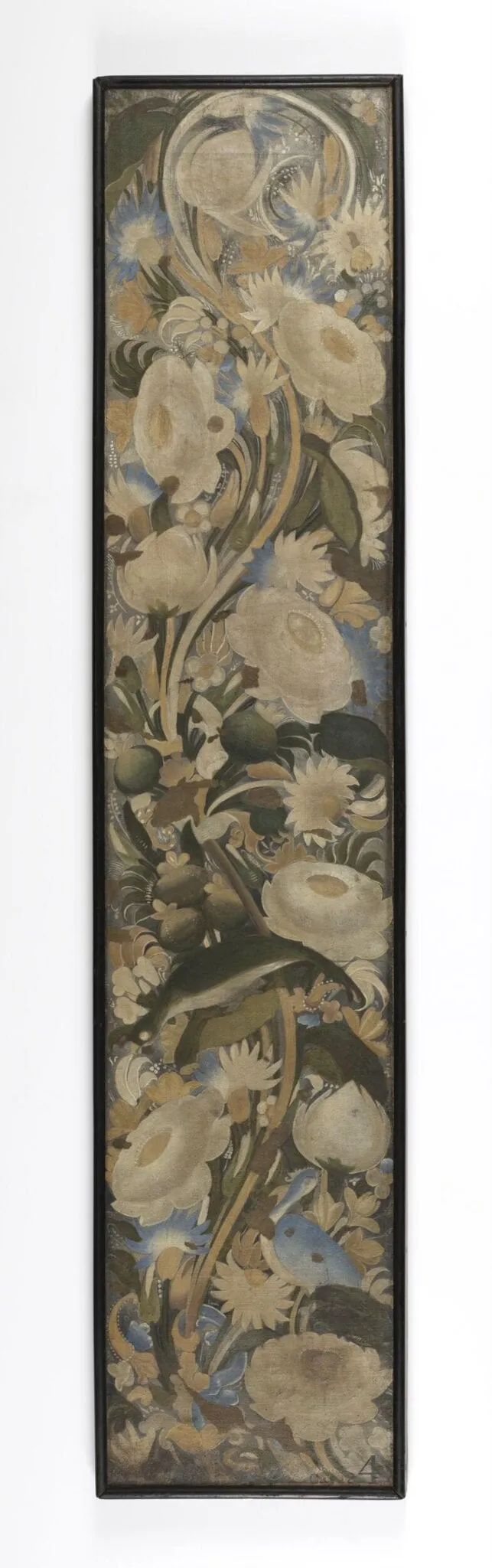
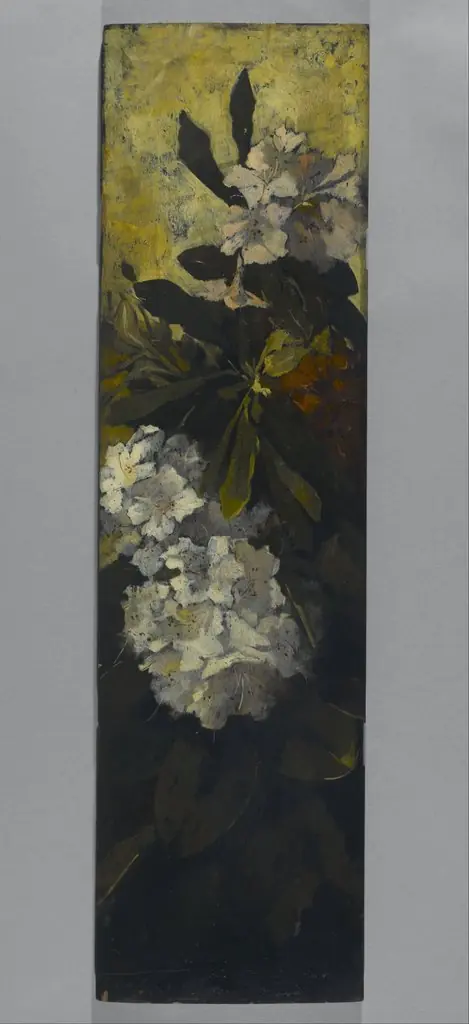
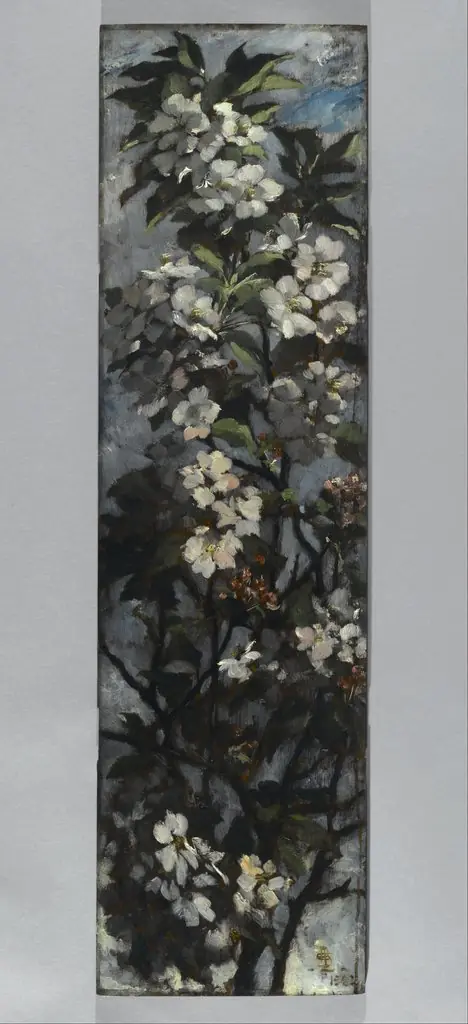
Copy of painting inside the caves of Ajanta (Cave 2) is an oil painting by the Patna School of Painting artist John Griffiths. It dates from 1878 and is held in the collection of the Victoria and Albert Museum.
About this work
Overview
This oil-on-canvas work is a reproduction of a ceiling panel from Cave 2 at Ajanta, created in the 1870s by John Griffiths and his students.
This oil-on-canvas work is a reproduction of a ceiling panel from Cave 2 at Ajanta, created in the 1870s by John Griffiths and his students. It was part of a sustained effort to preserve visual records of the ancient murals after earlier copies were lost in a fire. The copy captures fragments of the original decorative scheme, serving as a critical documentary record of artworks vulnerable to natural decay and human damage.
Subject & Meaning
The painted fragment depicts a section of the ceiling’s ornamental design, likely part of a larger narrative or symbolic composition common in Buddhist cave art. While the specific iconography is not fully legible in this copy, the flowing lines and vibrant hues reflect the aesthetic priorities of the original — harmony, spiritual grace, and the integration of decorative and devotional elements within sacred space.
Technique & Style
Griffiths employed oil paint to replicate the luminous colors and fluid contours of the ancient frescoes, adapting a Western medium to an Indian context. The copy emphasizes the original’s rhythmic brushwork and layered pigments, though the texture and materiality of the oil medium differ from the lime-plaster technique of the Ajanta murals. The result is a faithful translation in tone and composition, not in technique.
History & Provenance
Commissioned in the 1870s by the Bombay School of Art, this copy was one of approximately 300 produced over thirteen winters spent at the caves. It emerged from a deliberate project to replace copies destroyed in the 1866 fire at the South Kensington Museum. The work was later transferred to institutional collections, including the Victoria and Albert Museum, where many of these reproductions remain today.
Context
Ajanta’s caves, carved between the 1st century BCE and 5th century CE, represent the earliest major tradition of Indian mural painting. Their rediscovery in 1819 sparked colonial interest in documenting India’s artistic heritage. Griffiths’s project occurred amid broader imperial efforts to preserve and classify cultural artifacts, yet the involvement of Indian students ensured a local, hands-on engagement with the source material.
Legacy
Griffiths’s copies became essential references after the original murals deteriorated further. They provided scholars and the public with access to compositions that might otherwise have been lost. Though not originals, these reproductions preserved visual knowledge of a vanished artistic tradition, influencing later studies and conservation practices in South Asian art history.
Artist & collection
Artist
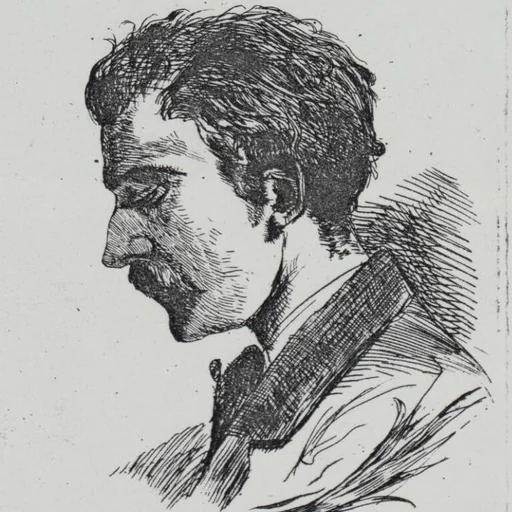
John Griffiths (29 November 1837 – 1 December 1918) was a Welsh artist who worked in India, noted for his Orientalist works.

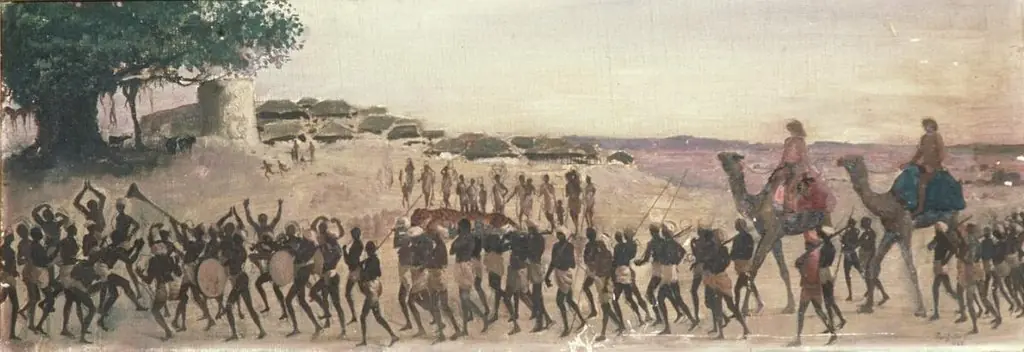 Tiger shooting in East Berar
 The Marquis of Salisbury (1791–1868)
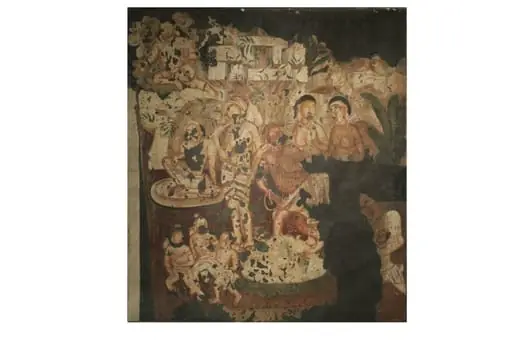 Copy of painting inside the caves of Ajanta (Cave 2)
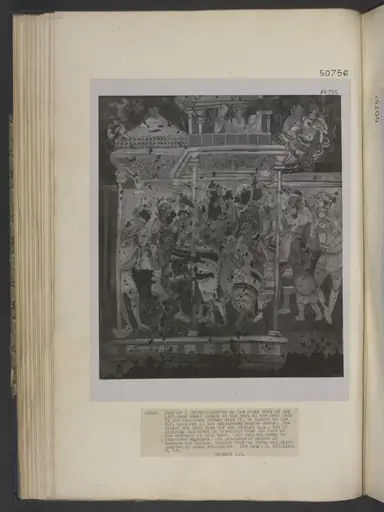 Copy of painting in the caves of Ajanta (cave 2)
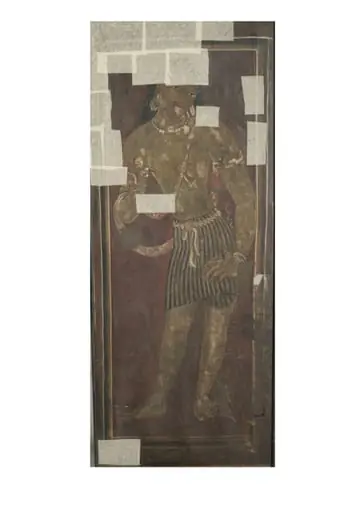 Copy of painting in the caves of Ajanta (cave 17)
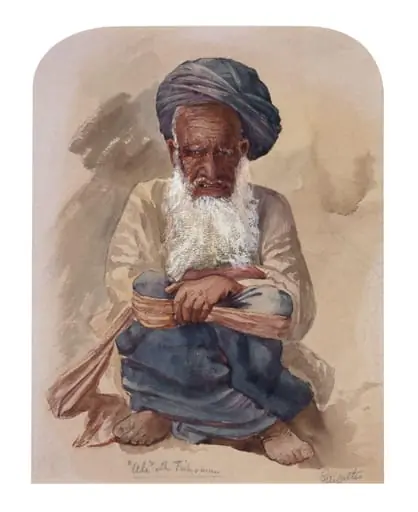 Ali the fisherman
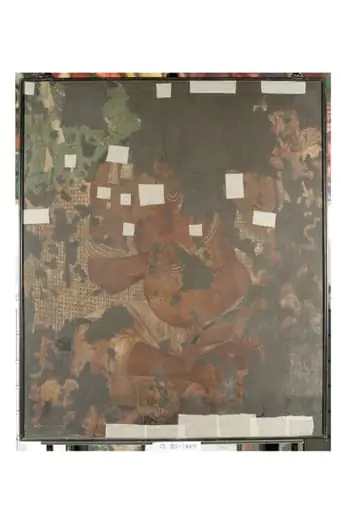 Copy of painting inside the caves of Ajanta (cave 16)
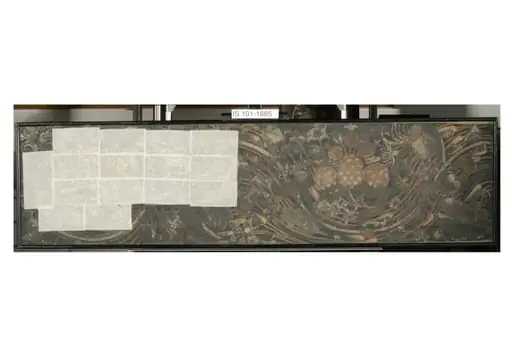 Copy of painting inside the caves of Ajanta (Cave 9)