Artwork
Ali the fisherman
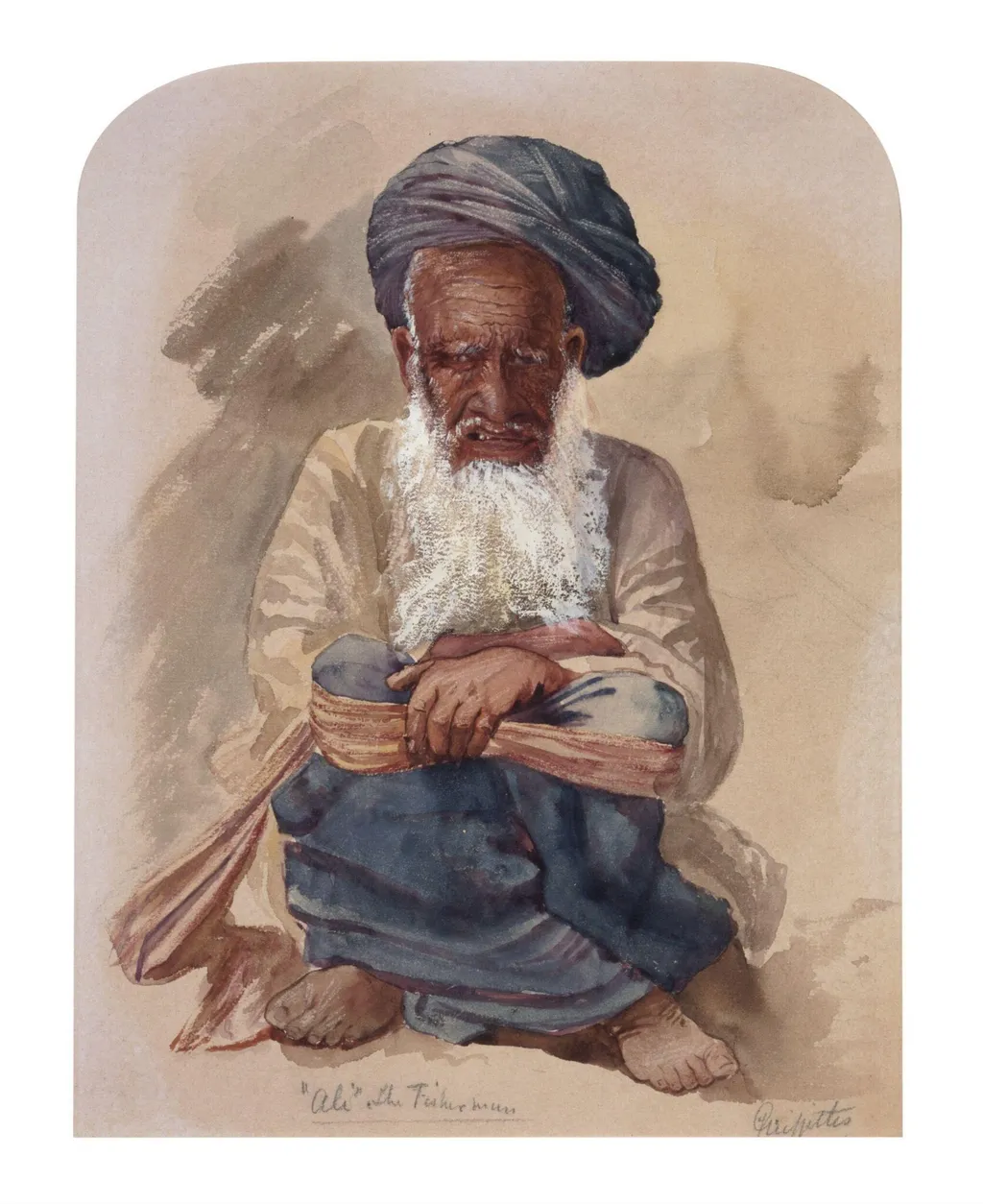
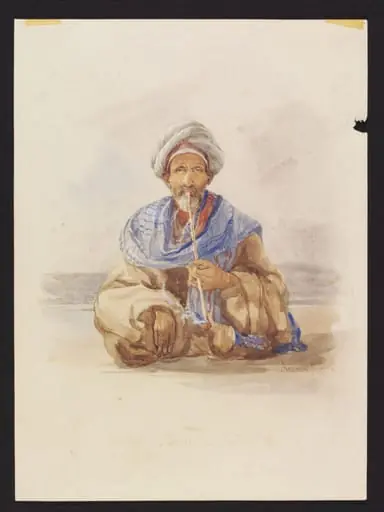
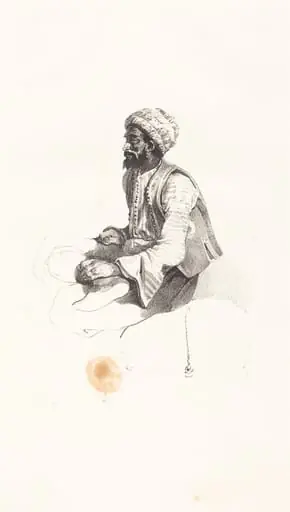
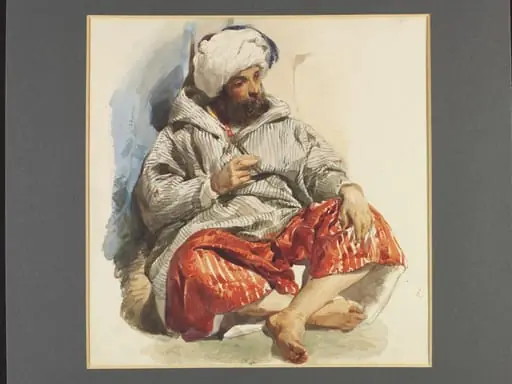
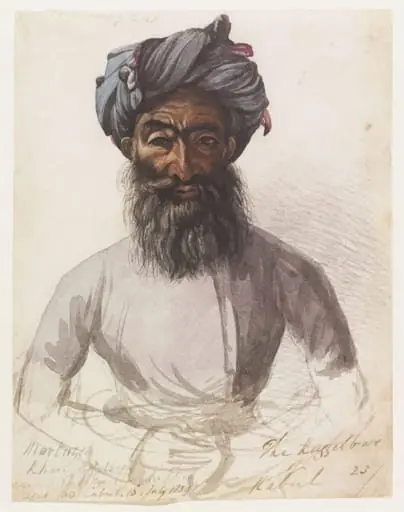
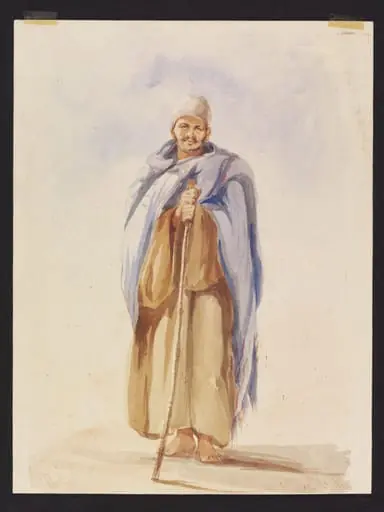
Ali the fisherman is a paint painting by the British Romanticist artist John Griffiths. It dates from 1866 and is held in the collection of the Victoria and Albert Museum.
About this work
Overview
He spent a decade in Bombay teaching art before moving to Lahore, where he served as principal of the Mayo School of Art.
John Griffiths, trained at the Royal College of Art and later employed on decorative projects in London, traveled to India in 1865 as part of a British educational initiative. He spent a decade in Bombay teaching art before moving to Lahore, where he served as principal of the Mayo School of Art. During his time in South Asia, he produced numerous portraits of local individuals, including this depiction of a fisherman named Ali, reflecting his engagement with everyday life in the region.
Subject & Meaning
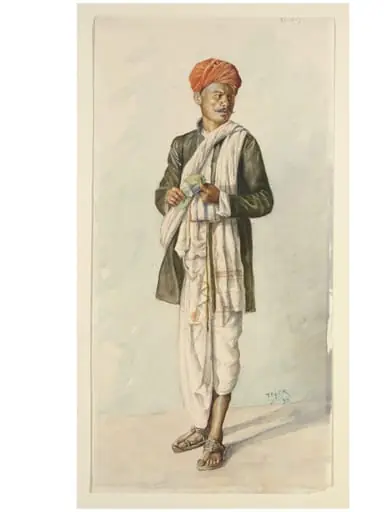
The painting portrays Ali, a local fisherman, in unadorned attire and a modest setting, emphasizing his ordinary existence. Rather than idealizing his figure, Griffiths presents him with quiet dignity, capturing the texture of daily labor. The work avoids narrative drama, instead focusing on presence and environment, suggesting an interest in documenting the lives of working-class individuals through direct observation.
Technique & Style
Griffiths employed a restrained palette and careful modeling to render Ali’s form and clothing with tactile accuracy. Brushwork is deliberate but not overly refined, avoiding theatrical lighting or dramatic composition. The background remains muted and indistinct, directing attention to the subject’s posture and expression. This approach aligns with 19th-century realist traditions, prioritizing authenticity over embellishment.
History & Provenance
Painted during Griffiths’ tenure in Lahore, the work originated from his personal practice of sketching and painting local residents. It was not commissioned but created as part of his broader documentation of regional life. After his retirement in 1895, the painting remained in his possession until his death in 1918, later entering institutional collections through family or estate transfers.
Context
Griffiths’ time in India coincided with British colonial efforts to establish art education institutions. His work, alongside colleagues like John Lockwood Kipling, contributed to a hybrid artistic culture blending European techniques with South Asian subjects. While not part of any formal movement, his focus on ordinary people reflects broader 19th-century shifts toward realism and ethnographic observation in visual art.
Legacy
Griffiths’ portraits of Indian subjects, including Ali the fisherman, offer a rare glimpse into local life as seen through the eyes of a foreign artist embedded in the community. His role in founding art education in Lahore left institutional impact, but his personal works remain valuable for their unembellished portrayal of individuals outside colonial narratives of grandeur or exoticism.
Artist & collection
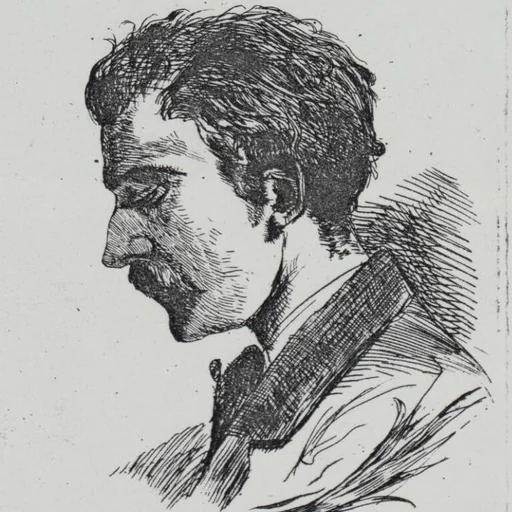
Artist
John Griffiths (29 November 1837 – 1 December 1918) was a Welsh artist who worked in India, noted for his Orientalist works.

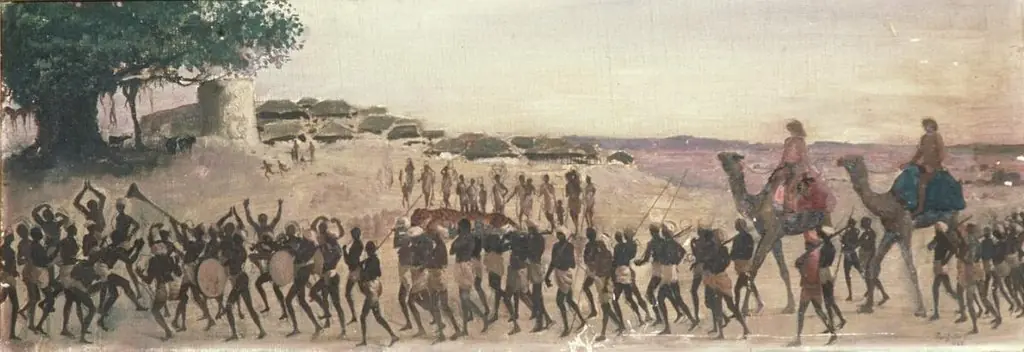 Tiger shooting in East Berar
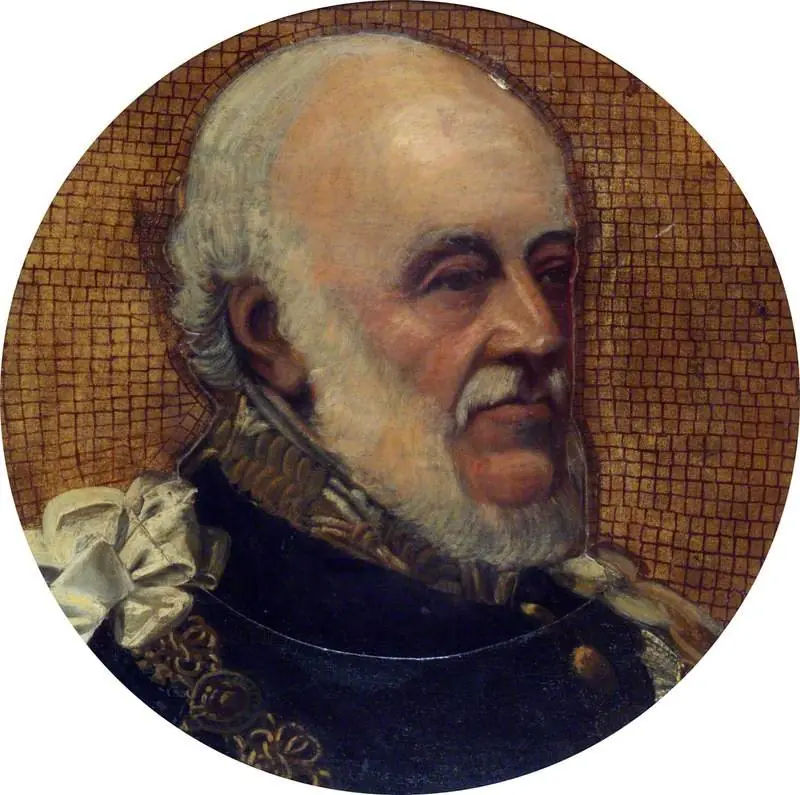 The Marquis of Salisbury (1791–1868)
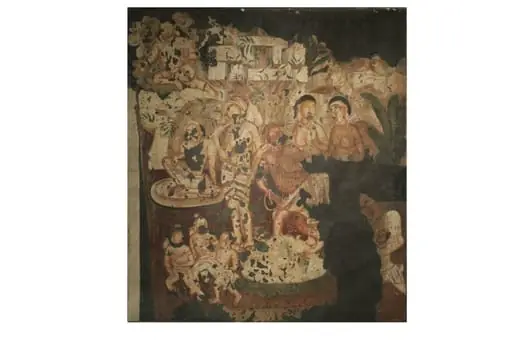 Copy of painting inside the caves of Ajanta (Cave 2)
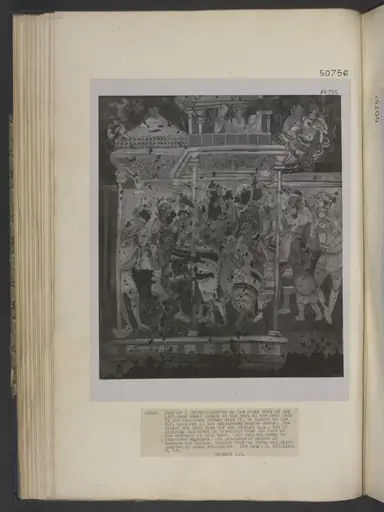 Copy of painting in the caves of Ajanta (cave 2)
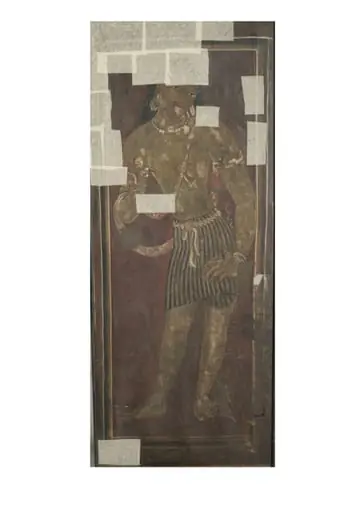 Copy of painting in the caves of Ajanta (cave 17)
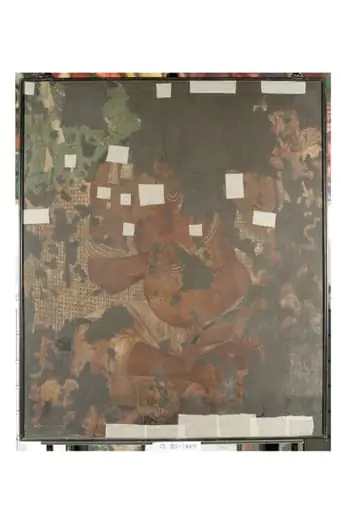 Copy of painting inside the caves of Ajanta (cave 16)
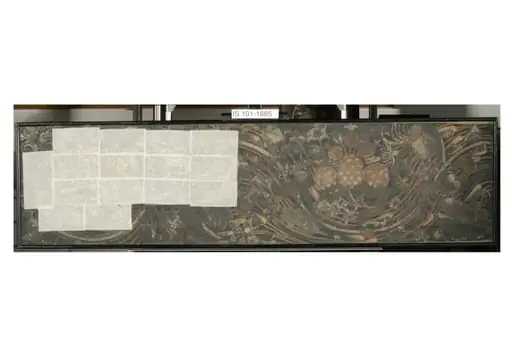 Copy of painting inside the caves of Ajanta (Cave 9)
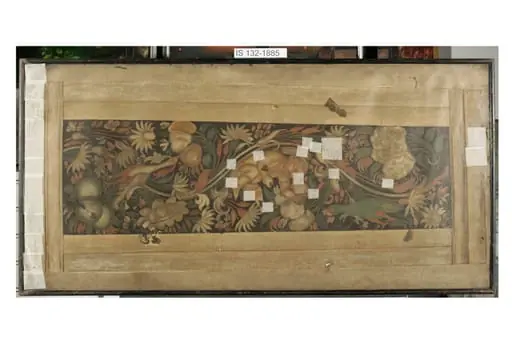 Copy of painting inside the caves of Ajanta (cave 1)