Artwork
Copy of painting inside the caves of Ajanta (Cave 9)
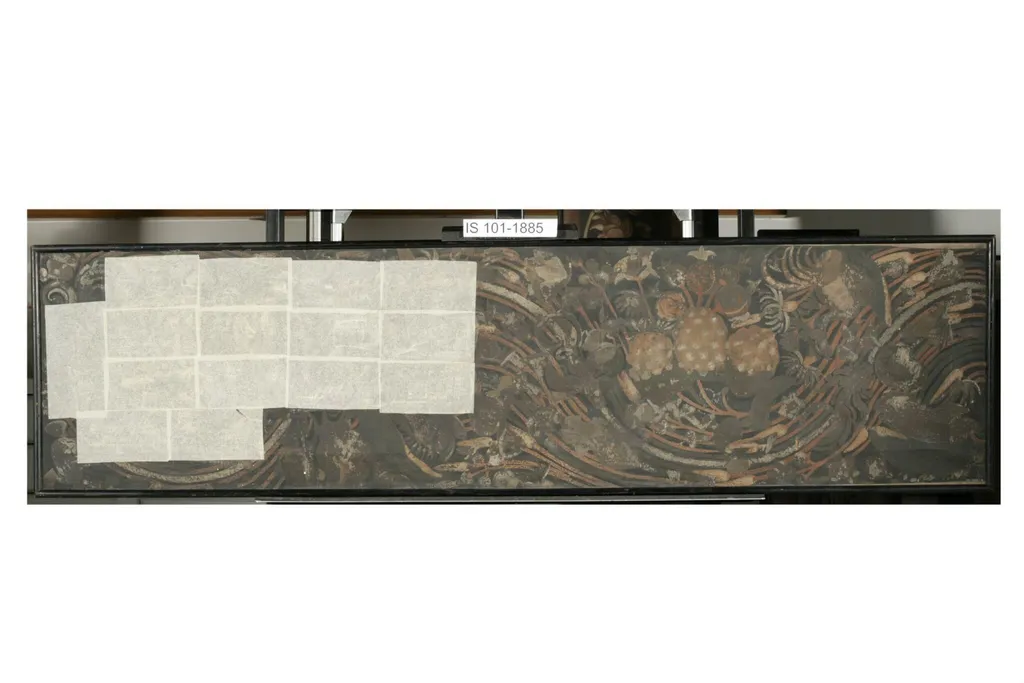
Copy of painting inside the caves of Ajanta (Cave 9) is an oil painting by the Patna School of Painting artist John Griffiths. It is held in the collection of the Victoria and Albert Museum.
About this work
Overview
Created as part of a systematic effort to preserve the deteriorating original frescoes, it reflects a colonial-era initiative to document ancient Indian art.
This oil painting is a 19th-century reproduction of a mural from Cave 9 at Ajanta, one of India’s earliest surviving Buddhist rock-cut sites. Created as part of a systematic effort to preserve the deteriorating original frescoes, it reflects a colonial-era initiative to document ancient Indian art. The work belongs to a series of approximately 300 copies produced between 1872 and 1885 under the direction of John Griffiths and his students from the Bombay School of Art.
Subject & Meaning
The scene depicts a Jataka tale—a narrative from the Buddha’s previous lives—illustrating moral lessons central to early Buddhist teachings. These stories, rendered with symbolic figures and narrative detail, convey themes of compassion, sacrifice, and enlightenment. The choice of ceiling placement in the original cave suggests a celestial or sacred context, reinforcing the spiritual weight of the depicted events for devotees and pilgrims.
Technique & Style
The copy was executed in oil paint using glazing techniques to approximate the luminous depth of the original frescoes. Artists applied thin, transparent layers to mimic the subtle color transitions and atmospheric effects of the ancient pigments. While the medium differs from the original tempera-on-plaster method, the reproduction prioritizes fidelity to composition, line, and chromatic harmony over technical replication.
History & Provenance
After Major Robert Gill’s earlier copies were lost in a fire in 1866, the Bombay School of Art undertook a thirteen-year project to recreate the murals. Led by John Griffiths, seven Indian students traveled seasonally to Ajanta, working under difficult conditions to document the fading paintings. This particular work, like others in the series, was later dispersed to institutions in Britain and India as both scholarly records and cultural artifacts.
Context
The Ajanta caves were inhabited and decorated over several centuries, from the 1st century BCE to the 5th century CE, during periods of Buddhist patronage under the Vakataka dynasty. By the 19th century, many murals were crumbling due to moisture, neglect, and environmental exposure. The copying project emerged amid growing colonial interest in India’s artistic heritage, driven by both preservationist motives and academic curiosity.
Legacy
The Griffiths copies remain among the most comprehensive visual records of Ajanta’s lost details. Though not original, they preserved compositions and iconography that have since faded or been damaged. Today, they serve as reference points for conservation efforts and scholarly study, bridging 19th-century documentation practices with modern understandings of ancient South Asian art.
Artist & collection
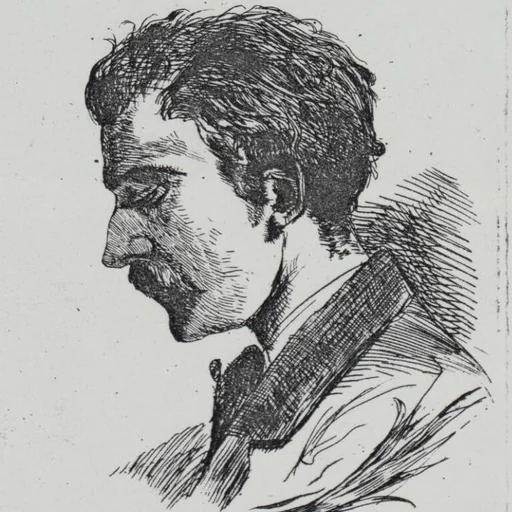
Artist
John Griffiths (29 November 1837 – 1 December 1918) was a Welsh artist who worked in India, noted for his Orientalist works.

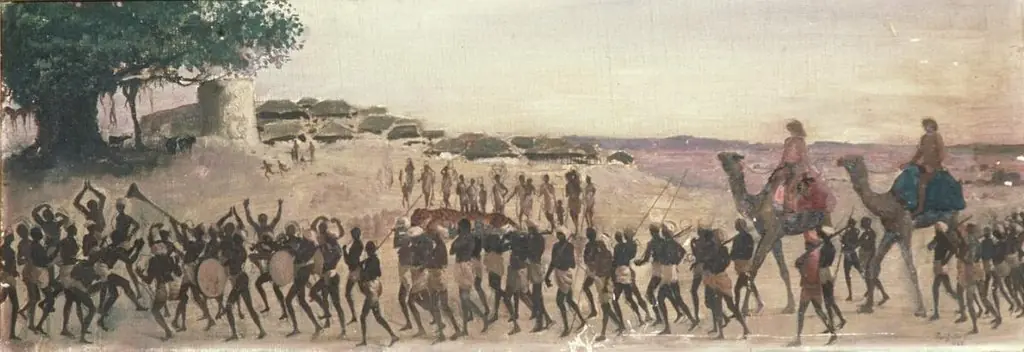 Tiger shooting in East Berar
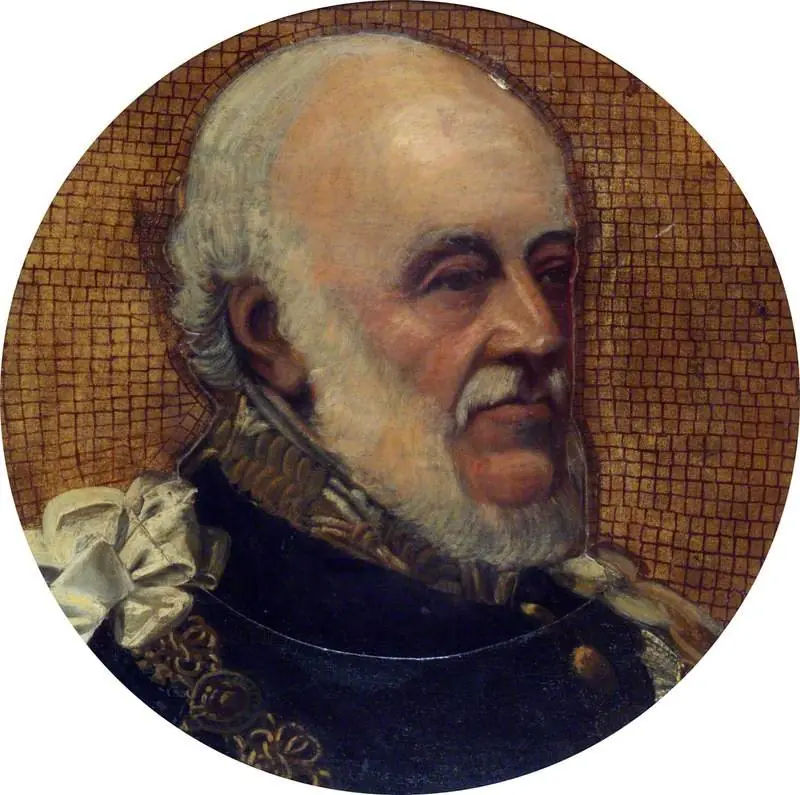 The Marquis of Salisbury (1791–1868)
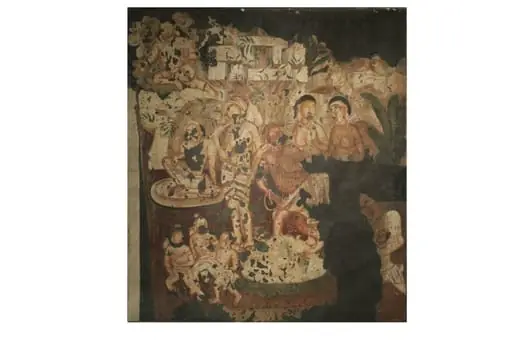 Copy of painting inside the caves of Ajanta (Cave 2)
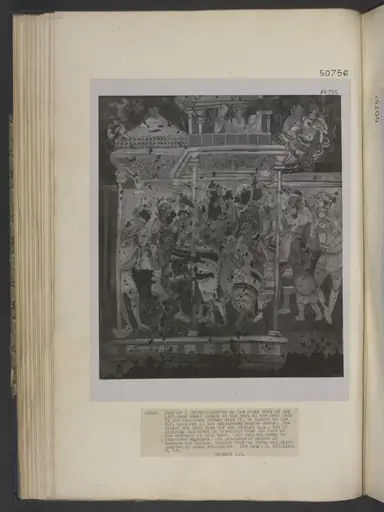 Copy of painting in the caves of Ajanta (cave 2)
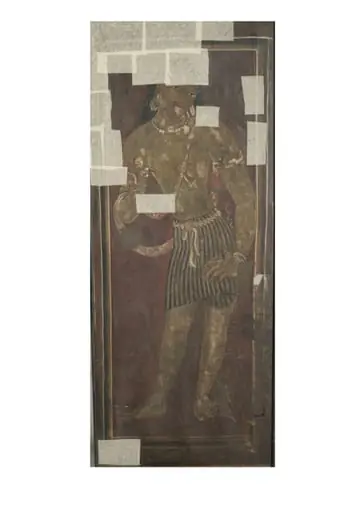 Copy of painting in the caves of Ajanta (cave 17)
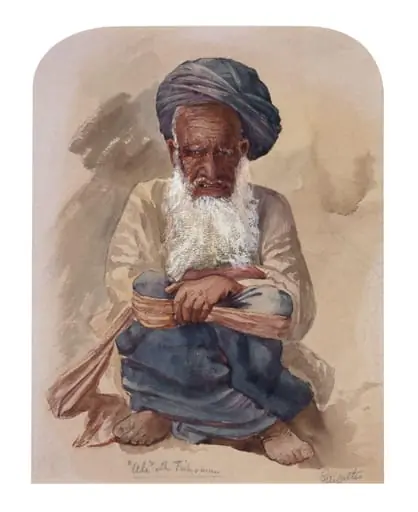 Ali the fisherman
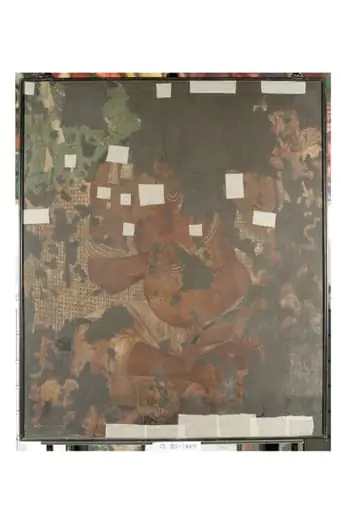 Copy of painting inside the caves of Ajanta (cave 16)
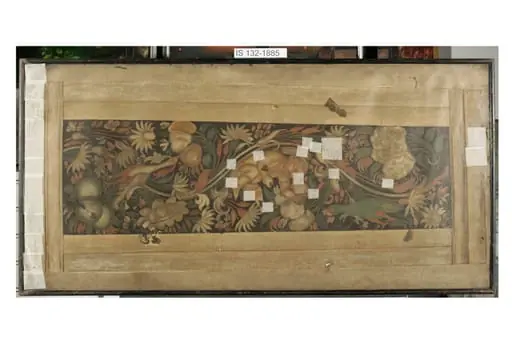 Copy of painting inside the caves of Ajanta (cave 1)
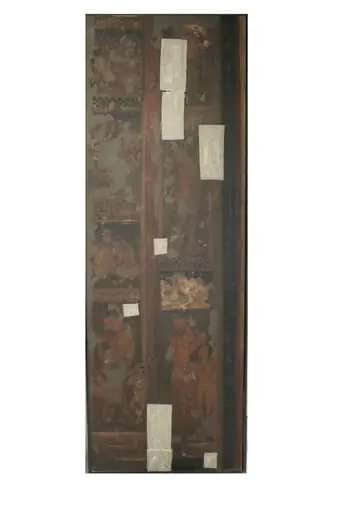 Copy of painting in the caves of Ajanta (cave 6)
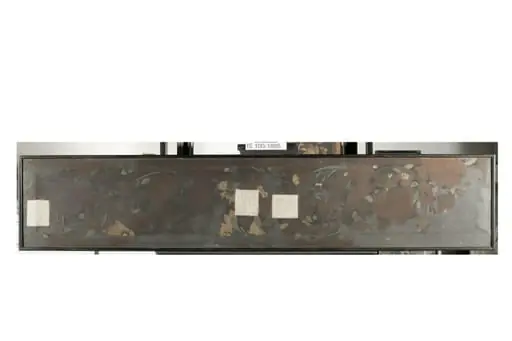 Copy of painting inside the caves of Ajanta (cave 6)
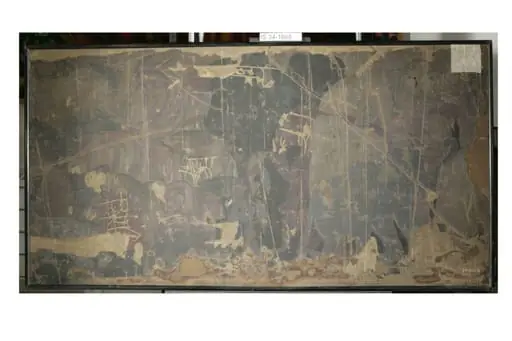 Copy of painting inside the caves of Ajanta (cave 10)
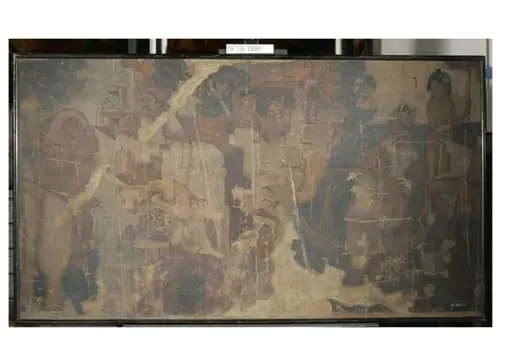 Copy of painting inside the Ajanta caves (cave 10)
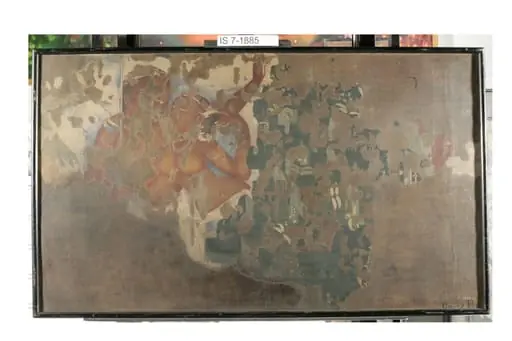 Copy of painting inside the caves of Ajanta (cave 2)
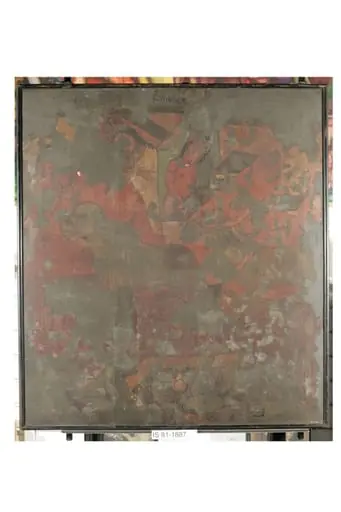 Copy of painting inside the caves of Ajanta (cave 16)
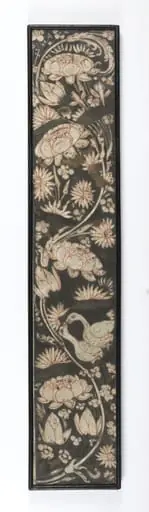 Copy of painting in the caves of Ajanta (Cave 2)
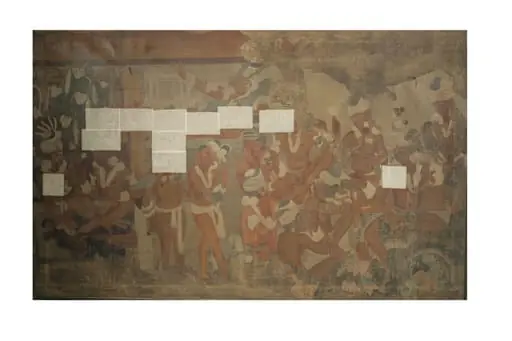 Copy of painting inside the caves of Ajanta (Cave 1)