Artwork
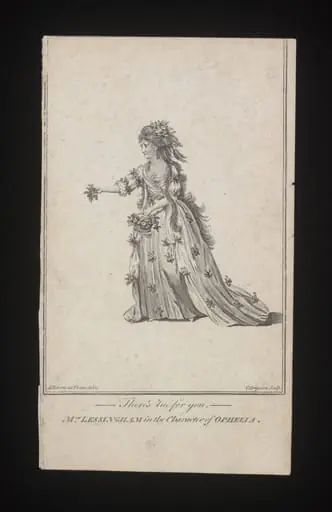
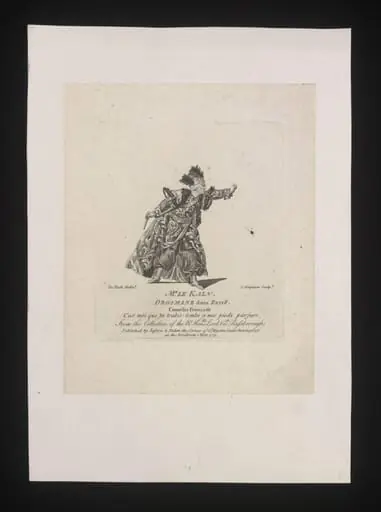
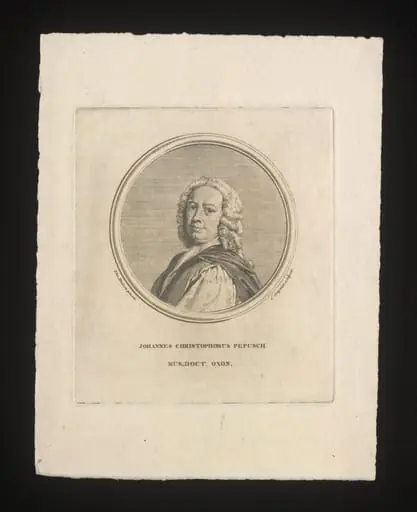
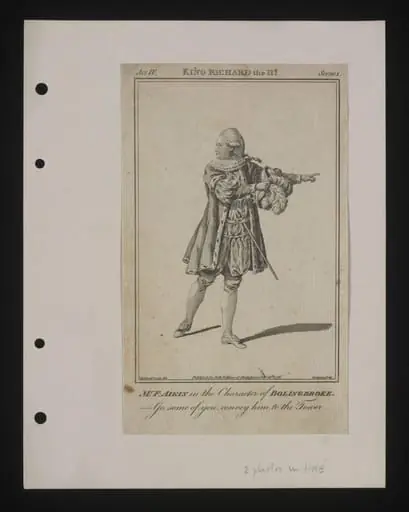
H Beard Print Collection
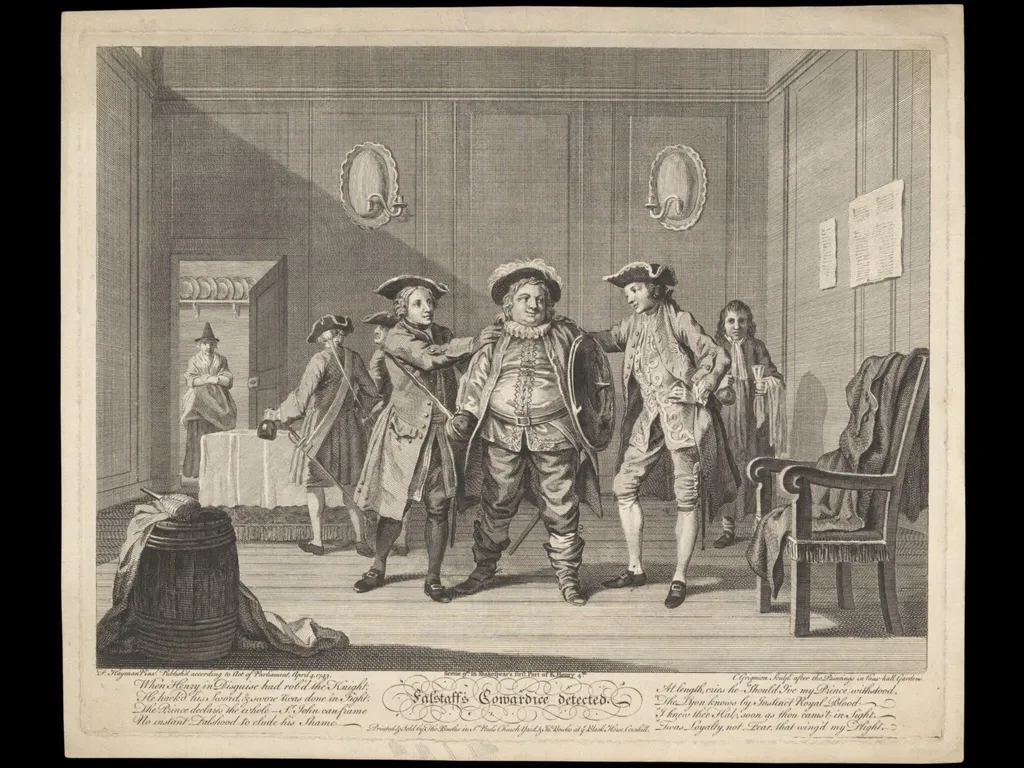
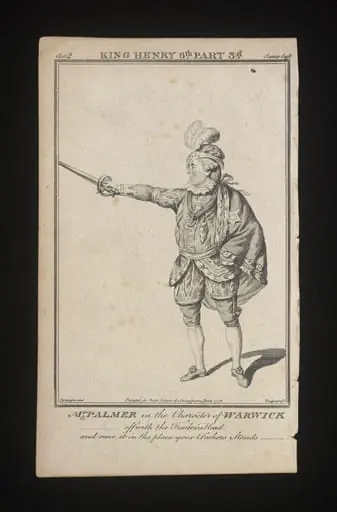
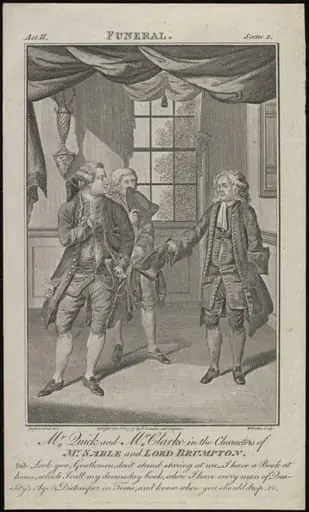
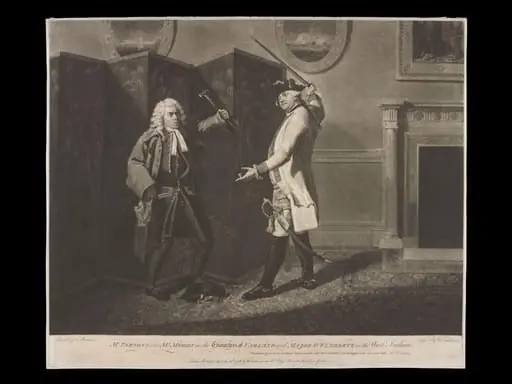
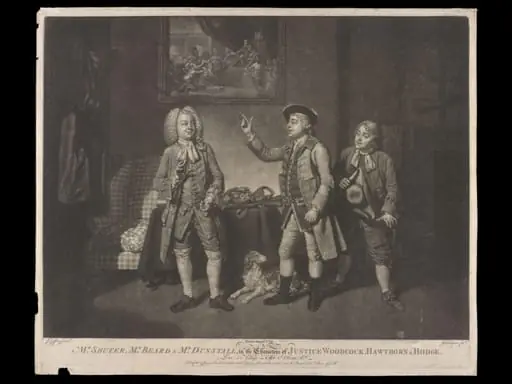
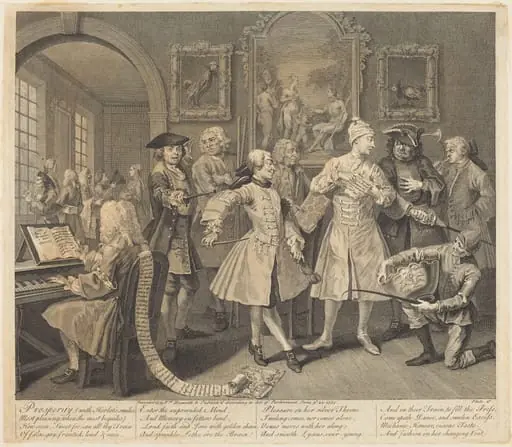
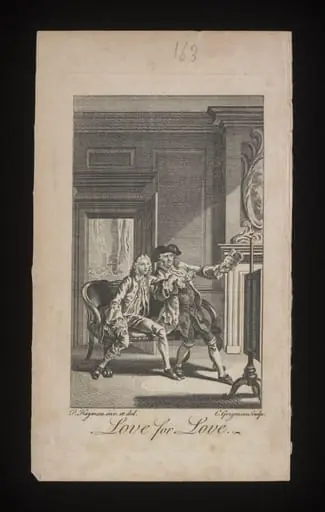
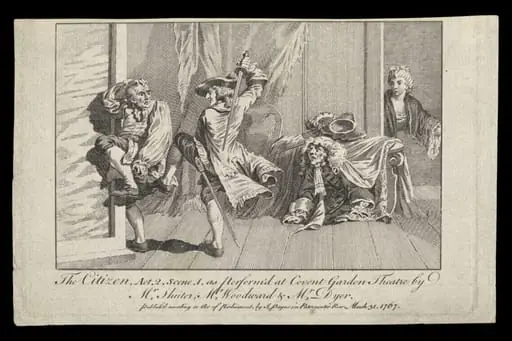
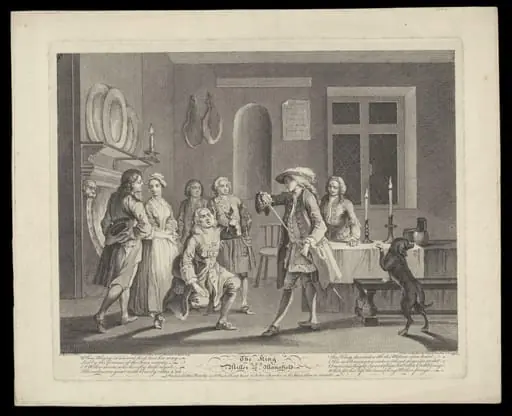
H Beard Print Collection is a print by Charles Grignion. It dates from 1750 and is held in the collection of the Victoria and Albert Museum. This print illustrates a moment from Act II, Scene 4 of Shakespeare’s King Henry IV, Part I, titled 'Falstaff's Cowardice Detected.
About this work
Overview
This print illustrates a moment from Act II, Scene 4 of Shakespeare’s King Henry IV, Part I, titled 'Falstaff's Cowardice Detected.
This print illustrates a moment from Act II, Scene 4 of Shakespeare’s King Henry IV, Part I, titled 'Falstaff's Cowardice Detected.' It captures the moment when Falstaff’s fabricated tale of bravery is exposed by Prince Hal and Poins, revealing his deceit. The composition centers on the tension between the boastful knight and his skeptical companions, rendered in a graphic style typical of 19th-century theatrical illustration.
Subject & Meaning
The scene dramatizes the unraveling of Falstaff’s persona, exposing his cowardice after he claims to have fought off a group of attackers. The print underscores the play’s themes of honor, performance, and identity. By freezing this moment of revelation, the artist highlights the contrast between Falstaff’s inflated self-image and the reality witnessed by others, reinforcing the comedic and critical tone of Shakespeare’s text.
Technique & Style
The print employs linear clarity and tonal contrast to define figures and space, likely using engraving or etching techniques common in illustrated Shakespeare editions. While not strictly chiaroscuro, it uses strong light-dark divisions to emphasize emotional dynamics—Falstaff’s flushed face against the shadowed figures of Hal and Poins. The style prioritizes narrative legibility over atmospheric depth, aligning with popular print traditions of the era.
History & Provenance
Part of the H. Beard Print Collection, this work originates from a series of theatrical scenes published in the mid-19th century, aimed at a middle-class audience interested in Shakespearean drama. Such prints were often sold as affordable souvenirs or educational aids. The collection reflects a broader Victorian fascination with staging and visualizing literary classics for domestic consumption.
Context
In the 1800s, illustrated Shakespeare prints flourished as theater became more accessible and literacy rates rose. Publishers commissioned artists to translate key scenes into reproducible images, bridging the gap between stage and page. This print fits within a wave of visual culture that treated Shakespeare as national heritage, making his characters familiar through repeated imagery in homes and schools.
Legacy
Though now a historical artifact, this print preserves how 19th-century audiences interpreted Falstaff—not as a tragicomic figure, but as a moral lesson in deception. Its existence reflects the era’s tendency to moralize literature through visual narrative. Today, it serves as evidence of how Shakespeare’s plays were mediated for public consumption beyond the stage.
Artist & collection

Artist
Charles Grignion the Elder (1721–1810) was a British engraver and draughtsman. Grignion was born in London to Huguenot refugees. He was a prolific historical engraver and book illustrator. He studied in London at…