Artwork
Orfeu
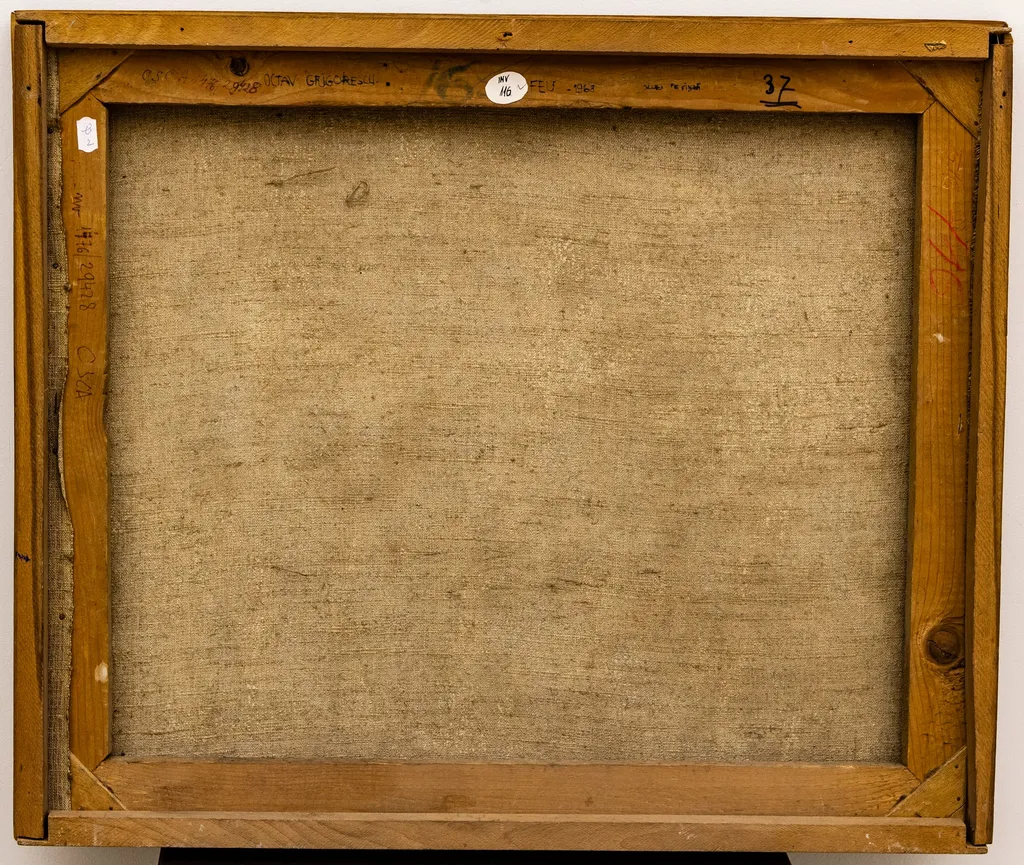
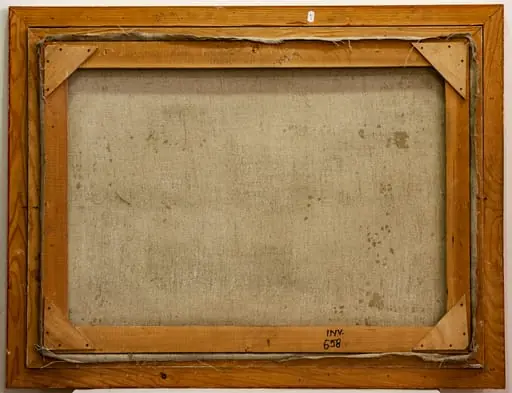
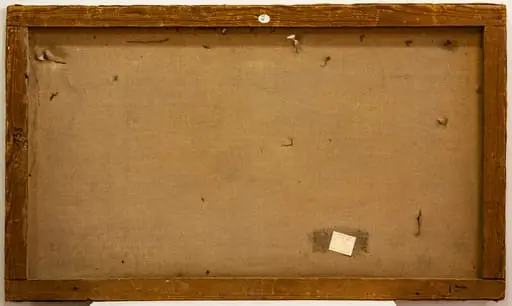
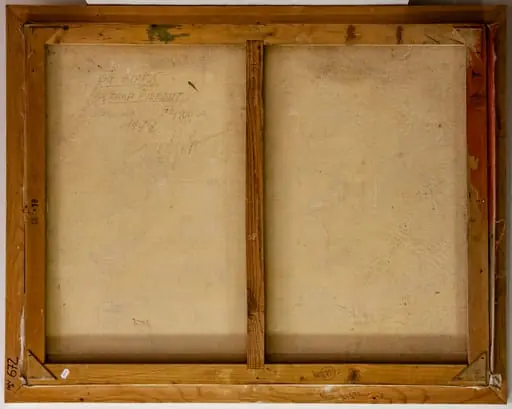
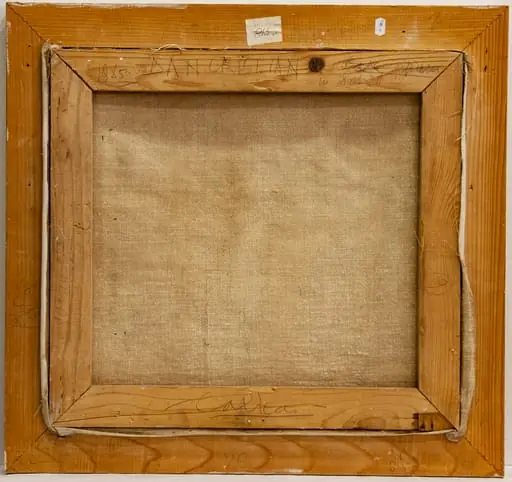
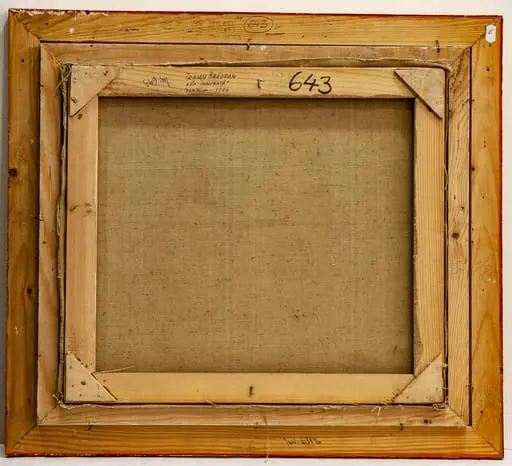
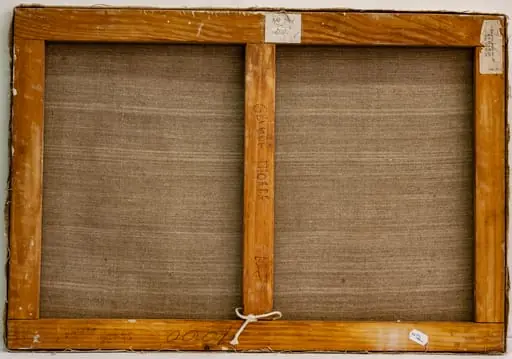
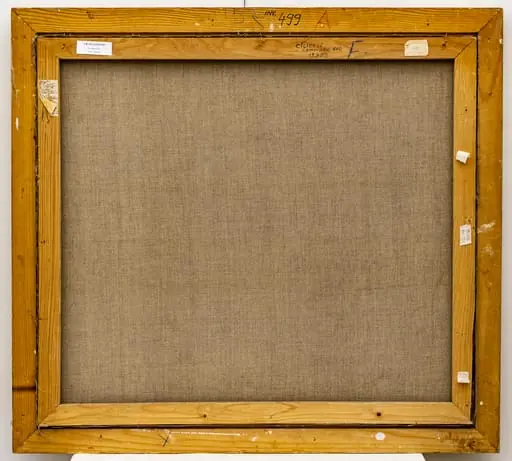
Orfeu is a print by Octav Grigorescu. It is held in the collection of the Gavrila Simion Eco-Museum Research Institute Tulcea. This object is an empty wooden frame with a faded, off-white canvas stretched inside.
About this work
Overview
The canvas shows no visible imagery, its surface uniformly degraded, leaving only traces of what may have been removed or lost.
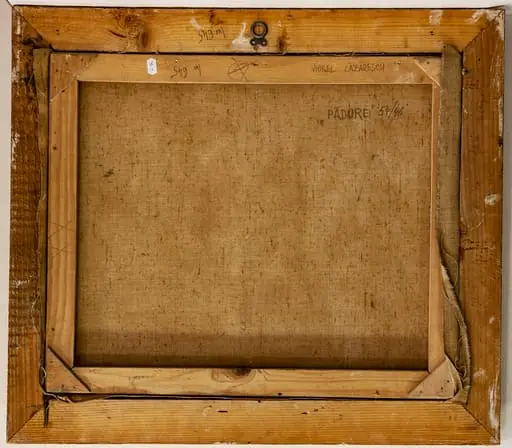
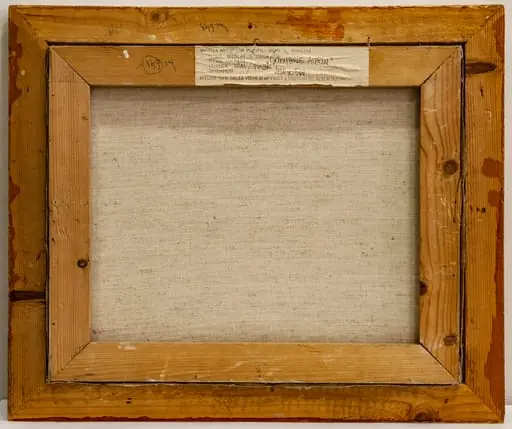
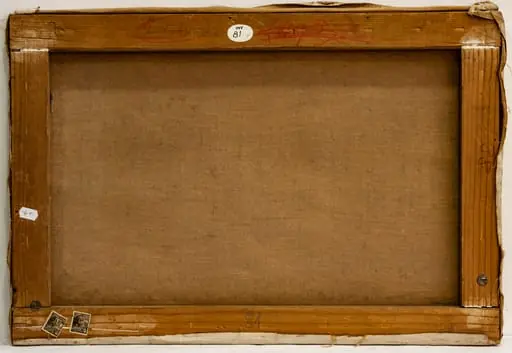
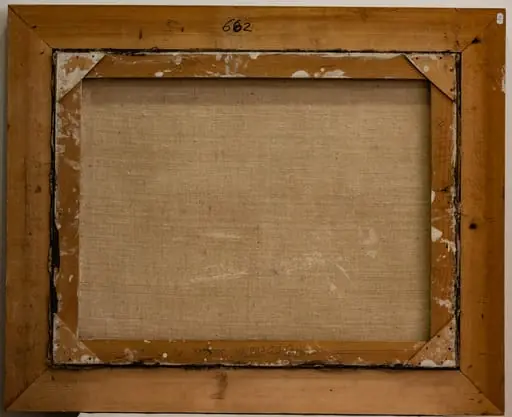
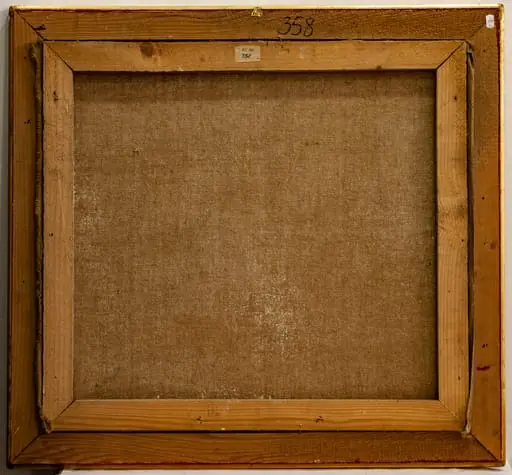
This object is an empty wooden frame with a faded, off-white canvas stretched inside. The frame, lightly stained and worn, bears no decorative elements, suggesting functional rather than ornamental intent. Handwritten inscriptions along its edges include the name Octav Grigorescu, indicating it once housed one of his works. The canvas shows no visible imagery, its surface uniformly degraded, leaving only traces of what may have been removed or lost.
Subject & Meaning
The absence of imagery transforms the frame into a relic of absence. Its emptiness implies a lost or destroyed painting, perhaps intentionally erased, damaged, or removed. The presence of Grigorescu’s name anchors it to a specific artistic practice, making the void a silent testament to the fragility of artistic output. It invites reflection on impermanence, archival loss, and the material afterlife of artworks.
Technique & Style
The frame is constructed from plain, unadorned wood with a weathered, light brown finish, consistent with utilitarian workshop practices. The canvas is stretched taut but shows signs of aging—yellowing, texture from fiber degradation, and no priming or paint residue. The handwriting on the frame is casual, likely applied by a handler or archivist, not an artist, reinforcing its role as a container rather than a finished object.
History & Provenance
The frame likely originated in Octav Grigorescu’s studio or a Romanian art institution where his works were stored. The handwritten name suggests it was cataloged or labeled for identification. The canvas’s blank state implies the original painting was removed—possibly due to deterioration, censorship, or reassignment. Its survival as a frame without its contents points to an incomplete archival record.
Context
In mid-20th century Romania, many artists’ works were lost or suppressed under political regimes. Grigorescu, active during this period, produced figurative and symbolic paintings that may have been deemed ideologically suspect. This frame, stripped of its contents, reflects broader patterns of cultural erasure, where physical artifacts outlast the images they once carried, becoming silent witnesses to historical disruption.
Legacy
Though devoid of its original image, the frame endures as a physical marker of absence. It functions as a mute archive, prompting inquiry into what was lost and why. Its preservation suggests recognition of its historical value beyond aesthetics—offering insight into the material conditions of artistic production and the vulnerability of cultural memory in turbulent times.
Artist & collection
Artist
Octav Grigorescu made prints steeped in folklore and dreamlike scenes. The bundle includes Orfeu, a print that weaves myth into sharp black-and-white lines, and Poartă, another print where an open door frames a quiet,…
Museum
Gavrila Simion Eco-Museum Research Institute Tulcea
Continue through works from the same source collection.