Artwork
The Assumption of Mary
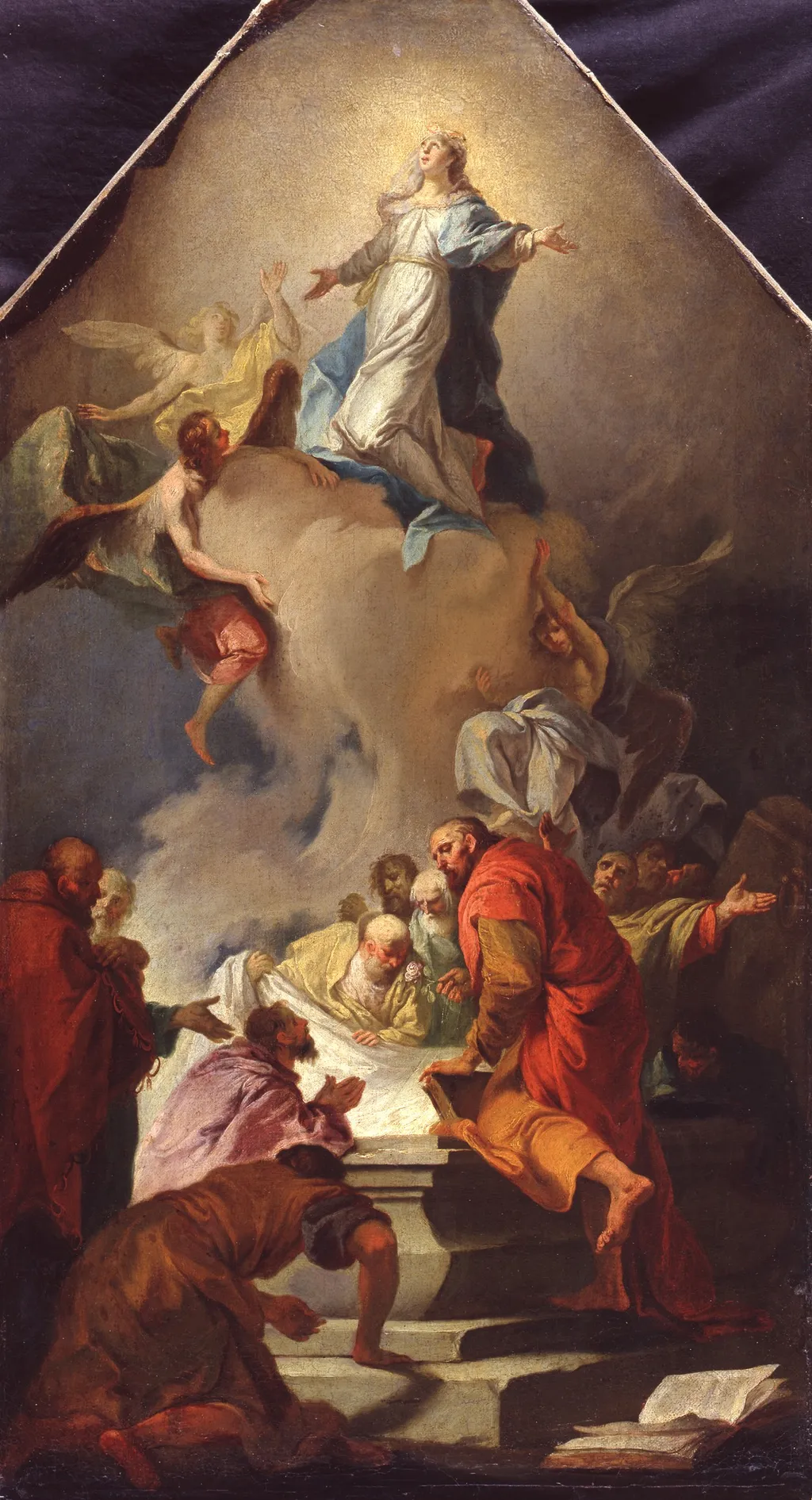
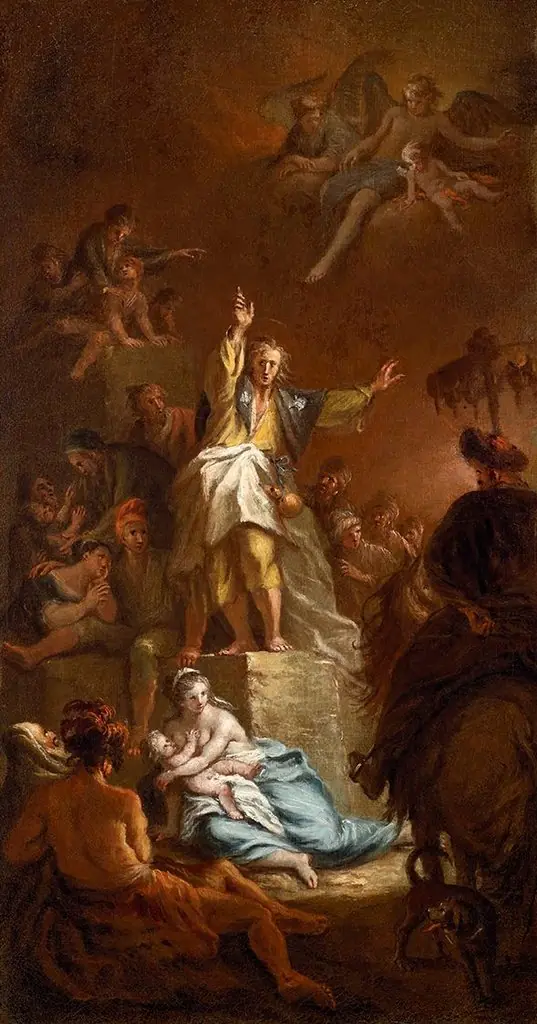
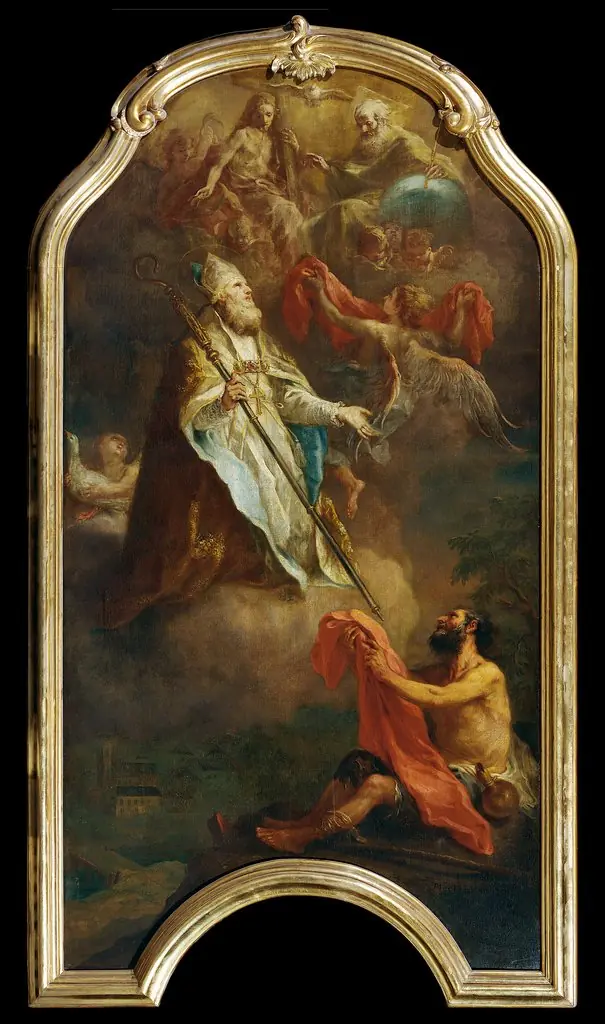
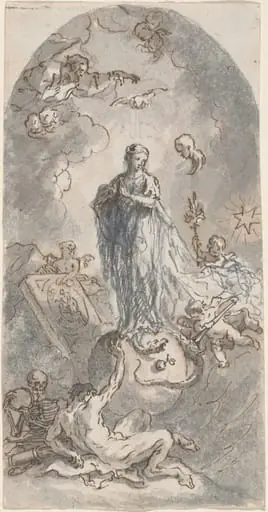
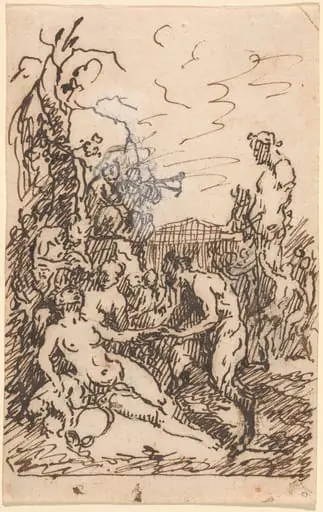
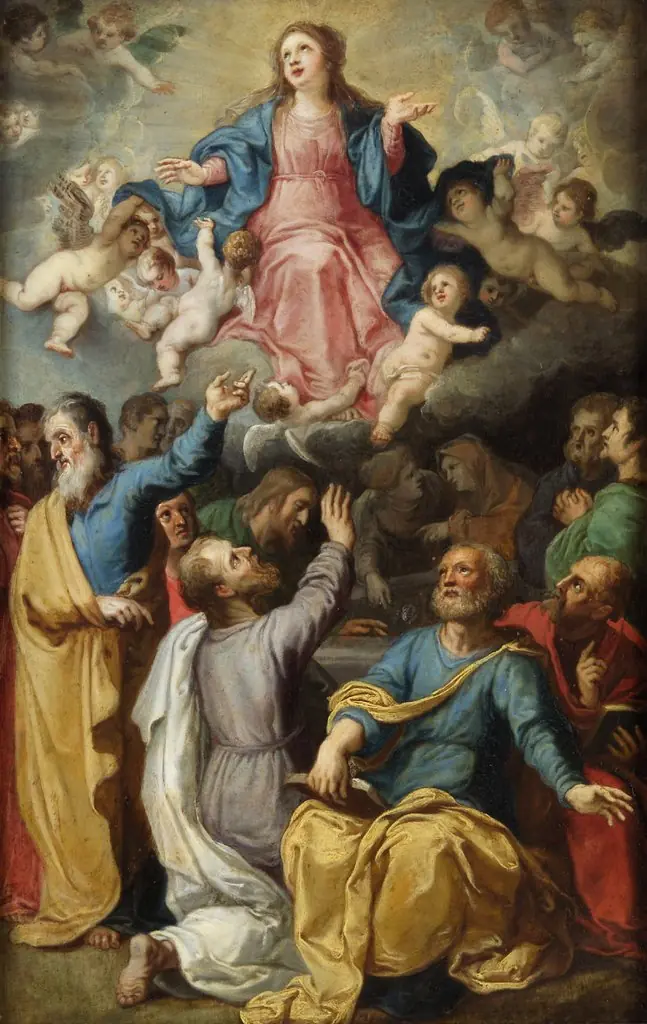
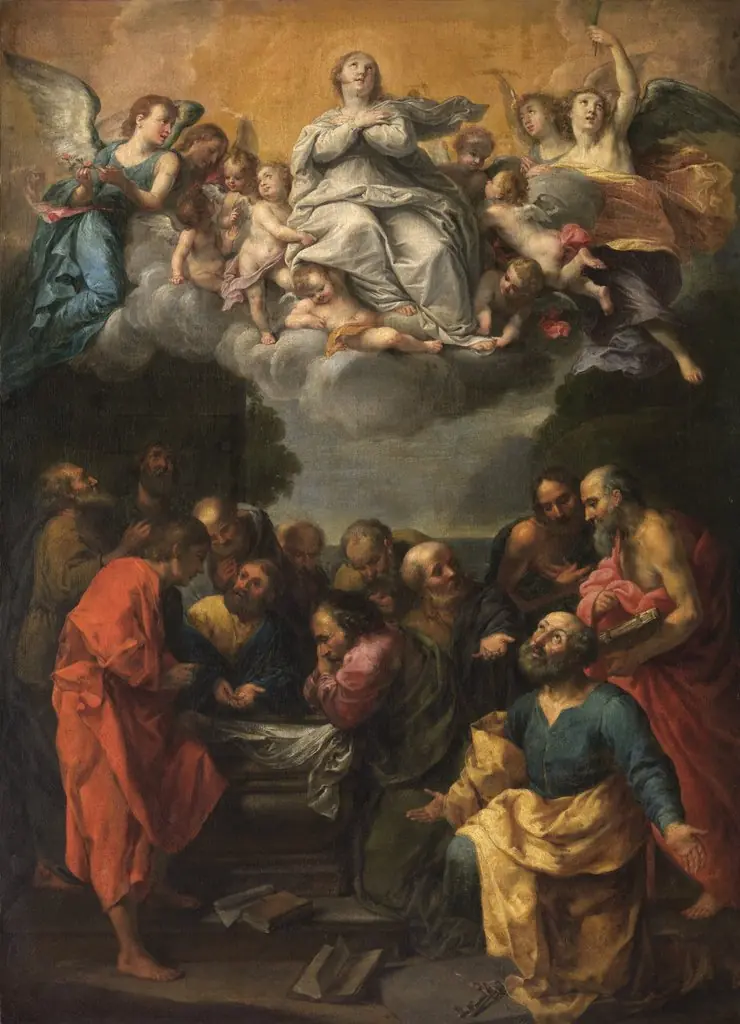
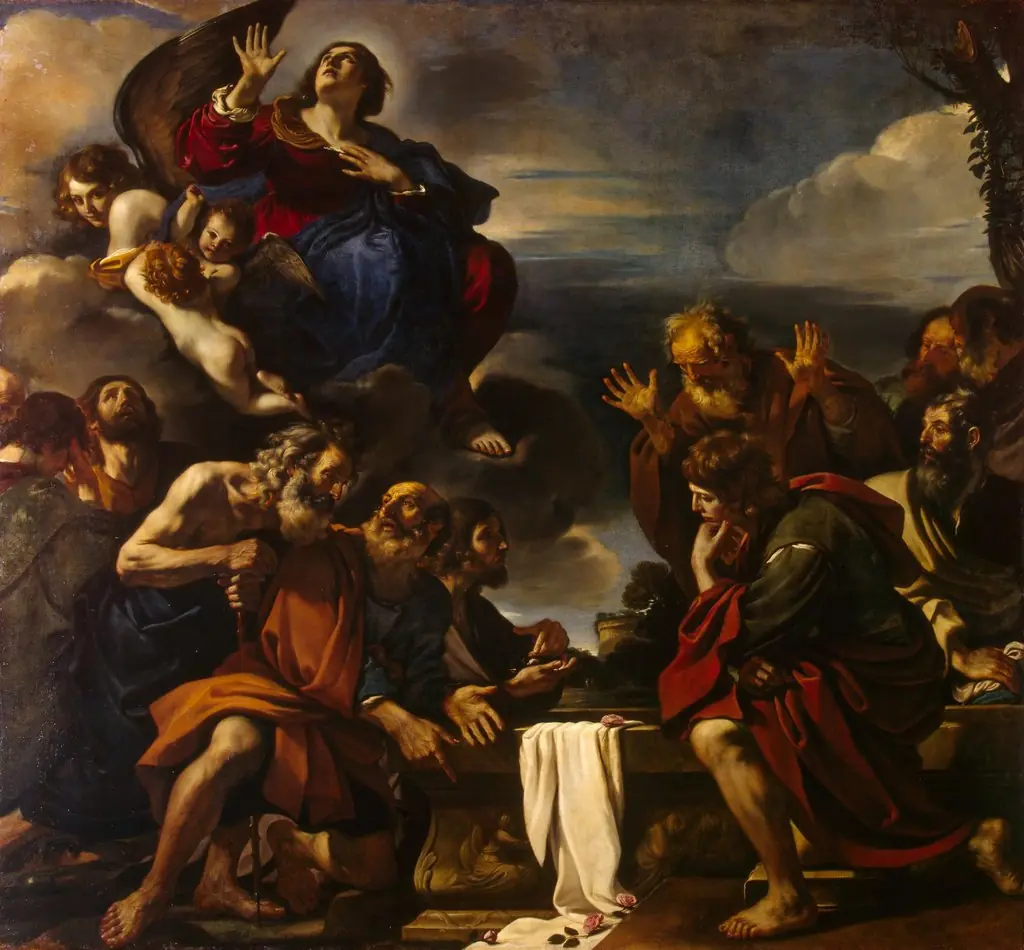
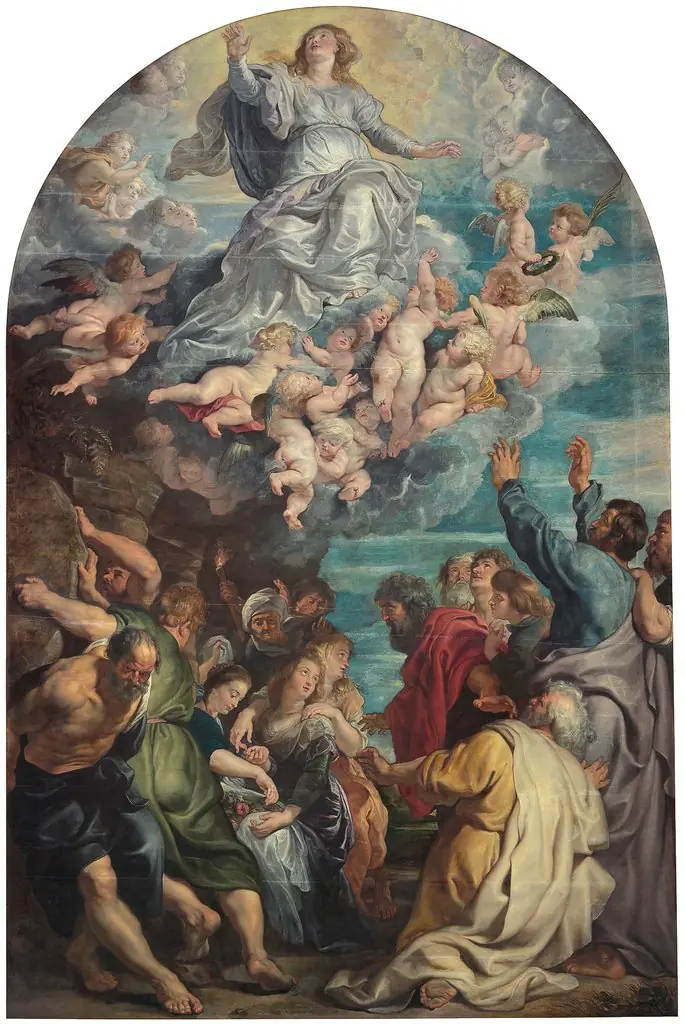
The Assumption of Mary is an oil painting by the Rococo painting artist Martin Johann Schmidt. It dates from 1756 and is held in the collection of the Gemäldegalerie Berlin.
About this work
Overview
The Assumption of Mary is a 1756 oil painting by Martin Johann Schmidt, a prominent Austrian artist of the late Baroque and Rococo periods. The work is characterized by its serene depiction of a religious event, executed in the Rococo style.
Subject & Meaning
The painting illustrates the Assumption of Mary, with the Virgin ascending to heaven surrounded by robed figures in awe. The scene conveys reverence and wonder, with compositional elements guiding the viewer's emotional engagement.
Technique & Style
Schmidt employed oil paint to create depth and emotion through thoughtful color use and composition. The Rococo influence is evident in the light, airy backdrop of clouds and radiant light enveloping the scene.
History & Provenance
Created in 1756, the painting is now part of the Gemäldegalerie Berlin's collection. Schmidt, known as Kremser Schmidt, primarily worked in Stein, Lower Austria, decorating religious institutions.
Context
As a late Baroque/Rococo artist, Schmidt's work reflects the transitional aesthetic of his time, blending the dramatic intensity of Baroque with the lighter, more graceful elements of Rococo.
Legacy
While specific lasting impacts of *The Assumption of Mary* on broader art historical movements are not widely noted, it remains a representative example of Schmidt's contribution to Austrian Rococo religious art.
Artist & collection
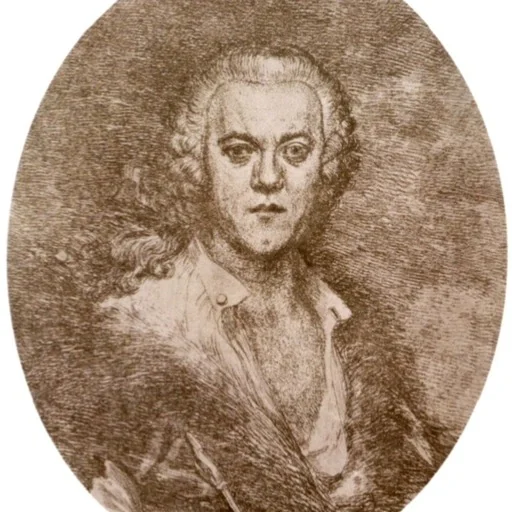
Artist
Martin Johann Schmidt, called Kremser Schmidt or Kremserschmidt, (25 September 1718 – 28 June 1801), was one of the outstanding Austrian painters of the late Baroque/Rococo along with Franz Anton Maulbertsch.