Artwork
Cleopatra
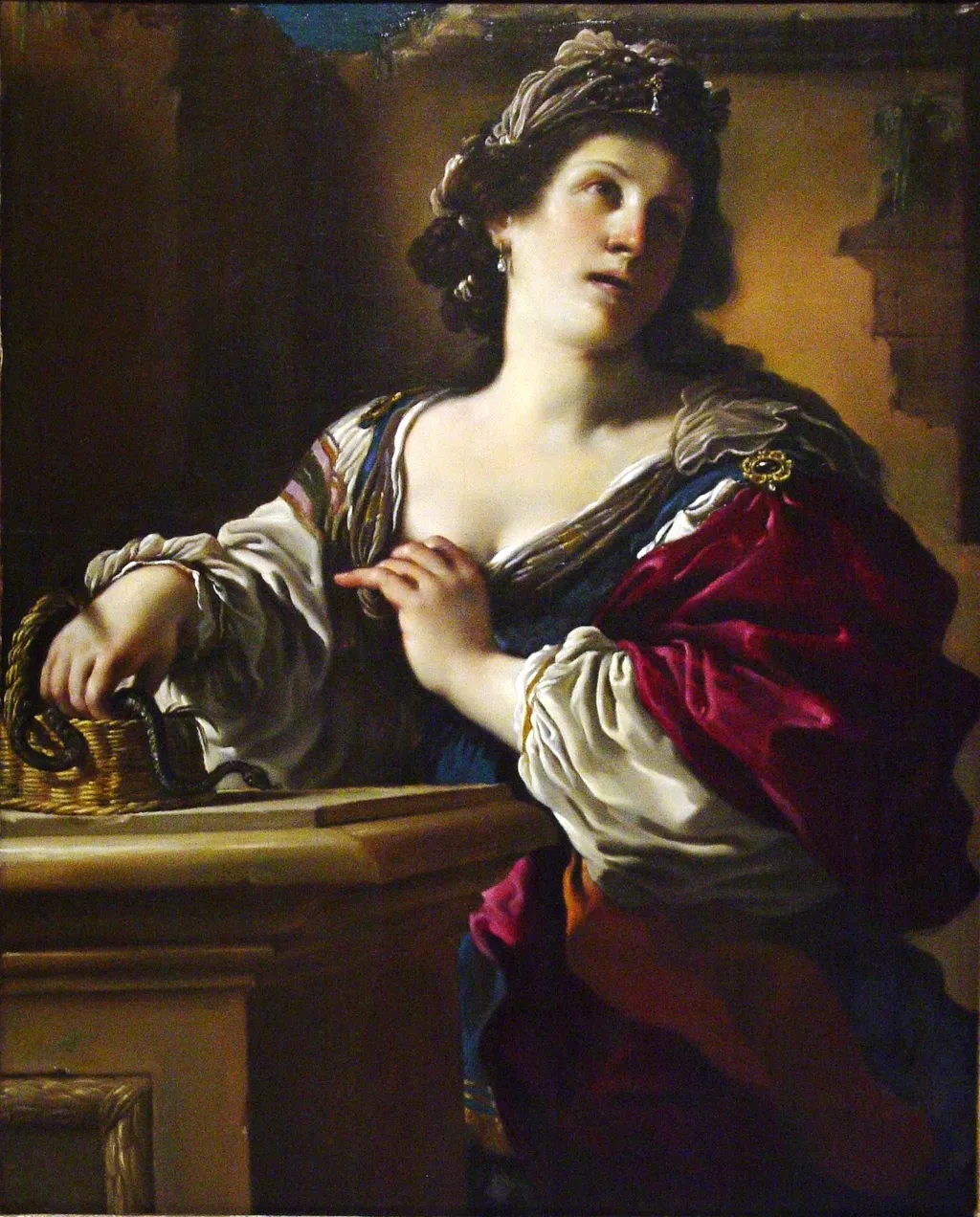
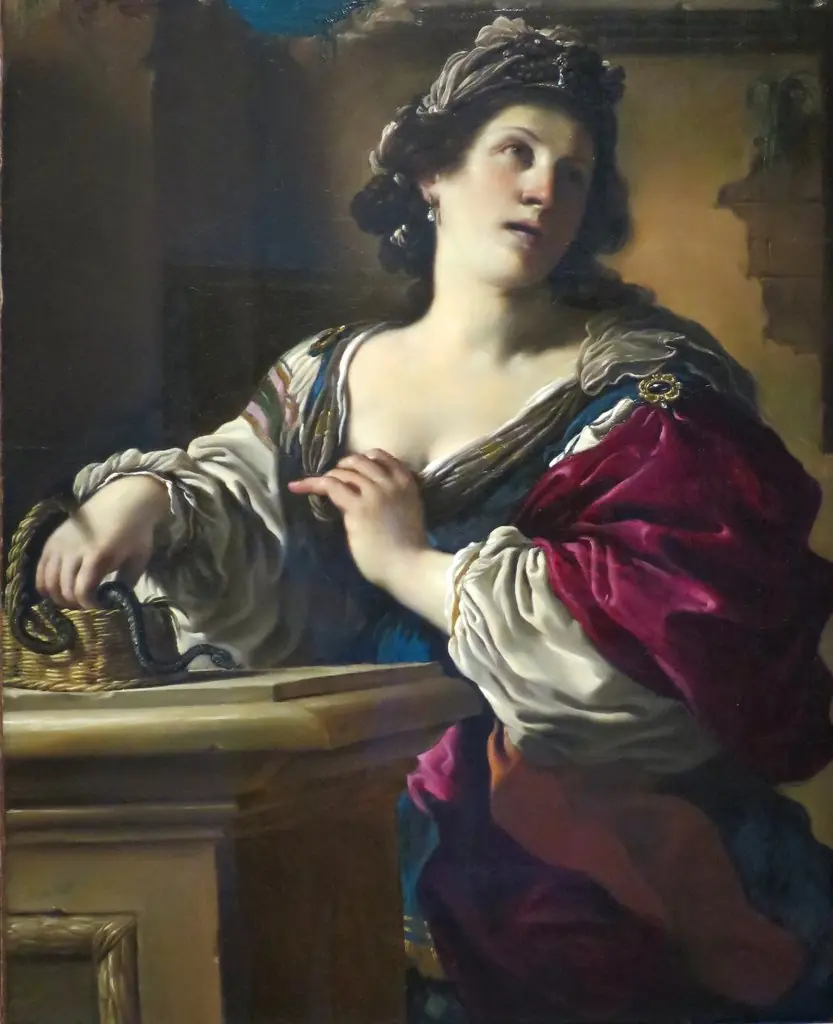
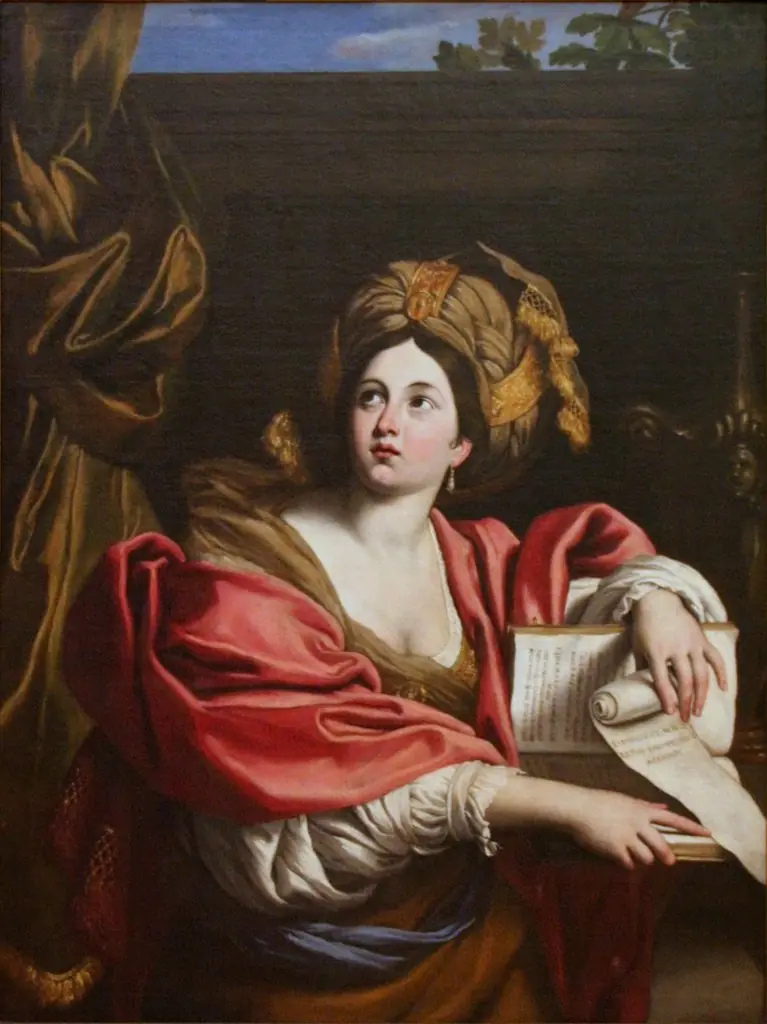
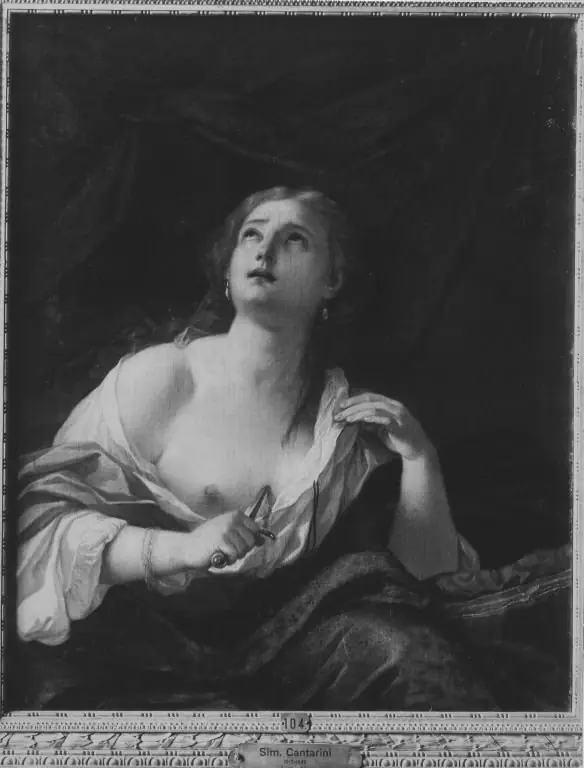
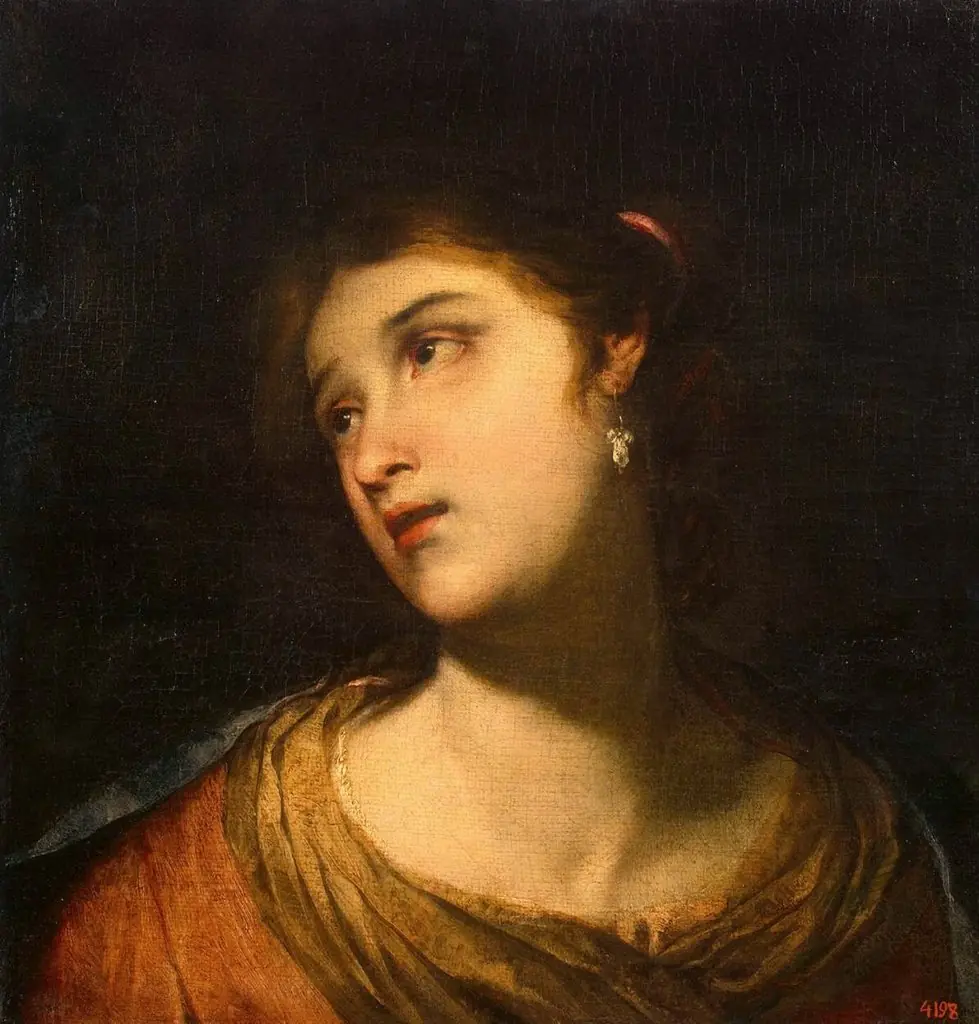
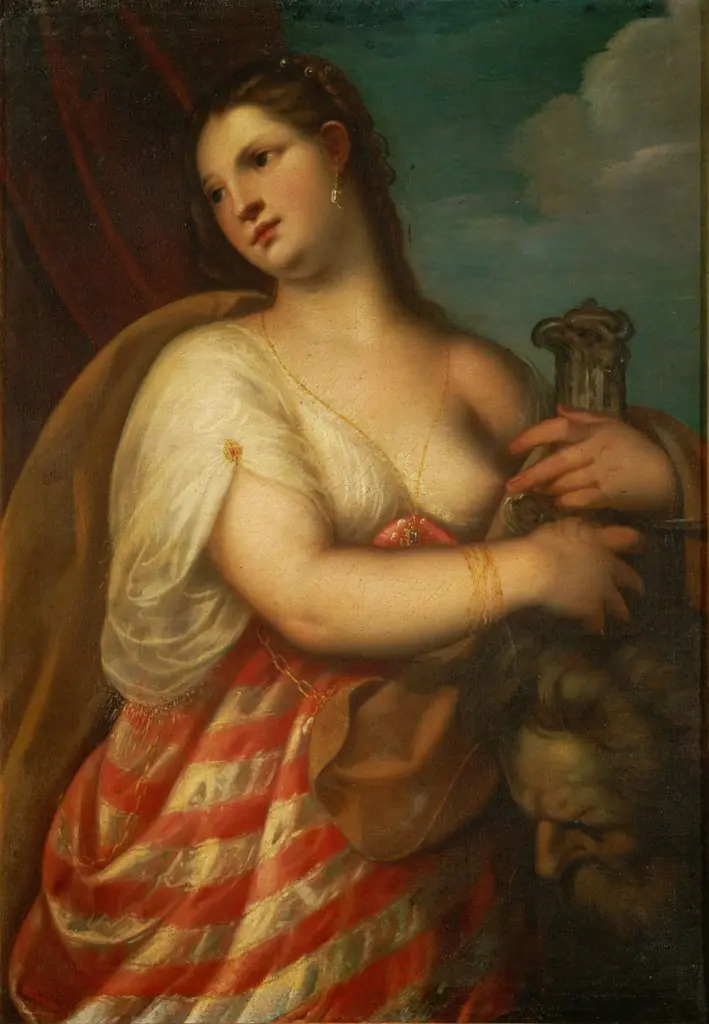
Cleopatra is an oil painting by the Early Baroque Italian artist Guercino. It dates from 1621 and is held in the collection of the National Gallery of Armenia.
About this work
Overview
Guercino's *Cleopatra* (1621) is an early Baroque Italian oil painting showcasing the artist's transitional style, blending naturalism with classical compositional elements. Created by Giovanni Francesco Barbieri (Guercino), a notable Baroque painter from Cento, the work is part of the National Gallery of Armenia's collection.
Subject & Meaning
The painting portrays a woman, potentially a queen, in a domestic setting with a basket, suggesting preparation for a journey or special occasion. Her attire (red and white dress) and pose (hands on chest and holding the basket) imply a narrative that is not explicitly stated, leaving interpretation open.
Technique & Style
The work employs chiaroscuro, a hallmark of Baroque painting, to create deep contrasts between light and dark. This technique generates a sense of drama and emotional tension, guiding the viewer's attention to the subject's face and the basket, exemplifying Guercino's early dynamic style.
History & Provenance
Created in 1621, *Cleopatra* represents a piece from Guercino's early period, characterized by a balance between naturalistic depiction and classical influences. The painting is currently housed in the National Gallery of Armenia.
Own this work as a print
Artist & collection

Artist
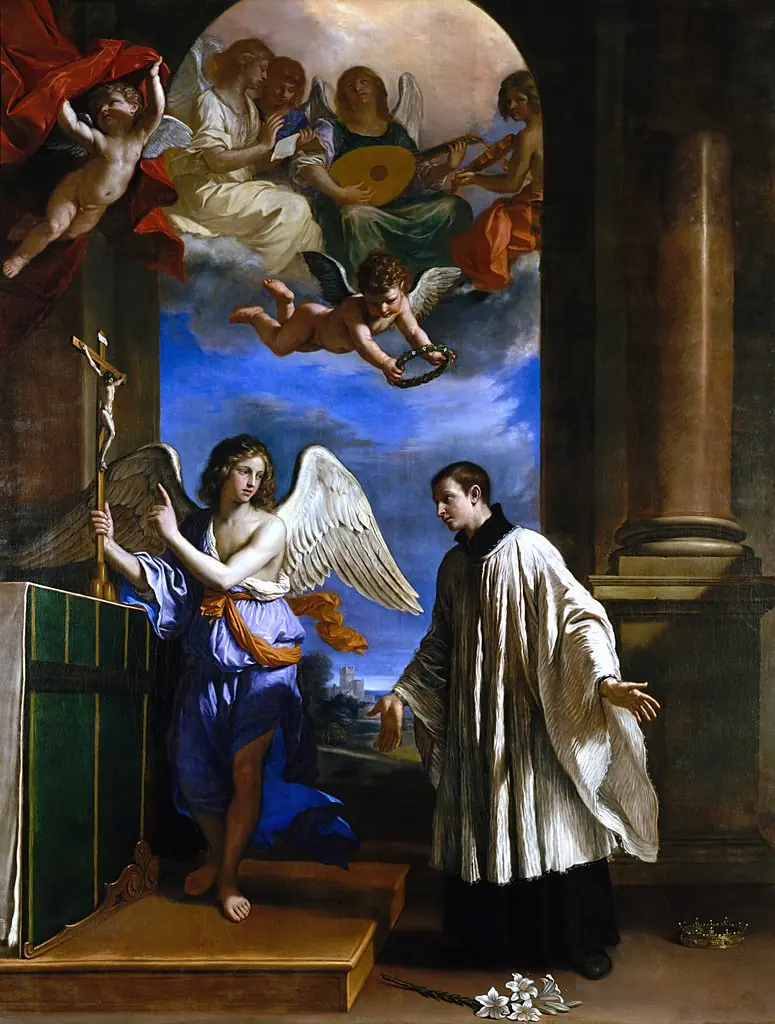
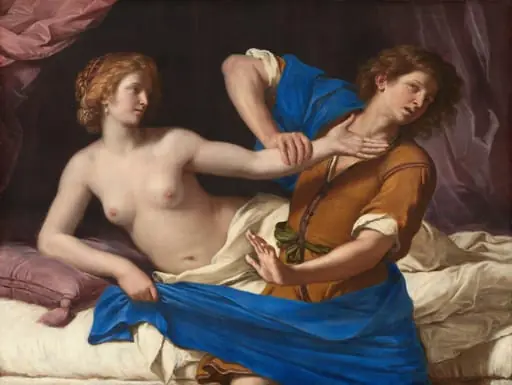
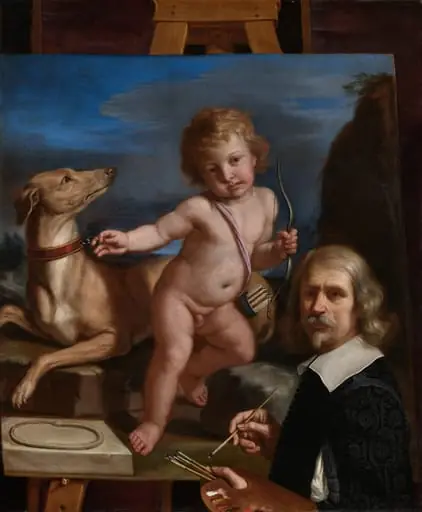
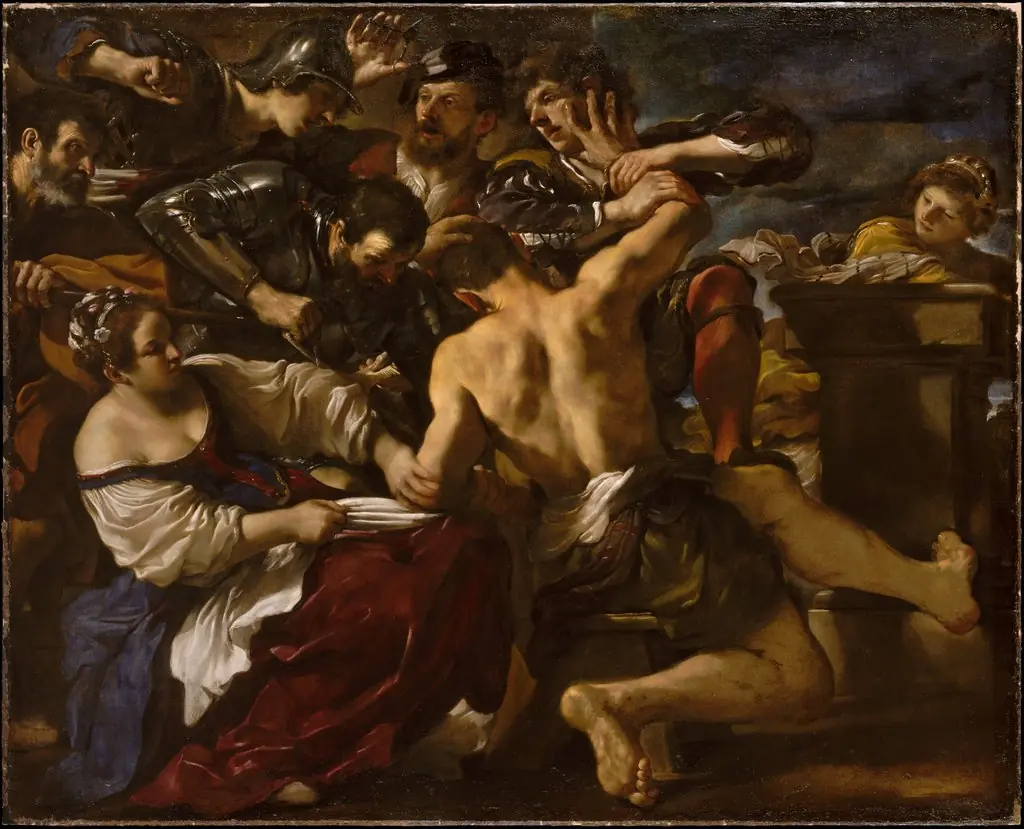
Giovanni Francesco Barbieri (8 February 1591 – 22 December 1666), better known as (il) Guercino (Italian pronunciation: ), was an Italian Baroque painter and draftsman from Cento in the Emilia region, who was active in Rome and Bologna.